Home Page


Expanding and exploring the frontiers of science and mathematics.
Get started by exploring our Areas of Study
We prepare the next generation of problem solvers to discover and innovate solutions for the future.
The College of Science promotes novel ways of thinking and implementation in a rapidly changing world.
We provide our scholars with hands-on experience, cross/multi-disciplinary research, and faculty and staff mentors who not only educate but inspire our scholars.

Next Steps to Enroll
From deposit to housing, view the first five steps for accepted first-year students.
Visit Us on Campus
Tours and information sessions are offered six days a week or you can explore other ways to experience RIT.

Faces of RIT
-
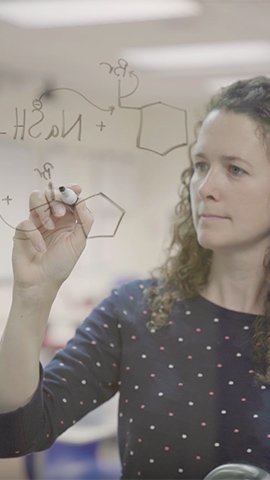
![Professor Tina Goudreau Collison writing a chemistry formula.]()
Expanding ASL
Tina Goudreau CollisonProfessor of ChemistryA complicated vocabulary and a lack of dedicated signs in American Sign Language makes Organic Chemistry a challenge for deaf and hard of hearing students. Collision worked with interpreters to develop new ASL signs, leading to profound learning improvements for her students.
-
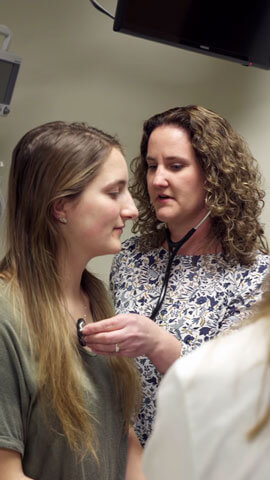
![Jennifer Wheeler, M.D.]()
Giving Back
Jennifer Wheeler, M.D. BS ’01BiotechnologyFamily MedicineAfter 9/11, Wheeler enlisted in the US Army and served as a doctor in Afghanistan. Now, she practices family medicine and serves as a preceptor to RIT students who are embarking on their own careers in medicine.
-
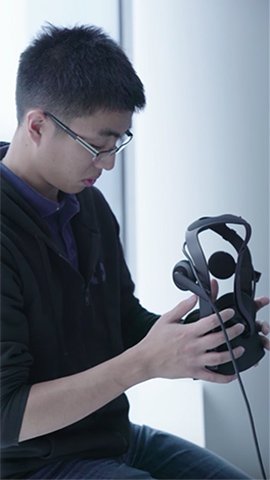
![Kevin Kha using a VR headset.]()
Enhancing Reality
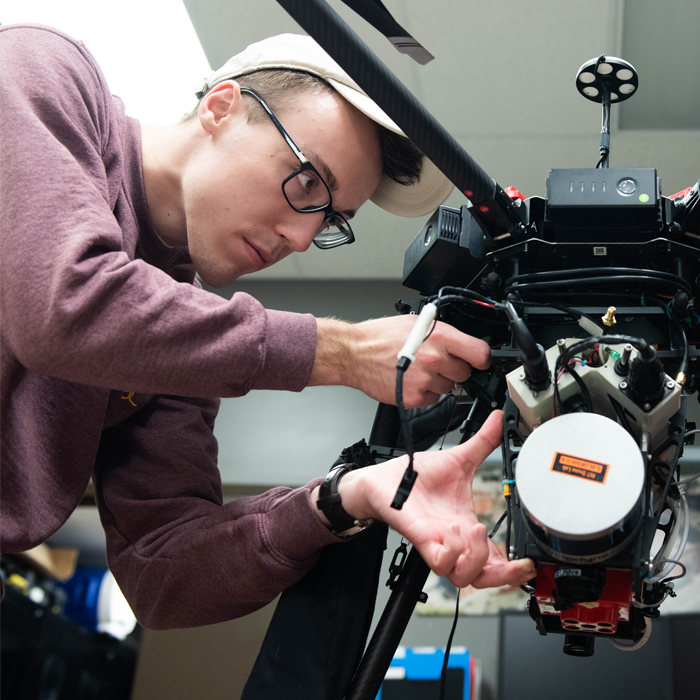
Kevin KhaImaging ScienceKha interned with Oculus testing their next generation of VR cameras, which have the potential to aid law enforcement and impact learning in schools. The internship turned into a full-time job, and Kha plans to work on enhancing the VR experience.
-
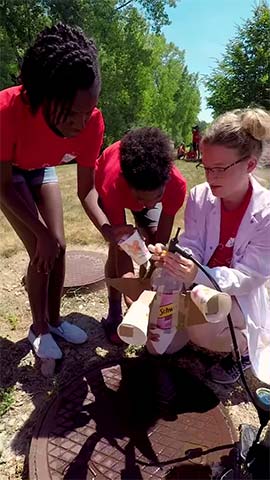
![Devon Christman conducting a science experiment with some kids.]()
Connecting Kids to Science
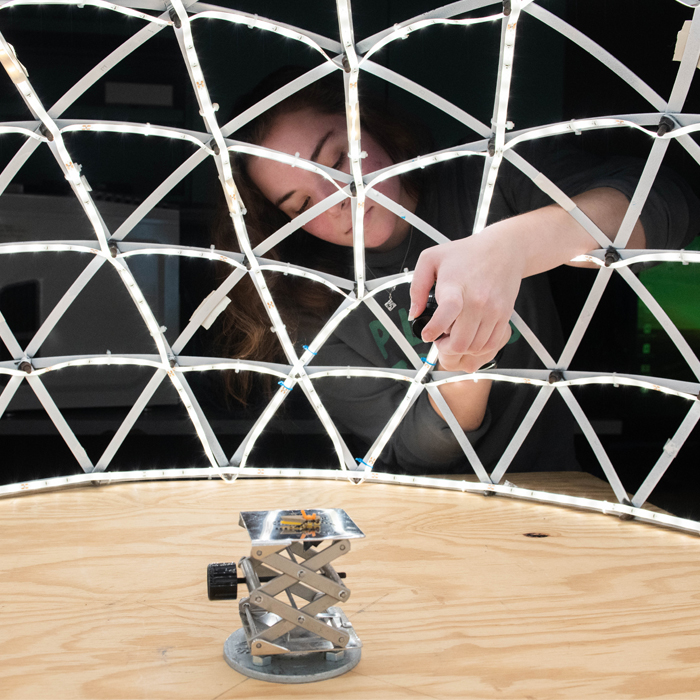
Devon M ChristmanPhysicsOver the summer, Christman taught a workshop called “Experiments in Science” to a group of children from RIT’s Kids on Campus program. By helping to change their perspectives on who and what a scientist is, Christman is shaping the minds of tomorrow’s scientists.
-
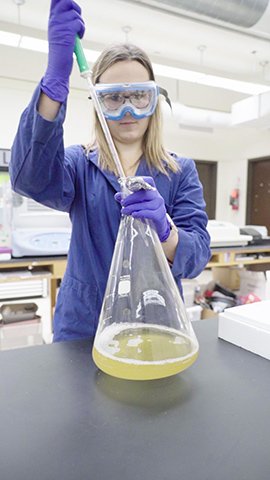
![Nicole Pannullo working in a chemistry lab.]()
Medicine's Future
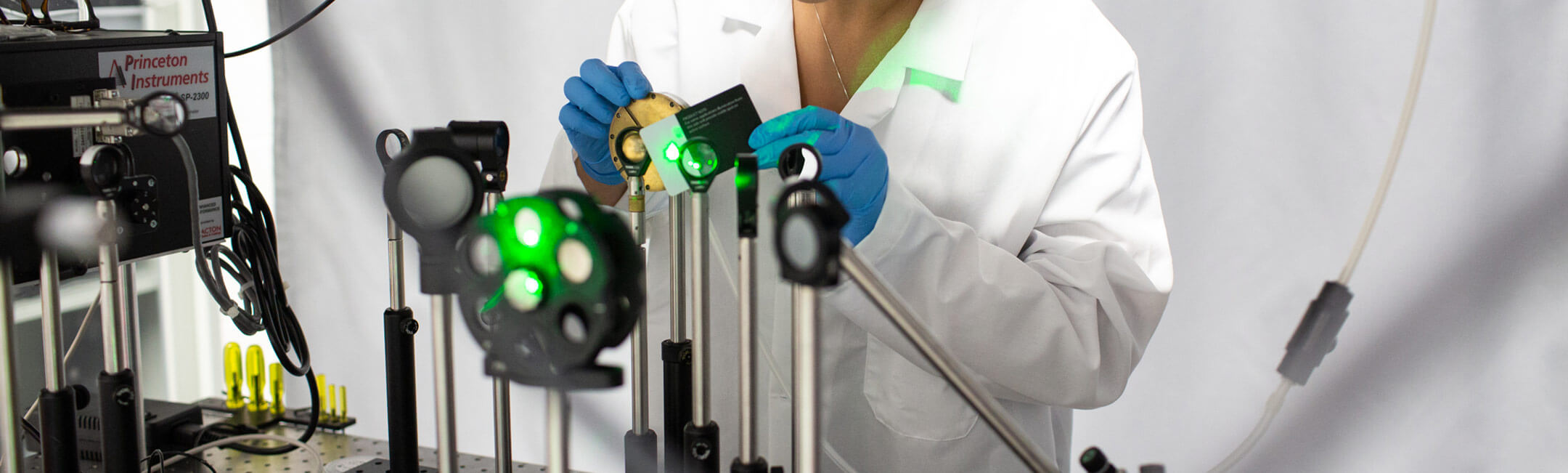
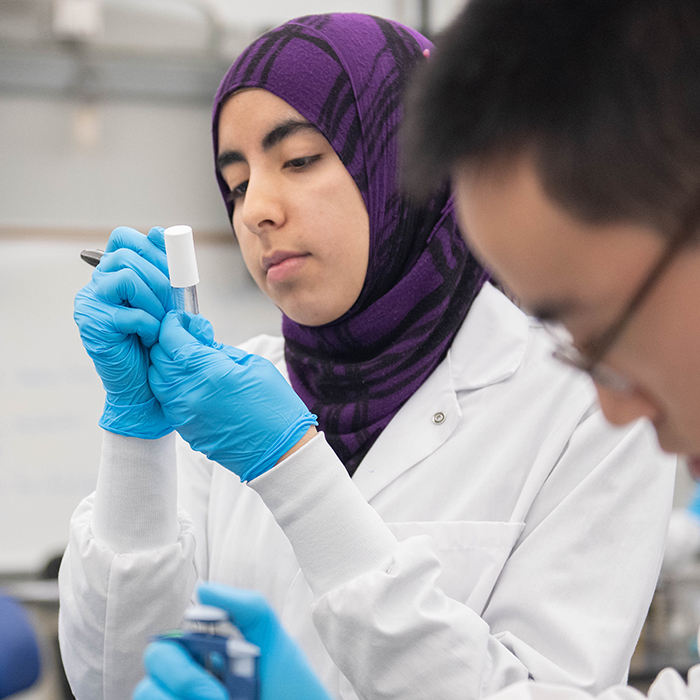
Nicole PannulloBiochemistryBy working on a faculty-guided research project, Pannullo has gained hands-on research experience to pursue a future in regenerative medicine. It’s one way Pannullo is putting experiential learning to work.
Latest News
-
April 19, 2024
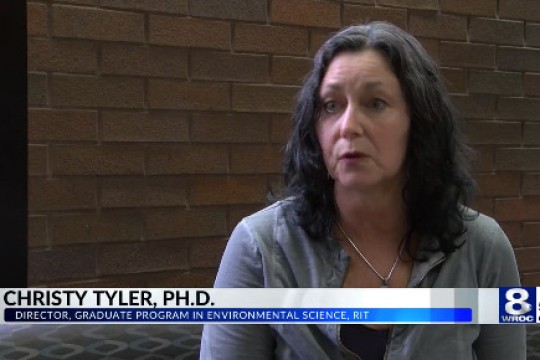
![Christy Tyler is pictured in front of a brick background talking to a reporter at News8 Rochester]()
RIT and URMC partner to study microplastic’s impact on the environment and human health
WROC-TV talks to Christy Tyler, professor in the Thomas H. Gosnell School of Life Sciences, about how climate change will impact microplastics.
-
April 18, 2024
![a headshot of Andre Hudson appears in a circle to the left on a blue background. To the right appears the AAAS logo and the words Associate Fellow with Andres name and title.]()
André Hudson named AAAS fellow
RIT College of Science Dean André Hudson has been named a fellow of the American Association for the Advancement of Science (AAAS), as announced by the organization’s council.
-
April 17, 2024
![a hand in a blue glove is holding a test tube containing large amounts of microplastics.]()
New microplastics research hub aims to unravel health impact in changing climate
RIT is spearheading a transformative $7.3 million research hub in collaboration with the University of Rochester. The center will study the lifecycle of microplastics, including its origin as plastic waste, distribution, and movement in the Great Lakes freshwater ecosystem.
-
April 17, 2024
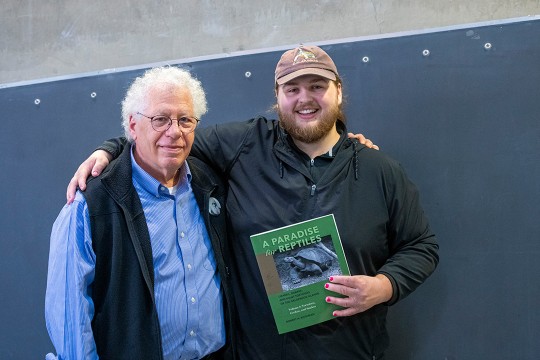
![Robert Rothman with former student Jay Kucharek]()
‘A Paradise for Reptiles’ by Robert Rothman
RIT Press book launch for "A Paradise for Reptiles" puts RIT author, professor emeritus Robert Rothman, in the spotlight.