Home Page


Expanding and exploring the frontiers of science and mathematics.
Get started by exploring our Areas of Study
We prepare the next generation of problem solvers to discover and innovate solutions for the future.
The College of Science promotes novel ways of thinking and implementation in a rapidly changing world.
We provide our scholars with hands-on experience, cross/multi-disciplinary research, and faculty and staff mentors who not only educate but inspire our scholars.

Next Steps to Enroll
From deposit to housing, view the first five steps for accepted first-year students.
Visit Us on Campus
Tours and information sessions are offered six days a week or you can explore other ways to experience RIT.

Faces of RIT
-
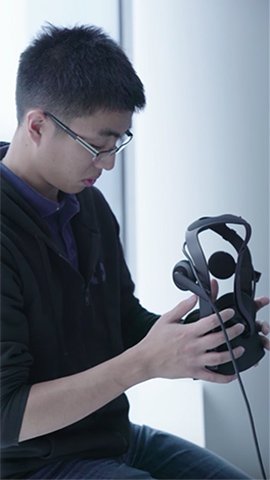
![Kevin Kha using a VR headset.]()
Enhancing Reality
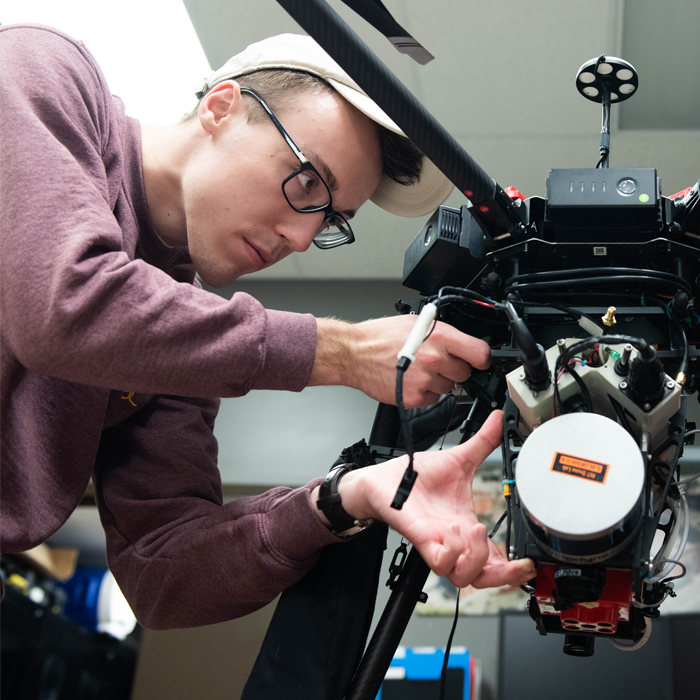
Kevin KhaImaging ScienceKha interned with Oculus testing their next generation of VR cameras, which have the potential to aid law enforcement and impact learning in schools. The internship turned into a full-time job, and Kha plans to work on enhancing the VR experience.
-
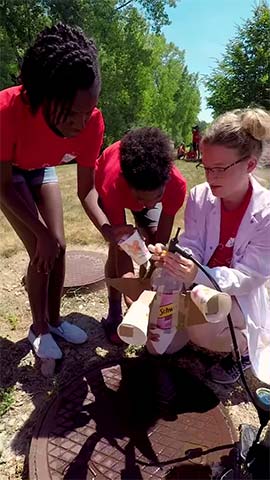
![Devon Christman conducting a science experiment with some kids.]()
Connecting Kids to Science
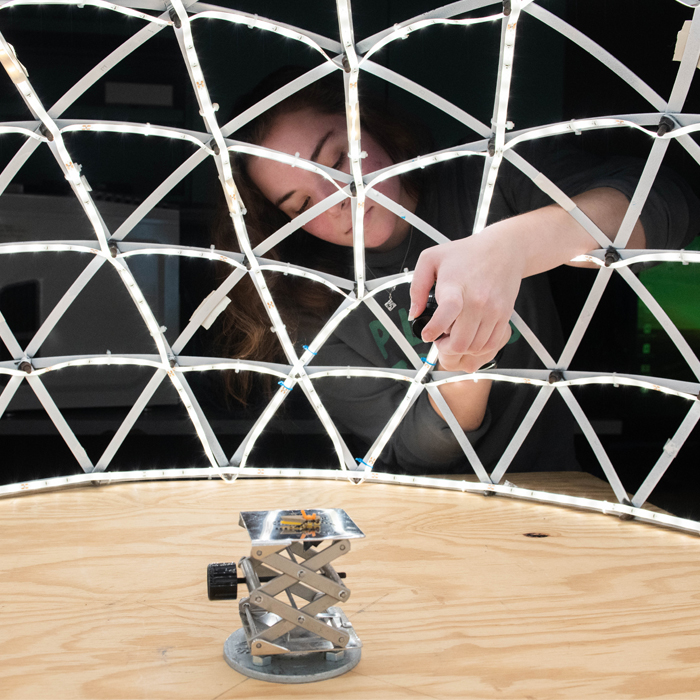
Devon M ChristmanPhysicsOver the summer, Christman taught a workshop called “Experiments in Science” to a group of children from RIT’s Kids on Campus program. By helping to change their perspectives on who and what a scientist is, Christman is shaping the minds of tomorrow’s scientists.
-
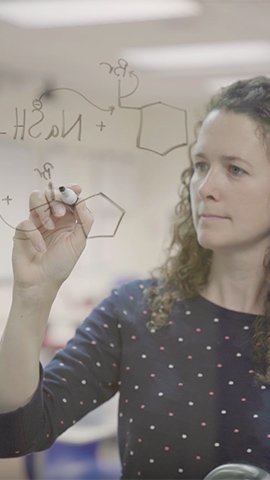
![Professor Tina Goudreau Collison writing a chemistry formula.]()
Expanding ASL
Tina Goudreau CollisonProfessor of ChemistryA complicated vocabulary and a lack of dedicated signs in American Sign Language makes Organic Chemistry a challenge for deaf and hard of hearing students. Collision worked with interpreters to develop new ASL signs, leading to profound learning improvements for her students.
-
![Jennifer Wheeler, M.D.]()
Giving Back
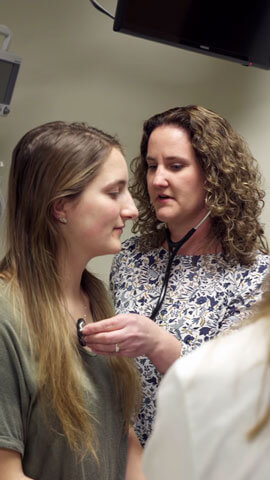
Jennifer Wheeler, M.D. BS ’01BiotechnologyFamily MedicineAfter 9/11, Wheeler enlisted in the US Army and served as a doctor in Afghanistan. Now, she practices family medicine and serves as a preceptor to RIT students who are embarking on their own careers in medicine.
-
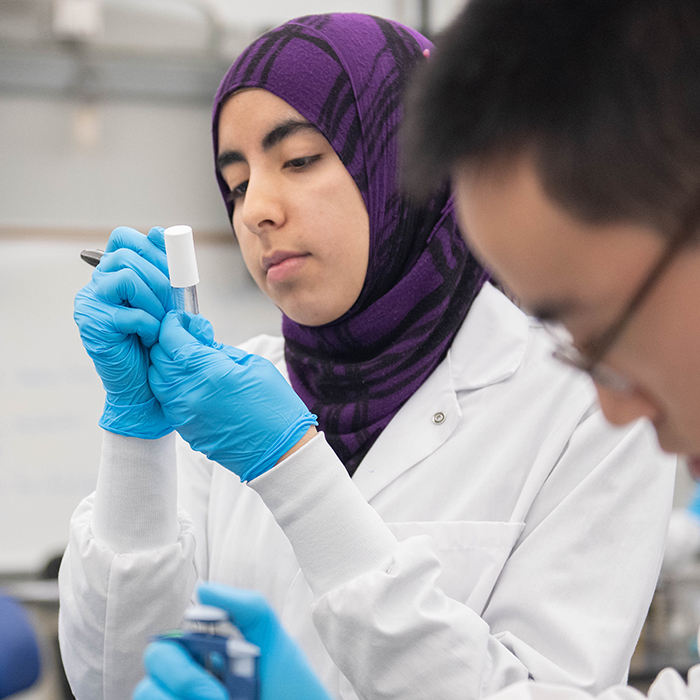
![Nicole Pannullo working in a chemistry lab.]()
Medicine's Future
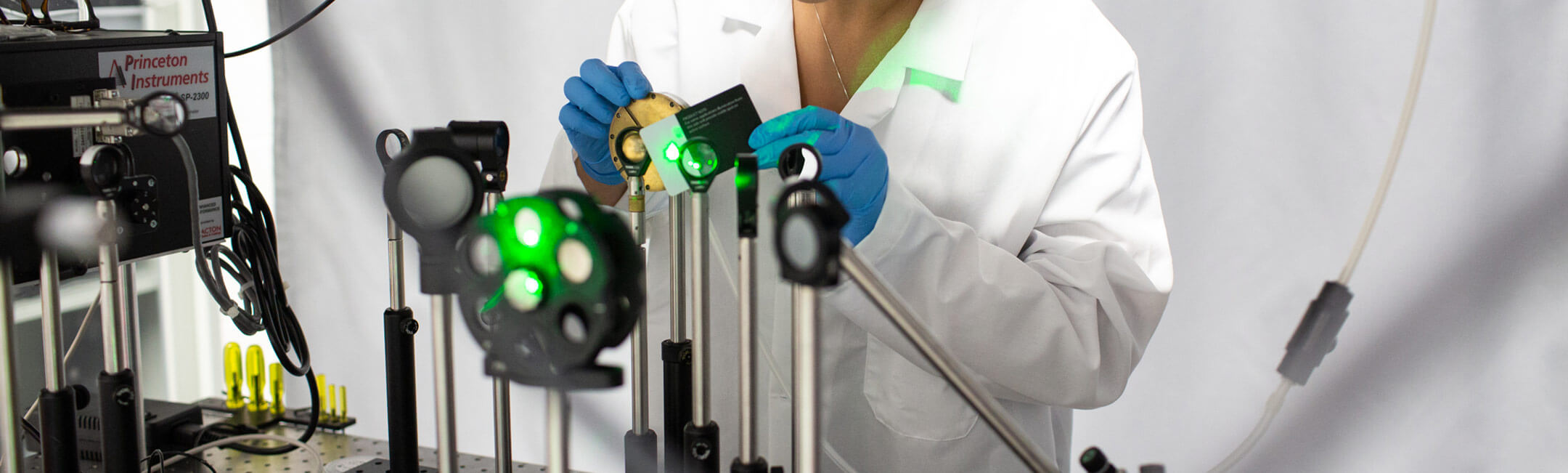
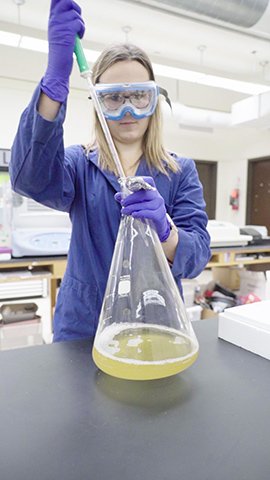
Nicole PannulloBiochemistryBy working on a faculty-guided research project, Pannullo has gained hands-on research experience to pursue a future in regenerative medicine. It’s one way Pannullo is putting experiential learning to work.
Latest News
-
April 15, 2024
![Aiden Miller is shown posing in front of their research which is hanging on a building window.]()
Biochemistry student receives Barry M. Goldwater Scholarship
RIT third-year biochemistry student Aidan Miller has been awarded a Barry Goldwater Scholarship, the most prestigious undergraduate research scholarship in the United States, given to students pursuing a career in the natural sciences, mathematics, or engineering. -
April 15, 2024
![Stonehenge II, a concrete sculpture in Ingram TX is shown.]()
To each their own: In Texas town, reasons vary for watching eclipse
France 24 talks to Grover Swartzlander, professor in the Chester F. Carlson Center for Imaging Science, about viewing the recent eclipse from Stonehenge II in Texas.
-
April 15, 2024
![a poster with dark pastel colors is shown with earth in the background and the silhouette of a mans face entering the frame from the left.]()
RIT Singers team up with Madrigalia and RIT exhibitors
The RIT Singers will join members of the local singing group Madrigalia to present a concert dedicated to protecting and sustaining the Earth, and revitalizing nature. Formed in 1975, the chamber choir has collaborated with local and international audiences as well as premiering new works.
-
April 10, 2024
![an image showing the earth from space in the background and tons of space debris floating around in the foreground.]()
RIT researcher helping Air Force investigate unresolved space objects
Satellites, rocket parts, and other space debris are clogging up the atmosphere with the potential to interfere with space-based assets, including items used for national security like GPS, weather, and communication satellites.


