|
1
|
|
|
2
|
- CODA (hearing Child of Deaf Adults) from Washington, DC, home of Gallaudet University, the first
college for deaf students
- Native User of Sign Language
- Degrees in English from State University of New York
- Have worked at NTID, first technological college for deaf students, over
20 years-interpreting, note-taking, captioning, tutoring, teaching
|
|
3
|
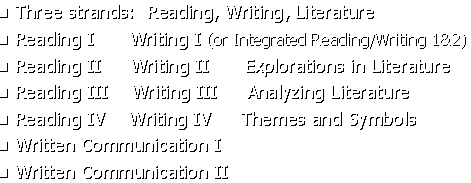
- Three strands: Reading, Writing,
Literature
- Reading I Writing I (or
Integrated Reading/Writing 1&2)
- Reading II Writing II Explorations in Literature
- Reading III Writing III Analyzing Literature
- Reading IV Writing IV Themes and Symbols
- Written Communication I
- Written Communication II
|
|
4
|
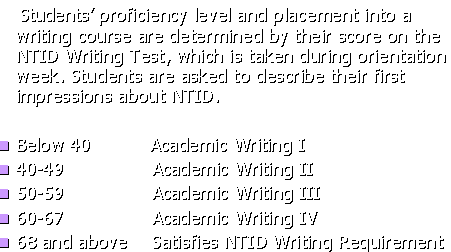
- Students' proficiency level and
placement into a writing course are determined by their score on the
NTID Writing Test, which is taken during orientation week. Students are
asked to describe their first impressions about NTID.
- Below 40 Academic Writing
I
- 40-49 Academic
Writing II
- 50-59 Academic
Writing III
- 60-67 Academic
Writing IV
- 68 and above Satisfies NTID
Writing Requirement
|
|
5
|
- Organization (essay could be outlined by reader, topic stated clearly,
transitional markers and clear paragraphing)
- Content (addresses topic, shows quality of ideas, supporting examples,
unity of thought)
- Language (grammar, mechanics, clarity of reference, complexity of
sentence structure)
- Vocabulary (word choice “sophistication,” use of figurative and
idiomatic expressions)
|
|
6
|
|
|
7
|
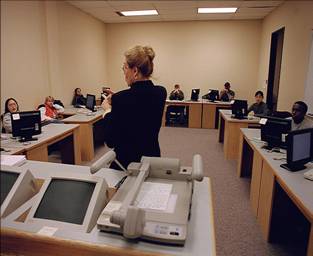
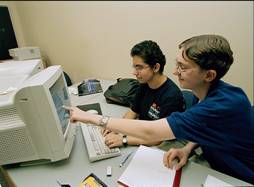
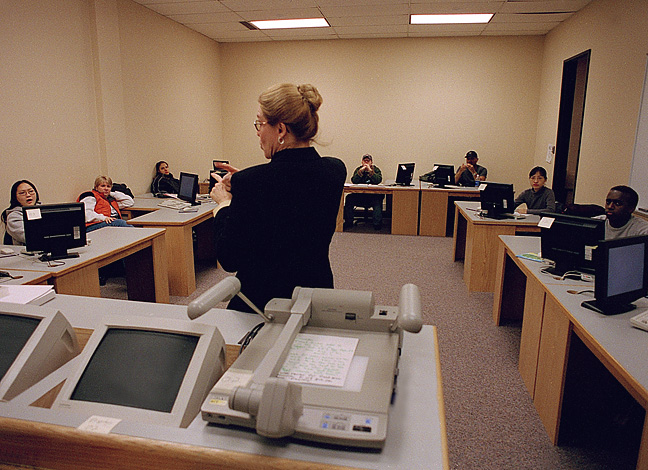
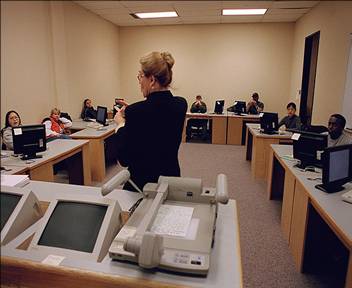
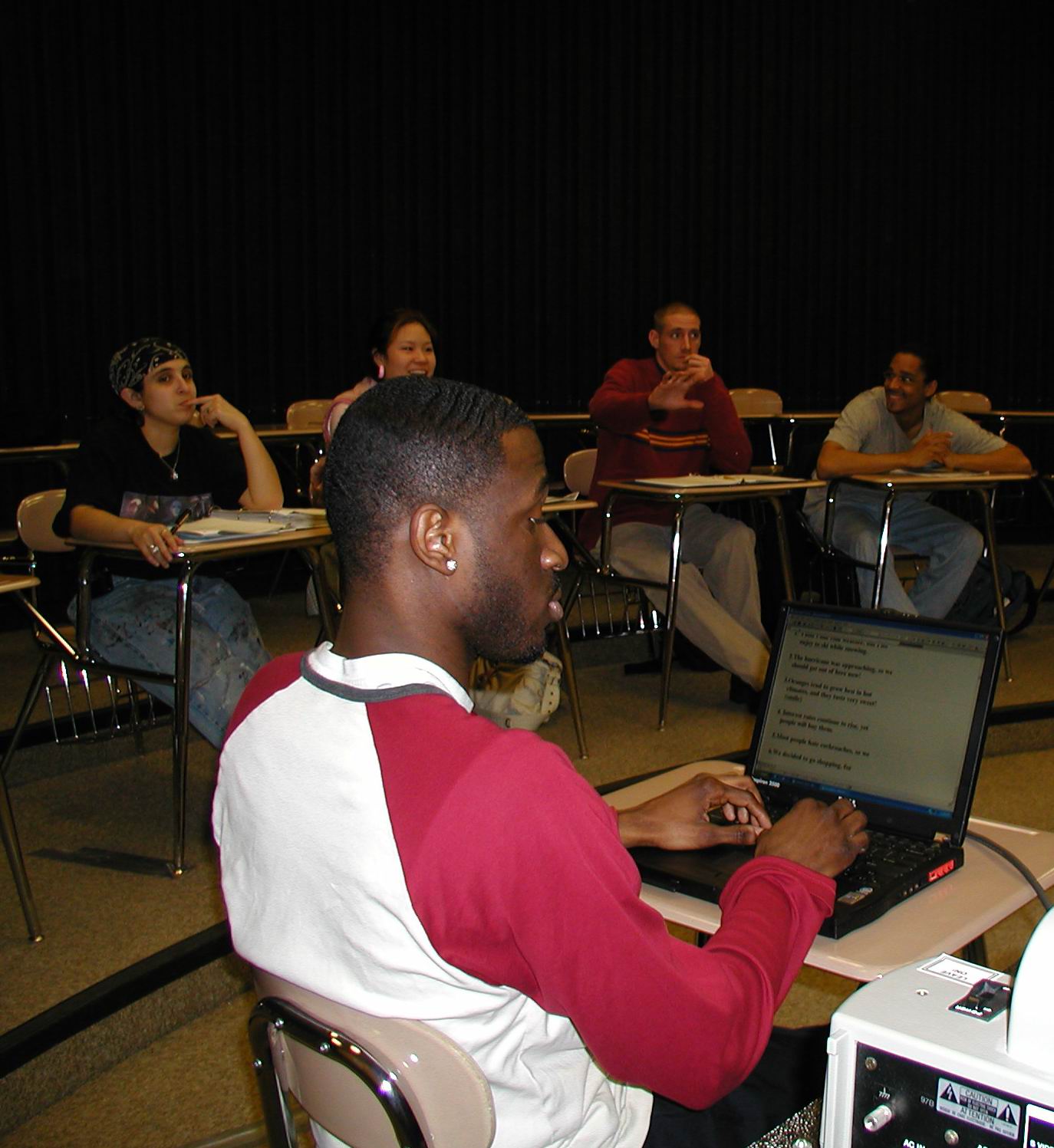
- Utilize display-sharing
technology to enhance the teaching-learning experience
- a. Smart Classroom
- b. Laptop Projection
|
|
8
|
|
|
9
|
|
|
10
|
|
|
11
|
- Some smart classroom techniques can be used in traditional classrooms by
adding a laptop computer and projection device
|
|
12
|
|
|
13
|
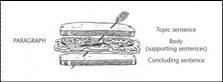
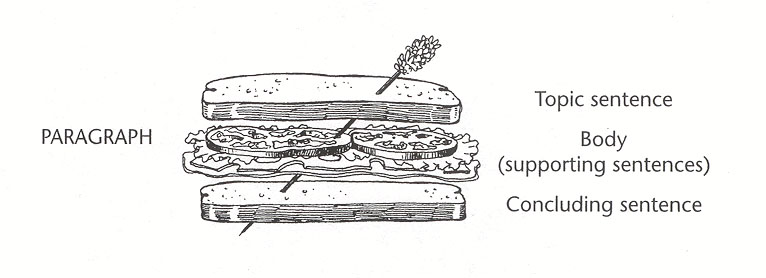
- “Food for thought!” Emphasize the “paragraph as sandwich” model in order
to get students thinking about coherence and unity.
|
|
14
|
|
|
15
|
- Narrative paragraphs allow for focus on past tense verbs, time order,
complex sentences w/adverb clauses, and pronoun use within a
controllable format. In addition to having students write from personal
experience, selected short media is used so students can avoid overusing
the “I Box”.
|
|
16
|
- Descriptive paragraph writing assignments allow for
- focus on word choice/word forms (adjective use),
- sentence structure, and prepositional phrases of
- location.
|
|
17
|
- Discourage students from copying questions to selected readings
- Encourage students to respond to reading questions by borrowing key
words from the questions and then answering the questions.
|
|
18
|
- Structure/Organization:
- Introduction with thesis
- Body paragraphs (“sandwich model”)
- Conclusion
|
|
19
|
|
|
20
|
|
|
21
|
|
|
22
|
|
|
23
|
- Steps:
- Understand what you are reading
- Decide whether the sentence is in active voice or passive voice
- Re-state by using your own words and possibly by changing the sentence
structure.
- Try to paraphrase in less number of words than original
|
|
24
|
- Provide “accessible” reading selections demonstrating that the “pros”
use many of the same strategies learned by students
- Assign “summary analysis” of selected readings
|
|
25
|
|
|
26
|
|

 Notes
Notes