Home Page


Improving Medical and Healthcare Outcomes with Machine Learning
In CBL, we are curious about the best ways to combine human and physics-based knowledge with what we can learn from data. We advance the computational foundation for integrating human/physics knowledge with data-driven inference & learning, data-driven quantification and reduction of uncertainty in physics-based models, and deep learning of physics from data. We also explore applications in critical medical and healthcare challenges, especially those related to heart diseases.
We collaborate with world leaders in clinical electrophysiology, imaging, mathematical modeling, and high performance computing. Our research is funded by the National Science Foundation and the National Institutes of Health, and recognized by the NSF CAREER Award and the Presidential Early Career Award for Scientists and Engineers (PECASE) to Dr. Linwei Wang.
Lab News
- March 2026

Congratulations to Sumeet and the team in their adventure into the world of material design, in collaboration with the team of Dr. poornima padmanabha at RIT.
- March 2026

Congratulations to Ruby for her ICLR 2026 work in a novel progressive residual generation approach to improve image generations when learning from data with feature correlations.
- August 2025
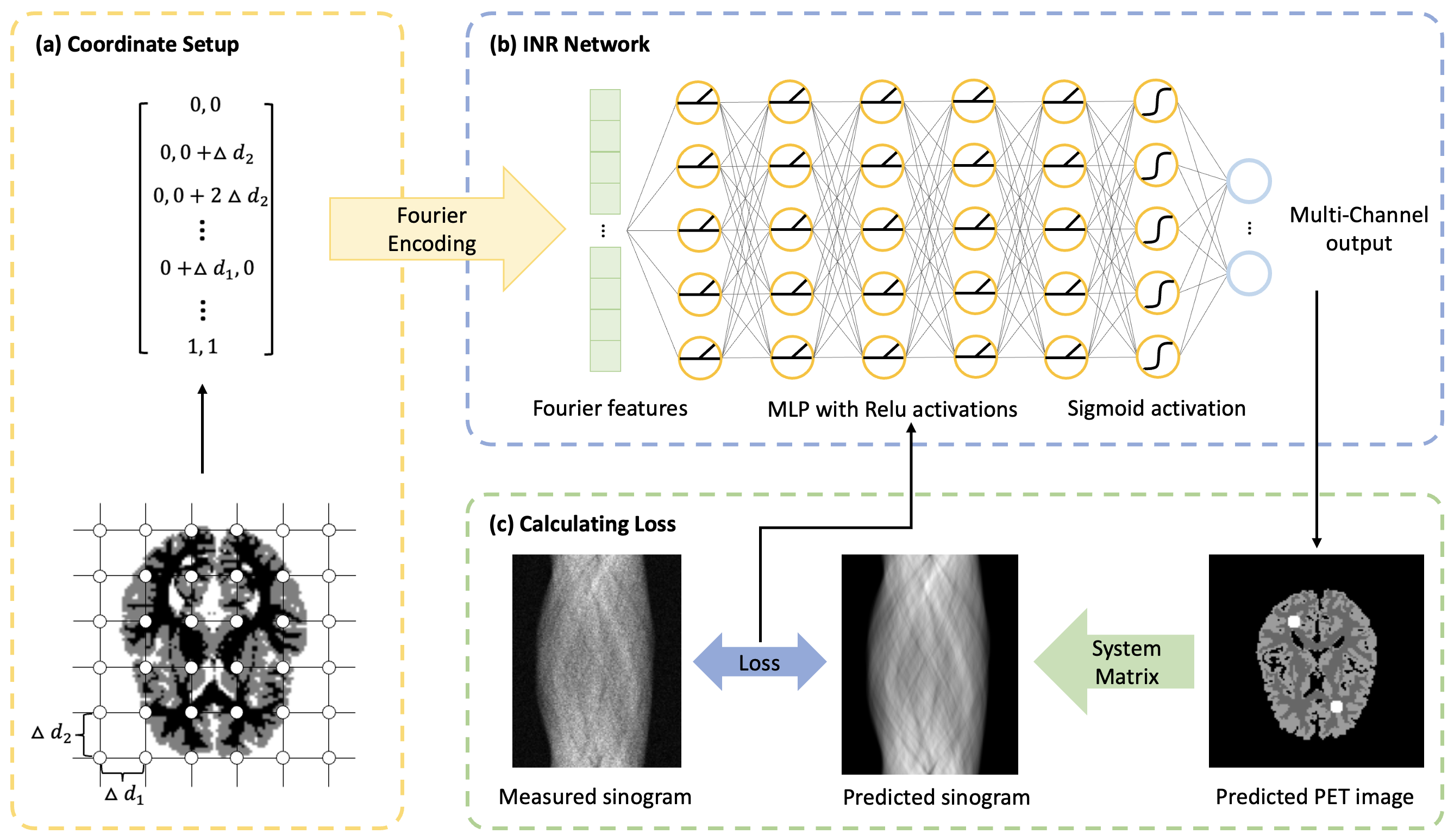
Congratulations to Kailong and Yubo for their MICCAI 2025 work on presenting an implicit neural network (INR) for improving unsupervised reconstruction of Positron Emission Tomography (PET) image.
- August 2025
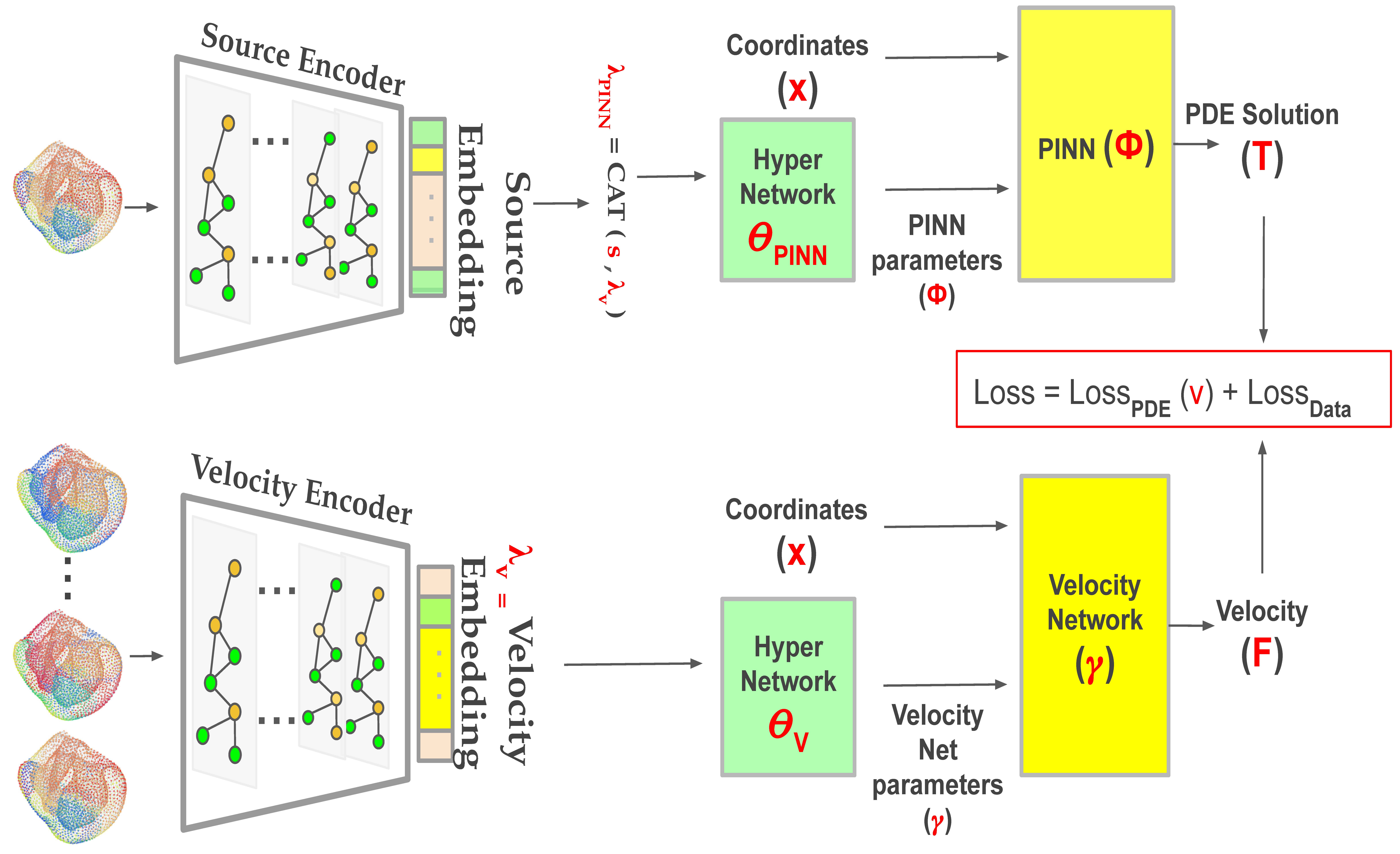
Congratulations to Maryam for her MICCAI 2025 work on a novel meta-learning framework for learning patient-specific physics-informed neural networks for cardiac electrophysiology.
Research
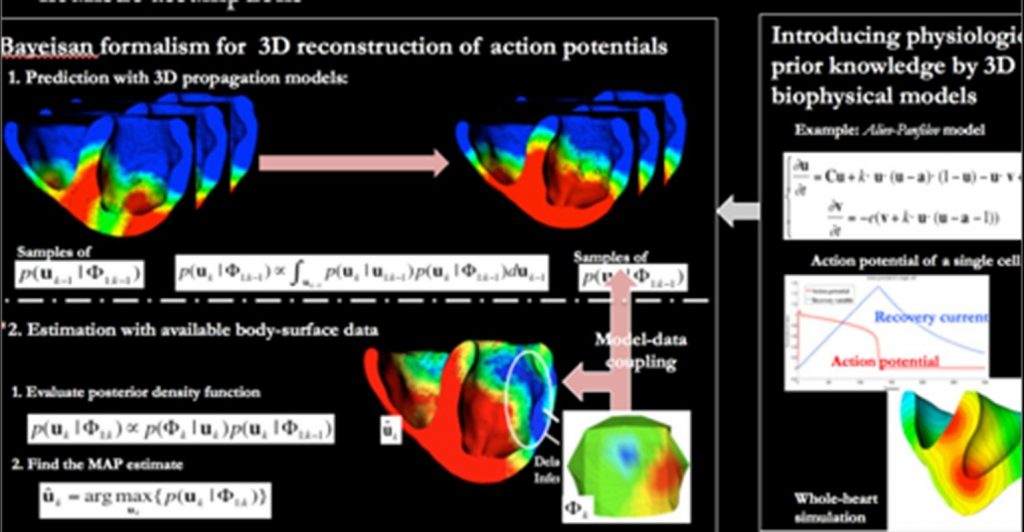
Integrating Domain Knowledge into Statistical Inference
Statistical inference and learning methods that allow the integration of rich domain knowledge, such as in the form of large-scale mechanistic simulation models, to improve inference from the data

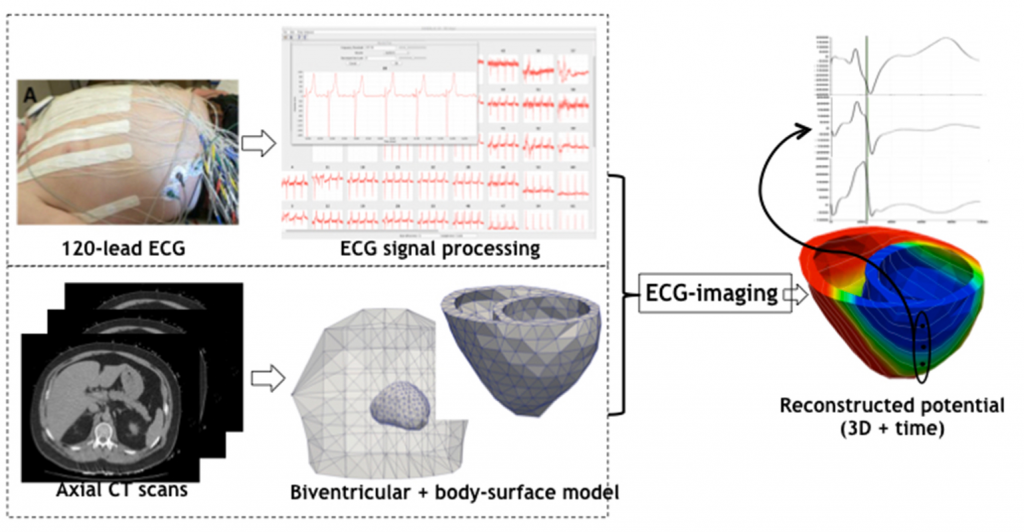
Electrocardiographic Imaging (ECGi)
Noninvasive computational imaging of electrical activity in the heart, for improving diagnosis, treatment, and prevention of cardiac arrhythmias and other heart diseases

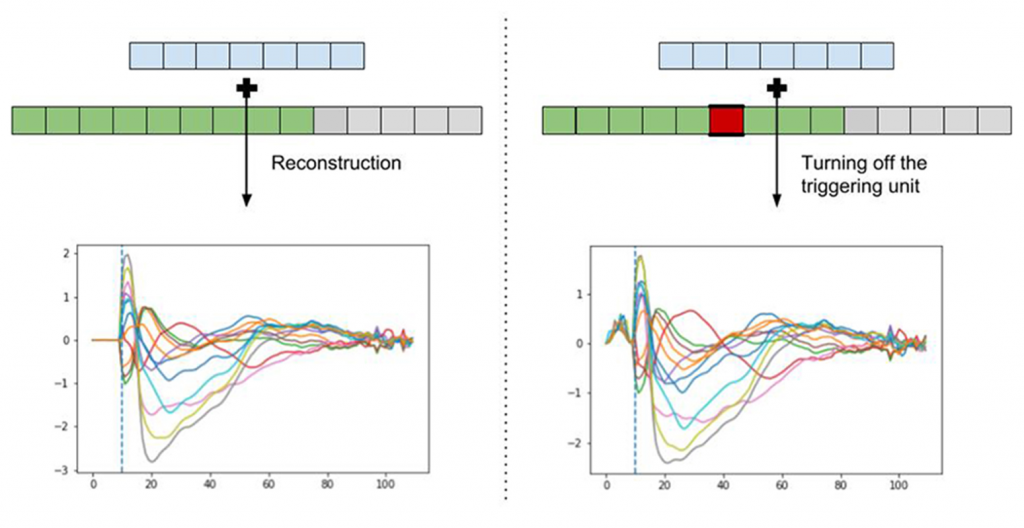
Learning Disentangled Representations
Learning to disentangle semantically-meaningful generative factors within the data, with a focus on learning inter-subject variations in clinical applications

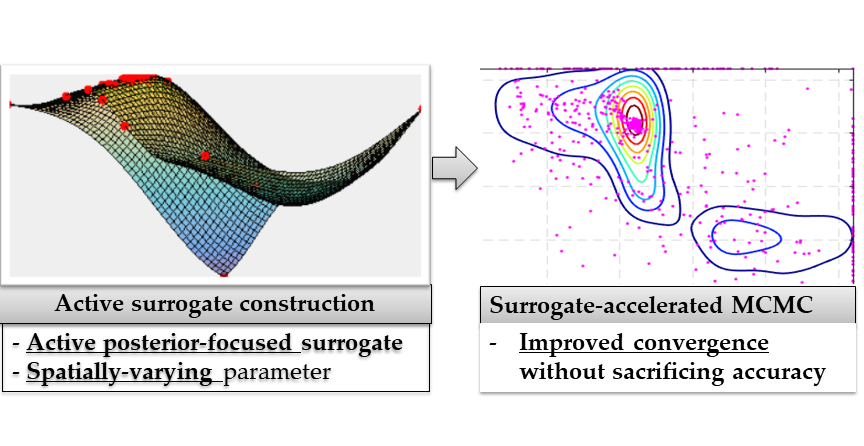
End-to-End Uncertainty Quantification
Data-driven personalization and uncertainty quantification of large-scale mechanistic models, with a focused application in personalized physiological modeling
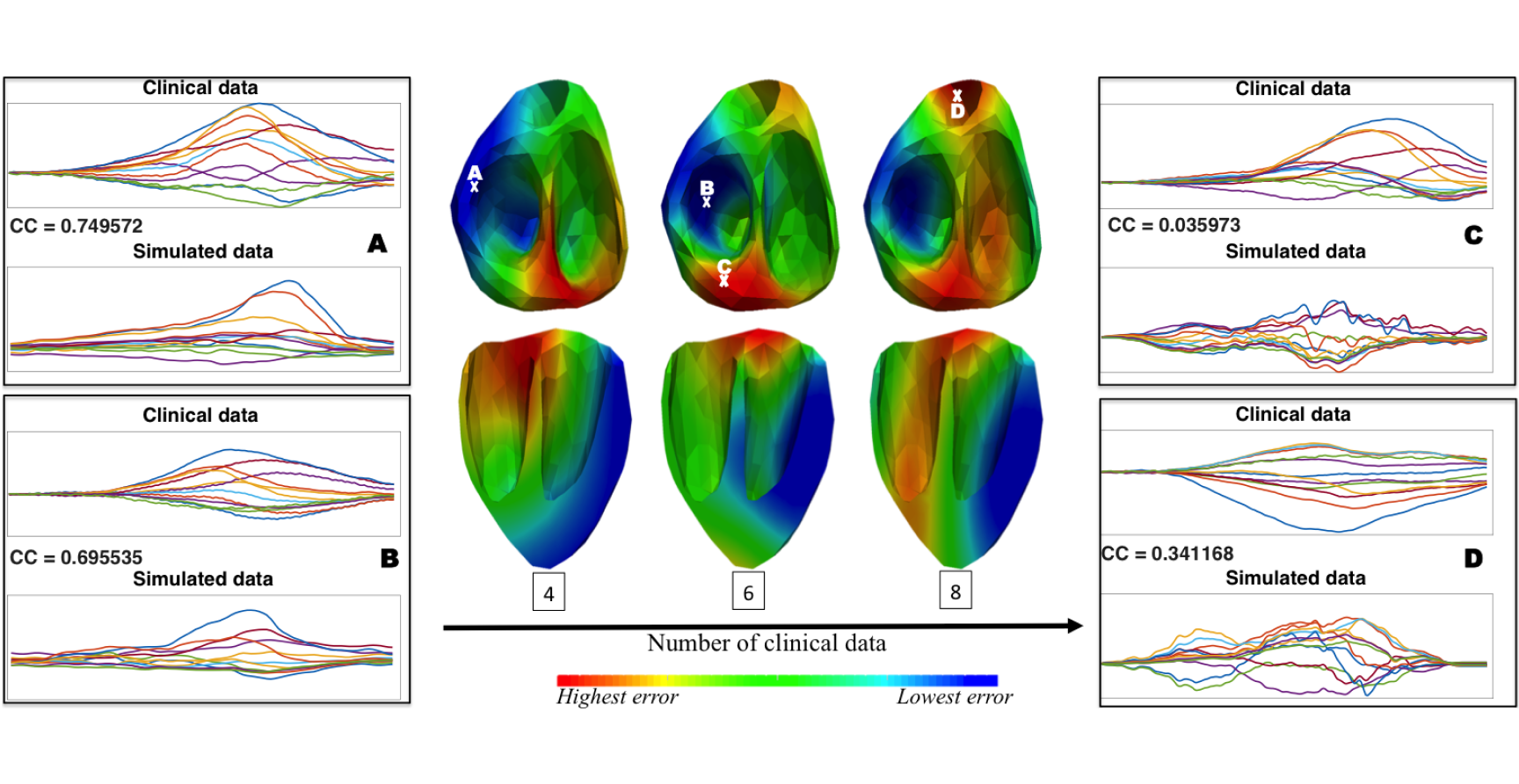
Transferring Simulation to Real Data
Generalizing and transferring knowledge from computer simulation data to tasks where real data are expensive, difficult, or infeasible to obtain
Our People
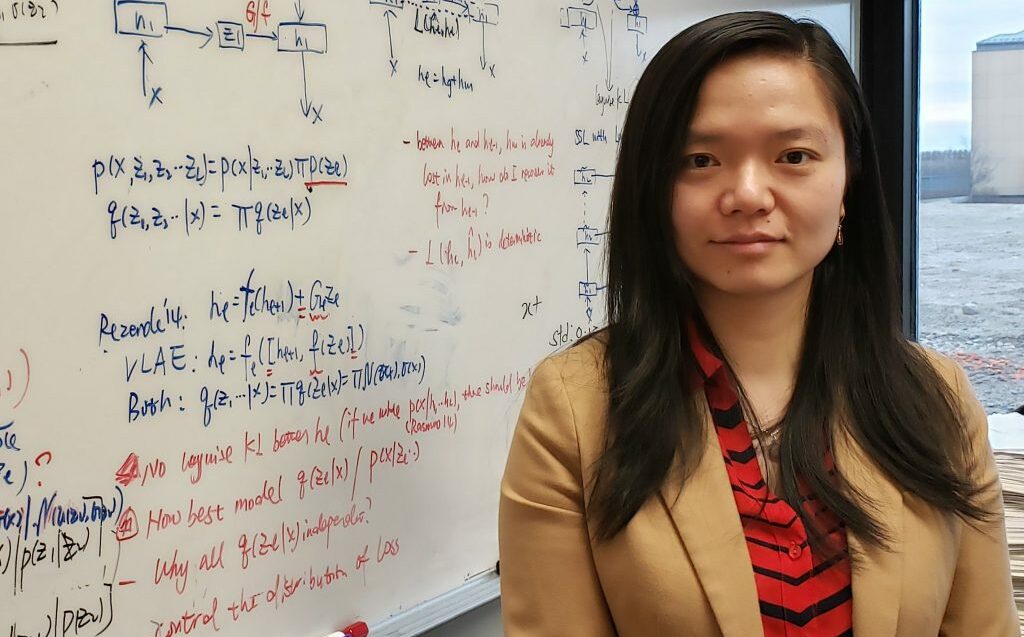
Linwei Wang, Ph.D.
Bruce B. Bates Endowed Professor
PhD Program of Computing and Information Sciences
Rochester Institute of Technology
