Skip to main content
RIT Logo with Text
✕
Request Info
Visit
Apply
Give
Mobile main navigation
About
Overview
Message from the Dean
Accreditation
Access, Engagement, and Success
Engineering Alumni
Corporate and Community Partners
K-12 Outreach
Facilities
National Council
Student Resources
Key Facts
Events
Academics
Undergraduate Degrees and Certificates
Graduate Degrees and Advanced Certificates
Ph.D. Programs
Minors
Engineering Co-op
Departments
Centers
Academic Advising
Academic Information for Current Students
Access Services and Support for Deaf and Hard-of Hearing Students
Schedule a Visit
Experiential Learning
Admissions and Aid
Faculty
Research
Contact
myRIT
News
Directory
Kate Gleason
College of Engineering
✕
Future Students
Current Students
Parents
Faculty and Staff
Alumni
Partners
Request Info
Visit
Apply
Give
Future Students
Current Students
Parents
Faculty and Staff
Alumni
Partners
Request Info
Visit
Apply
Give
RIT logo and full name
Kate Gleason
College of Engineering
News
Directory
myRIT
About
Overview
Message from the Dean
Accreditation
Access, Engagement, and Success
Engineering Alumni
Corporate and Community Partners
K-12 Outreach
Facilities
National Council
Student Resources
Key Facts
Events
Academics
Undergraduate Degrees and Certificates
Graduate Degrees and Advanced Certificates
Ph.D. Programs
Minors
Engineering Co-op
Departments
Centers
Academic Advising
Academic Information for Current Students
Access Services and Support for Deaf and Hard-of Hearing Students
Schedule a Visit
Experiential Learning
Admissions and Aid
Faculty
Research
Contact
Facilities
RIT
/
College of Engineering
/
Facilities
/
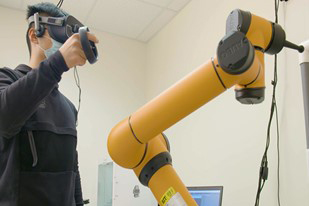
Adaptive Human-Robot Teaming Lab
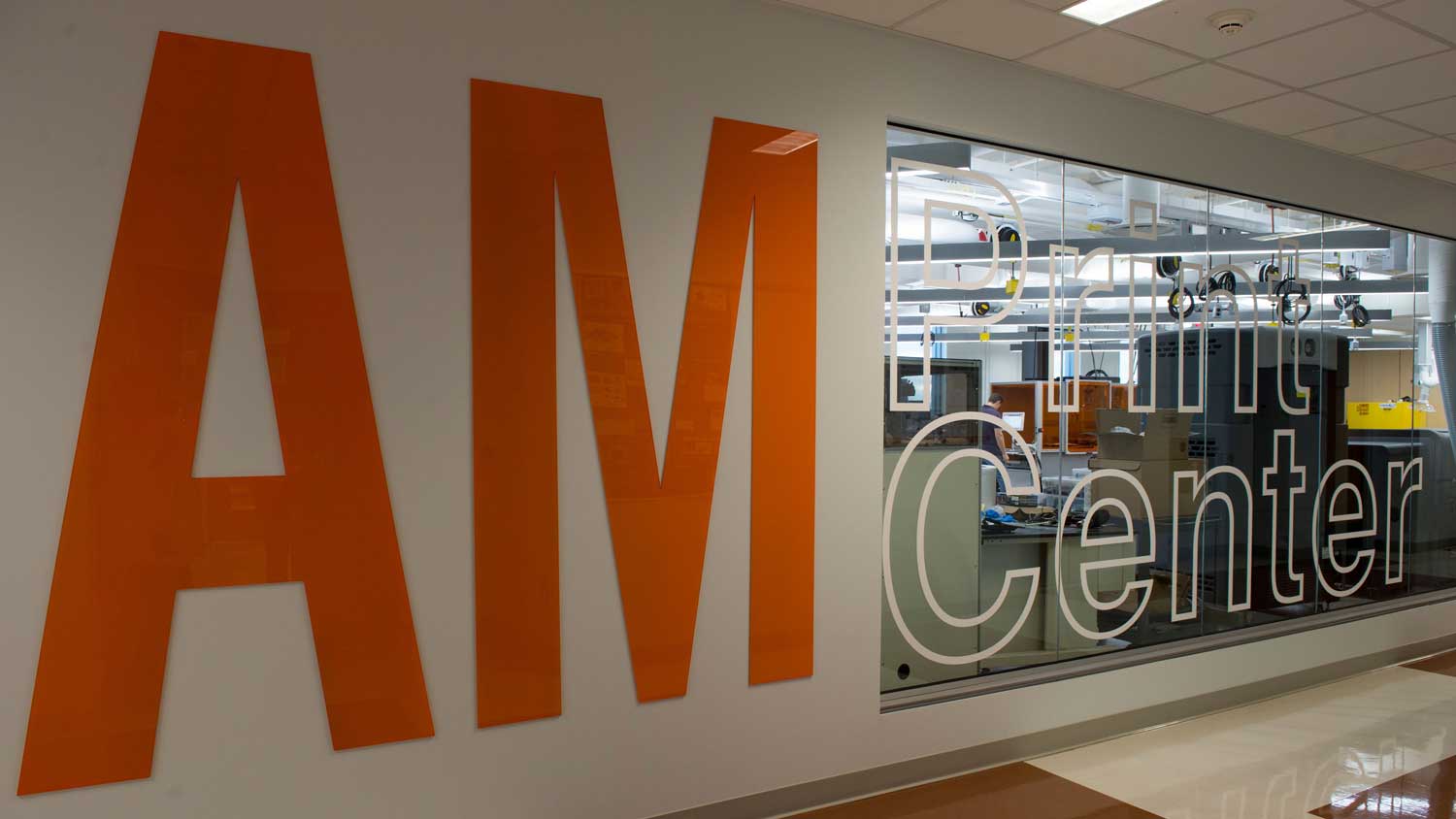
Additive Manufacturing and Multifunctional Printing (AMPrint) Center
Battery Development Center
Biomedical Engineering Faculty Research Labs
Biomedical Engineering Teaching Labs
Brain Lab
Brinkman Machine Tools and Manufacturing Lab
Center for Photonic Communications
Chemical Engineering Faculty Research Labs
Communications Laboratory
Computational Design, Interfacing, Manufacturing and Education Lab
Computer Engineering Teaching Labs
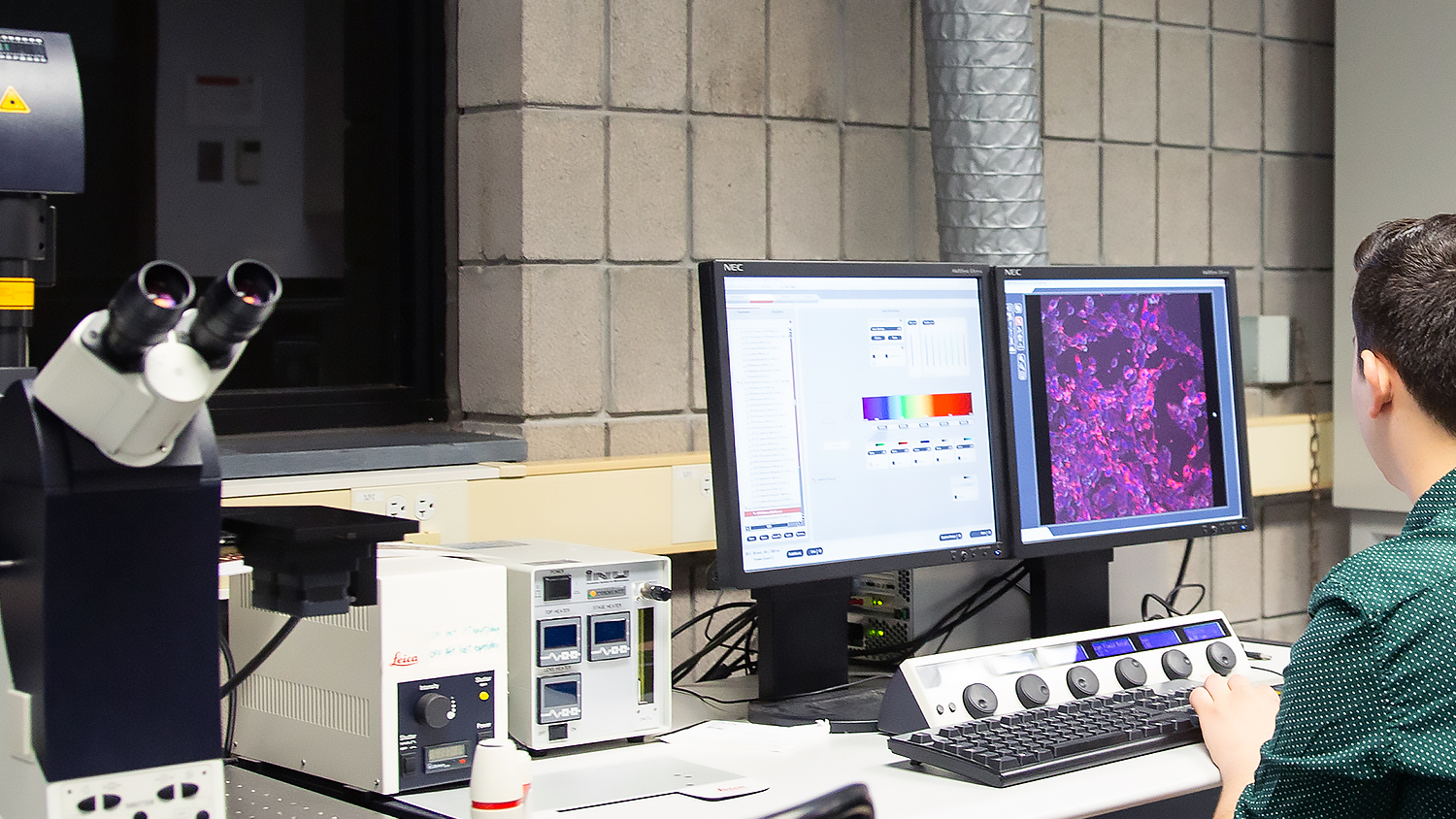
Confocal Microscopy Lab
Core Analysis Labs
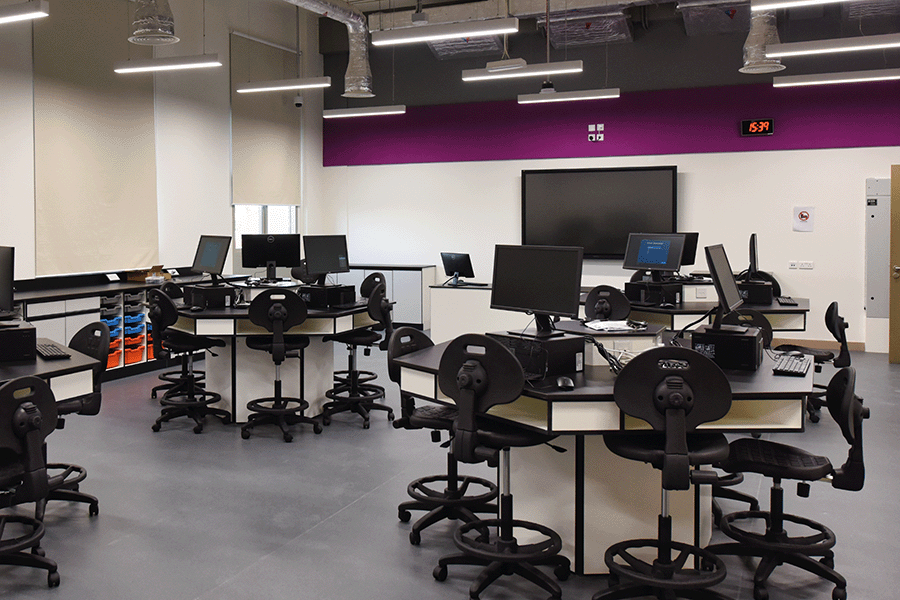
Digital Transformation Lab at RIT Dubai
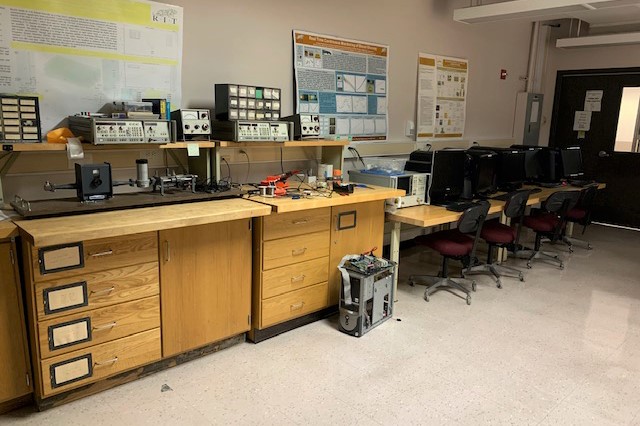
Electrical Engineering Teaching Labs
Electromagnetics Theory and Applications Laboratory
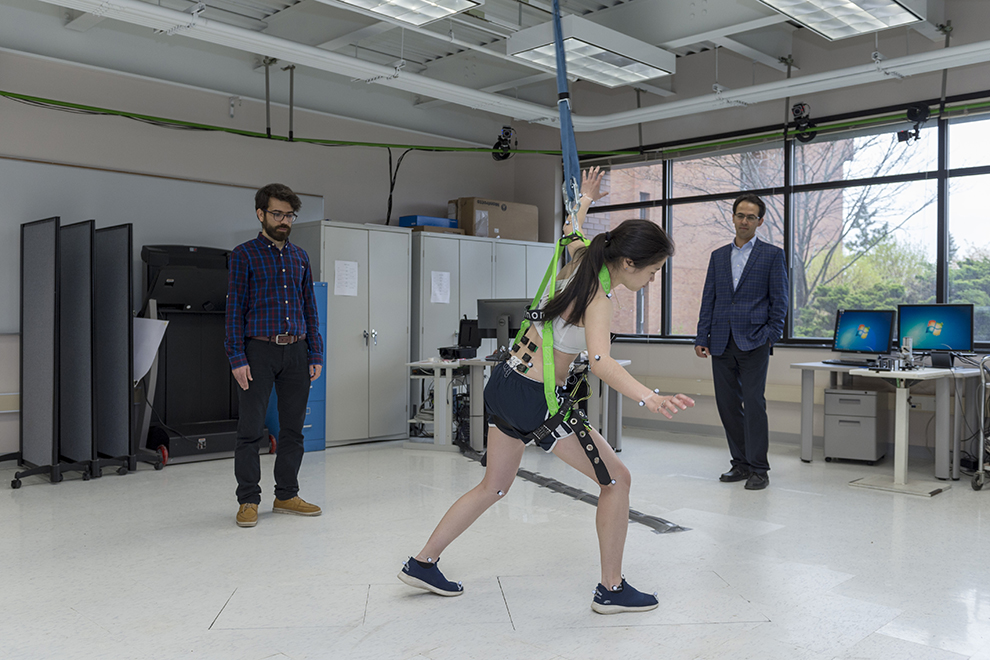
Ergonomics and Biomechanics Lab
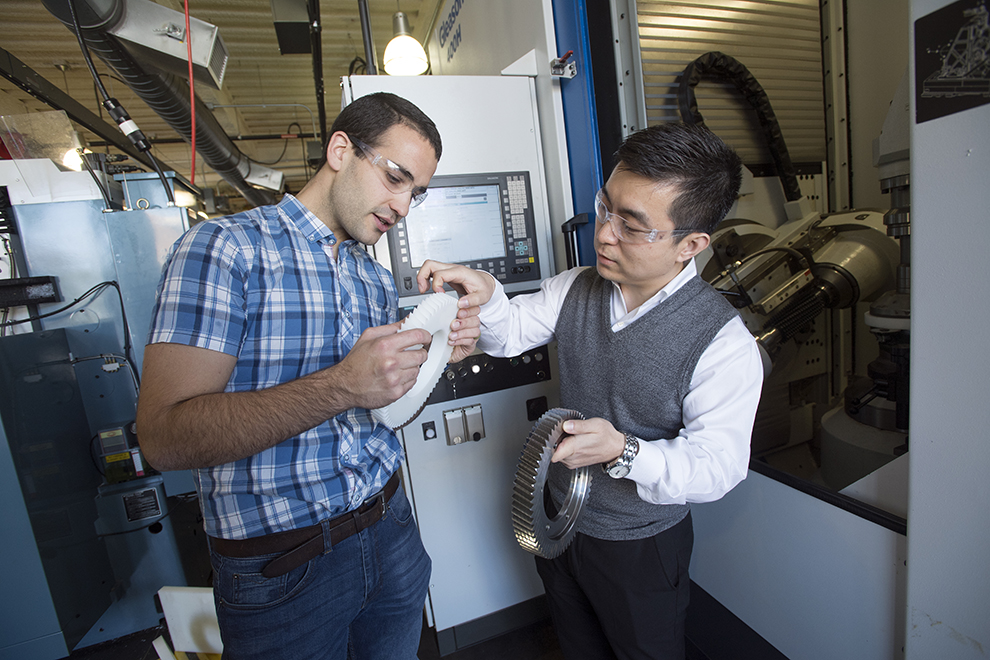
Gleason Gear Lab
III-V EPICenter
Industrial and Systems Engineering Teaching Labs
Integrated Circuit Engineering (ICE) Lab
Interdisciplinary Manufacturing Engineering and Design Lab
Knorr-Bremse Mechatronics Laboratory
L3Harris Senior Design Lab
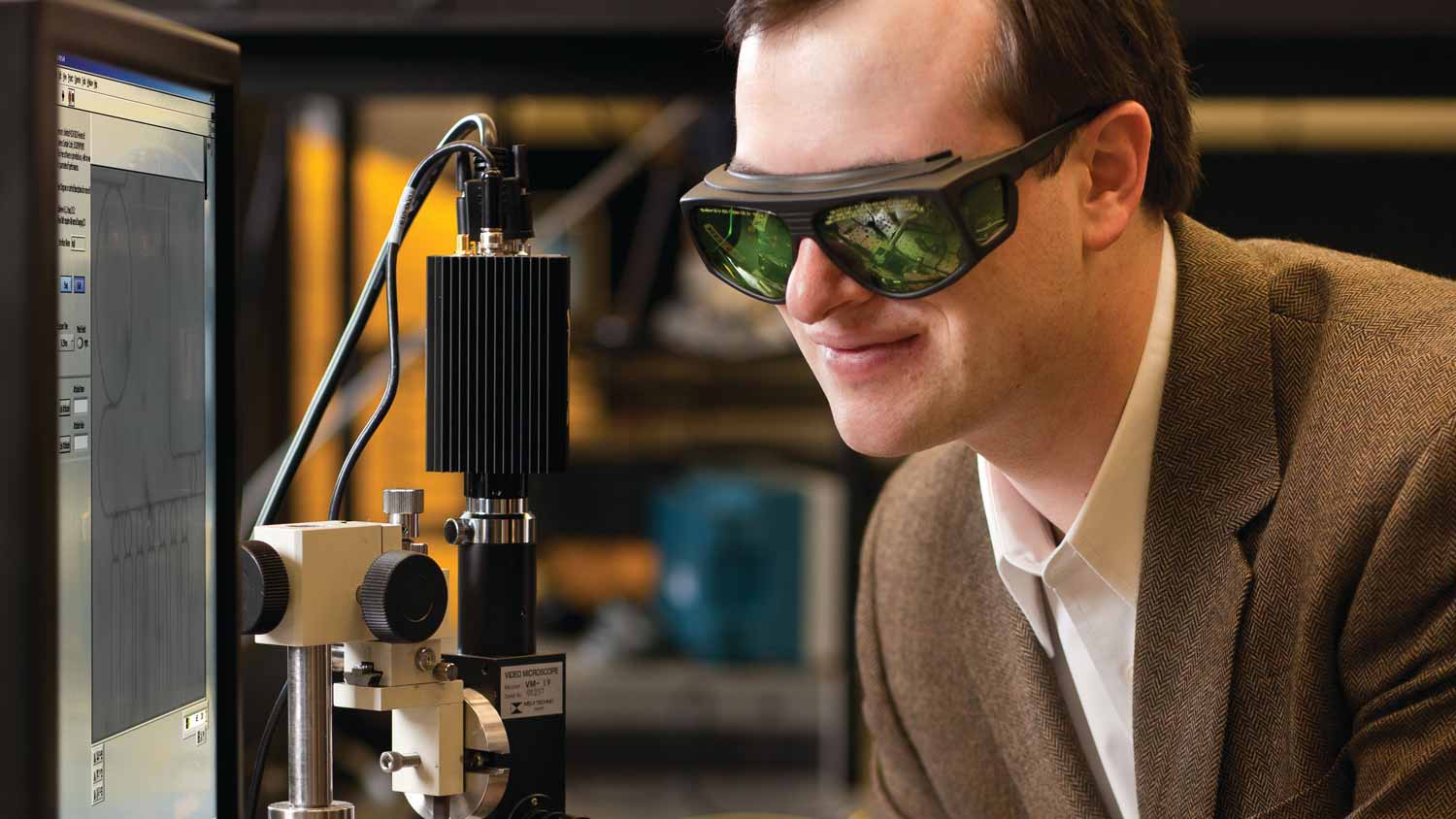
Lobozzo Photonics and Optical Characterization Lab
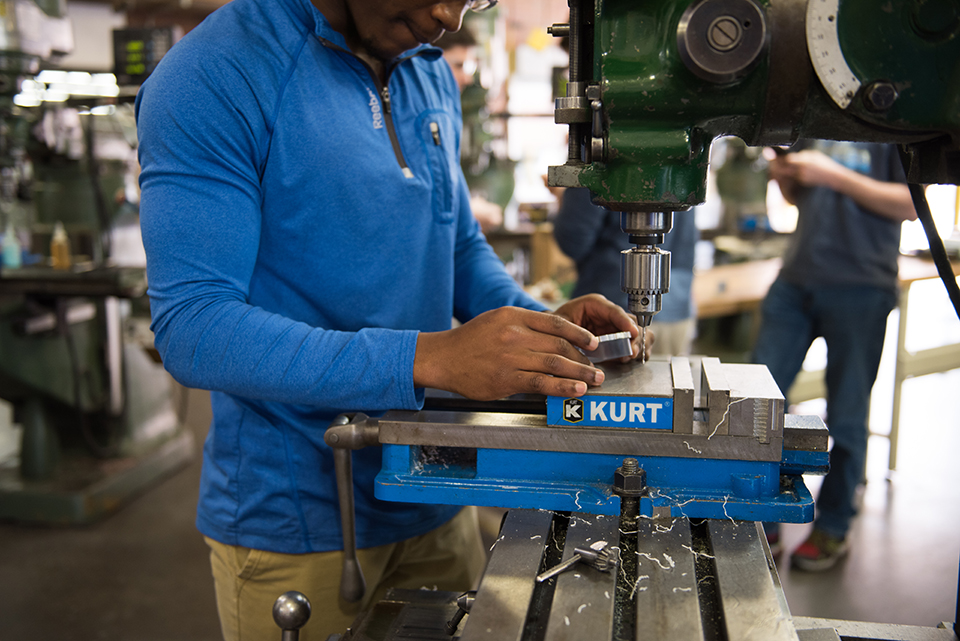
Machine Shop
Multi-Agent Bio-Robotics Laboratory
Networking and Information Processing Laboratory
RIT Center for Human-aware AI
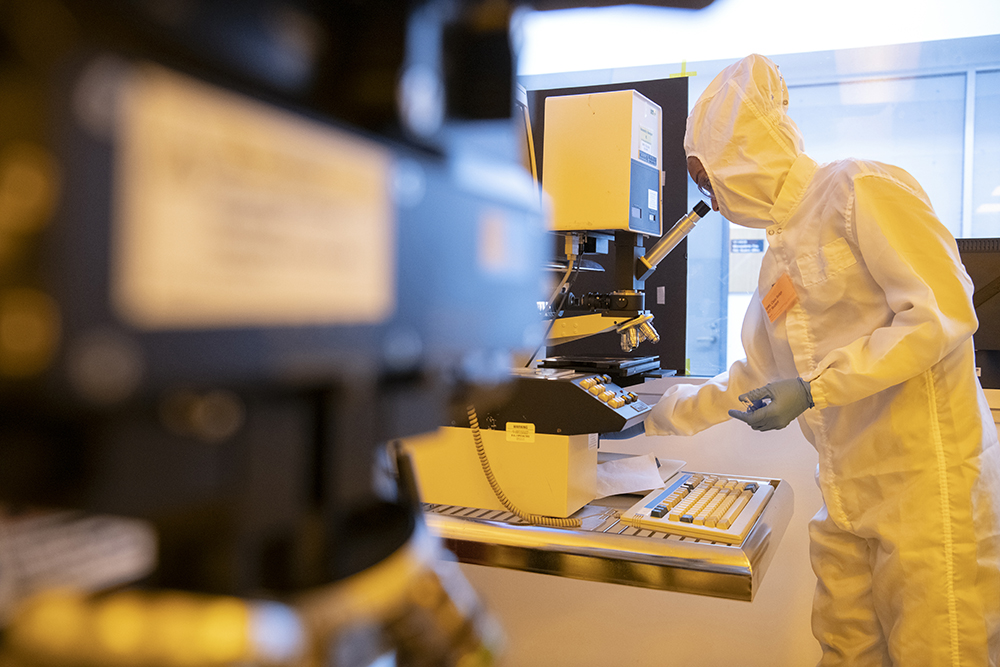
Semiconductor Nanofabrication Laboratory
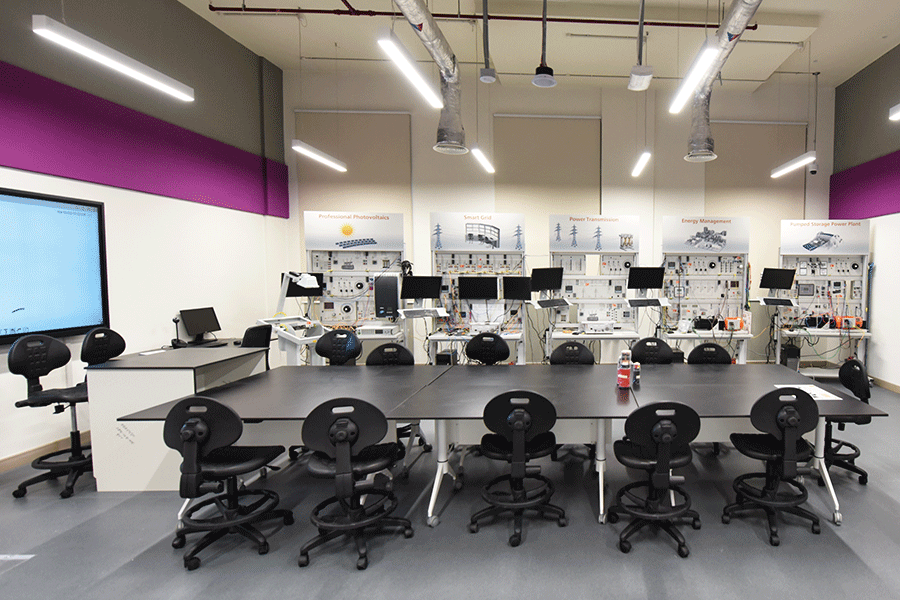
Smart Energy Laboratory at RIT Dubai
Sustainable Energy Lab
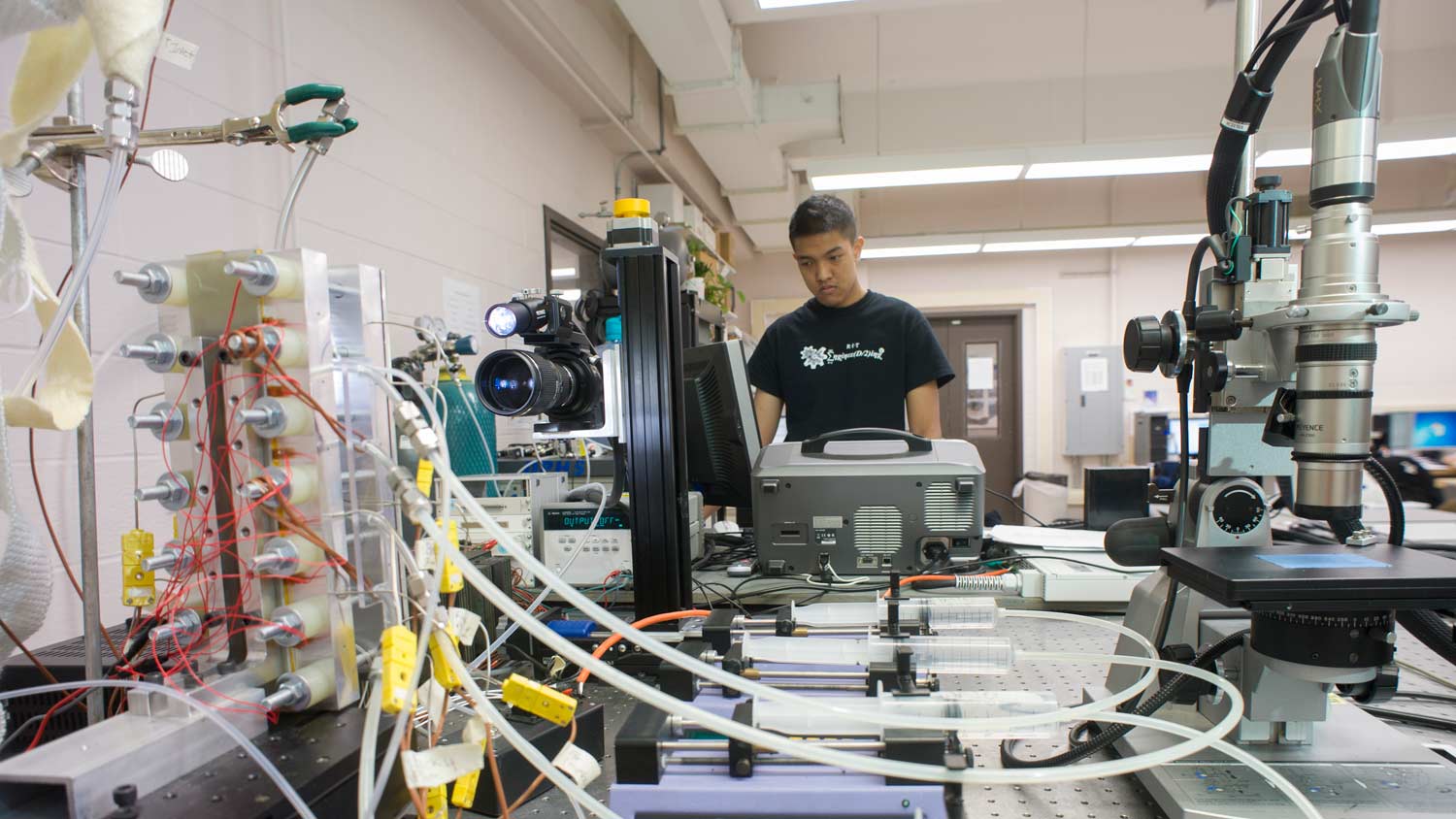
Thermal Analysis, Microfluidics, and Fuel Cell Laboratory
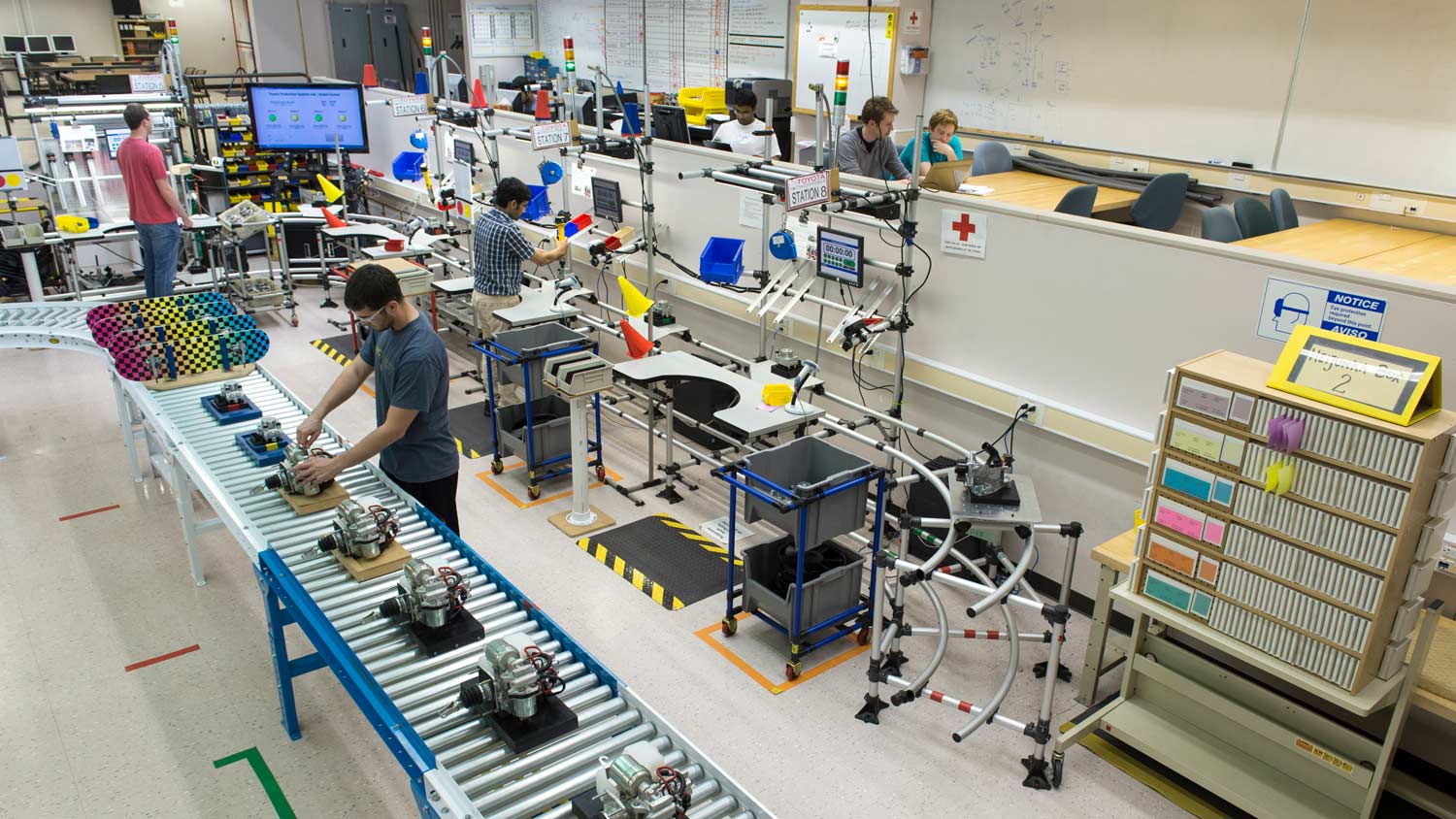
Toyota Production Systems Lab
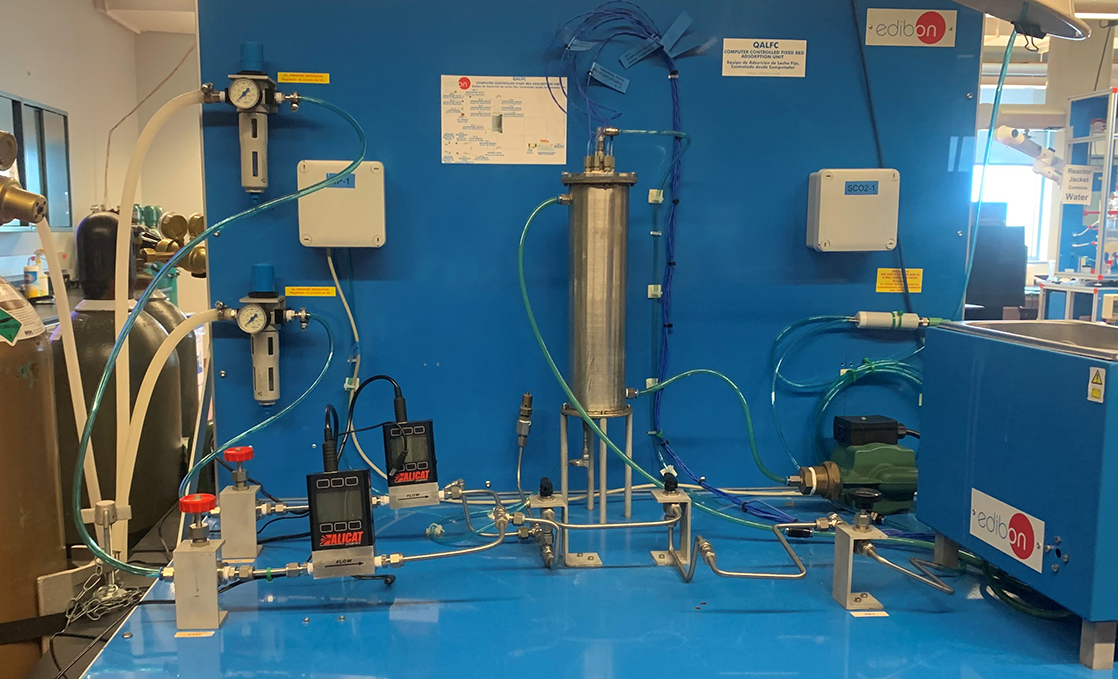
Unit Operations Laboratory
Very-Large-Scale Integration (VLSI) Lab
Search RIT
Close
X
This website uses cookies to provide better user experience and functionality. You can control and configure cookies in your web browser.
Cookie Statement
|
How to Disable Cookies
OK