Home Page

Join us for Fall 2026
There's still time to apply. For some programs, applications will be reviewed on a rolling, space-available basis.

Join Us for Accepted Student Open House
Visit campus on March 28 or April 11 to meet faculty, tour campus, and ask your questions.

Meet the Dean

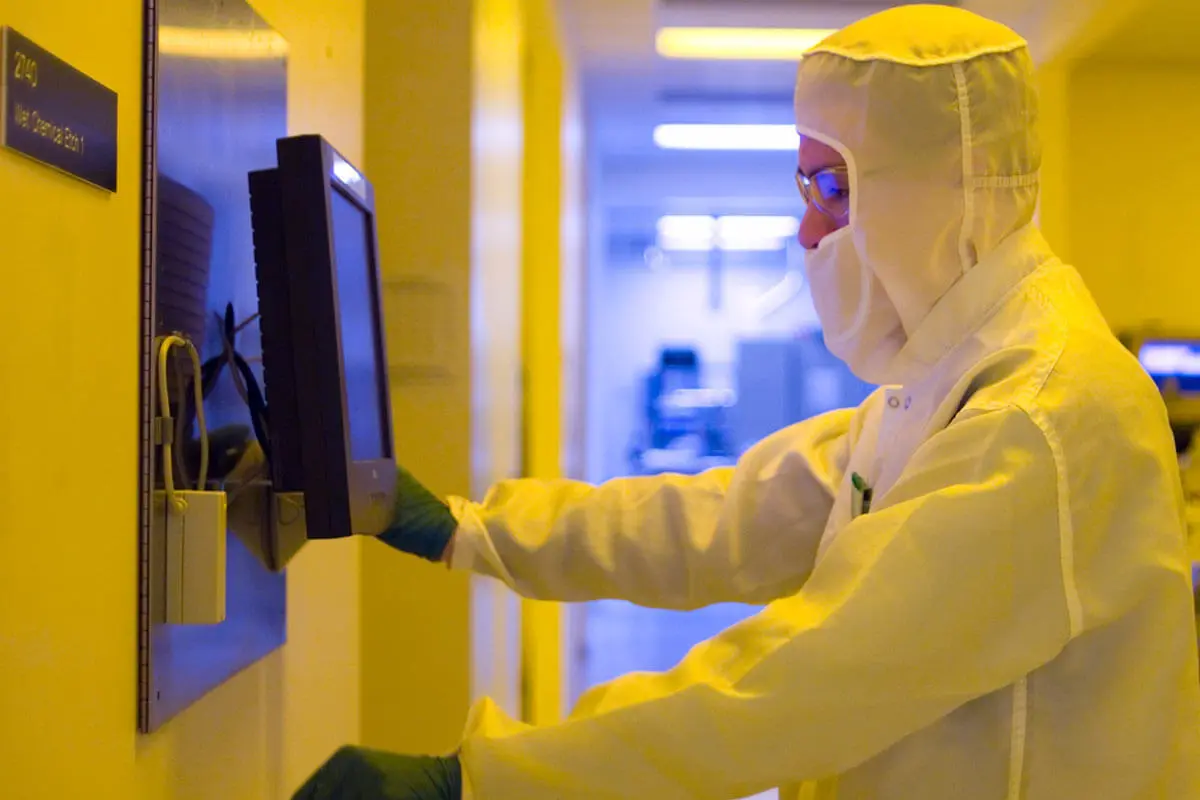
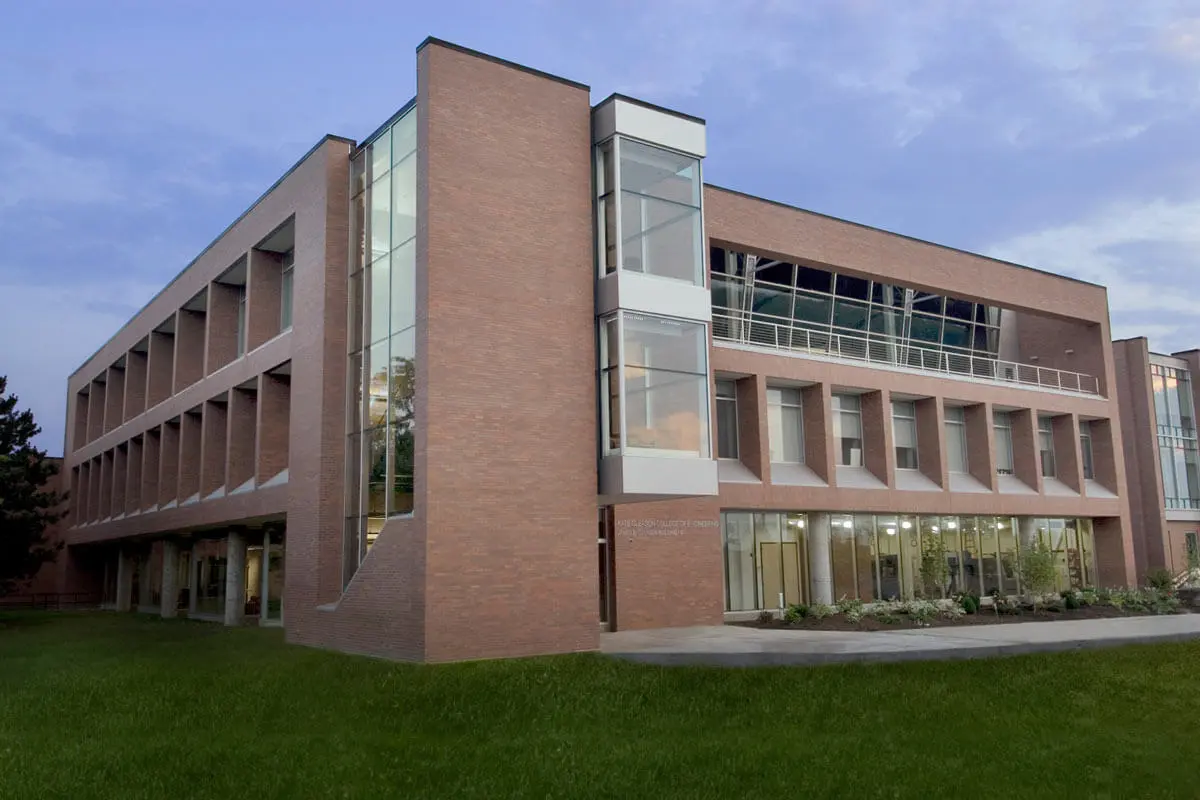
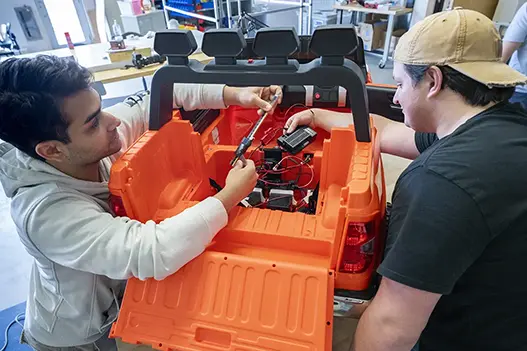
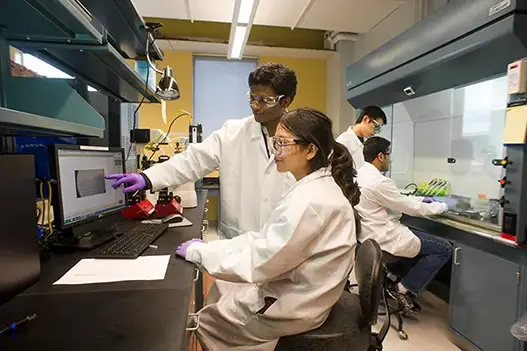
Engineers are creative problem solvers who can have a profound impact on the world. In addition to providing an outstanding technical foundation, the Kate Gleason College of Engineering encourages students to understand the many ways in which their work affects society. Because we believe that students learn by doing, we provide them an abundance of opportunities to design, build, and innovate both inside and outside the classroom.
Faces of RIT
-

Stepping Up
Ashley KosakMechanical EngineeringIt might be just a stool, but it represents more than reaching equipment in the Machine Shop. It’s a symbol of the heightened awareness and inclusivity of women in engineering at RIT. After graduation, Kosak wants to influence change by helping women pursue careers in engineering.
-
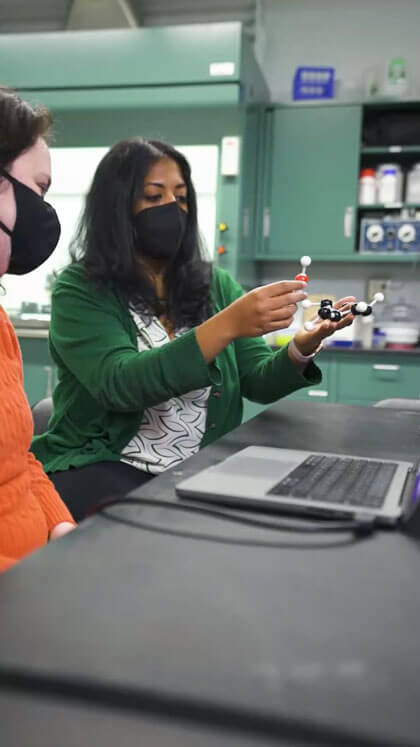
Engineering Better Solutions
Poornima PadmanabhanAssistant ProfessorProfessor Padmanabhan’s students engage in hands-on research experiences that help build a better future through the creation of advanced complex materials that can solve problems in solar energy, health care, agriculture, and more.
-
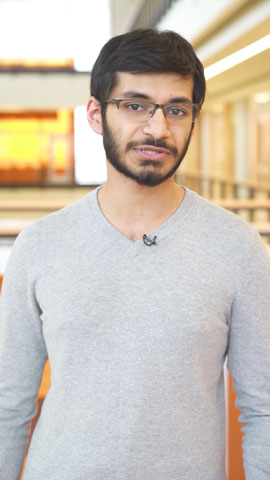
The AI Gateway
Humza SyedComputer EngineeringSyed is pushing the world forward by developing algorithms that apply artificial intelligence to make everyday tasks easy and more efficient.
-
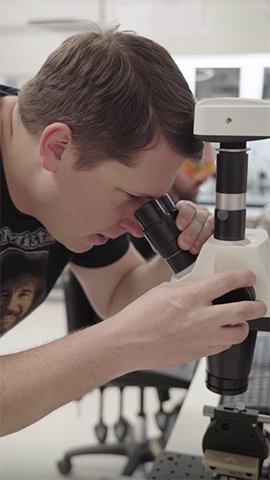
Take the Leap
Michael Oshetski '03CEO, Micatu Inc.Focused on making the utility grid more efficient and sustainable, Oshetski, an RIT alum, has a passion for entrepreneurship. Turning a start-up into reality led him to sharing a key piece of advice: Just go for it.
Latest News
-
February 18, 2026

Sodium-ion battery designer Syntropic Power intends to manufacture in USA
Solar Power World mentions the independent energy storage system testing program at RIT’s Battery Development Center.
-
February 17, 2026
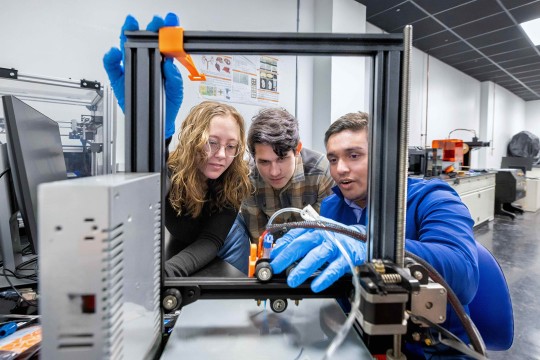
RIT researchers formulate a new “recipe” for stronger bio-printed tissue
Researchers have developed a solution to finding a compatible gel medium to host human cells and a device that can print the delicate cells safely.
-
February 13, 2026
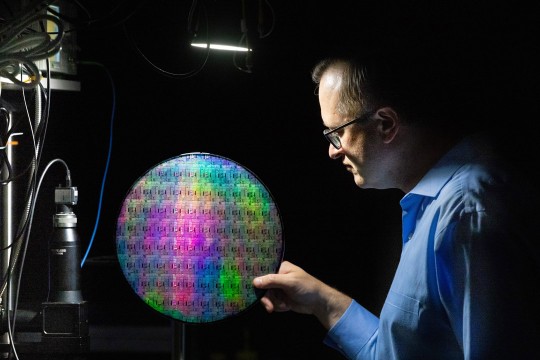
NIST awards $2M to UR, RIT to expand Rochester Quantum Network
Rochester Business Journal speaks to Stefan Preble, Bausch and Lomb Professor and Ph.D. program director in the Department of Microelectronic Engineering, about how the funds will support quantum development.
-
February 13, 2026
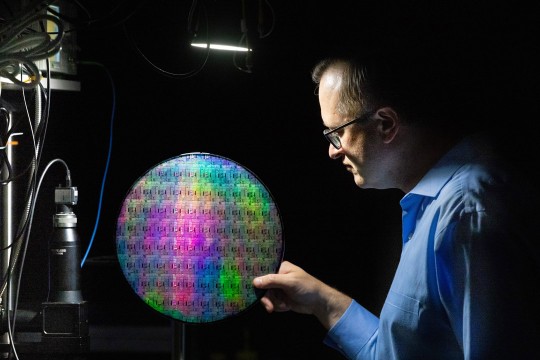
URochester, RIT receive $2 million in tech funds
Rochester Beacon discusses the impact the funds will have on the further development of an experimental network connecting the campuses, speaking to Stefan Preble, Bausch and Lomb Professor and Ph.D. program director in the Department of Microelectronic Engineering.
