Tiger Heritage Alumni Spotlight
Latinx Heritage Month, 2025
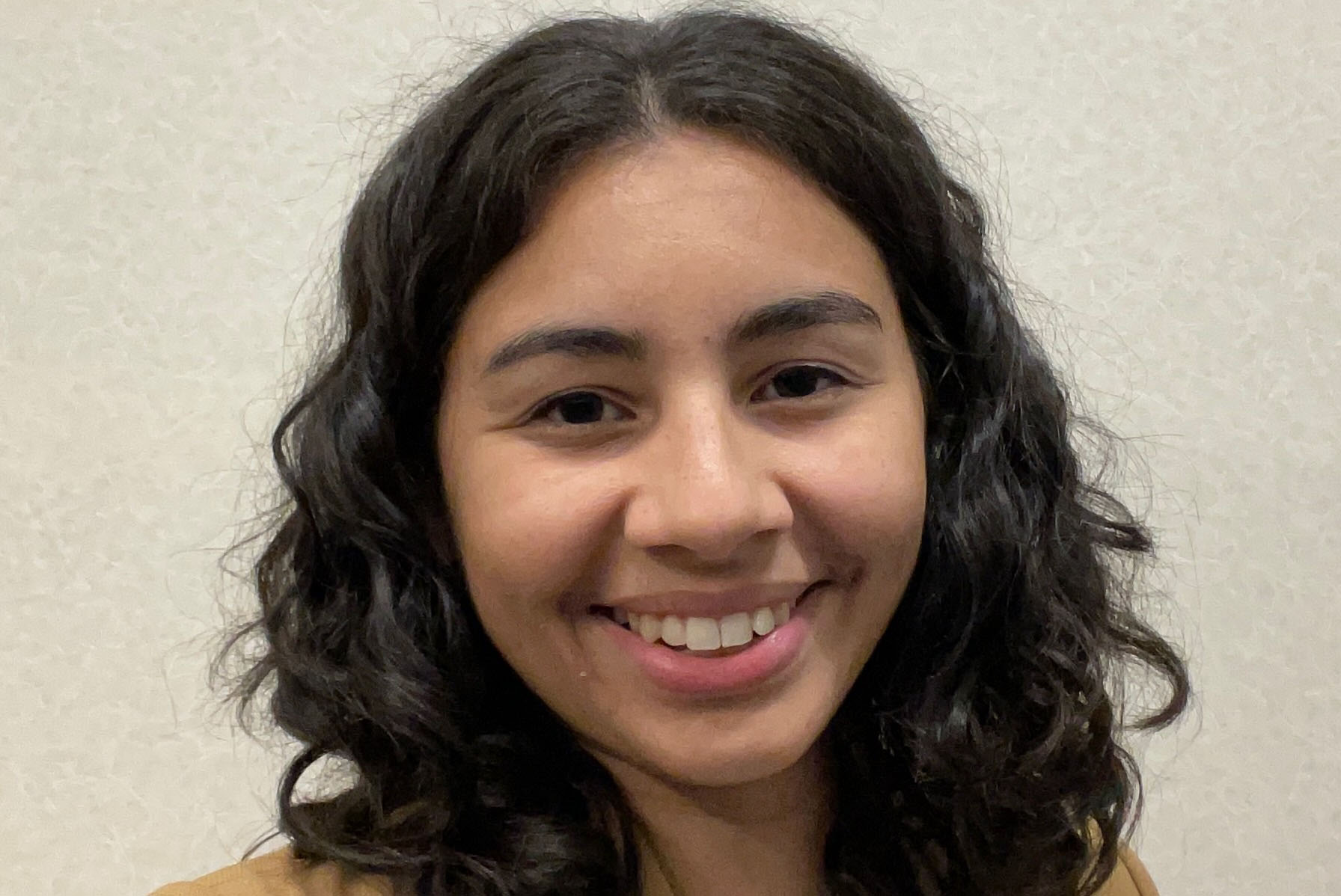
Nicole Arroyo
PhD, BS ‘12
Nicole Arroyo, PhD, BS ‘12 (Molecular Bioscience and Biotechnology) is a Health Science Policy Analyst at the National Institute of Dental and Craniofacial Research (NIDCR), one of the institutes of the National Institutes of Health (NIH). After graduating from RIT, Dr. Arroyo conducted research at the National Institute of Allergy and Infectious Diseases (NIAID) through the post-baccalaureate Intramural Research Training Award program. She then attended the University of Washington, Seattle, earning a PhD in immunology (‘19) studying the immune response in malaria. After teaching biology courses in Seattle-area community colleges, Dr. Arroyo returned to the NIH in 2022 through the American Association for the Advancement of Science’s (AAAS) Science and Technology Policy Fellowship (STPF) program. As a fellow, she worked to facilitate NIAID’s communications with the U.S. Congress. Dr. Arroyo now serves as a science policy expert at NIDCR, specializing in strategic planning and policy implementation. In this role, she supports executive leadership and conducts analysis, reporting, and evaluation activities for the institute.
What significance does Latinx Heritage Month hold for you?
For me, Latinx Heritage Month is both a reminder of how impactful the community has been to the United States and of how much more work still remains. I grew up in Albuquerque, NM where, as recently as the early twentieth century, Spanish was not allowed to be spoken. I had Latinx classmates who were not Spanish speakers because that piece of the culture had been banished. Celebrating this cultural heritage has always felt to me like an important form of resistance to injustice. Among many other contributions, the Hispanic and Latinx communities have impacted community organizing as a practice, influencing labor movements and civil rights advancement. I think this is rooted in these cultures being fundamentally more collectivistic, rather than individualistic. This fundamental difference always stands out to me every Latinx Heritage Month
What led you to RIT?
RIT’s mail flyers got the school on my radar in the first place. The school’s hands-on approach to undergraduate education stood out to me. Ultimately, visiting campus during an accepted student open house sealed the deal.
What about college were you least prepared?
In hindsight, I think I was least prepared for the identity shift that occurs when you become a college student. The structure and culture is so different from high school, it took me a moment to figure out myself in this new environment. I decided to switch my major from Biology to Biotechnology (now Biotechnology and Molecular Bioscience) after my first quarter once I understood the differences between the two degrees. I remember feeling like it was a monumental shift, when in reality it wasn’t. It just didn’t perfectly fit into my expectation of who I was going to be as a college student and I had to learn how to deal with those kinds of changes that happen to everyone.
What were your favorite classes and why?
When I attended RIT, the academic year was divided into quarters, so electives were much narrower in focus. Advanced immunology, genomics, and tissue culture were my favorite classes within my major. Their project-based curricula helped prepare me for the research experiences I had during college and later for graduate school. Outside my major, I still think about an Honors cultural anthropology class on food and society. That class spurred a continued interest in learning about sustainable agriculture and dining practices.
Who influenced you most during your time at RIT?
My peers. I was fortunate to build relationships with classmates both in and out of my major, largely thanks to the Honors Program. I’m still in close touch with several of these people today.
What is your proudest accomplishment and the highlight of your career/life?
I am now a mom of two and building a career in science policy. I did not attend daycare or preschool and my own mom stayed at home my entire childhood, which I think was a decision very much rooted in our cultural heritage. My proudest accomplishment was when my mom told me that I was showing my kids a life that she couldn’t have shown me.
What is something about Hispanic/Latinx heritage you would like others to know?
The terms Hispanic and Latinx are wholly insufficient to encapsulate such a wide diaspora! It’s perhaps inconvenient to be more specific, but a mere 40 miles is what separates the Dominican Republic from Puerto Rico. Yet my experience as a person born on the island and raised in the states has critical differences from someone born in the DR who immigrated to the United States. And it’s not just an issue of specifying the distance to the homeland or a person’s citizenship status; these differences are evident in the dialect, the music, the food, the clothing - all the elements of culture.
Share your favorite college memory.
The beginning of each new academic year is always an exciting time. My favorite part about that time is the Lighting the Way Ceremony. Celebrating gender diversity at a technical school is a wonderful way to kick off the year. It’s so important to center the experiences and accomplishments of those students and help make new students feel welcome. I still have my lantern from my first Lighting the Way event as a reminder of the difficult things I’ve overcome and the people who supported me along the way.
What advice do you have for current students who want to make the most out of their RIT experience?
Try new things just for the sake of trying them - classes, arts and cultural events, extracurriculars! As we grapple with questions over the need for undergraduate education and the prohibitive cost of college, I think there’s an important consideration that often gets overlooked: college can be a protected period of time to explore new ideas and activities.
What are some fun facts about you that you’d like to share?
Growing up, I participated in a lot of arts. I danced (ballet, jazz, and tap) and played violin.
How can RIT support/build an atmosphere of inclusion, regardless of a person’s identity?
Encourage your students to keep sharing their stories and experiences. I think we typically think of this advice as a great way to learn how someone may be uniquely experiencing the world. I think it’s also helpful for learning when a certain perception or outcome is true for others too. We can both expand our horizons and find community by sharing with others.
Tiger Heritage Alumni Spotlight
Latinx Heritage Month, 2025
Nicole Arroyo
PhD, BS ‘12
Nicole Arroyo, PhD, BS ‘12 (Molecular Bioscience and Biotechnology) is a Health Science Policy Analyst at the National Institute of Dental and Craniofacial Research (NIDCR), one of the institutes of the National Institutes of Health (NIH). After graduating from RIT, Dr. Arroyo conducted research at the National Institute of Allergy and Infectious Diseases (NIAID) through the post-baccalaureate Intramural Research Training Award program. She then attended the University of Washington, Seattle, earning a PhD in immunology (‘19) studying the immune response in malaria. After teaching biology courses in Seattle-area community colleges, Dr. Arroyo returned to the NIH in 2022 through the American Association for the Advancement of Science’s (AAAS) Science and Technology Policy Fellowship (STPF) program. As a fellow, she worked to facilitate NIAID’s communications with the U.S. Congress. Dr. Arroyo now serves as a science policy expert at NIDCR, specializing in strategic planning and policy implementation. In this role, she supports executive leadership and conducts analysis, reporting, and evaluation activities for the institute.
What significance does Latinx Heritage Month hold for you?
For me, Latinx Heritage Month is both a reminder of how impactful the community has been to the United States and of how much more work still remains. I grew up in Albuquerque, NM where, as recently as the early twentieth century, Spanish was not allowed to be spoken. I had Latinx classmates who were not Spanish speakers because that piece of the culture had been banished. Celebrating this cultural heritage has always felt to me like an important form of resistance to injustice. Among many other contributions, the Hispanic and Latinx communities have impacted community organizing as a practice, influencing labor movements and civil rights advancement. I think this is rooted in these cultures being fundamentally more collectivistic, rather than individualistic. This fundamental difference always stands out to me every Latinx Heritage Month
What led you to RIT?
RIT’s mail flyers got the school on my radar in the first place. The school’s hands-on approach to undergraduate education stood out to me. Ultimately, visiting campus during an accepted student open house sealed the deal.
What about college were you least prepared?
In hindsight, I think I was least prepared for the identity shift that occurs when you become a college student. The structure and culture is so different from high school, it took me a moment to figure out myself in this new environment. I decided to switch my major from Biology to Biotechnology (now Biotechnology and Molecular Bioscience) after my first quarter once I understood the differences between the two degrees. I remember feeling like it was a monumental shift, when in reality it wasn’t. It just didn’t perfectly fit into my expectation of who I was going to be as a college student and I had to learn how to deal with those kinds of changes that happen to everyone.
What were your favorite classes and why?
When I attended RIT, the academic year was divided into quarters, so electives were much narrower in focus. Advanced immunology, genomics, and tissue culture were my favorite classes within my major. Their project-based curricula helped prepare me for the research experiences I had during college and later for graduate school. Outside my major, I still think about an Honors cultural anthropology class on food and society. That class spurred a continued interest in learning about sustainable agriculture and dining practices.
Who influenced you most during your time at RIT?
My peers. I was fortunate to build relationships with classmates both in and out of my major, largely thanks to the Honors Program. I’m still in close touch with several of these people today.
What is your proudest accomplishment and the highlight of your career/life?
I am now a mom of two and building a career in science policy. I did not attend daycare or preschool and my own mom stayed at home my entire childhood, which I think was a decision very much rooted in our cultural heritage. My proudest accomplishment was when my mom told me that I was showing my kids a life that she couldn’t have shown me.
What is something about Hispanic/Latinx heritage you would like others to know?
The terms Hispanic and Latinx are wholly insufficient to encapsulate such a wide diaspora! It’s perhaps inconvenient to be more specific, but a mere 40 miles is what separates the Dominican Republic from Puerto Rico. Yet my experience as a person born on the island and raised in the states has critical differences from someone born in the DR who immigrated to the United States. And it’s not just an issue of specifying the distance to the homeland or a person’s citizenship status; these differences are evident in the dialect, the music, the food, the clothing - all the elements of culture.
Share your favorite college memory.
The beginning of each new academic year is always an exciting time. My favorite part about that time is the Lighting the Way Ceremony. Celebrating gender diversity at a technical school is a wonderful way to kick off the year. It’s so important to center the experiences and accomplishments of those students and help make new students feel welcome. I still have my lantern from my first Lighting the Way event as a reminder of the difficult things I’ve overcome and the people who supported me along the way.
What advice do you have for current students who want to make the most out of their RIT experience?
Try new things just for the sake of trying them - classes, arts and cultural events, extracurriculars! As we grapple with questions over the need for undergraduate education and the prohibitive cost of college, I think there’s an important consideration that often gets overlooked: college can be a protected period of time to explore new ideas and activities.
What are some fun facts about you that you’d like to share?
Growing up, I participated in a lot of arts. I danced (ballet, jazz, and tap) and played violin.
How can RIT support/build an atmosphere of inclusion, regardless of a person’s identity?
Encourage your students to keep sharing their stories and experiences. I think we typically think of this advice as a great way to learn how someone may be uniquely experiencing the world. I think it’s also helpful for learning when a certain perception or outcome is true for others too. We can both expand our horizons and find community by sharing with others.