

Dua Weraikat
Chair of Industrial Engineering Department, Associate Professor of Industrial Engineering
Dua Weraikat
Chair of Industrial Engineering Department, Associate Professor of Industrial Engineering
Education
Doctor of Philosophy, Industrial Engineering from Concordia University, Montreal, Quebec, Canada; Masters of Science, Industrial Engineering- Manufacturing from University of Jordan, Amman, Jordan; Bachelor of Science, Industrial Engineering- Management from Jordan University of Science and Technology, Irbid, Jordan
Bio
Dr. Weraikat teaches courses in operations research, decision analysis, production planning, and production control, and has been actively involved in curriculum development, accreditation, and program coordination. Her research focuses on applying artificial intelligence, machine learning, optimization, and data analytics to address challenges in supply chain resilience, healthcare systems, smart farming, and sustainability.
Dr. Weraikat has published widely in high-impact journals and international conferences, with notable contributions to pharmaceutical supply chain resilience and sustainable industrial practices. She also serves on the IISE Operations Research Division Board (2025–2027) and founded the IISE Student Chapter at RIT Dubai. Her dedication to student engagement and professional service has earned her multiple awards, including the Outstanding Global Faculty Advisor Award (IISE, 2024), the Arabian Peninsula Regional Faculty Advisor Award (IISE, 2024 & 2025), and several Gold Awards in the IISE Chapter Recognition Program (2023–2025).
Select Scholarship
Some of Recent Publication:
1. Laith, H., Weraikat, D., Khan, S., (2025) The Role of Digitalization Technologies in Enhancing Supply Chain Performance in the Service Industry: Identifying the Current Research Gaps, Journal of Information & Knowledge Management (Q2), 2550077. https://doi.org/10.1142/S0219649225500777. Number of citations 1.
2. Weraikat, D. and Alhourani, S., (2025) Systematic Review of Machine Learning and Artificial Intelligence in Pharmaceutical Supply Chain (PSC) Resilience: Identifying Gaps and Future Research Directions. Sustainability 17(14), 6591 (Q1). https://doi.org/10.3390/su17146591. Number of citations 11.
3. O. Al Meheiri and D. Weraikat, (2025). Integration of Renewable Energy Strategies: A Case in Dubai South. Sustainability 17(13) (Q1), 6093. https://doi.org/10.3390/su17136093. Number of citations 1.
4. Weraikat, D.; Šori?, K.; ?agar, M.; Soka?, M. (2024). Data Analytics in Agriculture: Enhancing Decision-Making for Crop Yield Optimization and Sustainable Practices. Sustainability, 16(17) (Q1), 7331. https://doi.org/10.3390/su16177331. Number of citations 10.
5. Weraikat, D., Zanjani, M. K., & Lehoux, N. (2019). Improving sustainability in a two-level pharmaceutical supply chain through Vendor-Managed Inventory system. Operations Research for Health Care (Q2), 21, 44-55. https://doi.org/10.1016/j.orhc.2019.04.004, Number of citations 106.
6. D. Weraikat, M. Zanjani, N. Lehoux (2016) “Two-echelon Pharmaceutical Reverse Supply Chain Coordination with Customers Incentives,” International Journal of Production Economics (Q1), 176, 41-52. https://doi.org/10.1016/j.ijpe.2016.03.003, Number of citations 118.
7. D. Weraikat, M. Zanjani, N. Lehoux (2016) “Coordinating a Green Reverse Supply Chain in Pharmaceutical Sector by Negotiation,” Computer and Industrial Engineering Journal (Q1), 93, 67-77. https://doi.org/10.1016/j.cie.2015.12.026 , Number of citations 96.
Currently Teaching
In the News
-
October 15, 2026
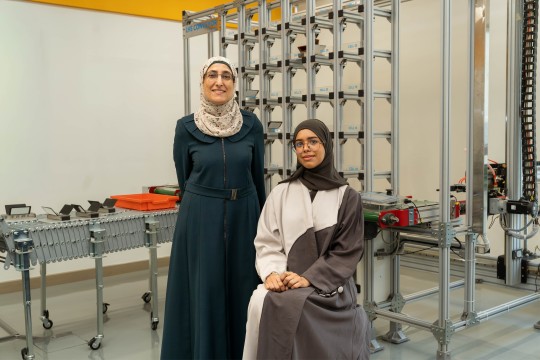
RIT Dubai Student Wins 2026 Mitacs Globalink Research Award for Research in Canada
Aisha Alhashmi, an Emirati third-year Industrial Engineering student at Rochester Institute of Technology (RIT) Dubai, has won the 2026 Mitacs Globalink Research Award (GRA). The award supported a three-month research placement at the University of Regina in Canada, where she worked on a framework designed to improve supply chain performance in the age of live streaming commerce.
Featured Work
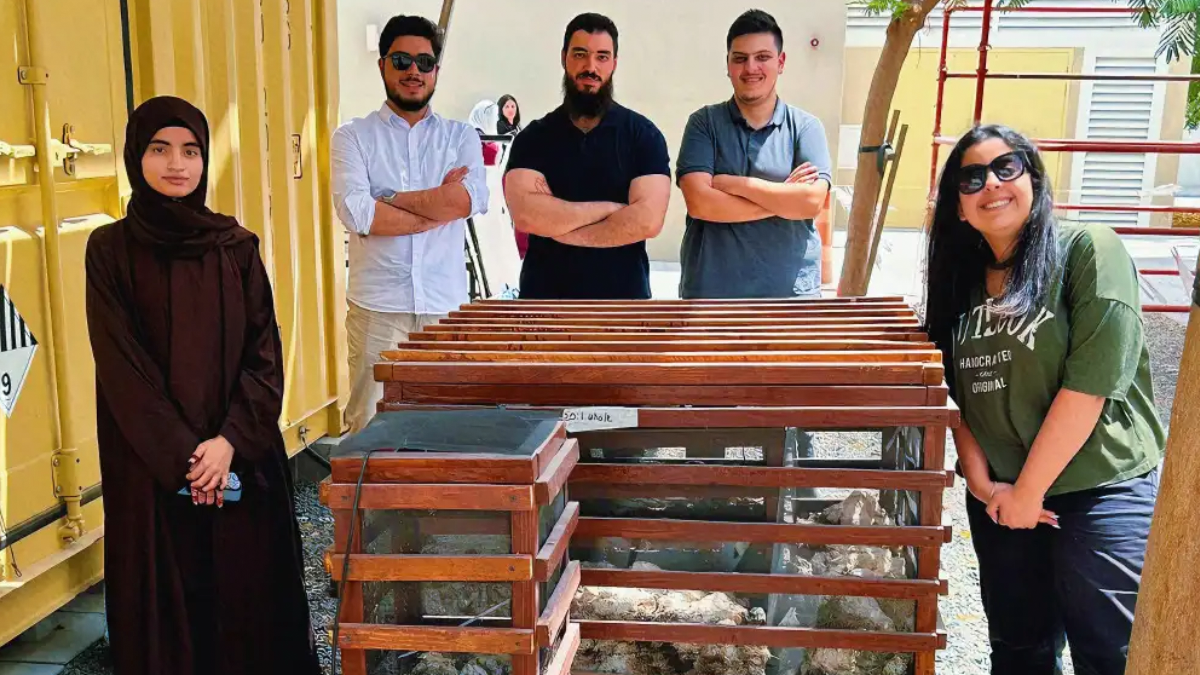
Automated Systems for Composting Paper Towels
Multidisciplinary Senior Design Project ’25
Smart composting meets sustainability
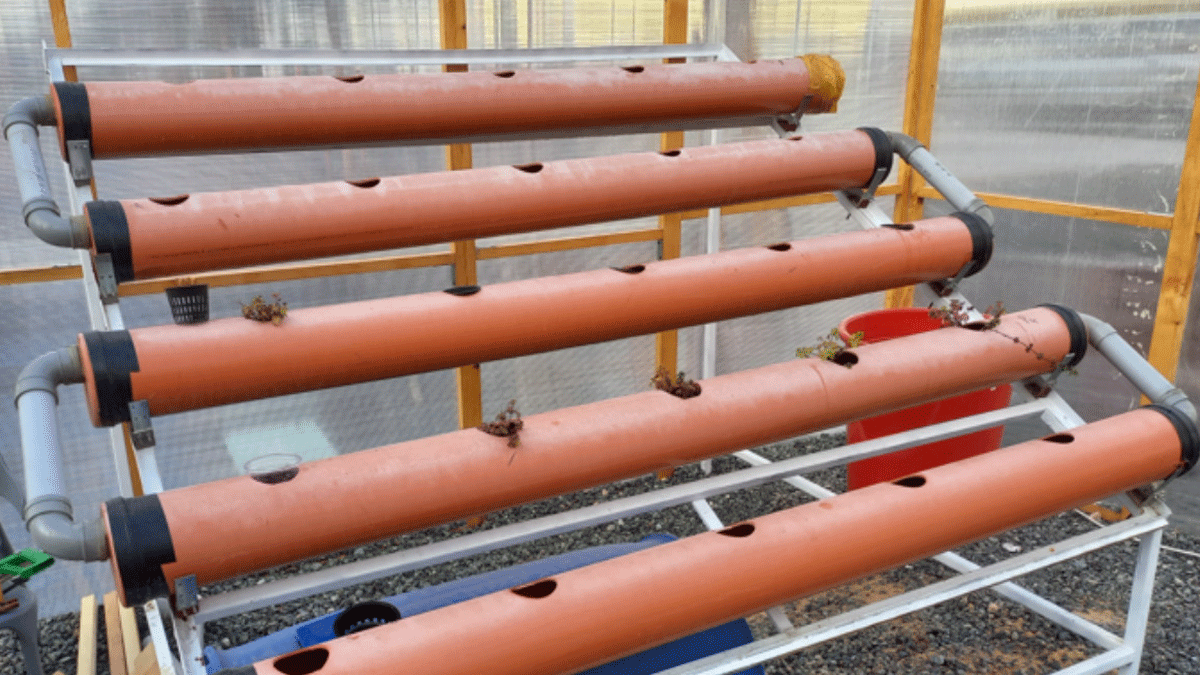
Smart Farming by Fully Automated Hydroponic System
Multidisciplinary Senior Design Project ’24
Smart Farming, No Soil Needed