9,138,172
Method For Monitoring Exposure To An Event And Device Thereof
Patent Number
Issue Date
Inventor(s)
David A. Borkholder; Brian D. DeBusschere
Document
Download PDF for patent 9,138,172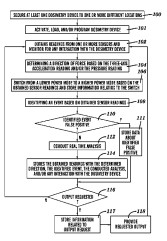
Synopsis
Patent US 9,138,172 B2 describes a method for monitoring exposure to an event and a device thereof. This invention provides a novel wearable device and corresponding methodology to detect, characterize, and assess the severity of various physical events, particularly impacts or pressure waves, and to correlate these events with potential injury risks. This is a significant advancement in personal safety monitoring and risk assessment.
A key novel aspect of this invention is its ability to differentiate and characterize different types of physical events, such as blunt impacts, rapid pressure changes (e.g., from blasts), or vibrations. The device integrates multiple sensors, which may include pressure sensors (e.g., for atmospheric or contact pressure) and inertial measurement units (e.g., accelerometers, gyroscopes), to capture comprehensive data about an event. The system then processes this raw sensor data using sophisticated algorithms to identify the event type, its magnitude, duration, and even its direction or location on the body. Crucially, the system can then compare these measured event parameters against predefined or individualized injury thresholds to provide a real-time or logged assessment of injury risk. This goes beyond simple event detection by providing actionable insights into potential harm.
The commercial potential for this event monitoring system is substantial across numerous high-risk environments and applications:
-
Military and Defense: For soldiers, special forces, and training personnel, this device can monitor exposure to blast overpressure, blunt trauma, and other combat-related events. It can provide critical data for assessing concussions and other injuries, guiding immediate medical attention and long-term health monitoring, and aiding in the development of protective equipment and tactics.
-
Sports and Athletics: In contact sports like football, hockey, and rugby, or extreme sports, the device can quantify impacts to the head and body. This allows coaches, trainers, and medical staff to monitor athlete exposure to potentially injurious forces, identify sub-concussive events, and make informed decisions regarding athlete safety, concussion protocols, and return-to-play guidelines.
-
Industrial Safety: Workers in construction, mining, manufacturing, and other heavy industries often face risks from impacts, falls, and machinery vibrations. This dosimeter can provide objective data on these exposures, enabling companies to enforce safety protocols, assess the effectiveness of protective gear, and improve workplace safety conditions.
-
First Responders: Firefighters, police officers, and emergency medical personnel are frequently exposed to hazardous conditions and physical stressors. The device can monitor their exposure to impacts, blasts, and other events, aiding in their health surveillance and ensuring their well-being during and after critical incidents.
-
Healthcare and Rehabilitation: For patients at risk of falls, or those undergoing physical therapy for mobility issues, the device could monitor movements and impacts, providing data for fall prevention programs or objective assessment of rehabilitation progress.
-
Research and Development: This technology offers a robust platform for researchers studying biomechanics of injury, effectiveness of protective equipment, and human response to various physical stressors, driving innovation in safety science.
This invention provides a precise and comprehensive solution for event monitoring and injury risk assessment, offering a vital tool for enhancing safety, improving health outcomes, and optimizing performance in demanding physical environments.