9,833,174
Method For Determining Hearing Thresholds In The Absence Of Pure-tone Testing
Patent Number
Issue Date
Inventor(s)
Joseph H. Bochner; Wayne M. Garrison
Document
Download PDF for patent 9,833,174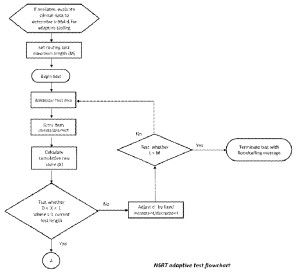
Synopsis
Patent US 9,833,174 B2 describes a method for determining hearing thresholds in the absence of pure-tone testing. This invention addresses a significant challenge in audiology by providing an alternative to traditional pure-tone audiometry, particularly beneficial for populations where conventional testing is difficult or impossible.
A key novel aspect of this invention is its reliance on a speech-in-noise paradigm rather than pure tones to assess hearing thresholds. The method presents a series of speech stimuli embedded in background noise, and the individual's ability to discern the speech is used to infer their hearing sensitivity. This approach is particularly effective because it tests hearing in a more ecologically valid setting, mirroring real-world listening environments. The system utilizes adaptive testing, adjusting the difficulty of the stimuli based on the individual's responses, making the assessment efficient and precise. It also incorporates a measurement of speech perception abilities, allowing for a comprehensive evaluation of hearing function beyond simple threshold detection.
The commercial potential for this hearing assessment method is substantial, particularly in clinical, educational, and public health settings:
Pediatric Audiology: Traditional pure-tone testing can be challenging for young children or infants who may not reliably respond to abstract pure-tone stimuli. This speech-based method offers a more natural and engaging way to assess hearing in this critical population, enabling earlier identification and intervention for hearing loss.
Individuals with Cognitive Impairments: For individuals with intellectual disabilities, developmental delays, or cognitive impairments who may struggle with the complex instructions or abstract nature of pure-tone audiometry, this method provides a more accessible and reliable assessment tool.
Global Health and Underserved Populations: In regions with limited access to specialized audiological equipment or trained professionals, this method, potentially deployable on simpler platforms, could facilitate widespread hearing screening and diagnosis. Its robustness in noisy environments makes it suitable for diverse testing conditions.
Military and Occupational Health: The ability to assess hearing thresholds using speech-in-noise could be valuable for military personnel, first responders, and workers in noisy occupations, where traditional testing might not fully capture functional hearing abilities relevant to their demanding environments. It could provide a more accurate measure of speech understanding in challenging acoustic conditions.
Tele-audiology: The method's adaptability to computer-based administration makes it well-suited for remote hearing assessments, expanding access to audiological services for individuals in remote areas or those with mobility limitations.
Research and Development: This novel approach provides a robust platform for researchers studying speech perception, hearing loss progression, and the efficacy of hearing interventions, particularly in conditions involving background noise.
This invention offers a practical and effective alternative for hearing assessment, overcoming limitations of traditional methods and opening new avenues for accurate and accessible hearing healthcare across diverse populations and environments.