11,186,342
MOTORIZED WHEEL SYSTEM FOR PEDIATRIC STANDER
Patent Number
Issue Date
Inventor(s)
Licensed/Under Negotiation
Document
Download PDF for patent 11,186,342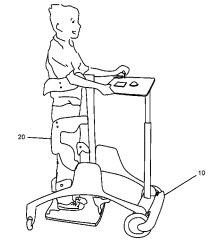
Synopsis
Patent US 11,186,342 B2 describes a motorized wheel system specifically designed for pediatric standers. This invention addresses a critical need for enhancing the mobility and independence of children who use standers for therapeutic or daily living purposes. Traditional standers often limit movement, restricting a child's ability to explore their environment and interact with peers.
A key novel aspect of this patent is the integration of a motorized wheel system directly into a pediatric stander. This system allows the child to independently control their movement while maintaining the therapeutic benefits of standing. The patent details various configurations for the motorized wheels, including those where the wheels are attached to the stander's frame and can be driven by a motor. The control mechanism can be adapted to the child's abilities, potentially including joysticks or other interfaces. This innovation provides a crucial element of self-directed mobility that is largely absent in existing pediatric standers, which typically rely on manual propulsion or external assistance.
The commercial potential of this invention is substantial within the assistive technology and pediatric rehabilitation markets. The growing emphasis on early intervention and promoting independence in children with mobility challenges makes this a highly relevant and impactful product.
Possible applications include:
Pediatric Rehabilitation Centers: Providing a tool that enables children undergoing physical therapy to engage in more dynamic and interactive exercises, improving motivation and functional outcomes.
School Environments: Allowing children with disabilities to move independently within classrooms, hallways, and playgrounds, fostering greater social inclusion and participation in educational activities.
Home Use: Enhancing a child's ability to navigate their home environment, promoting autonomy and reducing reliance on caregivers for basic movement. This can significantly improve the quality of life for both the child and their family.
Specialized Play and Therapy: Creating opportunities for children to engage in play and therapeutic activities that require movement, which is often limited in traditional standers. This can contribute to cognitive, social, and physical development.
Integration with Smart Home Systems: Future iterations could potentially integrate with smart home technologies, allowing for even greater environmental control and accessibility for the child.
This patent offers a transformative solution for pediatric mobility, providing children who use standers with the independence to actively engage with their surroundings. This not only enhances their physical development but also supports their social and emotional growth, representing a significant advancement in assistive technology.