11,622,730
Pulse Wave Velocity, Arterial Compliance, and Blood Pressure
Patent Number
Issue Date
Inventor(s)
David A. Borkholder; Alexander S. Liberson; Jeffrey S. Lillie; Steven W. Day
Licensed/Under Negotiation
Document
Download PDF for patent 11,622,730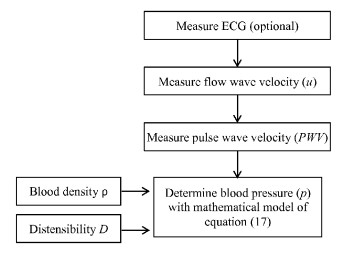
Synopsis
Patent US 11,622,730 B2 describes non-invasive methods for determining physiological parameters of an individual, including blood pressure, arterial compliance, flow velocity, and pulse wave velocity. The core innovation lies in its ability to determine blood pressure using measurements of flow velocity, pulse wave velocity (PWV), and arterial compliance, without the need for invasive procedures. Similarly, it offers a non-invasive method for determining arterial compliance based on measurements of blood pressure, flow velocity, and pulse wave velocity.
A key novel aspect of this patent is the mathematical model used to integrate these physiological measurements. The system measures flow wave velocity and pulse wave velocity, and optionally an electrocardiogram (ECG), then, combined with blood density and arterial distensibility, it determines blood pressure through a specific mathematical equation. This integrated approach provides a more comprehensive understanding of cardiovascular health by simultaneously assessing multiple parameters that are typically measured separately or through more invasive means.
The non-invasive nature is particularly significant, as it reduces discomfort and risks for patients, making continuous monitoring more feasible.
The commercial potential of this invention is substantial within the healthcare and wellness sectors. The ability to non-invasively and continuously monitor critical cardiovascular parameters opens up numerous opportunities.
Possible applications include:
Continuous Ambulatory Monitoring: This technology could lead to next-generation wearable devices for continuous monitoring of blood pressure and arterial health, providing real-time data for individuals with hypertension or other cardiovascular conditions. This would be a significant improvement over current cuff-based methods that provide only intermittent readings.
Early Detection and Prevention: By tracking changes in arterial compliance and pulse wave velocity, healthcare providers could identify early signs of cardiovascular disease, allowing for timely interventions and preventative care.
Personalized Medicine: The detailed physiological data gathered could enable more personalized treatment plans for cardiovascular diseases, optimizing medication dosages and lifestyle recommendations based on an individual's unique arterial characteristics.
Remote Patient Monitoring: For elderly patients or those in rural areas, this non-invasive system could facilitate remote monitoring of their cardiovascular health, reducing the need for frequent clinic visits and improving access to care.
Fitness and Wellness Tracking: Beyond medical applications, the technology could be integrated into consumer fitness trackers, providing individuals with insights into their arterial health as part of their overall wellness regimen.
Clinical Research: Researchers could utilize this non-invasive, comprehensive monitoring system to gather extensive data on cardiovascular dynamics, accelerating studies on new treatments and disease progression.
This patent offers a foundational technology for a new era of non-invasive cardiovascular assessment, poised to enhance diagnostic capabilities, improve patient management, and empower individuals with better insights into their heart health.