Machine Learning and Data Intensive Computing Directory

Lab Directors
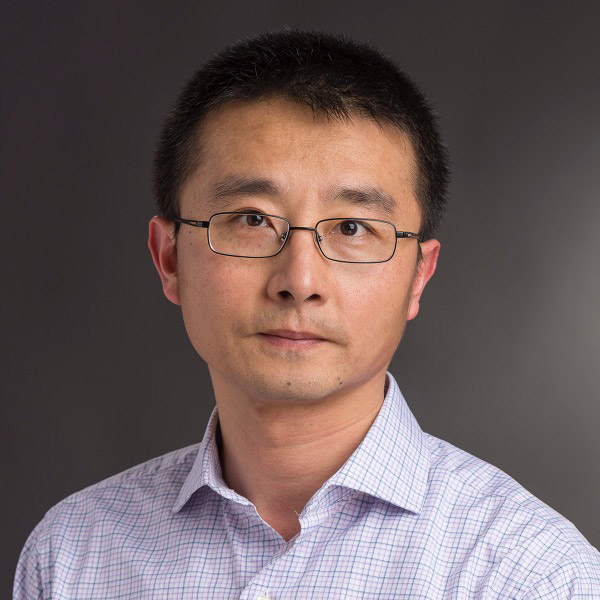
Qi Yu, PhD
Graduate Program Director and Professor
Rochester Institute of Technology
I received my Ph.D. from the Department of Computer Science at Virginia Tech, Blacksburg, VA, M.E from National University of Singapore, Singapore, and B.S from Zhejiang University, Hangzhou, China. For more details check my CV.
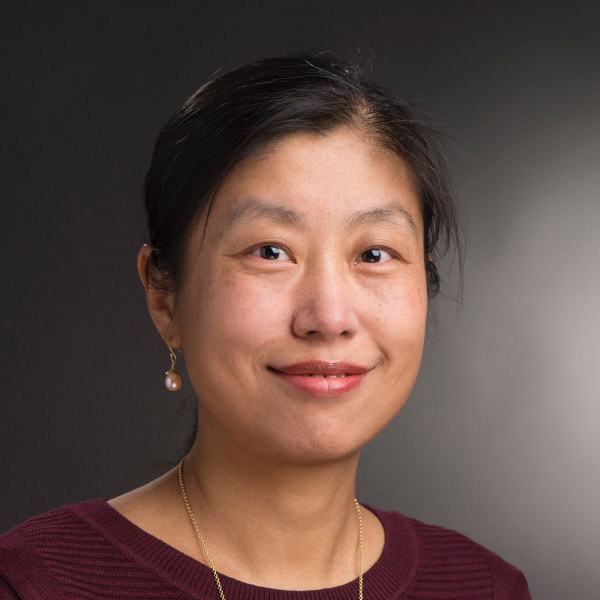
Xumin Liu, PhD
Professor of Computer Science
Rochester Institute of Technology
I received my Ph.D. from the Department of Computer Science at Virginia Tech, Blacksburg, VA, M.E. from Jinan University, Guangzhou, China, and B.E. from Dalian University of Technology, China. For more details check my CV.
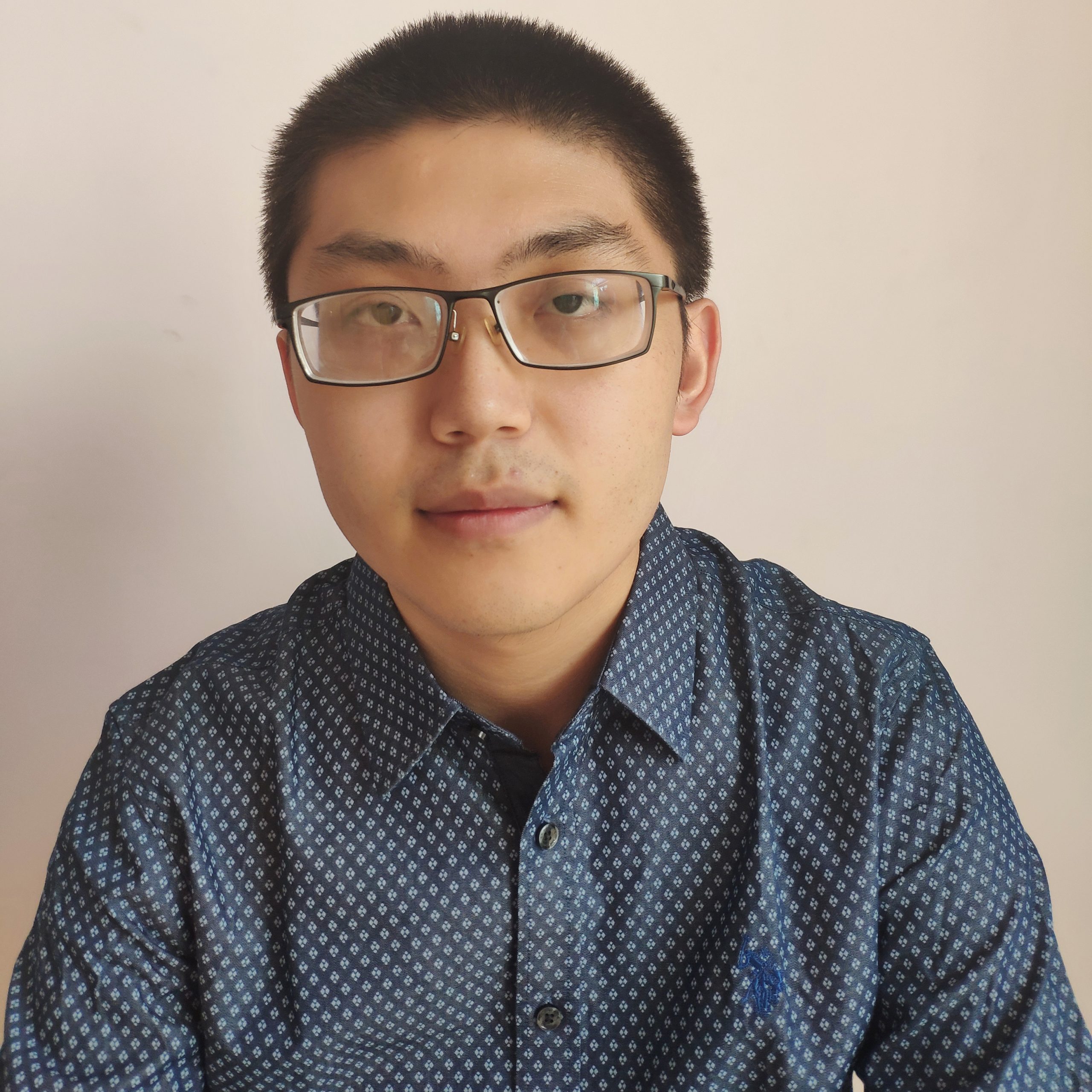
Dingrong Wang (Started in Fall 2020)
Dingrong received his Bachelor degree in Software Engineering from Dalian University of Technology, Dalian, China. His research interest now lies in the areas of reinforcement learning and its applications in computer vision.
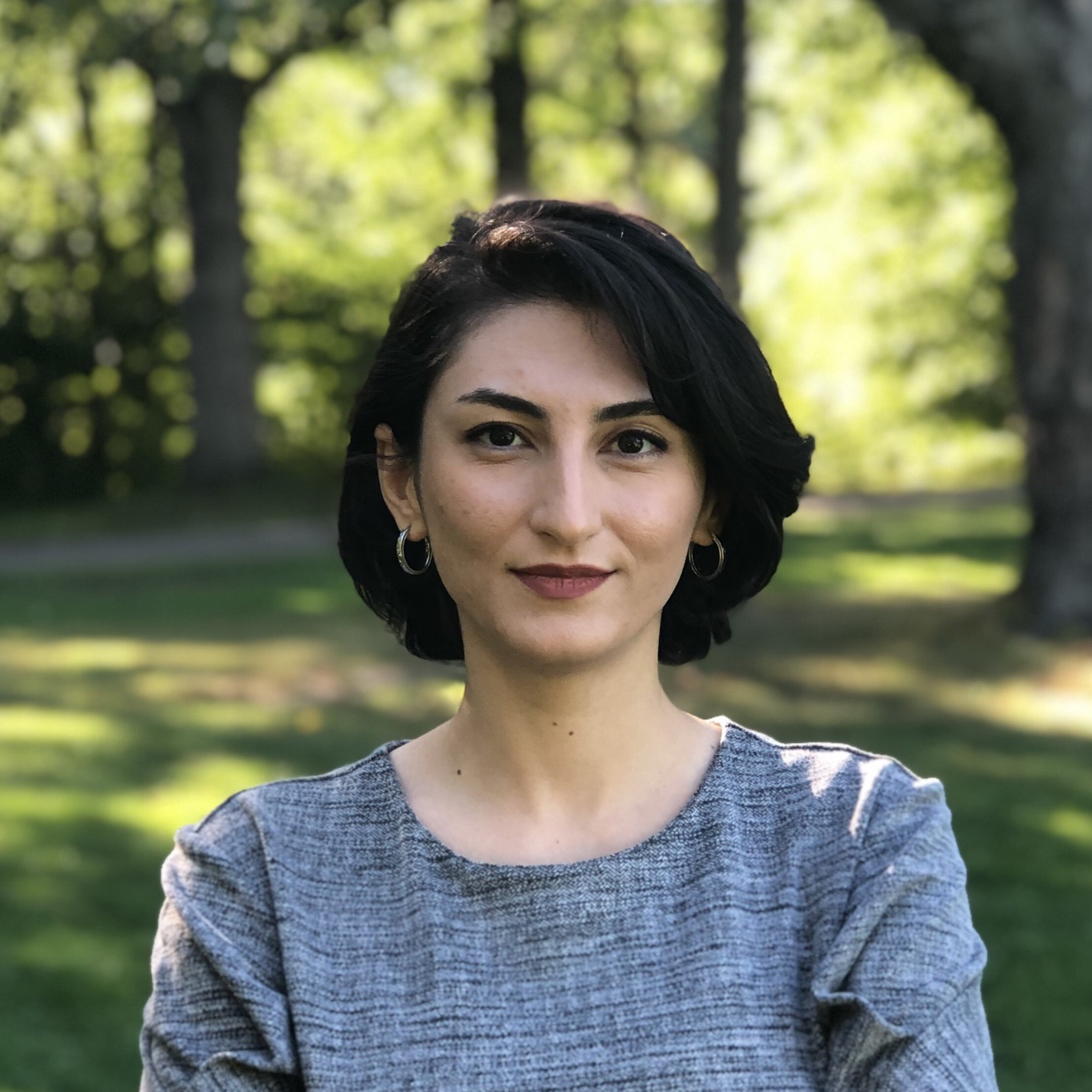
Mahsa Mozaffari (Started in Fall 2022)
https://mahsamozaffari.com
Mahsa received her B.S. degree in software engineering from Sharif University of Technology, Tehran, Iran, and her M.Sc. degree in Electrical Engineering from University of South Florida, Tampa, FL. Her research interests include Multilinear Methods, Multimodal Machine Learning, Bayesian Inference, and Deep Learning with applications in computer vision, and tensor analysis.
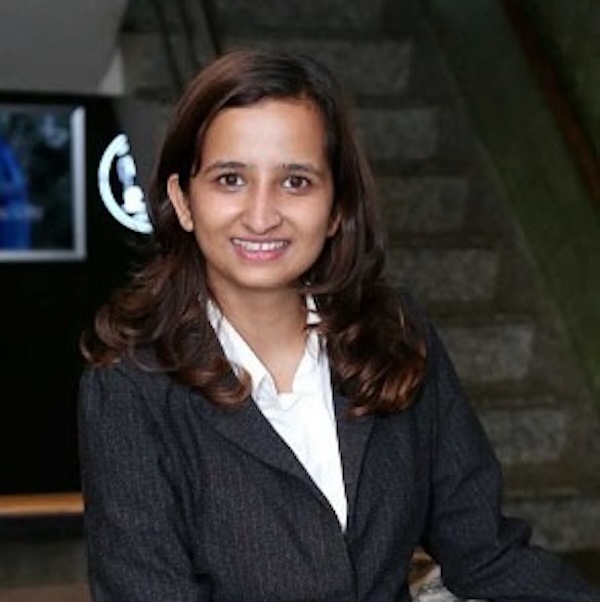
Spandan Pyakurel (Started in Fall 2022)
Spandan received her bachelor degree in Computer Engineering from Pulchowk Campus, Tribhuvan University, Nepal. Her research interest lies in the areas of machine learning and AI with a special focus on uncertainty analysis and novelty detection.
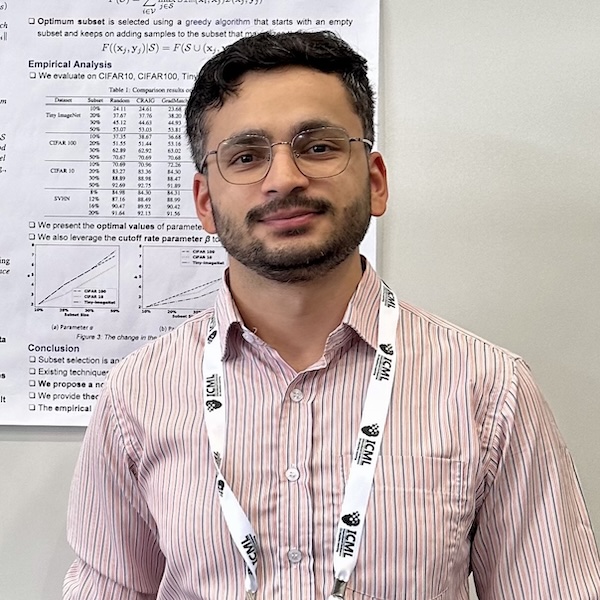
Abhinab Acharya (Started in Fall 2022)
Abhinab earned his Bachelor’s degree in Electrical Engineering from Tribhuvan University and worked as an R&D Software Engineer at North Star Developer’s Village, where he developed machine learning solutions and deployed large-scale platforms. His current research focuses on continual learning, data-efficient machine learning, and robustness of foundation models, with applications to vision and multimodal systems.
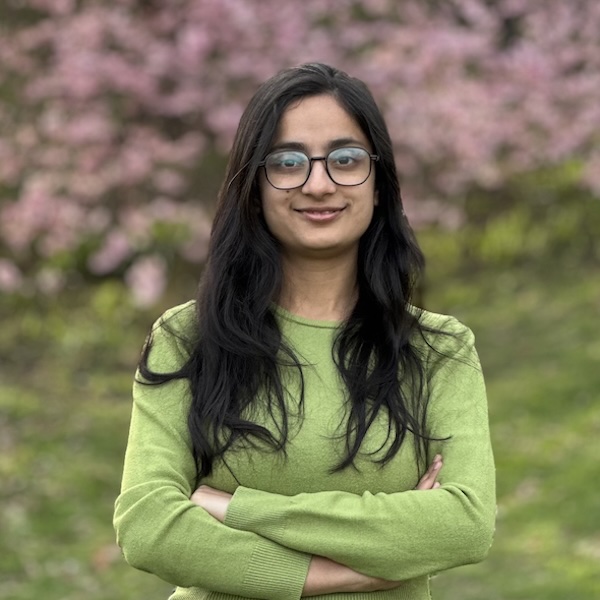
Anusha Acharya (Started in Fall 2024)
Anusha received her Bachelor’s degree in Mechanical Engineering from Pulchowk Campus, Tribhuvan University, Nepal. Her research focuses on developing weakly supervised methods for anomaly detection, with applications in safety-critical events.
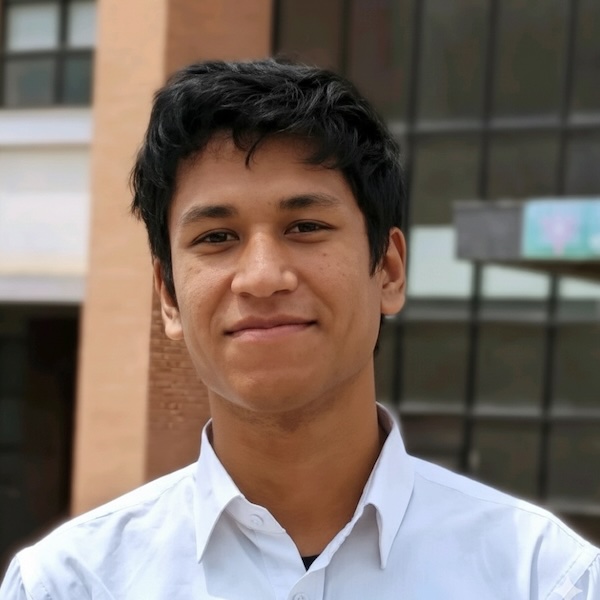
Prashant Shrestha (Started in Fall 2025)
Prashant received his Bachelor's Degree in Electronics, Communication and Information Engineering from Tribhuvan University, Nepal. His current research interest lies in LLM Safety and federated learning.
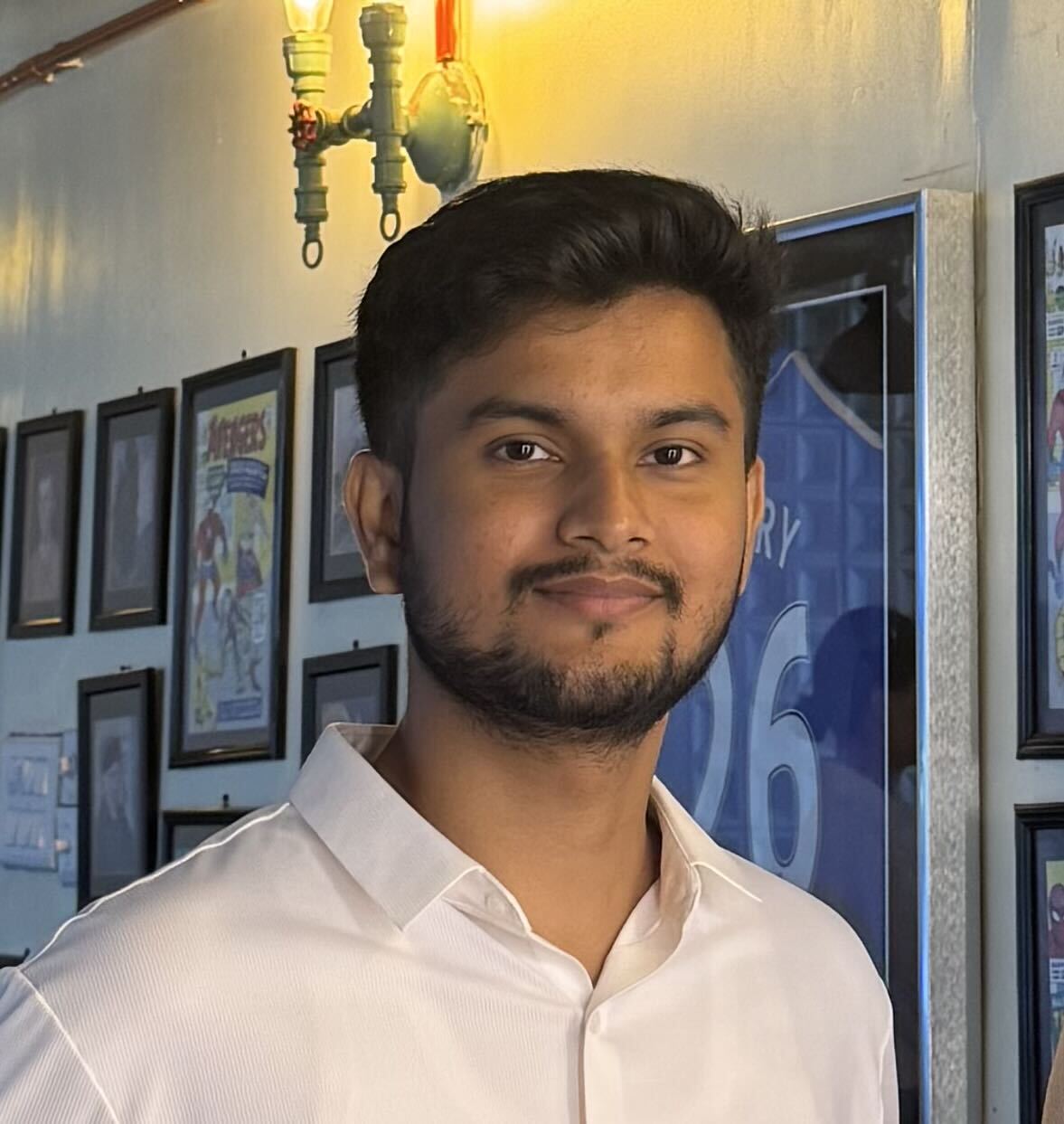
Sudip Tiwari (Started in Fall 2026)
Sudip earned his bachelor's degree in Computer Engineering from Pulchowk Campus, Tribhuvan University, Nepal. His current research interests lie in large language models, knowledge distillation, and low-resource and data-efficient machine learning. Outside of research, he enjoys hiking, traveling, playing and watching football (soccer) and cricket.