CASCADE
CASCADE (Community Action for Stormwater Clean-up and Debris Elimination) is a community partnership in Western New York that uses a data-driven approach to improve water quality in our Great Lakes.
Our focus is on preventing plastic and other debris from entering the stormwater system. The partnership was initiated by Rochester Institute of Technology and New York Sea Grant and now includes diverse partners across the region. Support for our programs comes from the National Sea Grant Marine Debris Program and NOAA’s Marine Debris Program.
Our programming includes a 12-week curriculum that engages youth in the problem of stormwater-derived debris, promotes environmental and data literacy, and encourages environmental stewardship. Our actions include a targeted debris interception program, community level clean ups, and local engagement in solutions to the issue of AD and water quality in the Great Lakes.
Every year, about 10,000 metric tons of plastic enter the Great Lakes (Hoffman & Hittinger, 2017). Stormwater flowing into the Lakes is a major source of this growing pollution crisis (Borrelle et al., 2020). In addition to plastic debris, stormwater can also carry other types of anthropogenic debris (AD), which includes all types of human-generated waste that is released into the environment. AD includes metal, glass, and paper, but our data show that plastic makes up the biggest component.
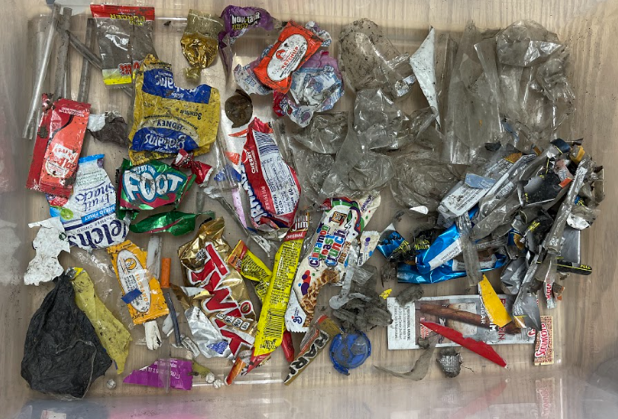
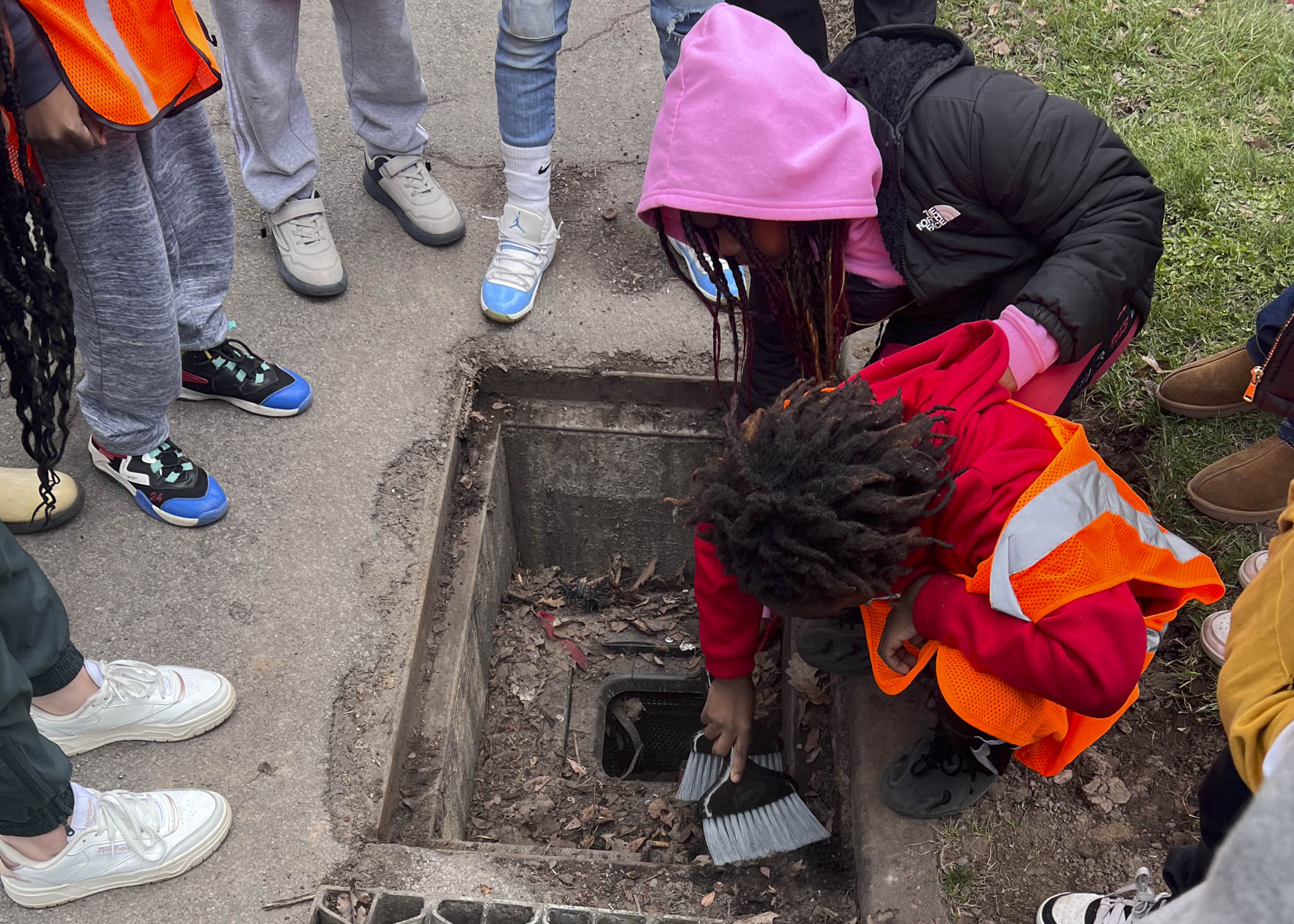
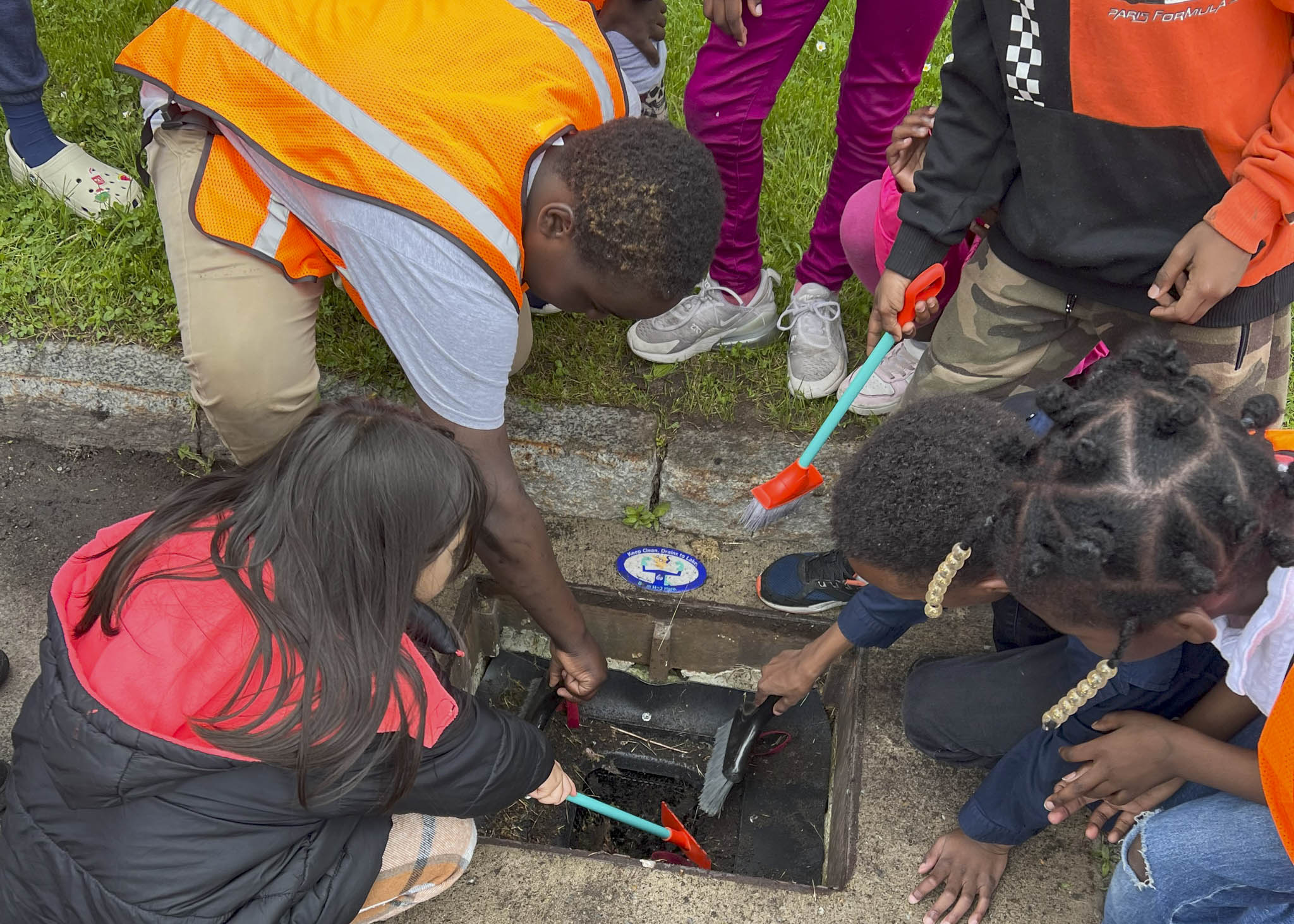
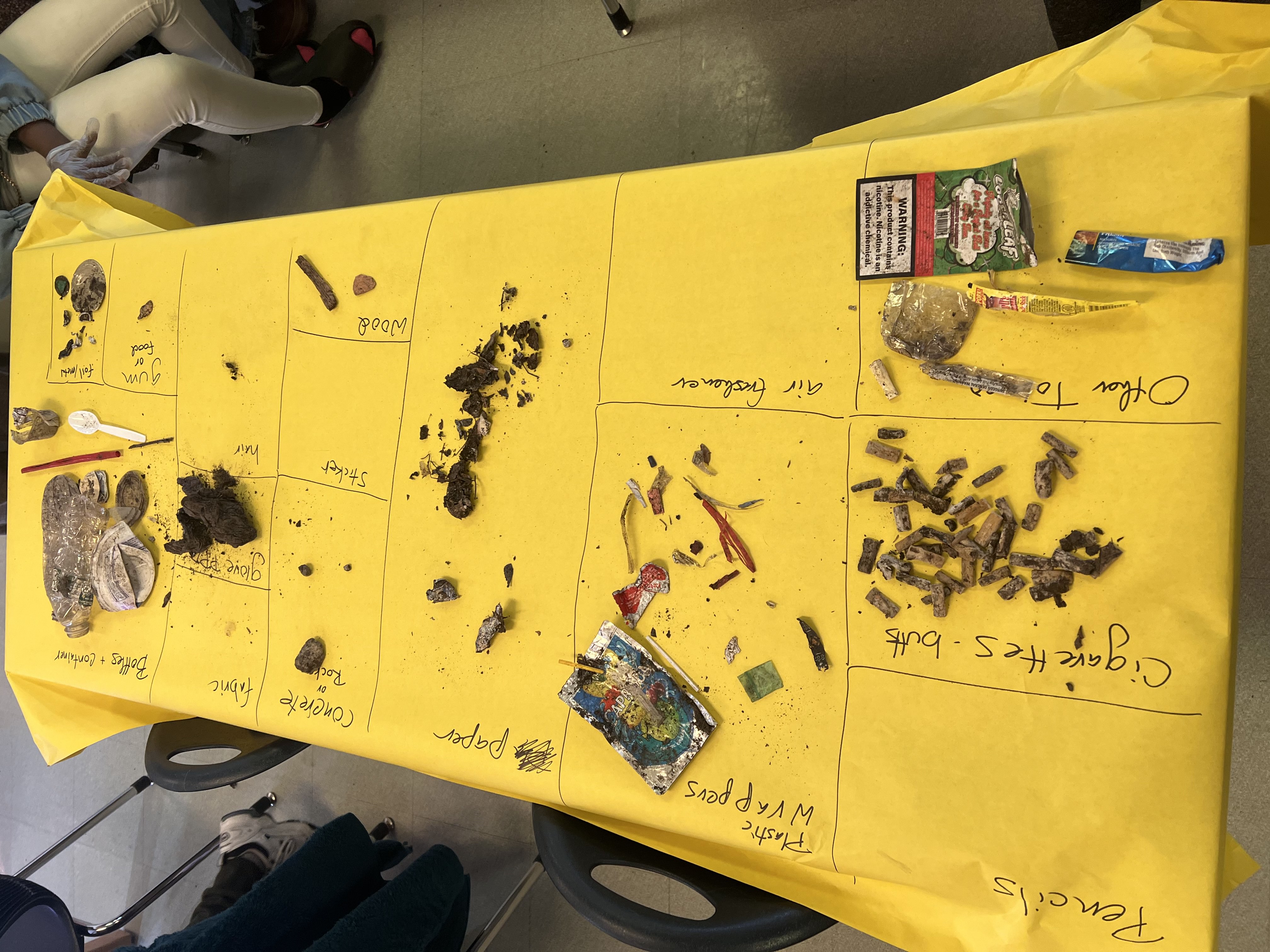
Since 2022, RIT faculty and students have been monitoring AD input to the stormwater system using an interception device manufactured by Enviropod called a LittaTrapTM. These devices are installed in storm drains and trap all AD greater than about one-quarter of an inch (5 mm). This work was supported by NOAA’s Marine Debris Program. Our results illustrate that both the amount and the type of AD are highly variable. For example, in a one month period we might capture more than 200 pieces of AD in one storm drain, but only 25 pieces in a different storm drain a block away. The most common plastic items we find are snack wrappers, cigarette butts (did you know that cigarette butts are a type of plastic called a semi-synthetic polymer?), beverage containers and caps, and other smoking debris such as cigar tips and wrappers.
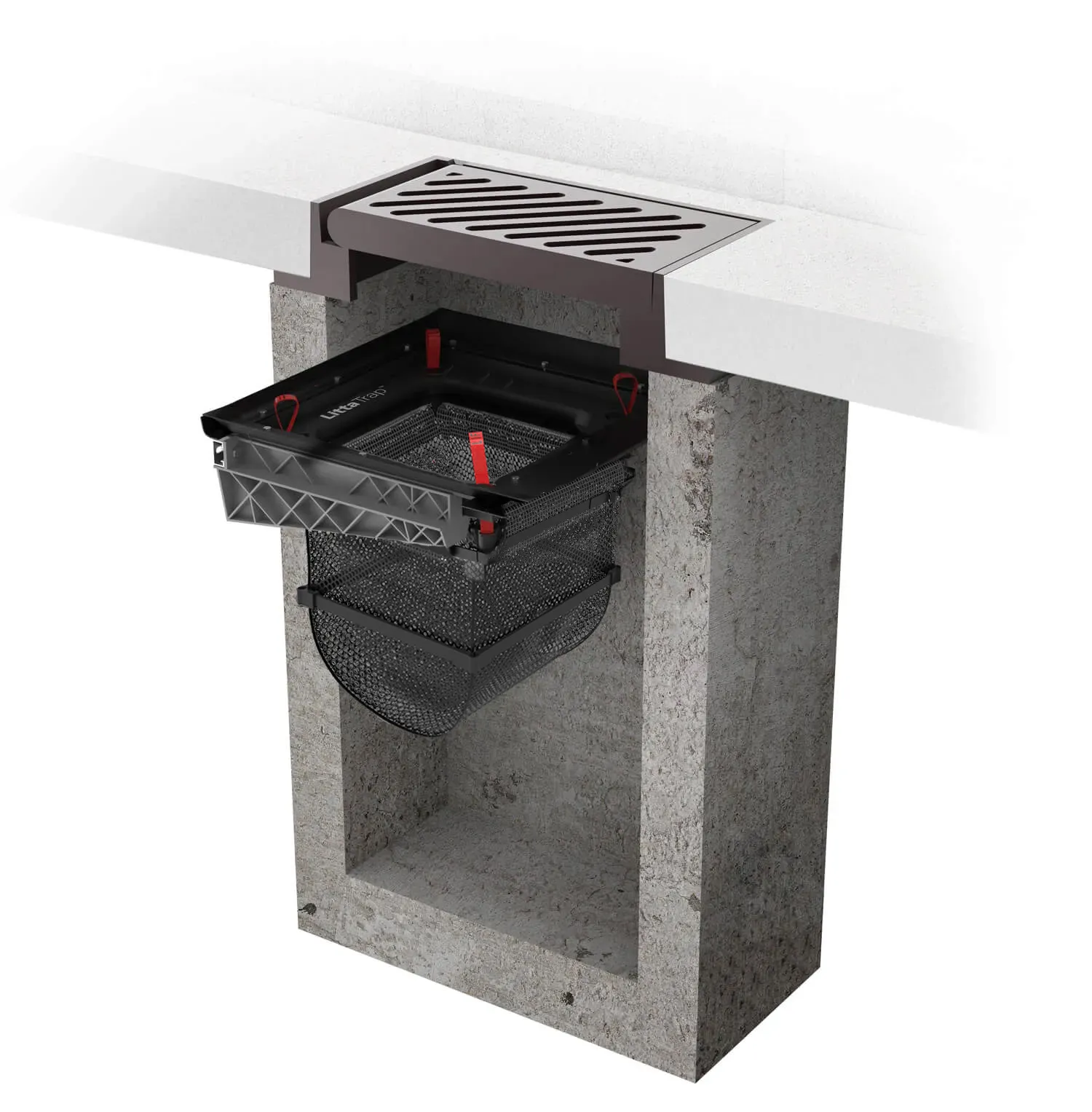
Did you know that while some storm drains carry water to a wastewater treatment plant that removes AD before sending the water out to the Lakes, other drains go directly to local waterways? If not, you aren’t alone: more than two-thirds of Monroe County residents (where Rochester, NY is located) don’t know where the water entering the storm drain in their neighborhood ends up (2021 H2O Hero survey). As a result, we are building a community-based research and education program to intercept and prevent AD from entering the Great Lakes.
As one student said upon recognizing the connection between the debris he was counting from the storm drain in front of his school and the quality of water in Lake Ontario where his drinking water comes from, "We are drinking the cigarettes you are smoking." Just like smoking harms your body, by allowing cigarette butts to enter our stormwater system, we are harming the water we rely on for drinking, irrigation, and washing. We can’t fix a problem unless we understand it. That’s why education is so important.
The CASCADE program educates youth about the environment through direct involvement in data collection, analysis, and development of solutions. The idea is simple: an informed community is an empowered community. This program helps young people become leaders in tackling marine debris in their own communities. In 2024, we installed 14 new LittaTraps™ in catch basins in Rochester at schools, recreation centers, and science education institutions like the Seneca Park Zoo and the Rochester Museum and Science Center.
POV: You Are A Piece of Plastic

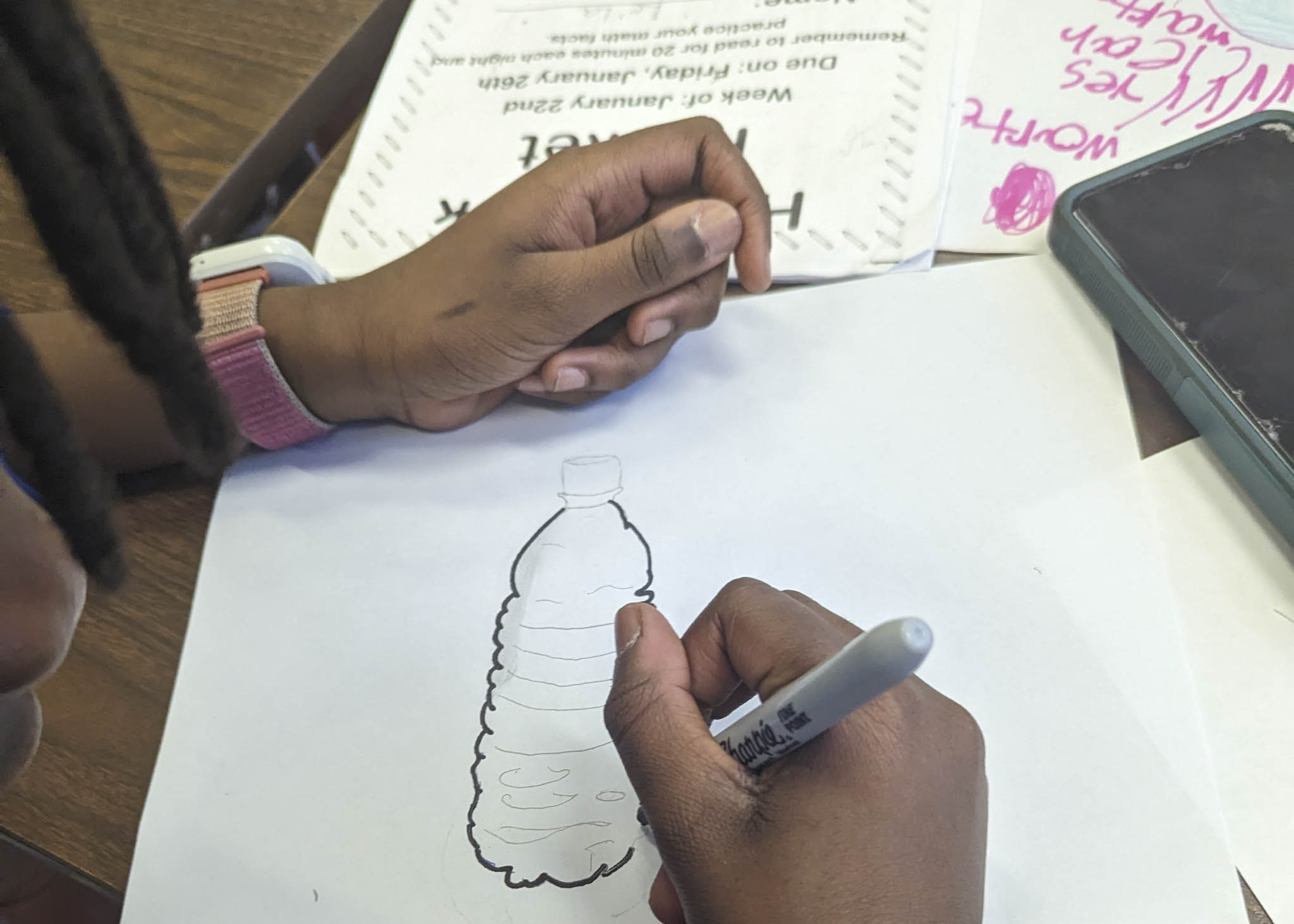
This video follows a water bottle cap as it makes the journey through the environment. Starting on a water bottle, we see the cap fall off after being thrown. This cap then washes into a storm drain where we have a LittaTrap™ installed. Then you see the LittaTrap™ being sampled and brought back to the lab when RIT researchers discover what else is in the LittaTrap™ and sort the sample!
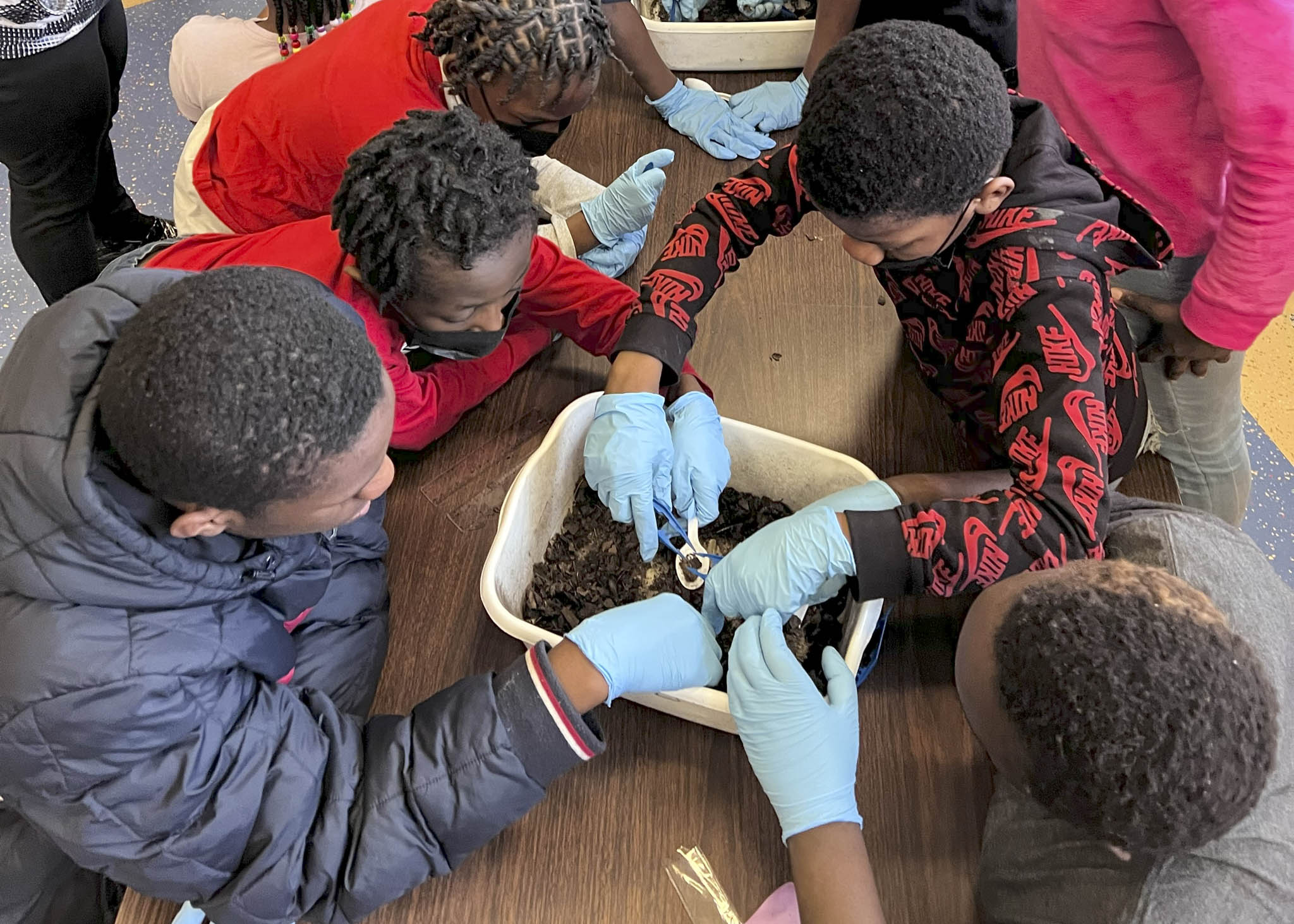
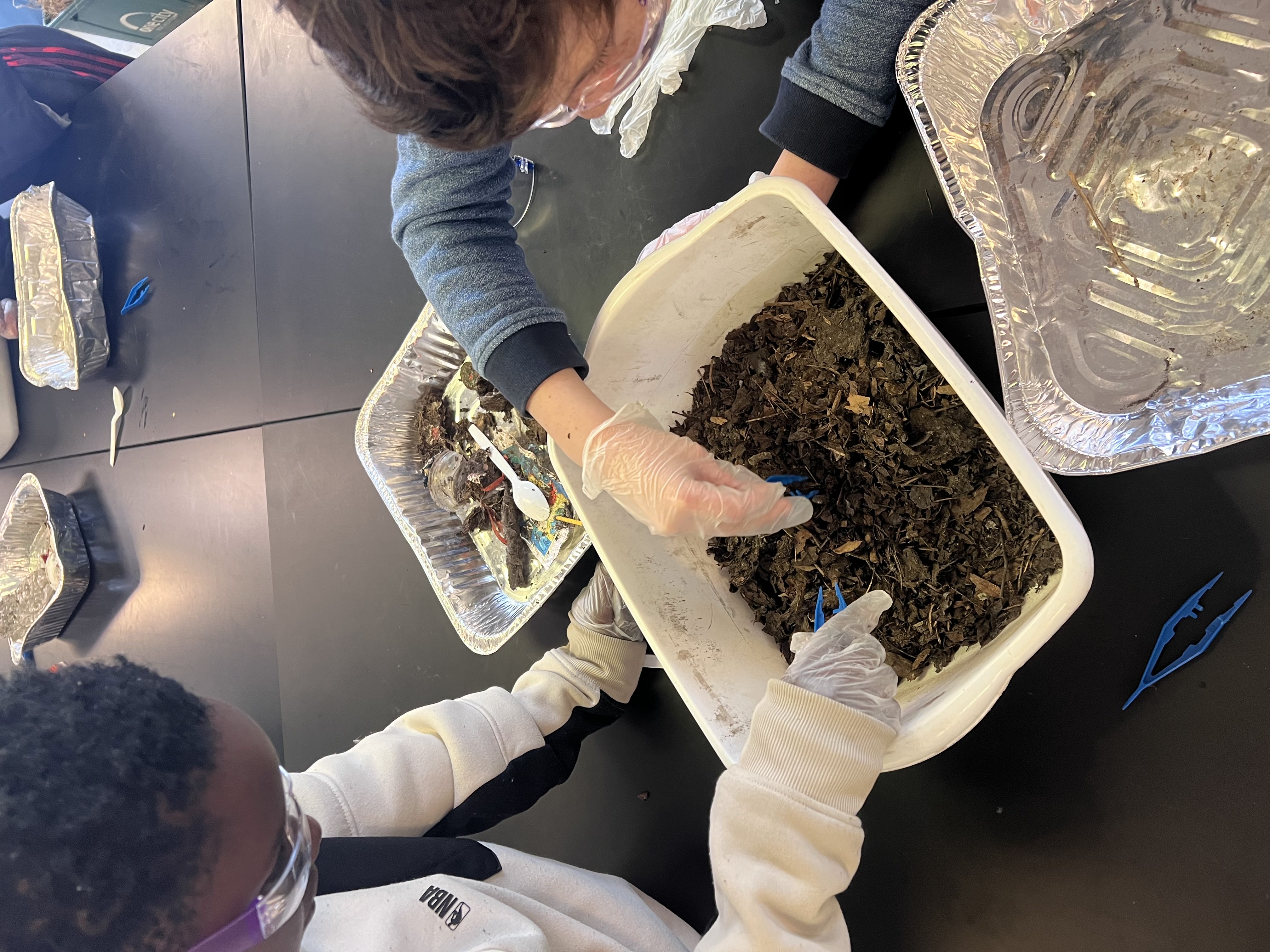
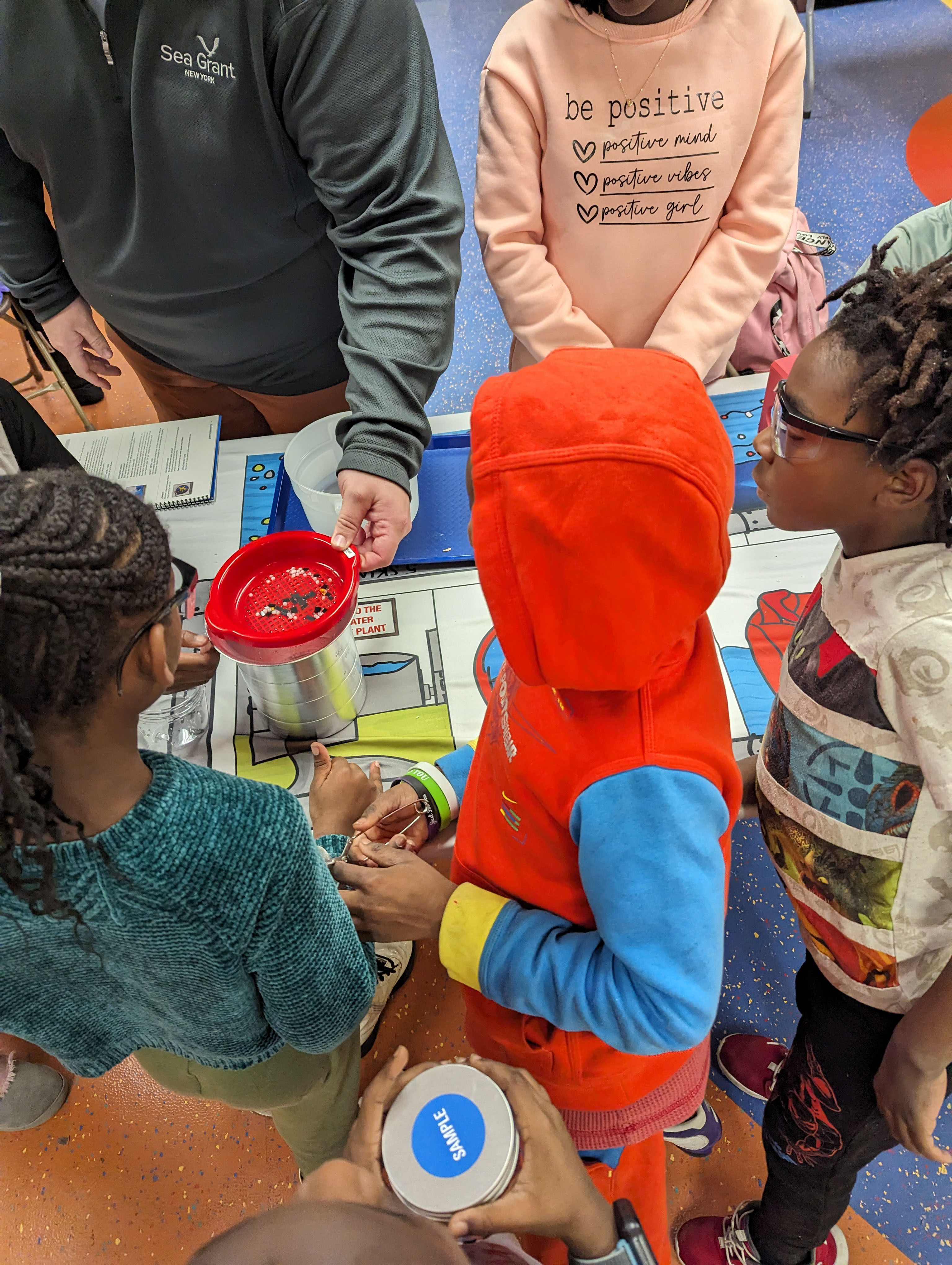
Every month, RIT researchers and local youth sample, sort, categorize, and analyze the debris captured in the LittaTraps near their facilities. CASCADE instruction takes place in after-school programs, through classroom curriculum, and at community events like neighborhood clean-ups. Through these activities, young people learn how to use data to develop solutions, utilize branding and marketing, act as stewardship leaders, and promote community action. By the end of each program, youth participants are ready to share what they've learned and become ambassadors for environmental change in their neighborhoods.
At the same time, we are using our data to develop a predictive mathematical model that allows us to pinpoint locations in the City of Rochester where the AD input to the stormwater system and Lake Ontario is greatest. Armed with this model, we are partnering with Monroe County’s Department of Environmental Services and installing an additional 50 LitaTraps in strategic locations where they will intercept the most debris. While our ultimate goal is to prevent AD from reaching streets and sidewalks where it might be washed into storm drains, in the meantime we aim to prevent as much as possible from entering the Lake.
Based on the success of CASCADE in Rochester, the program is expanding to Buffalo and Syracuse, where an additional 8 LittaTraps™ will be installed. We are also developing curricula for college courses. As new communities take part, more and more residents of the Great Lakes Basin become aware of their connection to our waterways and are inspired to act on behalf of environmental quality in their own neighborhoods. By growing the program, CASCADE helps people take long-term action to reduce stormwater pollution and prevent marine debris in many cities
CASCADE Program Summary
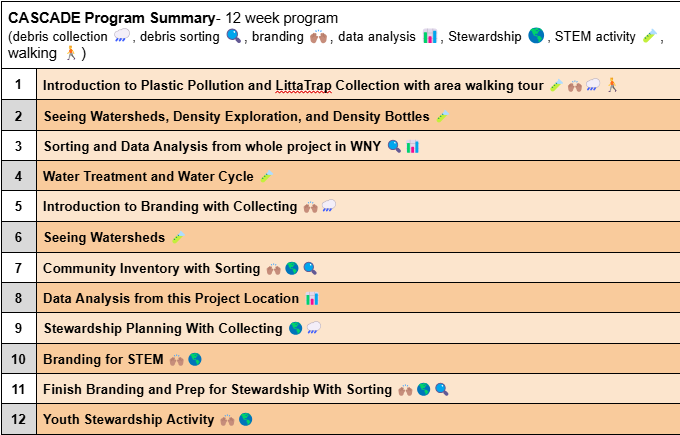
CASCADE Program Summary
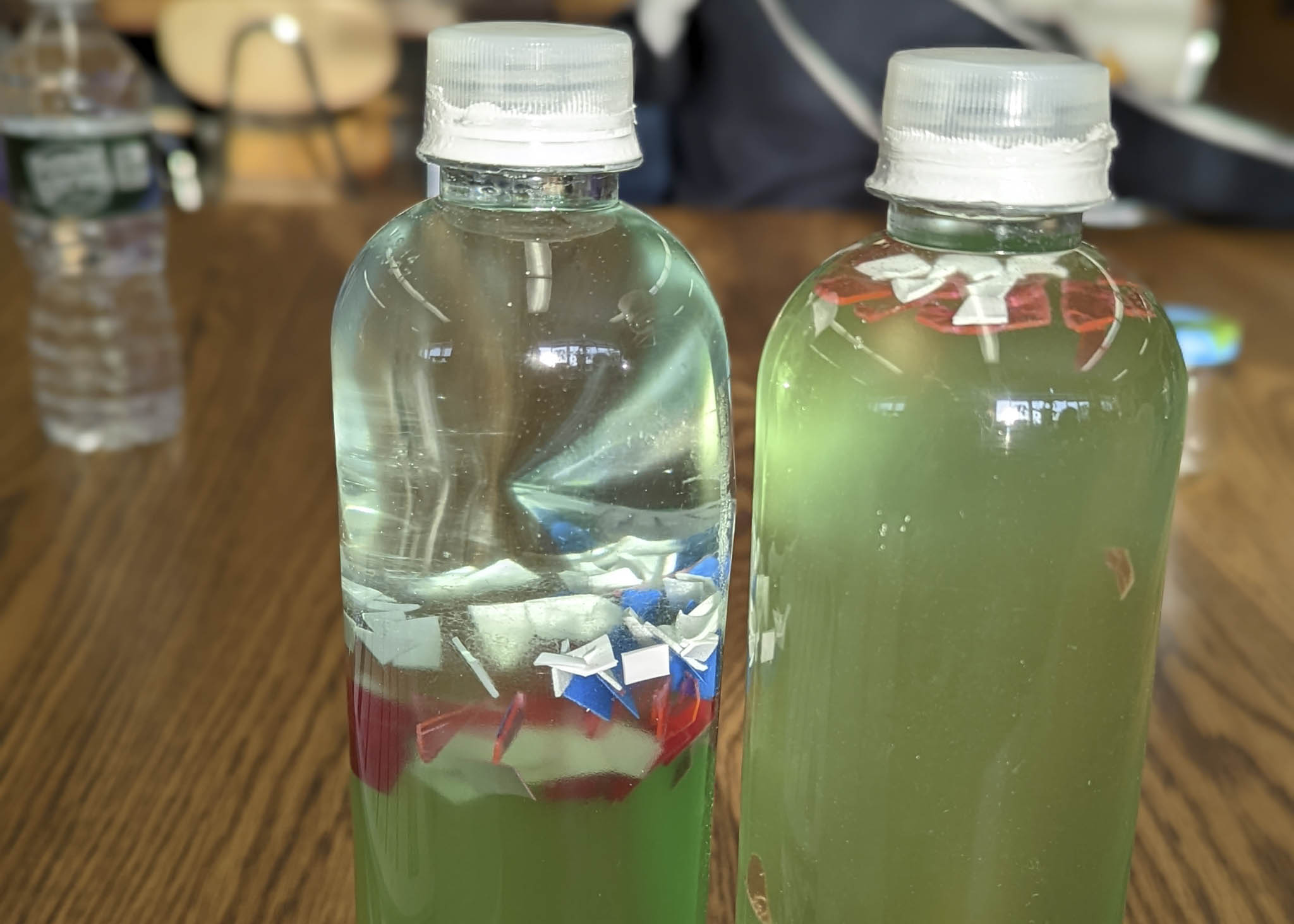
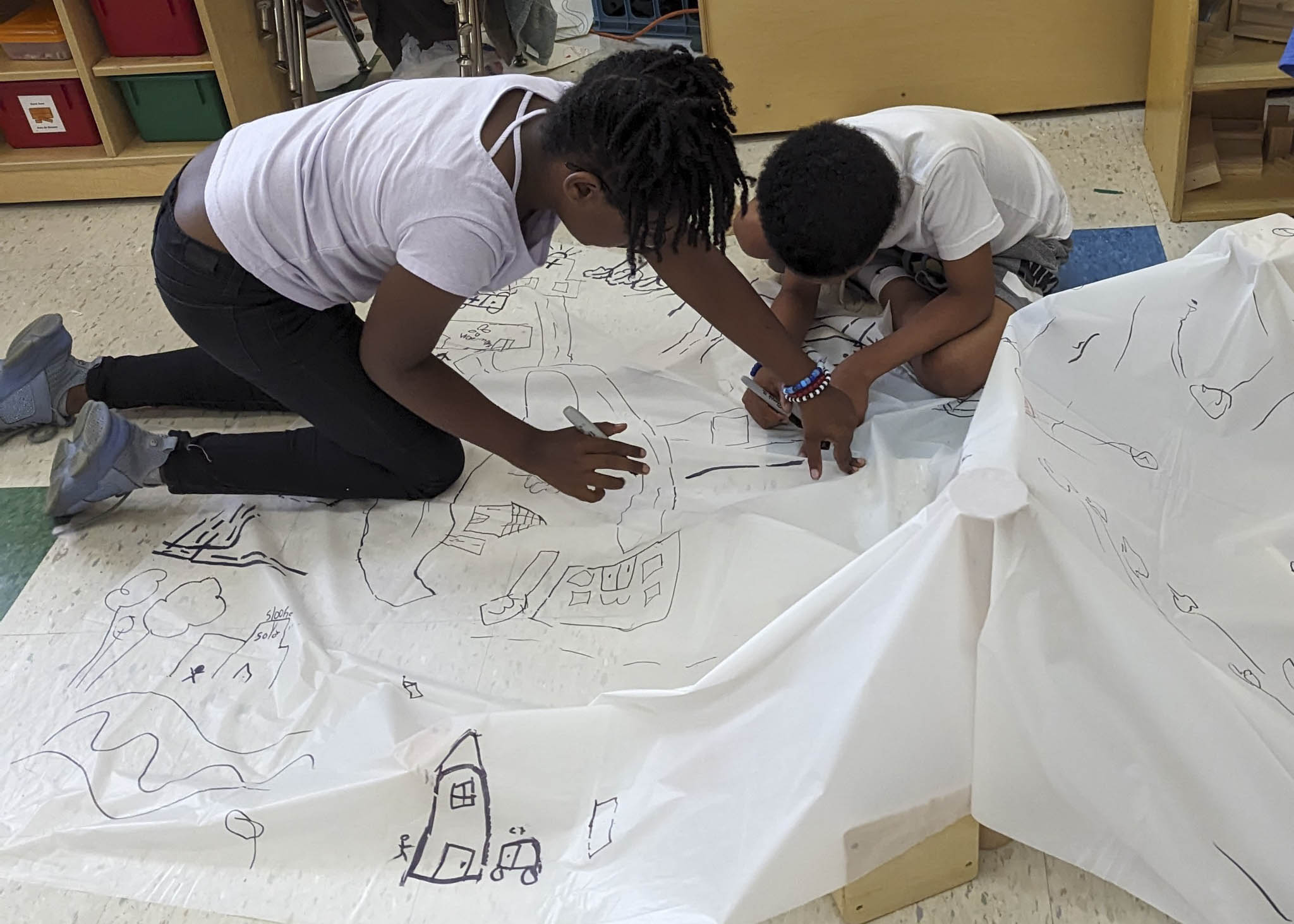
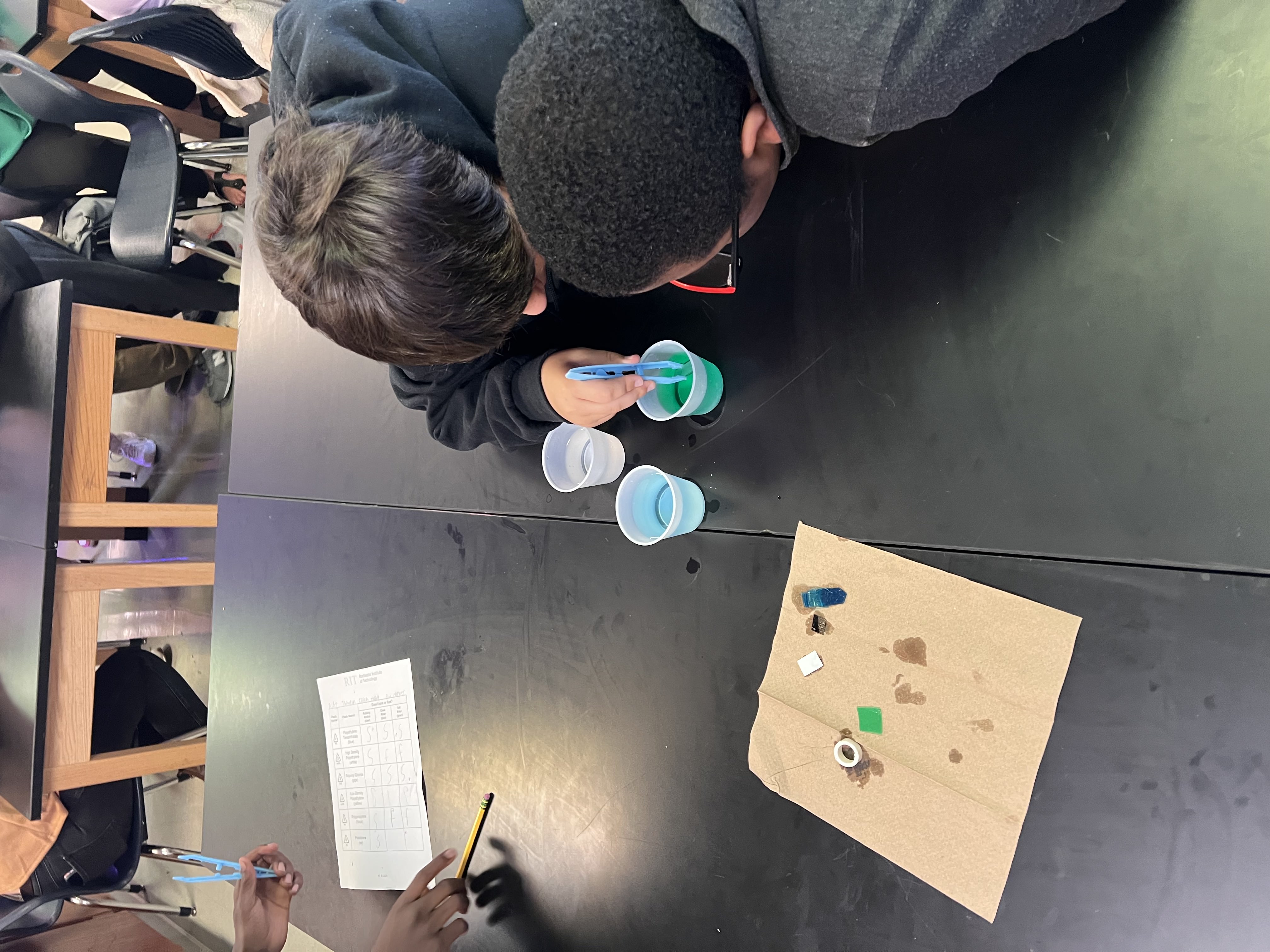
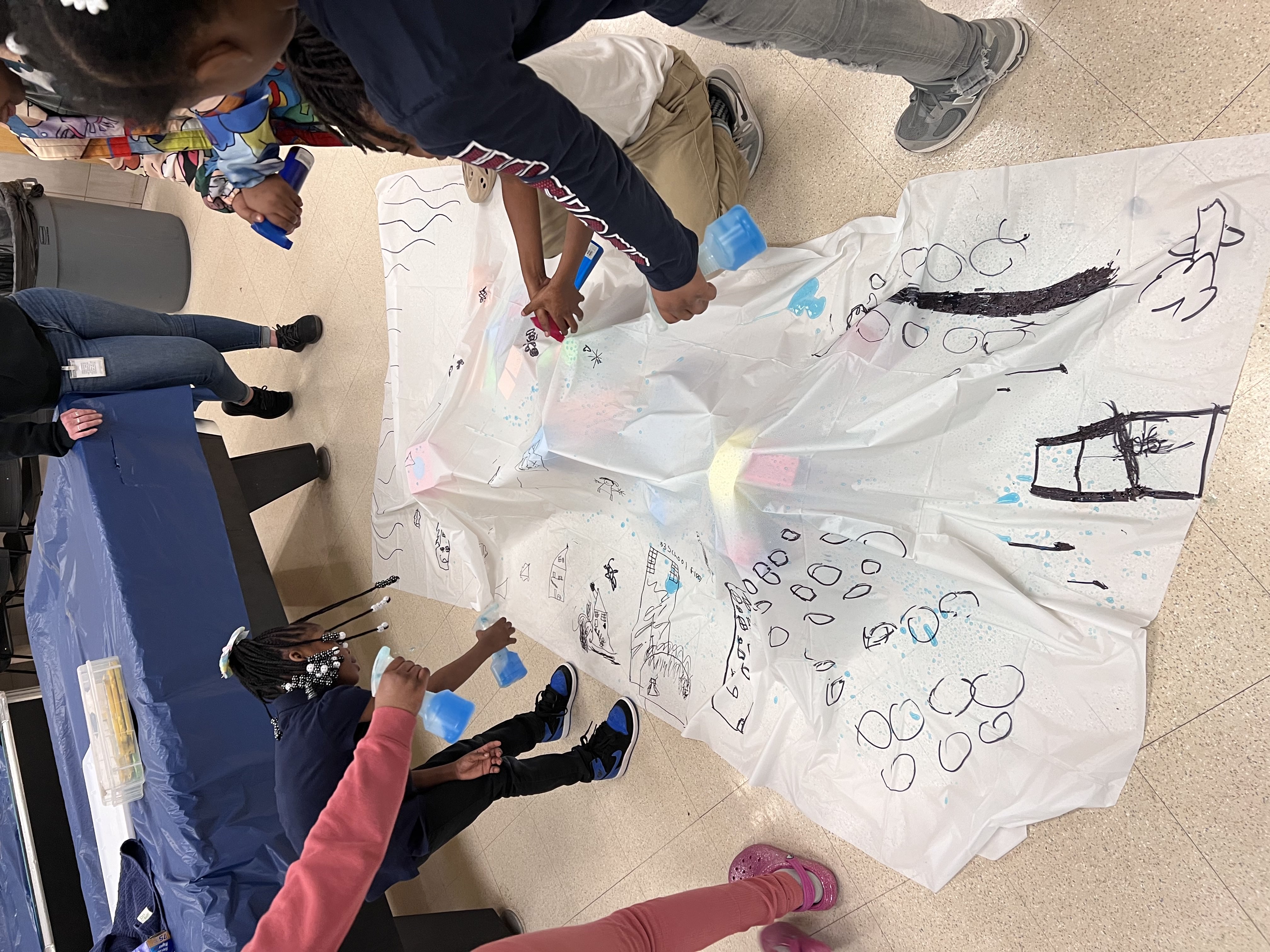
For CASCADE, we built out a 12 week structured program that covers multiple topics allowing youth to participate in a variety of activities that revolve around data collection, sorting and analysis, marketing & branding, youth stewardship and STEM related activities. These are broken down into three general categories that each week relates to: Stormwater infrastructure and watersheds, Anthropogenic Debris and LittaTrap™ work, and Marketing and Branding with specialist Shawn Goburn.


Partners


Autumn Potts