
Marcia Hartwell
Professor of Practice, Individualized Education
University Studies
Academic Affairs
Marcia Hartwell
Professor of Practice, Individualized Education
University Studies
Academic Affairs
Currently Teaching
GCIS-210
Vertically Integrated Projects (VIP) for Computing
1-3 Credits
The Vertically Integrated Projects (VIP) engage undergraduate students in long-term, large-scale, multidisciplinary project teams that are led by faculty. VIP courses are project-based, team-based courses directly supporting faculty research and scholarship. VIPs under this course number have a particular focus on computation and applications of computing.
GCIS-410
Vertically Integrated Projects (VIP) for Computing II
1-3 Credits
The Vertically Integrated Projects (VIP) engage undergraduate students in long-term, large-scale, multidisciplinary project teams that are led by faculty. VIP courses are project-based, team-based courses directly supporting faculty research and scholarship. VIPs under this course number have a particular focus on computation and applications of computing.
GCIS-610
Vertically Integrated Projects (VIP) for Computing - Graduate
1-3 Credits
The Vertically Integrated Projects (VIP) engage undergraduate students in long-term, large-scale, multidisciplinary project teams that are led by faculty. VIP courses are project-based, team-based courses directly supporting faculty research and scholarship. VIPs under this course number have a particular focus on computation and applications of computing.
HNRS-290
From Conflict to Peace: Building Shared Narratives
3 Credits
What leads ethnic tension to erupt into violence, what interventions work to stop it, and how can a sustainable peace be built in the aftermath? In this course students will study conflict and peacebuilding, using historical events as a beginning point for discussion about current events, and personal travel experience to make these issues come alive. Key issues such as bridging ethnic and communal divides, gender, and the role of youth, will be examined in the context of peace building approaches. Students will also examine the ways that memorialization and the construction of shared narratives impact the future, whether renewing conflict or achieving a lasting peace. This course concludes with a required 2-week study tour that fosters a deeper understanding of pertinent issues and their contemporary international relevance; the destination may vary from one offering to the next, depending on the case studies that constitute the focus of the semester.
SOIS-510
Capstone Project
3 Credits
A capstone class for students in the Individualized Program bachelor of science degree program. Course provides students an opportunity to reflect upon and enhance the many aspects of their individualized educational programs and focus on future goals. Senior status is required. Students should consult their adviser before registering. (Pre-requisites: Senior status and permission of academic adviser).
In the News
-
September 24, 2026
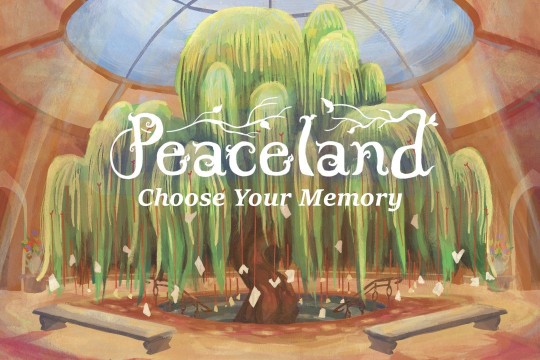
RIT students across disciplines create peacebuilding video game
Small choices can have big consequences. That’s the idea at the heart of Peaceland: Choose Your Memory, a new video game being developed by students and faculty at RIT.