Home Page
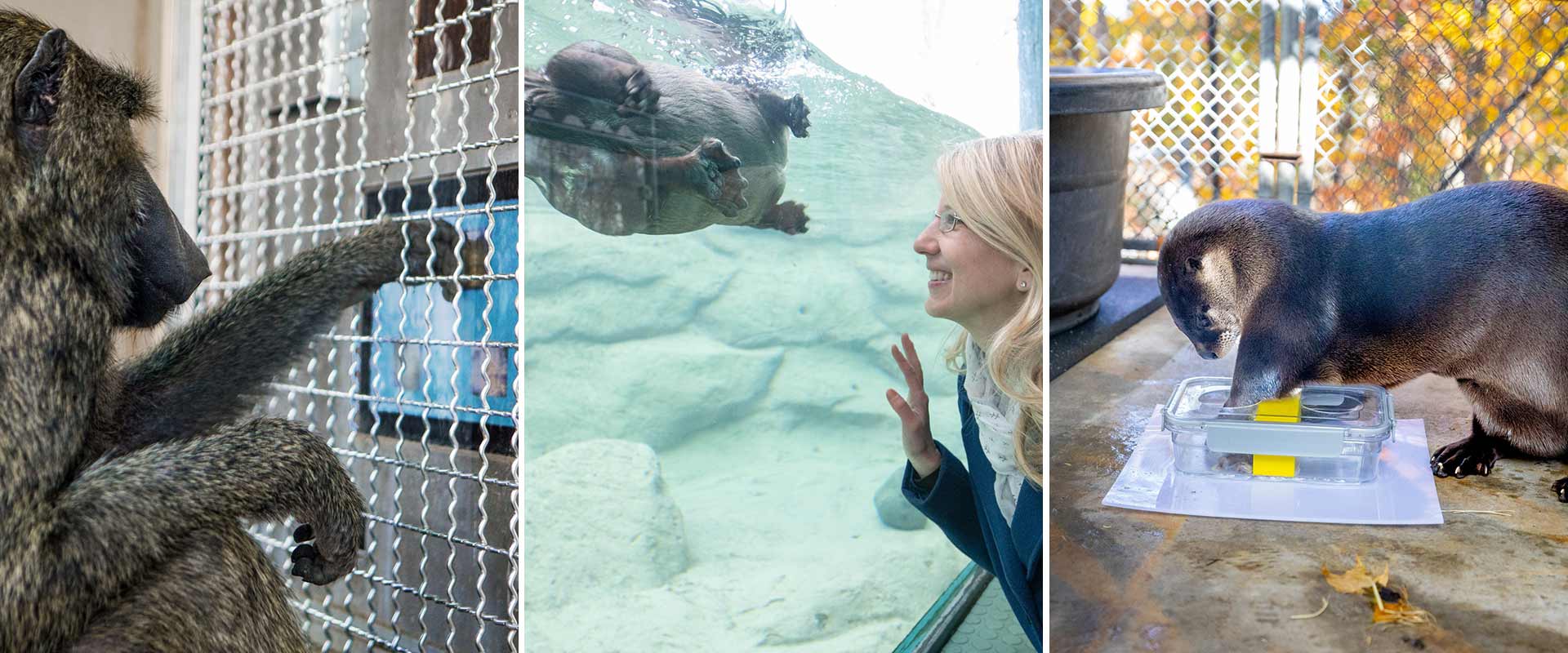
We study animal minds
The Comparative Cognition & Perception Lab (CCP Lab) conducts research in animal cognition and perception.
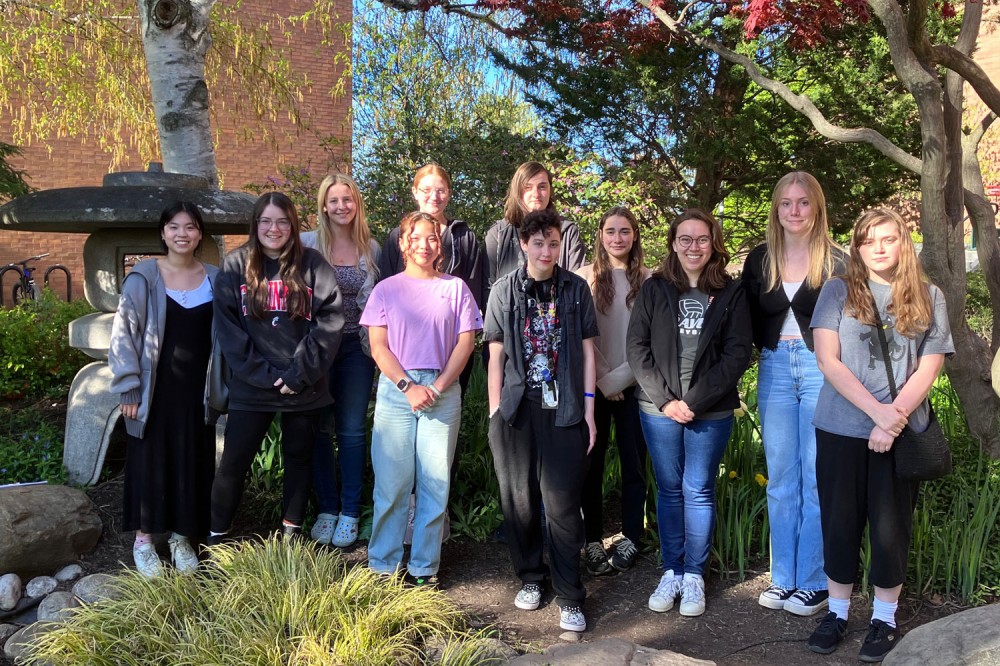
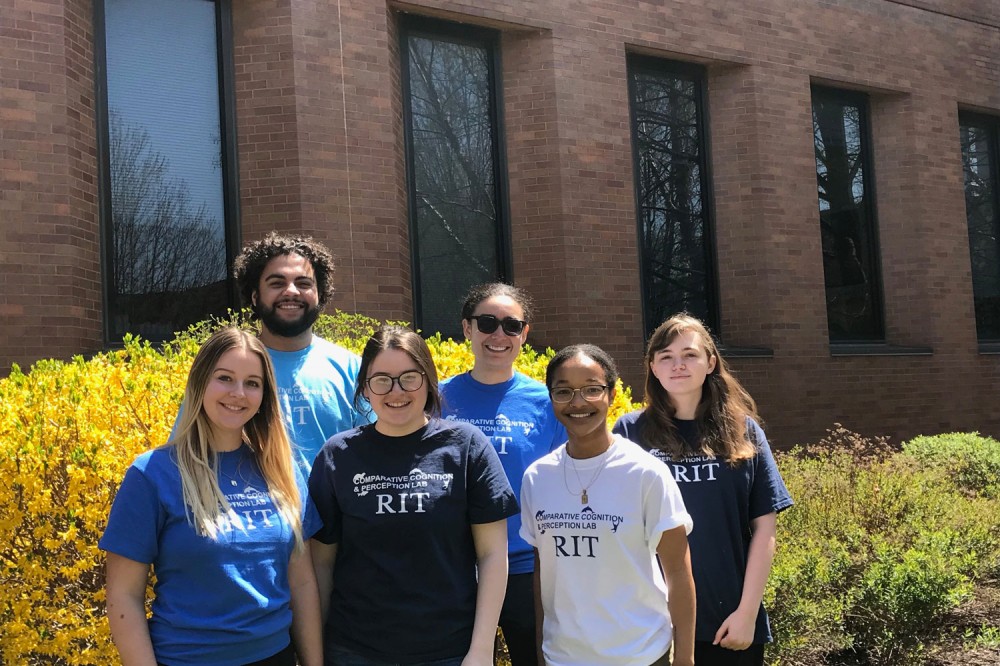
We conduct our research in a number of facilities. Our lab at RIT is located in the Eastman building and houses fish tanks (we currently have goldfish). We also work with the Seneca Park Zoo in Rochester NY to study a variety of species (e.g., Bornean orangutans, North American river otters, olive baboons, African black-footed penguins). In addition, we collaborate with research partners in Florida, California, and Hawaii to study bottlenose dolphins. We test human subjects in comparative studies designed to gain insight into cues and strategies used by animals in cognitive tasks and to discover similarities in cognitive and perception between humans and non-human animals. We study a variety of topics including visual and auditory object perception, biosonar, tool use, and number perception.
Using behavioral methods, we have observed many parallels in perception and cognition between humans and non-human animals. For example, goldfish in our lab with extensive training compare favorably to other well-trained birds, humans, or non-human primates on a visual numerical judgment task (DeLong et al., 2017). Humans listening to pre-recorded echoes can perform as well or better than echolocating bottlenose dolphin subjects on a test of object discrimination, which reveals echo auditory features and processing mechanisms potentially used by dolphins (e.g., DeLong, 2017). We also found that North American river otters are capable of categorizing 2D visual stimuli like humans (project in progress). In addition, our results show that there are parallels in performance between Bornean orangutans and human children in their success on different problem solving tasks requiring tools (e.g., Keller & DeLong, 2016).

News
-
July 29, 2026
Monkeys Have a Basic Intuition for Geometry
Live Science covers a study by Dr. Jessica Cantlon (CMU), Dr. Caroline DeLong (RIT), and colleagues showing monkeys use some of the same mental strategies as people do to perceive abstract relationships between shapes. This study was published in the Proceedings of the National Academy of Science.
-
July 21, 2026
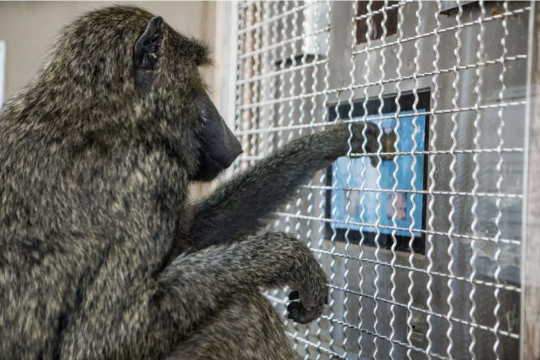
Monkeys Understand Shapes in Almost the Same Way as Humans
The New York Times covers a study by Dr. Jessica Cantlon (CMU), Dr. Caroline DeLong (RIT), and colleagues in which baboons and rhesus monkeys were given the same geometric task as children and adults to test whether humans have an innate geometric intuition. The study was published in the Proceedings of the National Academy of Sciences.
-
July 20, 2026
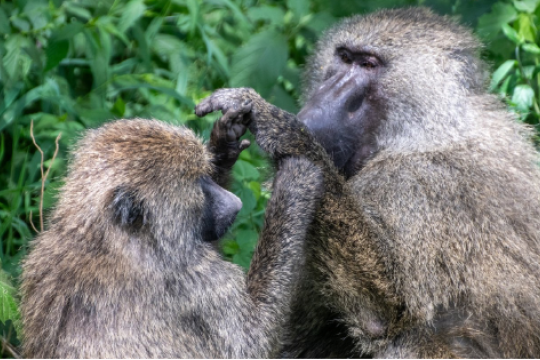
Monkeys are Surprisingly Good at Geometry
Popular Science covers a study by Dr. Jessica Cantlon (CMU), Dr. Caroline DeLong (RIT), and colleagues in which baboons and rhesus monkeys were given the same geometric task as children and adults that showed that geometric intuitions are part of the basic architecture of the primate mind. The study was published in the Proceedings of the National Academy of Sciences.
-
November 18, 2025
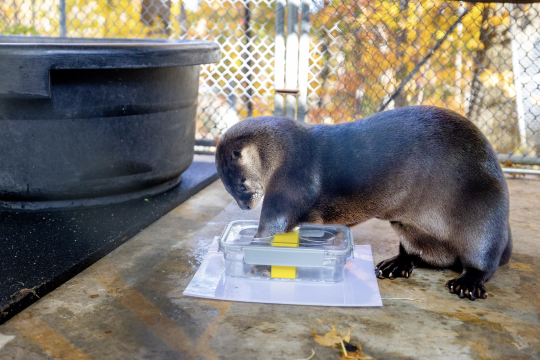
Psychology Professor Creates Big Team Science Network
Dr. Caroline DeLong (RIT), in partnership with Dr. Heather Hill (St. Mary's University) and Dr. Deirdre Yeater (Sacred Heart University), have established the ManyOtters project. ManyOtters brings together institutions from across the nation to expand and enhance data sets for otter cognition research. In the first ManyOtters study, multiple zoos and aquariums are testing their otters using foraging devices presented at two time points to assess long-term memory abilities. This study allows undergraduate and graduate students the opportunity to conduct research and learn about big team science.