Research
CHARGE Syndrome
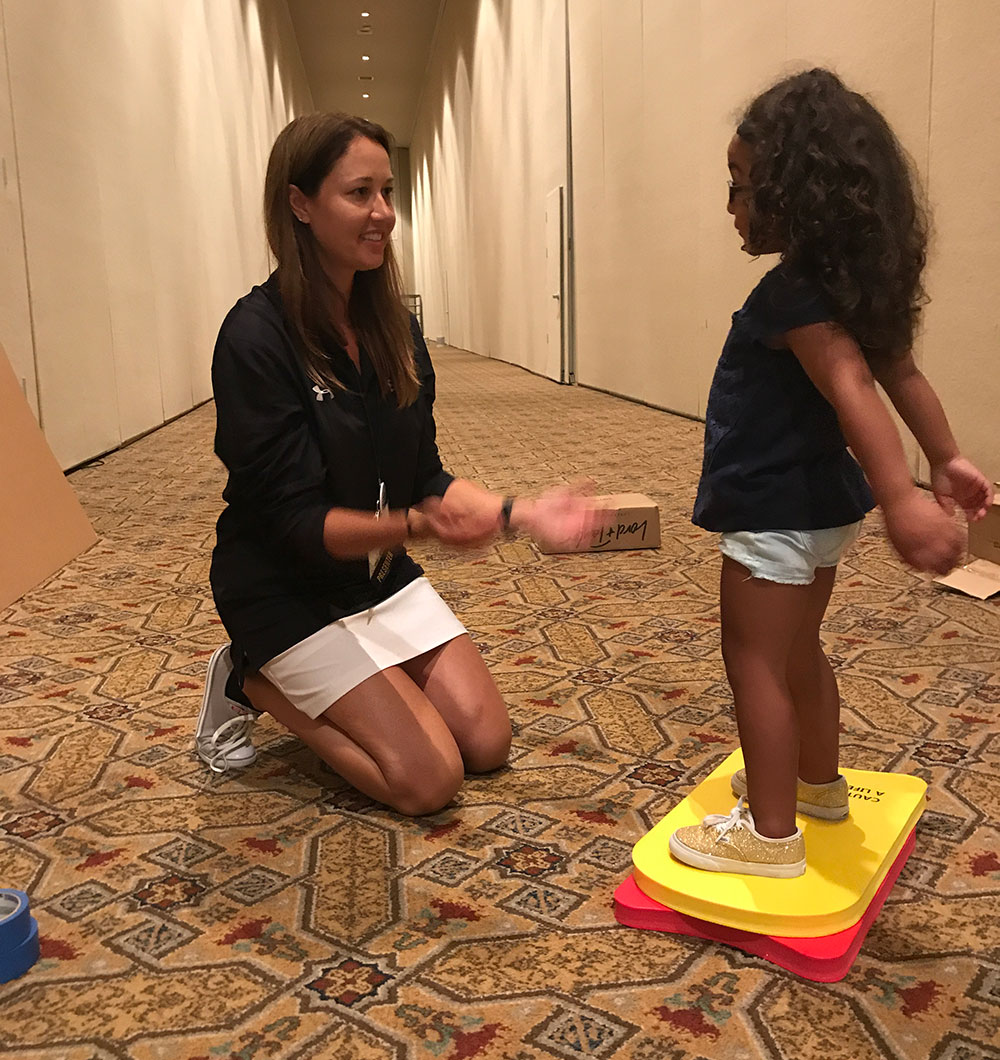
Research on CHARGE syndrome and motor development. CHARGE syndrome, caused by mutations in the CHD7 gene is a leading cause of genetic deafblindness in children. The Institute of Movement Studies for Individuals with Visual Impairments and Deafblindness Lab is the only known lab investigating motor competence in populations with deafblindness. Some of the lab’s work have highlighted significant delays in motor milestones like crawling, standing, and walking in affected children. The variability in walking age is linked to the heterogeneous nature of the syndrome and influenced by both structural and environmental factors. The lab also conducts interventions for young children with CHARGE syndrome targeting home environments, such as the availability of toys and space, play a crucial role in supporting motor development and milestone achievement.
Visual Impairments and Health-Related Quality of Life
Research at the Institute of Movement Studies for Individuals with Visual Impairments and Deafblindness lab highlights the significant benefits of physical activity on quality of life beyond physical health, such as improved mood, reduced anxiety and depression, enhanced self-esteem, and better cognitive function. This is especially crucial for youth with visual impairments, who experience higher levels of anxiety and depression compared to their peers. Physical activity also fosters social integration, skill development, and a sense of community. However, youth with visual impairments face additional barriers to participation, including environmental, individual, and social factors, such as overprotection, lack of adaptations, and negative attitudes. These challenges contribute to lower levels of physical activity and motor skill development in youth with visual impairments. Parental and instructional support is vital in promoting physical activity, as families often play a key role in encouraging participation and developing motor and social skills for youth with sensory impairments.
Caregivers of Individuals with Sensory Impairments
Research on caregiving for older adults with visual impairments as well as caregivers of children with deafblindness focuses on the challenges faced by family caregivers, who often sacrifice their own needs. Balancing caregiving responsibilities with personal life and difficulty with caregiving tasks were significant barriers. The lab also works towards developing and implementing interventions aimed at improving quality of life for caregivers, including support services and access to community resources, could alleviate caregiver burden and enhance well-being.
Motor Competence in Youth with Visual Impairments
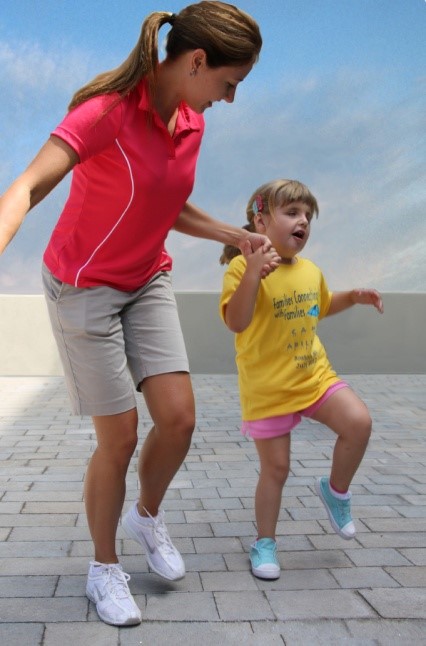
The Institute of Movement Studies for Individuals with Visual Impairments and Deafblindness Lab measures perceived and actual motor competence, physical activity, and health-related fitness levels in children and youth with visual impairments to create focused intervention strategies. Research focuses on the development of fundamental motor skills and their importance in overall child development, as higher motor skill competence leads to increased physical activity participation and associated health benefits. Children with visual impairments are often delayed in motor skill competence compared to their sighted peers, facing challenges in balance, coordination, and dexterity. Children with lower levels of motor competence tend to limit their participation in physical activities and social interactions. To improve motor skills, it is recommended to modify physical education environments by simplifying tasks, using specialized equipment, and providing additional instruction. This lab continues to research to better understand and address the unique motor skill development needs of youth with visual impairments.