Together RIT 2025 | October 2025

Some Think the Topic is Taboo-Let’s Talk at Together RIT

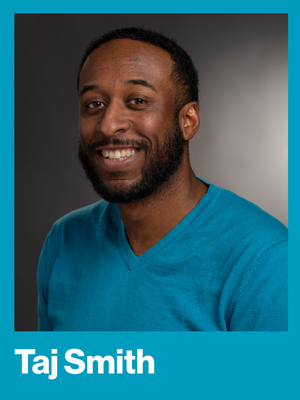 What does caste, rank and socioeconomic diversity mean? We may not fully realize the impact it has in our day-to-day interactions with our friends and colleagues. It’s a topic some think is taboo, according to Taj Smith, executive director for Community and Education in the Division of Access, Engagement, and Success, and organizer of this year’s Together RIT: A Day of Dialogue.
The goal is to get people talking. This year’s event-open only to the RIT community- takes place October 24th, from 10am-4pm. Registration is now underway.
Together RIT provides space for students, staff, faculty and RIT leadership to talk openly and honestly. RIT students Eshan Badhan, Sophia Cosentino, Laura Gutaman, Anika Khanam and Patrice Shih, along with moderator Phillippa Thiuri, assistant vice president Academic Access and Success, will lead off the discussion on caste, rank and socioeconomic issues by sharing their own personal experiences during the welcoming session in Ingle Auditorium at 10 am.
The rest of the day is filled with a variety of workshops and sessions ranging from ways to make research publication and dissemination more accessible for various socioeconomic statuses to a film screening on The Gilded Age (PBS) that explores America’s rapid economic growth and social changes beginning in the 1870’s.
Smith shares examples of how disparities on caste, rank and socioeconomic diversity can impact all of us and says the examples are not unique to RIT.
“One disparity is access to food. We know too many on a college campus struggle to eat multiple meals in a day or eat a healthy meal at all in a given day. Among the student body, it can play out as some students who come from a wealthier or upper middle-class background do not understand that some of their peers who are low-income can't always pay dues to join an organization. Or that a low-income student might be too embarrassed to admit they can't afford to go out to eat on a regular basis with their friends.”
He adds, “On a college campus there can be a divide between faculty and staff. This doesn't mean every individual falls into that kind of negative interaction. However, I've seen it play out on many campuses where some staff have negative experiences with some faculty. Often that staff member doesn't feel like they can speak up about it. I also know some faculty have a similar dynamic when interacting with some administrative leaders. Some may be critical of the role of senior administrative positions. Again, not something that is unique to RIT.”
Here is another example. “In some economic brackets, it is actually discouraged to talk about how much money the next person is making. Some students don't even know what kind of jobs their parents have and how much they make. You compare that to my experience growing up poor and working-class, I knew the jobs of my parents. At times, I could feel the wear and tear of having a single parent mostly take care of my siblings and me.”
Smith credits all of the volunteers and good teamwork in pulling off an event of this size. Planning started last semester with a call for proposals. Lauren Cannon, Natasha House, Samantha Jeffries, Dianna Kleckley, Gayle Macias, Jesse Redlo, Amy Rio-Richardson, Eddie Stakelum and Ting Zhang, helped with the review and selection of the proposed sessions.
What does Smith hope people take away from the event?
“I hope that people are more understanding and compassionate towards unique experiences involving socioeconomic status, rank or caste. I hope people leave with a better understanding of the benefits and limitations of economic systems. I hope people will leverage the unique cultural capital or cultural wealth that each economic background brings to the table when we talk about creativity and innovation."