RIT Librarian’s Family Link to the “Beloved Woman” |
RIT Librarian’s Family Link to the “Beloved Woman”
Oh, the stories Morna Hilderbrand (Wolf Clan) can tell about her Native American ancestry! The Interlibrary Loan Librarian has been at RIT 25 years. Fifteen years ago, she discovered she has ties to Nancy Ward (Wolf Clan) whose actions in leading the Cherokee Nation during and after the American Revolution earned her the title Beloved Woman, the highest honor a Cherokee woman could receive.
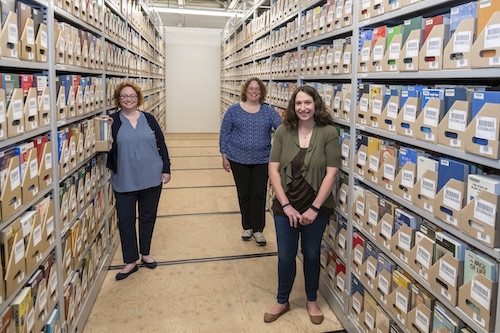 Preserving history and culture is important to Hilderbrand. She advocates on a national level with the American Library Association to preserve rural, native, and tribal libraries. For the last 30 years, she has been active with the International Federation of Library Associations and Institutions (IFLA). Just last year she was one of four delegates in the U.S. to take part in a Fellowship that brought together librarians in over 100 countries. The goal? To build awareness, bridge countries with differing socioeconomic and political constraints, and preserve cultural humility.
Hilderbrand is a big believer in giving back and serves as an advisor to several RIT student groups including the Native American Student Association.
As the third librarian in her family, libraries also hold special meaning for her. We started our chat with a question about her work with the American Library Association and the American Indian Library Association.
What are some of the pressing issues facing rural, native and tribal libraries across the country?”
Advocating through ALA and AILA for rural, Native, and tribal libraries is vital right now, and is challenged by several overarching threats: supporting higher education through recruitment and financial aid, preserving languages and traditions, ensuring diversity, and allowing communities to openly express their heritage and passing down of traditions.
Most rural and tribal libraries operate on unpredictable budgets overseen by State and Federal Governments. This makes long-term planning, staffing, technology upgrades, and collection development extremely difficult. Typically, they are loosely tied to state public library funding but due to being the smallest population served and the most marginalized, they are often ignored and receive less visibility on budget decisions.
You have your job here with RIT Libraries, you work with ALA and AILA, but you also find time to advise student groups like the Native American Student Association on campus. Why do you do it?
I choose to advise these student groups because of my own experiences as a student. I was actively involved in organizations like these when I was at Cornell, and they played a huge role in supporting me, building community, and helping me succeed. Serving as an advisor now gives me the chance to give back, to be that same source of support and encouragement for our students while keeping me apprised on unique issues and challenges this generation faces. It is a way of honoring the help I once received while making sure current students feel seen, connected, and empowered in their own journeys.
What was life like for you growing up? Any family traditions that stand out-that still make you smile?
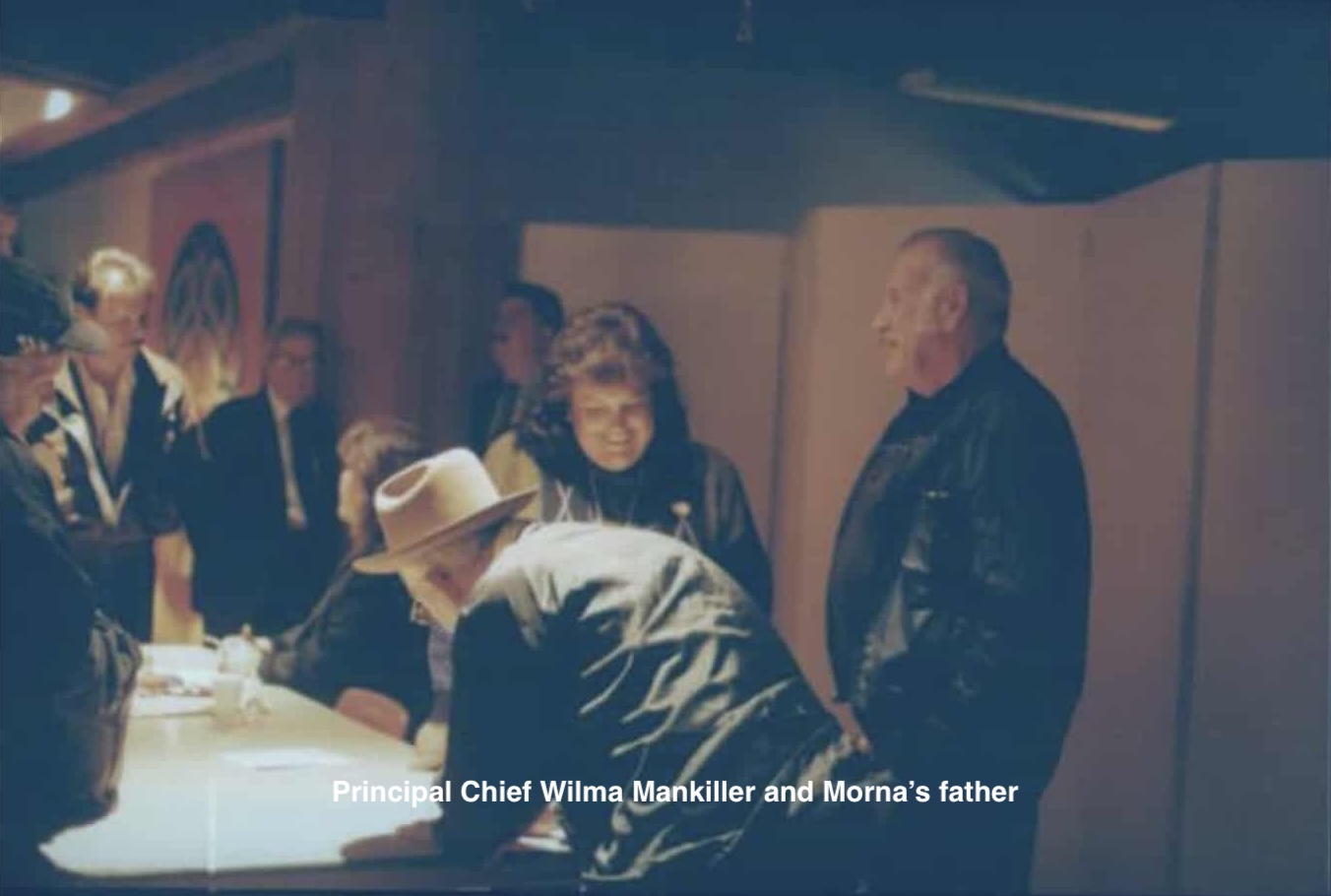
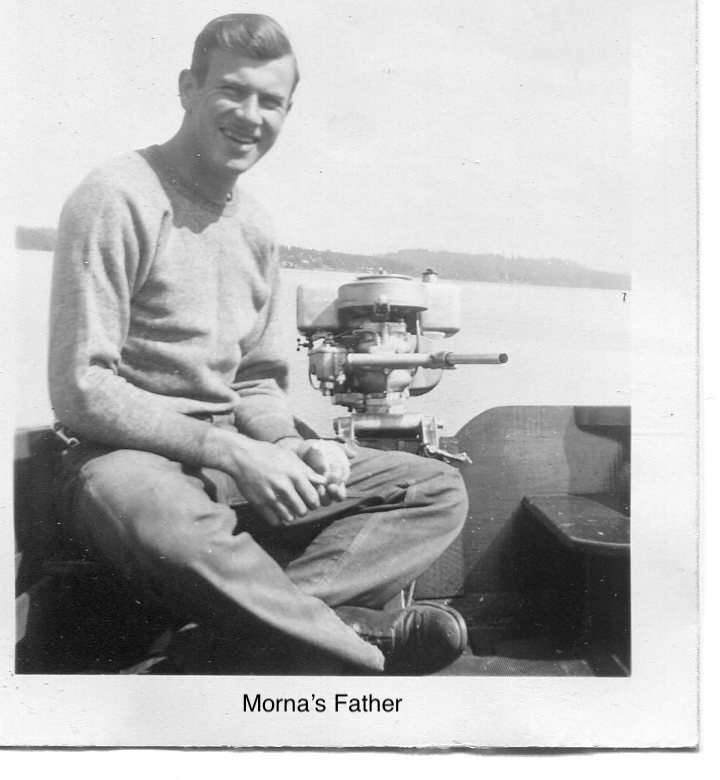 My late father is Cherokee but moved from Cherokee Nation to Navajo Nation when he was five. He was assigned to a duty station in Alaska during WWII and stayed after the War ended. Many years later he met my mom while she taught school in Barrow, AK, and I was born in Anchorage. I have absorbed traditions from each of these cultures. Here are a few examples: Some of my most cherished tools are ones my dad learned how to make out of bone and metal by the Inuit. I still enjoy the heavy parka made by my Inuit godparents even though I do not feel it is cold enough to wear it, even in Rochester winter. From the Navajo, he learned how to make silver and turquoise jewelry. While I was growing up, I remember his workbench in the house where he would make items like bangle or cuff bracelets, belts, necklaces, and bolo ties. He would incorporate beadwork and occasionally leather for lacing. Watching him work was meditative and relaxing for me, and I am sure that level of mindfulness and focus was good for him as well. Nowadays, meeting creative artisans and people who are invested in melding their culture with their craft continues to make me smile. The heartfelt objects my dad made for me and my mom continue to inspire me to be resolute and invested in all areas of my life.
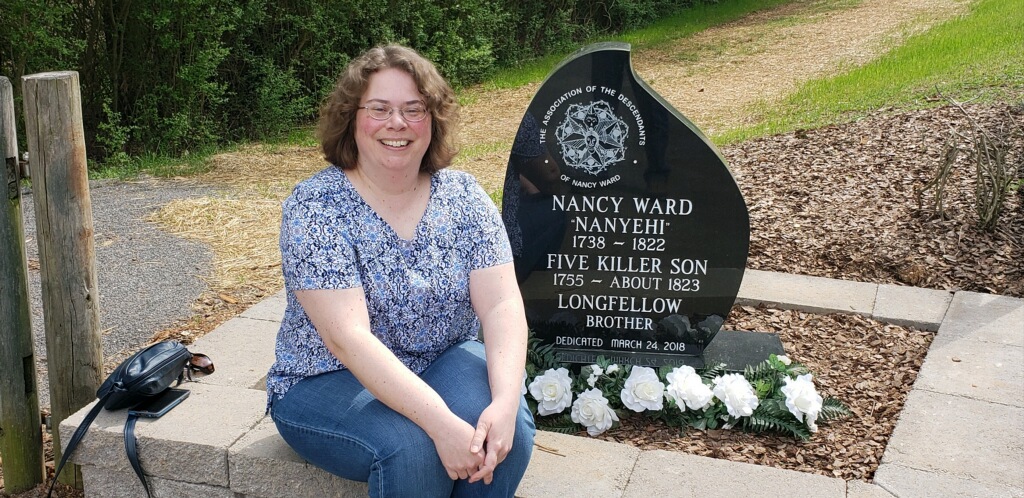 Please share more on your family history and Nancy Ward (The Beloved Woman) who helped lead the Cherokee during The Trail of Tears.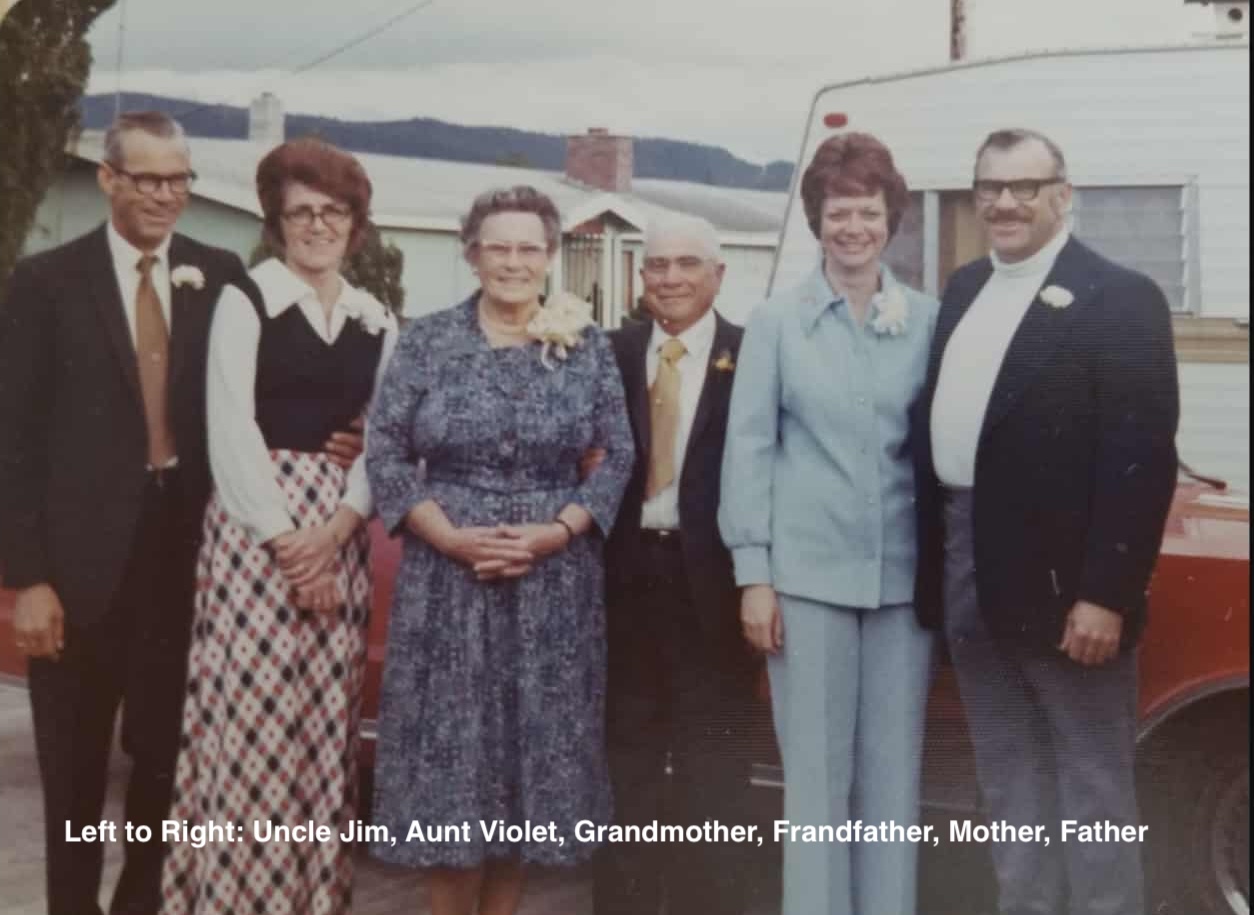
My Dad has been instrumental in my family tree getting a solid start and The Cherokee Nation has amazing historians, elders and recordkeepers who are gifted resources in tracing family roots. Hilderbrands are Eastern Band Cherokee – originated from North Carolina and then moved to Oklahoma via the Trail of Tears. The Bands of people moved by the Trail of Tears were known as detachments- several were Hilderbrand detachments named for my uncles who led them. In Tennessee, the people merged with other people already inhabiting the area, near Nancy Ward’s homeplace and now resting place. My uncle Michael married Nancy Ward’s granddaughter, Elizabeth. Michael and his brother Peter both led two different Hilderbrand detachments. Finding two direct relationship lines astonished me! Since that discovery about 15 years ago, I have been able to expand my family tree, meet new relatives still living in Oklahoma, visit Aunt Nancy’s birthplace, and research this line much more closely by getting integrated into the Association of the Descendants of Nancy Ward. It is all an inspiring memoir of survival and overcoming adversity that constantly keeps me motivated.
 As a librarian I imagine you love to read! Any book recommendations as we celebrate Native American Heritage Month? Who are some of your favorites?
My dad is a published poet, and I grew up listening to and writing my own poetry. So, my go-to for reading is typically poetry or short stories. I also love documentaries and memoirs. Some of my latest crazes include: Tayi Tibble, who just published a second collection of poetry “Rangikura”, Mary Annette Pember, “Medicine River,” a documentary about Native Boarding Schools and Matika Wilbur, “Project 562”, a photo and narrative collection of contemporary Native American life and cultures, with commentary on issues that Native people face.
Fun Facts:
Most often used emoji?
A few years ago, when we moved back into our newly renovated Library, I started offering free pens to anyone in need. I wanted something fun to break up the freebie pens the students see everywhere. I chose a flamingo! The pens were so popular that I started using the Flamingo emoji in texts when sending positive, lighthearted vibes. There are a few variations of flamingo emojis, and I love them all. I checked my phone before answering this question and noticed I use the flamingo emoji so often that it is at the top of my emojis by default.
Early bird or night owl?
Early bird.
What advice would you give your 21-year-old self?
Observe those with wisdom and experience instead of seeking advice. Advice tends to be biased. Observing those with wisdom and experience will allow you to apply that to your own life where it is relevant and useful to you, much like modifying a recipe to your own unique tastes.
What would your friends and colleagues be surprised to learn about you?
Throughout grade school and college, I sang in several acapella groups and played percussion in the marching band.