

Carlos Montana-Hoyos
Chair of Interdisciplinary Arts and Design Department, Associate Professor of New Media Design
Carlos Montana-Hoyos
Chair of Interdisciplinary Arts and Design Department, Associate Professor of New Media Design
Education
Ph.D. in Design Theory (2009), Kobe Design University, Japanese Government Scholarship Monbukagakusho
Bio
Prof. Carlos Montaña PhD is the first program coordinator of the New Media Design program in Rochester Institute of Technology, RIT Dubai, a full professor (adjunct) at Queensland University of Technology QUT, Australia, and co-founder of Syntel Research. He was previously a founding faculty, chair of research and assistant dean in the Dubai Institute of Design and Innovation DIDI (2018-2024). He is an academic, design and innovation strategist, advisor for government and industry, jury of international design awards, speaker, and an entrepreneur currently based in the Middle East. An award-winning design and academic leader, he has 30+ years’ professional experience, and has lived in Colombia, Italy, Japan, Singapore, Australia, and the United Arab Emirates. His transdisciplinary research in design, innovation and entrepreneurship focuses on sustainable development, with expertise in biomimicry and design for health. He was also program director of Industrial Design ID in the University of Canberra (2010-2018), Assistant Professor of Industrial Design in the National University of Singapore (2006-2010), and Adjunct Assistant Professor in Product Design Engineering in EAFIT University (2001-2003) in Colombia. Many of his projects, as well as projects by his students, have received international design awards, including Braun Prize, Dupont Imagineering and Red Dot, among others.
Currently Teaching
In the News
-
October 7, 2026
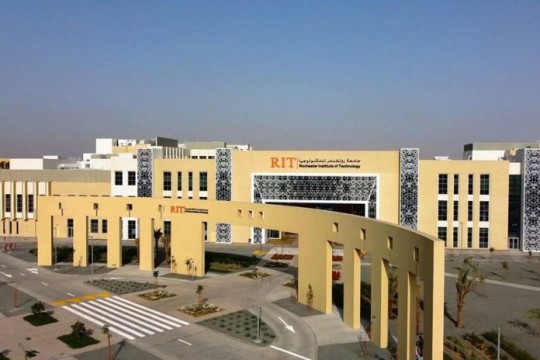
RIT Dubai launches Master of Science in Integrative Design
GCC Business News highlights RIT Dubai’s new Master of Science in Integrative Design, an interdisciplinary program combining design, technology, business, and human-centered thinking to prepare graduates to develop innovative solutions to real-world challenges.
-
October 6, 2026
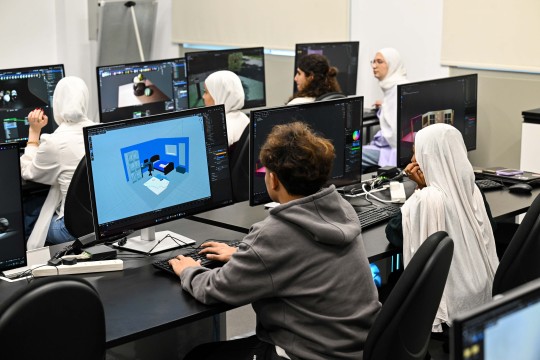
RIT Dubai launches Master of Science in Integrative Design
New programme to equip graduates from diverse backgrounds with strategic and creative problem-solving skills
Featured Work
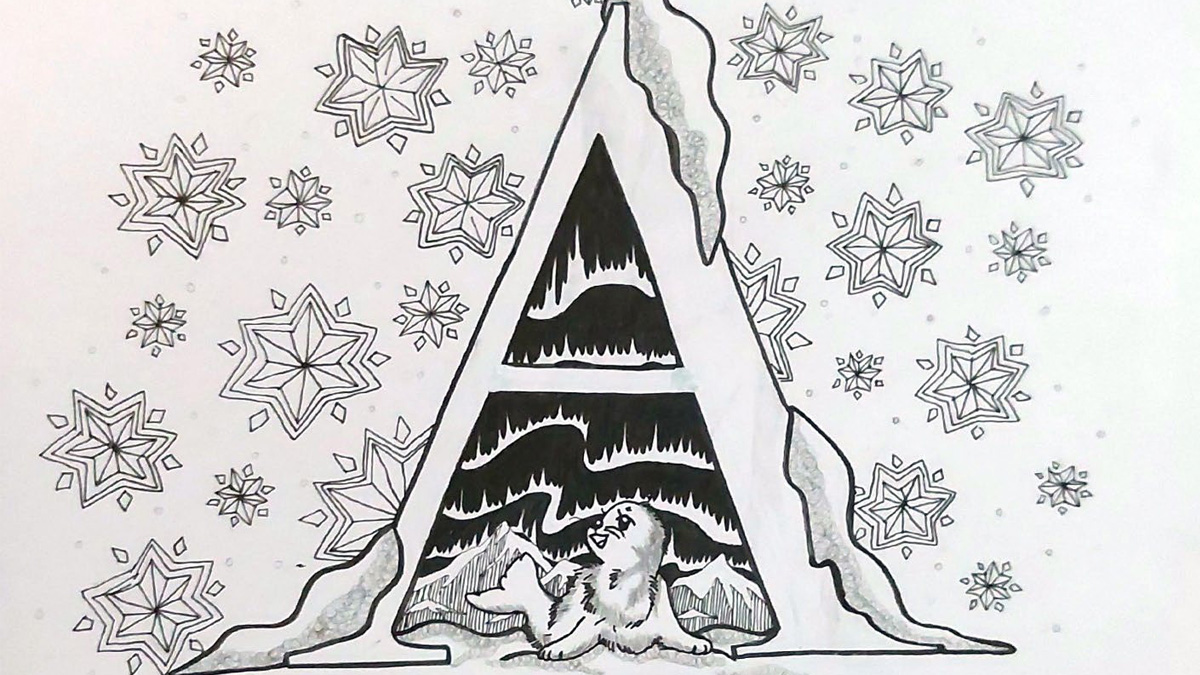
Textures and Letters
2D Design ’25
Textured Typography: Giving Form Depth and Meaning
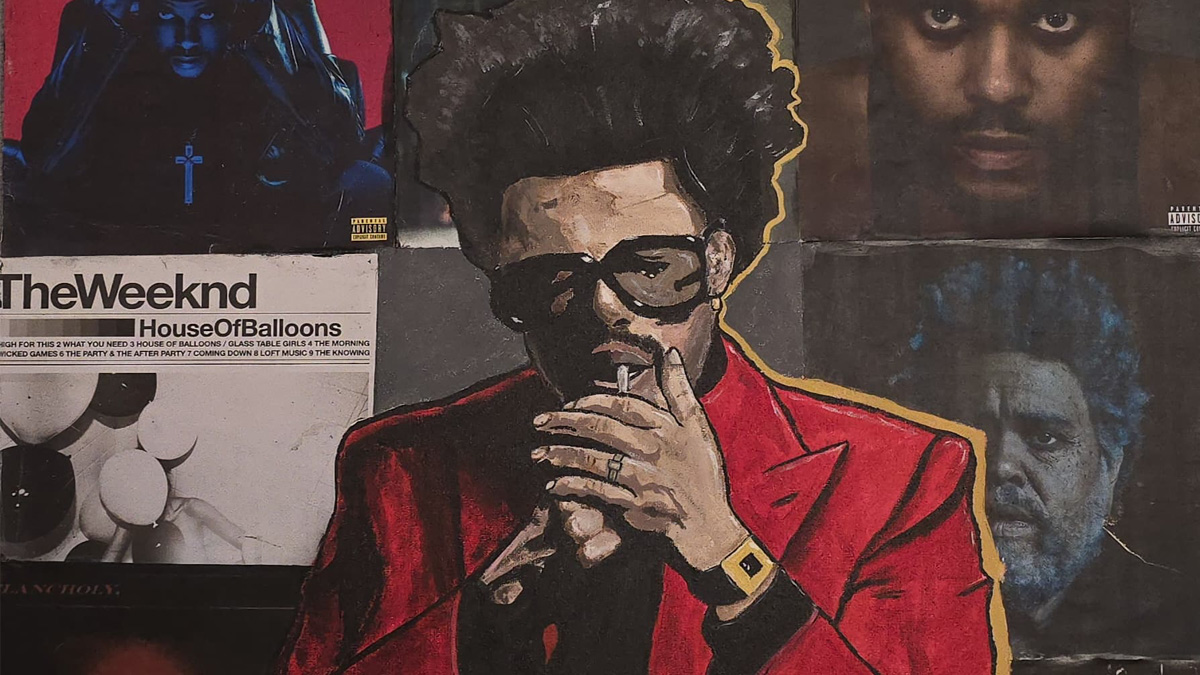
Mixed Media
Drawing ’25
Mixed Media Explorations: Layering, Color, and Expression
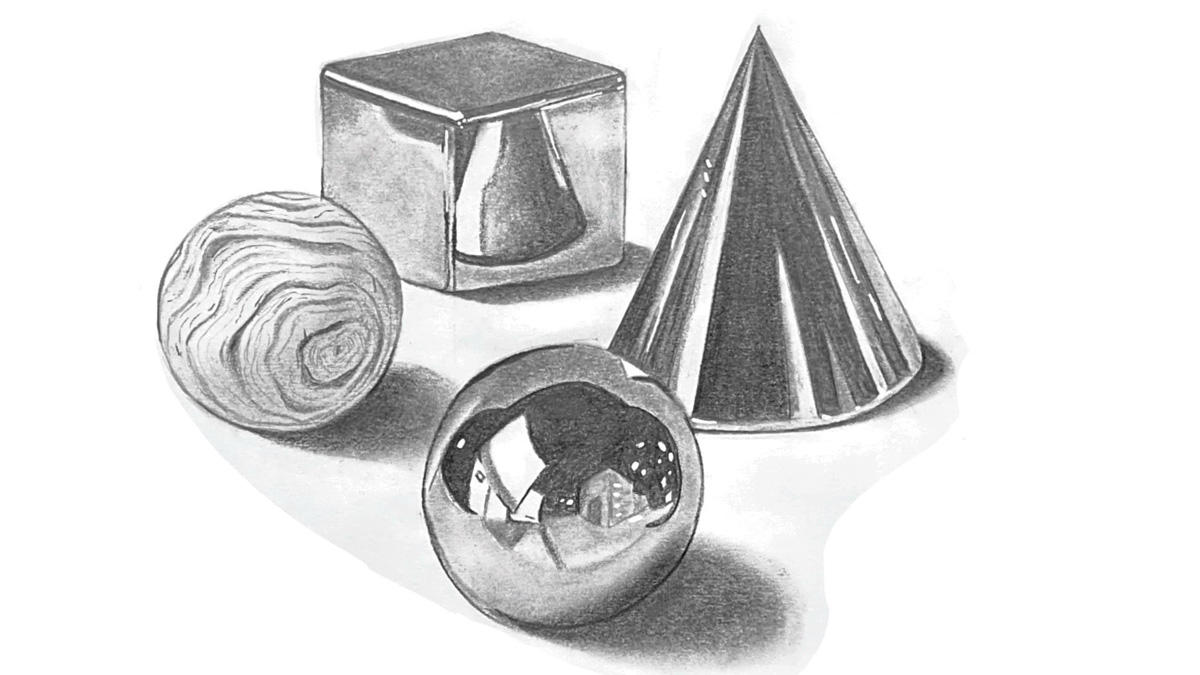
Volumes
Drawing ’25
Foundations in Form: Studying 3D Shapes