Publications

The Quaestor - IACA’s Newsletter
Current year
Previous Issues
How to Subscribe
The Quaestor is distributed to the RIT community via RITmail and is sent to your inboxes from the RIT Newsletter <newsletter@rit.edu> account with the subject “Institute Audit, Compliance and Advisement (IACA) Newsletter - The Quaestor.”
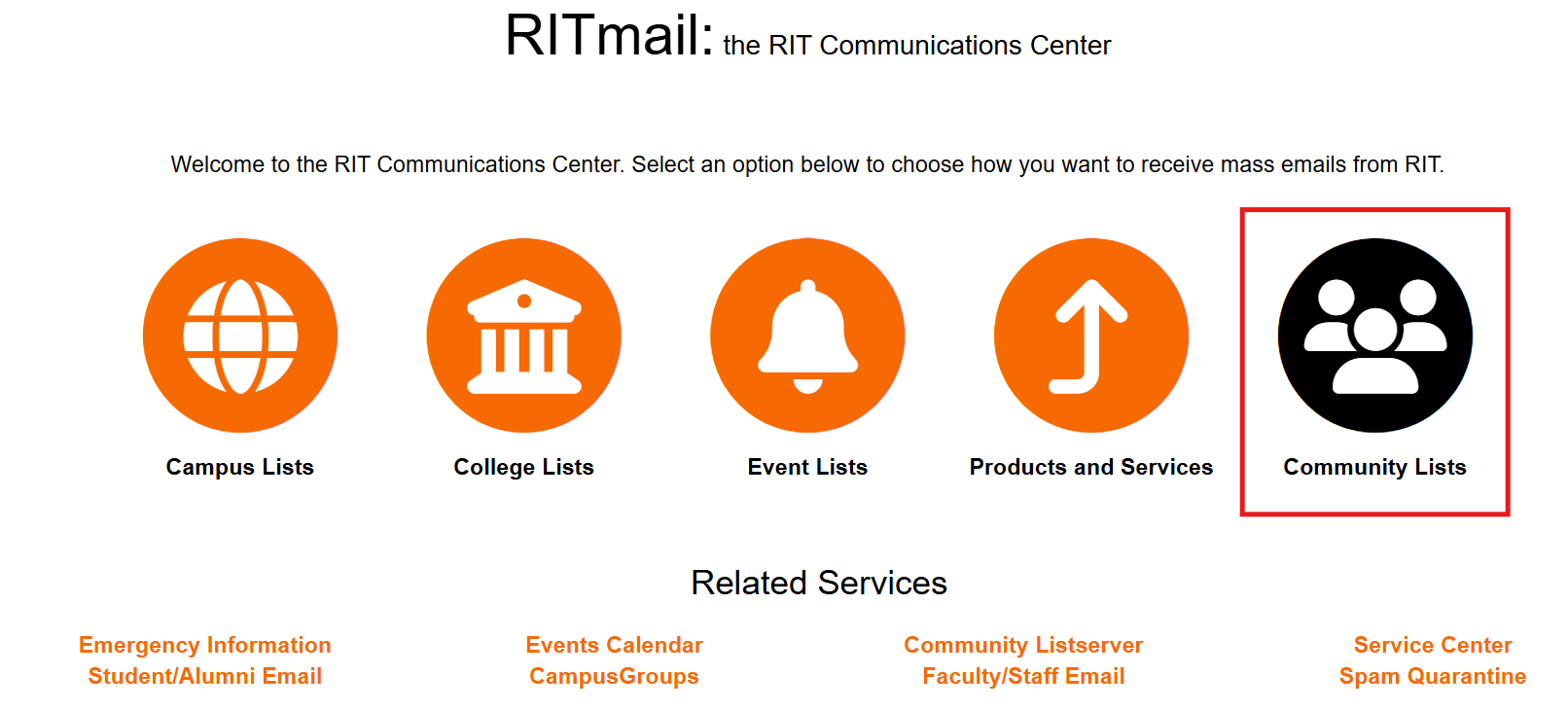
The Quaestor email is sent to members subscribed to the category Newsletters in the RIT Communications Center. You will need to log in using your RIT User ID and Password. Within the Subscription Center, navigate to the Community Lists page:
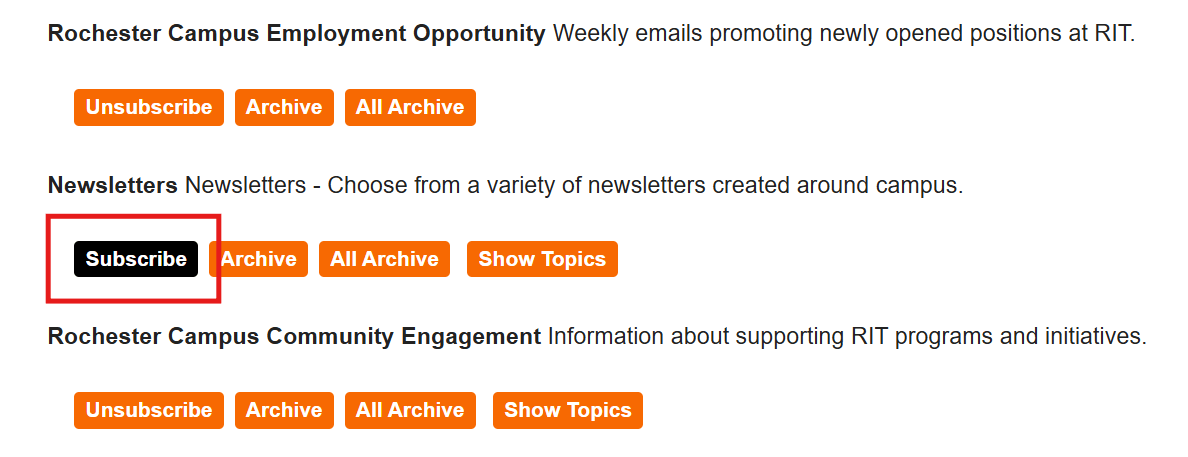
Within the Community Lists subscription page, make sure that you are Subscribed to the Newsletters option. If it says Unsubscribe, it means that you are Subscribed:

Click on the Show Topics button under the Newsletter option.
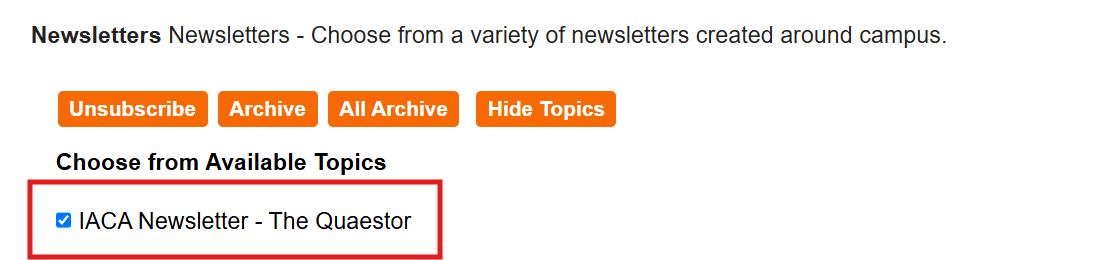
Within the “Chose from Available Topics” – make sure the box next to IACA Newsletter – The Quaestor is checked.
Fraud in the Workplace Prevention Guide
The term “occupational fraud” is defined as “the use of one’s occupation for personal enrichment through the deliberate misuse or misapplication of the employing organization’s resources or assets.” This is a very broad definition that covers a wide range of misconduct.
Occupational fraud can be as simple as stealing office supplies or as complex as falsifying reimbursement documentation and signatures. Occupational fraud is a problem faced by organizations of all sizes, in every industry. Unfortunately, it is not a problem that can easily be solved. This pamphlet is designed to help educate the RIT community about the threat that occupational fraud poses, and how the university defends against it.
When occupational fraud is discovered, IACA often works collaboratively with Human Resources, Public Safety and other relevant RIT departments to complete the investigation. RIT management reviews the results of the investigation and determines the appropriate actions that will be taken.
A few examples of fraudulent activity that we may investigate include:
- Falsification of travel and business expense reports
- Personal purchases charged to university procurement cards
- Falsification of non-exempt employee time worked
The underlying reasons why such activities go undetected include:
- Lack of management oversight
- Lack of segregation of duties
- Lack of appropriate financial ledger review
- Lack of detailed review of supporting documentation for a transaction
Appropriate management oversight includes a detailed review of the ledger activity by the person who is fiscally responsible for the ledger accounts (i.e., the department director or chair, or principal investigator). This includes reviewing the transactional activity.
Adequate segregation of duties exists when the functions of authorization, custody, recordkeeping, and reconciliation reside with separate individuals; no one person should have control over two or more of these responsibilities.
Appropriate ledger review includes reconciling each transaction on the ledger reports to supporting documentation.
An appropriate, detailed review of transactional supporting documentation includes reviewing each line item on an invoice or receipt for appropriate RIT business purpose.
Best Practices For Preventing Fraud:
- Be diligent. If something you are witnessing does not seem right, question it, report it to management, report it using the anonymous RIT Ethics and Compliance Hotline, or contact IACA, the Controller’s Office, or Public Safety.
- Review your ledger activity for unusual items; does the RIT “business purpose” for the transaction make sense?
- Appropriately safeguard university procurement cards
- Secure departmental petty cash funds.
- Collect keys, identification cards, and procurement cards from terminated employees.
- Validate the accuracy of employee reported work hours that are submitted for approval.
- Assure there are appropriate internal controls in place for adequately safeguarding cash receipts throughout the revenue cycle.
- Ensure that an appropriate segregation of duties exists
If an investigation occurs in your area, please provide the investigation team your full cooperation. Remember, as an employee of RIT, you have a stewardship responsibility for safeguarding university assets under your purview. RIT’s management takes fraud seriously. You are the first line of defense!
The vast majority of RIT employees are ethical, well-intentioned, and desire to conduct university business activities with complete propriety. If you are concerned about an activity that is occurring in your department, IACA is available to provide a wide variety of audit and advisory services including investigations of questionable activity and internal control reviews.
To learn more about how you can help prevent fraud (and strengthen internal controls) at RIT, register for the IACA training session, “Internal Controls and Fraud in the Workplace,” which is offered through Workday Learning Management.
Contact Information
Institute Audit, Compliance and Advisement
Suite 1160 Eastman Hall, MS-W65
(585) 475-6826
Ethics and Compliance Hotline
Voice: (866) 294-9358