Alumni-run Edgewood Made brings full-service approach to custom furniture design
Clay Patrick McBride
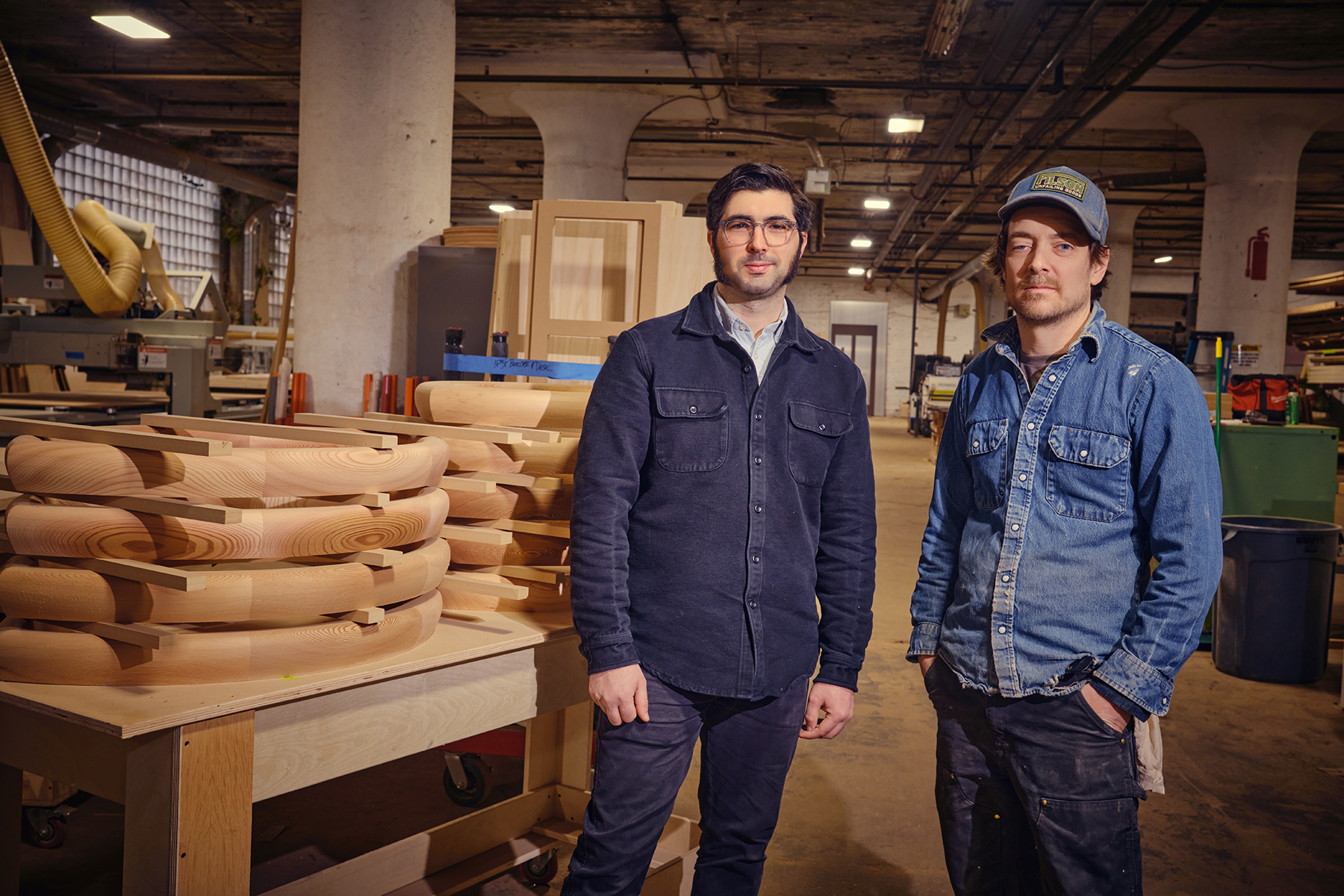
From classmates to collaborators, alumni David Short, left, and George Dubinsky have built Philadelphia-based Edgewood Made into a furniture design powerhouse.
Since day one of their business, George Dubinsky ’11 MFA (furniture design) and David Short ’13 BFA (furniture design) pictured a one-stop for all of a home’s design needs.
Today, Edgewood Made — the Philadelphia, Pa.-based design and fabrication studio they started in 2013 — is just that.
Edgewood Made handles everything from design to production in their own facilities, with little reliance on manufacturing partners. Dubinsky and Short, along with their team of 20 full-time technicians, engineers, CNC operators, installers, and project managers, expertly execute custom furniture design, metal fabrication, and millwork.
It’s a comprehensive approach that realizes a full design vision, all in-house.
“We just love the all-encompassing nature of everything being custom, from scratch,” Dubinsky said.
Edgewood Made is driven to maintain a high standard and expectation it has established for itself. Its clients are widely considered top architects and interior designers by the likes of ELLE Decor and Architectural Digest, a publication in which the work of Edgewood Made also makes regular appearances.
Clay Patrick McBride
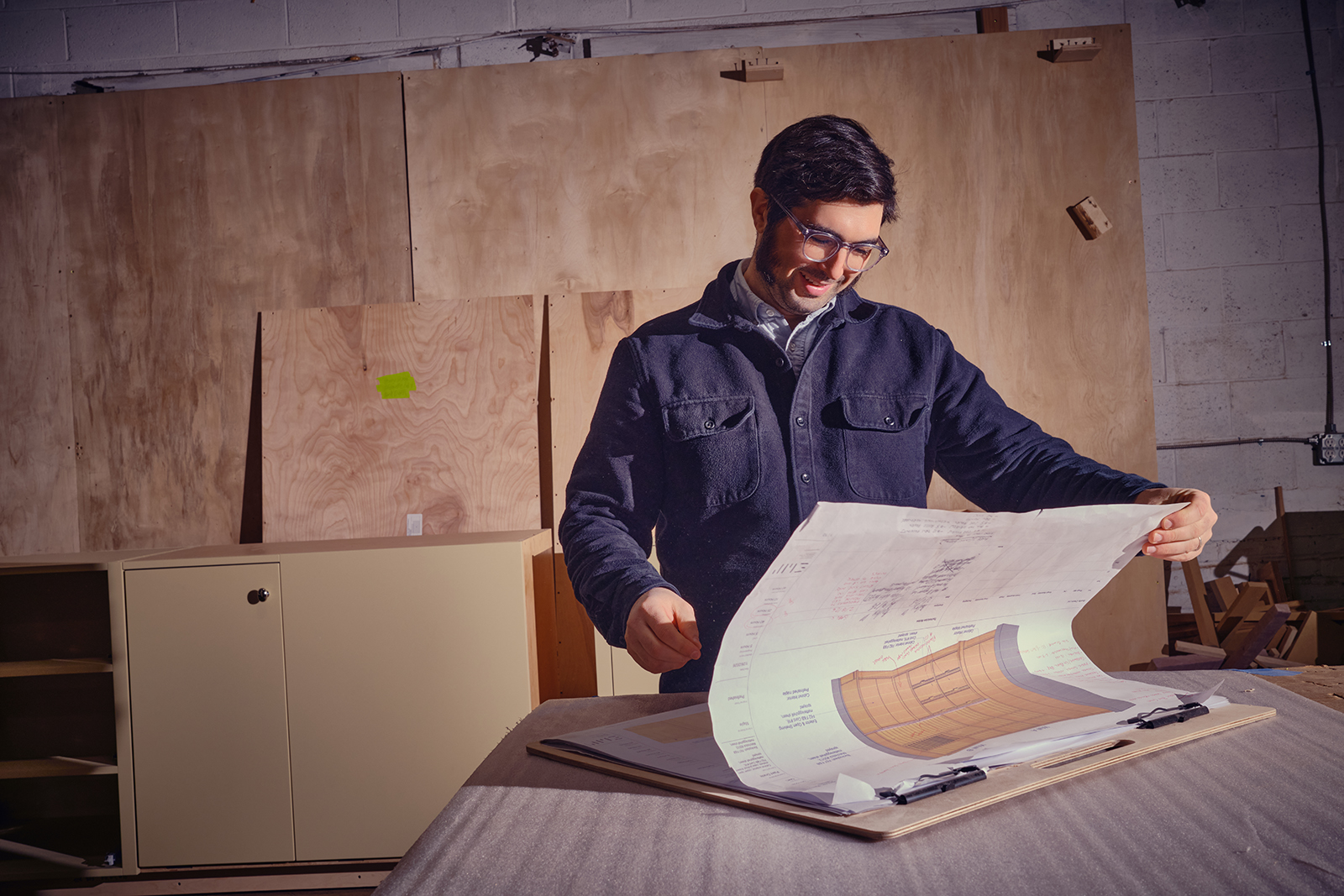
David Short graduated in 2013 with a BFA in furniture design.
Over the last few years, Edgewood Made has emphasized custom furniture and millwork for residential projects.
“We're working with the most high-end, critically acclaimed clients. With that, they’re looking for a certain service and certain things from us,” Short said. “So our passion is to make sure everything services them well because they want that level of customization and uniqueness. When they’re ordering an expensive custom table, they don’t want cheap hardware. They want something custom or something very hard to execute.”
The seeds of this business can be found in a cup.
At RIT, Dubinsky designed a porcelain cup with a wood-grain texture as part of his thesis work. Short, sensing the vessel’s marketplace viability, asked his classmate if he had any such plans.
“It just looked like a product,” Short said.
Clay Patrick McBride
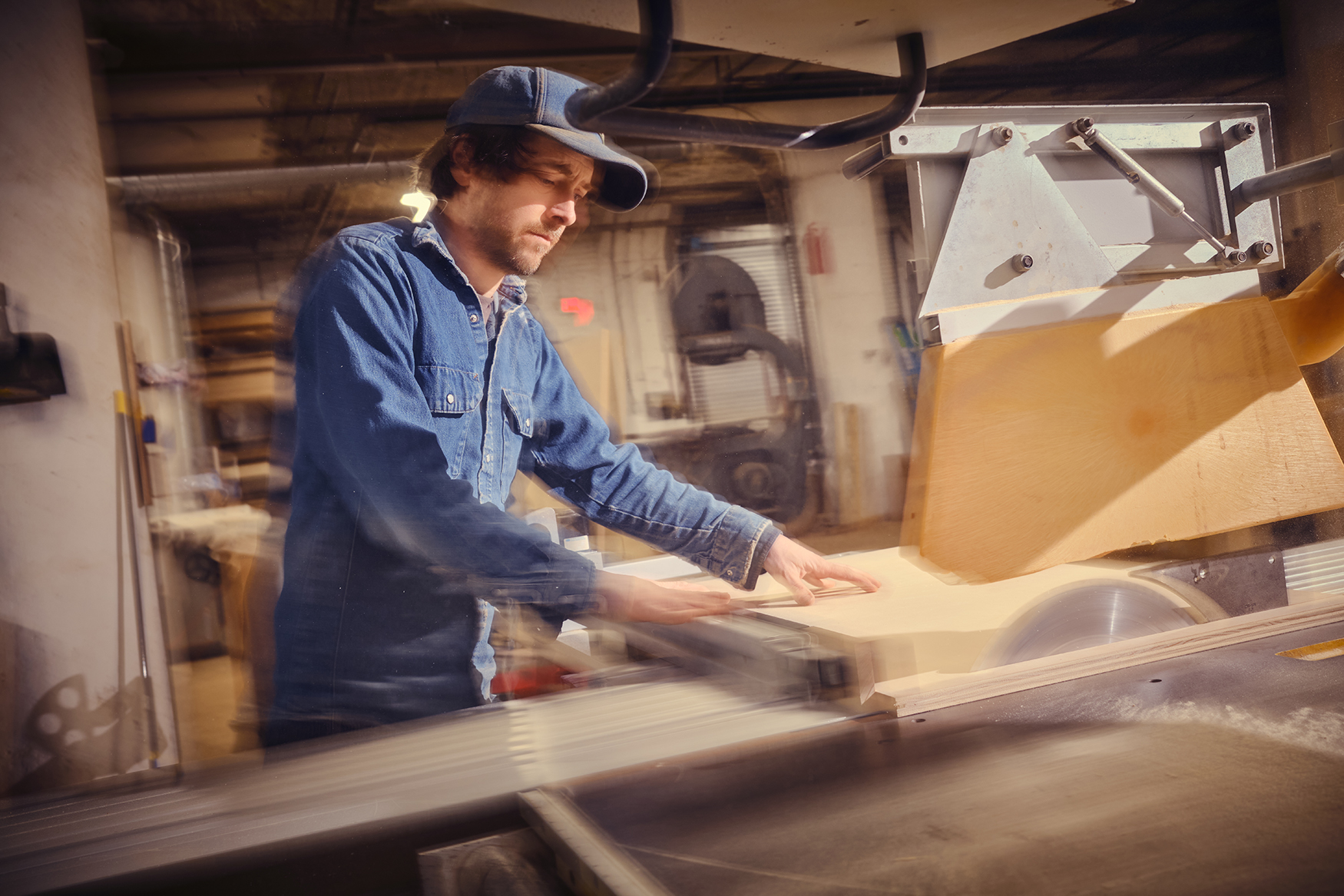
George Dubinsky credits lessons from RIT with helping to shape his vision for Edgewood Made.
Turns out, that venture was an early form of their company as they found a manufacturer and the cup began selling in stores.
Their shared vision was built on experiences in RIT’s furniture design studio, and a winter excursion to the Adirondack Mountains. When everyone else in the small student camping group backed out, Dubinsky and Short braved the bitter cold and camped out in the snow.
Short considers the experience the start of their friendship, and it also serves as a metaphor for the perseverance needed to grow their business.
“The trip was a testament to the idea that we were willing to push ourselves,” Short said. “It was kind of like being out in a storm and you just have to get to the other side of it.”
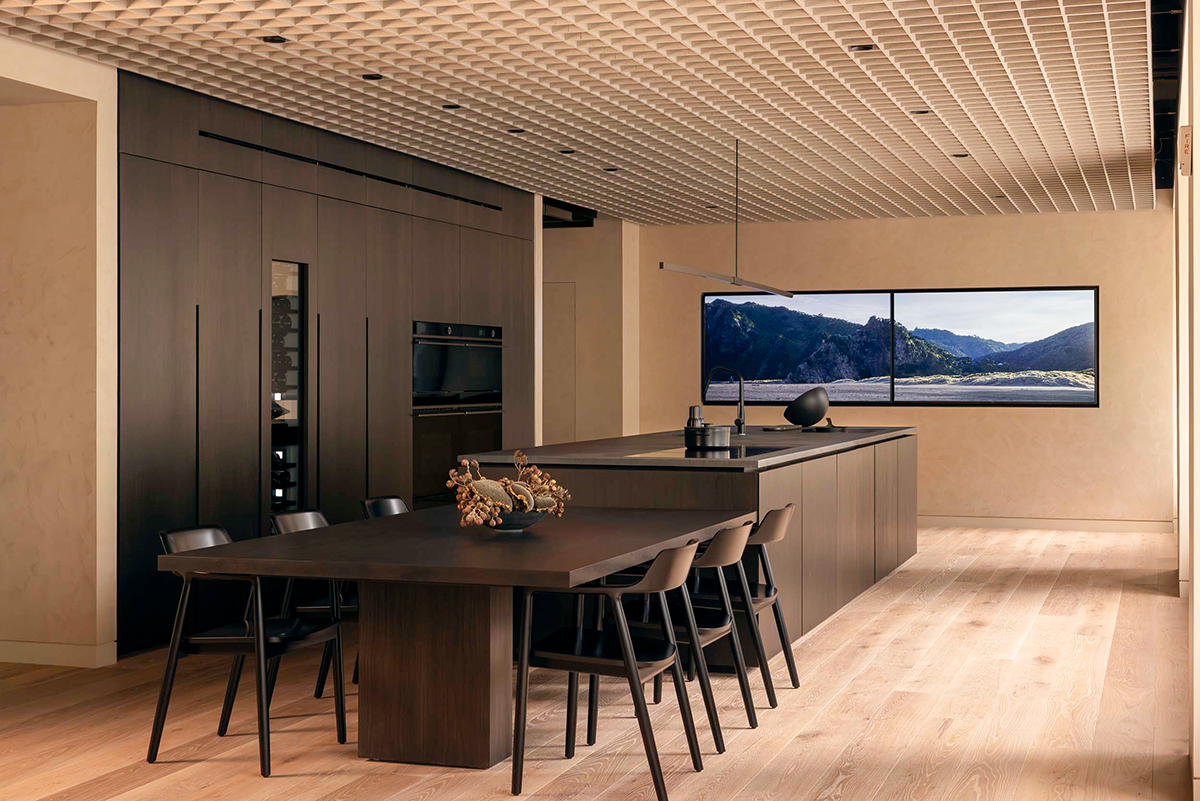
Courtesy of Edgewood Made
A kitchen project Edgewood Made executed for luxury home and kitchen appliance designer Fisher & Paykel's New York Experience Center.
After graduating, Dubinsky and Short elevated their business partnership with the founding of Edgewood Made in their mutual native area of Philadelphia (they both also attended nearby Bucks County Community College, at different times).
At first, they designed branded home goods in porcelain and wood. Then the company evolved to what it is now — a tech-infused studio offering a distinct blend of design and fabrication services to titans of the interior design and architecture industries.
The Edgewood Made team marries time-tested, hands-on methods of making with new technologies that streamline processes.
“We’re very focused on working digitally,” Short said. “With that, scaling up gives us more opportunity to get certain machines that can only be justified at a certain scale. Everything we do is drawn digitally and then we’re cutting on computer-controlled machines. We really want to go even further in that direction and push the limits. There is a goal of a certain working style that we’re trying to achieve.”
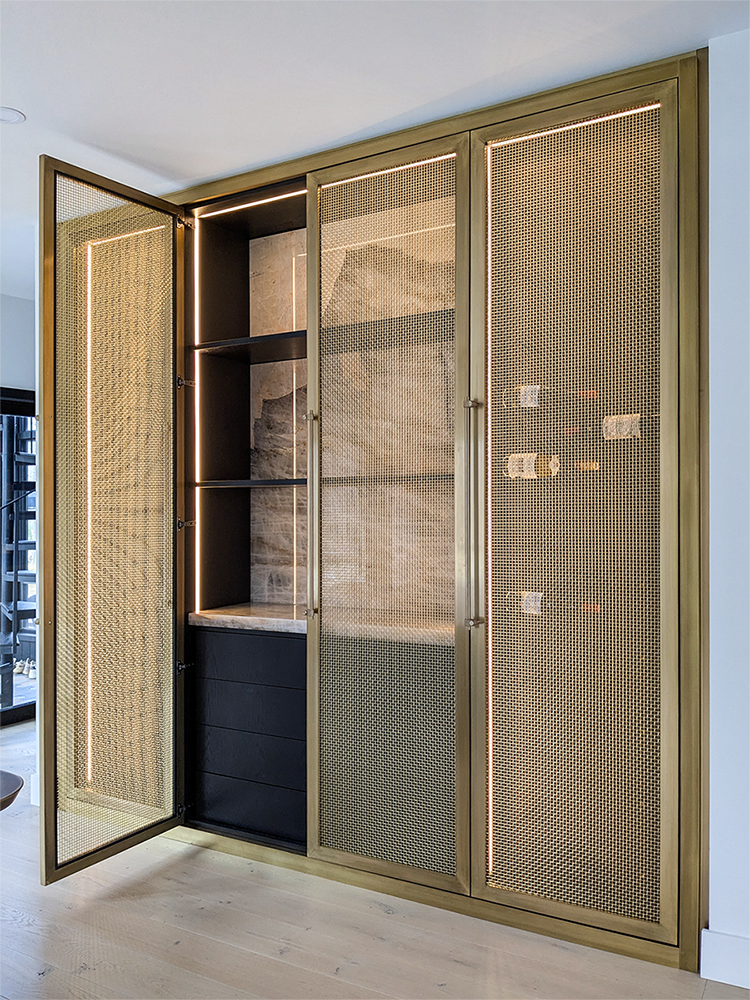
Courtesy of Edgewood Made
A dry bar Edgewood Made made for interior design firm Widell + Boschetti.
The embrace of technology is a lesson learned while at RIT.
Dubinsky and Short recall when faculty Rich Tannen (now professor emeritus) and Professor Andy Buck first introduced a CNC machine, which uses computer inputs to produce parts made of select materials.
“I think that was bucking the norm,” Short said. “It was amazing to have access to.”
Dubinsky agreed the exposure to technology at RIT was critical to his and Short’s entrepreneurial success.It was an early motivator for Edgewood Made’s integrative mentality.
“In RIT’s School for American Crafts, the more you made, the better your piece was,” said Dubinsky, referencing the desire to make every detail, down to the hinges of a cabinet. “The deeper you can go into everything from scratch, the more value there is. We just had that approach. We wanted to set up our own processes and do our own metal work, our own woodwork, and handle our own CAD, engineering work.”