NYSP2I selects 10 awardees for 2026-27 Community Grants Program
Initiative has supported 193 projects totaling $3.1 million to date
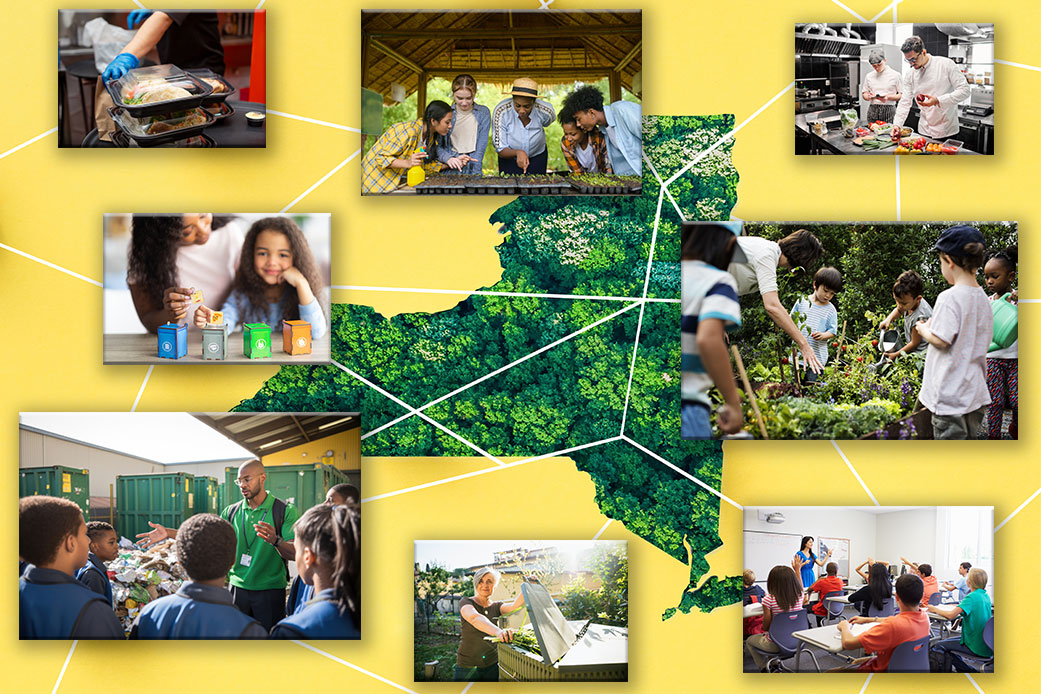
The New York State Pollution Prevention Institute (NYSP2I) has announced selections for its 2026-2027 Community Grants Program as part of the organization’s ongoing efforts to continue improving the health and environmental quality of New York State.
NYSP2I, sponsored by the New York State Department of Environmental Conservation (DEC) through the Environmental Protection Fund and led by Rochester Institute of Technology’s Center for Innovation in Manufacturing and Sustainability (CIMS), has selected 10 projects following the completion of a competitive review process.
Ultimate awarding of funds to selected projects is subject to standard conditions such as contract fulfillment and availability of funding. The Community Grants Program provides nonprofit organizations, academic institutions, and local governments both financial and technical assistance for projects that promote and implement pollution-prevention practices at the community level.
“We are very pleased to recognize this year’s grant recipients, whose community-driven projects advance pollution prevention through food-waste reduction, source reduction, community education, and innovative reuse and repair initiatives,” said Roy Green, director of NYSP2I.
“The projects reflect the diverse strategies needed to protect our environment, from school-based food-waste programs and youth leadership initiatives to community composting, pollution-prevention education, and repair-focused circular economy efforts,” Green added.
“The work strengthens communities across New York State, and we congratulate all of this year’s selected awardees.”
The selected proposals include:
Center for Urban Pedagogy
Project Title: Hands-On STEM Education for Youth-Led CSO Pollution
The Center for Urban Pedagogy proposes a train-the-trainer education initiative to reduce pollution entering New York City waterways through combined sewer overflow (CSO) events by equipping educators and students with practical knowledge of pollution pathways and prevention strategies. The project’s primary P2 focus area is source reduction, emphasizing behavior changes such as proper disposal of household waste, reducing litter, and limiting pollutants entering storm drains. Through an updated, hands-on STEM curriculum and educator trainings, the program will build capacity among educators to deliver pollution prevention education to youth across environmental justice communities. Key goals include increasing environmental literacy, promoting adoption of pollution prevention behaviors, and expanding the reach of community-based education to reduce pollutant inputs over time.
Cornell Cooperative Extension of Albany County
Project Title: Reducing Food Waste in Albany County Schools
The Cornell Cooperative Extension of Albany County proposes a school-based education initiative to reduce food waste in K–12 schools by equipping teachers and administrators with the knowledge and tools to implement waste reduction strategies. The project’s primary P2 focus area is food waste reduction and diversion, targeting decreased landfill disposal and associated methane emissions through behavior change and adoption of composting and food recovery practices. Through workshops, resource materials, and follow-up support, the program will help schools integrate food waste education into curricula and implement practical solutions such as audits, cafeteria interventions, and diversion systems. Key goals include increasing awareness of food waste impacts, supporting implementation of school-based waste reduction practices, and reducing the amount of food waste sent to landfills over time.
Cornell Cooperative Extension of Orange County
Project Title: P2 Plate: Rescued EATS for Community Food Waste Prevention
The Cornell Cooperative Extension of Orange County proposes to expand its Rescued EATS initiative by integrating food recovery, culinary workforce training, and community education to reduce food waste in Newburgh, NY. The project’s primary P2 focus area is food waste prevention and reduction, emphasizing increased utilization of rescued food through processing, proper storage, and behavior change. Through partnerships with local farms, workforce training programs, and community organizations, the project will transform recovered produce into ready-to-eat meals while delivering hands-on education to participants. Key goals include reducing the amount of edible food entering the waste stream, increasing adoption of food waste prevention practices, and strengthening a scalable, community-based model for sustainable food systems.
Environmental Leaders of Color
Project Title: Student Environmental Ambassador Program, Yonkers Expansion
The Environmental Leaders of Color proposes to expand its Student Environmental Ambassador program in Yonkers, training local youth to lead community-based education and outreach to reduce water pollution from household sources. The project’s primary P2 focus area is source reduction, emphasizing behavior change related to proper disposal of cooking oil, medications, and household chemicals that contribute to sewer blockages and contamination. Through youth-led education, community events, and installation of a permanent cooking oil collection site, the program aims to increase awareness and access to safe disposal practices. Key goals include reducing household pollutant inputs to waterways, engaging residents in pollution prevention behaviors, and building long-term community capacity through youth leadership and education.
Human Impacts Institute
Project Title: Urban Environmental Health Lab, Public Pollution Testing Days
The Human Impacts Institute proposes to expand its Urban Environmental Health Lab by hosting four public pollution testing events across Brooklyn environmental justice communities, providing residents with localized soil, water, and air quality data alongside actionable prevention guidance. The project’s primary P2 focus area is source reduction, supporting residents in reducing exposure to contaminants through safer gardening practices, reduced use of hazardous household chemicals, and improved exposure mitigation behaviors. Through a combination of hands-on testing, expert guidance, and artist-created behavior change materials, the initiative seeks to translate environmental awareness into practical, household-level prevention actions. Key goals include increasing community access to site-specific environmental information, encouraging adoption of pollution prevention practices, and fostering sustained behavior change through culturally relevant education and outreach.
Newburgh Urban Farm and Food Initiative
Project Title: Scaling Community Composting and Food Scrap Diversion in the City of Newburgh
The Newburgh Urban Farm and Food Initiative (NUFFI) propose to scale a community-based food scrap diversion program by establishing on-site composting infrastructure and expanding farmers market drop-off sites in the City of Newburgh. The project’s primary P2 focus area is food waste reduction and organic waste diversion, emphasizing source reduction through composting and decreased landfill disposal. Through a combination of composting infrastructure, community training, and bilingual outreach, the initiative will support residents in adopting sustainable waste management practices. Key goals include increasing household participation in composting, diverting organic waste from the municipal waste stream, and creating a replicable, community-controlled model that converts food waste into usable compost for local food production.
ResQ2Feed Oneida County, Inc.
Project Title: From Surplus to Sustenance: Engaging Oneida County Businesses in Food Waste Prevention Through Rescue
ResQ2Feed Oneida County proposes an outreach and education initiative to engage food-generating businesses in adopting food rescue practices that divert surplus food from the waste stream to community distribution networks. The project’s primary P2 focus area is source reduction of food waste, emphasizing institutional behavior change to prevent edible food from entering landfills. Through workshops, targeted outreach, and a structured onboarding process, the initiative will support businesses in complying with state requirements while connecting them to an active food rescue network. Key goals include increasing business participation in food rescue, reducing commercial food waste, and expanding access to nutritious food for food-insecure communities.
Snug Harbor Cultural Center & Botanical Garden
Project Title: Starting from Scratch: Food Waste Reduction in Staten Island
The Snug Harbor Cultural Center & Botanical Garden proposes a community-based education initiative to reduce household food waste in Staten Island’s North Shore by building practical skills in meal planning, food storage, preservation, and cooking. The project’s primary P2 focus area is source reduction, emphasizing behavior change to prevent food waste and improve participation in organics diversion systems. Through workshops, outreach events, and virtual programming, the initiative will equip residents with tools to extend the life of food and adopt more sustainable consumption habits. Key goals include reducing the amount of food waste generated at the household level, increasing awareness and adoption of pollution prevention practices, and improving community food literacy and sustainability outcomes over time.
Syracuse University, Institute for Sustainability Engagement
Project Title: ROC the Reusable: A Monroe County Restaurant Reuse Initiative
Syracuse University’s Institute for Sustainability Engagement proposes a restaurant-focused initiative to reduce single-use food service waste in Monroe County by supporting businesses in implementing “Bring Your Own” (BYO) reuse programs. The project’s primary P2 focus area is reuse/source reduction, targeting the elimination of disposable food and beverage service items through behavior change and operational shifts. Through direct technical assistance, tailored program design, and partnerships with local agencies, participating businesses will implement and promote reuse practices aligned with health and safety guidelines. Key goals include reducing single-use waste generation, increasing adoption of reuse systems among food service establishments, and fostering long-term behavior change among both businesses and consumers.
The Tool Library
Project Title: Dare to Repair at the Teaching Table
The Tool Library proposes to expand its Dare to Repair program by incorporating a youth-focused “Teaching Table” component that delivers hands-on repair education at community repair events in Buffalo. The project’s primary P2 focus area is source reduction through reuse and repair, emphasizing waste prevention by extending the life of household items and reducing demand for new products. Through interactive repair activities, community events, and educational outreach, the initiative will build practical skills and promote adoption of circular economy practices among youth and residents. Key goals include reducing waste entering landfills, increasing awareness and adoption of repair and reuse behaviors, and fostering long-term behavior change that supports pollution prevention.
The NYSP2I Community Grants Program has supported 193 projects throughout New York State with grants totaling $3.1 million to date. Past projects have included food-waste diversion and community-composting initiatives, educational workshops on repair and reuse, and efforts to reduce the use of plastic and single-use food service items. Many of these projects benefited underserved populations in environmental justice communities.
The next Community Grants Program request for applications will be announced in late spring of 2027. Go to the NYSP2I website for information.
About the New York State Pollution Prevention Institute
The New York State Pollution Prevention Institute (NYSP2I) is a partnership between the New York State Department of Environmental Conservation, Rochester Institute of Technology, Binghamton University, Clarkson University, Cornell University, and Rensselaer Polytechnic Institute, with a statewide reach. NYSP2I also collaborates closely with the New York Manufacturing Extension Partnership (NY MEP) to extend its reach to manufacturers across the state. Together, this network delivers statewide impact through innovation, technical expertise, and community engagement.
NYSP2I’s mission is to make New York State more sustainable for workers, the public, the environment, and the economy through pollution prevention, technical assistance, applied research, and outreach. Pollution prevention focuses on reducing or eliminating waste before it is created by improving processes, using safer materials, and increasing resource efficiency, rather than relying on treatment or cleanup after pollution is generated. We achieve this by:
- Reducing toxic chemical use and emissions
- Preventing pollution at its source
- Improving efficiency in the use of raw materials, energy, and water
- Minimizing waste generation and supporting circularity
Our work supports businesses, municipalities, and organizations, along with academic and community partners, in achieving environmental goals while enhancing operational performance, regulatory compliance, and competitiveness.
Funding provided by the Environmental Protection Fund as administered by the New York State Department of Environmental Conservation. The opinions, results, findings and/or interpretations of data contained herein are the responsibility of Rochester Institute of Technology and do not necessarily represent the opinions, interpretations or policy of New York State.