Trainings

Your safety and well-being are our top priorities. These trainings provide essential guidance on workplace hazards, emergency procedures, and best practices to keep you and our environment safe.

Certificate Remains Valid For One Year

Your certificate remains valid for the academic year (starting August 1), even if your university role changes. For example, from a student to a staff member. For questions, email EHS at ehs@rit.edu.

Faculty/Staff Training

All Environmental Health & Safety (EHS) training for faculty and staff is completed through Workday Learning, where progress and completion records are automatically tracked. Explore the available training programs below to understand requirements, course content, and who each course is designed for.

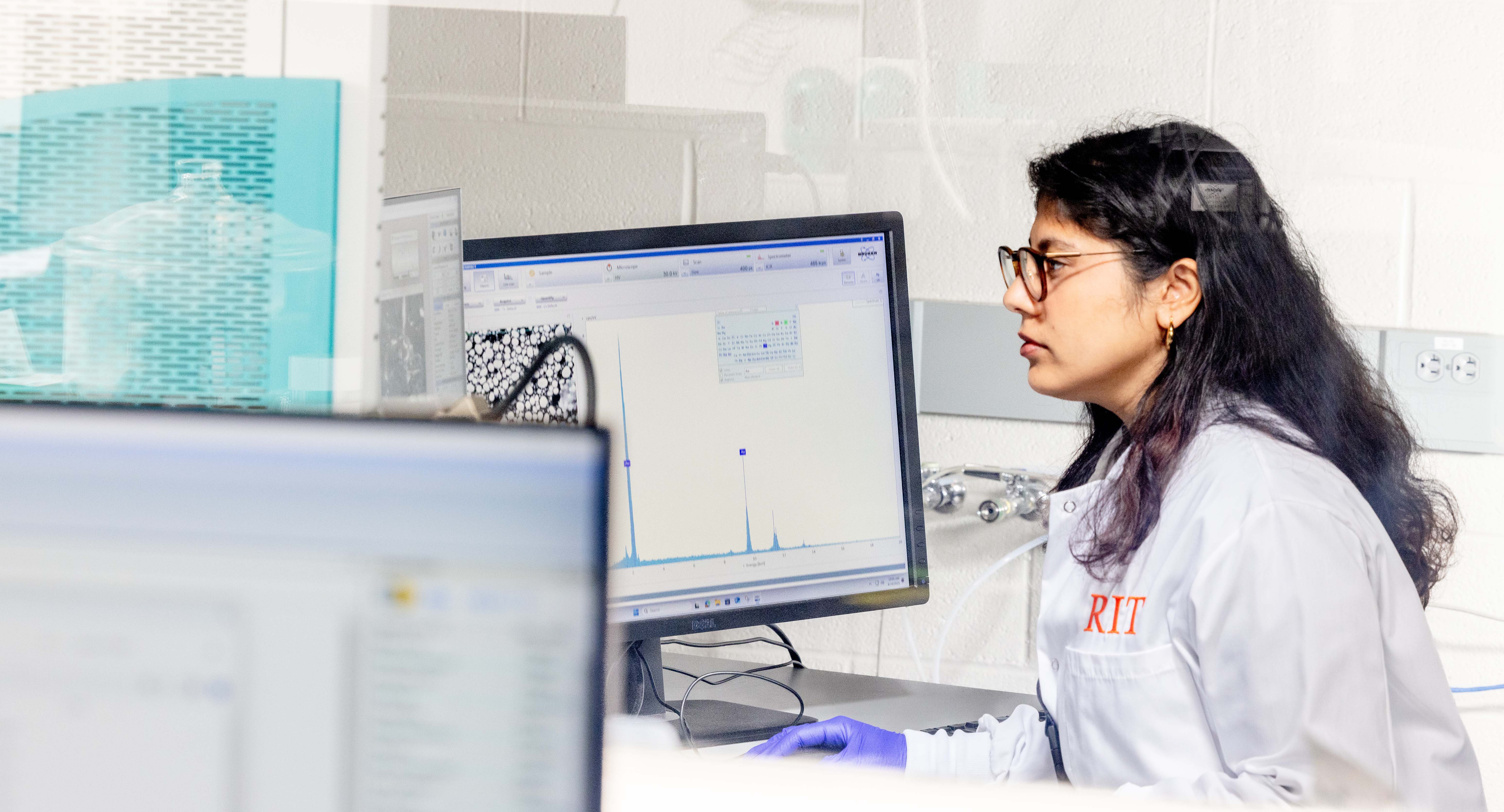
Person in lab

  • Asbestos General Awareness
    This training provides awareness of asbestos hazards and safe practices for avoiding exposure. It is required for staff such as maintenance workers and housekeepers who may encounter asbestos during normal work activities. Completion is required annually.
    Workday >
  • Biosafety Awareness
    This course introduces safe practices for working with biological materials. It is intended for anyone working with biohazards in BSL1 or BSL2 laboratories. Completion ensures participants understand basic biosafety principles.
    Workday >
  • Bloodborne Pathogens
    This training explains how to prevent exposure to bloodborne pathogens found in blood and bodily fluids. It is required for individuals who may work with or be exposed to these materials. A Hepatitis B vaccination request or declination form must be submitted after completion.
    Workday >
  • Blood Clean-Up Procedures
    This course teaches the correct procedures for safely cleaning up blood spills. It is required for employees assigned to perform blood clean‑ups. Participants must also complete the Bloodborne Pathogens course.
    Workday >
  • BME Safety Training
    This combined course provides essential safety instruction for Biomechanical Engineering work. It is designed for BME majors. Completion satisfies requirements for lab safety, biosafety, and bloodborne pathogens training.
    Workday >
  • CAD Studio Safety Training
    This course covers safety expectations for working in College of Art and Design studio spaces. It is intended for CAD students who use studios, chemicals, and specialized equipment. Completion ensures students understand studio safety and Chemical Hygiene Plan requirements.
    Workday >
  • COS - Lab, Bio & Gas Cylinder Training
    This course introduces key safety topics for science laboratory work. It is required for College of Science students enrolled in lab classes. Students conducting BSL2 research must complete full biosafety training in addition to this course.
    Workday >
  • FMS Confined Space Training
    This training provides the knowledge and skills needed to safely enter and work in confined spaces. It is required for RIT employees whose duties involve confined space entry. Completion is necessary before performing this work.
    Workday >
  • Formaldehyde Training
    This course explains the hazards and safe handling of formaldehyde. It is required for anyone who works with formaldehyde or formaldehyde‑containing products. Completion ensures compliance with exposure‑control requirements.
    Workday >
  • Gas Cylinder Training
    This training covers proper identification, handling, and storage of compressed gas cylinders. It is intended for individuals who work with or manage gas cylinders. Completion ensures understanding of associated hazards and safe practices.
    Workday >
  • Generic Confined Space Training
    This course provides instruction for participating in Permit‑Required Confined Space operations. It is required for entrants, attendants, and supervisors involved in PRCS entry. Completion is necessary before performing these duties.
    Workday >
  • Hazardous Waste & Contingency Plan Training
    This training explains hazardous waste identification, handling, and emergency response procedures. It is required for employees involved in hazardous waste management. It must be completed within six months of assignment and reviewed annually, including for hazardous waste vault access.

    Workday >
  • Hazardous Materials Purchaser
    This course outlines requirements for purchasing hazardous materials safely and compliantly. It is intended for individuals seeking approval to purchase hazardous materials. Completion is required for purchaser authorization.
    Workday >
  • Hazardous Waste Awareness
    This training introduces basic hazardous waste characterization and handling practices. It is required for employees managing waste in Satellite Accumulation Areas. Completion ensures proper waste management at the point of generation.
    Workday >
  • Hearing Conservation
    This course explains noise hazards and proper use of hearing protection. It is required for employees who must wear hearing protection. Annual refresher training is required for continued work in noise zones.
    Workday >
  • Interpreter & Captionist Safety Training
    This course introduces hazards present in labs, shops, studios, and other specialized spaces. It is intended for interpreters and captionists working outside typical classroom environments. Completion prepares them to work safely and respond to incidents.
    Workday >
  • Lab Safety Training
    This training provides essential safety practices for laboratory environments. It is required for anyone working in research or teaching labs. Completion is necessary before beginning lab work.
    Workday >
  • Lab, Shop, Studio Safety for Others
    This course introduces common hazards found in labs, shops, and studios. It is intended for IT, custodial, HVAC, and other staff who enter these spaces to perform their work. Completion ensures awareness of hazards, protective measures, and incident response.
    Workday >
  • Laser Safety Training
    This course explains safe operation of Class II, IIIA/B, and IV lasers. It is required for faculty, students, and staff who use lasers on campus. Completion is required annually.
    Workday >
  • Lock out Tag out: Controlling Hazardous Energy for "Other" Employees
    This training introduces the purpose and basics of lockout/tagout procedures. It is required for “other” employees who work in or enter areas where LOTO is in use. Completion helps prevent accidental exposure to hazardous energy.
    Workday >
  • Lock out Tag out for Authorized and Affected Employees
    This course provides full instruction on lockout/tagout procedures. It is required for authorized and affected employees based on their job duties. Completion ensures safe servicing and maintenance of equipment.
    Workday >
  • Pesticide Application Refresher
    This training reviews RIT’s compliance with NYSDEC pesticide application regulations. It is intended for employees involved in pesticide‑related tasks. Completion is informational only and does not count toward recertification.
    Workday >
  • Radiation Safety Training
    This course provides safety instruction for working with radioactive materials or radiation‑producing equipment. It is required for faculty, students, and staff who use radiation sources. Completion is required annually.
    Workday >
  • Recognizing & Preventing Hazing 
    This course explains the risks and consequences of hazing and how to identify early warning signs. It is intended for employees who interact with student groups or activities. Completion supports prevention of harmful behaviors.
    Workday >
  • Respirable Crystalline Silica Training
    This training covers hazards and safe practices for working with respirable crystalline silica. It is required for employees who work with silica‑containing products. Completion ensures understanding of exposure risks and controls.
    Workday >
  • Respiratory Protection Training
    This course explains proper respirator use, limitations, and maintenance. It is required for employees who must use respiratory protection. Retraining is required when workplace conditions or respirator types change or when deficiencies are identified.
    Workday >
  • (RIT) Hazardous Communication Training
    This training ensures understanding of chemical hazards, Safety Data Sheets, and GHS labeling. It is required for all RIT faculty, staff, and students who may work with hazardous chemicals. Completion supports safe chemical handling and regulatory compliance.
    Workday >
  • Shop Safety
    This course provides instruction on the safe use of shop machinery and equipment. It is required for individuals who operate shop tools. Retraining is required when new equipment, safeguards, or deficiencies arise.
    Workday >
  • Spill Prevention Control & Countermeasures
    This training explains how to prevent and respond to oil spills. It is required annually for employees who maintain oil‑containing equipment or transfer oil on campus. Completion supports environmental protection and regulatory compliance.
    Workday >
  • Universal Waste
    This course covers proper handling and storage of universal waste. It is required annually for employees who generate or manage universal waste. Completion ensures compliant waste management.
    Workday >
  • Fall Protection/Walking Working Surfaces
    This training teaches safe practices for working at heights and using fall protection systems. It is required for employees who use personal fall arrest systems or work on elevated surfaces. Completion must be equipment‑specific.
    Workday >


Student Training

All Environmental Health & Safety (EHS) training for students is completed through MyCourses, where progress and completion records are maintained. Explore the available training modules below to learn more about course content, requirements, and who each training is designed for.

Student at computer

Class Title

Register

  • Biosafety Training
    This course provides essential safety practices for working with biological materials and is intended for anyone working with biohazards in a BSL1 or BSL2 laboratory. Completion ensures participants understand and can apply core biosafety principles.
MyCourses >
  • Bloodborne Pathogens
    This training explains how to prevent exposure to bloodborne pathogens and is required for individuals working directly with materials such as human tissue, blood, cells, cell lines, feces, urine, or unfixed organs. Completion ensures participants understand exposure risks and safe handling procedures.
MyCourses >
  • Blood Clean-Up Procedures
    This course teaches proper procedures for safely cleaning up blood spills and is required for anyone assigned to perform blood clean‑ups. Participants must also complete Bloodborne Pathogens training.
MyCourses >
  • BME Safety Training
    This combined course provides foundational safety instruction for Biomechanical Engineering work and is designed for BME majors. Completion satisfies requirements for lab safety, biosafety, and bloodborne pathogens training.
MyCourses >
  • CAD Studio Safety Training
    This course introduces safety expectations for working in College of Art and Design studio spaces and is intended for students using CAD studios, tools, and materials. Completion ensures students understand studio safety requirements.
MyCourses >
  • COS - Lab, Bio & Gas Cylinder Trainings
    This combination course introduces key safety topics for science laboratory work and is required for College of Science students enrolled in lab classes. Students conducting research in a BSL2 laboratory must also complete full biosafety training.
MyCourses >
  • Formaldehyde Training
    This course explains the hazards and safe handling of formaldehyde and is required for anyone working with formaldehyde or formaldehyde‑containing products. Completion ensures compliance with exposure‑control requirements.
MyCourses >
  • Gas Cylinder Training
    This course covers proper identification, handling, and storage of compressed gas cylinders and is intended for individuals who work with or around gas cylinders. Completion ensures understanding of cylinder hazards and safe operating practices.
MyCourses >
  • Lab Safety Training
    This course provides essential safety practices for laboratory environments and is required for anyone working in a research or teaching wet lab, including chemical, biological, or instrumentation‑focused spaces. Completion is necessary before beginning lab work.
MyCourses >
  • Laser Safety Training
    This course explains safe operation of Class III and IV lasers and is required for anyone who works with or around these laser systems. Completion ensures compliance with laser safety standards.
MyCourses >
  • Lock out Tag out: Controlling Hazardous Energy for "Other" Employees
    This awareness‑level course introduces the purpose and basics of lockout/tagout procedures and is required for employees who work near equipment that may be locked or tagged out. Completion helps prevent accidental exposure to hazardous energy.
MyCourses >
  • Lock out Tag out for Authorized and Affected Employees
    This course provides required instruction on lockout/tagout procedures and is intended for authorized and affected employees based on their job duties. Completion ensures safe servicing and maintenance of equipment.
MyCourses >
  • Radiation Safety Training
    This course provides safety instruction for working with radiation‑producing equipment or radioactive sources and is required for anyone who works with or around devices such as SEMs or x‑ray systems. Completion ensures safe and compliant use of radiation sources.
MyCourses >
  • Recognizing & Preventing Hazing
    This course explains the risks and consequences of hazing and is designed for students who participate in group activities or organizations. Completion helps learners identify harmful behaviors, understand RIT’s policies, and respond appropriately when hazing concerns arise.
MyCourses >
  • Respirable Crystalline Silica Training
    This course covers hazards associated with respirable crystalline silica and is required for individuals performing tasks that generate silica dust, such as sanding concrete. Completion ensures understanding of exposure risks and protective measures.
MyCourses >
  • Respiratory Protection Training
    This course explains proper respirator use and is required for anyone who must wear a respirator due to the nature of their work. Completion ensures participants understand respirator limitations, maintenance, and safe use.
MyCourses >
  • Shop Safety
    This course provides instruction on the safe use of shop tools and equipment and is required for anyone working in a shop area, including the SHED Maker’s Space. Completion ensures participants can operate equipment safely and responsibly.
MyCourses >