Sensory, Perceptual, and Cognitive Ecology (SPACE) Center News
-
September 4, 2020

RIT/NTID researchers study how deaf and hearing people watch sign language
A recent study has shown that readers’ eye gaze behaviors are strong indicators of words that are unexpected, new, or difficult to understand. The study by Rain Bosworth, an assistant professor and researcher at NTID, explores the unknown qualities of gaze behavior for “sign watching” and how these are affected by a user’s language expertise and intelligibility of the sign input.
-
August 30, 2020
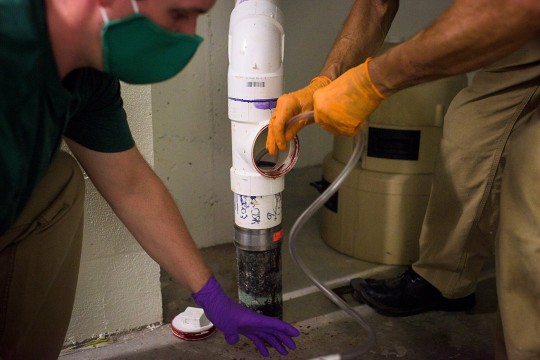
Looking to Reopen, Colleges Become Labs for Coronavirus Tests and Tracking Apps
The New York Times talks to Enid Cardinal, senior advisor to the president for strategic planning and sustainability, about RIT's wastewater sampling program to detect coronavirus.
-
August 28, 2020
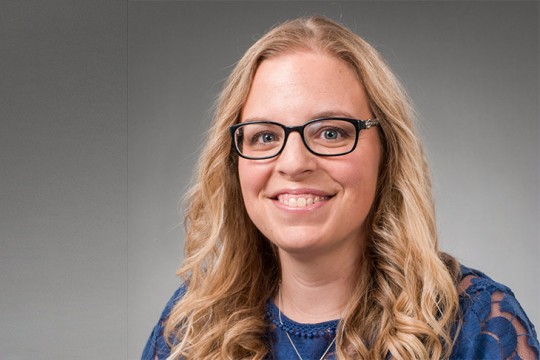
RIT/NTID Audiology Center opens with increased safety measures
The RIT/NTID Audiology Center serves both RIT and NTID students as well as RIT employees and members of the community and OSHER members. It provides both allied healthcare services and educational support.
-
August 24, 2020

RIT launches TigerChat communication app
Face coverings can make lip reading impossible and communication difficult for deaf and hard-of-hearing people. To help improve communication, RIT/NTID’s Center on Access Technology Lab has developed the TigerChat app.
-
August 19, 2020
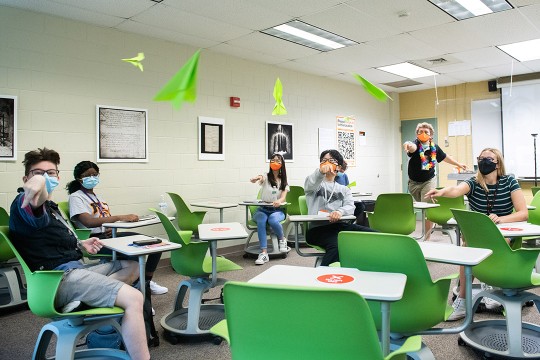
RIT students start semester with encouragement and precautions
RIT welcomes a record number of first-year students today as classes begin in a semester that will look like no other due to the COVID-19 pandemic. The new students were welcomed Tuesday afternoon during an online convocation that featured several speakers, livestreamed without an audience from Ingle Auditorium.
-
August 14, 2020

RIT alumna named director of university’s Deaf Health Laboratory
Tiffany Panko, M.D., has been named director of the Deaf Health Laboratory in the Research Center on Culture and Language at NTID. Panko, an alumna of RIT who received support from NTID, earned her undergraduate degree in applied arts and sciences, with concentrations in premedical and psychological studies, in 2008. She earned her MBA from Saunders College of Business in 2009, and her medical degree from the University of Rochester School of Medicine and Dentistry in 2016.
-
August 10, 2020
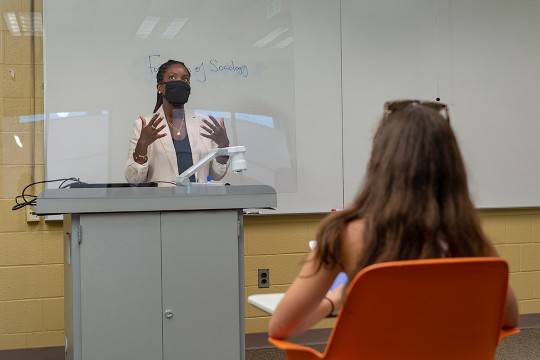
RIT faculty look ahead to classroom instruction this fall
COVID-19 has challenged the university to consider an even more creative academic portfolio with blended, online, split A/B, and flex class options. To prepare for in-person instruction, RIT has upgraded academic buildings and classrooms. And physical distancing and face coverings, required of faculty and students in classrooms, together provide some of the greatest protection against the spread of COVID-19.
-
August 7, 2020
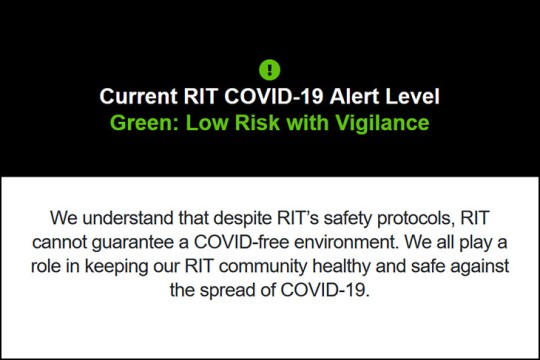
COVID-19 alert system aims to identify, reduce risk
RIT is developing an alert system that systematically defines levels of COVID-19 prevalence and transmission risk within our community. Each level will be associated with predetermined actions aimed at reducing risk during the coronavirus pandemic.
-
August 6, 2020
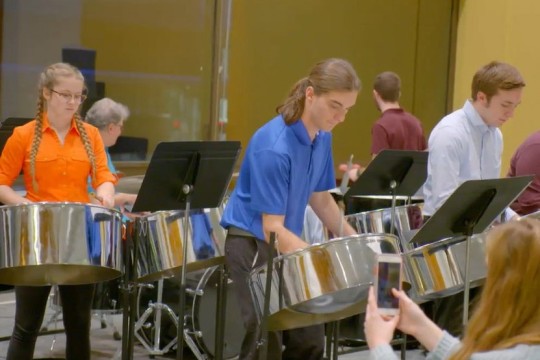
Performing arts classes continue with social distancing in place
WHAM-TV talks to Thomas Warfield, director of dance; Andy Head, assistant professor in the Department of Performing Arts; and Jonathan Kruger, chair of the Department of Performing Arts, about changes to the dance, theater, and music programs.
-
August 5, 2020
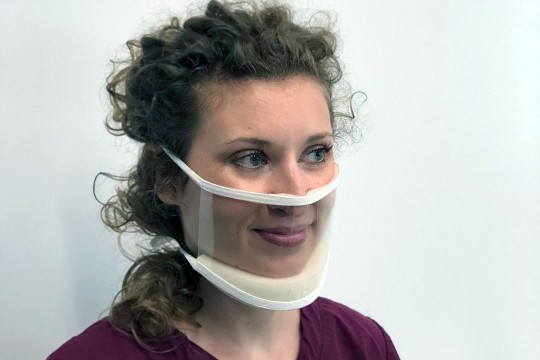
Clear masks help the hard of hearing, but they could benefit everybody
Popular Science talks to Bernard Hurwitz, associate vice president for NTID Administration, about the benefits of see-through masks.
-
July 31, 2020
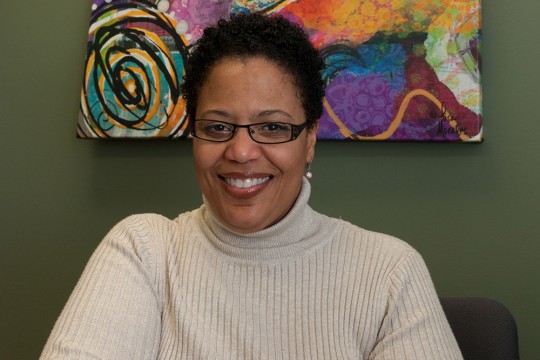
New scholarship for underrepresented students honors former RIT/NTID Diversity and Inclusion director
Friends and family of a beloved former staff member at NTID are honoring her memory with a new scholarship. The Stephanie Smith Albert Memorial Endowed Scholarship was created in memory of the college’s first director of Diversity and Inclusion, who passed away in 2018.
-
July 29, 2020
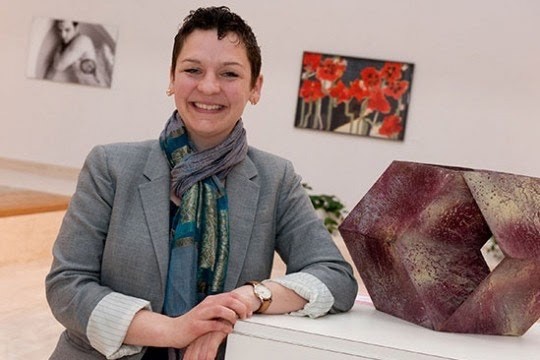
Accommodating People with Disabilities as Part of Reopening Strategies
The Museum Association of New York talks to Tabitha Jacques, director of NTID's Dyer Arts Center, about how museums can accommodate people with disabilities as part of their reopening strategies.