PHT180 Healthcare Research

PHT180 Healthcare Research
Let us help you...



Featured Research
Emerging IP and Breakthroughs at PHT180
Organelle Assembly
Lishibanya Mohapatra, Principal Investigator
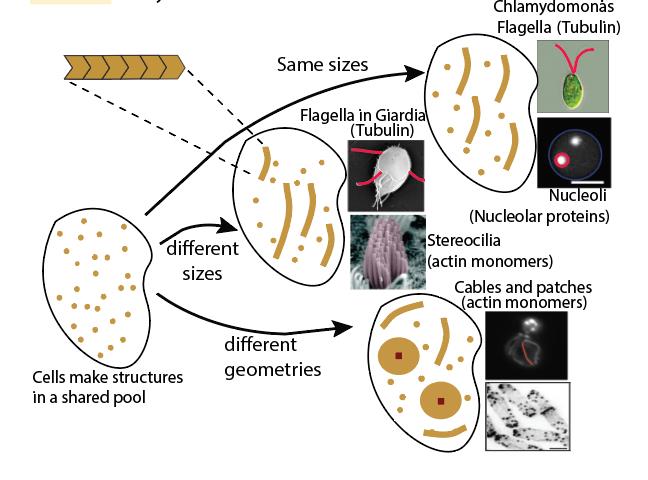
Just like human bodies have organs to complete various biological functions, living cells have distinguishable subcellular parts called organelles, each specifically designed for its own specialized task. These organelles have been observed since the dawn of microscopy, but only recently have we developed experimental tools to begin to investigate how they attain their characteristic shapes and sizes, and how that relates to their specific functions. The Mohapatra group uses theory and simulations, in collaboration with experimentalists, to understand how living cells construct organelles - insights that could reveal how disruptions in these processes contribute to diseases and inform new strategies for maintaining cellular health.
Additional information about Dr. Mohapatra's research can be found at https://www.rit.edu/science/mohapatra-research-group
Degenerative Disc Disease
Karin Wuertz-Kozak, Principal Investigator
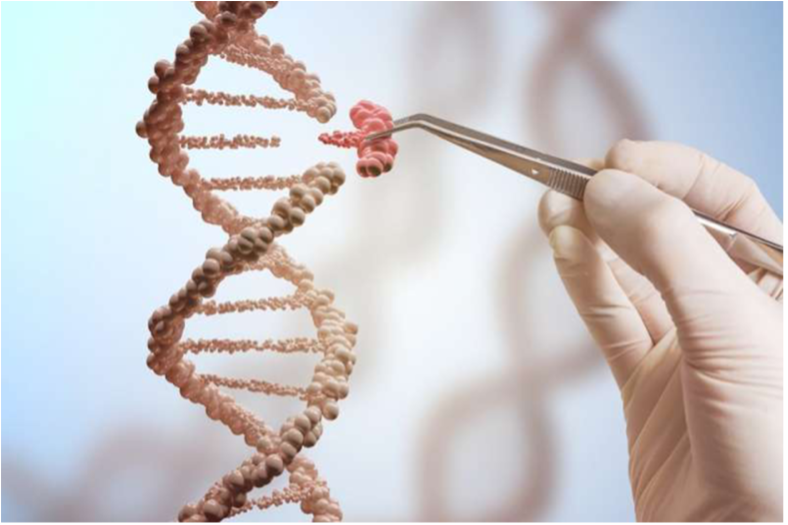
Degenerative disc disease (DDD) is a major source of low back pain, which is not only the leading cause of activity limitation and work absence but also represents a tremendous financial burden to society. Dr. Wuertz-Kozak’s latest project, with incoming funding from NIH, aims to develop a novel, minimally-invasive approach for the treatment of DDD that relies on enhancing the regenerative and anti-inflammatory capacity of extracellular vesicles (EV) derived from mesenchymal stem cells using state-of-the-art gene editing technology. Successful completion of this study will guide future development of EV-based therapy not only for DDD, but for example also for osteoarthritis in the hands, neck, knees, and hips, which could benefit millions of people in the United States every year.
Additional information about Dr. Wuertz-Kozak’s research can be found at https://www.rit.edu/wuertzlab. In addition, Dr. Wuertz-Kozak is active on Twitter – follow her at @Wuertz-Lab.
Improving Biomechanics Imaging
Olalekan Babaniyi, Principal Investigator
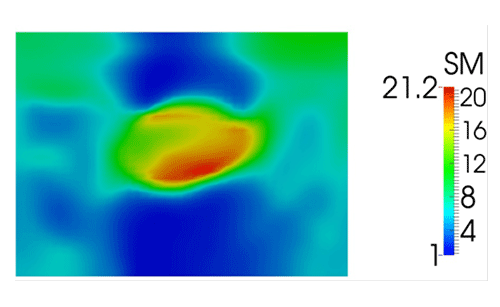
When time is of the essence, such as immediately after a cancer diagnosis, diagnostic imaging speeds are critical to positive clinical outcomes. Dr. Olalekan Babaniyi's latest research uses a mathematical model known as the direct error in the constitutive equation (DECE) variational formulation, developed by Babaniyi and team, to improve the speed with which a diagnostic image stiffness or softness of tissue can be computed. This could have major implications at the point of care and beyond. Dr. Babaniyi continues to advance his research with a two-year $250,000 NSF LEAPS-MPS awarded in late 2022.
Additional information about Dr. Babaniyi's research can be found at https://people.rit.ed/obsma.