Home Page
We prepare the next generation of problem solvers to discover and innovate solutions for the future.
The College of Science promotes novel ways of thinking and implementation in a rapidly changing world.
We provide our scholars with hands-on experience, cross/multi-disciplinary research, and faculty and staff mentors who not only educate but inspire our scholars.

Meet Us on Campus
Learn about academics, co-op and internships, financial aid, and more.

Apply for Spring or Fall 2027
Learn about our deadlines, requirements, and what we look for. Start your application today.
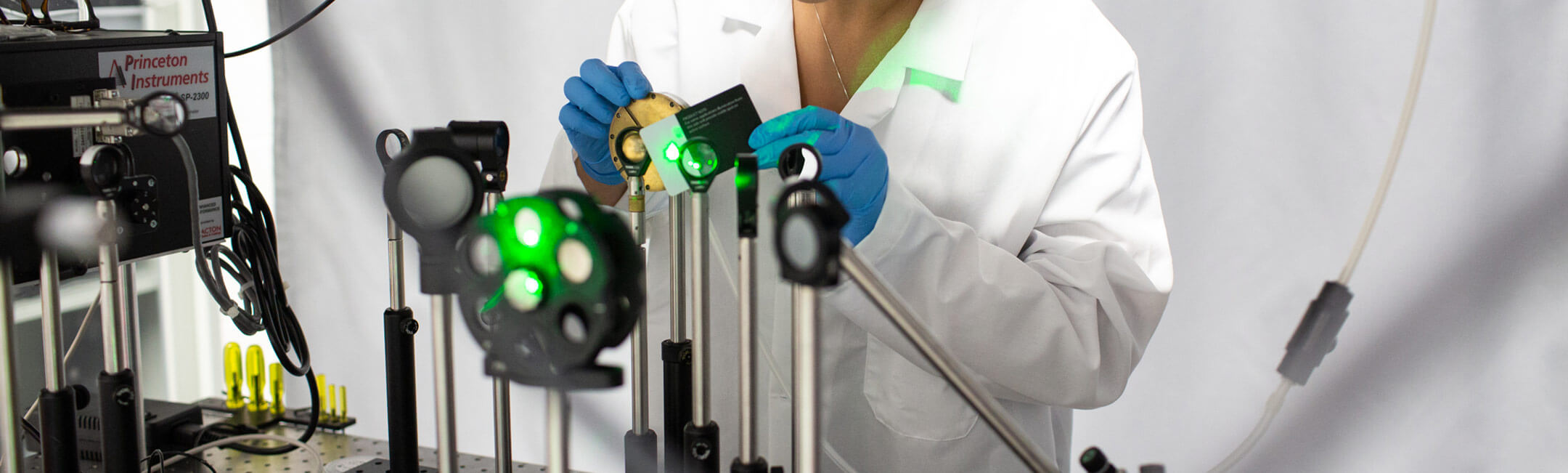


Faces of RIT
-
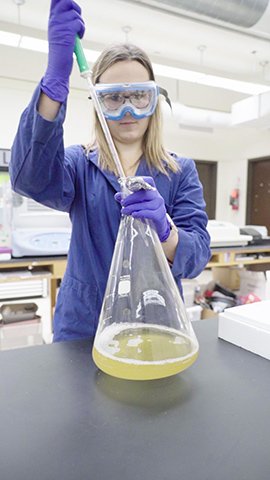
Medicine's Future
Nicole PannulloBiochemistryBy working on a faculty-guided research project, Pannullo has gained hands-on research experience to pursue a future in regenerative medicine. It’s one way Pannullo is putting experiential learning to work.
-
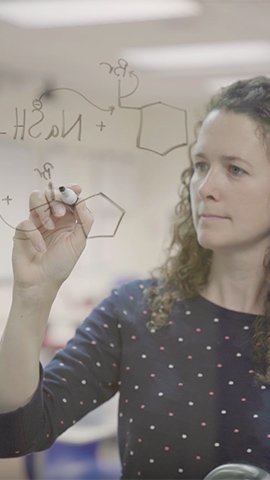
Expanding ASL
Tina Goudreau CollisonProfessor of ChemistryA complicated vocabulary and a lack of dedicated signs in American Sign Language makes Organic Chemistry a challenge for deaf and hard of hearing students. Collison worked with interpreters to develop new ASL signs, leading to profound learning improvements for her students.
-
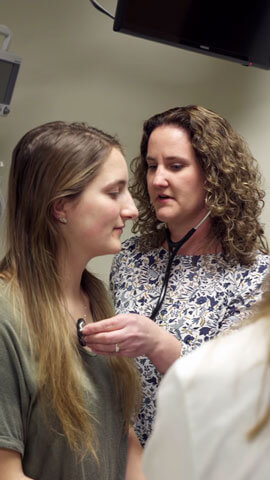
Giving Back
Jennifer Wheeler, M.D. BS ’01BiotechnologyFamily MedicineAfter 9/11, Wheeler enlisted in the US Army and served as a doctor in Afghanistan. Now, she practices family medicine and serves as a preceptor to RIT students who are embarking on their own careers in medicine.
-
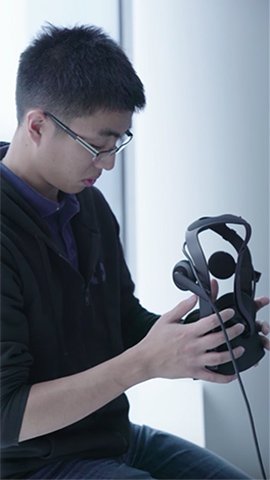
Enhancing Reality
Kevin KhaImaging ScienceKha interned with Oculus testing their next generation of VR cameras, which have the potential to aid law enforcement and impact learning in schools. The internship turned into a full-time job, and Kha plans to work on enhancing the VR experience.
-
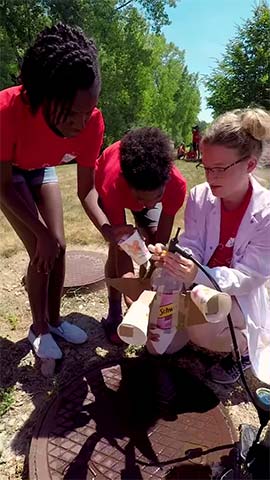
Connecting Kids to Science
Devon M ChristmanPhysicsOver the summer, Christman taught a workshop called “Experiments in Science” to a group of children from RIT’s Kids on Campus program. By helping to change their perspectives on who and what a scientist is, Christman is shaping the minds of tomorrow’s scientists.
Latest News
-
September 23, 2026

RIT scientist: Think of the flu shot as an update
The annual flu vaccine is like a software update for the immune system, an RIT expert in biochemistry and microbiology says. -
September 22, 2026
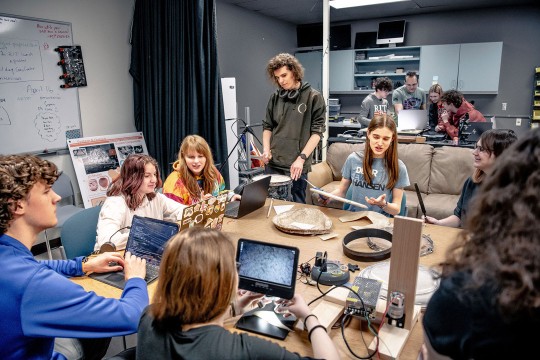
Freshman Imaging Project fuels a passion for innovation in RIT’s first-year students
Hands-on educational experience is key to future innovation, and students in RIT’s Freshman Imaging Project receive it as soon as they step foot on campus.
-
September 15, 2026

NASA awards RIT $2.2 million to extend Landsat satellite program collaboration
RIT’s decades-long partnership with the federal Landsat program will continue with a $2.2 million grant from NASA.
-
September 8, 2026

Black holes’ jet cycles illuminate fusion’s magnetic puzzle
Energy Innovation Review highlights research by Manuela Campanelli, Distinguished Professor of Astrophysics, using advanced simulations to show how magnetic fields and gas surrounding binary supermassive black holes can help astronomers identify these systems through electromagnetic and gravitational-wave observations.
