Rosalie Clemens
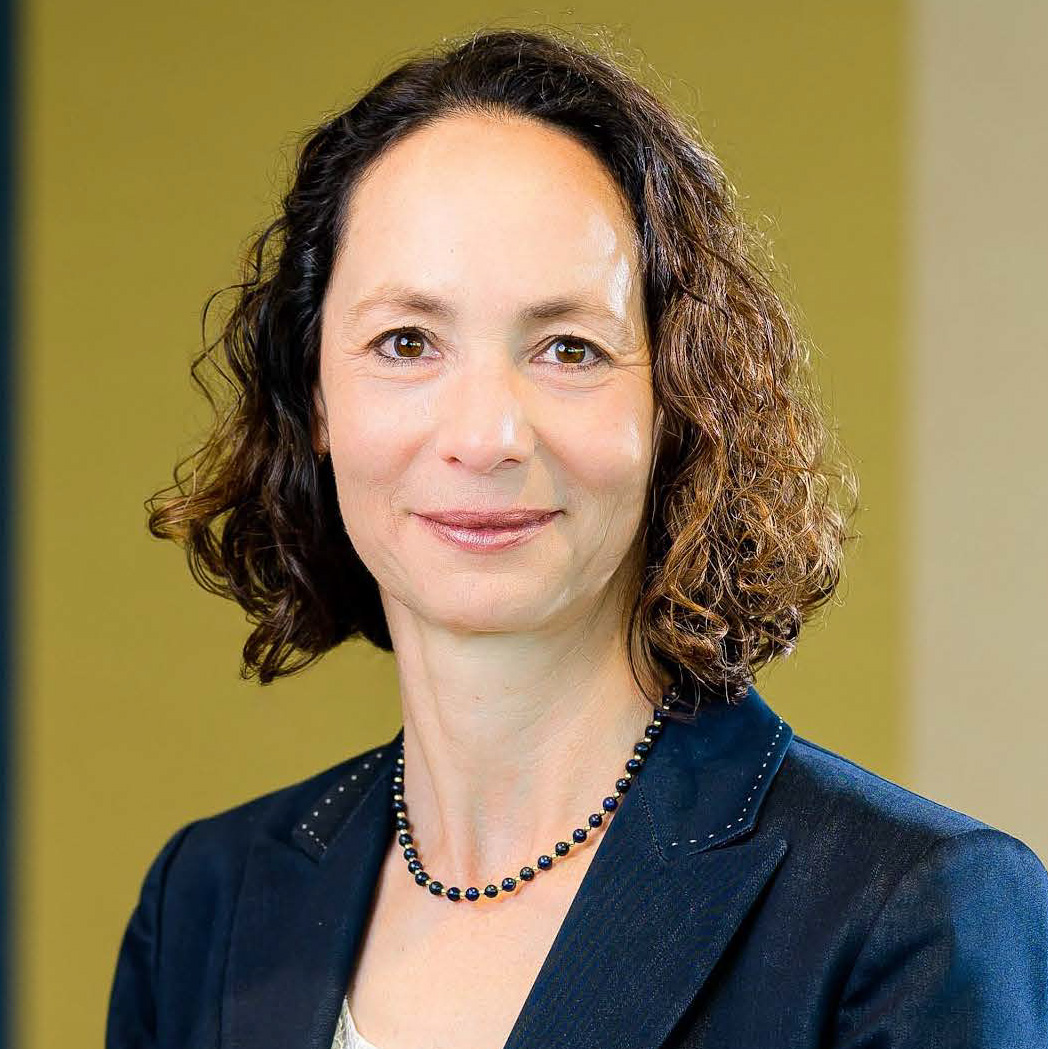
I’m an engineer by training who now leads at RIT Certified, helping connect education and workforce needs to create meaningful career pathways. I’m naturally analytical and curious, and I enjoy discovering unexpected solutions.
1. How do you use Applied Critical Thinking in your professional practice, teaching, or research, and what are your favorite resources?
For me, applied critical thinking is the difference between simply solving a problem and truly understanding it. My engineering background taught me to analyze data and identify patterns. However, experience taught me also to question the quality of the data, the assumptions behind it, and the perspectives that might be missing. I often find my best insights come from conversation, especially with my husband, who asks questions that force me to look beyond the obvious. Those exchanges often spark the kind of “what if?” thinking that leads to creative, practical solutions.
2. Why do you think Applied Critical Thinking is important in your domain or role?
In my role, the future of the organization depends on the choices we make today. That means I cannot just look at what is in front of me; I need to understand the relationships in our internal operations, the needs of our partners, and the economic and political forces shaping our work. Critical thinking allows me to see patterns, anticipate challenges, and uncover opportunities others might miss. It’s not about making quick decisions; it’s about making sound ones that will hold up over time.
3. Can you share a story where quality Applied Critical Thinking was key to your success?
At a bioenergy company, our wood pellet division was losing money, and most believed that was inevitable in a commodity market. I wasn’t convinced. I looked deeper, examining our production methods, environmental standards, and potential customer segments. It turned out we were already producing a premium, eco-certified product that fit perfectly into a growing high-end market. We rebranded for those buyers, sourced lower-grade pellets for price-sensitive customers, and within months, turned a loss-making unit into a profit-generating one.
4. How do you use Applied Critical Thinking in other areas of your life outside of your profession?
In my personal life, critical thinking shows up most in how I process information, especially news and media. In particular, with the rise of AI-generated content, misinformation has become more sophisticated. I take care to verify sources, seek multiple perspectives, and remain aware of my own biases because thoughtful skepticism is our best defense against misleading or manipulative content.
5. Any last critical thoughts you wish to share?
Critical thinking is one of the most human capabilities we have. It’s not about knowing everything; it’s about seeing beneath the surface, identifying hidden solutions, and making meaning where others may not. It’s about knowing how to think in a way that gets you to the right ones. That is why critical thinkers have an edge in every facet of life. Whether in business, community, or personal life, it’s the skill that turns information into wisdom, and in a world of accelerating change, it’s never been more valuable.