News
-
February 15, 2021

Fall 2021 semester classes anticipated to begin Aug. 23
With spring semester in full swing, RIT’s Fall Academic Planning Committee has been working to make recommendations to the university’s executive leadership for the upcoming fall semester.
-
February 12, 2021

RIT’s ‘Master Up NY’ offers tuition scholarship for master’s degrees
RIT has announced a tuition scholarship program for New York state residents and graduates of New York colleges and universities seeking to further advance their career opportunities while the job market recalibrates and the country responds to the coronavirus pandemic.
-
February 1, 2021

RIT Campus Maps features study spaces
RIT Campus Map is a handy resource for finding a place to study. The interactive website includes a feature for identifying the availability of nine different spaces, without having to walk across campus, especially during the winter months.
-
January 19, 2021

Beacon Education announces partnership with RIT
Beacon Education, the world’s largest provider of online graduate degrees to China, is excited to announce its newest partnership with RIT, beginning with Saunders College of Business and the online MS in business analytics program.
-
January 15, 2021
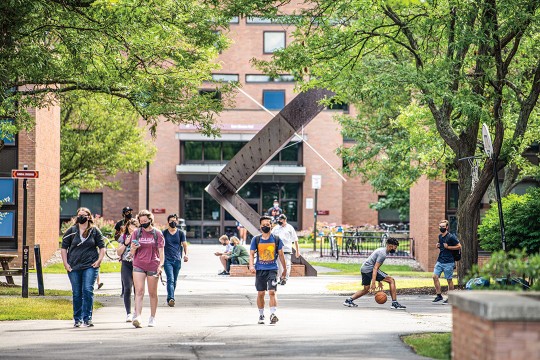
First-year students have high academic qualifications
RIT welcomed 3,129 first-year students last fall. For students seeking a bachelor’s degree, their average SAT score was just under 1300, and the average ACT score was 30. Sixty-three were at the top of their high school graduating class.
-
January 15, 2021

Pandemic changes academics but standards remain the same
First, RIT was forced to close campus operations in March and transition to alternative learning methods. Then, faculty and staff were tasked with developing a creative academic portfolio of online, blended, and in-person classes for the fall. Now, RIT is preparing for the spring, which will be a mix of best practices from the last year aimed at maintaining the high academic standards for which the university is known.
-
January 11, 2021

RIT Sponsored Research garners $82 million
RIT had its best year ever for sponsored research funding. For fiscal year 2020, which ended June 30, RIT received 382 new awards totaling $82 million. The record funding follows almost $58 million in research expenditures in fiscal year 2019, also a record.
-
January 6, 2021
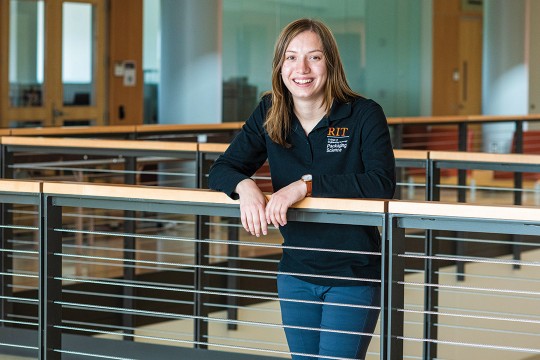
Making co-ops count: Work experiences continue during pandemic
Students on co-op are picking up more than occupational and professional skills. As the pandemic unfolded last spring and summer, they saw firsthand how companies manage even in the midst of a crisis.
-
December 21, 2020

RIT introduces new HyFlex and Dual Track course options for spring semester
This spring, RIT will offer students two new course options, a HyFlex option and Dual Track option. Both offer flexibility for students to manage their class participation from a distance while meeting all course expectations.
-
December 14, 2020

Faculty from four RIT campuses collaborate to teach global business class
The coronavirus pandemic has disrupted education at all levels across the globe, but Professor Zhi Tang said that one silver lining is that it has made people more comfortable with remote teaching and learning tools, opening the doors for new virtual intercultural experiences.
-
December 11, 2020

President Munson: Gratitude for your perseverance and resilience
Our community took the virus seriously and was fully committed to doing whatever was necessary to stay safe. We were RIT ready and we’ll stay RIT ready moving forward.
-
December 10, 2020

Expanded RIT Master Plan gives grads a solid next step
RIT has announced an extension to a tuition scholarship program for RIT graduates seeking to further advance their career opportunities while the job market recalibrates and the country responds to the coronavirus pandemic.