Projects
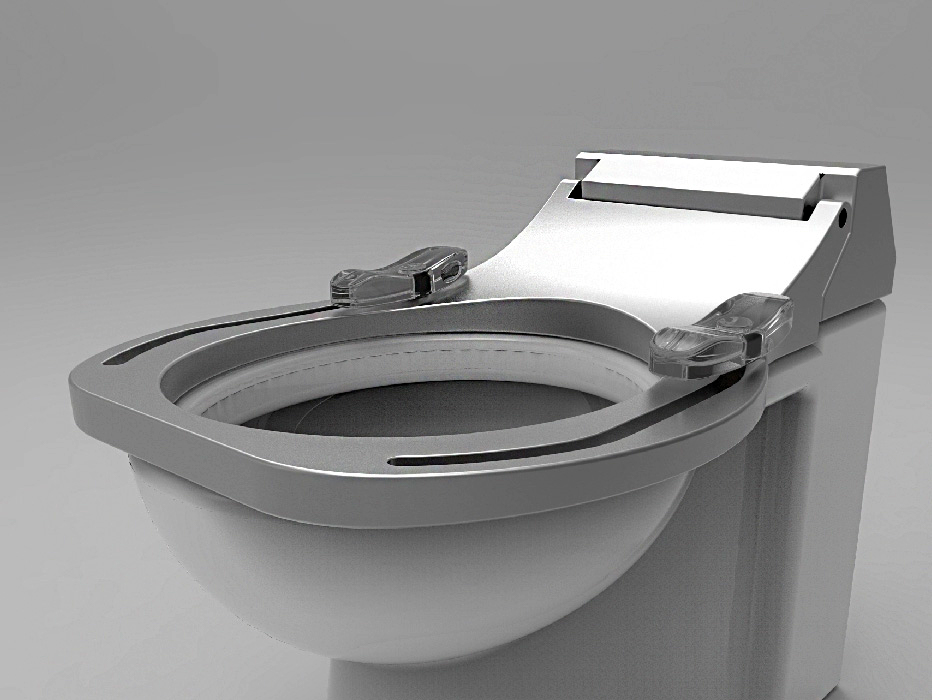
Accessible Public Toilet Improvements are designed to assist wheelchair users with lower body impairments in public restroom facilities, by making the “transfer” and “pants removal” process easier and safer.

Design of an adjustable table attachment that allows individuals to sit at a comfortable table height in group settings.
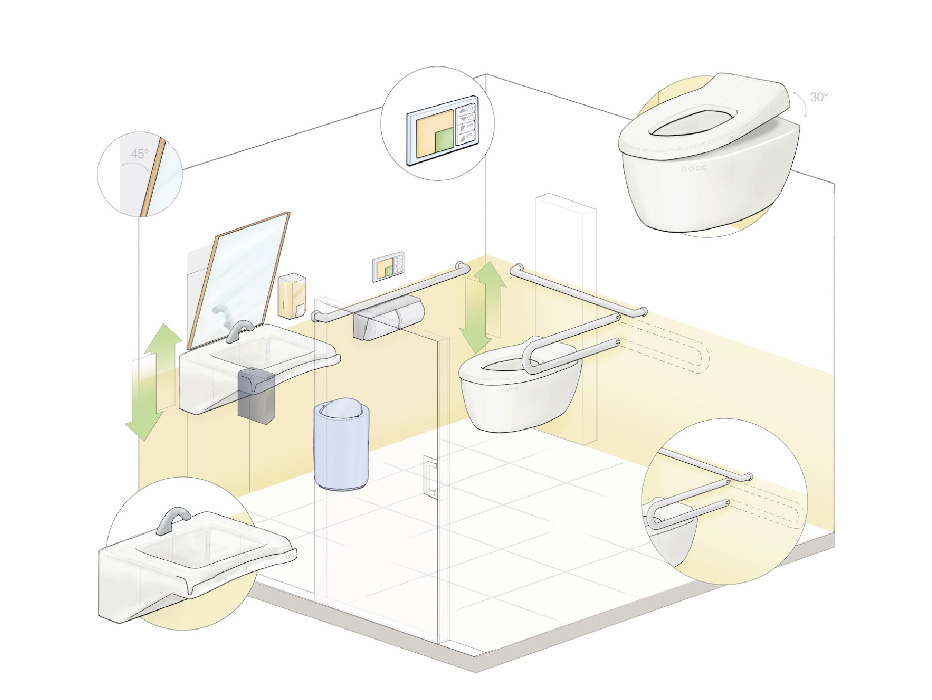
The Universal Lavatory is a holistic redesign of the lavatory at clinical and long term care facilities to provide people with mobility impairments more effective and comfortable interaction.

A system with wearable devices that provides auditory and tactile cues to assist persons with visual impairment who experience disorientation in their home.
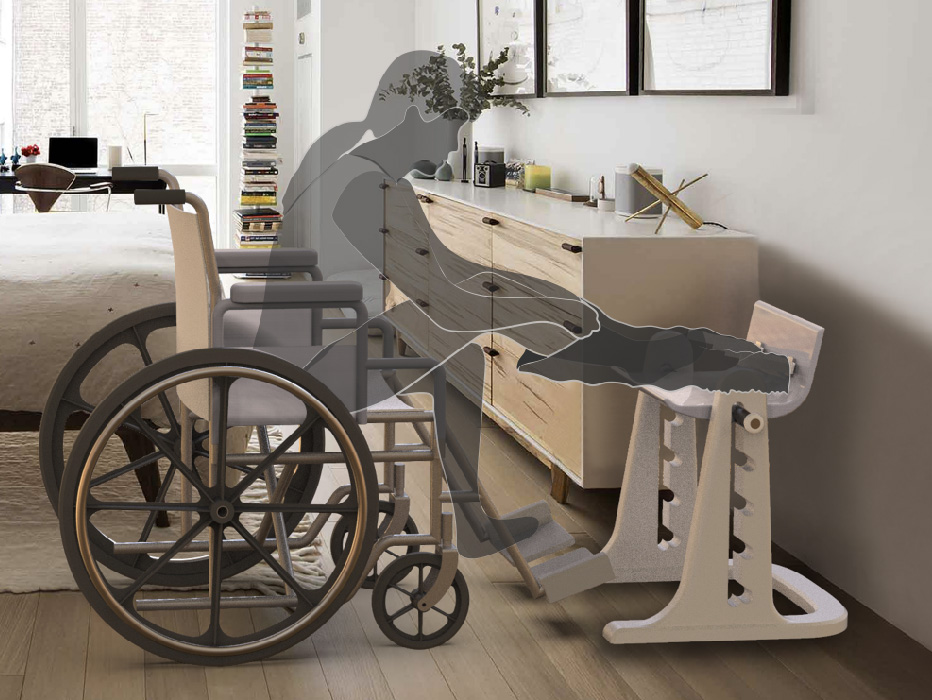
“Handy Pant” is the design concept for a device to enable individuals with Cerebral Palsy and similar motor impairments to put on pants independently and efficiently.
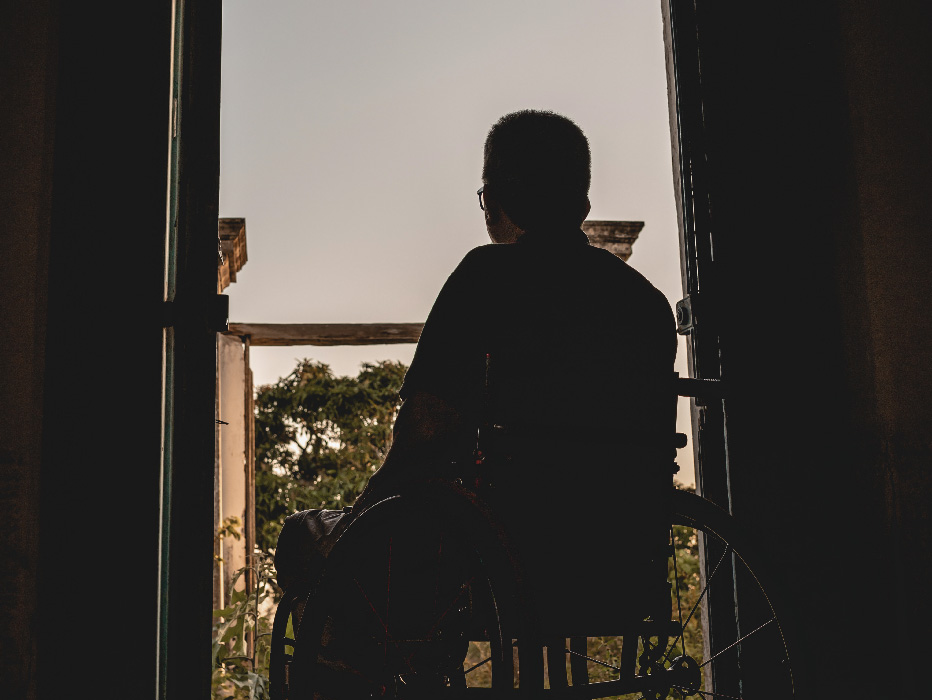
“Entry Assist” is a design concept based on an extensible “arm” for a device that helps people who require assistive devices such as wheelchairs and scooters to safely and conveniently open, pass through and close doors.

EZTP is an automatic toilet paper dispenser to help people with mobility limitations use toilets in a more independent fashion.
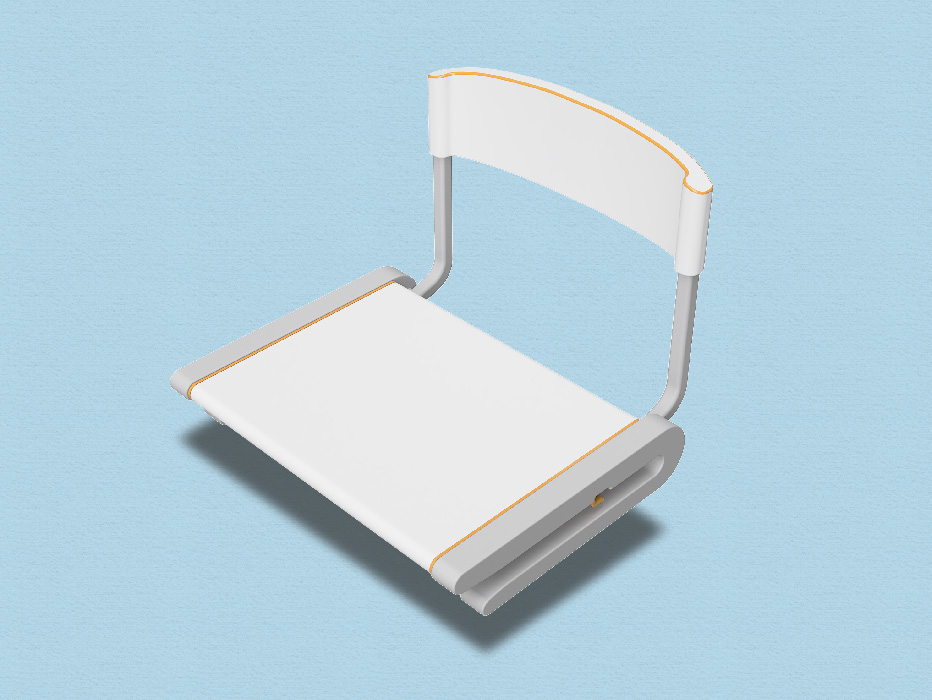
PantsOn Dressing Aid is an assistive device to help people with lower body impairments get dressed independently at home.
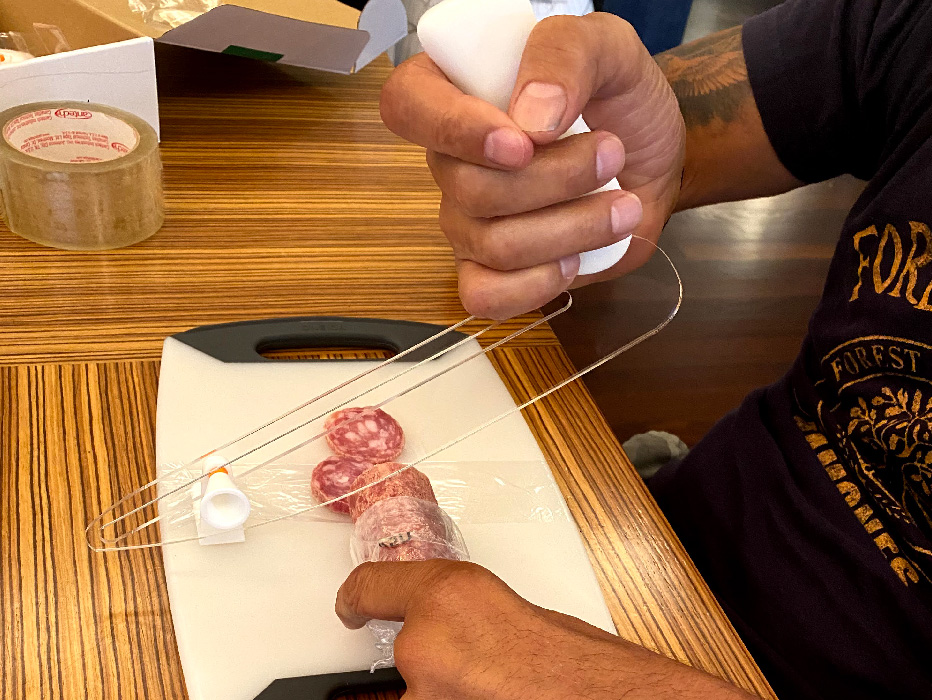
“Steady Slicer” is the design of a device designed to enable individuals with limited fine motor function, grip strength, or finger dexterity to slice and chop food in an independent and stable fashion.
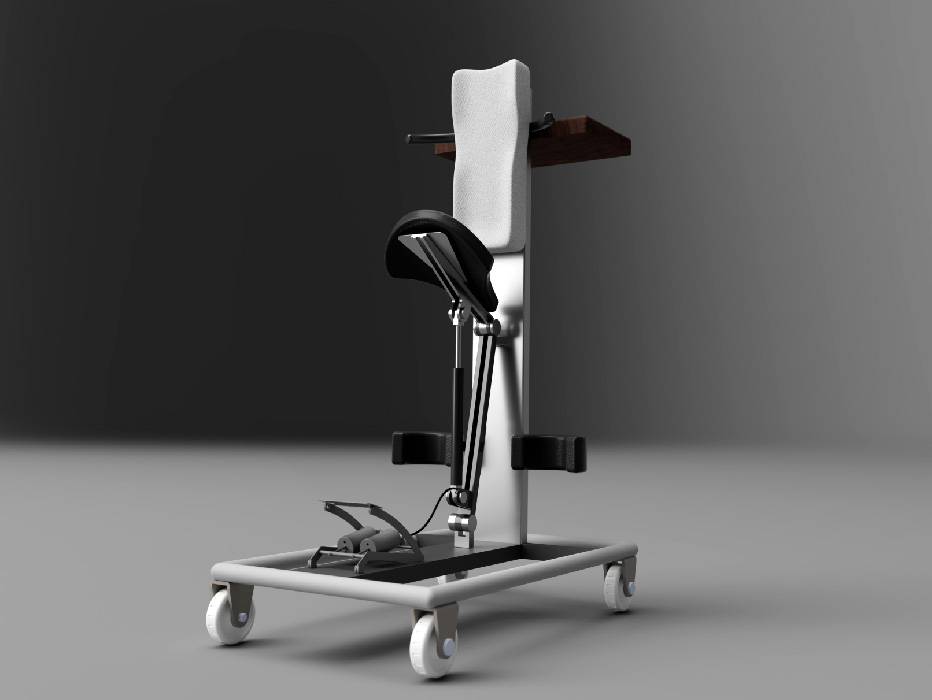
“KITMO” is the design concept for a standing device that supports children with Cerebral Palsy and other posture and mobility challenges who want to participate in kitchen based activities.

The Lifting Ergonomic Vest helps wheelchair users transfer in and out of a wheelchair safely and comfortably.
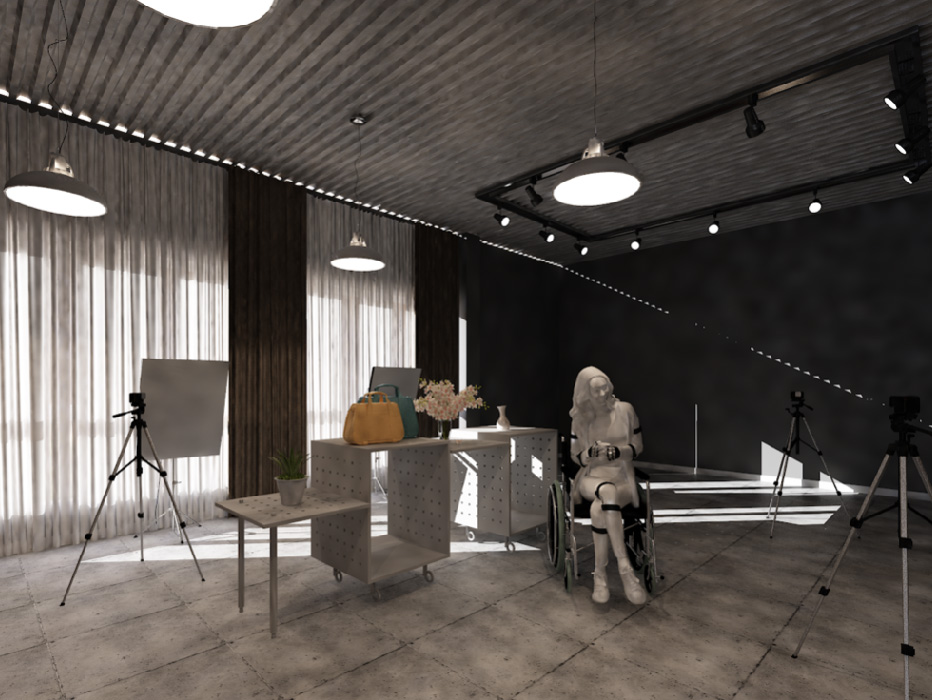
This is the design concept for an activity capture system for the assessment of the effectiveness and usability of the MO:KI modular kitchen system for individuals with a variety of physical and cognitive challenges.
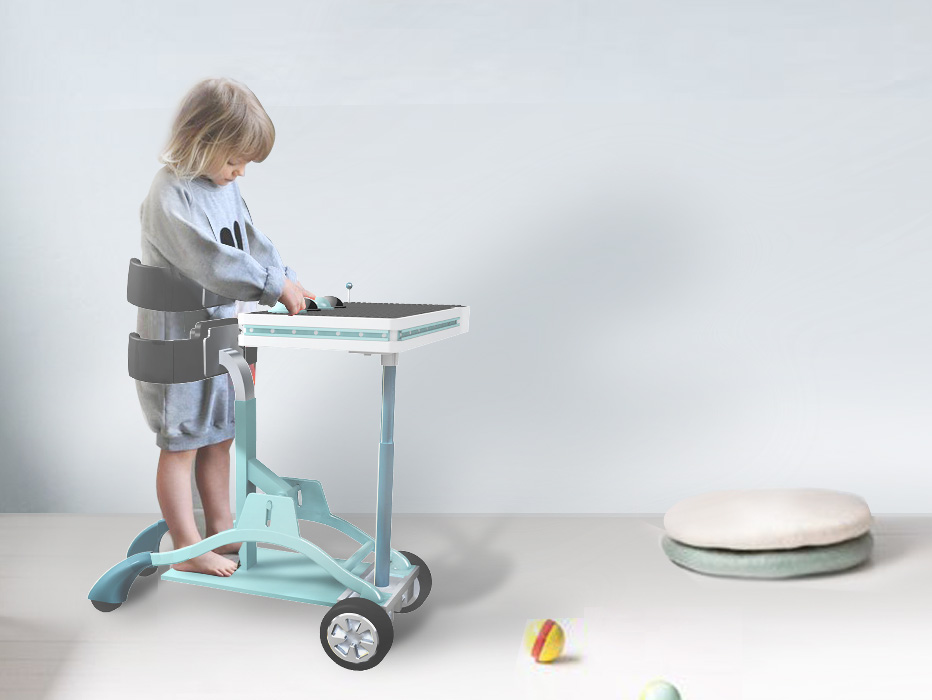
This kit allows parents and therapists to modify and motorize existing standers to enable children with cerebral palsy (CP) and other postural challenges to explore their environment autonomously.
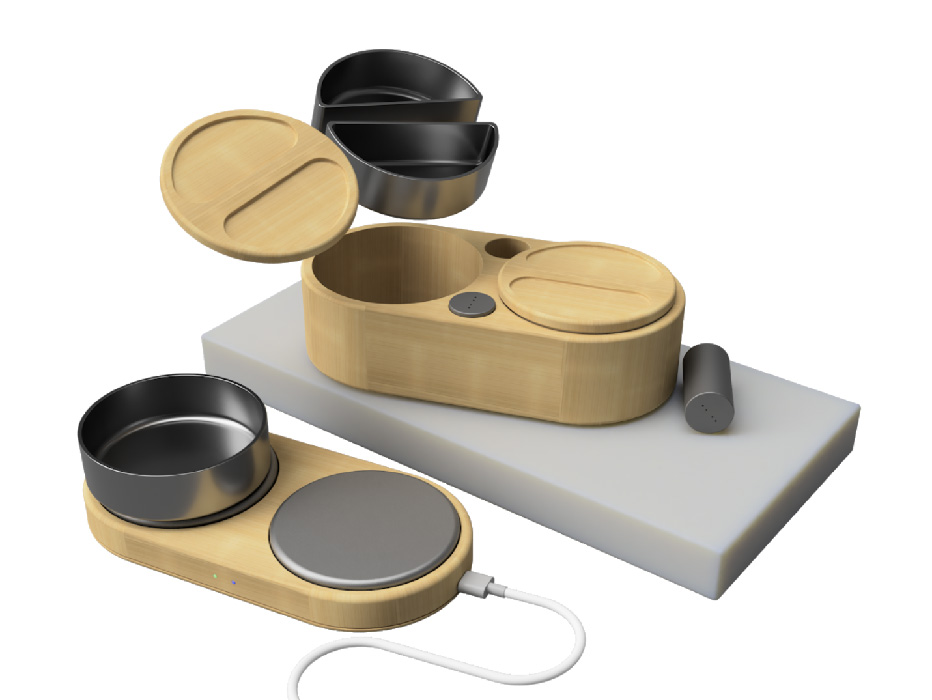
“Enë” is the design concept for a technology-enabled food transportation, storage and preparation system for individuals with dietary restrictions that require careful temperature control of food items.
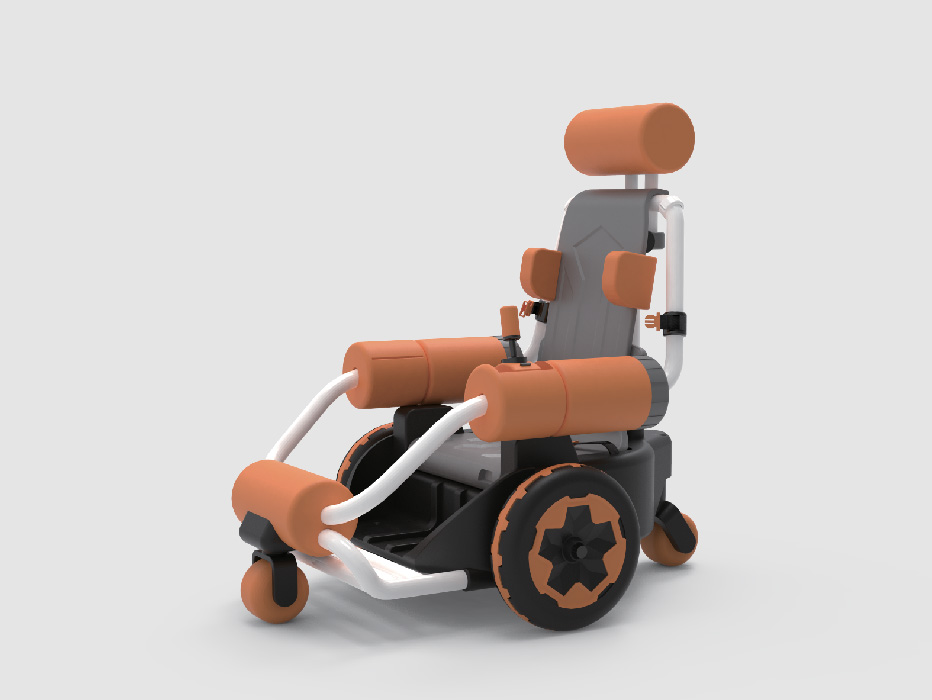
“GoBabyGo” are design modifications to the Fisher-Price “Wild Thing” to provide a safer, manageable and more comfortable experience for children with motor control and/or cognitive challenges.

Removable Obstacle Avoidance Module is a simple attachment with haptic feedback for guide canes used by individuals with visual impairments that detects potential obstacles and hazards from the waist up.
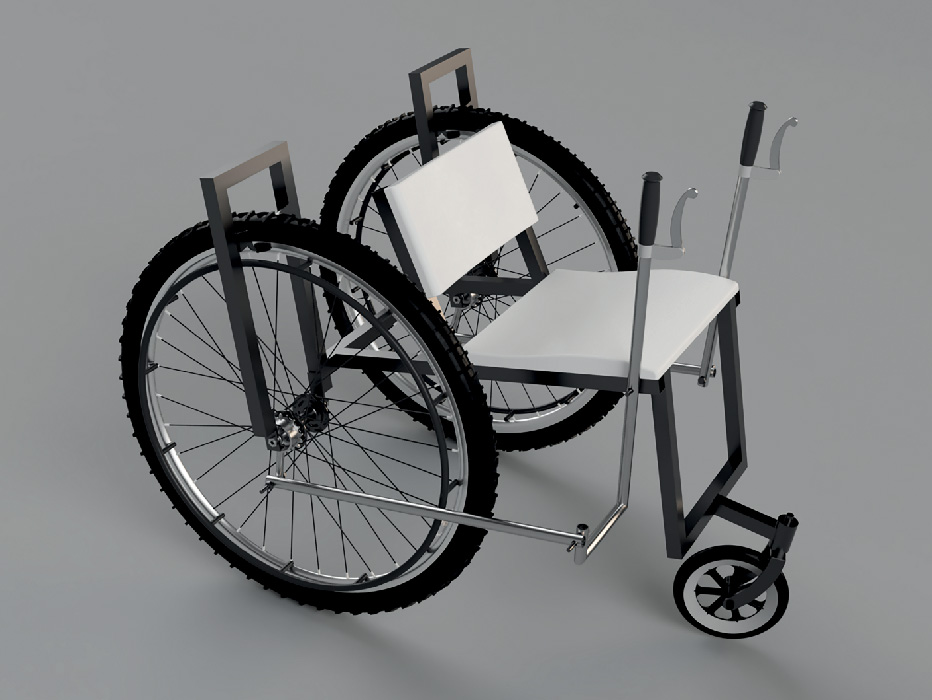
The Rwanda Wheelchair is a robust, low-cost, and repairable wheelchair for children with limited mobility in Rwanda to enable their daily commute to and from school over rough terrain.
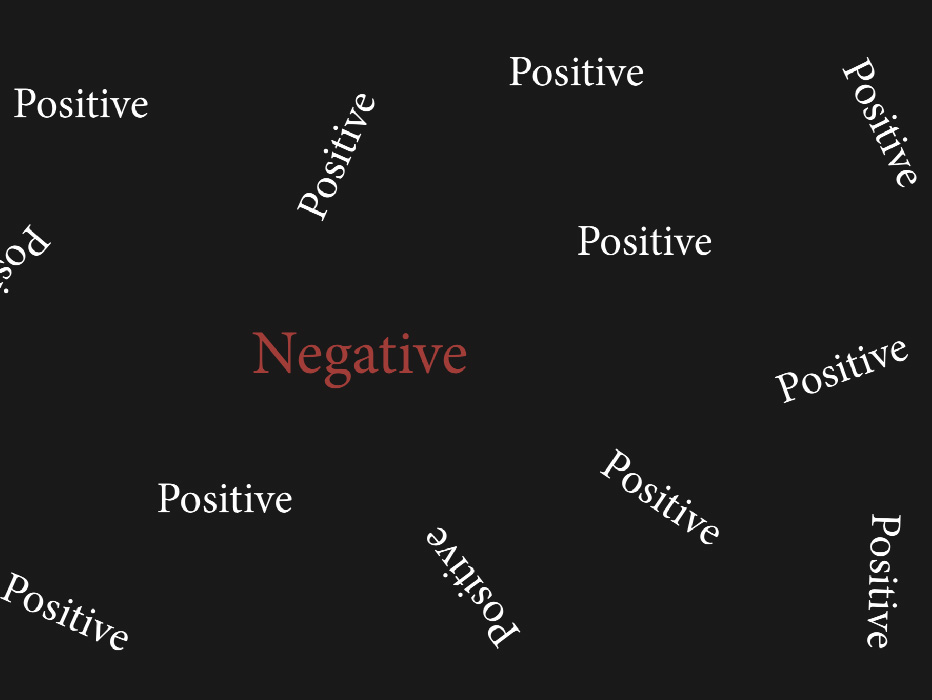
Development of a poster campaign to provide information about appropriate terms to use in written and verbal communication related to disabilities, impairments, and other physical and mental challenges.
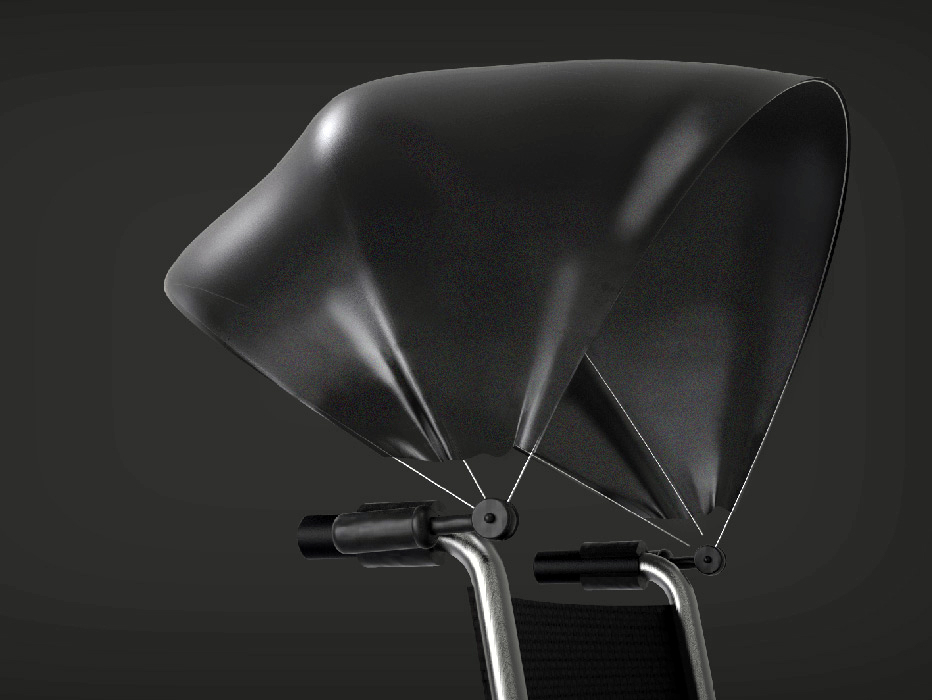
“Weather Flex” is the design of a removable wheelchair add-on that protects individuals from various forms of precipitation.

Wheelness is a configurable wheelchair monitoring system to provide actionable activity information for individuals who utilize a wheelchair as well as caregivers.