2025-2026 Tiger Imprint Showcase

About Us
The Division of Access, Engagement, and Success advances RIT’s mission by expanding pathways to opportunity, strengthening belonging and engagement, and supporting measurable outcomes in student, faculty, and staff success. Through collaborative programs, strategic partnerships, and student-centered support, AES helps remove barriers, build community, and create conditions that enable members of the RIT community to thrive.
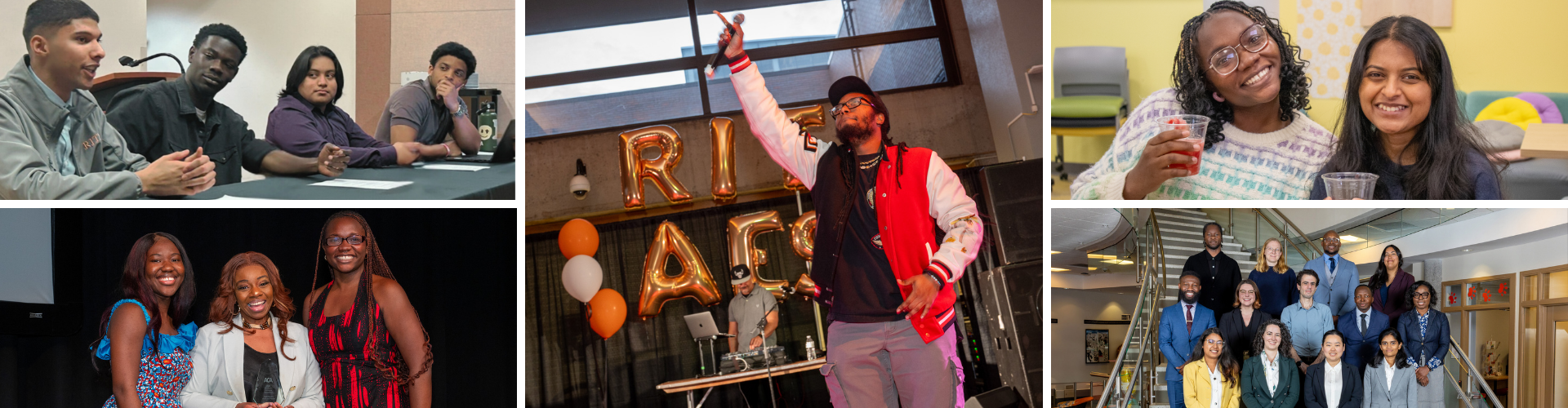
AES strengthens the RIT experience by equipping students, staff, and faculty with the resources, relationships, and opportunities needed to persist, graduate, lead, and contribute meaningfully to their fields and communities.
 Access focuses on creating pathways to higher education for students, faculty and staff, thus addressing barriers that create access and success gaps.
Engagement focuses on fostering a supportive campus environment through meaningful initiatives and programming that empower and enrich the RIT community.
Success is reflected through outcomes in student persistence, on-time graduation, closing graduation gaps, successful careers, and fulfilling lives; faculty hiring, tenure, and promotion; and staff hiring, retention, and promotion.
The student-facing programs and services of the Division of Access, Engagement, and Success at Rochester Institute of Technology (RIT) are dedicated to empowering students through comprehensive academic, professional, and personal support. These programs and services—Center for Engagement and Student Success (CES), Higher Education Opportunity Program (HEOP), Ronald E. McNair Scholars Program, Collegiate Science and Technology Entry Program (CSTEP)), Future Stewards Program (FSP) and Upward Bound—serve as the cornerstone of RIT’s commitment to student access, engagement, and success. Each program is tailored to address the unique needs of its student population, ensuring access to transformative opportunities that promote academic success, career readiness, and leadership development. The Destler/Johnson Rochester City Scholars along with Men of Character, Honor and Ambition (MOCHA) and Women of Character, Honor and Ambition (WOCHA) are other programs housed in the Center for Engagement and Student Success (CES).
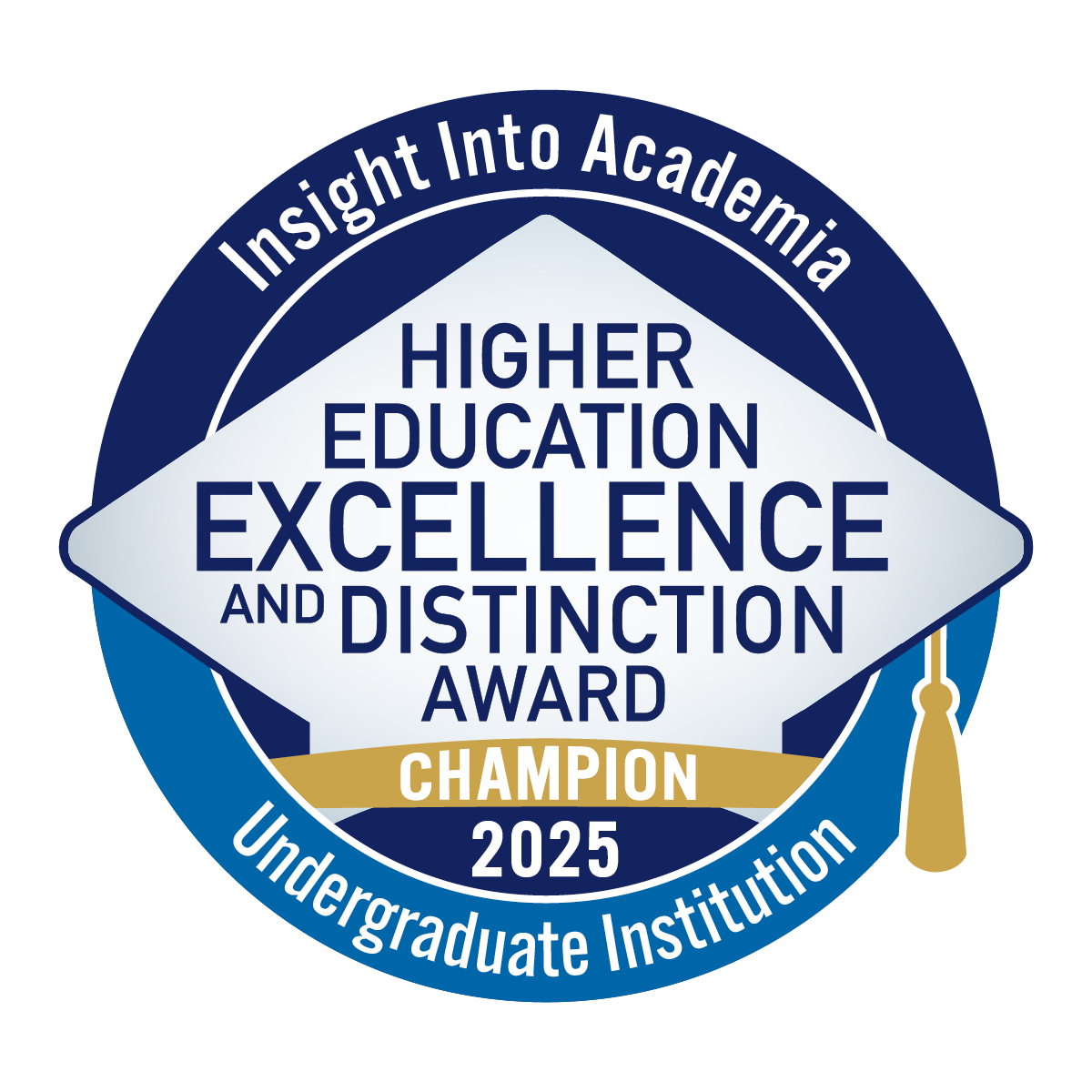 We continue to receive national recognition of our commitment to access, engagement and success for all. This year, RIT received the Higher Education Excellence and Distinction (HEED) Champion Award from Insight Into Academia magazine. This is the 12th consecutive year for the HEED Award and the 11th consecutive year of being named a champion.
We are pleased to share the following for 2025-2026 AY which demonstrates our achievements in these areas:
Access
Brick by Brick Theater
Brick by Brick Theater expanded experiential learning access by engaging more than 30 students, alumni, faculty, and staff in a professional four-day film production alongside industry professionals from around the world. Participants gained hands-on experience with state-of-the-art film technology, professional production practices, and RIT’s new School of Performing Arts Center, strengthening career readiness and creative industry exposure.
Center for Engagement and Student Success (CES)
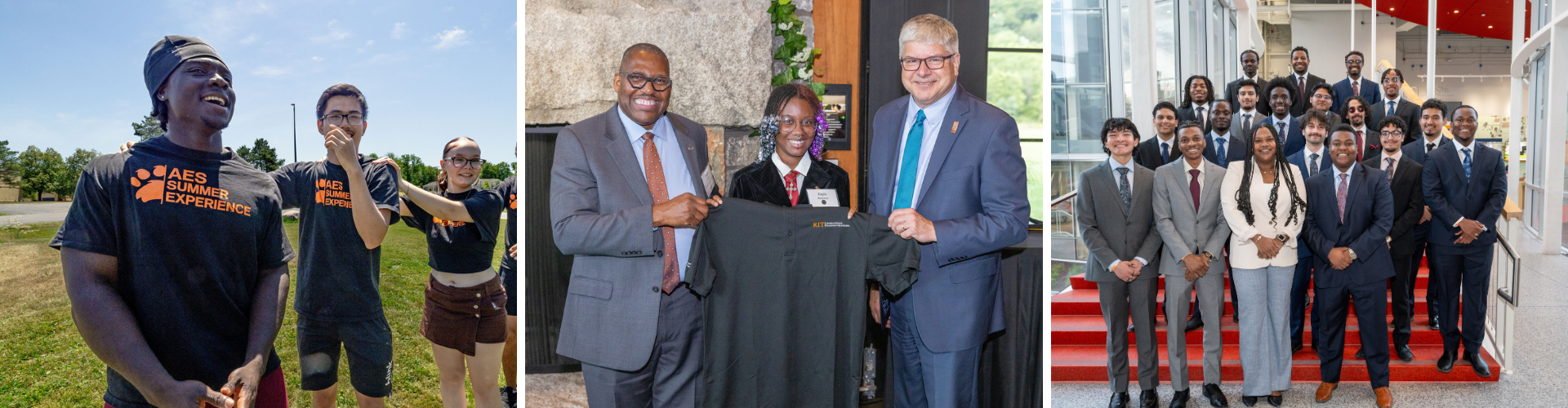
Rochester City Scholars strengthened college access pipelines by engaging Urban-Suburban students, RCSD partners, and community-based initiatives such as “The Hive.” These efforts increased awareness of RIT pathways among historically underrepresented students and deepened long-term partnerships that support future enrollment and student success.
The AES Summer Experience broadened access to college transition support by expanding recruitment to Say Yes to Education students and exploring stronger integration of Deaf and Hard of Hearing students through NTID partnerships. These efforts created additional entry points for under-resourced and underrepresented students to build connection, confidence, and readiness before matriculation.
The First-Gen Mentor Program led recruitment and screening for CES First-Gen Mentors, ensuring selection of candidates capable of supporting first-year students. This initiative expands access to peer-led guidance and supports early transition into the university environment.
Our MOCHA/WOCHA Pipeline Development strengthened connections with Rochester City School District leadership to develop future pipeline programming linking high school students to RIT. Engagement with K-12 students through panels and outreach increased visibility of RIT pathways and leadership development opportunities.
Learn more about the AES Summer Experience, Destler/Johnson Rochester City Scholars and meet members of the 2025/2026 MOCHA/WOCHA cohorts here:
Collegiate Science, Technology, Entry Program (CSTEP)
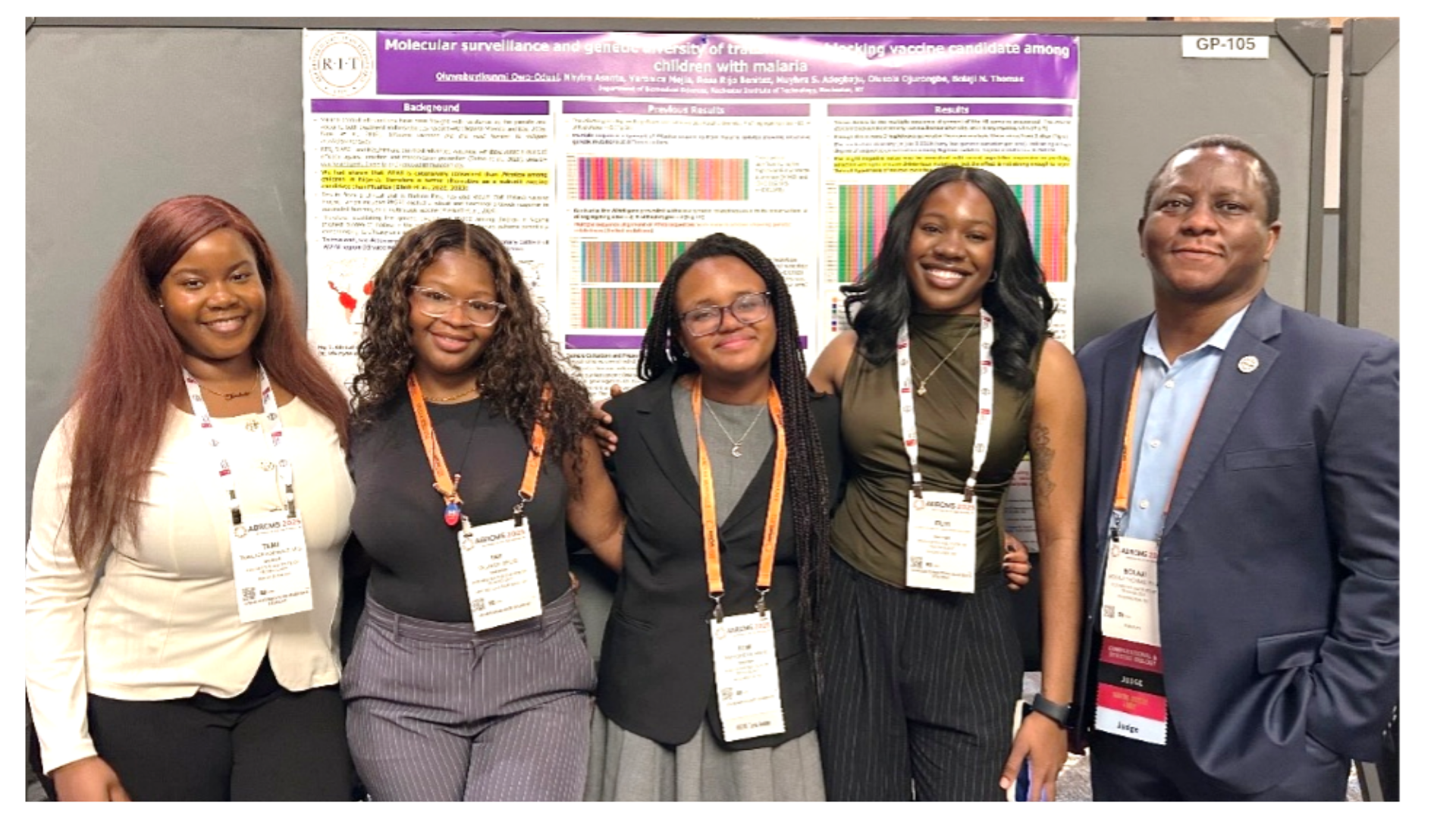 CSTEP advanced academic and professional pathways for 44 students conducting faculty-mentored research, resulting in two approved peer-reviewed publications with one pending. These experiences strengthened students’ graduate school, fellowship, and professional program applications by providing research credentials, publication experience, and direct preparation for competitive academic and career pathways.
To ensure students are well-prepared for their next steps, CSTEP provided over $10,000 in direct funding for textbooks, research materials, and prep for high-stakes exams like the LSAT, GRE, MCAT, PANCE, and DAT. Having accessibility to costly textbooks helps students succeed in their course work, and having appropriate prep materials for graduate school entrance exams and professional licensing exams supports students with what they need to achieve high scores. This assistance is crucial for the low-income students served by the CSTEP program.
Future Stewards Program (FSP)
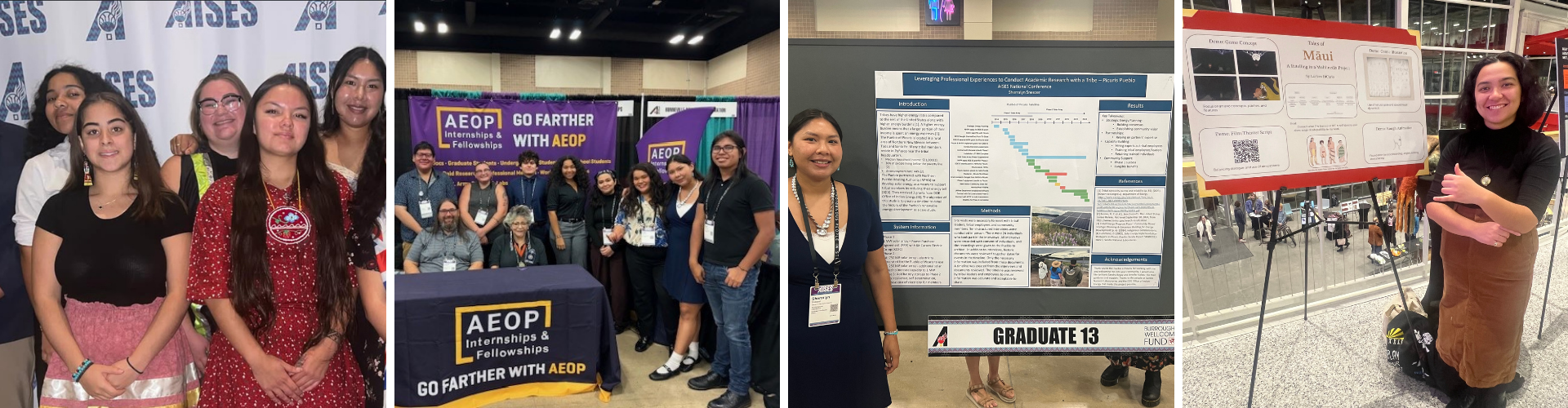
The Future Stewards Program strengthened access, belonging, and cultural connection for approximately 92 Indigenous students through advising, mentorship, cultural programming, and community partnerships. Through recruitment outreach, campus collaborations, and Indigenous-centered programming, FSP increased Indigenous visibility at RIT while supporting student persistence, leadership, and connection to community.
Centered on the theme of Indigenous Health and Wellness, FSP partnered with campus departments, student organizations, and community organizations to host Indigenous-centered educational and cultural programming throughout the academic year. Major initiatives included co-hosting “Women Who Inspire” featuring Dr. Robin Wall Kimmerer, Native American Heritage Month programming, Canandaigua Treaty Day, Indigenous storytelling and wellness events, cultural teachings at Ganondagan, Indigenous foodways programming with Chef Lorinda John, and collaborations with RIT Student Government to bring actress Alaqua Cox to campus. FSP also organized community-building initiatives including the Future Stewards Study Circle and Indigenous Winter Games.
FSP continued supporting Indigenous student leadership and engagement through organizations including the Native American Student Association, AISES, and the Hawaiian Culture Club. The program also co-hosted the third annual Hodínöhsö:ni:h Language Conference at the Tuscarora Nation House, strengthening Indigenous language revitalization partnerships and community relationships. During the 2025–2026 academic year, FSP celebrated five graduating students during the annual Blanket Ceremony and Graduation Celebration, recognizing their academic accomplishments and contributions to the RIT community.
Higher Education Opportunity Program
HEOP strengthened access to RIT by redesigning recruitment, communication, and admissions processes to better support eligible students and families. Personalized outreach to prospective students and high school counselors, closer coordination with Admissions and Financial Aid, and faster interview and review processes improved communication, reduced barriers, and supported timely decision-making. These changes positioned HEOP to enroll a full cohort of eligible students—students who would otherwise be inadmissible or unable to afford a private higher education experience without HEOP support.
Marketing and Communications
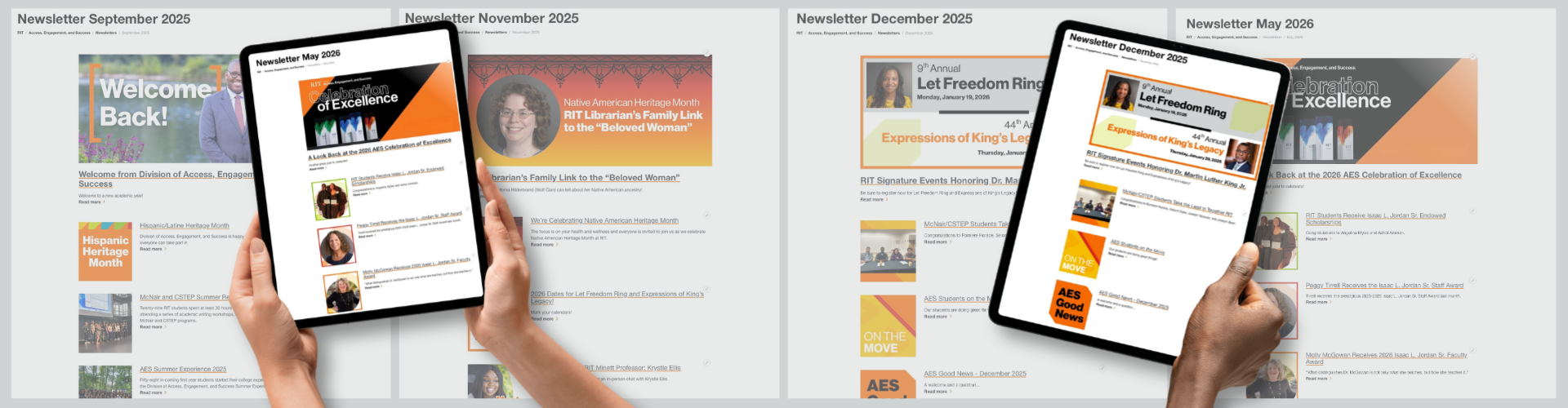
The AES Marketing and Communications Team (MARCOM) increased visibility of AES people, places, and programs through a monthly newsletter distributed to approximately 16,600 subscribers campus-wide. During the academic year, the team researched and wrote 43 original articles highlighting students, staff, faculty, MOSAIC, and programs such as Rochester City Scholars, CSTEP/McNair, and Future Faculty Career Exploration. With an average open rate of 61.7% and an EMMA mailing score of 9.7 out of 10, the newsletter served as a high-performing communication tool that connected the RIT community to programs and resources that support access and success. For access to all of the AES newsletters please go to this link.
16,600
Subscribers campus-wide
43
Original Articles
61.7%
Open Rate
9.7
EMMA Mailing Score
McNair Scholars Program
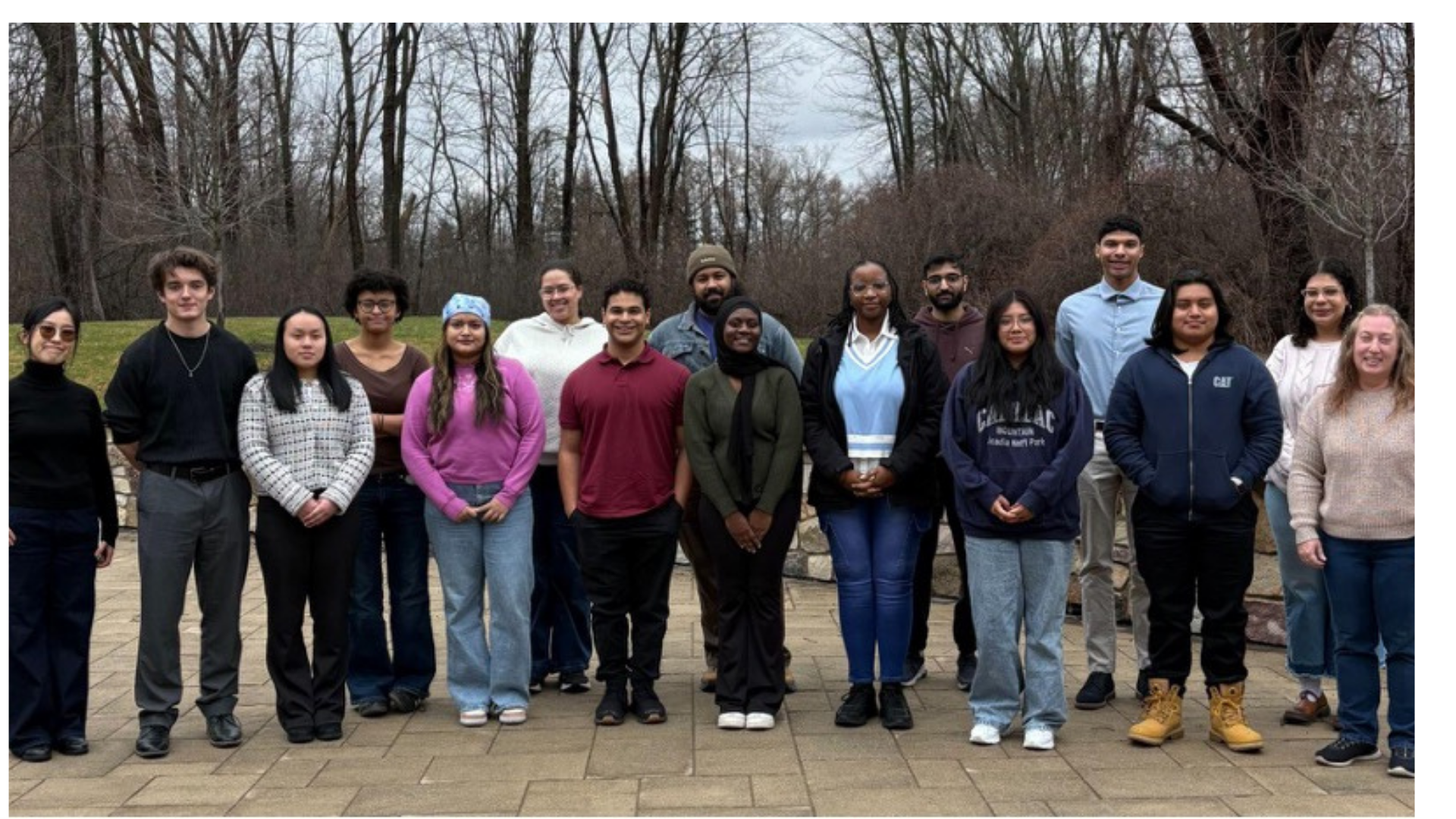 The McNair Scholars Program strengthened graduate school readiness for 28 undergraduate students by providing research funding, academic support, conference travel, and textbook assistance. By funding summer and academic-year research opportunities, supporting conference presentations, and reducing financial barriers to course materials, McNair helped students build stronger graduate school and fellowship applications.
Experience presenting research at conferences and symposia is something graduate schools look for on applications from undergraduate students. The McNair Scholars program funded students to travel to and present their research at PAX West 2025, the 2025 New York State Geographical Information Systems Conference, the Eastern Psychological Association 2026 Annual Convention, and the American Society for Biochemistry and Molecular Biology 2026 Annual Meeting.
Upward Bound
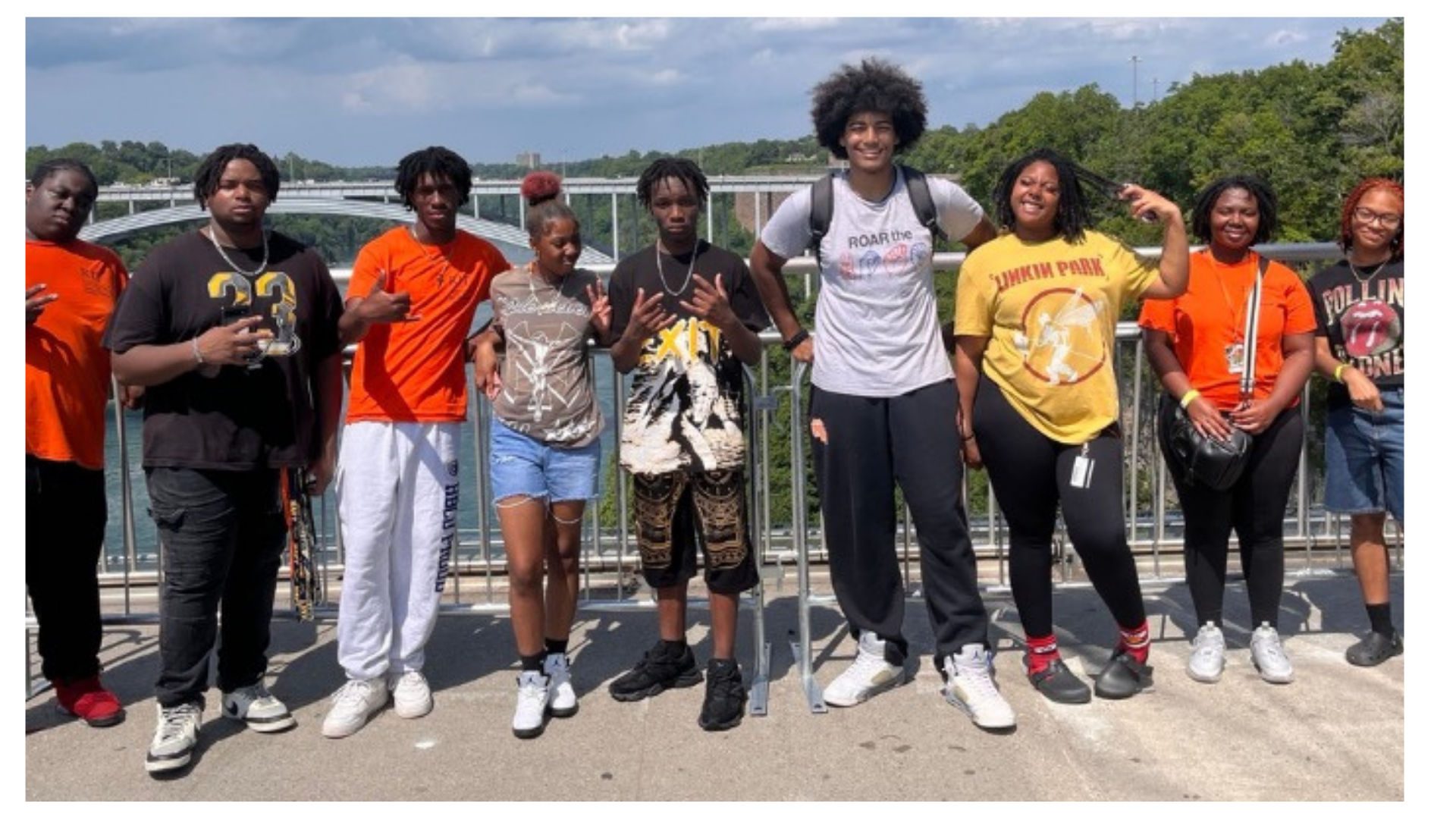 Upward Bound expanded college readiness support for 60 students through academic coaching, tutoring, cultural enrichment, college visits, and a summer residential experience on RIT’s campus. Students engaged in workshops on financial literacy, mental health, SAT/ACT preparation, and academic success while gaining exposure to college life through campus tours, museum visits, and HBCU exploration. Increased academic support contributed to stronger student performance, including an overall average GPA of 3.0, and the program celebrated its largest graduating class of 20 students in June 2026.
Click here to learn more on what students experienced this academic year in Upward Bound!
Engagement
Brick by Brick Theater
Brick by Brick Theater strengthened community-building for approximately 3,200 incoming first-year students across 124 RIT365 sections. Survey results from 482 respondents showed that 90% gained greater understanding that others may interpret experiences differently, and 93% found the experience effective in encouraging community building.
Brick by Brick designed and executed a high-impact transition program serving 58 students (AY25) with 100% completion and no incident reports. We Introduced structured orientation, cross-program collaboration (NTID Field Day), and high-touch engagement strategies that increased student belonging and sustained engagement into the academic year. Planning for 2026 includes expanded orientation, service-learning with CLCE, and the Insider Series to deepen engagement.
3,200
First Year Students
90%
Gained greater understanding
93%
Found the experience effective in encouraging community building
Center for Engagement and Student Success (CES)
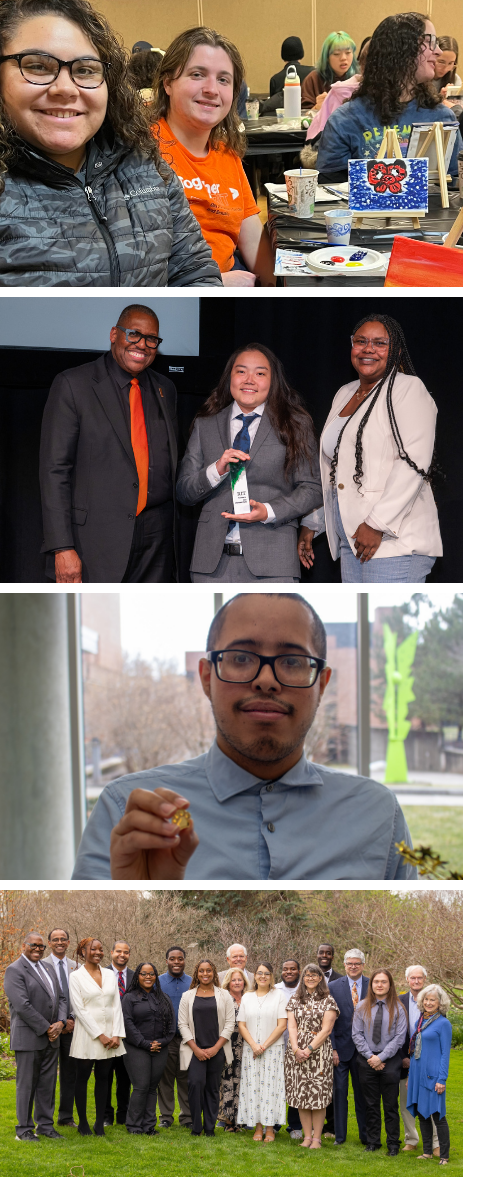 CES increased student engagement and visibility through large-scale initiatives such as Tiger Fest, Fall Fest, Freeze Fest, and Reading Day programming, reaching more than 300 participants and contributing to a 31% increase in CES space usage. With 1,141 tap-ins, CES strengthened its role as a community hub where students connect with programs, peers, and support resources.
MOCHA and WOCHA designed and implemented year-long leadership development programs including mentorship pairing, leadership panels, and end-of-year presentations. Programs increased student engagement through structured reflection, leadership identity development, and direct interaction with campus and community leaders.
The reimagined Dean’s List Celebration elevated student recognition by creating a large-scale event in the University Gallery that connected students directly with AES and senior leadership. The event strengthened student visibility, institutional connection, and motivation by celebrating academic achievement in a highly visible and meaningful setting.
Rochester City Scholars developed and piloted a peer mentoring structure to support first-year students. Despite early implementation challenges, the program established a foundation for scalable peer engagement and targeted support using Starfish indicators.
Our cross-functional partnerships included collaborations with CLCE, NTID, Admissions, Financial Aid, and community organizations resulting in leadership panels, service activities, and joint programming that expanded engagement opportunities beyond CES and strengthened campus integration.
Community and Education
5,279
Engagement points
96
Events and Programs
703
MOSAIC Center Visits
23
Cross-Cultural Skills Certificates Earned
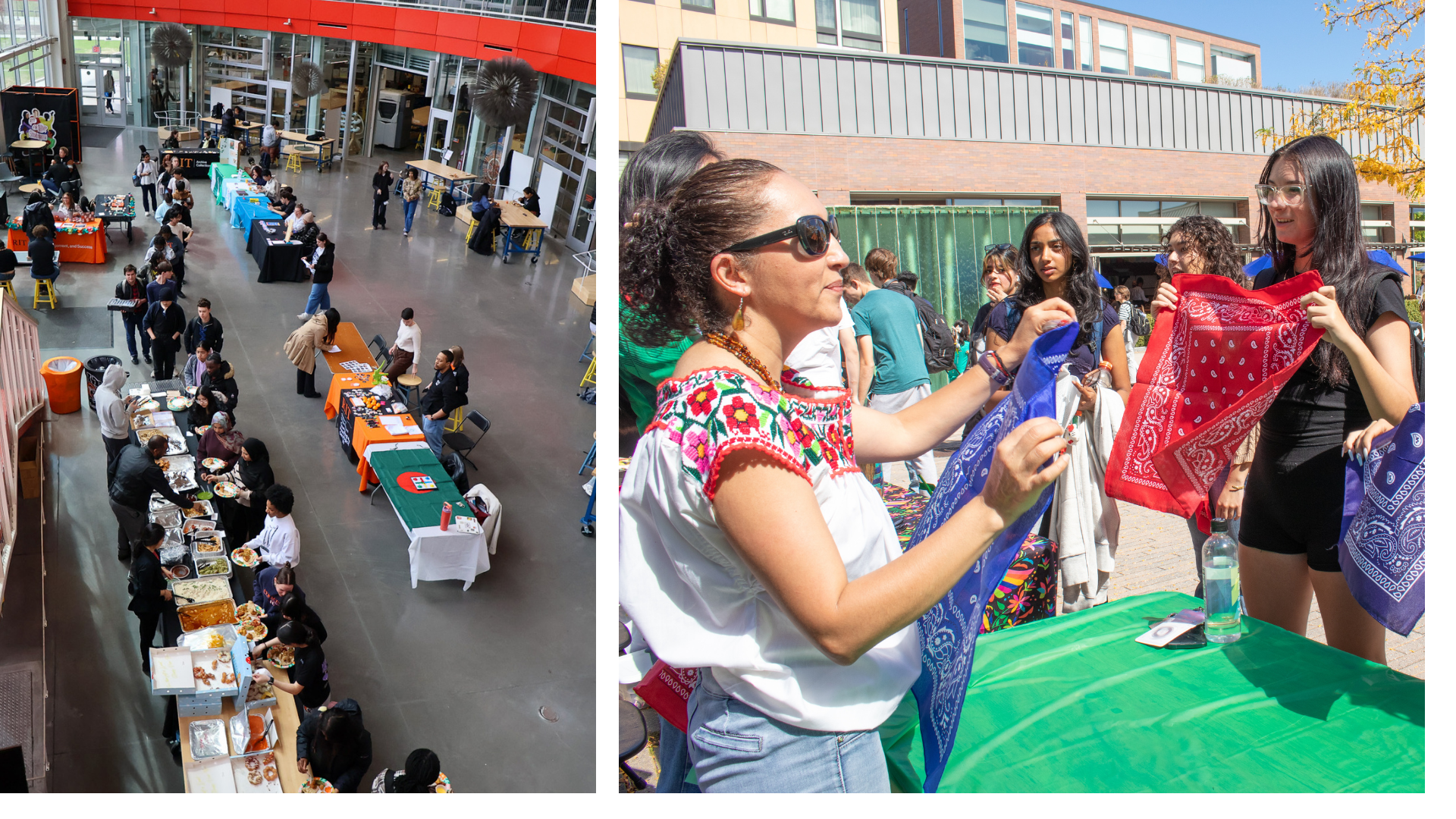 The Community and Education team generated 5,279 engagement points through programs serving students, employees, and the Greater Rochester community. While total engagement points decreased from the previous year, the team significantly expanded program delivery by offering 96 events, programs, and student trainings—compared with 50 the prior year—and provided 53 employee professional development opportunities that strengthened learning, connection, and community engagement across RIT.
Through oversight of the MOSAIC space in the SAU, Community and Education strengthened student belonging and campus connection by providing a welcoming space for studying, student organization meetings, leadership development, and resource navigation. With 703 visits to the main office suite, students connected directly with staff who helped them access campus resources and engage in identity and leadership development.
Two collaborations we are proud of and that demonstrates our ability to work with others across campus are the Cross-Cultural Skills Professional Development Series and the of what might yet (have) be(en) exhibition.
The Cross-Cultural Skills Professional Development Series expanded intercultural learning for undergraduate students in biology and biomedical science through a partnership with pre-health academic units and the College of Science. A total of 66 students enrolled in the initiative, and 23 earned certificates. Survey responses indicated that nine of 11 respondents gained a stronger understanding of the skills needed to engage across differences, demonstrating the series’ value in preparing students for academic, professional, and community-based environments.
Through collaboration with seven academic and co-curricular departments, Community and Education helped bring alum Lois Bielefeld to campus for an exhibition that created opportunities for student engagement, dialogue, and visibility. The exhibit reached 1,136 visitors and drew 86 attendees to the reception, demonstrating the value of cross-campus partnerships in creating meaningful educational and community-building experiences.
Feedback from students and staff further demonstrates Community and Education’s impact in strengthening belonging, learning, and connection. Student feedback highlighted MOSAIC’s growth as a more active and visible resource, while program participants noted the value of honest dialogue, intimate learning environments, and practical tools they could apply in academic and workplace settings. One staff participant shared, “Thanks so much for sharing this. I really enjoyed your session and learned a lot. I’ll be leading a small group activity with my team on Monday based on this information.”
For more information on our collaborative work campus wide, click here.
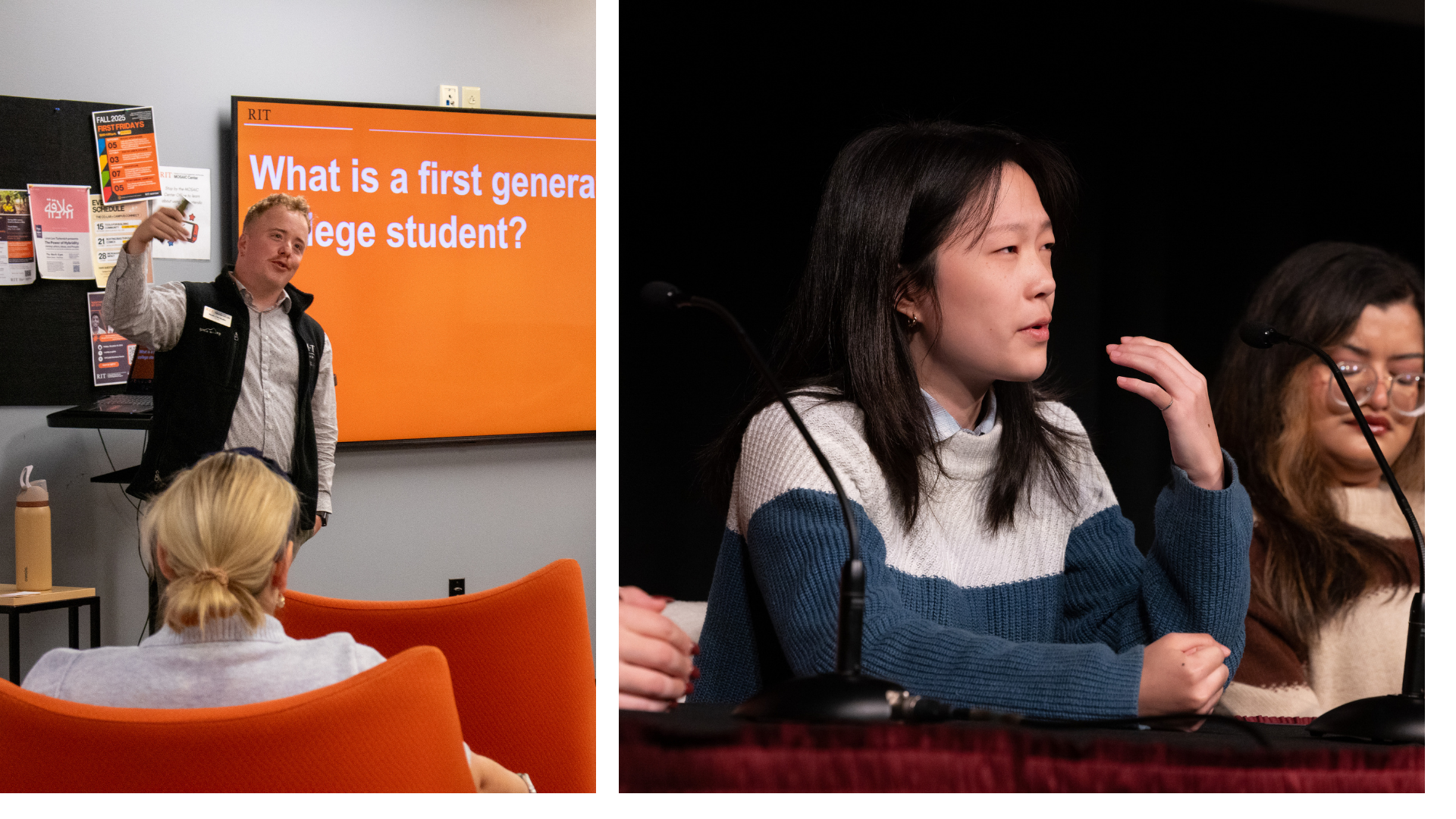 Together RIT: A Day of Dialogue was held in October. The focus was on caste, rank and socioeconomic disparities. The day-long event is open only to the RIT community with the purpose of providing opportunities for students, staff, faculty and RIT leadership to engage with one another and have open and honest discussions through workshops and sessions.
Frederick H. Minett Professorship
 The Frederick H. Minett Professorship is now in its 35th year at RIT. The program brings distinguished Rochester area professionals to the RIT campus to share their expertise and knowledge by engaging with students, staff and faculty for one academic year. Krystle Ellis, Executive Director of the Women’s Foundation of Genesee Valley and owner of Ellis K Consulting served during the 2025/2026 academic year. Read more about this RIT alum here.
Future Stewards Program
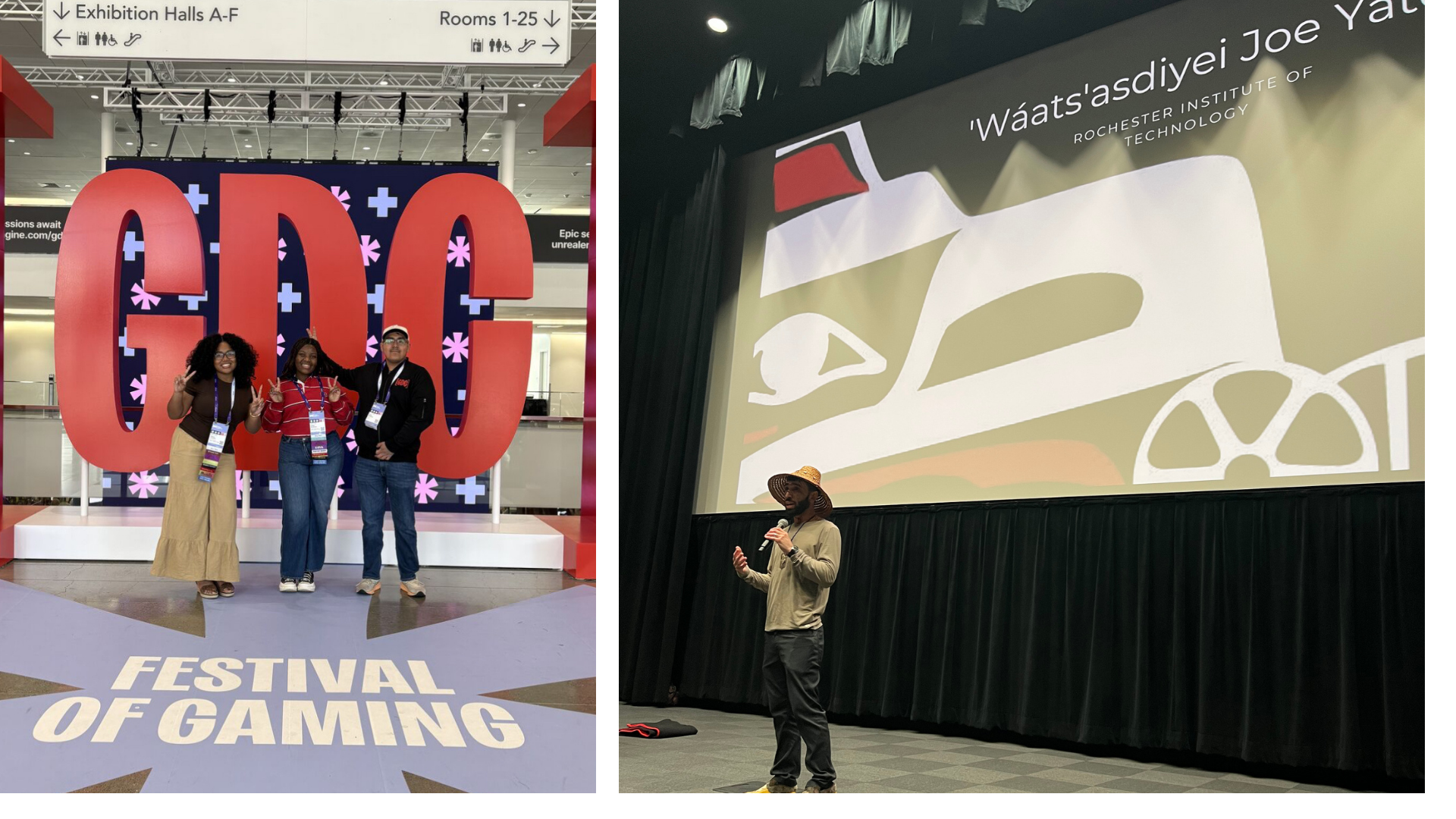 Through Indigenous-centered educational and cultural programming, the Future Stewards Program strengthened student engagement, cultural connection, and community visibility across RIT. Centered on the theme of Indigenous Health and Wellness, FSP partnered with campus departments, student organizations, and community organizations to host programs including “Women Who Inspire” featuring Dr. Robin Wall Kimmerer, Native American Heritage Month events, Canandaigua Treaty Day, Indigenous storytelling and wellness activities, cultural teachings at Ganondagan, Indigenous foodways programming with Chef Lorinda John, and a campus collaboration featuring actress Alaqua Cox. These initiatives created meaningful opportunities for learning, cultural celebration, and community building.
FSP also strengthened Indigenous student leadership and external partnerships through support of the Native American Student Association, AISES, and the Hawaiian Culture Club. The program co-hosted the third annual Hodínöhsö:ni:h Language Conference at the Tuscarora Nation House, advancing Indigenous language revitalization efforts and deepening community relationships.
Marketing and Communications
AES Marketing and Communications strengthened campus engagement by supporting three RIT signature events: Let Freedom Ring, Expressions of King’s Legacy, and Celebration of Excellence. Through marketing strategy, message development, program videos, and scripts, the team helped create events that informed, inspired, and connected campus audiences.
AES social media engagement expanded significantly, increasing the division’s ability to inform audiences, promote events, and build community. Facebook views increased by 170%, reach by 182%, and interactions by 99%, supported in part by paid advertising for Expressions of King’s Legacy. Instagram also showed strong growth, with reach increasing by 39%, interactions by 62%, and engagements by 111%.
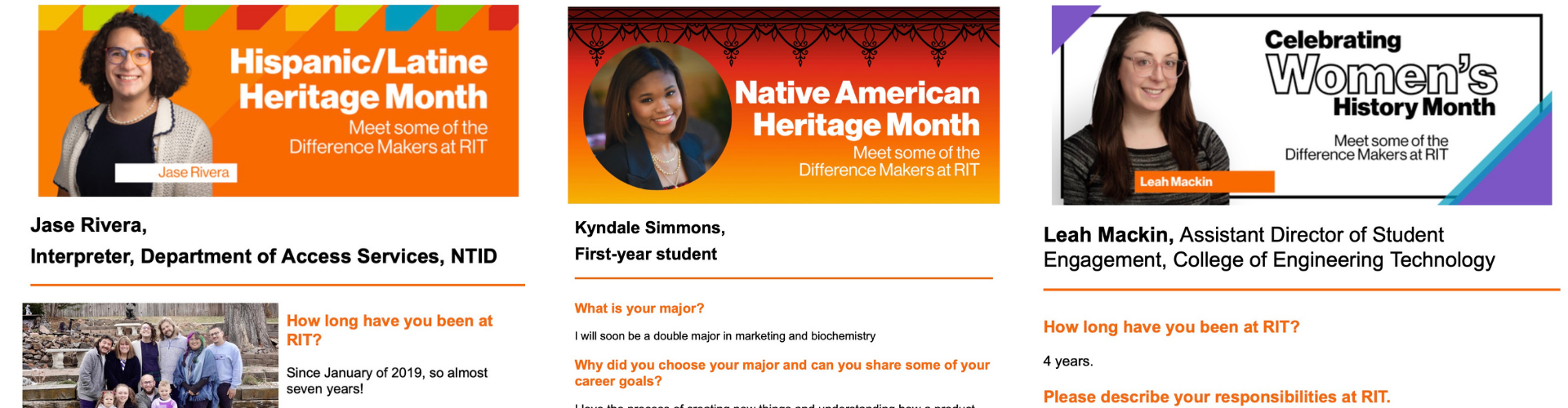
The Difference Maker series elevated the contributions of 16 RIT faculty and staff whose work strengthens the campus community. Featured during Hispanic Heritage Month, Native American Heritage Month, Black Heritage Month, Women’s History Month, and Asian Pacific Islander Desi American Heritage Month, the series served as an effective platform for recognition, storytelling, and community connection. The mailings earned an average open rate of 61.6% and a mailing score of 9.6.
AES Marketing and Communications expanded RIT’s external visibility through four advertorials in INSIGHT Into Academia, a nationally published magazine. The team researched and drafted articles highlighting RIT people, places, and programs, including the Women, Gender and Sexuality Resource Center (Kristen Cline); Center for Campus Life/Spirituality and Religious Life (Andrew Crillo), RIT’s AI Hub (Chris Collison/Jenna Sadue) and RIT’s Global Public Health Program (John Oliphant). These stories helped broaden awareness of RIT’s programs and strengthened engagement with external higher education audiences.
Read more about our major 2026 signature programming events here.
Read more about our Heritage Month/Women’s History Month articles here.
Office of Faculty Recruitment
The Office of Faculty Recruitment strengthened RIT’s long-term faculty pipeline by maintaining engagement with potential faculty, FFCEP alumni, college partners, and external collaborators. Through the OFR newsletter, College Partner’s Luncheon, and the developing FFCEP Alumni Network, the office continued to share cohort accomplishments, support recruitment partnerships, and create opportunities for professional connection and informal career guidance.
OFR also expanded strategic outreach by coordinating with college faculty, deans, and advancement representatives to leverage conference travel and build relationships with faculty, alumni, and potential faculty. In collaboration with the Future Stewards Program, OFR met with representatives from the University of New Mexico to explore professional development and cultural programming partnerships. These efforts strengthened RIT’s visibility, deepened partner relationships, and supported long-term pipeline development.
Click here to read more on the RIT partnerships and support you’ll find in the Office of Faculty Recruitment.
Success
Brick by Brick Theater
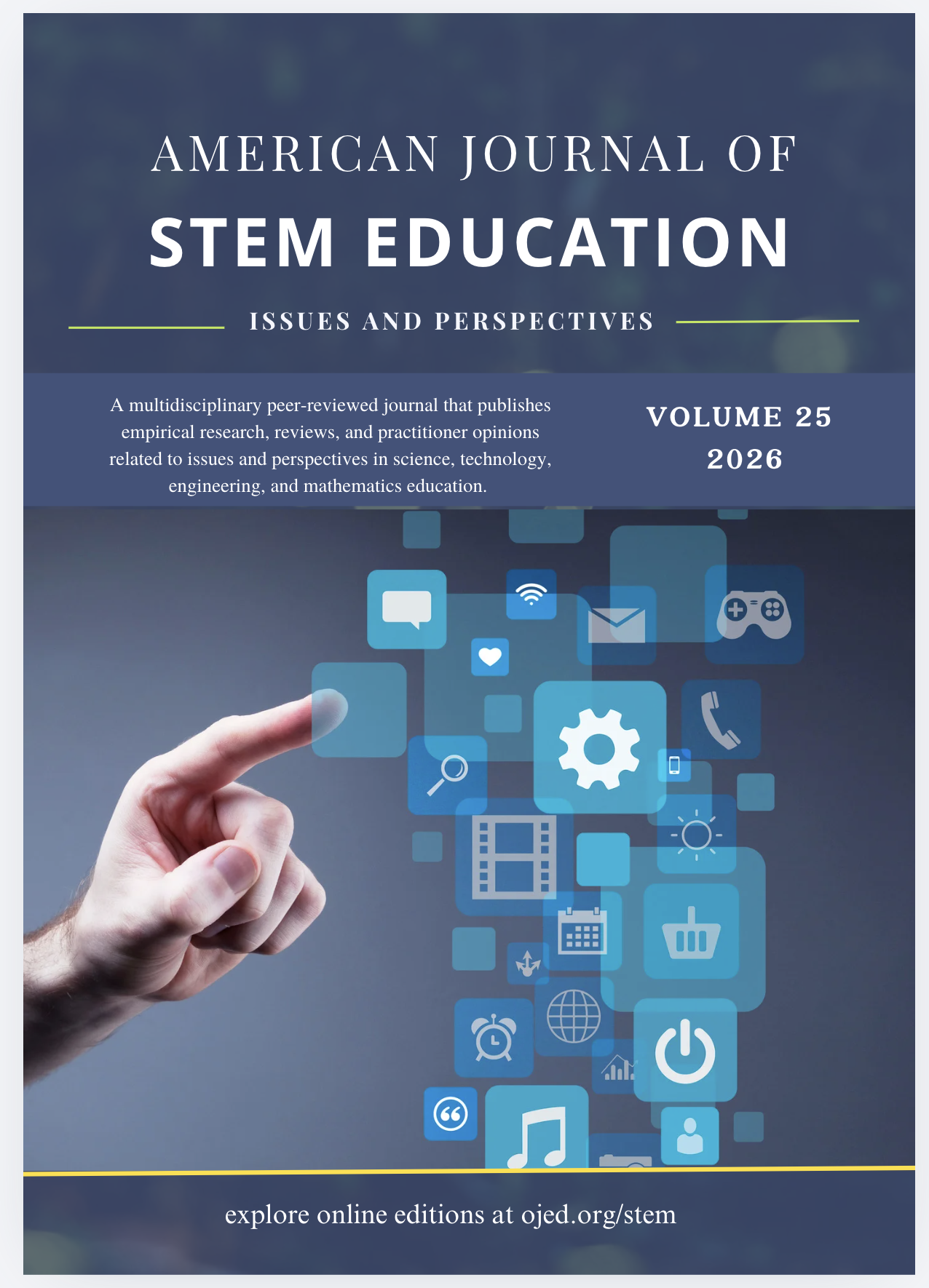 Brick by Brick Theater’s partnership with the College of Science advanced long-term institutional learning around belonging and inclusive teaching practices. The team’s work, developed through the $1 million HHMI Inclusive Excellence grant, resulted in an accepted manuscript, “Faculty Driven Approaches to Strengthening Sense of Belonging and Community,” for publication in the American Journal of STEM Education: Issues and Perspectives in 2026. This publication extends the impact of RIT’s inclusive excellence work beyond campus by sharing faculty-driven strategies that can inform belonging and community-building practices in STEM education. For more information on RIT’s Brick by Brick Theater, click here.
Center for Engagement and Student Success (CES)
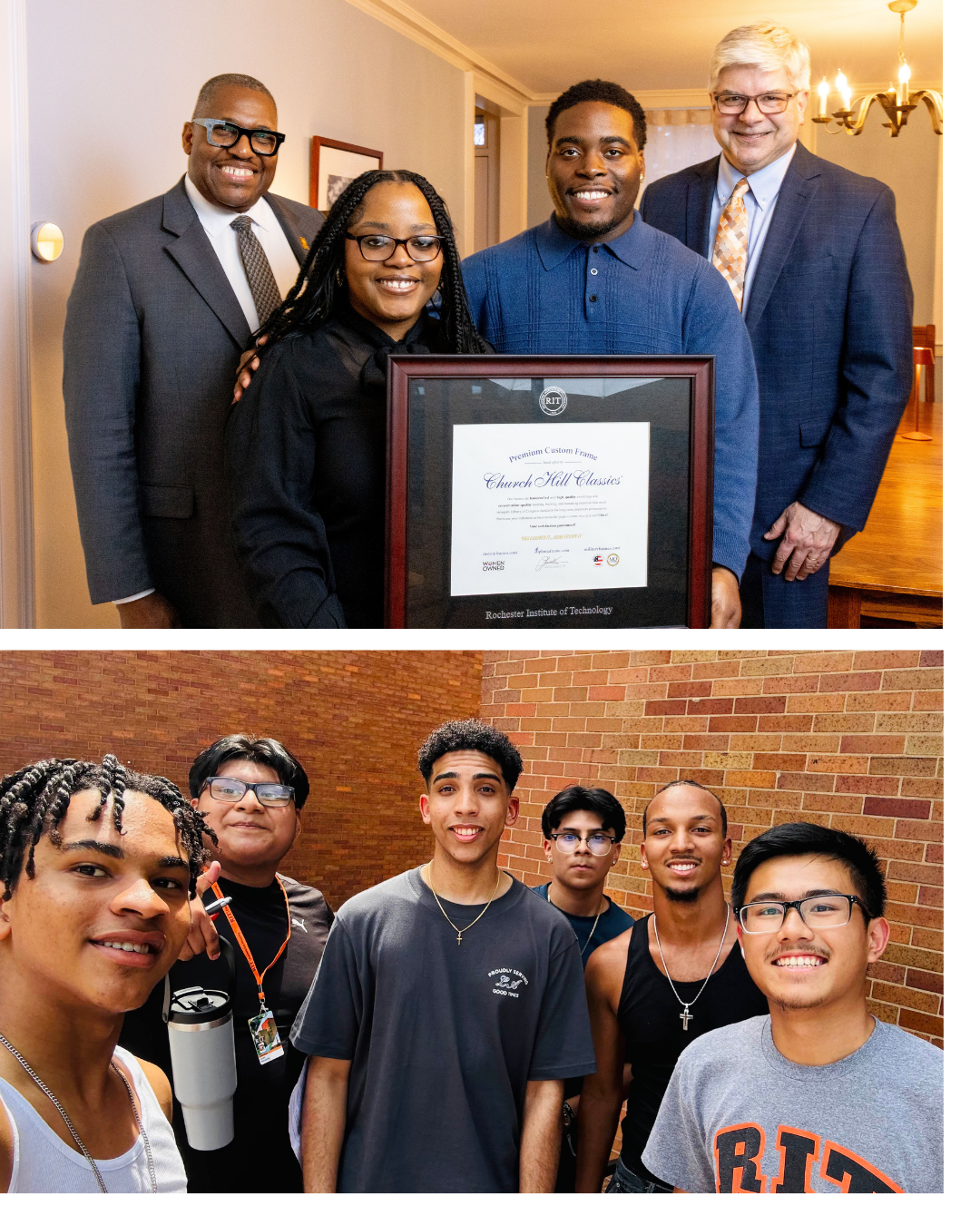 CES strengthened student persistence and academic navigation through more than 100 high-touch coaching sessions, structured caseloads, early alert responses, and targeted interventions for students at risk. The development of a comprehensive Rochester City Scholars framework improved clarity, accountability, and consistency in student expectations, coaching benchmarks, and long-term student development.
HEOP improved admissions yield and program sustainability through personalized outreach, refined interview processes, expanded tutoring engagement, and stronger mentoring supports. New operational systems—including shared drives, standard operating procedures, assessment processes, and communication tools—improved consistency, data tracking, team efficiency, and continuity during leadership transitions.
The Study Spot Tutoring Program strengthened academic support by reorganizing tutor training, expectations, and communication systems. These improvements increased tutor engagement, clarified roles, and strengthened connections between tutors and students, improving the effectiveness of academic support services.
CES mentorship and leadership initiatives, including MOCHA/WOCHA and Rochester City Scholars mentoring, strengthened student confidence, leadership identity, persistence, and career readiness. Through structured mentoring, leadership development, and professional networking opportunities, students gained stronger connections to peers, campus leaders, and future career pathways.
Community and Education
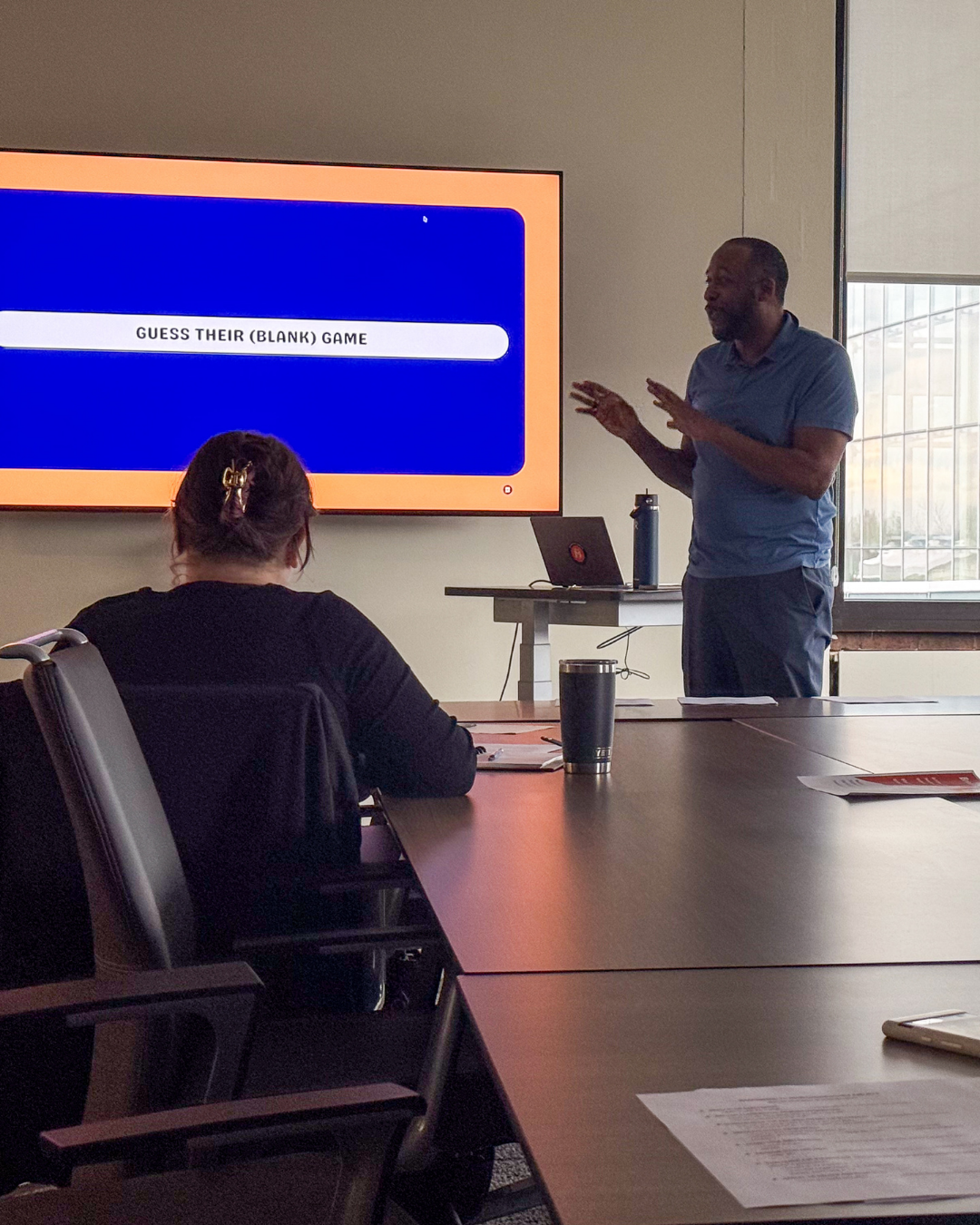 Community and Education supported faculty and staff retention by offering professional development that strengthens inclusive leadership practices. Over the past three years, 62 managers participated in Leveraging vs. Managing Diversity training, which builds skills in cultural intelligence, psychological safety, and transparency. Survey responses indicate that participants found the training valuable and gained new knowledge applicable to their leadership roles.
Future Stewards Program
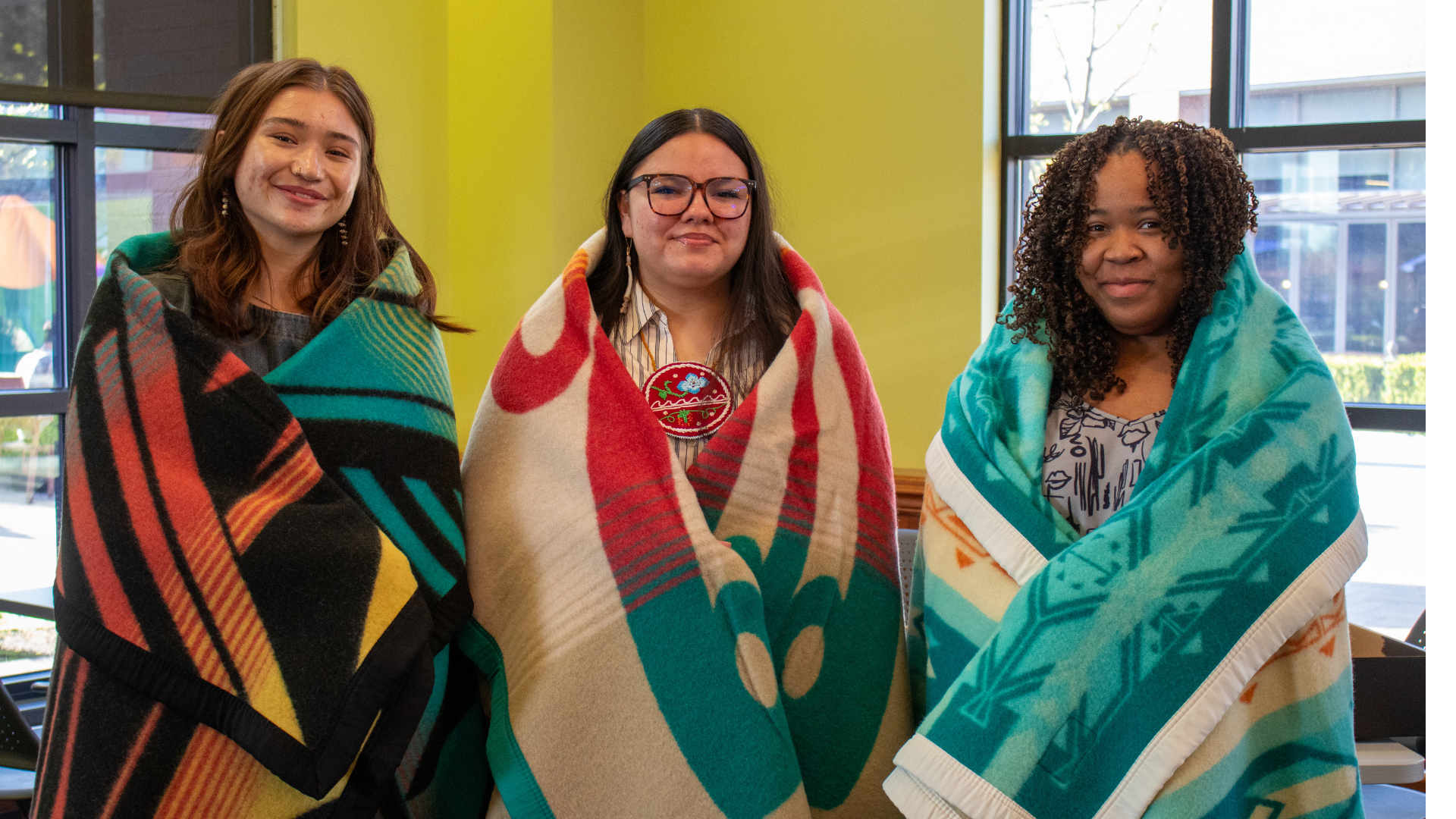 The Future Stewards Program celebrated five graduating students during the annual Blanket Ceremony and Graduation Celebration, recognizing their academic accomplishments, cultural connection, leadership, and contributions to the RIT community. The celebration reinforced the importance of culturally grounded recognition in supporting student belonging, persistence, and success.
Marketing and Communications (MARCOM)
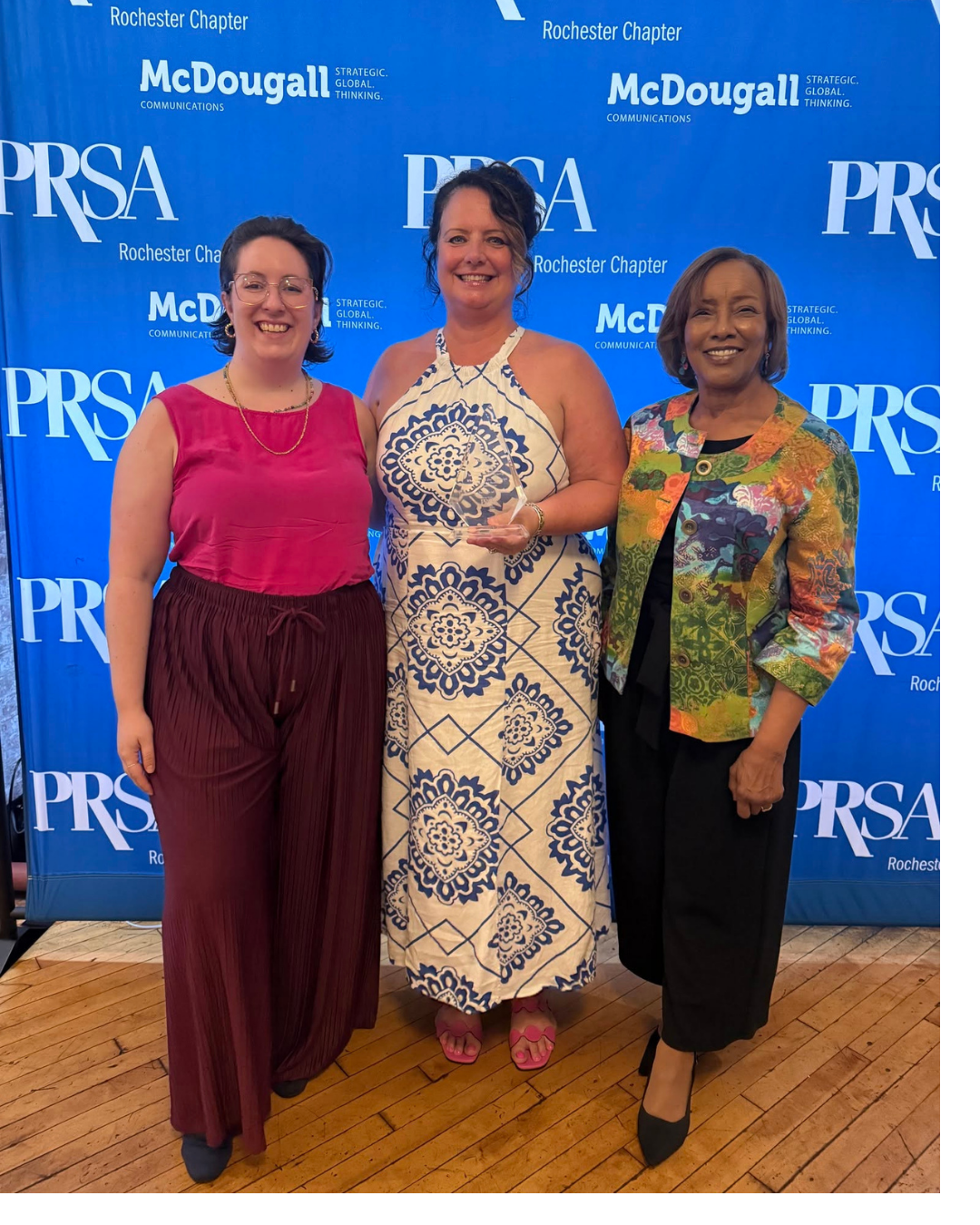 The AES Marketing and Communications team was honored with the 2026 Prism Award, Not-for-Profit, Diversity, Equity and Inclusion (DEI) Campaign, by the PRSA Rochester Chapter (Public Relations Society of America). It was presented for the creative and innovative video the team created called “What Will You Do?” which debuted at RIT’s two MLK events: Let Freedom Ring (campus) and Expressions of King’s Legacy (community.) The video was also featured in the Division of Access, Engagement, and Success e-newsletter.
McNair/CSTEP
McNair/CSTEP contributed to strong academic and post-graduate outcomes by supporting students through research preparation, academic resources, and career pathway development. Seven McNair graduates will begin graduate programs in fall 2026, while CSTEP served 124 students pursuing STEM and licensed professions, supported a 3.3 average GPA, and celebrated 41 graduates, including one Ph.D. recipient.
Learn more about McNair/CSTEP graduates here.
Office of Faculty Recruitment
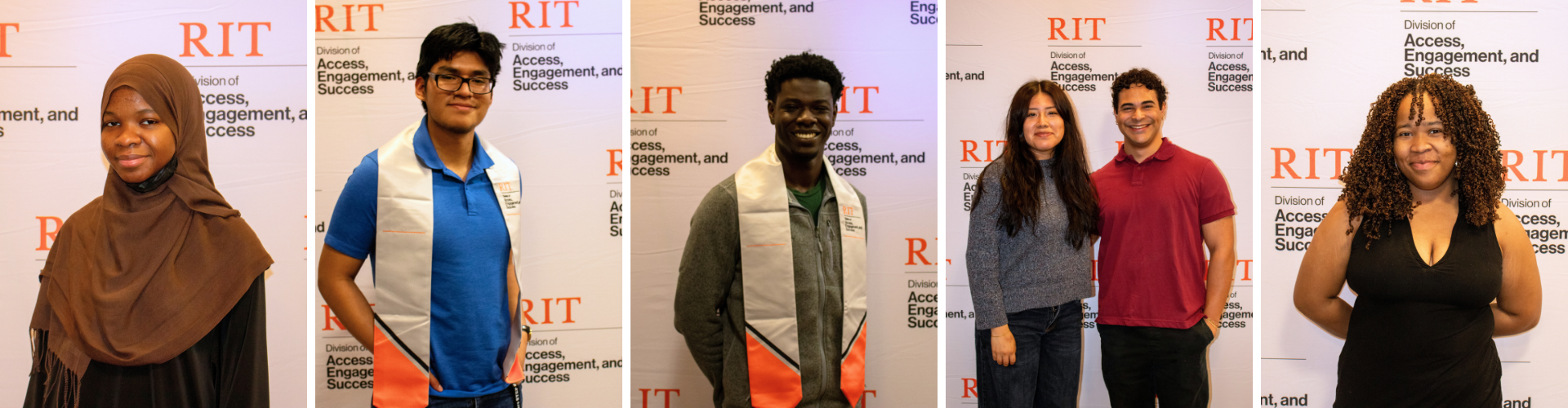
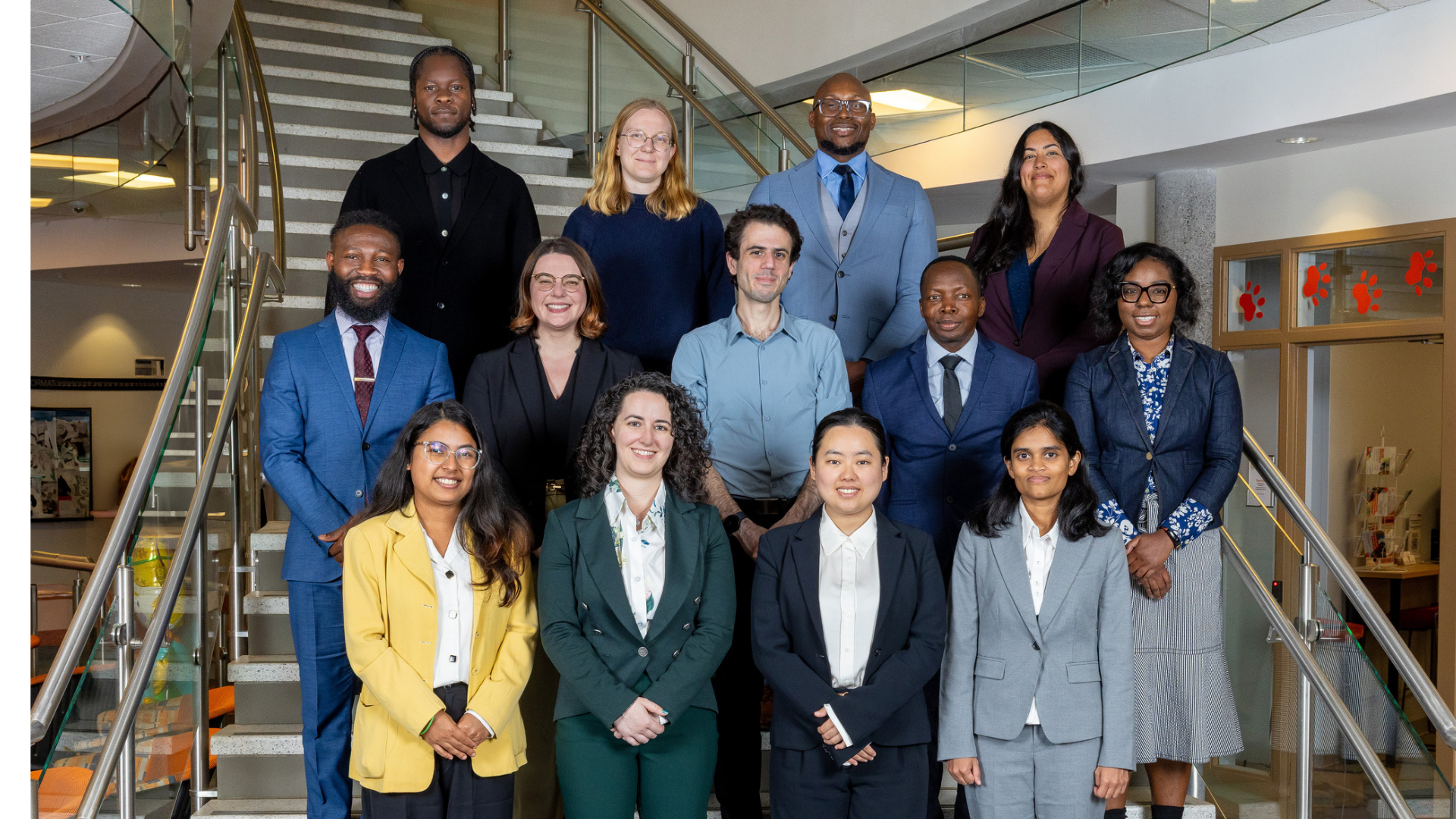 The Office of Faculty Recruitment continued strengthening RIT’s long-term faculty pipeline through the Future Faculty Career Exploration Program, welcoming 13 participants in its 22nd cohort and preparing 12 participants in the 23rd cohort. While no participants were selected for tenure-track or fellowship opportunities this year, the program continued to expand professional development, deepen relationships with colleges, and sustain RIT’s visibility among emerging faculty talent. Learn more about the Future Faculty Career Exploration Program here.
Upward Bound
Upward Bound strengthened academic success by increasing time dedicated to academic support, contributing to an overall student GPA average of 3.0. In June 2026, the program celebrated its largest graduating class of 20 students, marking a significant milestone in college readiness, persistence, and student achievement.
Stay Connected
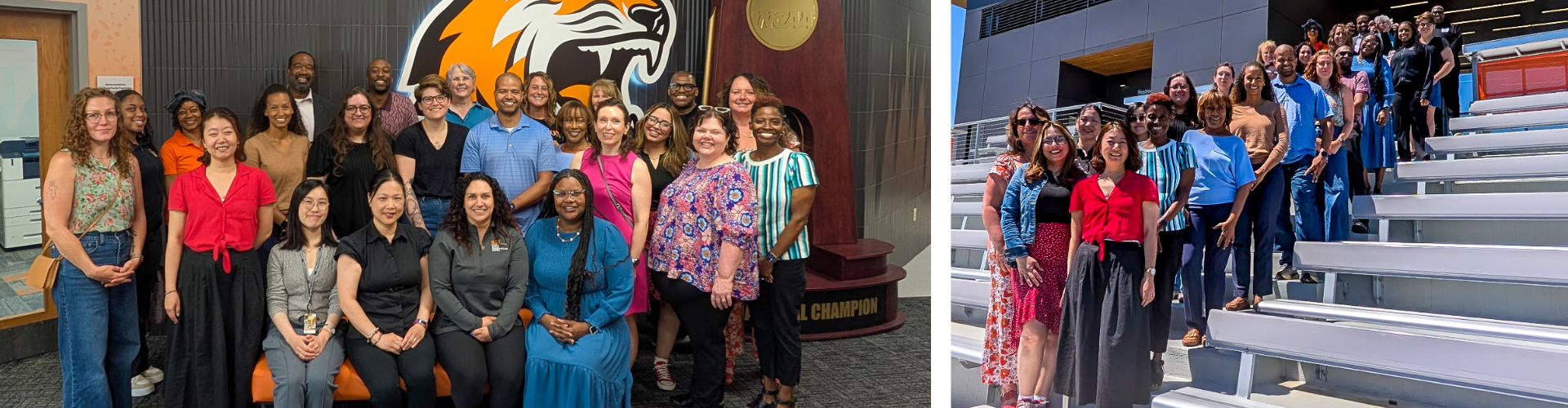
The Division of Access, Engagement, and Success invites students, faculty, staff, alumni, and community partners to stay connected with our programs, events, and stories of impact. Through continued collaboration, AES will keep expanding pathways, strengthening belonging, and supporting outcomes that help the RIT community thrive.
Follow us on social media:
Division of Access, Engagement, and Success on Facebook
Division of Access, Engagement, and Success on Instagram
Send us an email at aes@rit.edu
View our past Tiger Imprint Showcases
2023-2024 Tiger Imprint Showcase
2022-2023 Tiger Imprint Showcase
2021-2022 Tiger Imprint Showcase