Undergraduate Imaging Science Research

All imaging science BS students participate in undergraduate research. Starting on day one with the Freshman Imaging Project, our students dive into hands-on learning experiences and continue growing their resumes year after year.
Imaging Science Research Areas

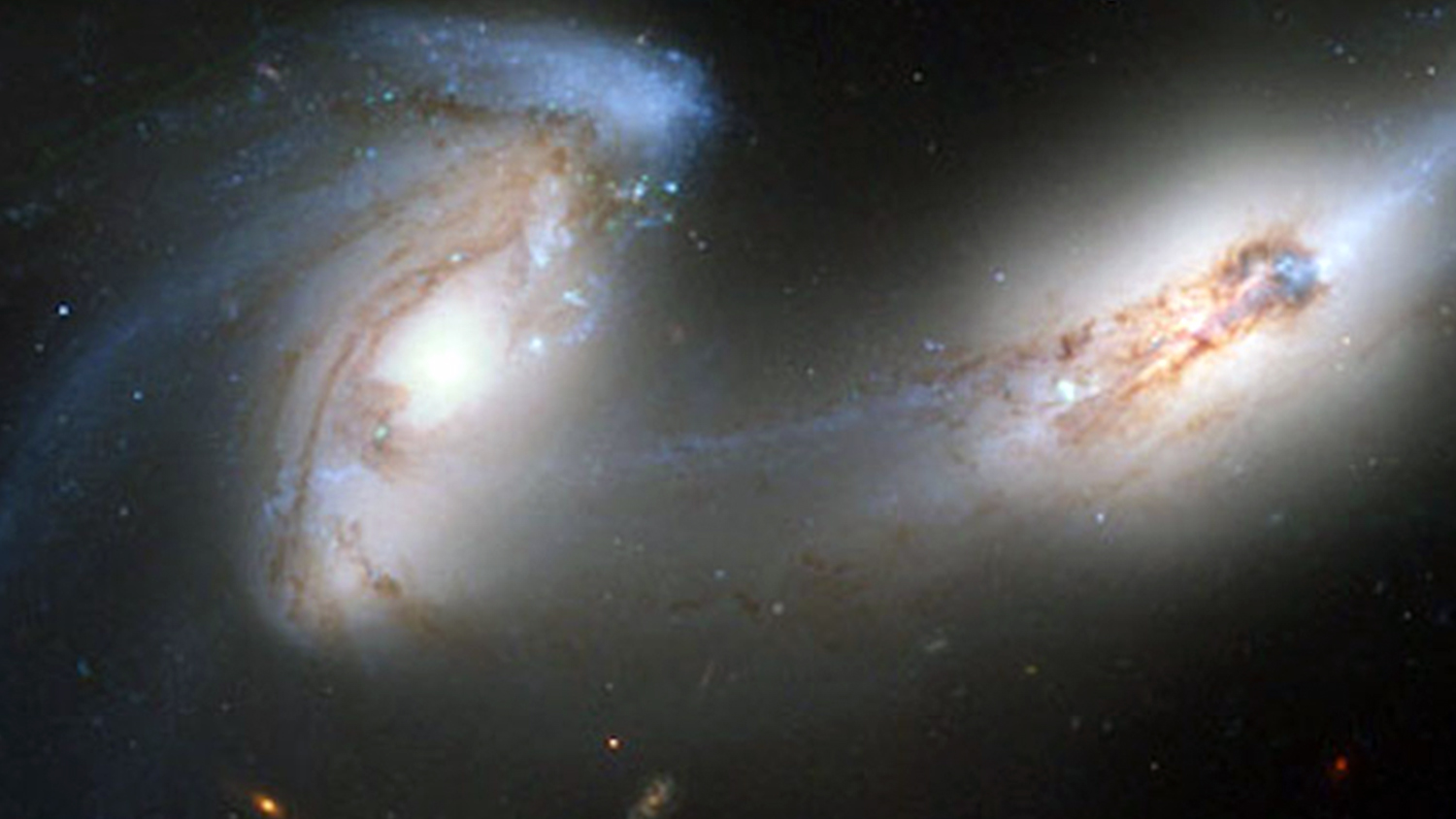
stars in the universe

Astronomical Imaging

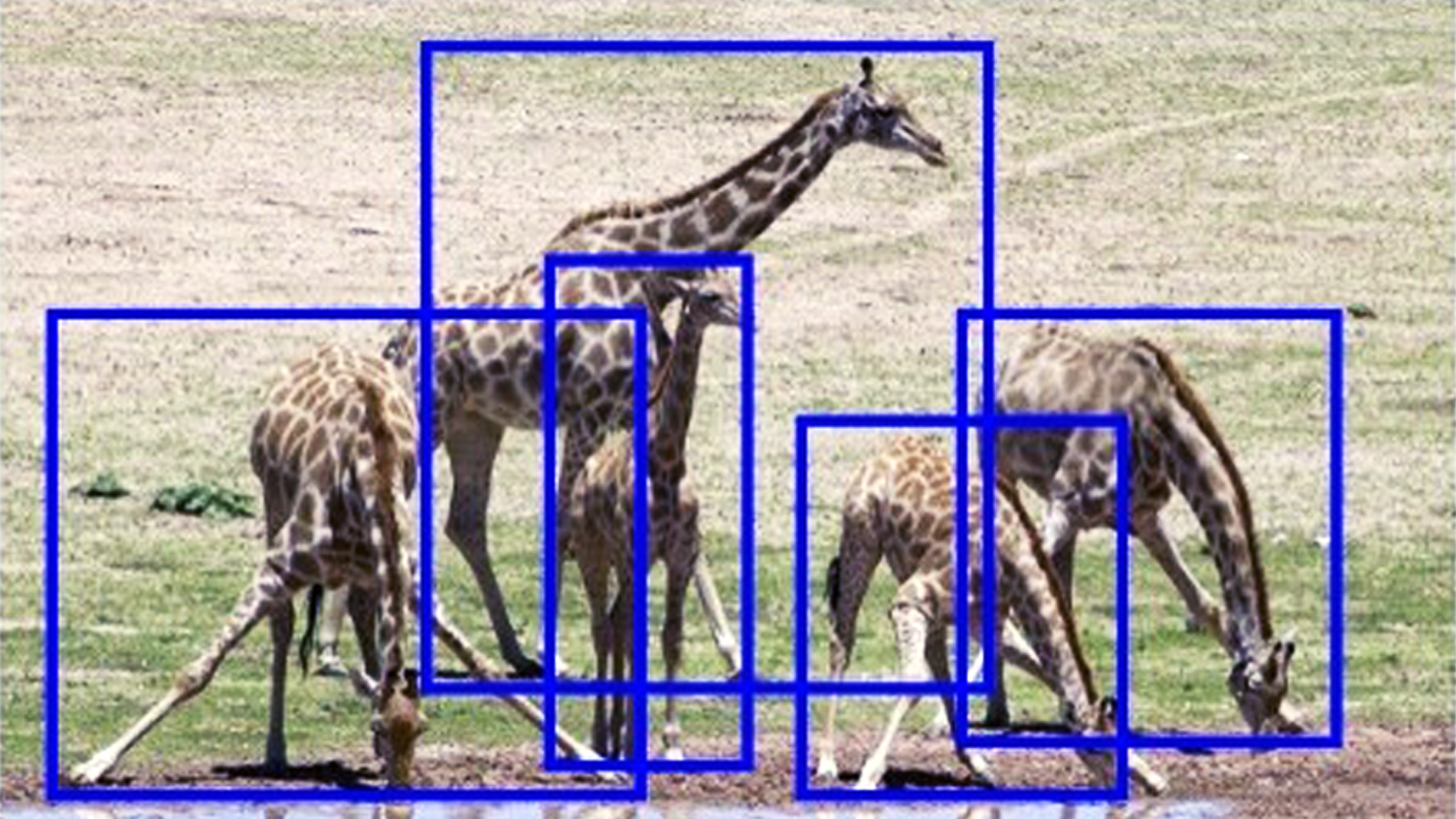
giraffes on a display screen

Computer Vision/Machine Learning

hidden text

Cultural Heritage Imaging

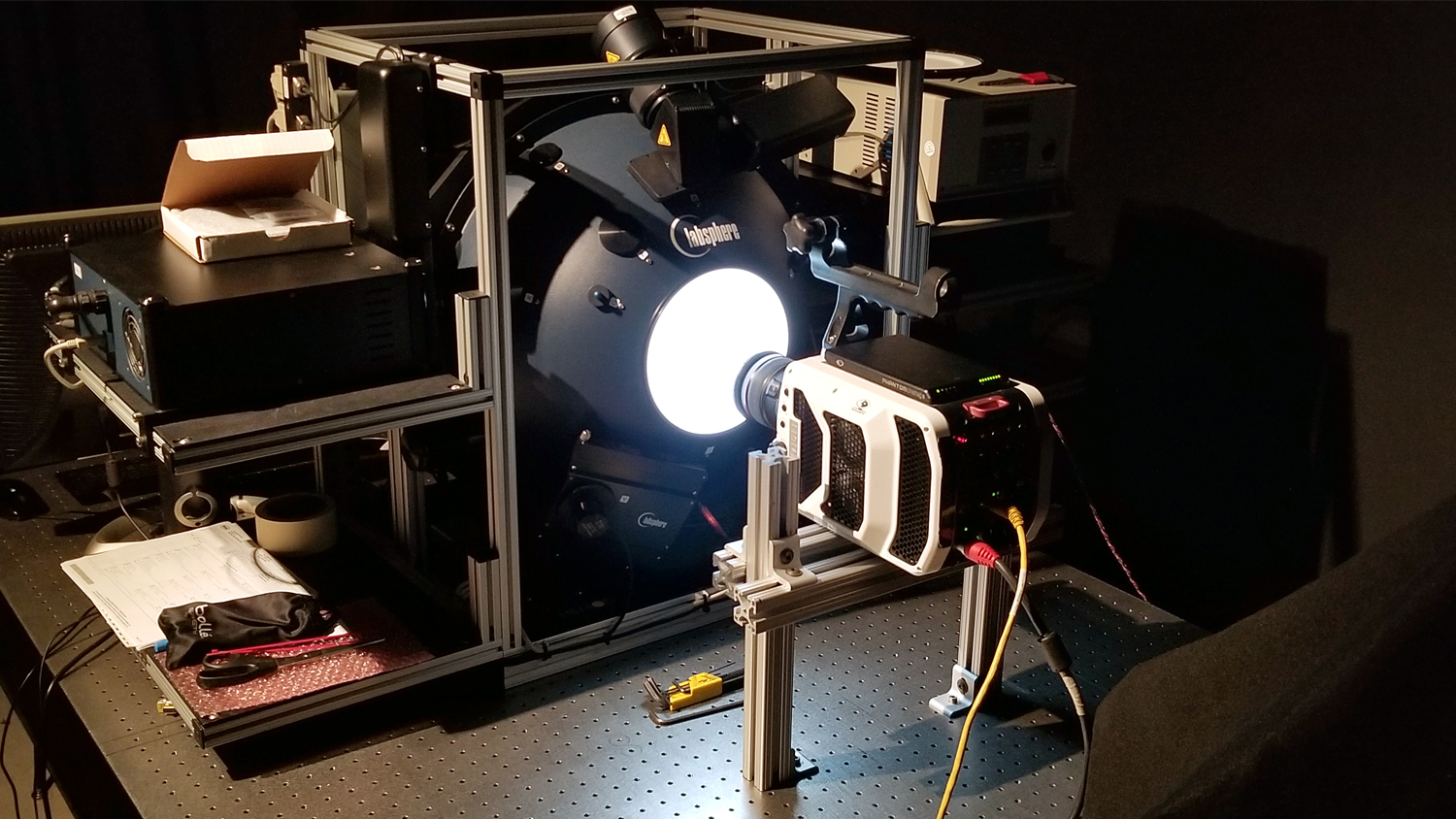
imaging system

Detectors and Imaging Systems

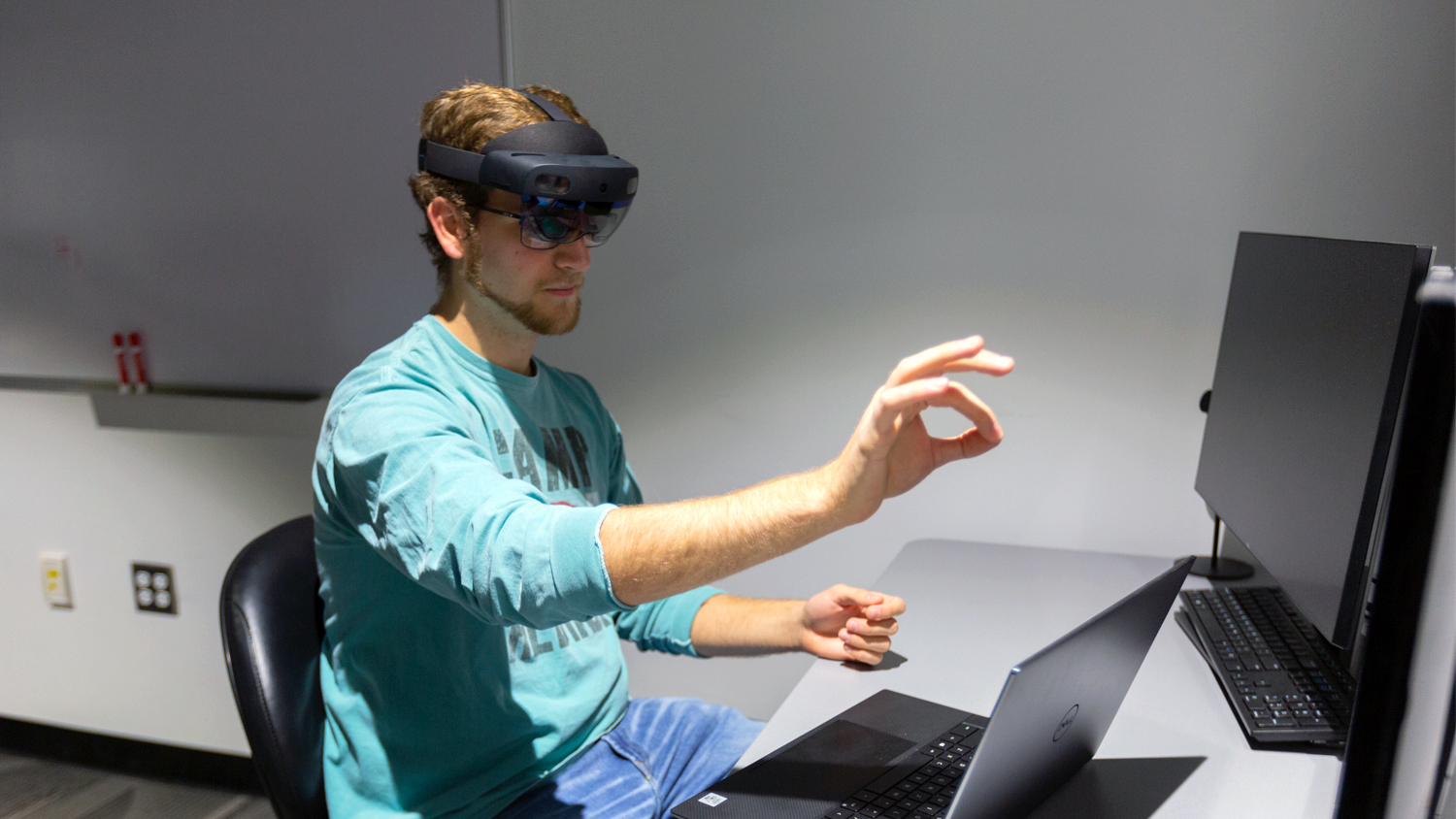
student wearing AR headset

Human Vision and AR / VR

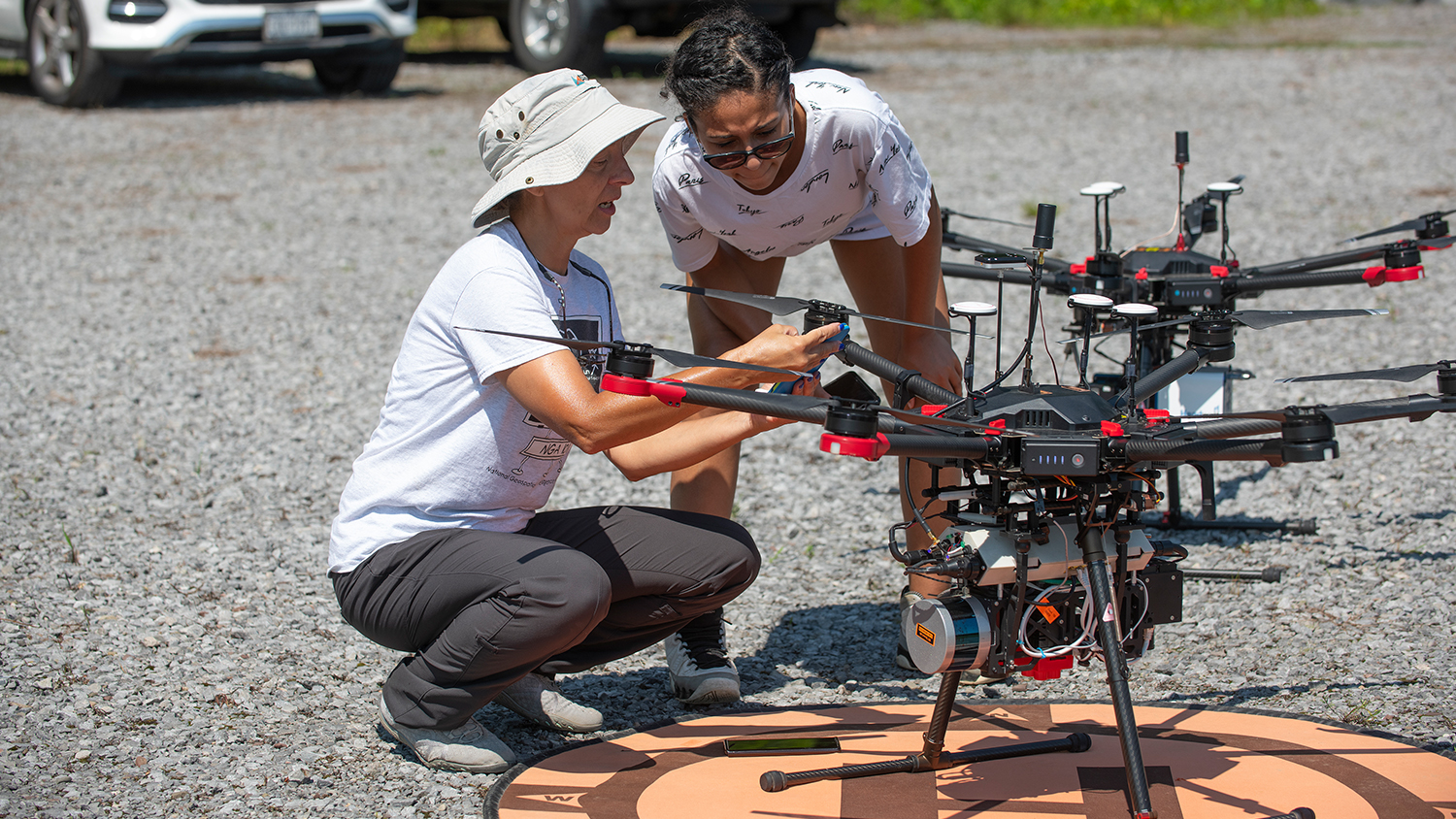
faculty and student working on a drone

Remote Sensing

two students working in magnetic resonance lab

Magnetic Resonance Imaging

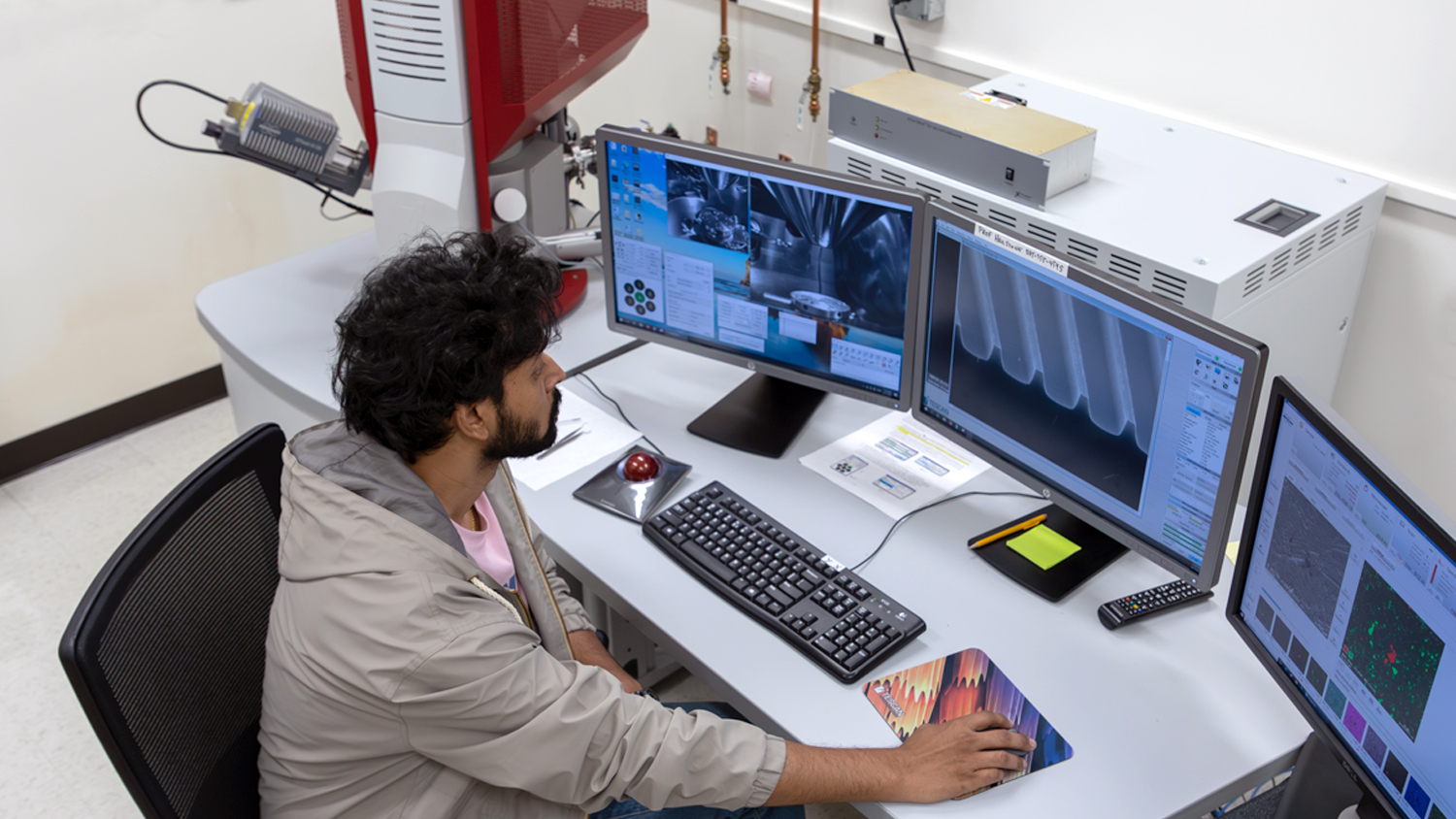
student looking at three different monitors

Nano Imaging

Optical Vortex Laboratory

Optical Imaging

Stand Out With Your Research

Students who perform undergraduate research stand out from the crowd when applying for jobs and graduate schools.


Present Your Research
Our students present their research at conferences nationwide and at our annual Undergraduate Research Symposium right here on campus.


Resources
From mentoring motivated students in writing their first scientific publication to offering a free poster printing service on campus, we have the resources to help students stand out from the crowd.


Research Scholar Awards
We recognize research excellence among graduating students with our annual Undergraduate Research Scholars Awards and a special ceremony at commencement.

Work with a Professor

Work alongside professors who are experts in their field in state-of-the-art facilities.

Imaging Science News

  • February 18, 2026

    Two people stand in front of a banner, with man on right holding a certificate.

    Ph.D. student recognized for work in optics

    Imaging science Ph.D. student Muhammad Akif Qadeer has been awarded the 2025 Harvey M. Pollicove Memorial Scholarship from the Optica Foundation. The award is given to one student each year who shows potential in precision optics manufacturing and lens design.

  • February 10, 2026

    These figures show the research result of testing and predicting Lorenz system attractors, which shows deterministic chaos. The butterfly shape is characteristic of the butterfly effect of chaos.

    Researchers develop new method for predicting chaos

    Mathematician Edward Lorenz used the butterfly effect to explain chaos theory in the 1960s. Now, decades later, a team from RIT has developed a method to predict chaos using less data, fewer parameters, and a more user-friendly format.