Undergraduate Mathematics and Statistics Research

Undergraduate research is integral to our mathematics and statistics programs. Students can connect with faculty mentors seeking students and hit the ground running with research projects as early as their first year.
Mathematics and Statistics Research Areas
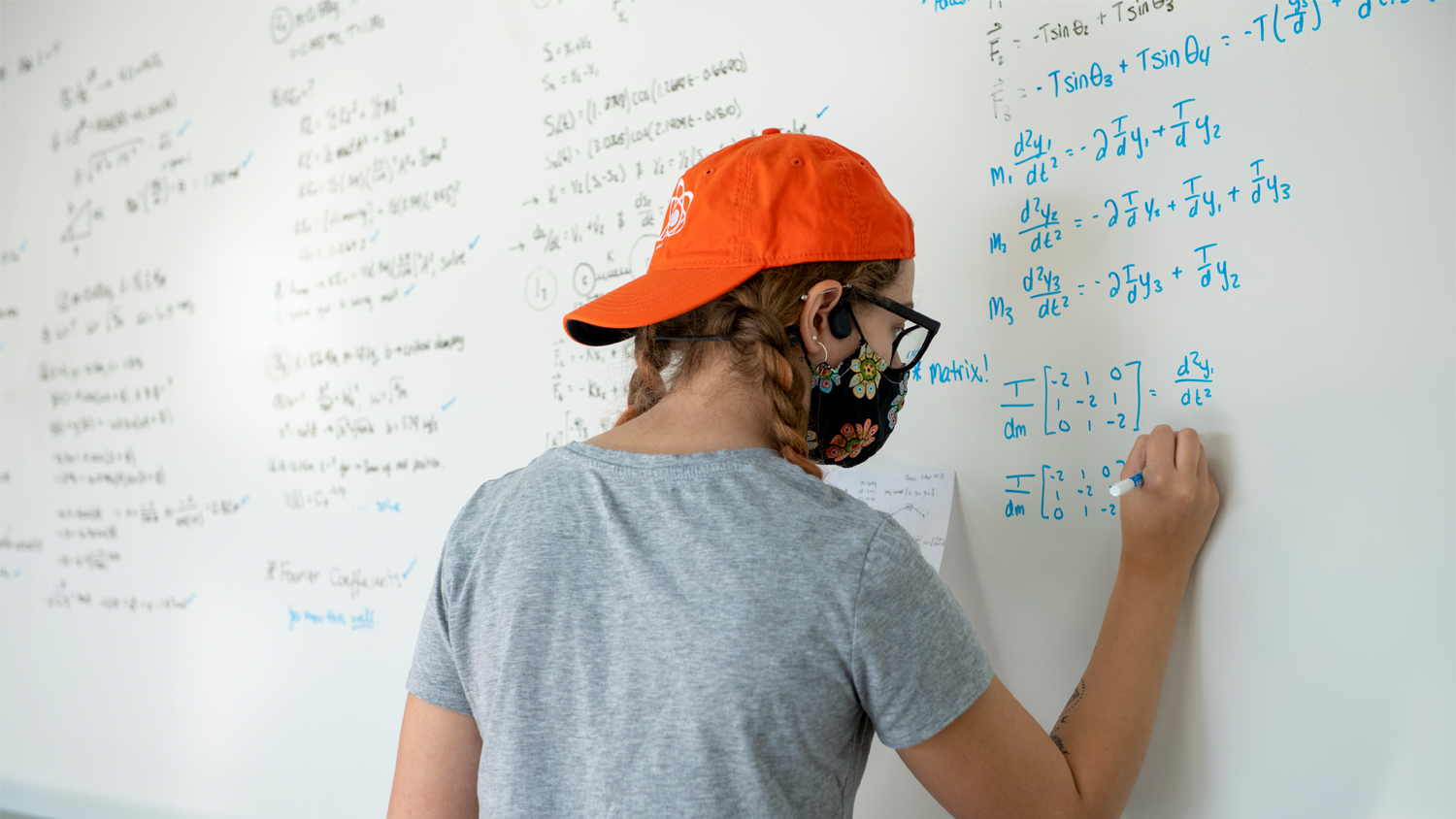
Applied Inverse Problems and Optimization

Applied Statistics and Data Analytics
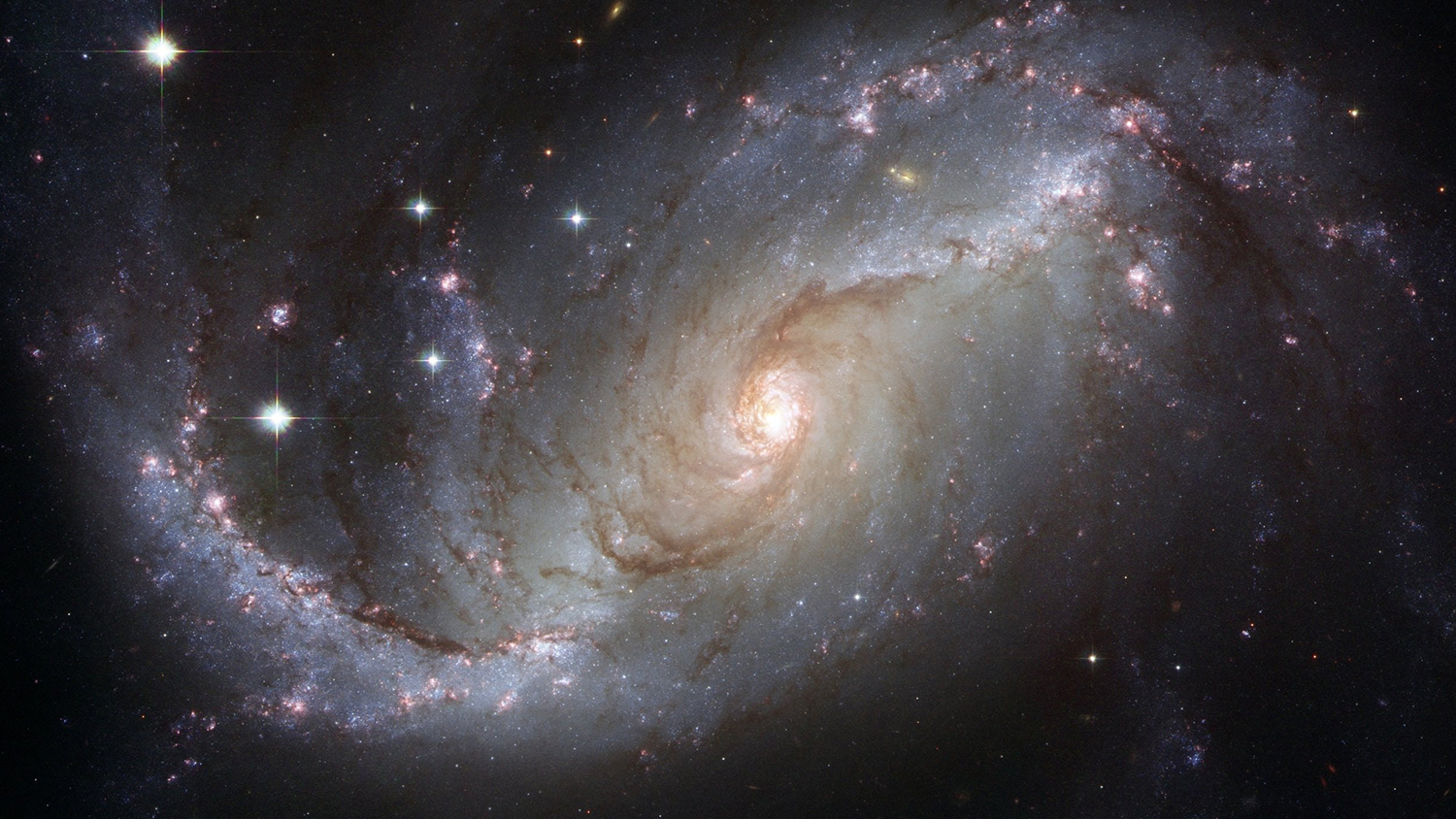
Computational Astrophysics and Relativity
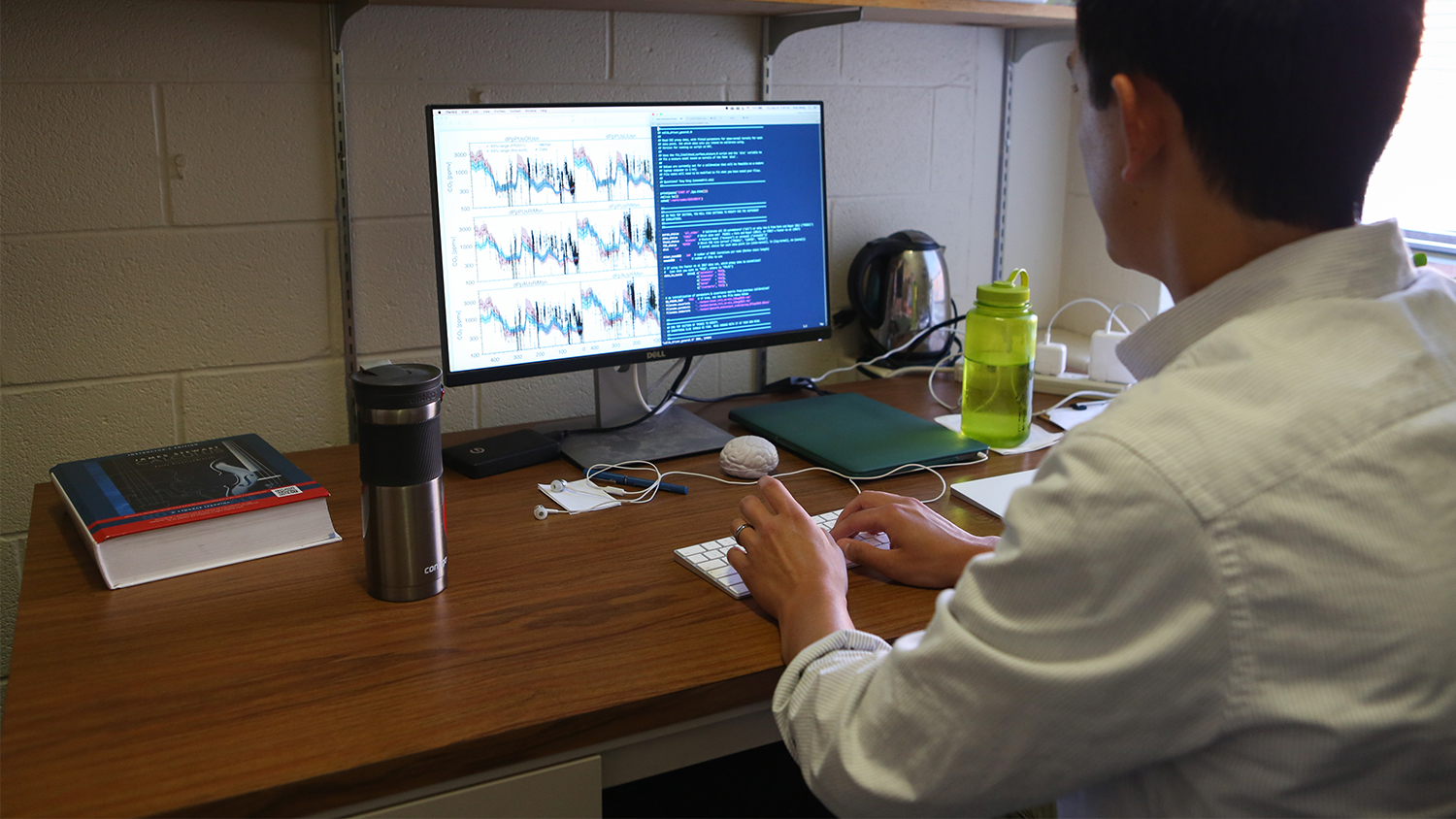
Computational Modeling

Discrete Mathematics

Dynamical Systems and Fluid Mechanics
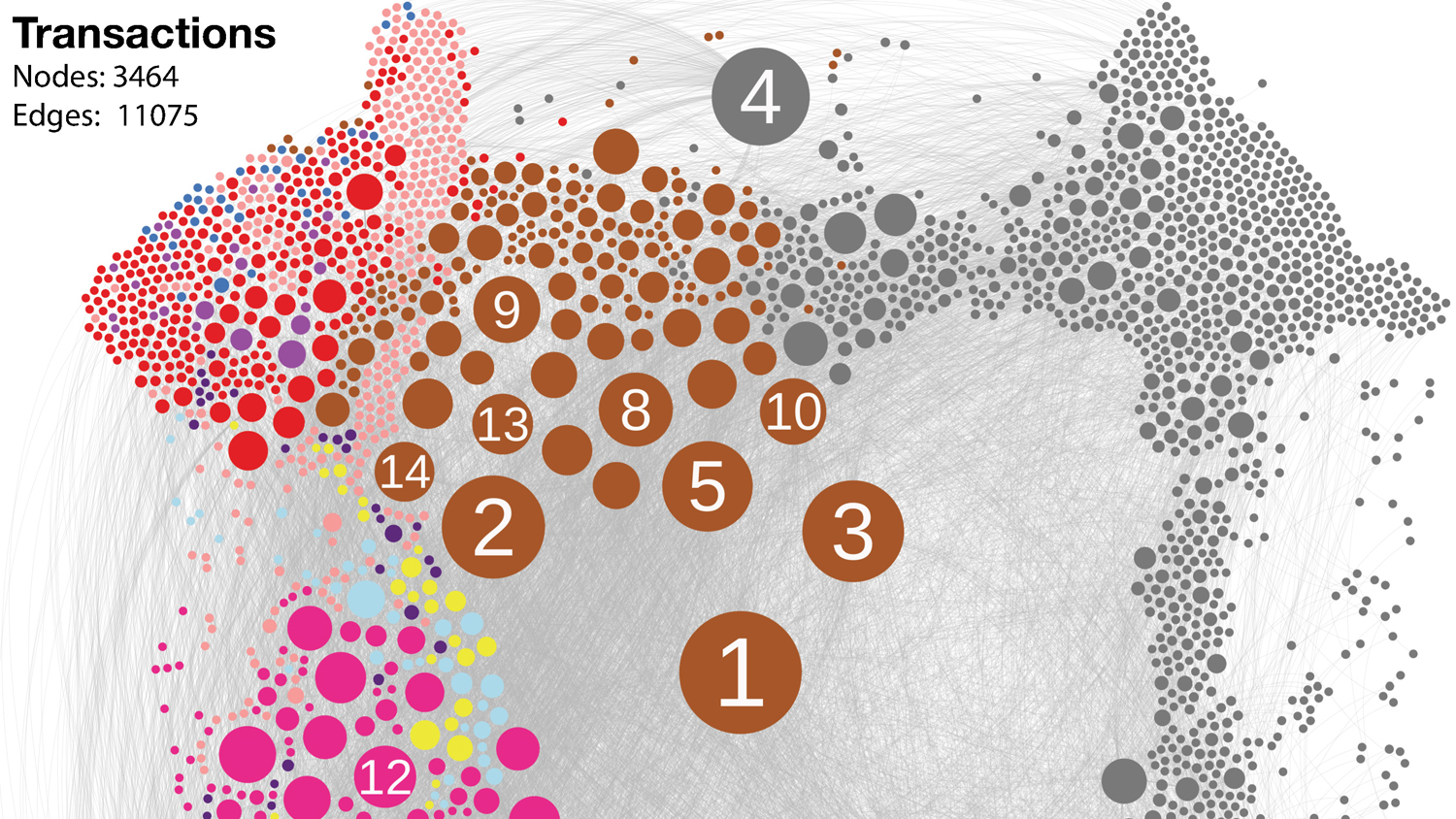
Machine Learning and Data Science

Mathematical Biology
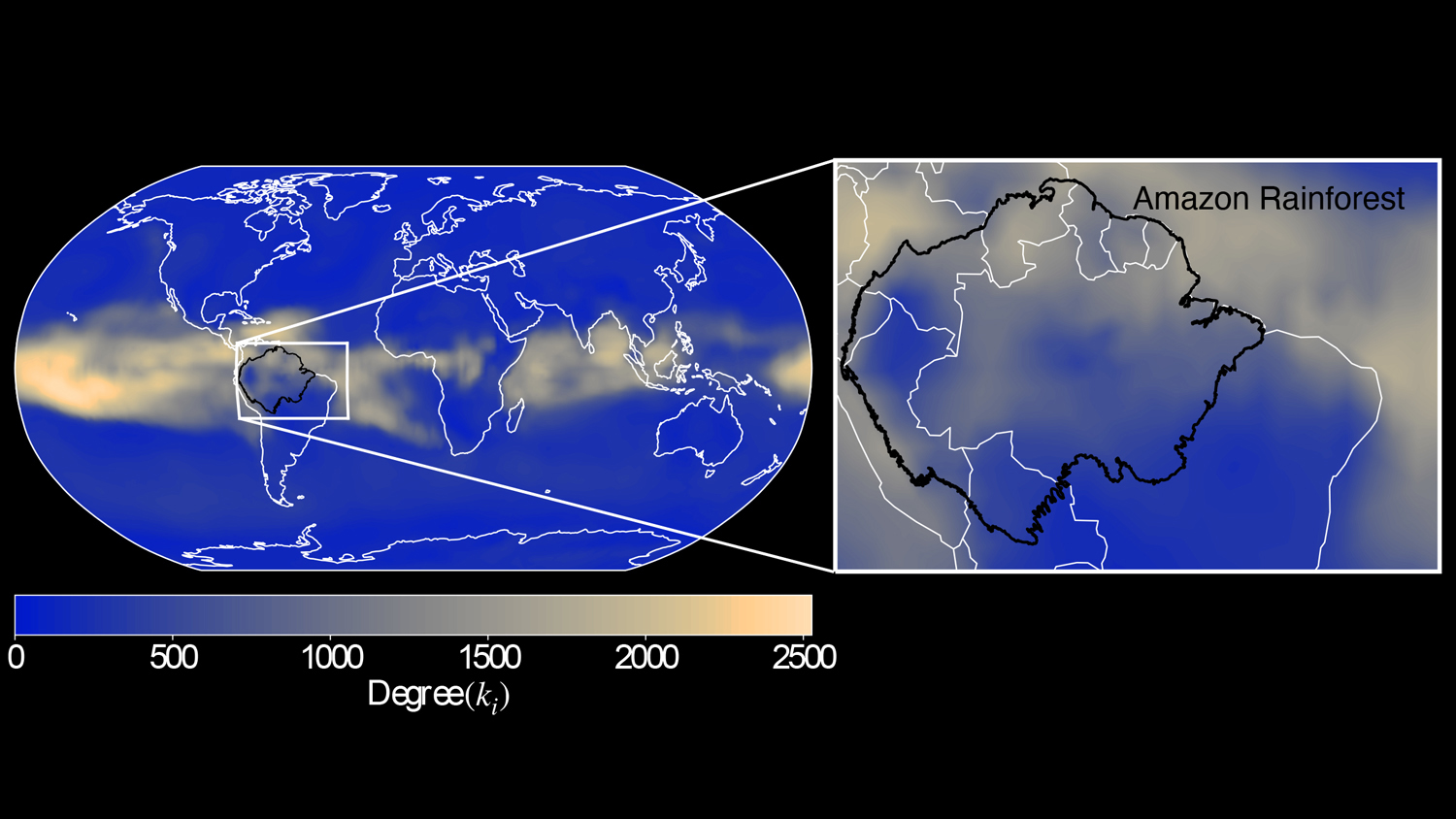
Mathematics of Earth and Environmental Systems
Work with a Professor
Work alongside professors who are experts in their field in state-of-the-art facilities.
School of Mathematics and Statistics News
-
July 23, 2026
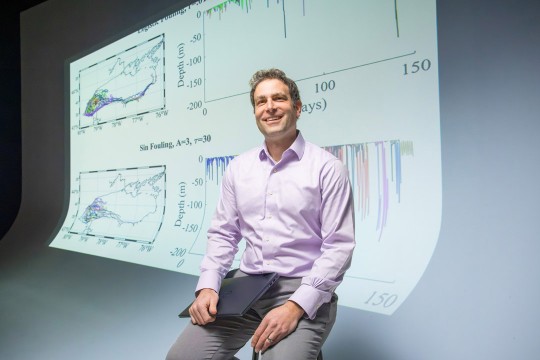
RIT professor expands Great Lakes microplastics research to Georgian Bay
Rochester Institute of Technology Professor Matthew Hoffman is taking his mathematical models from Lake Ontario to Lake Huron to help map and assess microplastic pollution in Georgian Bay.
-
June 26, 2026

Baseball provides the spark for RIT alum’s finance career
RIT applied statistics grad David Foy '89 turned a childhood knack for numbers into a finance career that's reached the top financial seat at GEICO.
-
May 29, 2026
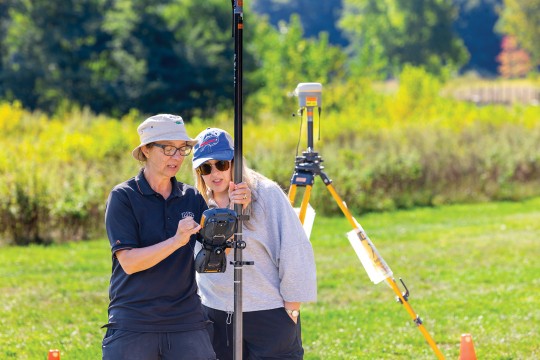
Science without borders
RIT researchers value citizen science, where making data available to everyone not only accelerates research but also fosters education, trust in science, and worldwide collaboration.