
Beyond learning: How higher education institutions support student mental health
Today’s student generations have grown up in a world markedly different from that of their parents. Global uncertainty, accelerated digitalization, daily exposure to vast amounts of information, high expectations, and the constant dynamics of the labor market all make the transition into adulthood more challenging than ever and place increasing pressure on students’ mental health.
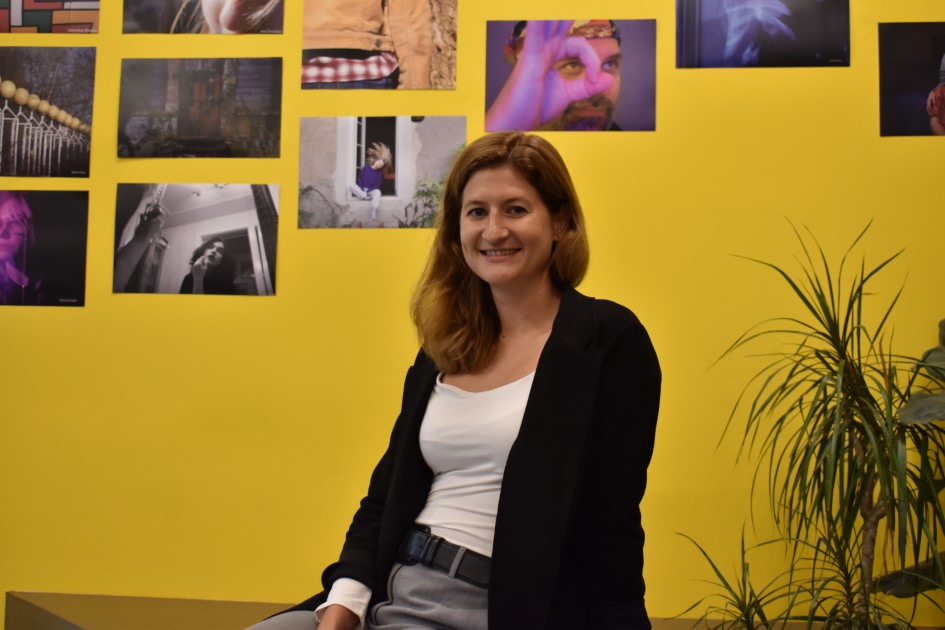
University life is a period of major change: young people face academic pressure, financial challenges, moving to a new environment, and shifts in social relationships, ending old friendships while building new ones. Statistics show that half of all mental health difficulties develop during adolescence, and by the age of 24, as many as 75% have already emerged. In this context, the student years are crucial for early recognition and timely support. “During the first years of study, when changes are most significant, stress and anxiety levels naturally increase,” emphasizes Tamara Lipnjak, Student Life and Well-Being Coordinator at RIT Croatia.
RIT Croatia, the global campus of an American university in Croatia, offers students a comprehensive support system from enrollment to graduation, with mental health as an integral part. This system includes faculty and a network of specialized advisors, from admissions and academic advisors to career advisors, the student ombudsperson, and student life and wellness professionals. The goal is to ensure a high-quality student experience both inside and outside the classroom, including timely mental health support.
“A student support system that includes mental health should not be a privilege or an add-on, but a standard. It is essential to provide students with resources from day one to help them build support networks and develop coping skills for current and future challenges,” adds Lipnjak. Specifically, RIT Croatia students have access to individual counseling sessions with professional psychotherapists in Zagreb and Dubrovnik, workshops on learning strategies, communication skills, and stress management techniques, as well as ongoing activities focused on strengthening resilience and overall well-being.
In general, students most often seek professional help for anxiety, depression, stress related to studying, difficulties in relationships, and feelings of loneliness. Although these services are available, barriers remain, from stigma and fear of judgment to the belief that therapy “is not for them”, highlighting the need for continuous education and destigmatization.
“Destigmatizing mental health and providing proactive support is an investment in the future. Our goal is to ensure that support is timely and easily accessible, because student well-being is not only a matter of individual success but also of social responsibility,” concludes Lipnjak.