Experiential Learning in Cultural Psychology: Immersion in Japanese Culture
Location: Kyoto; Tokyo, Japan
Course Discipline:
- Psychology
- Cultural Studies
- Japanese Culture
Credits: 3
Program Type: RIT Faculty-Led
Term(s): Spring/Summer
Language of Instruction: English
Undergraduate
RIT Students only
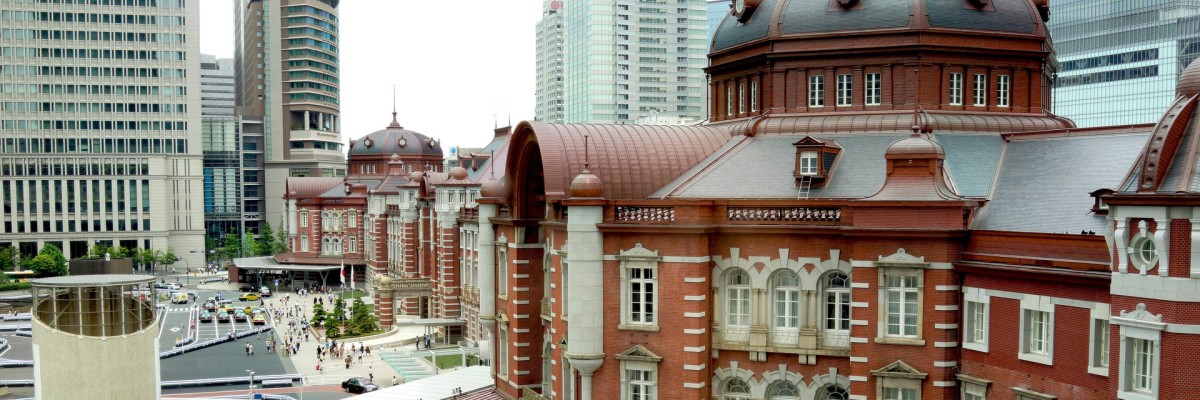
The backdrop of Japan’s rich cultural traditions, modern innovations, and unique social norms will help you learn more about how cultural contexts shape psychological processes. Whether it’s navigating daily life in Japan, communicating with locals, or observing how people interact in social settings, you’ll begin to understand how behavior and emotions are shaped by culture.
Note: This program is expected to run next in spring/summer 2028.
- Discover how Japanese values, traditions, language, and social norms shape the way people think, communicate, and relate to one another—deepening your cultural awareness and appreciation for diversity and multicultural perspectives.
- Travel to three cities in Japan – Tokyo, Kyoto, and Nara City – to visit historic Shinto shrines and Buddhist temples, enjoy local cuisine like ramen, sushi, and okonomiyaki, and explore Japanese art and history.
- Visit the world-renowned University of Tokyo, where you’ll explore how language and culture interact through a research project led by Dr. Yuki Hirose, a prominent scholar in psycholinguistics.
- Connect with University of Tokyo students through a fun cultural exchange activity—an opportunity to build international friendships, share perspectives, and experience student life in Japan firsthand.
No Japanese language is required - the program is taught in English.
During a Spring class in Rochester, you’ll learn about key aspects of Japanese life – religion, food, art, history, and cultural traditions to examine societal differences between the U.S. and Japan and prepare for your travel to Japan. Your time in Japan begins in Tokyo with a home base in vibrant Ueno Park, a vibrant and energetic hub of activity. From there, you'll explore sites like the Ueno Toshogu Shrine, Tokyo National Museum, University of Tokyo, and the iconic Tsukiji Fish Market. Each activity is designed to connect directly to your coursework—for example, studying religious practices will help you engage respectfully at shrines while learning about local cuisine will deepen your appreciation for the food you'll taste along the way.
Next, you'll head to Kyoto, where you'll walk the Philosopher’s Path, take part in a traditional tea ceremony (kimono included!), and walk through the famous torii gates at Mount Inari. Your time in Japan wraps up in historic Nara City, where you’ll explore ancient temples, shrines and heritage sites. Just be sure to watch out for the hundreds of deer that casually roam the city!
Course Term: Spring course at RIT, travel to Japan in early Summer
Travel Dates: Mid-May to Late-May
Credits: 3
Course Details:
- PSYC 242: Cultural Psychology (3 credits)
Students will be enrolled in a spring course at RIT and travel to Japan in early summer.
Pre-req: PSYC 101 Intro to Psychology. No Japanese language required.
Open to all undergraduate majors, all year levels, 2.5 cumulative GPA or higher (priority will be given to 2nd year students and above with a 3.0 GPA or above). Note: graduate students may apply; however, you would need to talk to your graduate advisor to see if you could take the course as an independent study.
Application Deadline: Applications are closed
To Apply
Applications are currently closed
Contact
Dr. Eleanor Chand-Matzke
Senior Lecturer, Department of Psychology
College of Liberal Arts
aecgsh@rit.edu
Dr. Tina Sutton
Professor, Department of Psychology
College of Liberal Arts
tmsgsh@rit.edu