Institute News
-
November 9, 2026

RIT alumni are shaping new careers: Life cycle assessment manager
Hema Madaka provides clients with suggestions to redesign supply chains, set goals with their suppliers, and helps clients build supplier engagement programs around renewable energy.
-
November 9, 2026
RIT alumni are shaping new careers: Life cycle assessment manager
Hema Madaka provides clients with suggestions to redesign supply chains, set goals with their suppliers, and helps clients build supplier engagement programs around renewable energy.
-
November 2, 2026

What new research tells us about attracting and retaining effective educators in high-poverty schools
Rochester Business Journal features an essay by Amit Batabyal, the Arthur J. Gosnell Professor of Economics and interim director of RIT’s Golisano Institute for Sustainability, examining research showing how performance-based financial incentives can help disadvantaged schools attract and retain effective teachers, improve student achievement, and offer lessons for Rochester’s public schools.
-
October 13, 2026

How do university ‘melting pots’ affect native students?
Rochester Beacon features an essay by Amit Batabyal, the Arthur J. Gosnell Professor of Economics and interim director of RIT’s Golisano Institute for Sustainability, examining research suggesting that exposure to international students fosters lasting cultural openness, social integration, and international mobility without negatively affecting domestic students’ career outcomes.
-
September 17, 2026

New DHS rule stirs concern at higher ed campuses
Rochester Beacon speaks with Amit Batabyal, the Arthur J. Gosnell Professor of Economics and interim director of the Golisano Institute for Sustainability, about concerns over new federal visa rules and their potential impact on international students, university programs, and recruitment.
-
September 14, 2026
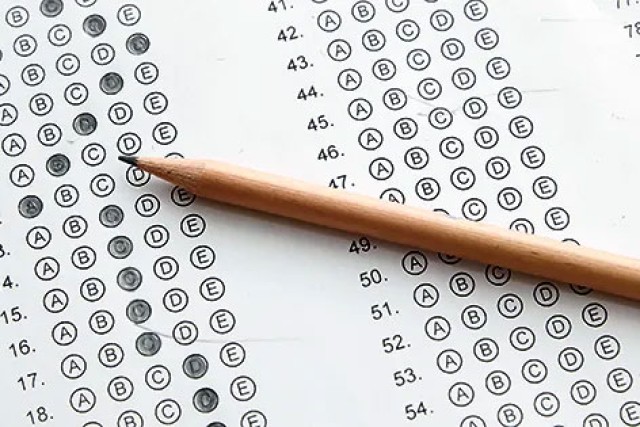
Who loses when standardized tests for college admissions are optional?
Rochester Business Journal features an essay by Amit Batabyal, the Arthur J. Gosnell Professor of Economics and interim director of the Golisano Institute for Sustainability, examining research suggesting that test-optional college admissions may disadvantage high-achieving students from less-advantaged backgrounds.
-
September 2, 2026

Empowering Women in India Economically also Improves their Mental Health
An essay by Amit Batabyal, the Arthur J. Gosnell Professor of Economics and head of the Department of Sustainability, published by Basis Point Insight.
-
August 28, 2026

The Princeton Review cites RIT as a top university for career outcomes
RIT once again made The Princeton Review Best Colleges list and was ranked among the top 50 schools for “Colleges that Create Futures” in its Best 392 Colleges 2027 edition.
-
August 18, 2026

India’s Employment Gains Mask a Missing Middle and Low Productivity
Basis Point Insight publishes a commentary by Amit Batabyal, the Arthur J. Gosnell Professor of Economics and head of the Department of Sustainability, about the quality of jobs available and the skills required to perform them.
-
August 17, 2026

How has remote work affected American cities?
Rochester Business Journal features commentary from Amit Batabyal, the Arthur J. Gosnell Professor of Economics and head of the Department of Sustainability, examining research on how remote work has permanently reshaped the economic geography of many large U.S. cities and reduced the economic benefits of central business districts.
-
July 13, 2026

RIT students help bring Floating Garden to life
The Floating Pavilion, part of a Floating Garden food forest envisioned by New York-based interdisciplinary artist Mary Mattingly, was created by RIT students.
-
June 18, 2026

The drawer problem: Why so many of us can’t let go of our old electronics, and what we can do about it
The Conversation features an essay by Eric Williams, professor of sustainability, and Payam Saeedi, Ph.D. candidate in sustainability, examining why many consumers keep old electronics stored in drawers instead of recycling, reselling, or donating them.