New School of Film and Animation director, faculty roles for 2025-26
Keith Bullis
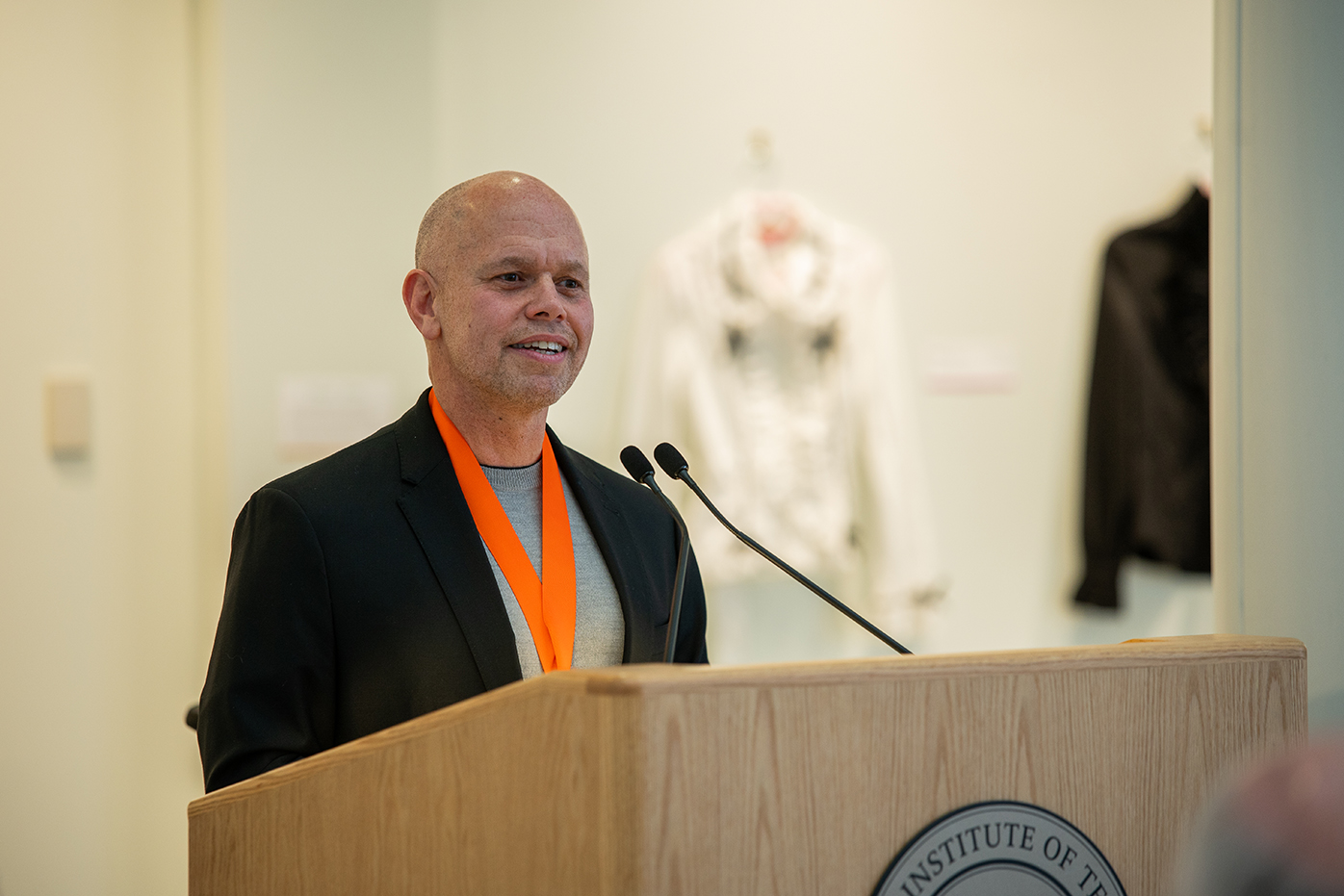
Ricky Figueroa, pictured here accepting RIT’s inaugural John Traver Endowed Professor, took over as director of the School of Film and Animation on July 1.
It’s been an eventful year for Ricky Figueroa.
Early in 2025, he was honored as RIT’s inaugural John Traver Professor. A few months later, he was appointed the new director of the College of Art and Design’s School of Film and Animation, a position he began July 1.
He takes over at a time when the School of Film and Animation (SOFA) is hitting its stride with breakthrough creative technology research, interdisciplinary program offerings, and a semester-long experience in Los Angeles.
Over the last year, RIT has been recognized in top film school rankings by well-regarded publications such as The Hollywood Reporter, Variety magazine, and TheWrap. In The Hollywood Reporter’s most recent top film schools list, RIT ranked No. 22.
“I’m extremely honored to take on this role at such an exciting time for our school,” said Figueroa, Ph.D. “The key to our success relies on our students, our faculty, and the fantastic team of professionals who support our school. My utmost responsibility is to be an enabler and problem solver for them. Because when they succeed, SOFA succeeds.”
Figueroa succeeds Professor Shanti Thakur, who started as school director in 2021. She is now the director of the College of Art and Design Summer Digital Institute and International Initiatives.
Figueroa is an electrical engineer turned creative technologist lauded widely for nurturing the next generation of students interested in the unique blend of the arts, design, computing, and engineering.
With Figueroa serving as director of RIT’s motion picture science program, students have executed innovative research routinely honored by the Society of Motion Picture and Television Engineers (SMPTE) and collaborated with industry partners such as Netflix and Dolby. In 2023, Figueroa spearheaded an effort for RIT to become a member of the Dolby Creator Lab program, providing student and faculty access to the latest Dolby tools and training.
Figueroa’s published research has also been recognized by SMPTE, a global professional association consisting of top engineers, technologists, and executives working in media and entertainment. In 2020, he was appointed as a SMPTE Fellow, a distinction conferred on individuals who have, through their proficiency and contributions to the motion-picture, television, or related industries, attained an outstanding rank.
More recently, SMPTE awarded him its 2025 Journal Certificate of Merit for his paper, “What Electronic Image Noise Signatures Can Tell us About Image Linearity and Camera Encoding,” published in the September 2024 issue of SMPTE’s Motion Imaging Journal.
“Something that excites me every day is the natural collaboration that takes place between students in our BFA and BS programs,” Figueroa said. “On set, in studios, and in labs, our students are learning not just how to perform their own roles — but how to work together, considering both creative and technical implications, which makes them uniquely prepared for our industry.”
New faculty for 2025-26
The College of Art and Design’s list of new full-time hires includes:
Rachel Bajema, assistant professor, medical illustration
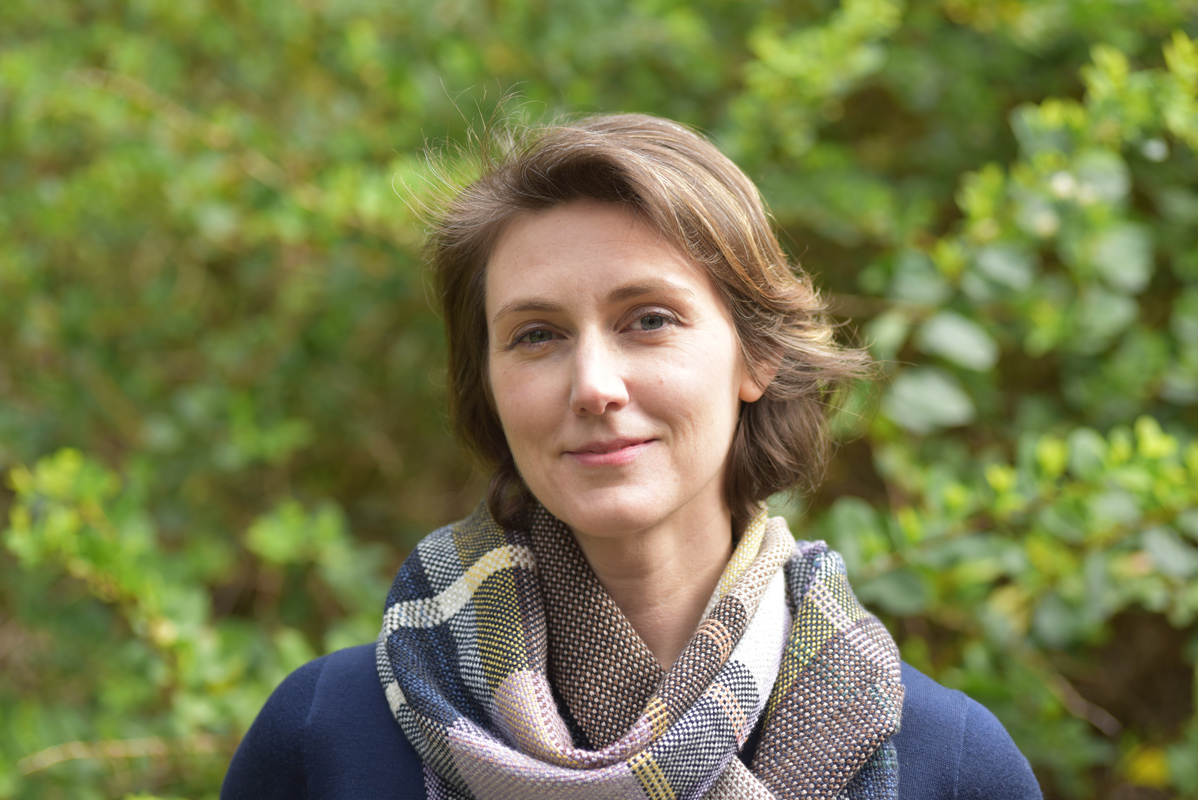
Rachel Bajema
Rachel Bajema is the owner and principal creative force behind Bajema Studios, LLC. She earned her BA in biological sciences at the University of Southern California Dornsife College of Letters, Arts and Sciences, where she also studied fine art and piano performance. Her MS in biomedical visualization was granted by the University of Illinois at Chicago College of Applied Health Sciences.
Bajema is a board-certified medical illustrator, mentor, and professional member of the Association of Medical Illustrators. She is also a Fellow of the Association of Medical Illustrators (FAMI) and editor of the Medical Illustration & Animation Marketing Program.
In her free time, Bajema can be found in any body of water doing any water thing. She paints, draws, skis, rows, hikes, and enjoys music and printmaking.
Rachel Herring, assistant professor, graphic design
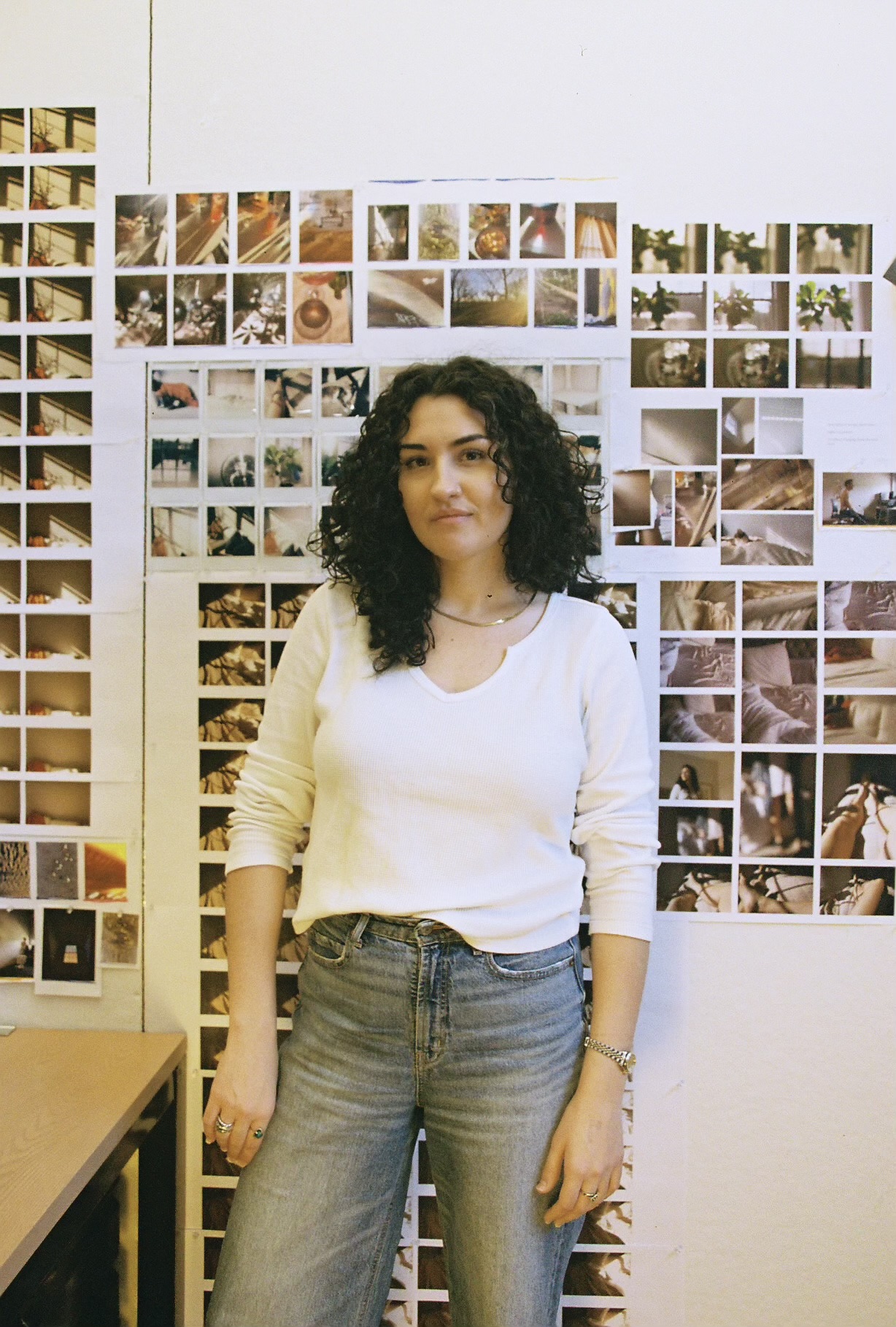
Rachel Herring
Rachel Herring is a designer, educator, and author of Cellular Balance Workbook: Redesign Your Smartphone and Reclaim Your Time. She creates work at the intersection of techno-critique, design ethics, and participatory research; her experience as an art director in Manhattan’s beauty industry informs her desire to examine the ethics of design. Her multimedia studio practice spanning publications, installations, websites, and workshops has led to an exhibition at the Javett Art Centre in Pretoria, South Africa, a talk at the Flea in New York City, and a Scarlet Arts Rx grant from Rutgers University, among other opportunities.
Herring explores how technology’s rapid pace and aestheticization shape our perceptions of time, space, and sociopolitical dynamics. Ultimately, her work is about a way of being in the world — slowing down and looking closely at the everyday. In a world where everything is designed, she hopes to democratize design by creating products with the consumer and empowering them to customize products to best suit their individual needs.
Rachel Lee Hutcheson, visiting assistant professor, School of Photographic Arts and Sciences
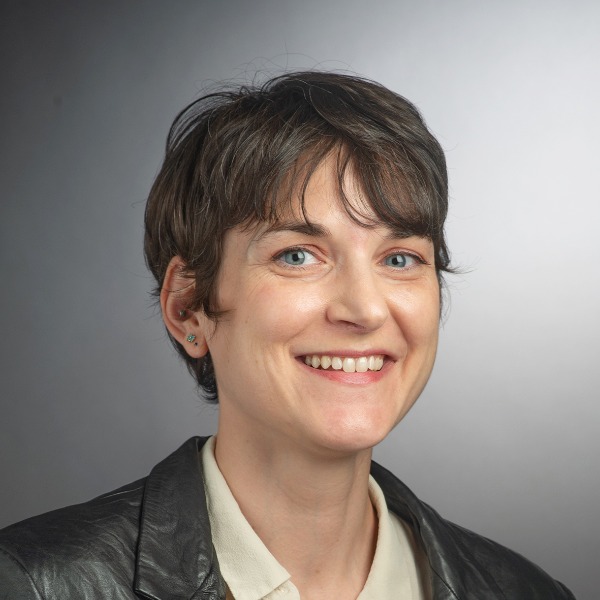
Rachel Lee Hutcheson
In 2024, Rachel Lee Hutcheson received her Ph.D. in art history and archaeology from Columbia University. Her dissertation on early color photography engages with the relationship between color, vision, and photo-filmic technology at the turn of the 20th century. Her research interests include histories of perception, photography, film, and video, as well as media theory. She has presented nationally and internationally, including at the 2025 International Panorama Council Conference in Lisbon, the Photographic History Research Centre at De Montfort University in the UK, and at the European Research Council project Chromotope.
Her work on early color technologies has appeared as articles in Grey Room and in forthcoming issues of 19: Interdisciplinary Studies in the Long Nineteenth Century as well as PhotoResearcher. Her writing on contemporary art has also appeared in Millennium Film Journal. Hutcheson also has degrees from Virginia Commonwealth University and the School of the Art Institute of Chicago.
Thomas Madden, visiting lecturer, motion picture science
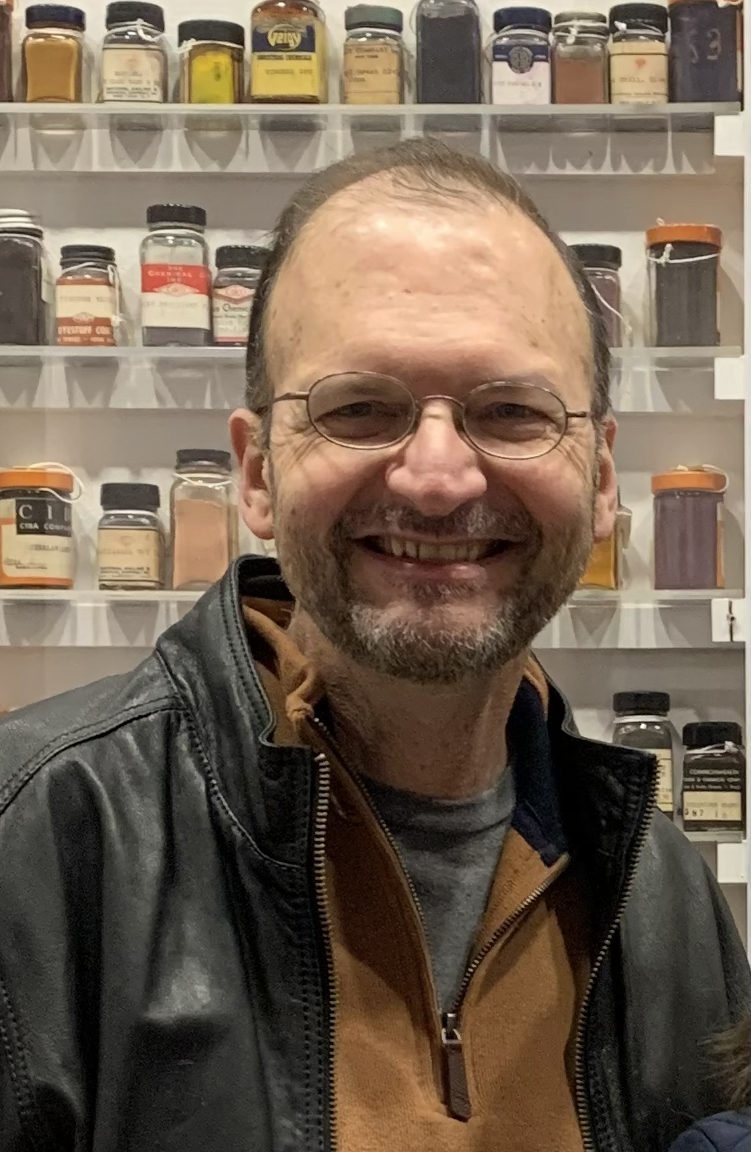
Thomas Madden
Thomas Madden is the undergraduate program director for RIT’s motion picture science program. He held a distinguished career as a senior principal scientist at the Eastman Kodak Company and holds 25 U.S. and foreign patents. He is the co-author of Digital Color Management: Encoding Solutions, a contributor to numerous color-imaging textbooks and publications, and lecturer and consulting expert in professional, academic, and industrial settings in the U.S., Canada, and Europe.
Corinn Marriott, visiting lecturer, illustration
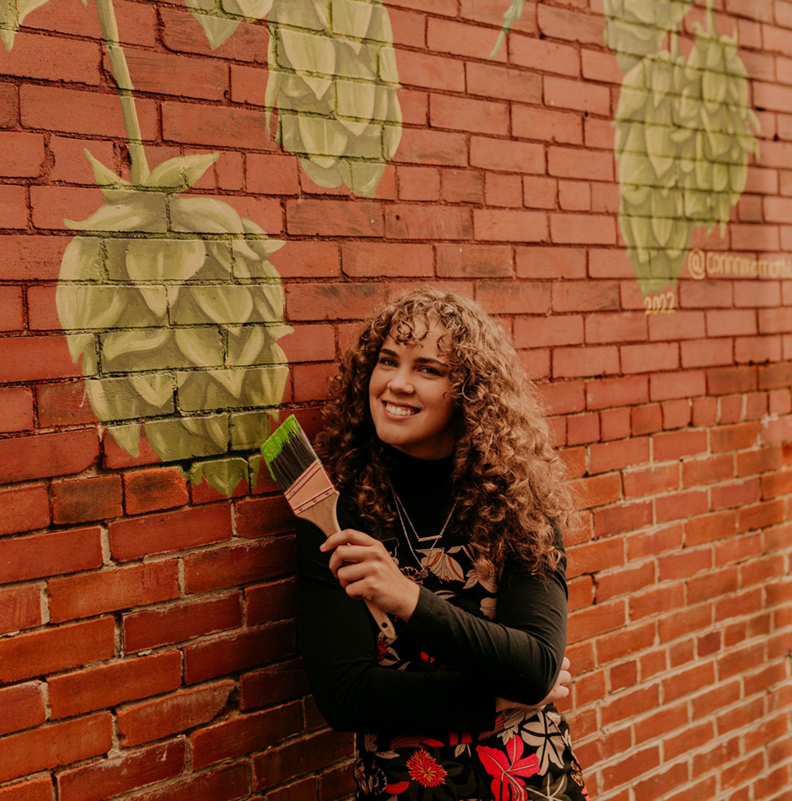
Corinn Marriott
Corinn Marriott is an illustrator, muralist, and educator from the Finger Lakes region of New York. Her work celebrates nature and the beauty of her home. She is passionate about working with local clients to bring their vision to life.
From large-scale murals to label designs, Marriott’s work is detailed and vivacious. She works in both traditional and digital applications, specializing in gouache, digital painting, and exterior mural techniques.
Marriott holds a BFA in illustration from RIT and an MFA in illustration from the University of Hartford. She has taught at the high school level, at local arts centers, and as an adjunct professor at Keuka College and RIT. She enjoys sharing her knowledge of illustration business and techniques with her students.
Steve Matteson, Cary Endowed Professor, School of Design

Steve Matteson
Steve Matteson has been working in the type industry for nearly 40 years, mostly as a typeface designer, but also as an engineer, manager, graphic designer, and sales presenter. He has designed more than 100 typeface families, including Microsoft’s newest default family, Aptos; Google’s Open Sans and Noto; and the branding fonts used by Toyota.
He is an avid letterpress printer and active in the book arts community in Boulder, Colo., where he has taught and lectured about all aspects of typography. Mountain biking is his side passion, and he tries to leave time for playing the trumpet or drums in various ensembles. Matteson graduated from RIT’s School of Printing in 1988.
Natalie Mertz, visiting lecturer, graphic design
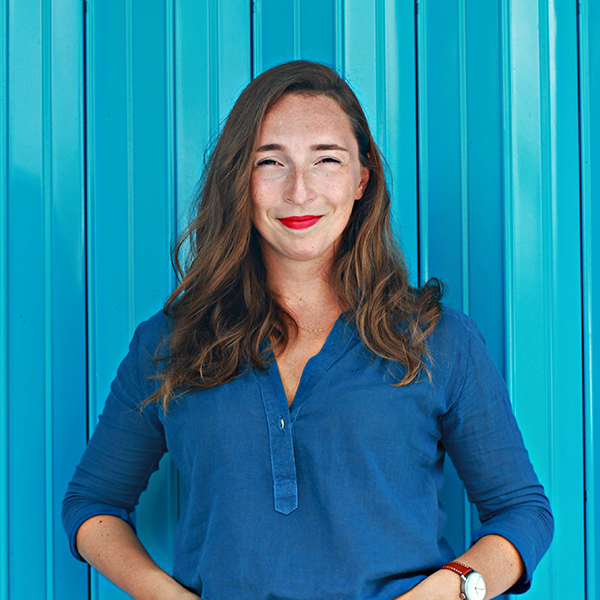
Natalie Mertz
Natalie Mertz is a designer, entrepreneur, and educator with over 15 years of experience in the creative field. She has collaborated with leading brands such as Atlassian, The New York Times, Hewlett Packard, and Harvard University, as well as innovative start-ups including The Sill and Living Proof.
Beyond her design practice, Mertz has successfully developed and launched two consumer products — Rock N Roll Oracle and Music In She Oracle — which are sold in boutiques and on e-commerce platforms such as goop.com. Drawing on this entrepreneurial experience, she helps other creatives bring their ideas to market through coaching and her digital course, Creator Jump Off, a step-by-step roadmap for building a sustainable creative business.
In 2023, Mertz expanded this mission with the launch of the Creator Jump Off podcast. Through in-depth conversations with artists, musicians, creative entrepreneurs, and unconventional thinkers, she explores the intersections of creativity, business, and inspiration — offering honest insights into both the challenges and rewards of living a creative life.
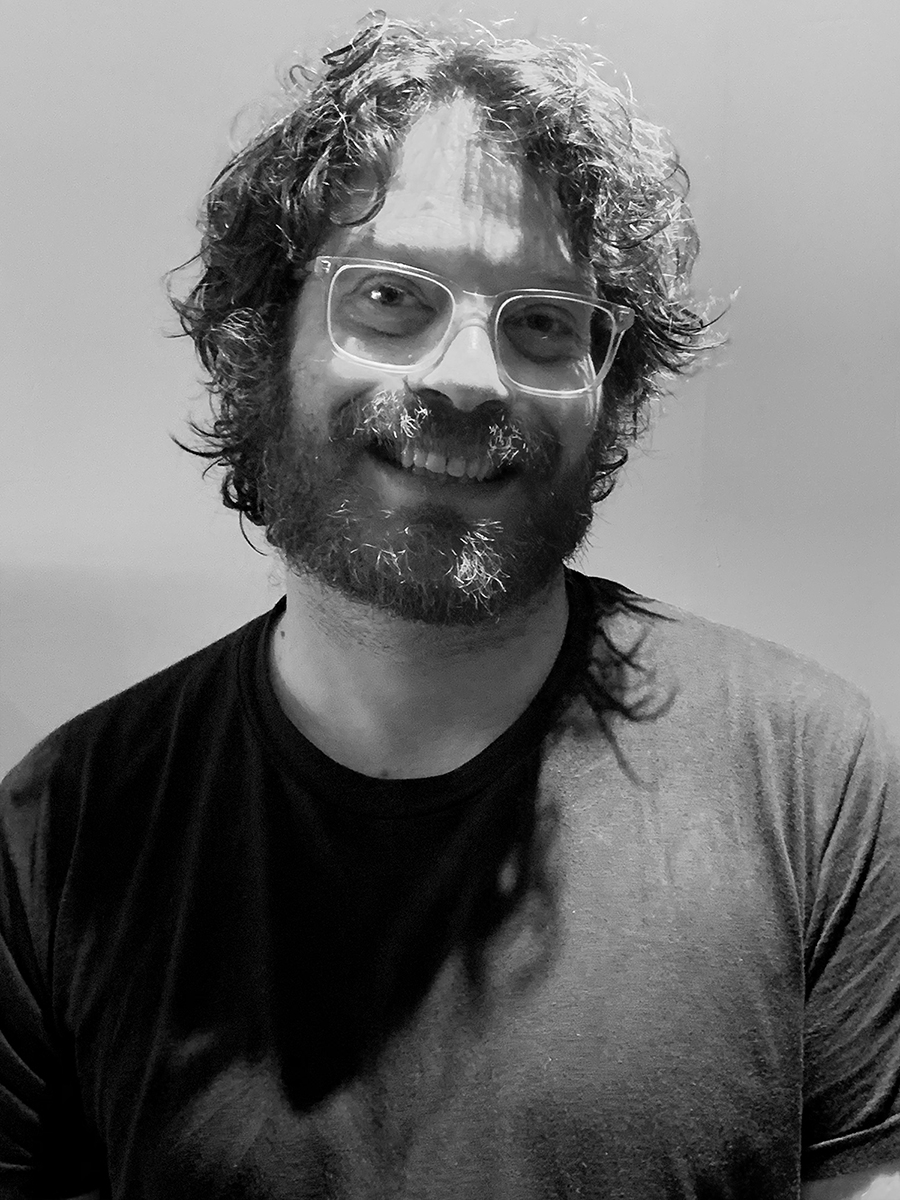
Austin Shaw
Austin Shaw, associate professor, graphic design and new media design
Promotions
The College of Art and Design has a number of faculty who accepted promotions ahead of this academic year:
- Joey Byun, assistant professor, 3D digital design
- Kelly Jahn, visiting lecturer, interior design
- Clay Patrick McBride, assistant professor, advertising photography
- Ahndraya Parlato, assistant professor, fine art photography and photography and related media MFA
- Aaron Powell, lecturer, 3D digital design
- Marissa Tirone, assistant professor, industrial design