Materials Science Laboratory

We apply materials science to develop sustainable solutions that address critical industry needs for energy efficiency, resource conservation, and material performance.
The Materials Science Laboratory at RIT’s Golisano Institute for Sustainability (GIS) provides manufacturers small and large, government agencies, and academic research partners with state-of-the-art technologies and leading expertise in material science and engineering. The lab is used to design, develop, and characterize materials for a wide range of industrial applications.

Research
Our research advances the processing-structure-property relationships in materials through modeling and experimentation. We are currently conducting research in the following key areas:
Sustainable Materials Design
Materials—how they are made and how they perform—are critical to a sustainable future. Our research focuses on developing high-performance materials that can endure extreme environments through computationally aided, high-throughput experimentation, such as is needed in certain clean-energy applications. We also design alloys that reduce reliance on critical elements like rare earths, cobalt, and nickel, while also exploring high-performance alloys with increased recycled content.
Featured work:
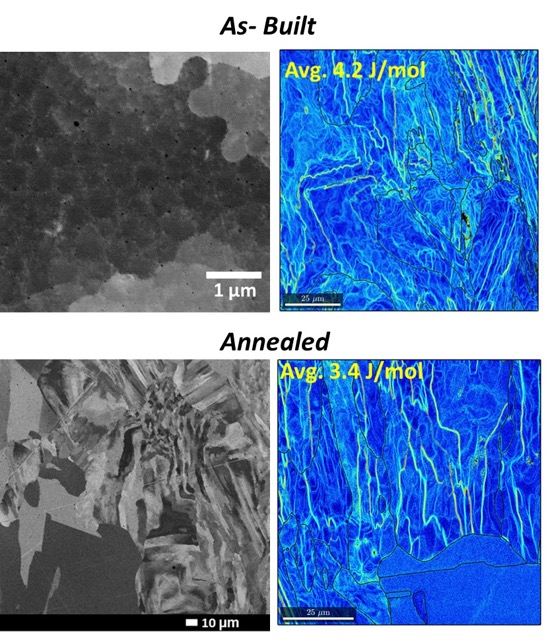 Due to their exceptional thermal stability, additively manufactured (AM) materials show great potential for high-temperature applications in industries such as aerospace, energy, and defense. Using advanced characterization techniques, this project aims to shed light on the fundamental mechanisms responsible for the higher thermal stability of AM-built materials. This knowledge is key to controlling AM microstructures to enhance thermal stability, paving the way for their application in next-generation high-performance systems.
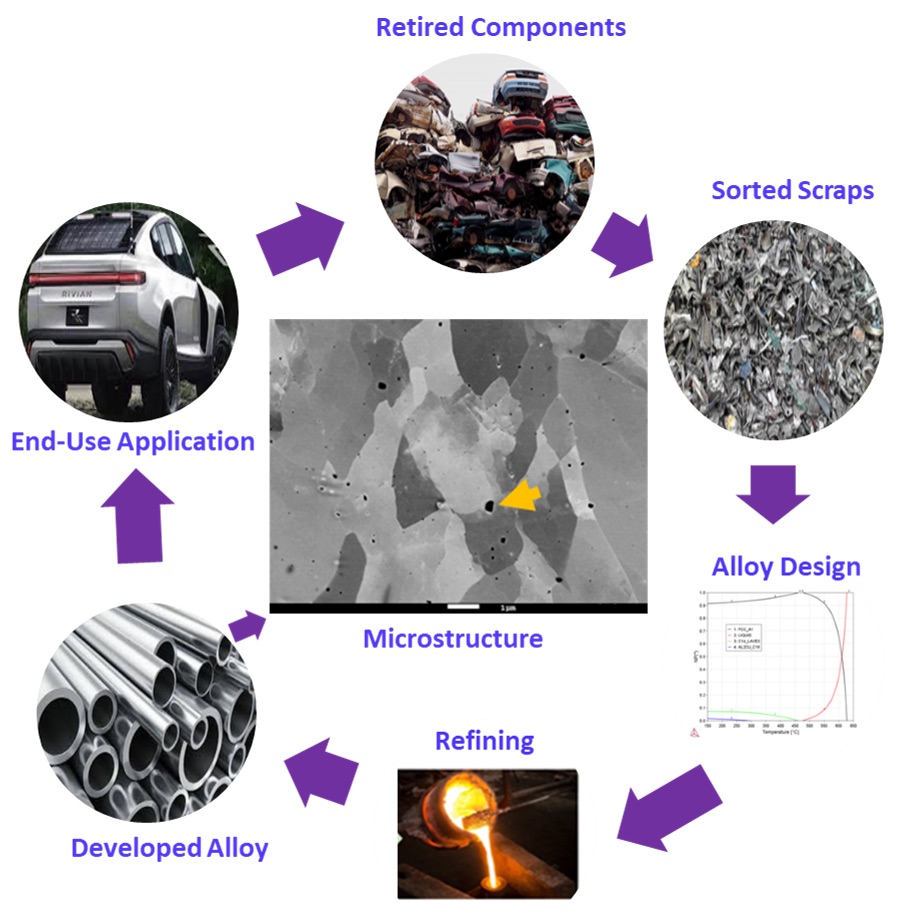 Better understanding of how impurities—like sulfur, phosphorus, and other non-metallic inclusions —affect the microstructure evolution and mechanical properties of high-strength steel is critical for designing scrap-tolerant alloys, especially as the steel industry seeks to use more recycled scrap. This research will analyze how these impurities influence solidification, grain structure, and overall material performance. The study aims to provide a foundation for developing high-strength steels that can tolerate a greater proportion of recycled content while maintaining desirable mechanical properties to support more sustainable metal production.
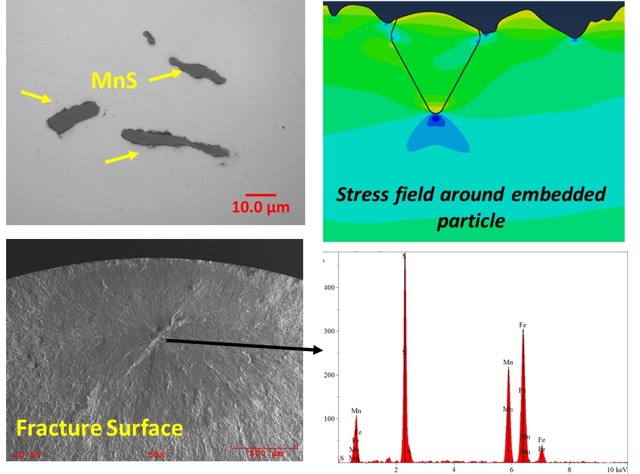 Manganese sulfide (MnS) inclusions are commonly found in advanced high-strength steels and have a significant impact on mechanical performance. Factors such as their size, shape, distribution, and orientation relative to the loading direction, as well as local strain caused by manufacturing or post-processing treatments (like induction-hardening), can influence fatigue behavior. This project aims to analyze the strain field surrounding MnS inclusions using a combination of high-resolution electron backscatter diffraction and finite element modeling. By studying the strain fields around various types of inclusions, this project seeks to enhance the understanding of how inclusions affect the fatigue of high-strength steel.
Advanced Manufacturing and Materials Processing
Our research investigates novel manufacturing techniques to produce high-performance materials in a cost-effective, energy-efficient, and scalable way. We optimize processing parameters using in-situ monitoring and post-process characterization to synthesize high-quality materials with enhanced properties, both as base materials and as coatings. We also explore post-processing treatments to improve material performance for demanding applications, such as those involving extreme temperatures.
Featured work:
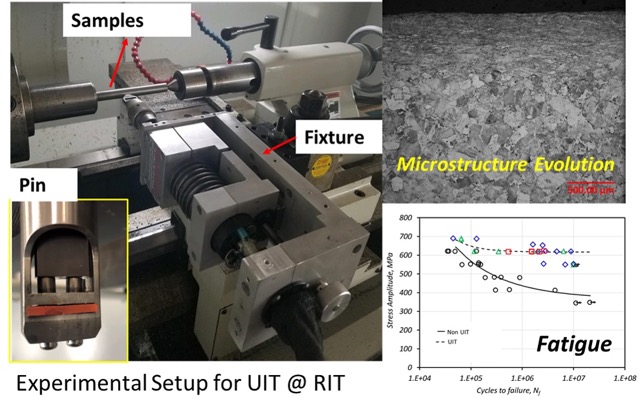 UIT is a needle-peening process that enhances fatigue life. However, UIT can negatively affect component integrity by increasing surface roughness and introducing stress concentrations because of high-energy impacts. UIT’s overall impact on fatigue life depends on the balance between beneficial effects, such as strain-hardening and grain-refinement, and detrimental effects, such as stress risers. Uncertainties about the correlation between UIT-induced microstructural changes and fatigue performance have hindered the method’s widespread application. This study aims to establish a quantitative link between UIT parameters, microstructural evolution, and fatigue performance in steels with varying microstructures (e.g., ferrite-pearlite or tempered martensite).
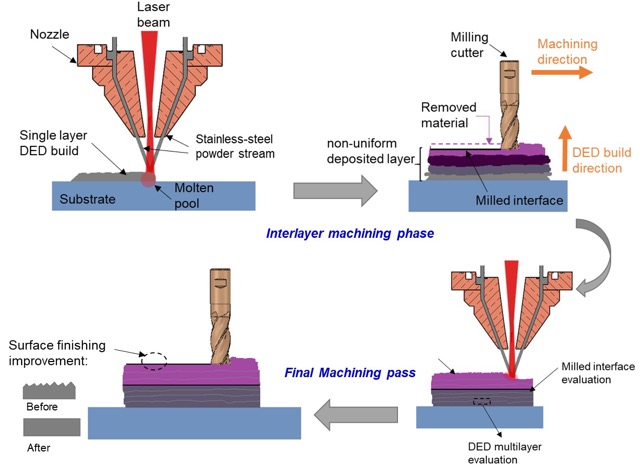 Post-build machining of stainless-steel components is typically used to improve surface finish and dimensional accuracy. However, applying interlayer machining during DED may provide better control, especially in complex geometries and high-curvature areas. By examining how interlayer machining influences microstructural features and mechanical performance, this research seeks to optimize DED processes to improve component quality and reliability in high-performance applications.
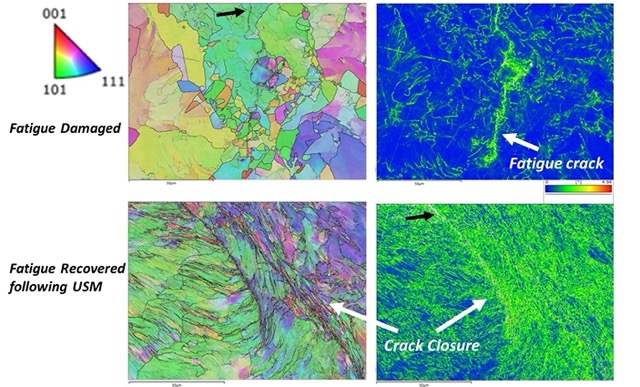 Fatigue-induced damage often shortens the life of high-strength steels in critical applications. USM offers a promising solution by introducing compressive residual stresses and refining surface microstructures in the vicinity of the crack, potentially reversing the detrimental effects of fatigue damage. In this study, steel samples are pre-fatigued to various levels of damage and then treated with USM. Fatigue testing, microstructural analysis, and finite element simulations are conducted to assess the effects of USM on fatigue life, crack closure, and stress distribution.
Remanufacturing and Recycling
Our research in remanufacturing and recycling focuses on extending the life of critical components to promote resource efficiency. We develop advanced repair technologies to restore high-value parts to near-original performance, addressing the causes of mechanical degradation and defects. We also investigate green hydrometallurgical methods for recycling, using eco-friendly reagents to recover valuable materials from spent products.
Featured work:
Development of Fire Protection Materials
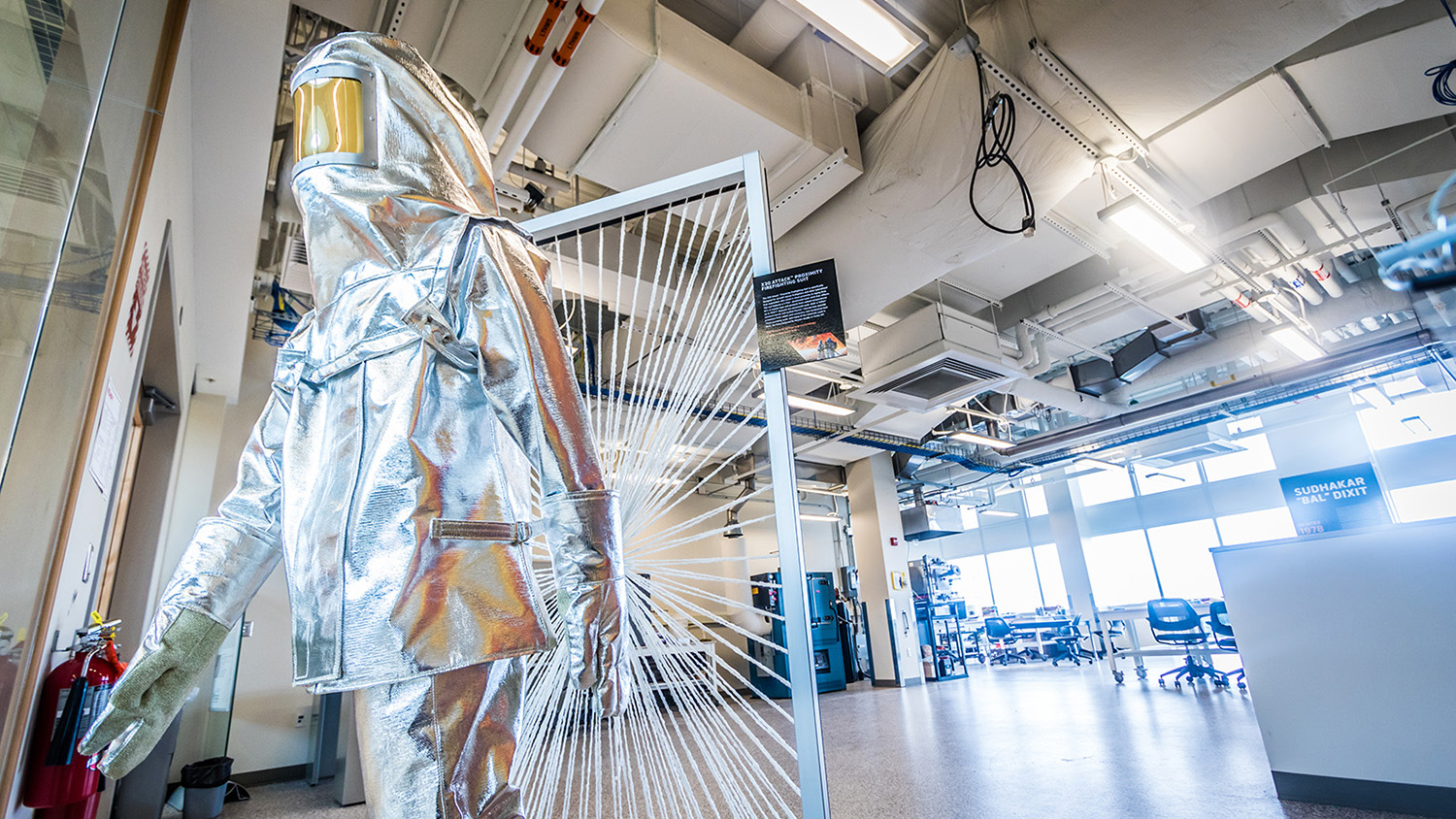
Our aim is to develop and optimize fire-resistant materials to enhance safety across various environments. By integrating expertise in chemistry, materials science, engineering, and physics, we focus on improving heat resistance, flame retardance, and smoke suppression. The Bal Dixit High Temperature Materials Lab provides extensive resources to conduct advanced experimental and computational methods in this area.
Technical Assistance
We partner with companies as an extended workbench to support a variety of process-, product-, or application-specific initiatives related to materials. We can provide support at the product-design phase through to final testing and validation. We also offer expertise in techniques for sustaining and recovering value from end-of-life materials, equipment, and products.
Get in touch to learn more about our technical assistance services.
Technical Capabilities
Our lab includes state-of-the-art equipment for processing, characterizing, and analyzing the properties of a wide range of materials, including metals, polymers, and ceramics.
Processing
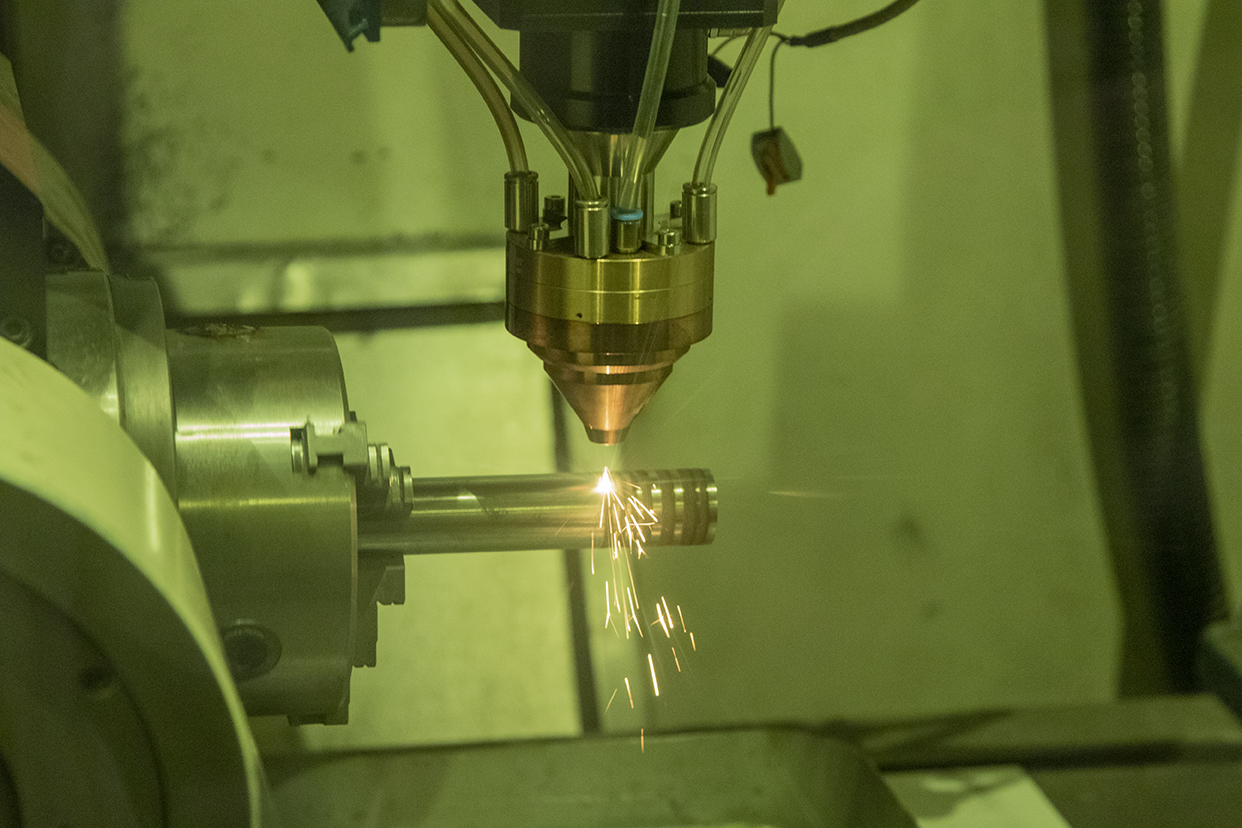
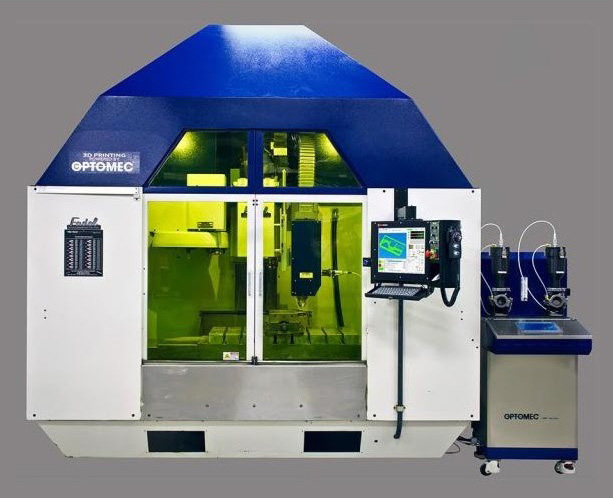 Equipped with a high-power 3 kW fiber laser, the LENS 860 reduces manufacturing time for building, repairing, or coating parts. It features a rugged CNC platform with a 16-tool automatic tool changer (ATC) and an 8,000 RPM spindle for machining operations. This versatile system is well-suited for direct energy deposition of metallic materials, multi-material joining/fabrication, and the production of graded materials.
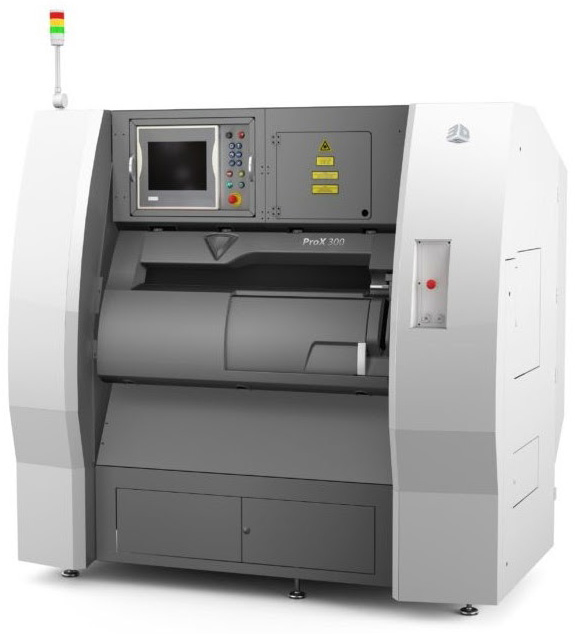 With a spacious build area measuring 250 x 250 x 330 mm, the ProX 300 is capable of printing large metal pieces. It offers exceptional accuracy down to 20 μm, making it an ideal choice for high-quality, industrial-grade 3D printing. It supports a wide range of materials including stainless steel, tool steel, precious metals, alumina, super alloys, and nonferrous alloys.
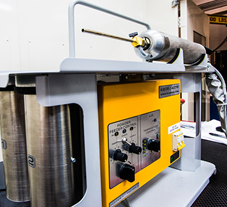 This low-pressure (58 to 158 psi) cold spray deposition system is capable of depositing metals, metallic alloys, metal blends, ceramics, and polymers. It is designed for applications such as geometric restoration, corrosion resistance, and wear resistance.
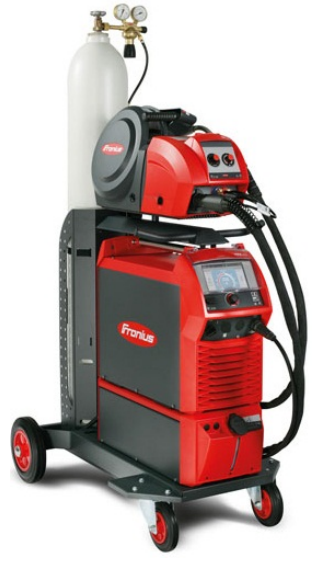 The CMT welder is capable of providing low heat input and highly stable welding, cladding, and brazing of metallic materials. It is particularly suitable for welding on light-gauge sheets with minimal distortion and for creating special connections using materials such as copper, zinc, and steel/aluminum.
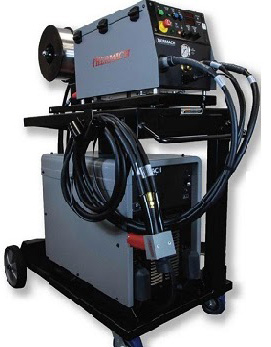 The AT-400 high performance thermal spray system combines the benefits of a “push” method wire feeder with the power of a 400-amp arc spray system. It is capable of depositing multiple materials simultaneously, allowing for the production of graded thermal sprayed coatings.
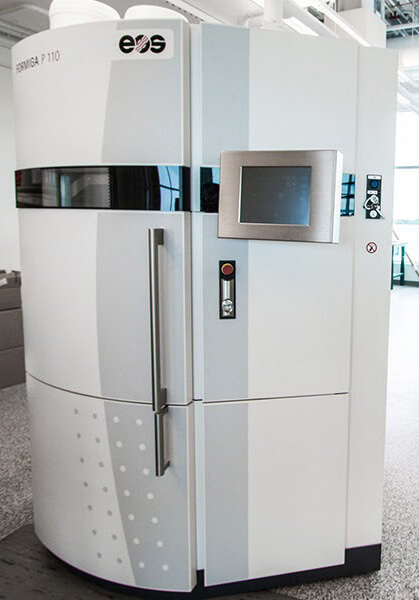 This 3D Printer is capable of printing polymer parts with complex geometries suitable for functional use. The Selective Laser Sintering technique employed produces parts with good surface finish and accuracy at a rate of 0.79 inches per hour with a build chamber volume of 7.9 x 9.8 x 13 inches.
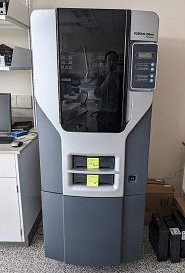 The system enables the quick construction of parts within a build envelope measuring 254 x 254 x 305 mm. Each material cartridge contains 922 cc of usable material. The Fortus 250mc offers three layer thickness options: .178 mm, .254 mm, and .330 mm.
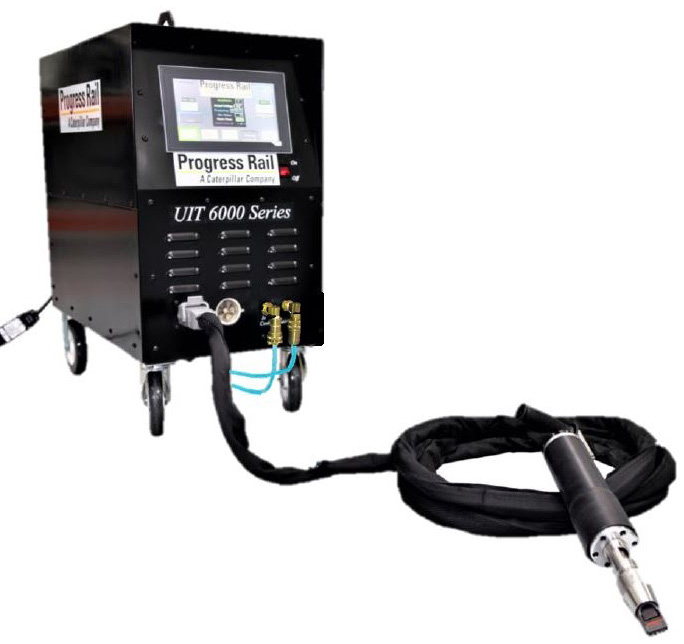 The equipment consists of a 27 kHz ultrasonic generator with an output voltage of up to 80.6 V, combined with Progress Rail's magnetostrictive transducer. The UIT equipment supports both single and multiple pin configurations, allowing for up to four pins arranged side by side. It has the capability to process a wide range of materials, spanning from soft to hard.
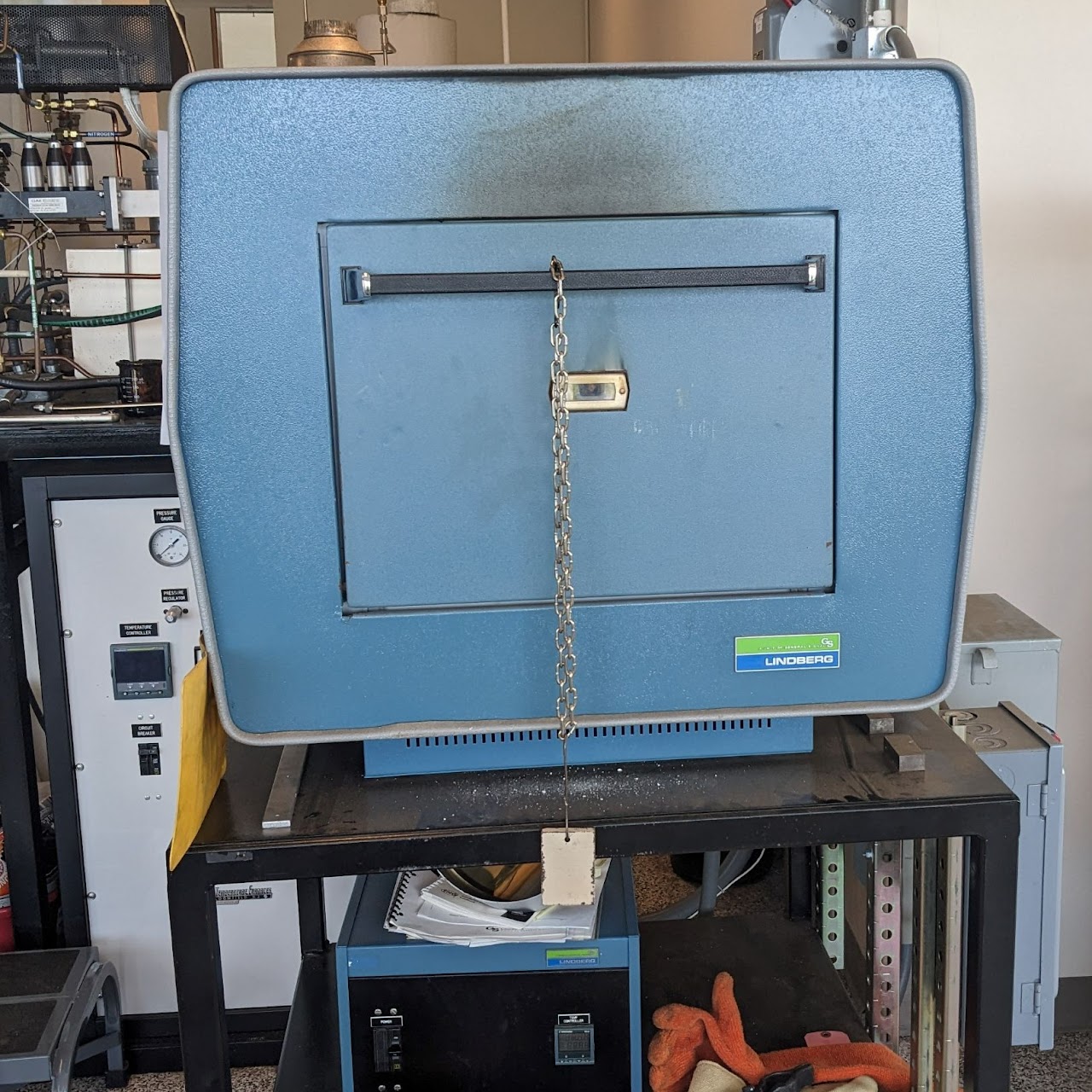 The furnace is capable of heat treating materials up to 1700°C, accommodating a wide range of materials for various types of heat treatment. The large chamber size allows for the heat treatment of samples with different sizes. The use of long-life type "B" thermocouples enables accurate temperature measurement.
Characterization
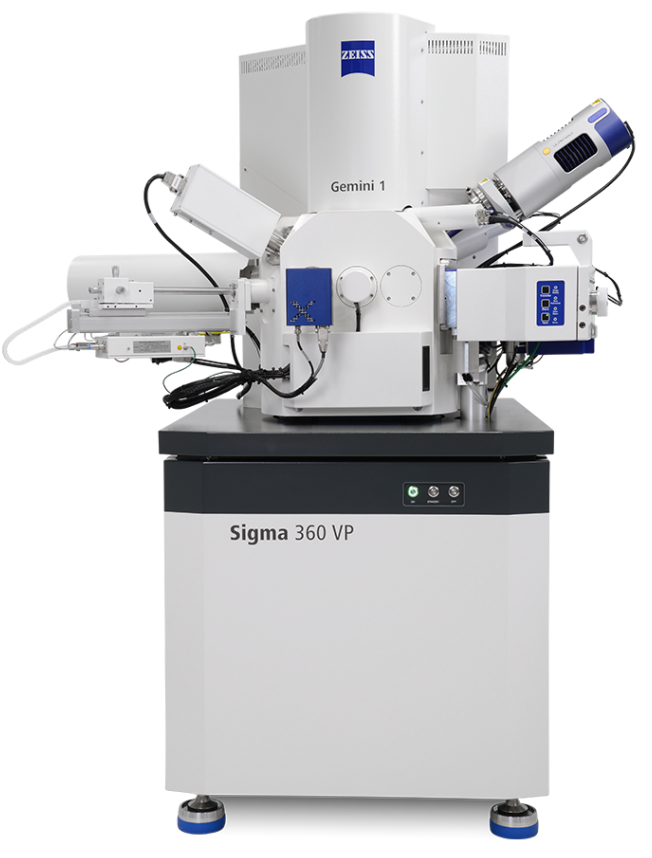 This Field Emission Electron gun SEM system has a variable pressure (VP) mode, which is useful for imaging non-conductive samples. It has secondary, backscattered, and scanning transmission electron microscopy (STEM) detectors. Attached to the microscope are Oxford's Ultim Max 65 energy dispersive spectrometer (EDS) and HKL auto Symmetry Electron Backscatter Diffraction (EBSD) detector.
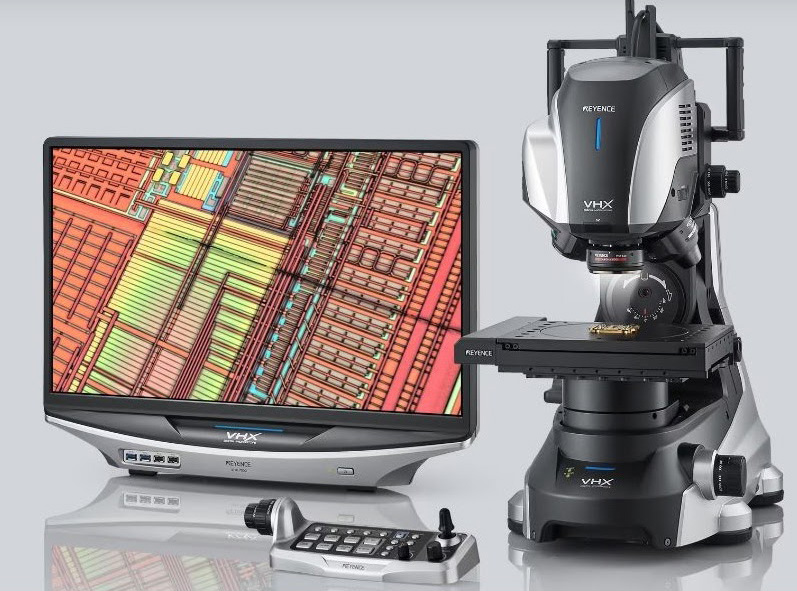 The Keyence VHX-700 Digital Microscope is capable of ultra-high resolution imaging, in-depth 3D analysis, and precise measurements for a vast array of materials and components.
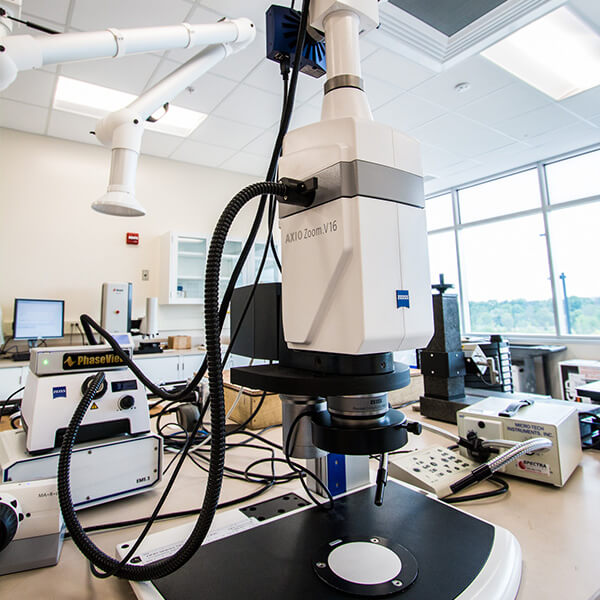 This stereo microscope is used for root cause failure analysis, wear rate determinations and surface roughness determinations.
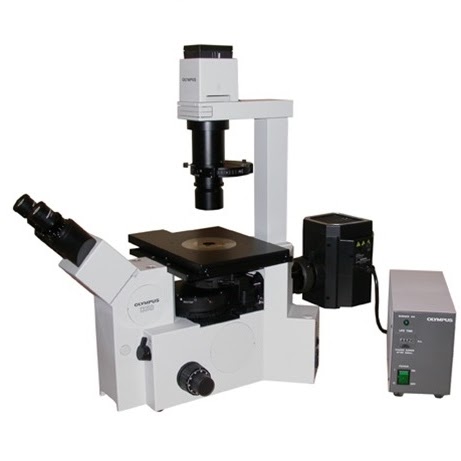 The Inverted Metallurgical Microscope is used to examine the microscopic mechanisms that affect the behavior of metals, their composites, and alloys.
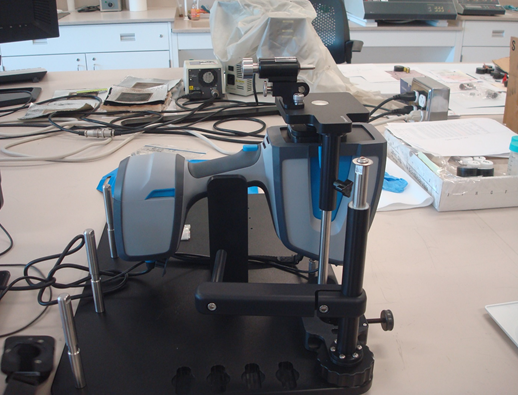 The Agilent FTIR-4300 Handheld Spectroscopy device is a portable analytical tool, known for its ability to provide rapid, on-site identification and quantification of a diverse range of chemical compounds and materials.
 The SciAps Z-200 is a portable, cutting-edge handheld Laser Induced Breakdown Spectroscopy (LIBS) analyzer. It enables fast, on-site elemental analysis of various materials without the need for sample preparation, making it suitable for applications such as alloy identification, mining exploration, environmental monitoring, and quality control in manufacturing processes.
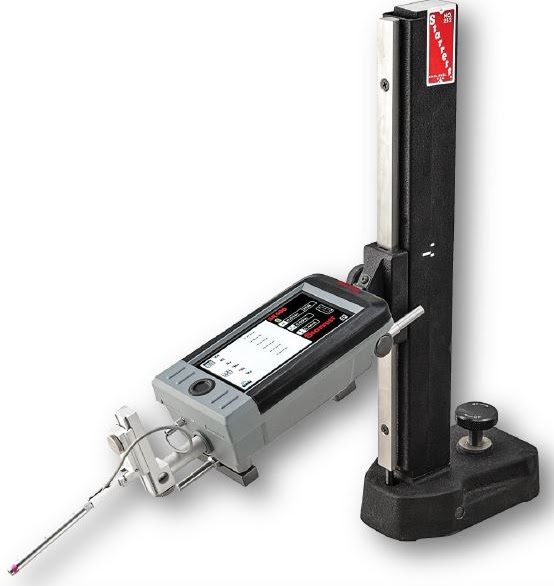 The Surface Profolometer is used to determine the roughness of a component's surface.
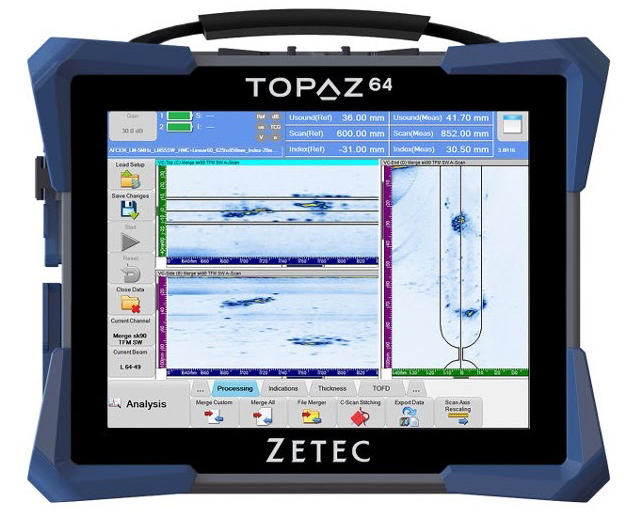 The Zetec TOPAZ 64 is an advanced ultrasonic inspection tool used for non-destructive testing, including code-compliant inspections on thick welds, analysis of composite materials, and examination of complex components across various industries.
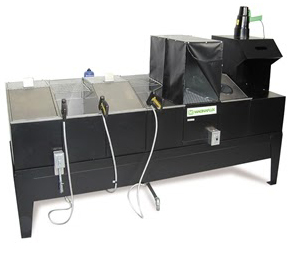 The Magnaflux ZA-1227 system, as a compact fluorescent penetrant inspection tool, can effectively identify surface-breaking defects, ensure the structural integrity of aerospace fasteners, evaluate the reliability of automotive parts, and validate the quality of surgical implants.
Properties
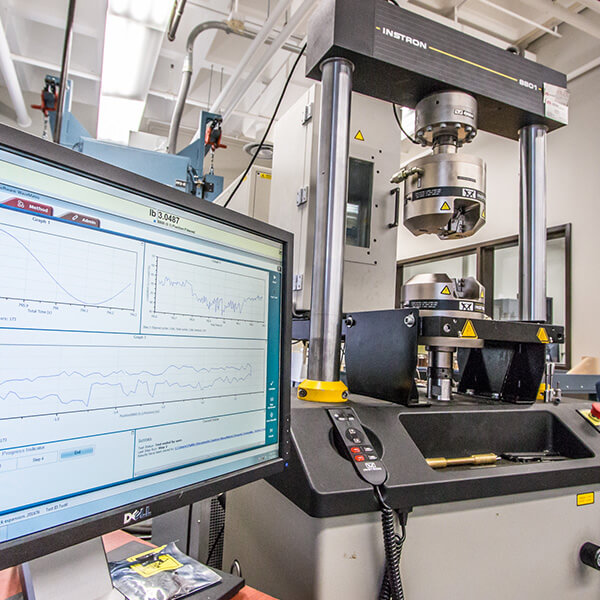 This Servohydraulic Test Frame is used for the quasi-static, three/four-point bending, axial, and bend fatigue testing of materials.
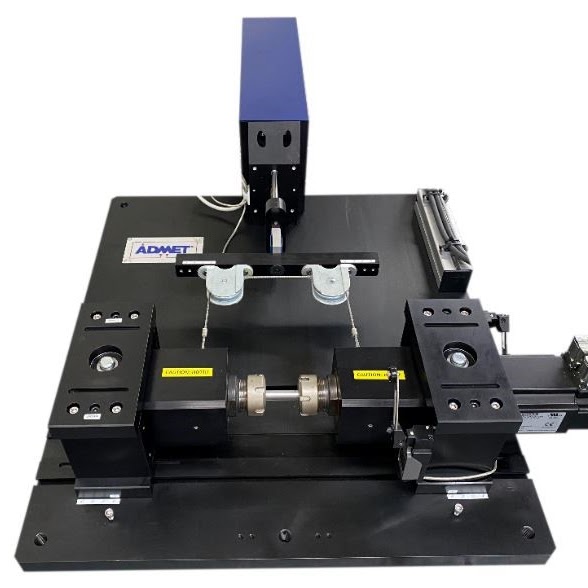 The eXpert 9300 series Rotating Beam Fatigue Test Systems feature a dual spindle system design, exerting uniform bending stress across the entire test specimen. They are capable of performing rotating beam fatigue tests at speeds up to 6,000 rpm (100Hz) and can handle bending moments of up to 100Nm.
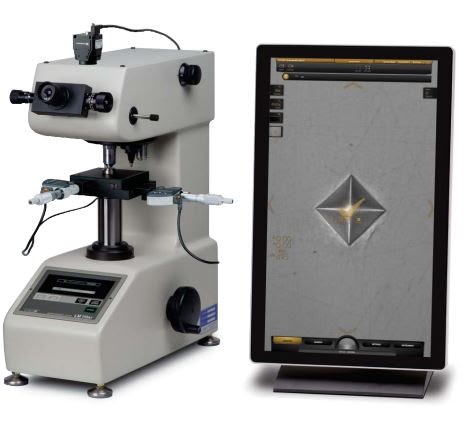 The LM248 AT is a versatile testing instrument with high-intensity LED illumination, a wide load range (1gf to 2000gf), automatic hardness calculation, dual indenters (Knoop and Vickers), and a color touch-panel display. It offers automatic hardness conversion and the ability to evaluate Fracture Toughness Value (Kc) for fine ceramics and hard-faced materials
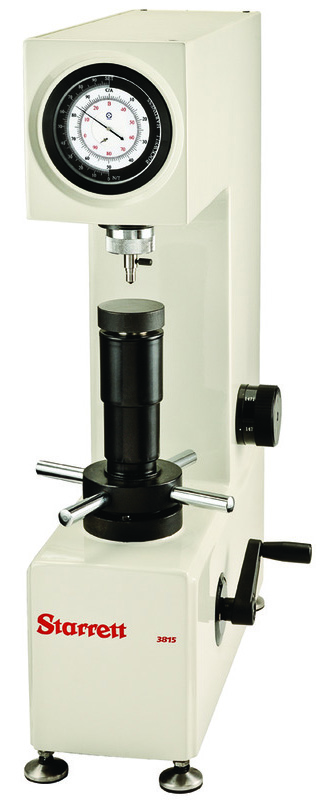 The Starrett 3815 Rockwell Hardness Tester is a versatile bench-top unit offering precise Rockwell and Superficial Rockwell tests, enabling applications in testing the macro-hardness of metal alloys, ceramics, and plastics, as well as evaluating heat treatments and coating hardness.
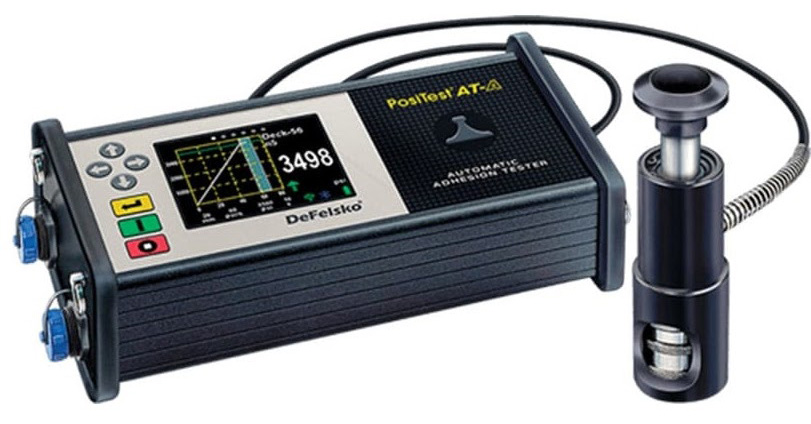 DeFelsko Adhesion Pull Testing accurately measures coating adhesion on various substrates like metal, wood, and concrete, using different stand-offs and single-use dollies, in a robust, environmentally sealed enclosure for reliable results across a range of bond strengths.
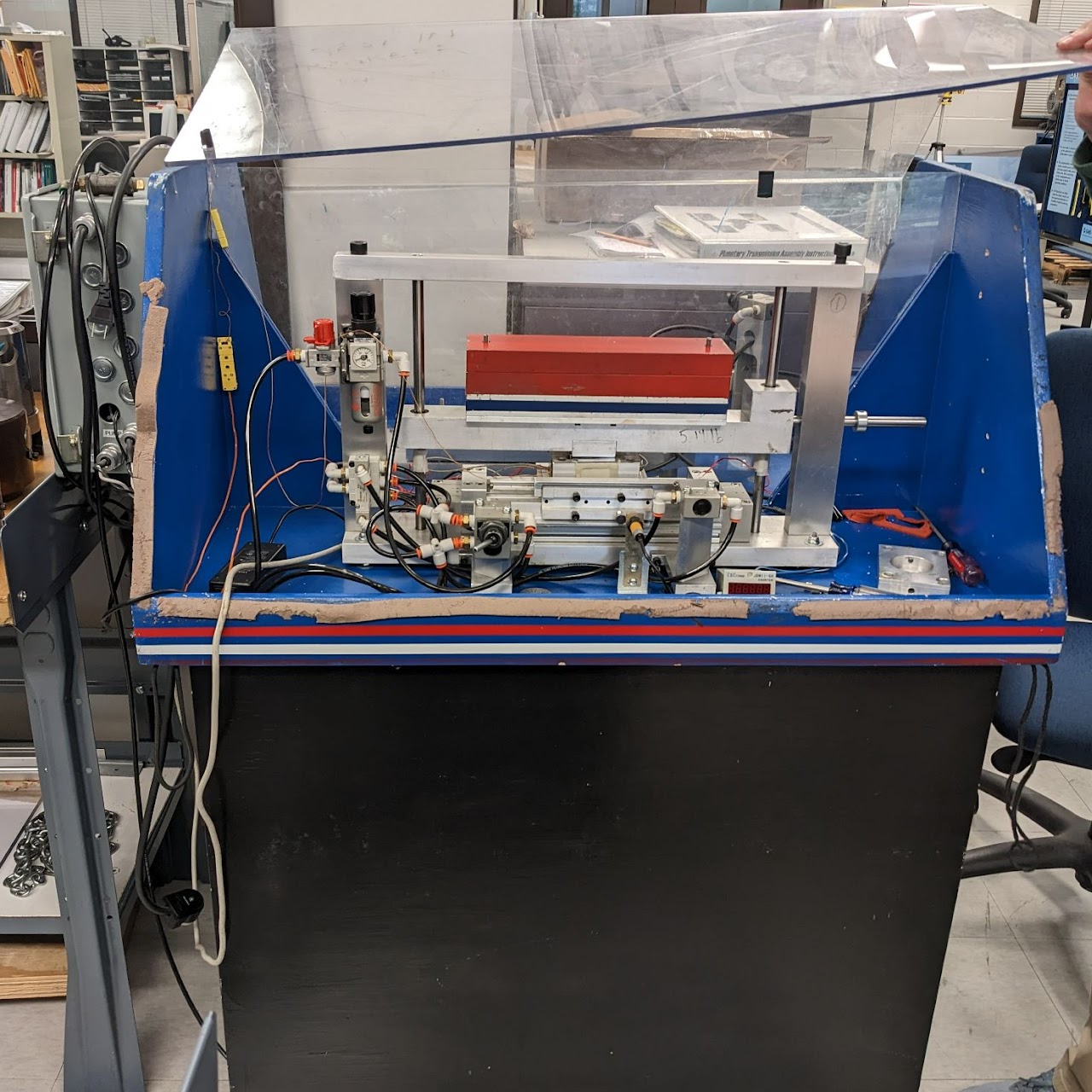 The Reciprocating Wear Test measures the wear resistance and frictional properties of materials by repetitively sliding a test piece against a counter-surface under controlled conditions.