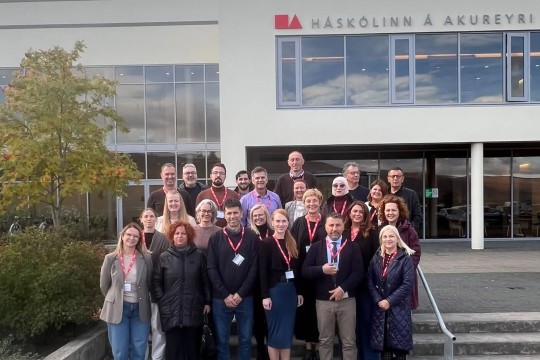
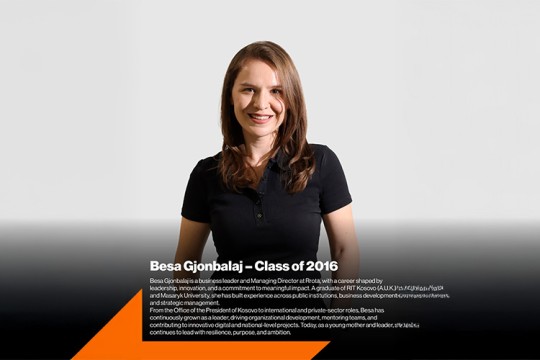
Dr. Mariel Leclere and Academic Advisor Alba Hajdini Participate in Hybrid WE-MIND Training of Trainers Workshop at the University of Sarajevo
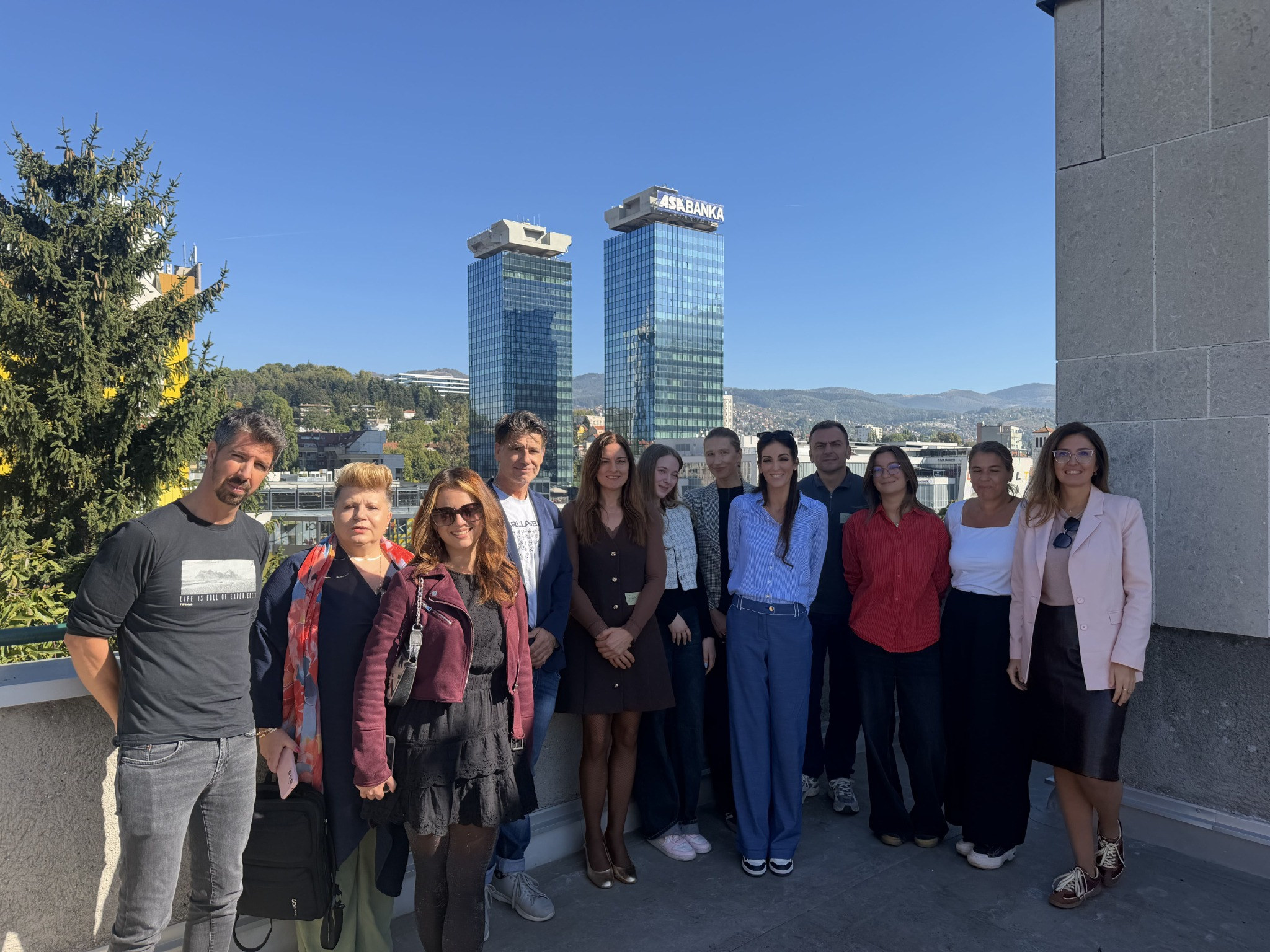
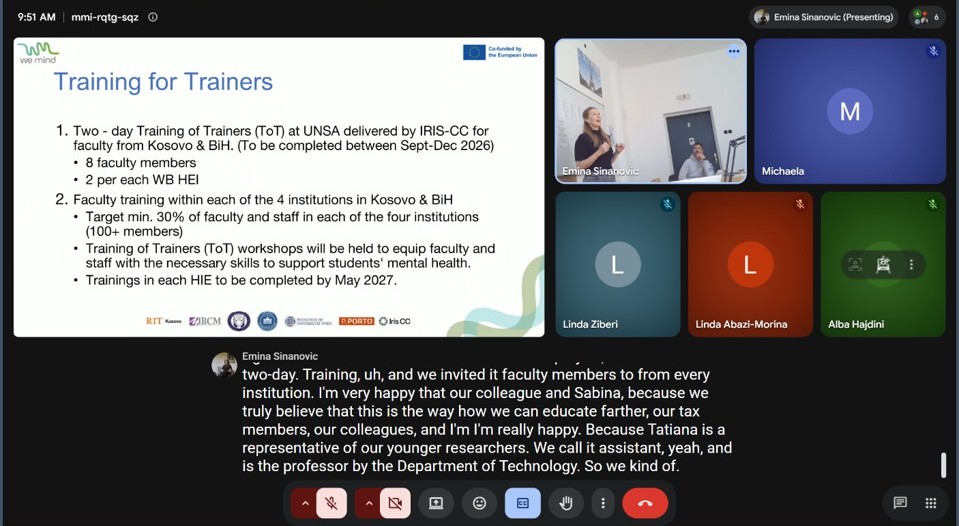
The workshop was organized by the University of Sarajevo team as part of the WE-MIND project’s efforts to strengthen institutional capacity to support students experiencing diagnosed and undiagnosed mental health challenges. Portions of the training were delivered by IRIS-CC experts, including Dr. Salvador Simó Algado and Francesc Guasch Aragay who shared expertise and practical approaches designed to help faculty and staff better understand and respond to student mental health needs.
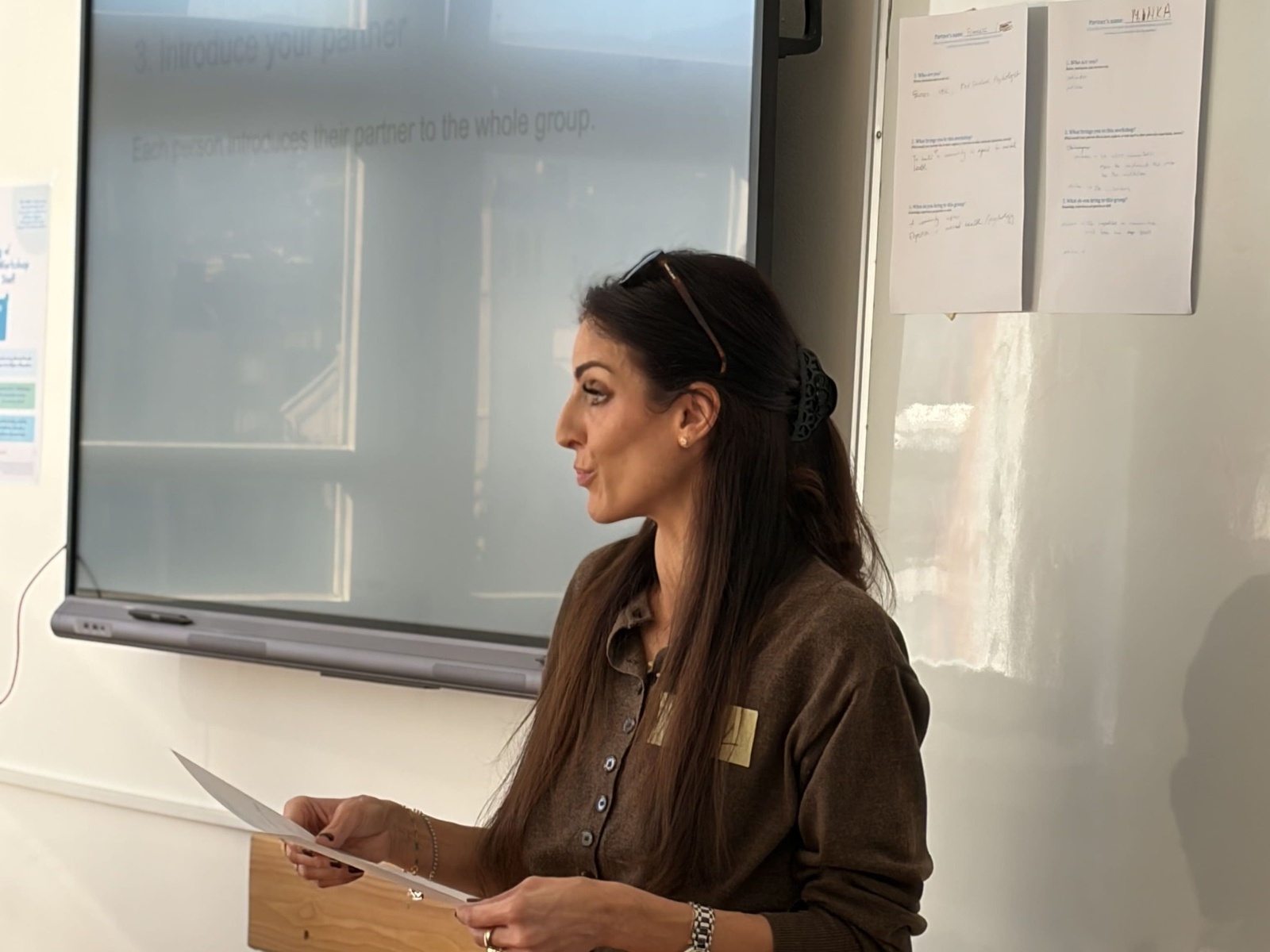
The Training of Trainers workshop brings together faculty and staff representatives from all four WE-MIND partner higher education institutions in Kosovo and Bosnia and Herzegovina. Drawing on findings from faculty, staff, and student surveys, the training focused on strengthening mental health literacy and developing practical strategies that participants can apply within their own institutions. An important component of the workshop also explored core European Union values, including inclusion, dignity, and equality, and their relevance to mental health, teaching, and pedagogy, with reference to the European Pillar of Social Rights.
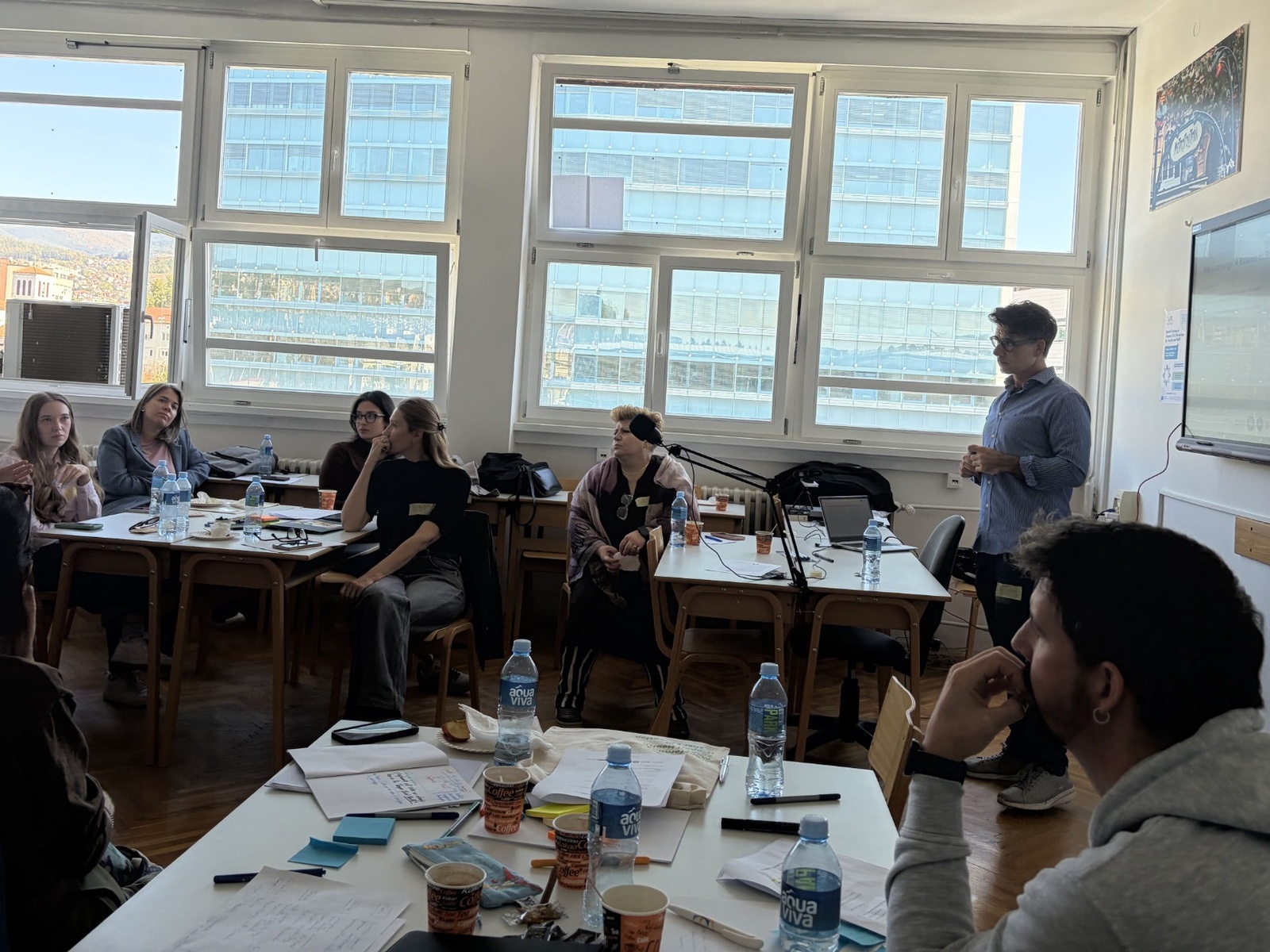
Following the workshop, participating faculty and staff are expected to transfer this knowledge to colleagues at their home institutions, helping expand the reach and long-term impact of the WE-MIND project. At RIT Kosovo, a follow-up training session for faculty and staff has already been scheduled through the RIT Faculty Development Center and will be conducted by Dr. Leclere and Hajdini. This session will provide an opportunity to share the knowledge, tools, and practices from the Sarajevo workshop with the wider RIT community.
Stay tuned for more information about the upcoming training sessions and related activities at RIT Kosovo.

Disclaimer: Co-funded by the European Union. Views and opinions expressed are however those of the author(s) only and do not necessarily reflect those of the European Union or European Education and Culture Executive Agency (EACEA). Neither the European Union nor the granting authority can be held responsible for them.