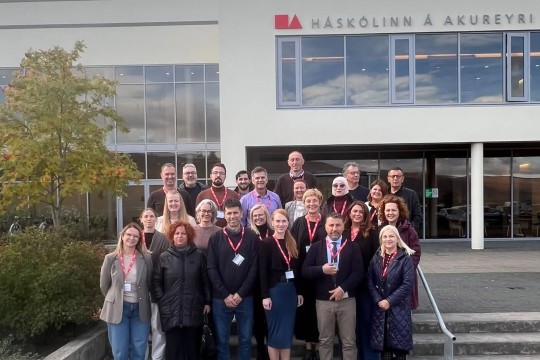
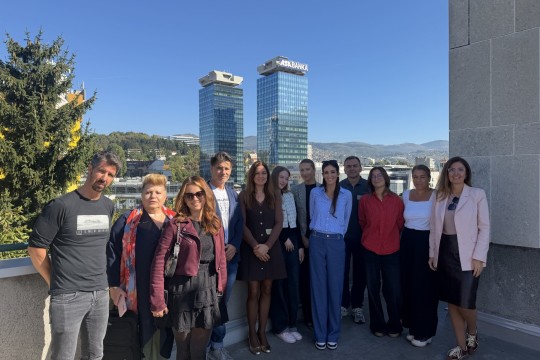
RIT Kosovo Team Attends WE-MIND Co-Design Workshop at the Medical University of Vienna
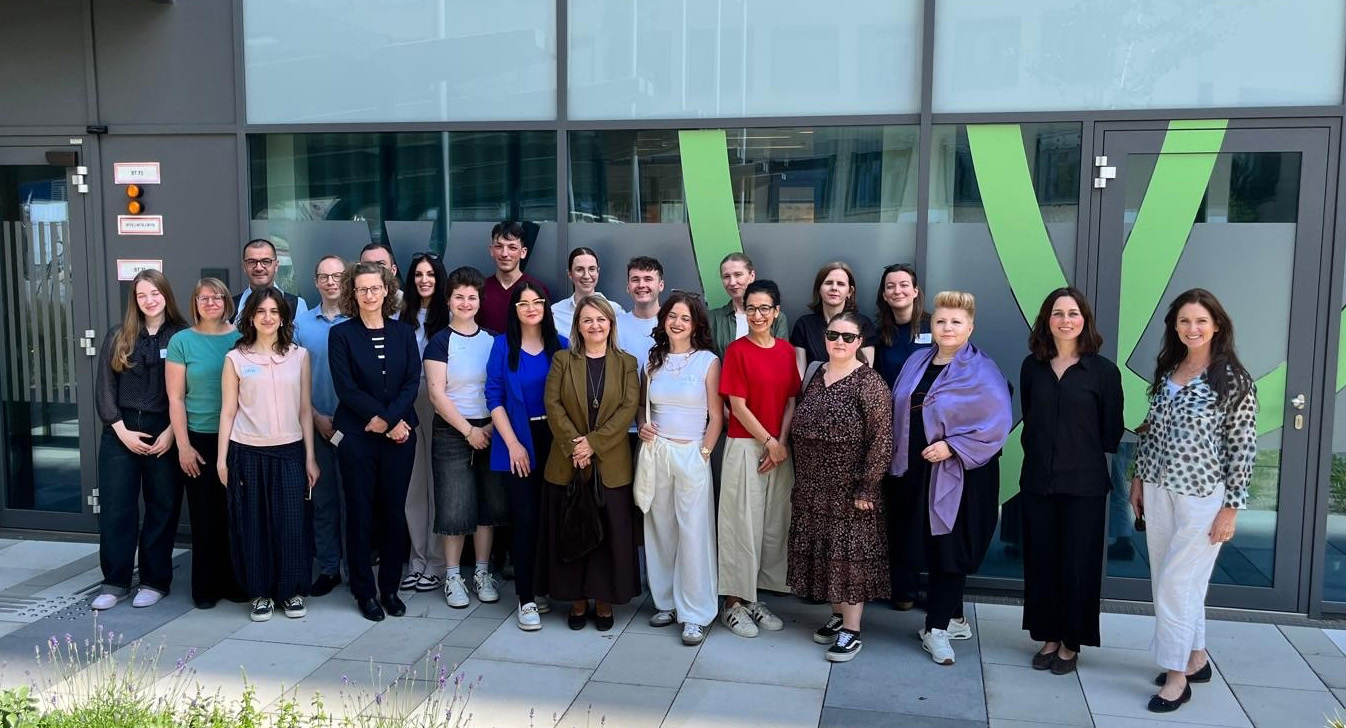
The RIT Kosovo team attended the WE-MIND Co-Design Workshop for Modular Toolkit Development and Training of Trainers in Vienna, hosted by the Medical University of Vienna (MUW). As the coordinating institution of the Erasmus+ CBHE project WE-MIND: Advancing Mental Health and Innovation in Western Balkans Higher Education Through Digital Transformation, RIT Kosovo participated in the five-day workshop together with partner institutions from Kosovo and Bosnia and Herzegovina.
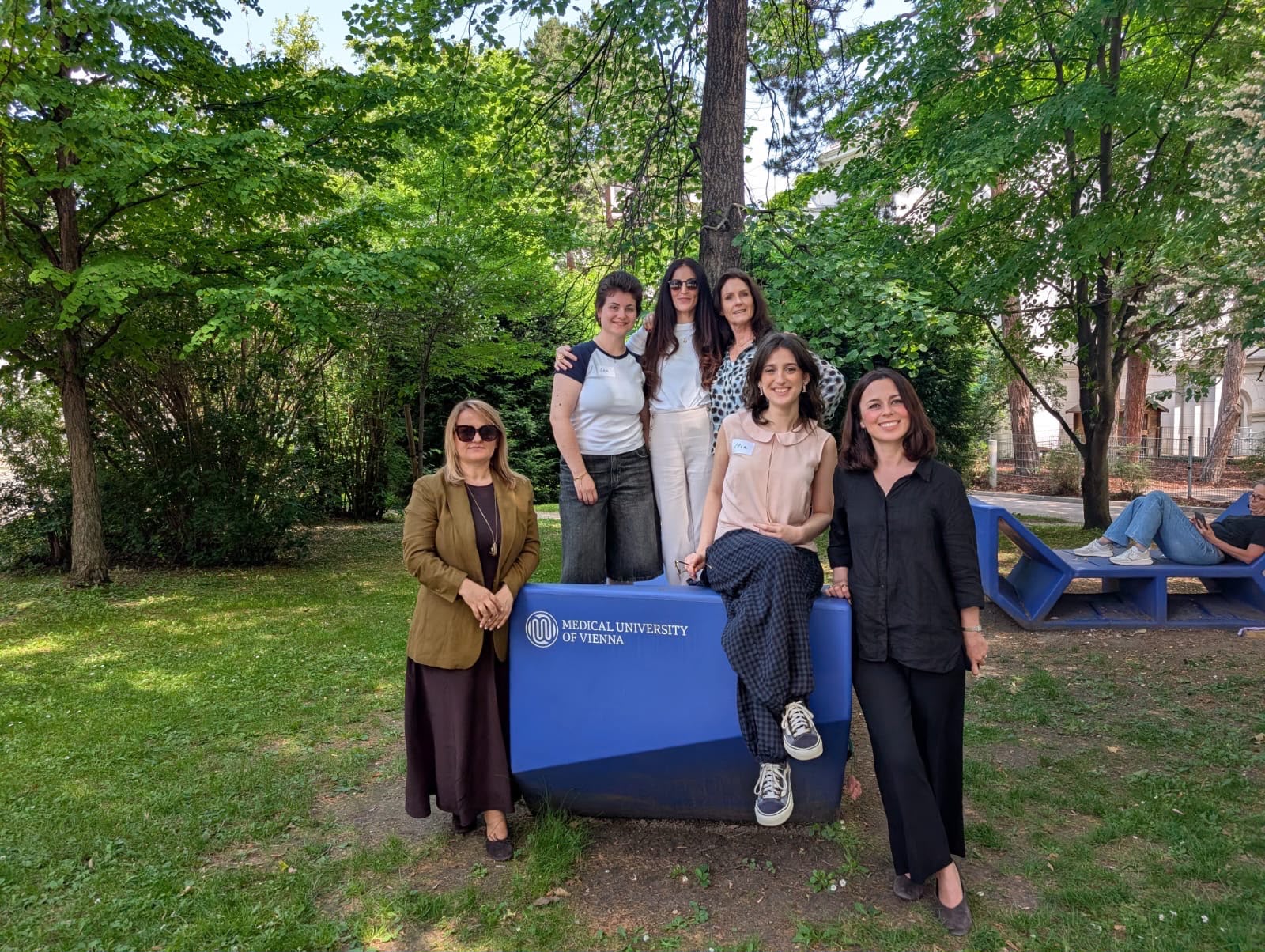
RIT Kosovo was represented by Dr. Albina Balidemaj, RIT Kosovo President and Dean of Faculty; Dr. Linda Ziberi, WE-MIND Primary Project Coordinator and Chair of the Individualized Program; Dr. Mariel Leclere, Assistant Professor and Mental Health Consultant; Brenda Goldberg, WE-MIND Researcher and Academic Staff; and Elsa Berbatovci, RIT Kosovo student and WE-MIND volunteer.
Other participants included professors, academic staff, mental health consultants, project representatives, and students from the Sarajevo School of Science and Technology (SSST), the University of Sarajevo (UNSA), and the International Business College of Mitrovica (IBCM), together with the MUW expert team.
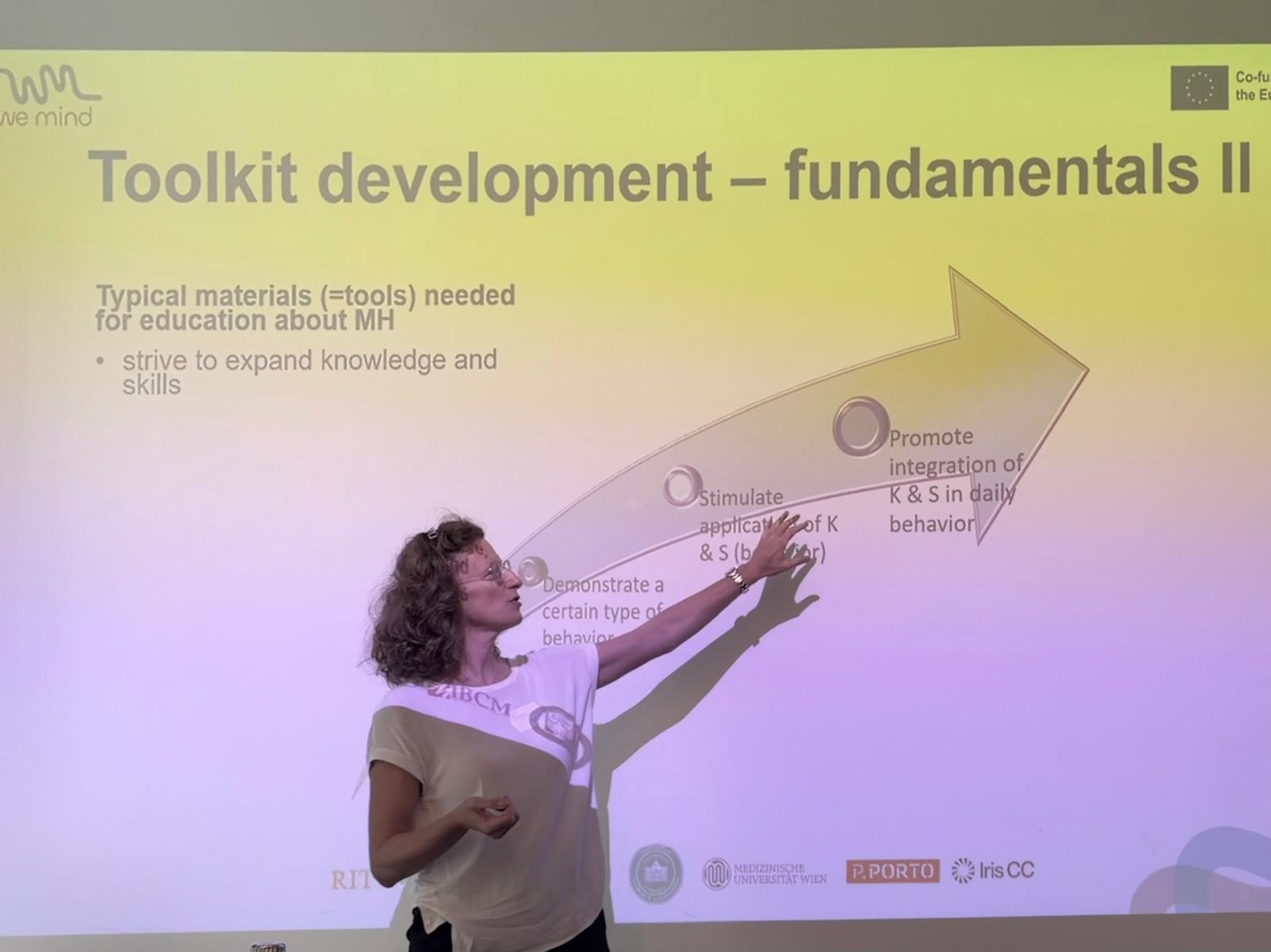
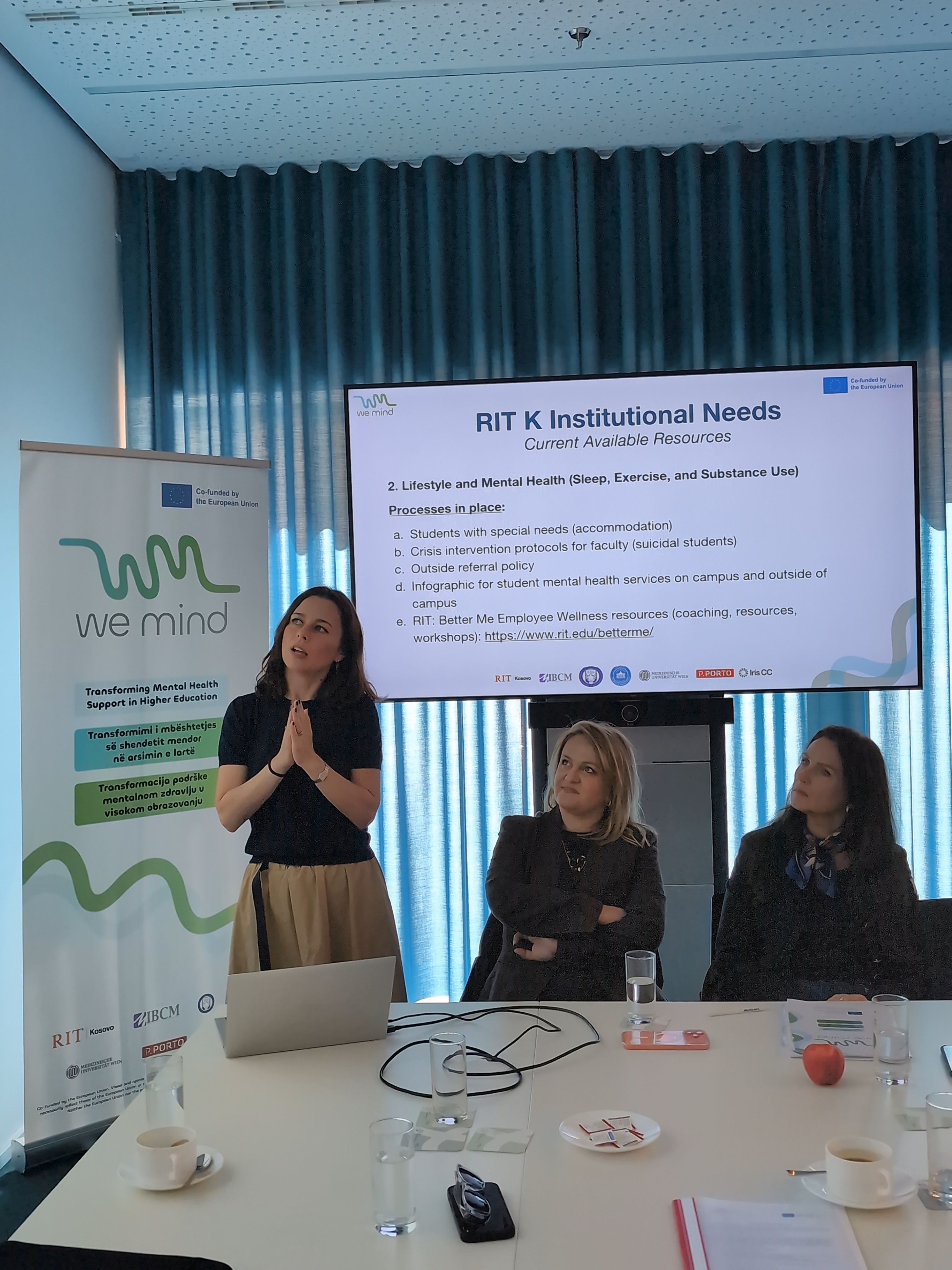
The workshop began with a review of the needs assessment results from Kosovo and Bosnia and Herzegovina and an introduction to the co-design process. Based on the themes identified in the needs assessment report, the MUW expert team delivered short lectures that guided the group discussions and toolkit development. These lectures were delivered by Dr. Alexander Kaltenboeck, Senior Expert in Psychiatry and Psychotherapeutic Medicine; Dr. med. univ. Dr. scient. med. Daniel König-Castillo; Marija Boskovic, Junior Expert; Assoc. Prof. Michaela Wagner-Menghin, Department of Psychiatry and Psychotherapy, Clinical Division of Social Psychiatry, and WE-MIND Project Manager; Assoc. Prof. PD Dr. Nestor Kapusta from the Department for Psychoanalysis and Psychotherapy; and Assoc. Prof. Priv.-Doz. Dr. med. univ. Nilufar Mossaheb, MSc, Head of the Clinical Division of Social Psychiatry. The workshop was facilitated by Dr. Raphaela Kaisler, an expert in participatory and co-design research.
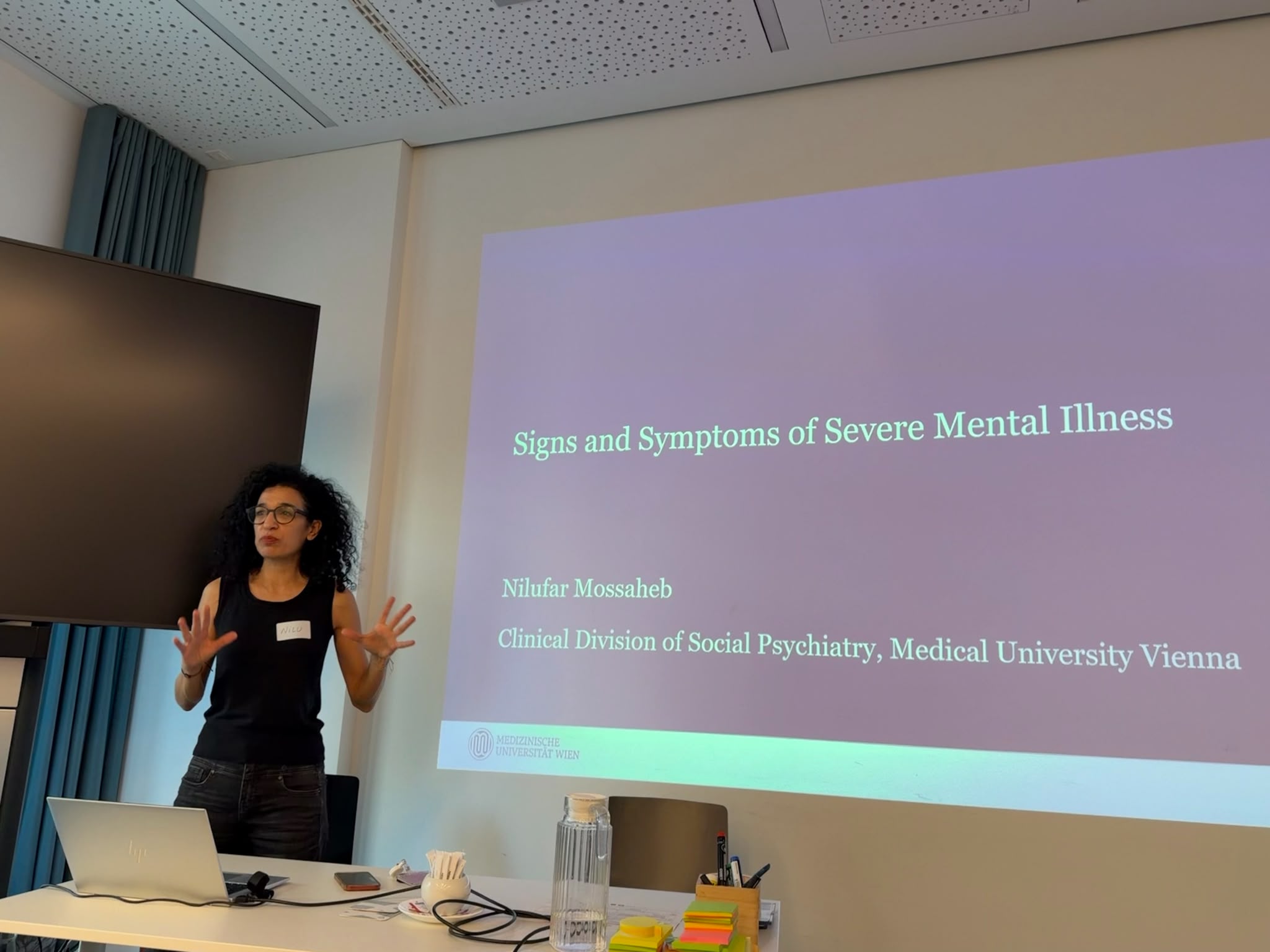
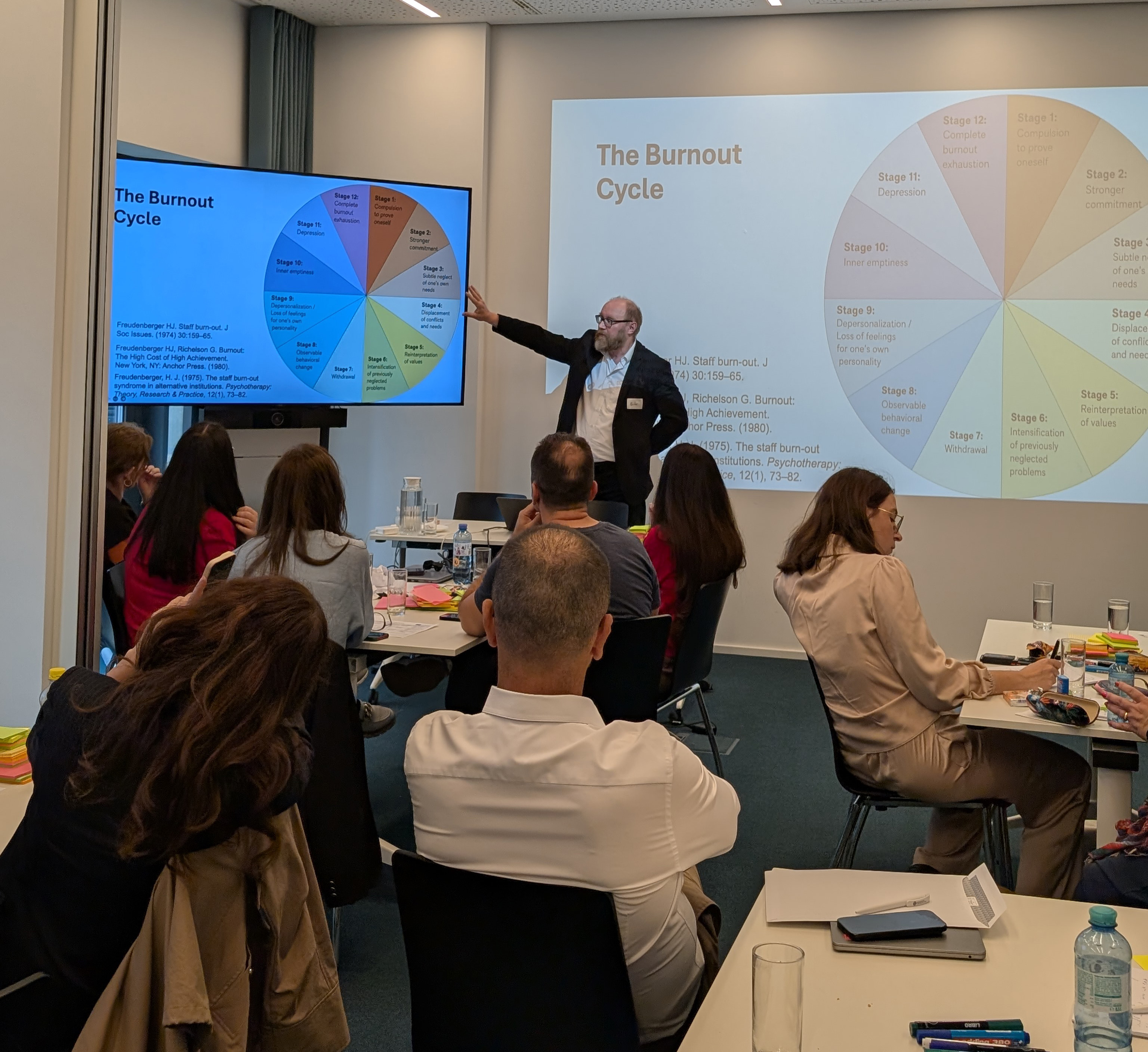
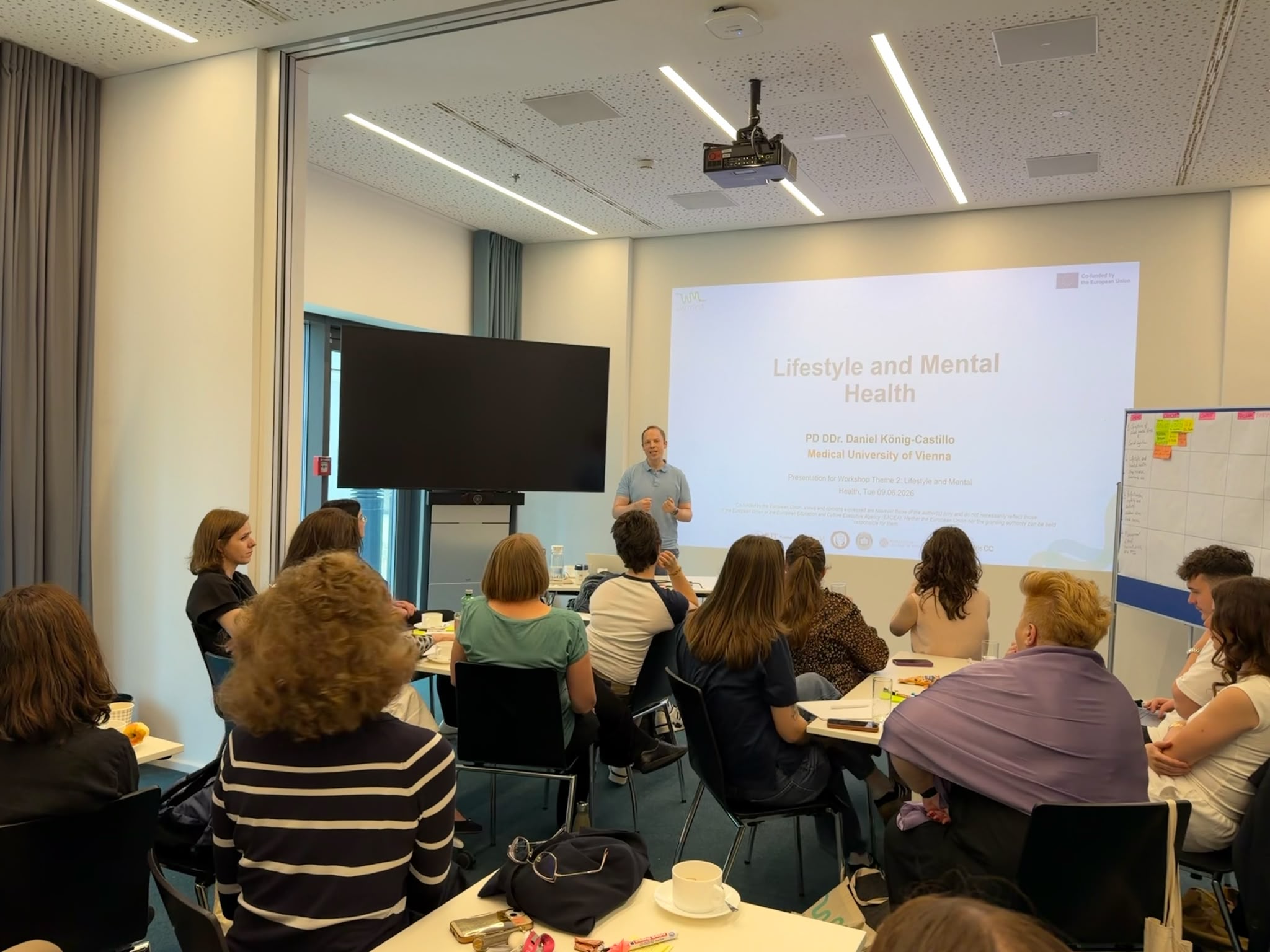
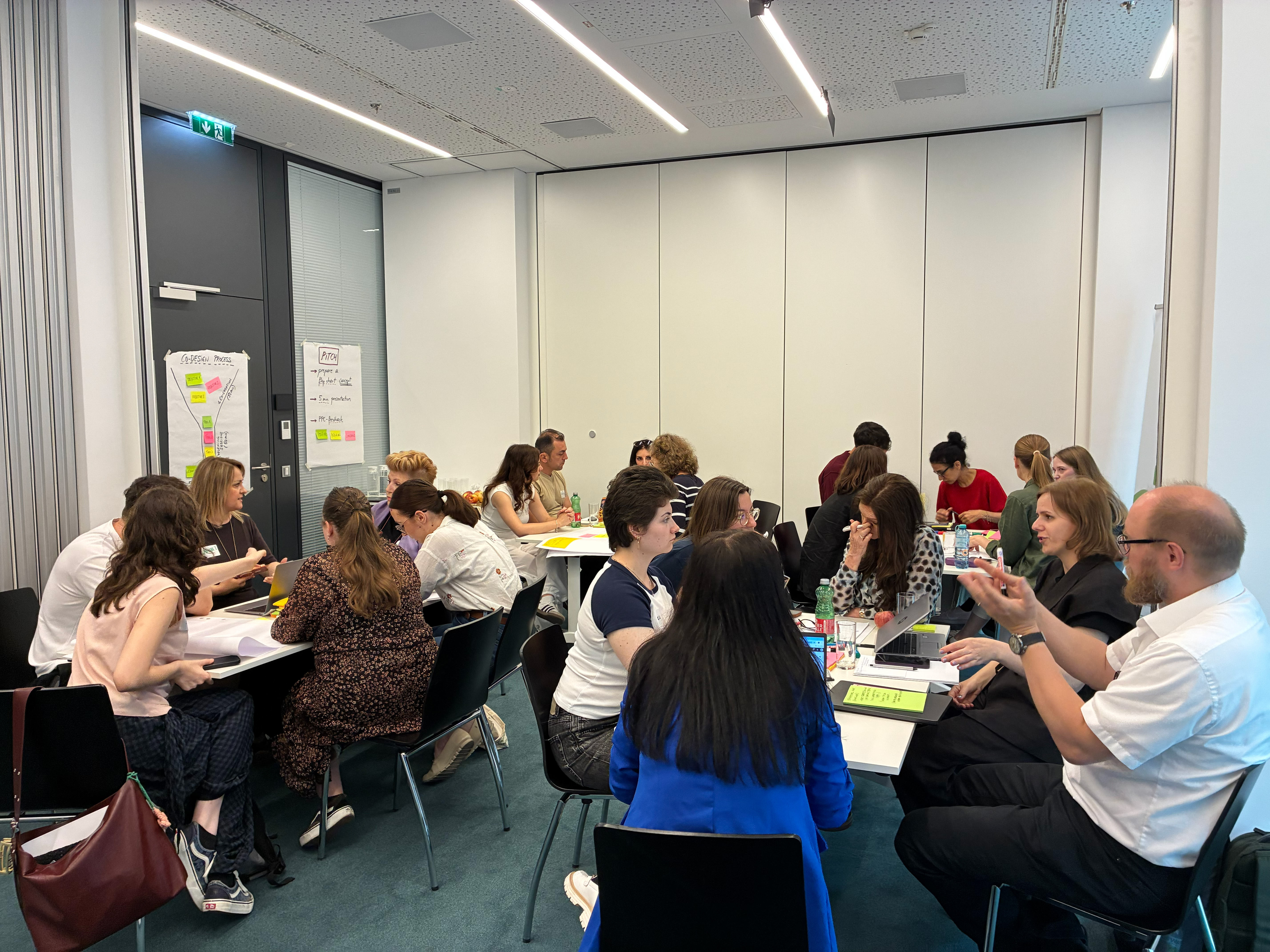
During the week, participants worked in cross-institutional groups, combining short lectures, discussions, co-design activities, working sessions, and pitch-and-feedback exercises to develop the first draft modules of the WE-MIND mental health toolkit. Participants exchanged institutional experiences, reflected on student and faculty needs, and developed practical materials for future use in training, orientation activities, and curriculum development. The final days focused on institutional working groups, presentation sessions, and implementation planning.
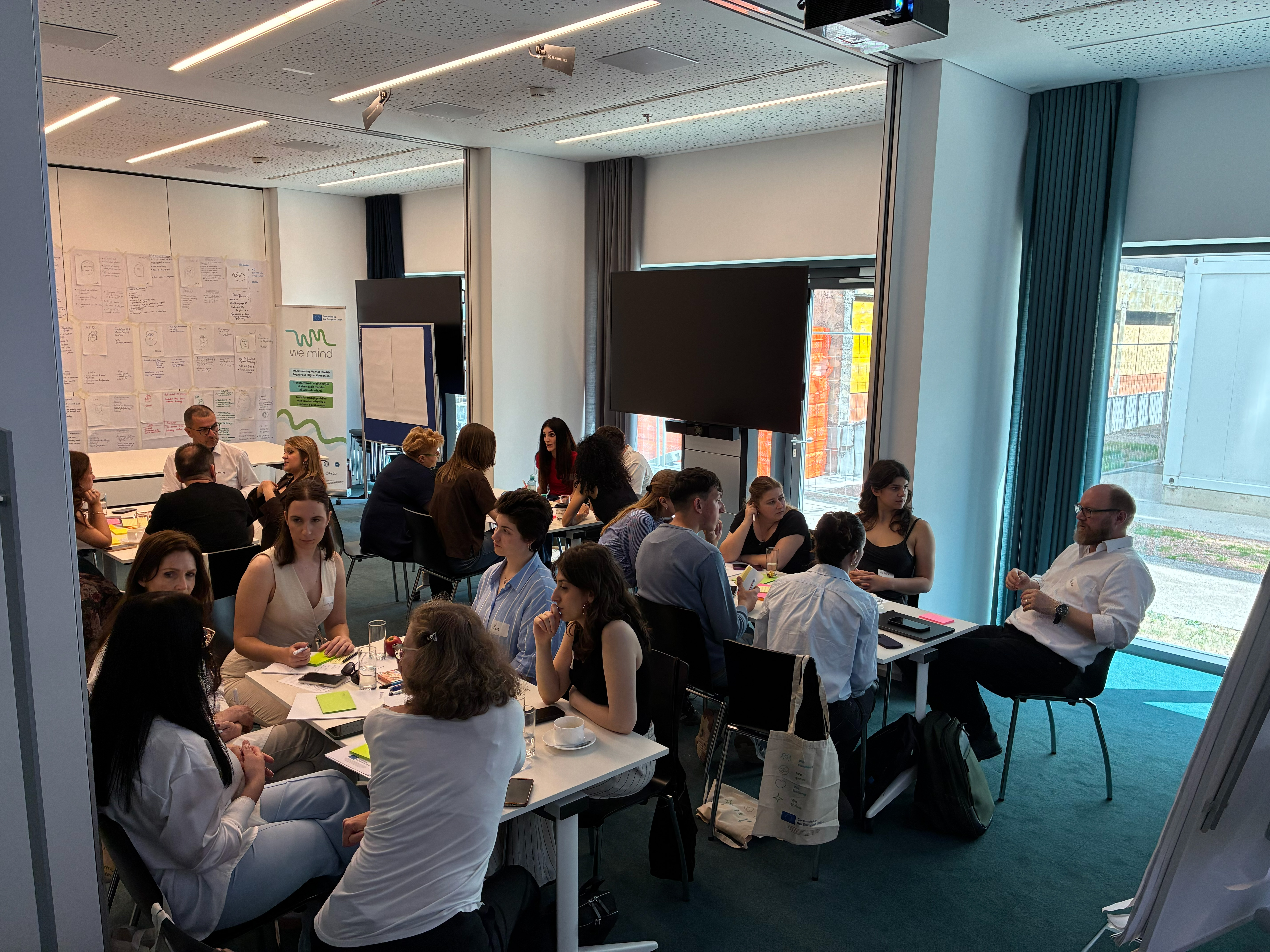
The toolkit developed during the workshop will be used at the upcoming WE-MIND Workshop at the Polytechnic Institute of Porto (IPP), where partners will begin developing the WE-MIND multilingual online mental health platform. It will also support the faculty Training of Trainers activities, the development of orientation courses for first-year students in Kosovo and Bosnia and Herzegovina, and the integration of mental health topics into selected university courses.
The Vienna workshop moved the project from needs assessment to toolkit development and prepared the consortium for the next stages of implementation. RIT Kosovo will continue coordinating the work with the seven partner institutions as the project advances toward the multilingual platform development, faculty training activities, orientation course development, and curriculum integration. RIT Kosovo thanks the Medical University of Vienna for hosting and leading the workshop, and all WE-MIND partners and participants for their contribution to the co-design process.

Disclaimer: Co-funded by the European Union. Views and opinions expressed are however those of the author(s) only and do not necessarily reflect those of the European Union or European Education and Culture Executive Agency (EACEA). Neither the European Union nor the granting authority can be held responsible for them.