
Drita Perezic
Adjunct Faculty
During the school week from 4-5 pm and by appointment
Drita Perezic
Adjunct Faculty
Bio
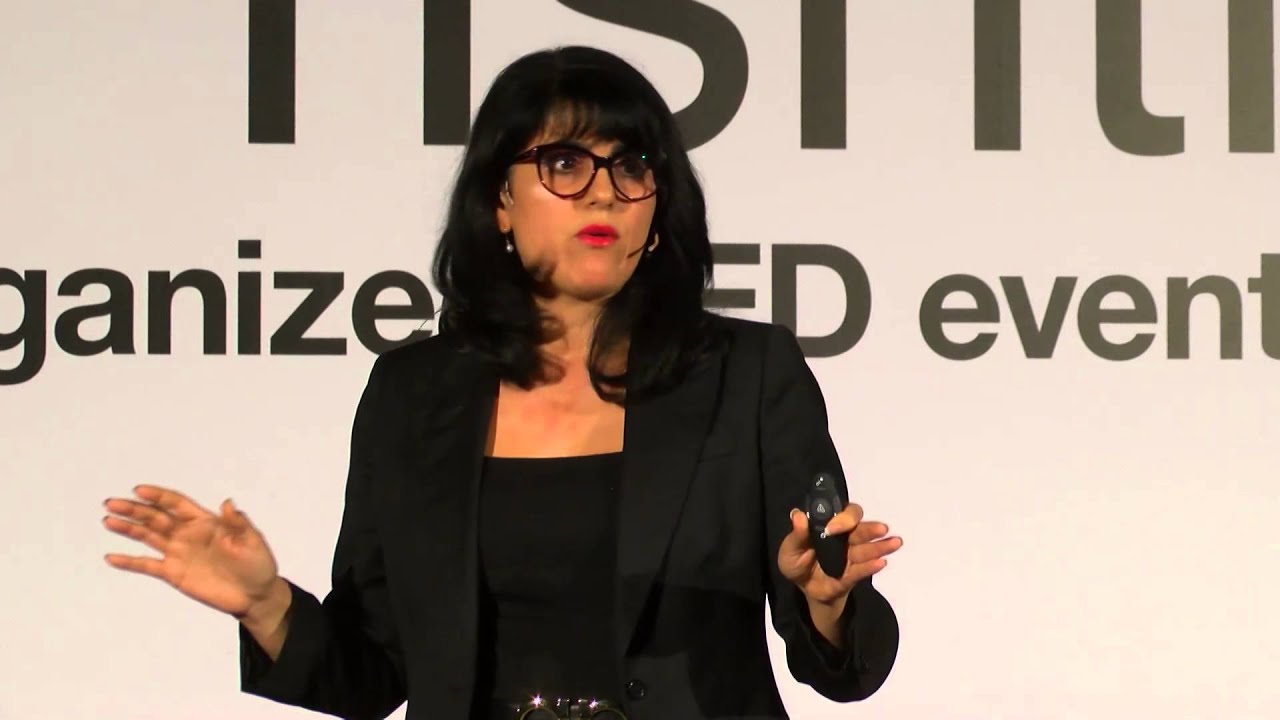
Video Bio
Drita Perezic is currently Adjunct Faculty at the RIT Kosovo Campus lecturing courses ranging from Intro to International Relations, Political Violence and Terrorism, War, Diplomacy and State Building and Negotiations. Ms. Perezic brings with her close to 3 decades of international and national security sector experience having served in a range of capacities, programs and locations.
Most recently Ms. Perezic was an External National Security Development Advisor to the President of the Republic of Kosovo via BPRG.
From 2011 to 2021 Ms. Perezic was under contract with the US Justice Department, Criminal Division, International Criminal Investigative Training Assistance Program in Kosovo (ICITAP) serving as Leadership and Executive Management Senior Advisor to the Minister of Internal Affairs having advised 7 Ministers, as a Senior Advisor to the CEO of the Police Inspectorate of Kosovo, a Non-Voting Board Member of the Kosovo Academy for Public Safety and transitioned the US Community Policing and Public Safety Program to Local Authorities.
From 1999 to 2009 she served as Political Advisor, Special Advisor, and in other capacities as part of the Command Group staff of close to 2 dozen United States Army Brigadier Generals in Command of US Regional Command Authority and US and Multinational Forces as part of the US Contribution to the NATO led Kosovo Force.
Ms. Perezic continues to support US Military Pre-deployment training providing Subject Mater Expert support as International Affairs Specialist/Political Advisor (POLAD), Negotiations, Senior Leader Decision Making, and associated. Additionally, from 2003 to 2009 Ms. Perezic was an Adjunct lecturer at the Naval Post Graduate School Center for Civil Military Relations, Leader Development and Education for Sustained Peace Program.
Ms. Perezic is a native New Yorker with a Master's Degree in International Relations with a specialization in International Security and Human Rights from the City University of New York, City College and a Bachelor's of Science in International Trade and Marketing from State University of New York.