Department of Mechanical Engineering

Overview
From rockets to robots, power plants to biomechanical parts, mechanical engineers put both energy and machines to work. Wherever there is motion or energy, mechanical engineers have played a role in the innovations that define modern life.
Mechanical engineering is a broad discipline, covering topics that include aerodynamics, medical devices, energy systems, system control, robotics, new product development, materials development, structural integrity, manufacturing, automotive systems, and space vehicle systems. The mechanical engineering department offers a solid foundation in mechanical engineering fundamentals with options for students to concentrate their studies in several specific areas of engineering.
Mechanical engineers work in many different industries and businesses as product developers, researchers, prototype designers, automotive engineers, aerospace engineers, management consultants, among many others. Because of their comprehensive training, mechanical engineers are often called upon to serve in senior leadership positions.
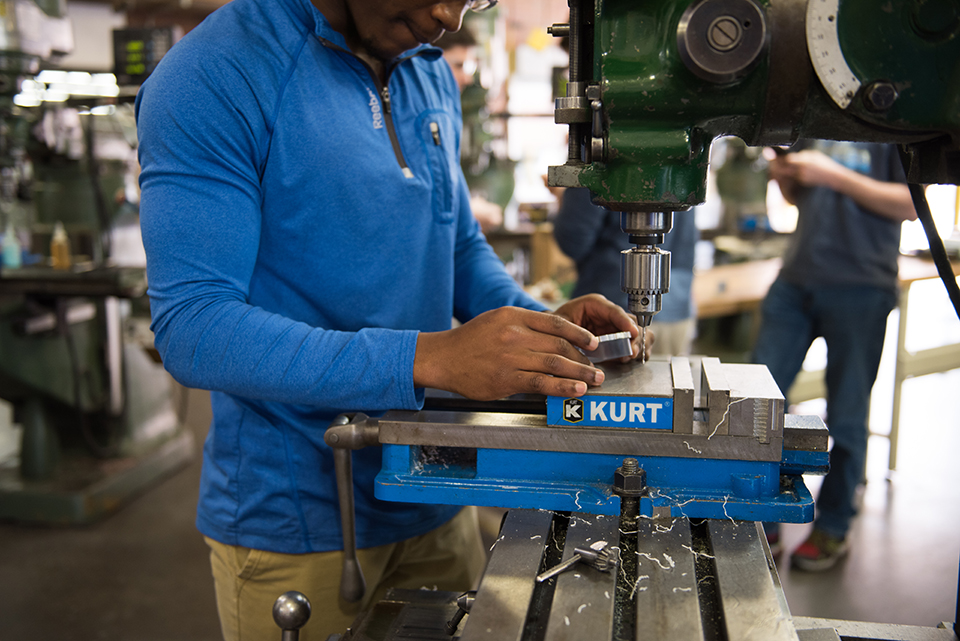
Well-equipped labs and facilities offer students the opportunity to build models and prototypes to demonstrate particular engineering design concepts. Experimentation and research are encouraged and there are opportunities for students to enrich their undergraduate and graduate experience by engaging in faculty-led research in areas such as sustainable energy systems, biomedical and assistive device technology, systems analysis, robotics, vibrations, and automotive and aerospace engineering.
Accreditation
The BS degree in mechanical engineering is accredited by the Engineering Accreditation Commission of ABET, www.abet.org. For Enrollment and Graduation Data, Program Educational Objectives, and Student Outcomes, please visit the college’s Accreditation page.
4
Undergraduate options in aerospace, automotive, bioengineering, and energy and the environment
5
Areas of research
1000+
Undergraduate and graduate mechanical engineering students
Research
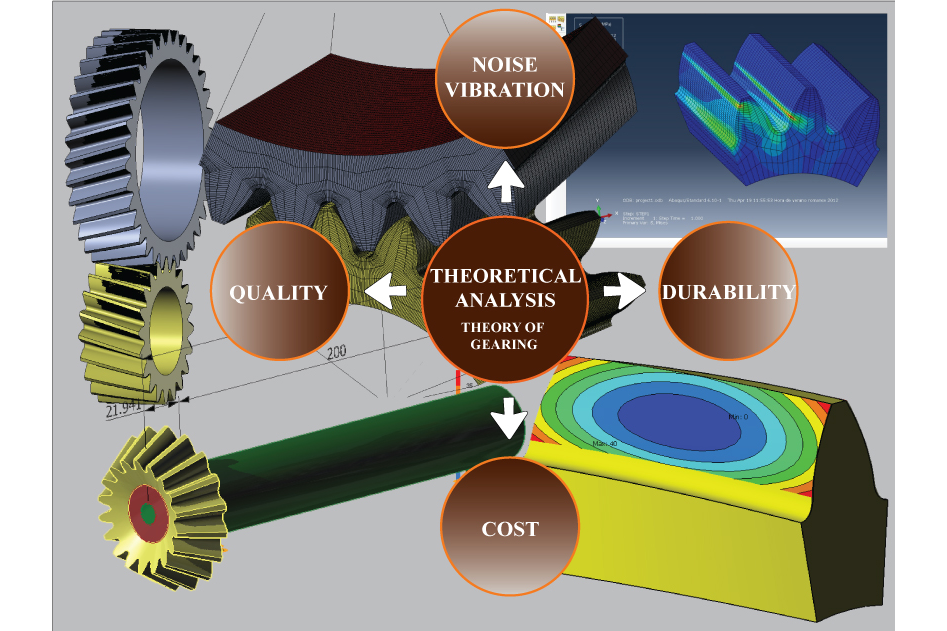
Advanced Gear Design and Simulation
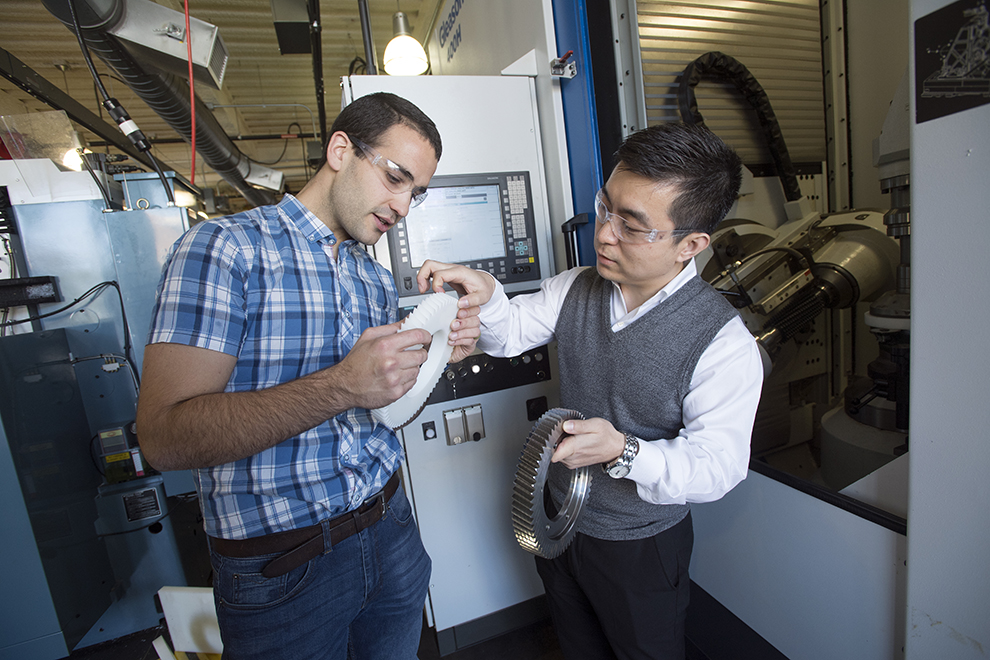
Led by Dr. Alfonso Fuentes-Aznar, the research performed at RIT’s Gear Research Laboratory is focused on the study of new gear geometries and the development of new methodologies for advanced design, analysis, simulation, and troubleshooting of gear drives.

Led by Dr. Howard Tu, the Clean Energy and Water lab targets interdisciplinary problems coupling mechanics, electrochemistry, and materials in the field of energy storage and water desalination.

The Discrete Microfluidics Laboratory studies the physics of small droplets. The goal is to understand fluid interactions and leverage the physics of microdroplets for innovative advancements in current technologies.
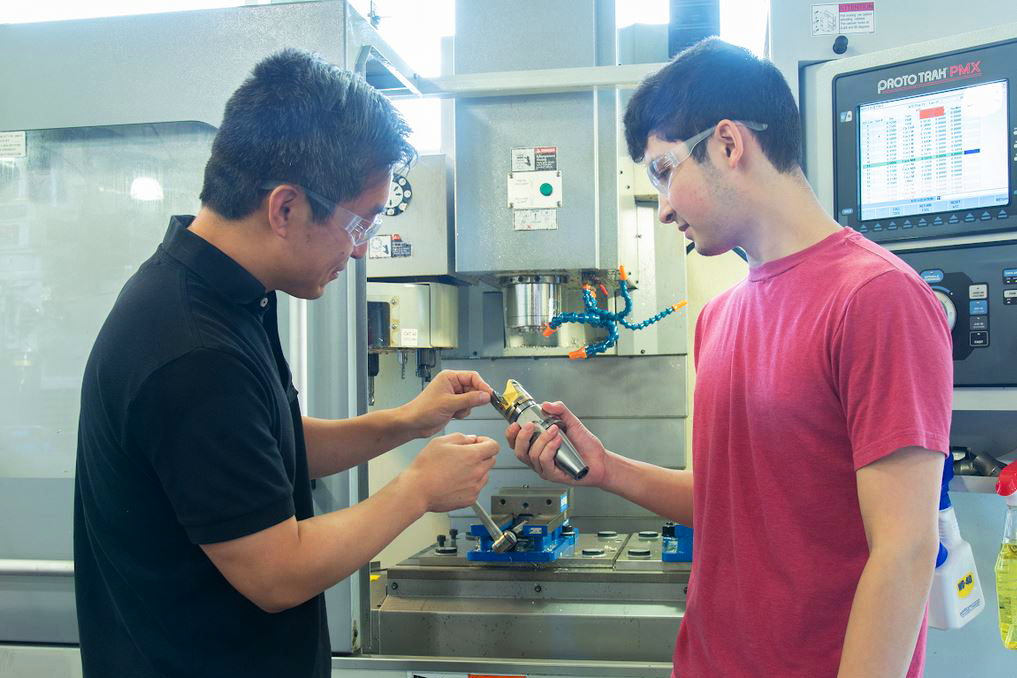
The Smart Manufacturing Research Group (SMRG), under the leadership of Dr. Rui Liu, is dedicated to investigating the research problems related to smart manufacturing on the fundamental level and expanding the research scope by exploring new research topics and introducing state-of-the art technologies.
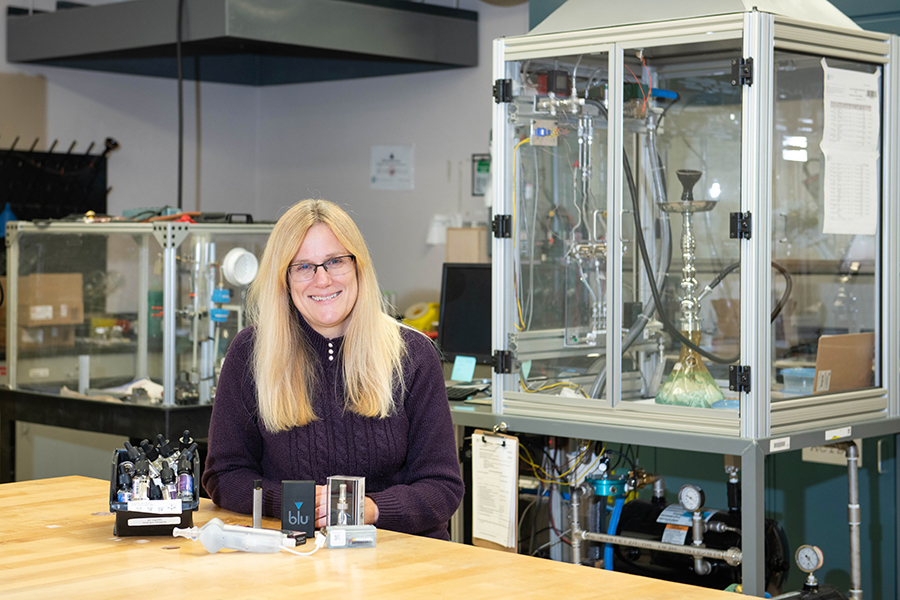
The Respiratory Technologies Lab (RTL) specializes in the mechanics of inhaled particles. Its current research focus is to understand the relationship between tobacco product characteristics, behavior, and health effect. The RTL studies e-cigarettes, waterpipe, cigarettes, and tobacco heated products.
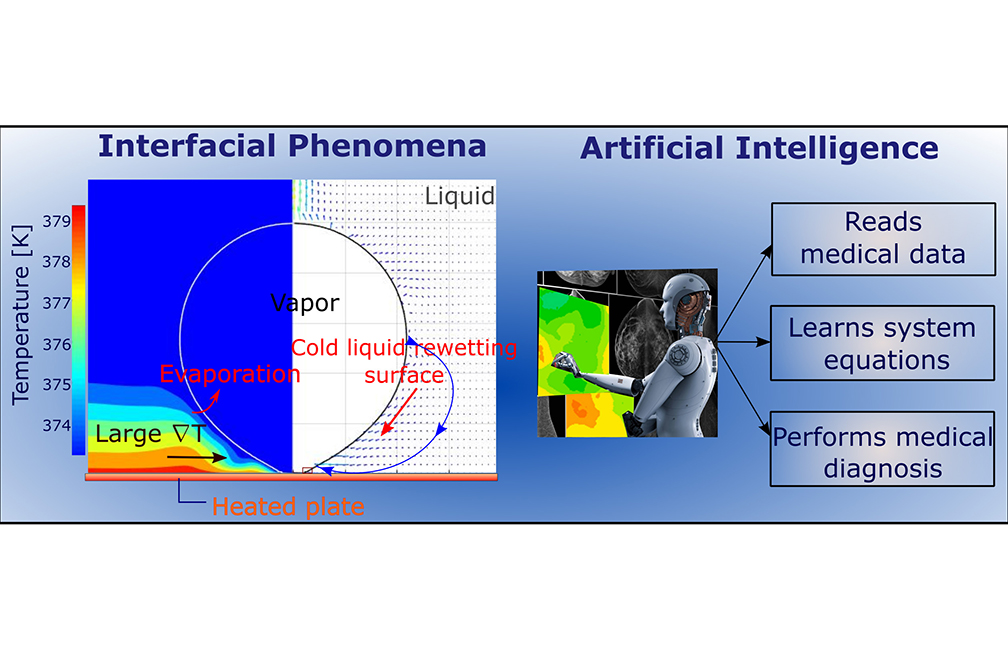
Interfaces and AI-Powered Diagnosis
Dr. Isaac Perez-Raya conducts research on interfacial phenomena such as boiling heat transfer and applies artificial intelligence (AI) in modeling of intracranial blood flow and breast cancer. Other relevant fields of study include pollution monitoring and optimization problems.
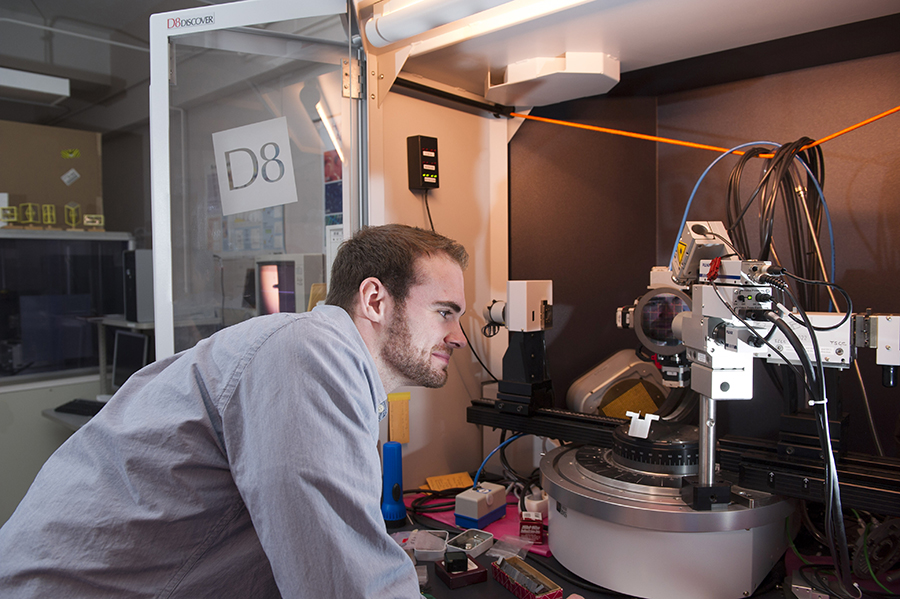
X-Ray Diffraction, Atomic Force Microscopy, Quantitative Microscopy
The Advanced Materials Laboratory focuses on X-ray diffraction (both powder and high resolution), scanning probe microscopies, optical microscopy, microhardness testing, and specimen preparation by mechanical and electrochemical polishing.
Latest News
-
March 24, 2026

RIT wrestler takes the national championship and pins a career
When Josh Harkless came to RIT, he envisioned becoming a wrestling national champion and building a career as an aerospace engineer. He will graduate in May having accomplished both.
-
March 18, 2026
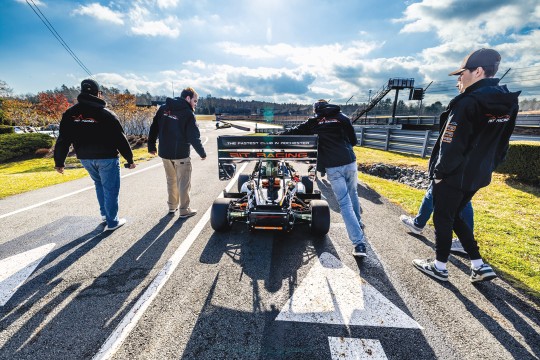
Students race toward real-world success
Between 30 and 50 students participate on each racing team from all of RIT’s colleges. They incorporate the latest technology into race vehicles, testing the skills that could position them for co-ops, then careers.
-
November 19, 2025

Club sports help students find their fit
Club sports are a big part of student life at the university. Every year, about 2,000 students are involved with the nearly 50 different club sports. For many, it scratches that competitive itch. For others, it’s a chance to try something new, find a community, and stay active.
Featured Work and Profiles
-
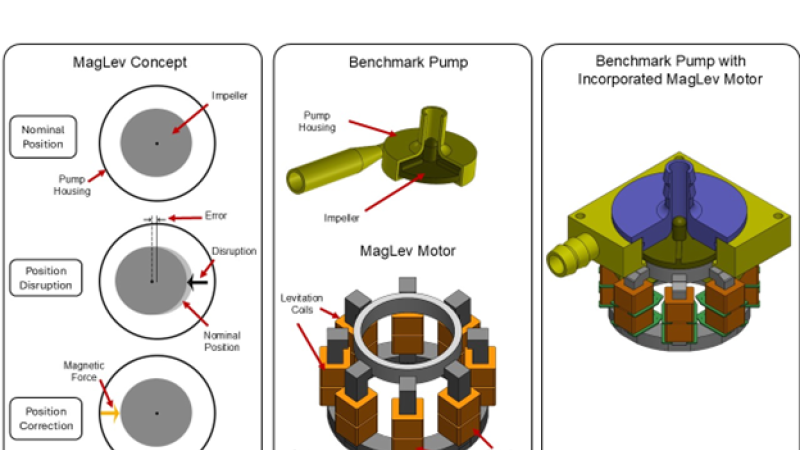
Analysis of Fluid Forces within a Magnetically Levitated Benchmark Blood Pump
Jonathan Lawley Magnetic levitation (MagLev) is the concept of using magnetic forces to support an object without physical contact. The concept has been successfully applied in systems such as high-speed trains, wind...
Read More about Analysis of Fluid Forces within a Magnetically Levitated Benchmark Blood Pump -
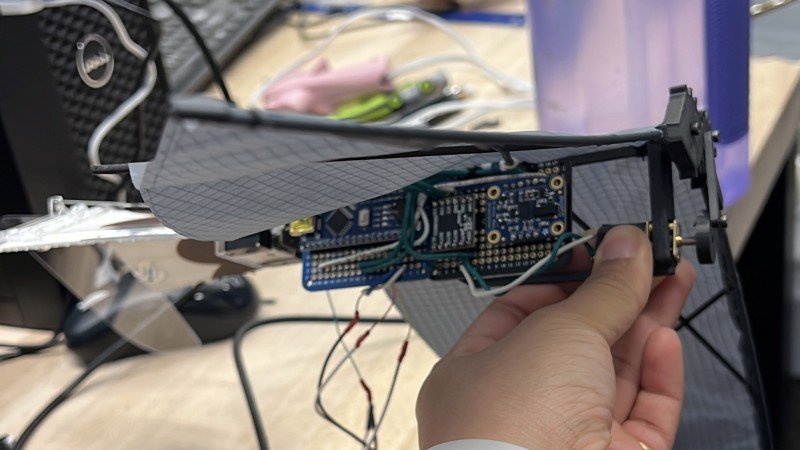
Model Free Sliding Mode Control for Unmanned Aerial Vehicles (UAVs)
Aashrita Mandalapu The development process of aerial robotics spans conceptual design and modeling using CAD tools, rapid prototyping through additive manufacturing (3D printing) in the early stages, and the selection...
Read More about Model Free Sliding Mode Control for Unmanned Aerial Vehicles (UAVs) -

Alumnus Combines Engineering and Design to Launch Startups
Ryan Larcom ’07 (mechanical engineering), ’07 ME (mechanical engineering, industrial design) is innovation executive at High Alpha Innovation, where he helps businesses bring to market life...
Read More about Alumnus Combines Engineering and Design to Launch Startups -

3D Printing Metal Implants Drop by Drop
Valeria Marin-Montealegre Recent advances in additive manufacturing of biometals—such as iron, magnesium, zinc, and their alloys—have opened new possibilities for patient-specific implants and bone plate systems.
Read More about 3D Printing Metal Implants Drop by Drop -

The Future of Lightweight Structures: Molten Metal 3D Printing Unlocks New Possibilities for Lattice Design
Paarth Mehta Lattice structures address a niche in the manufacturing industry due to their lightweight nature, energy absorption capabilities, high strength-to-weight ratio, and improved thermal management. These...
Read More about The Future of Lightweight Structures: Molten Metal 3D Printing Unlocks New Possibilities for Lattice Design -

Interplay of Interfacial Adhesion and Mechanical Degradation in Anode-free Solid-state Batteries
Imtiaz Ahmed Shozib Batteries play a critical role in powering modern life—from smartphones and laptops to electric vehicles and renewable energy systems. However, traditional lithium-ion batteries are approaching their...
Read More about Interplay of Interfacial Adhesion and Mechanical Degradation in Anode-free Solid-state Batteries


Student Resources
The Mechanical Engineering Department offers a variety of resources for our students that vary from academic support to handbooks and more. Visit our Student Resources page for more information.