Foundations

"Art history and foundations studies are a critical aspect in the learning and creative development of artists, designers, and creatives.
Investigating the arts and design as well as creating art and designs through these critical lenses is the practice of thinking in making and making in thinking, or engaged cognition. Both art history and foundations deepen our own critical perspectives and making practices, and inform us as citizens and creators, alike."
- Todd Jokl, Dean, College of Art and Design
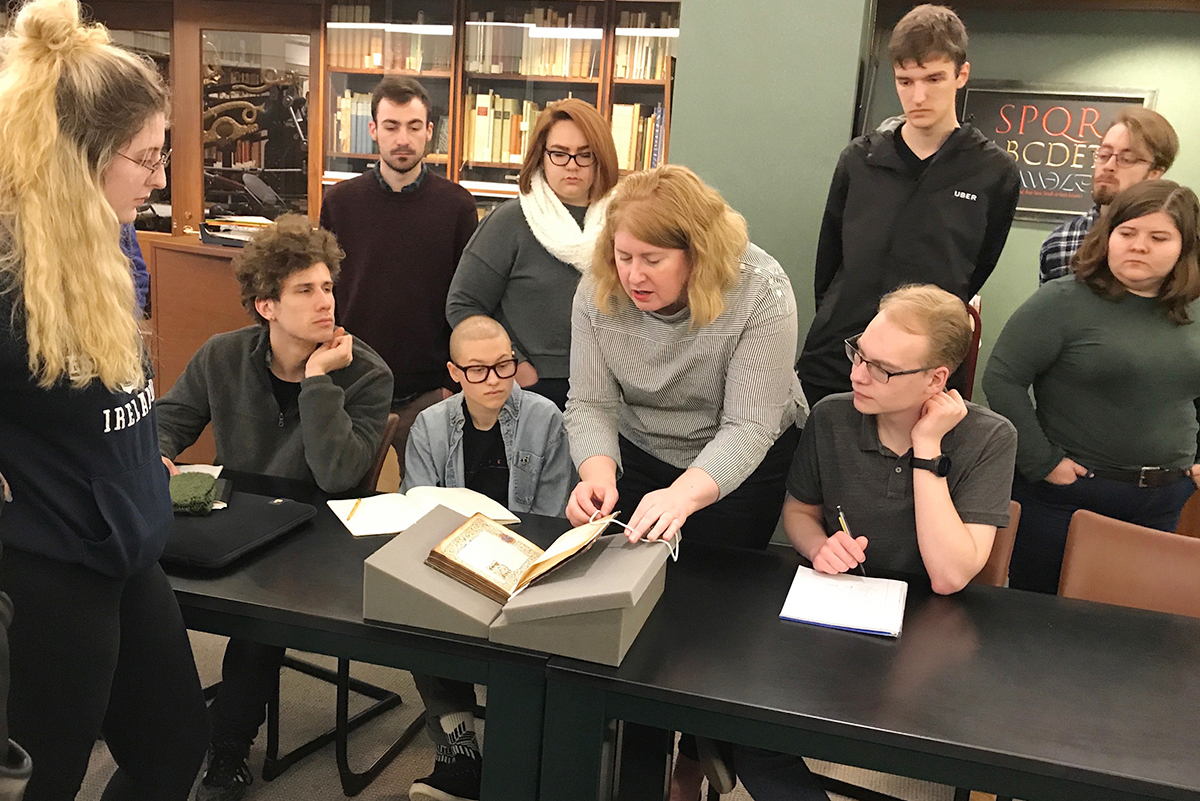
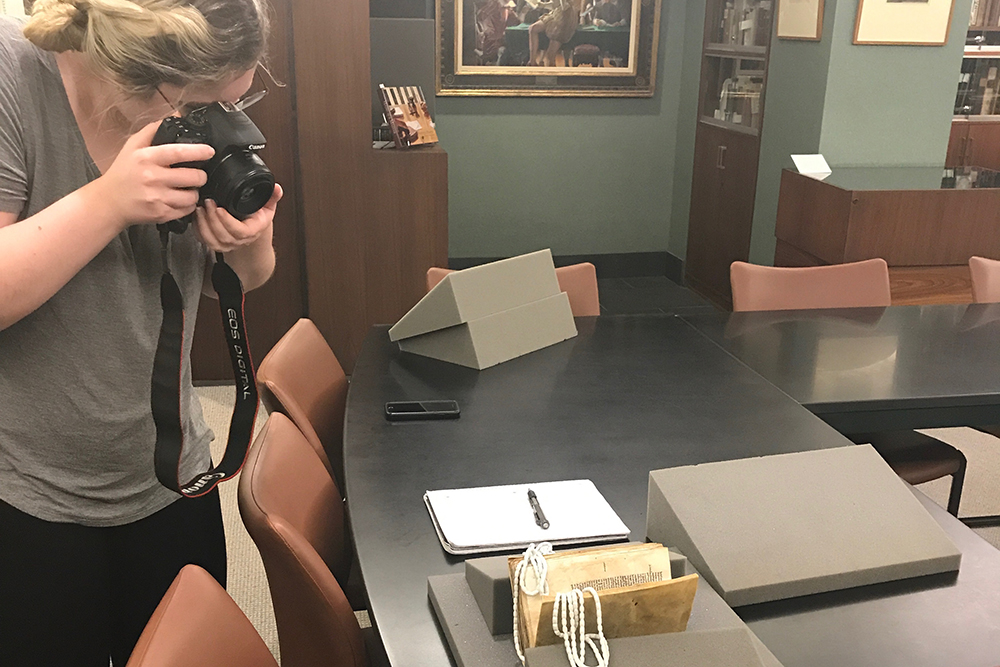
Art history is interdisciplinary by nature, and art historians may take many different approaches, including evaluating the visual and other sensory qualities of art, exploring the social and historical contexts of artistic production and audience response, analyzing the material properties and perception of art, or employing critical theory as a tool for understanding how art expresses meaning.
The skills in observation, critical analysis, and communication strengthened by the study of art history complement any career. Students interested in art history may want to pursue careers in art education, arts nonprofits, museum or gallery work, or arts publishing; students with a deep interest in the subject may decide to pursue graduate education in art history to prepare for careers as researchers, teachers, arts librarians, archivists, art appraisers, museum curators, specialists in art law, or art conservators. Art history classes are taught by faculty actively engaged in scholarly research and who also guide students in their own research pursuits.




Community
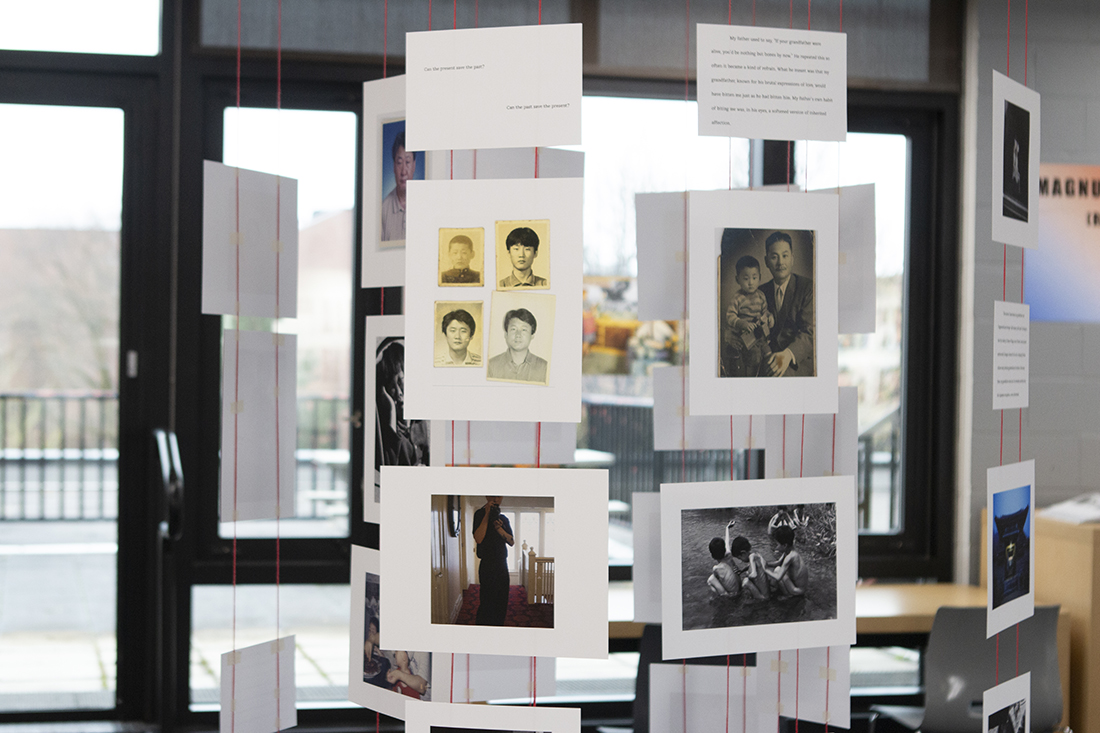
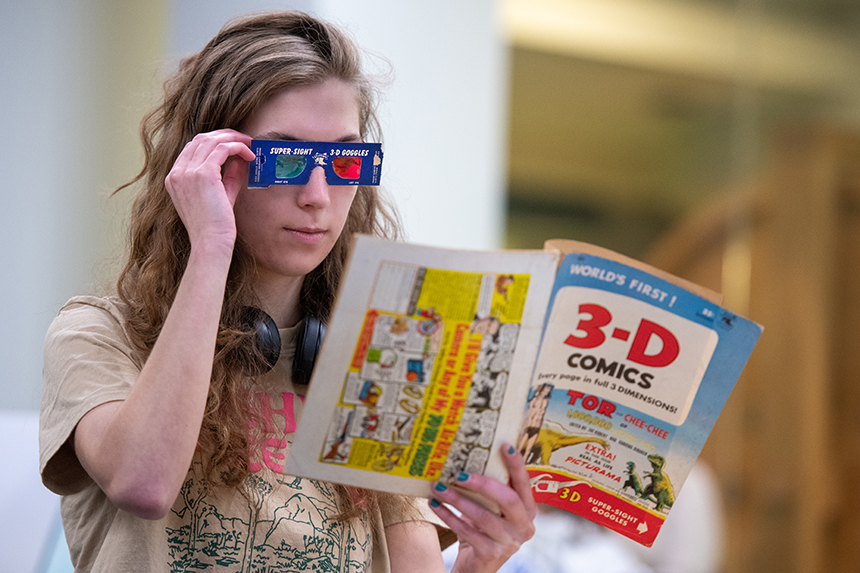
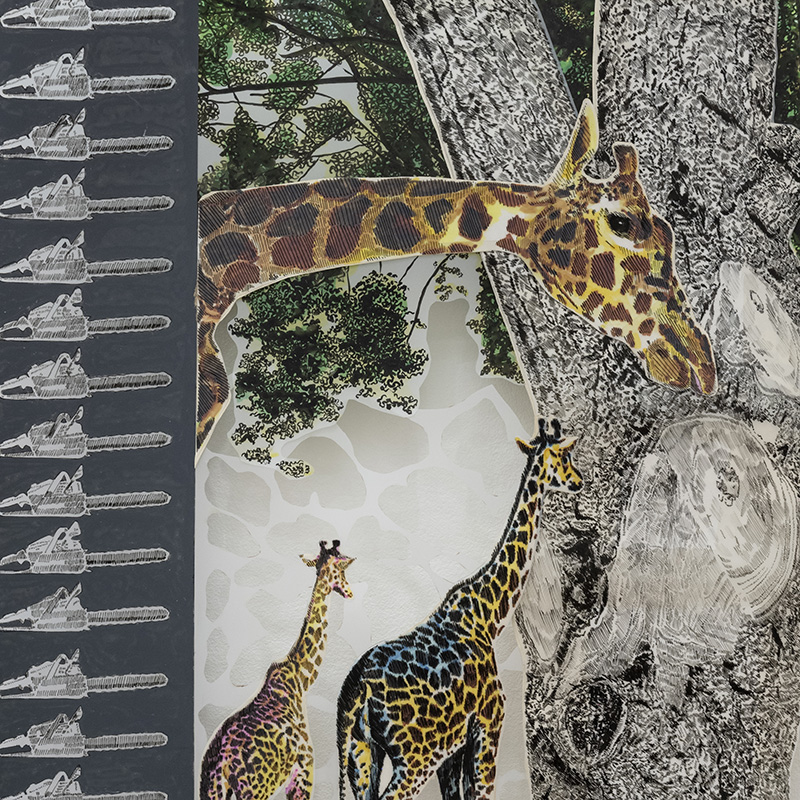
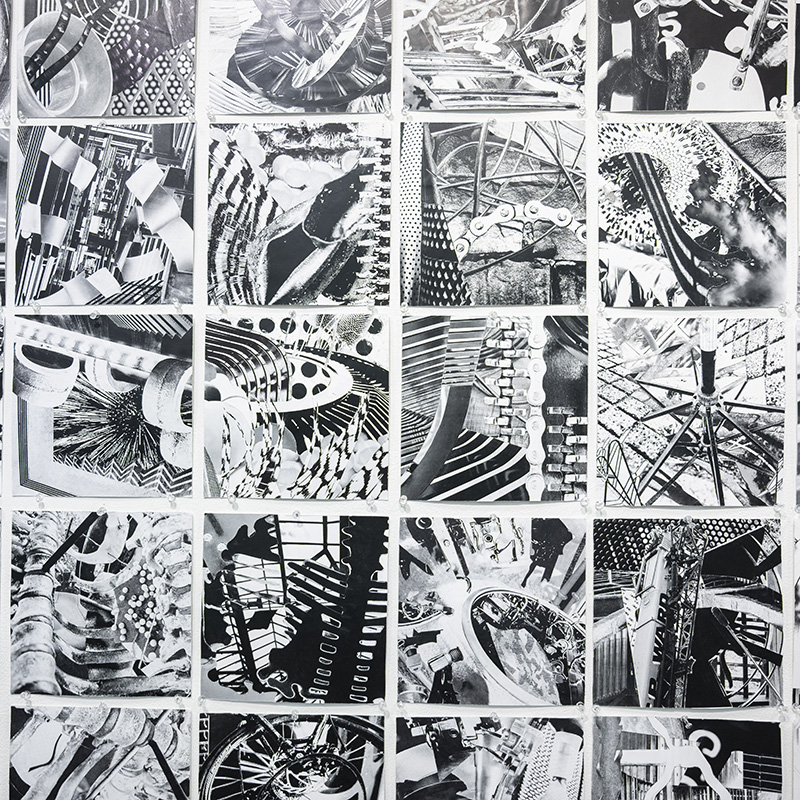
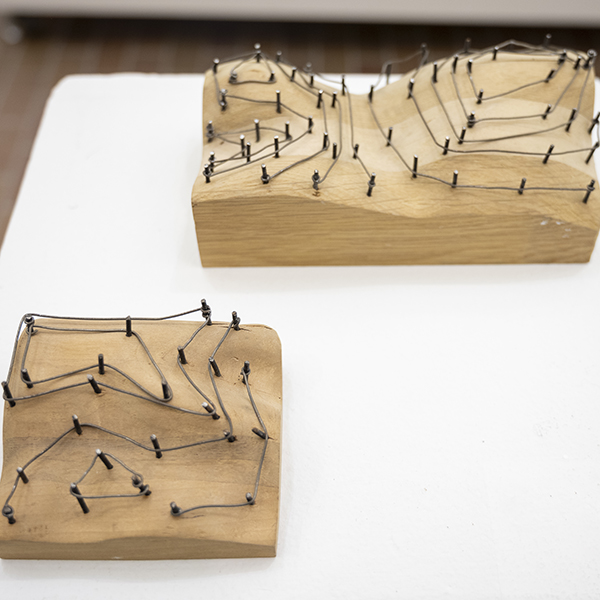
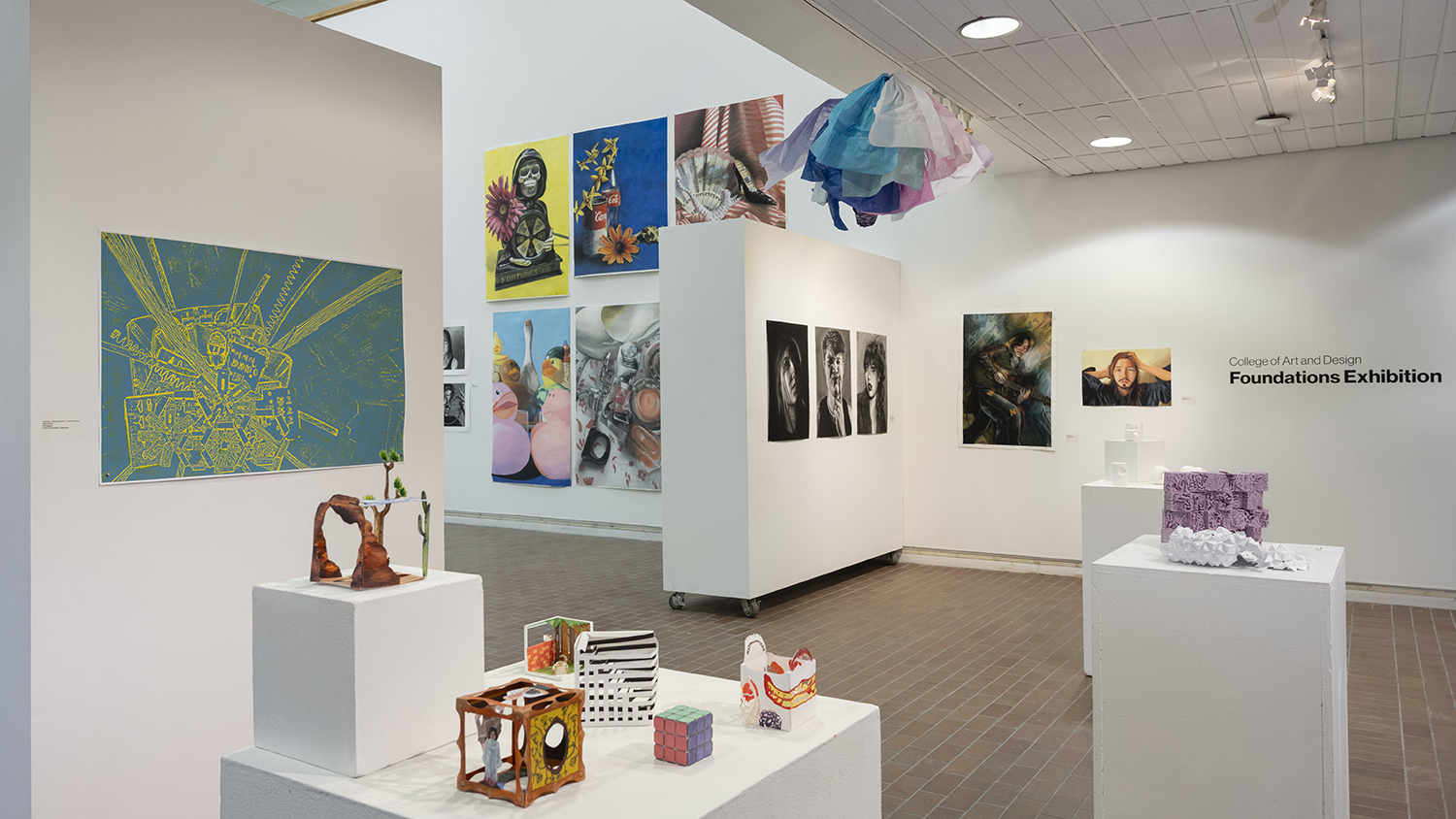
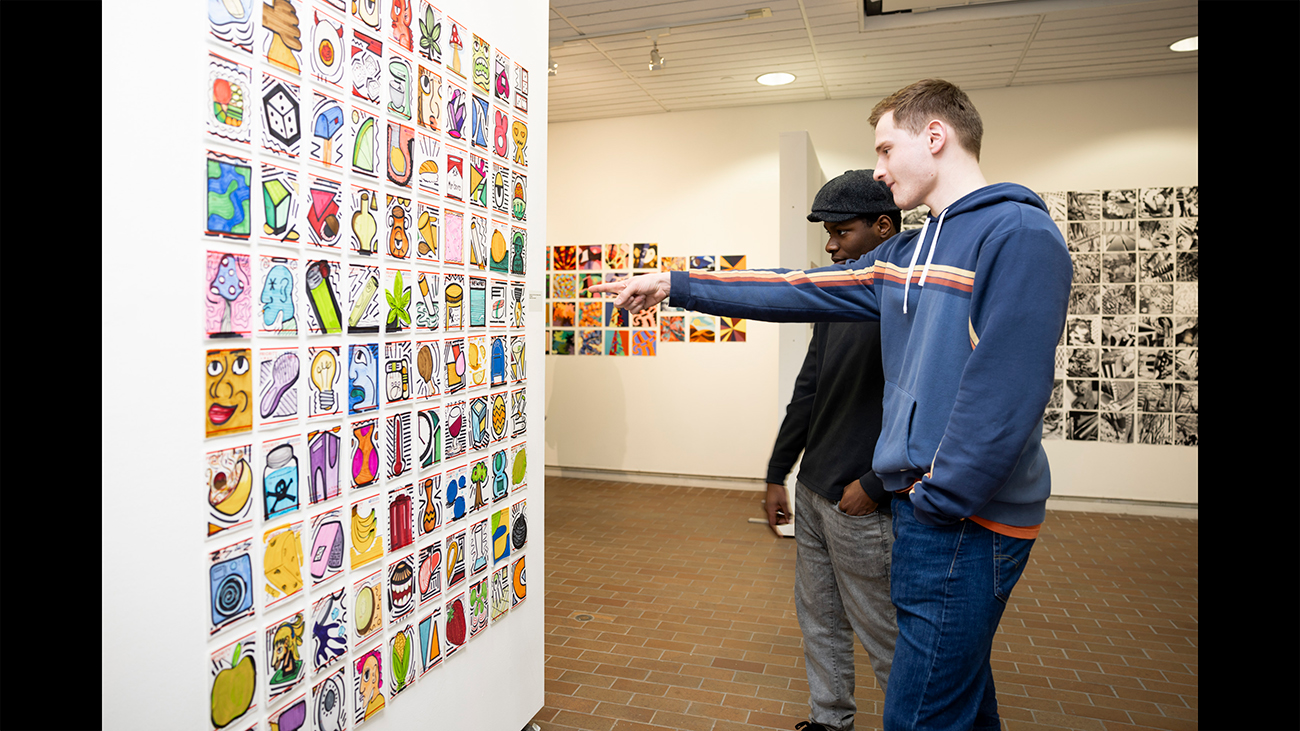
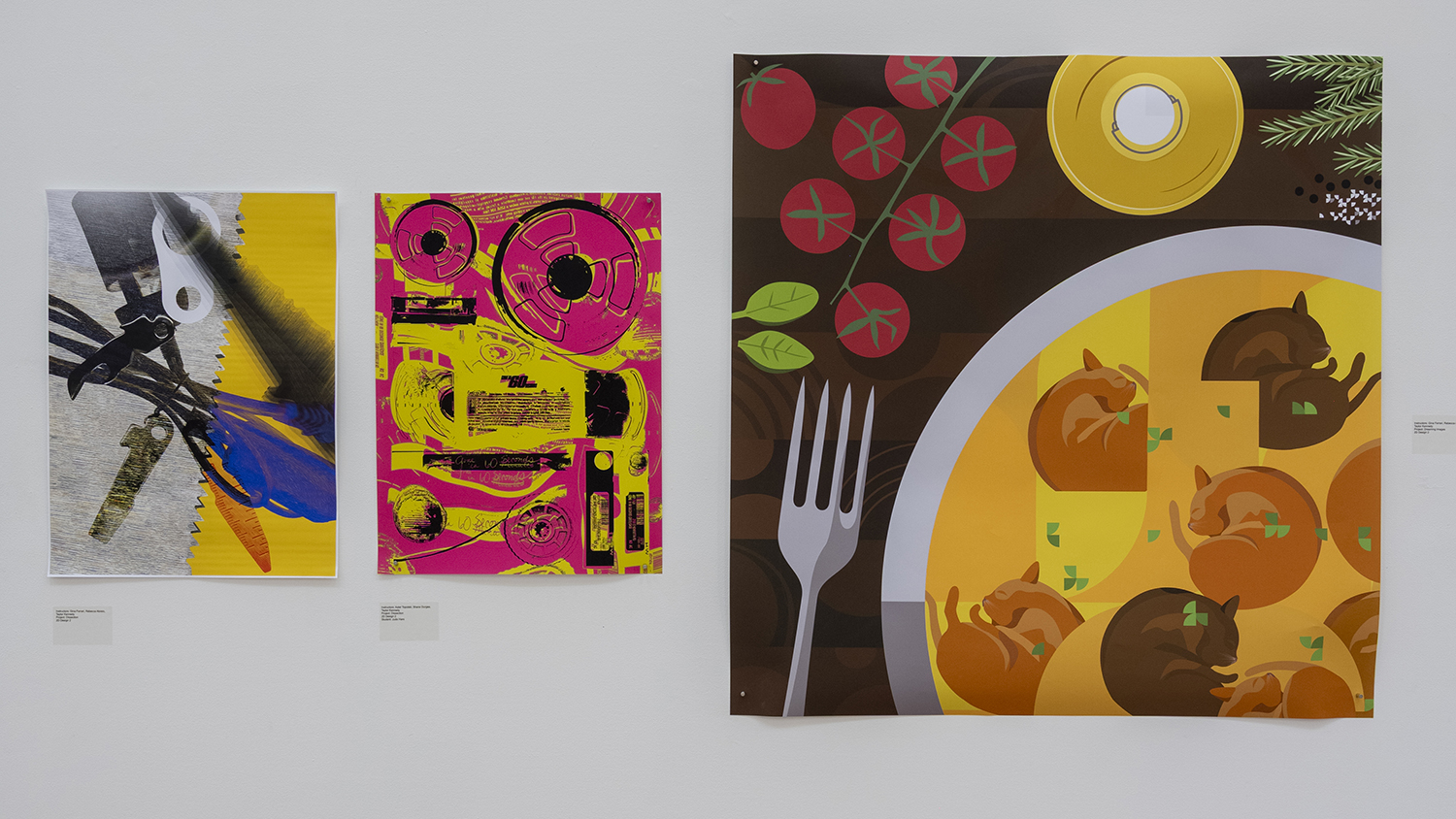
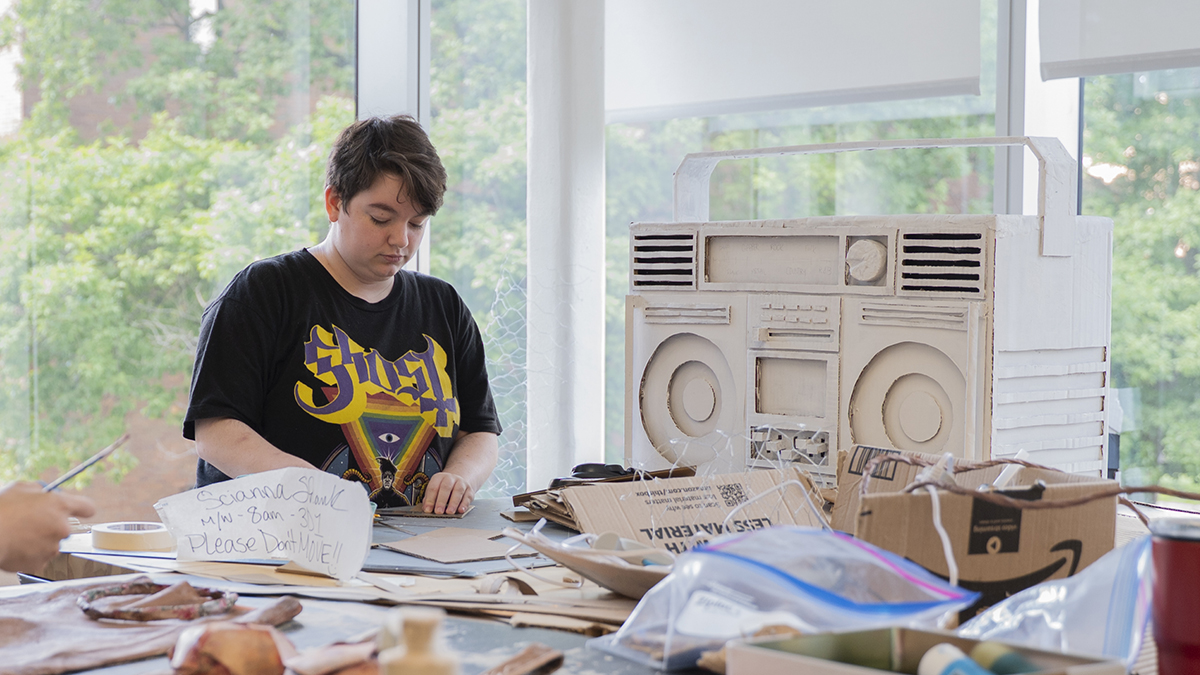
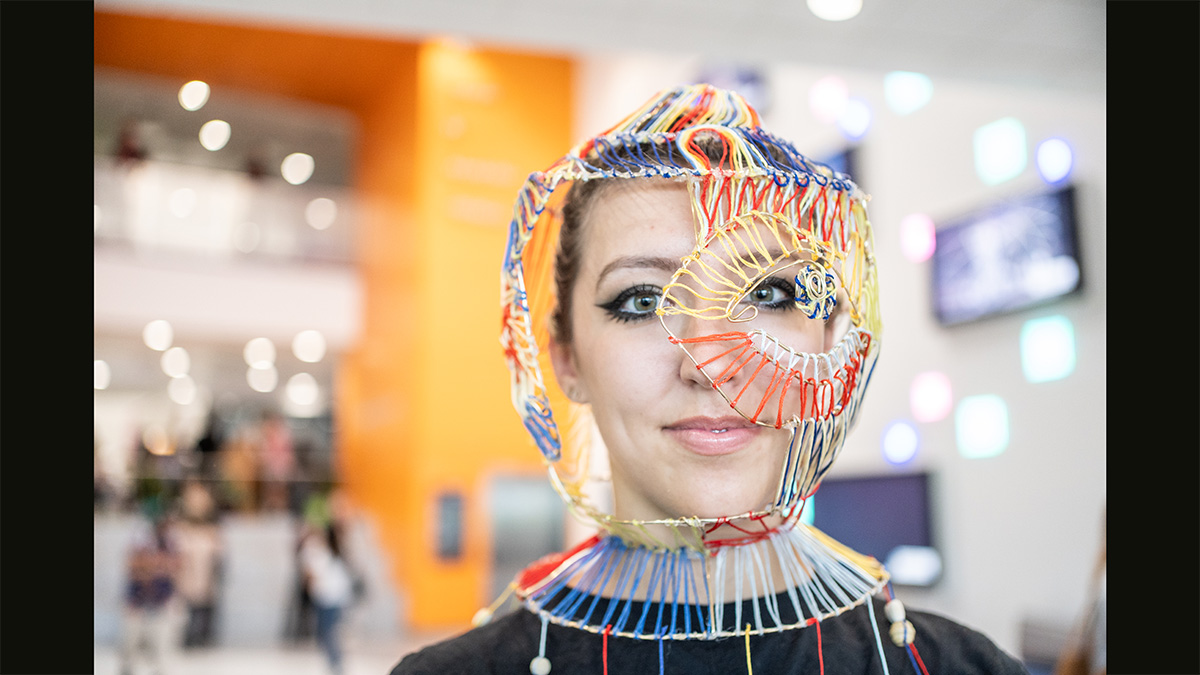
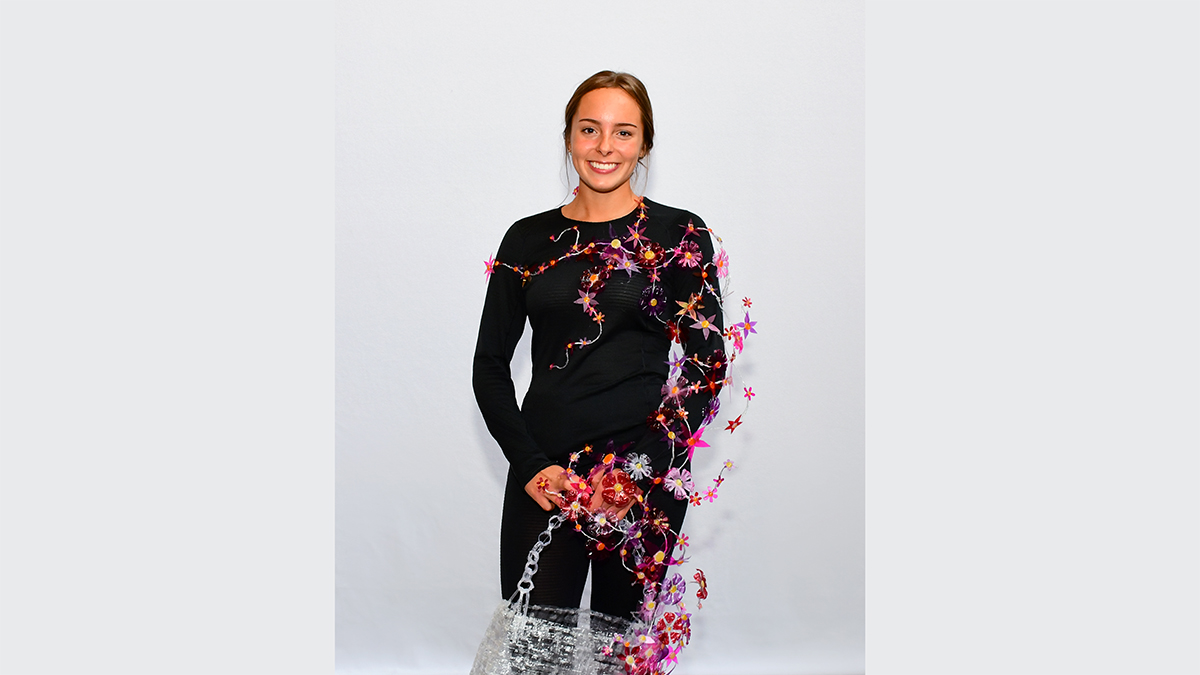
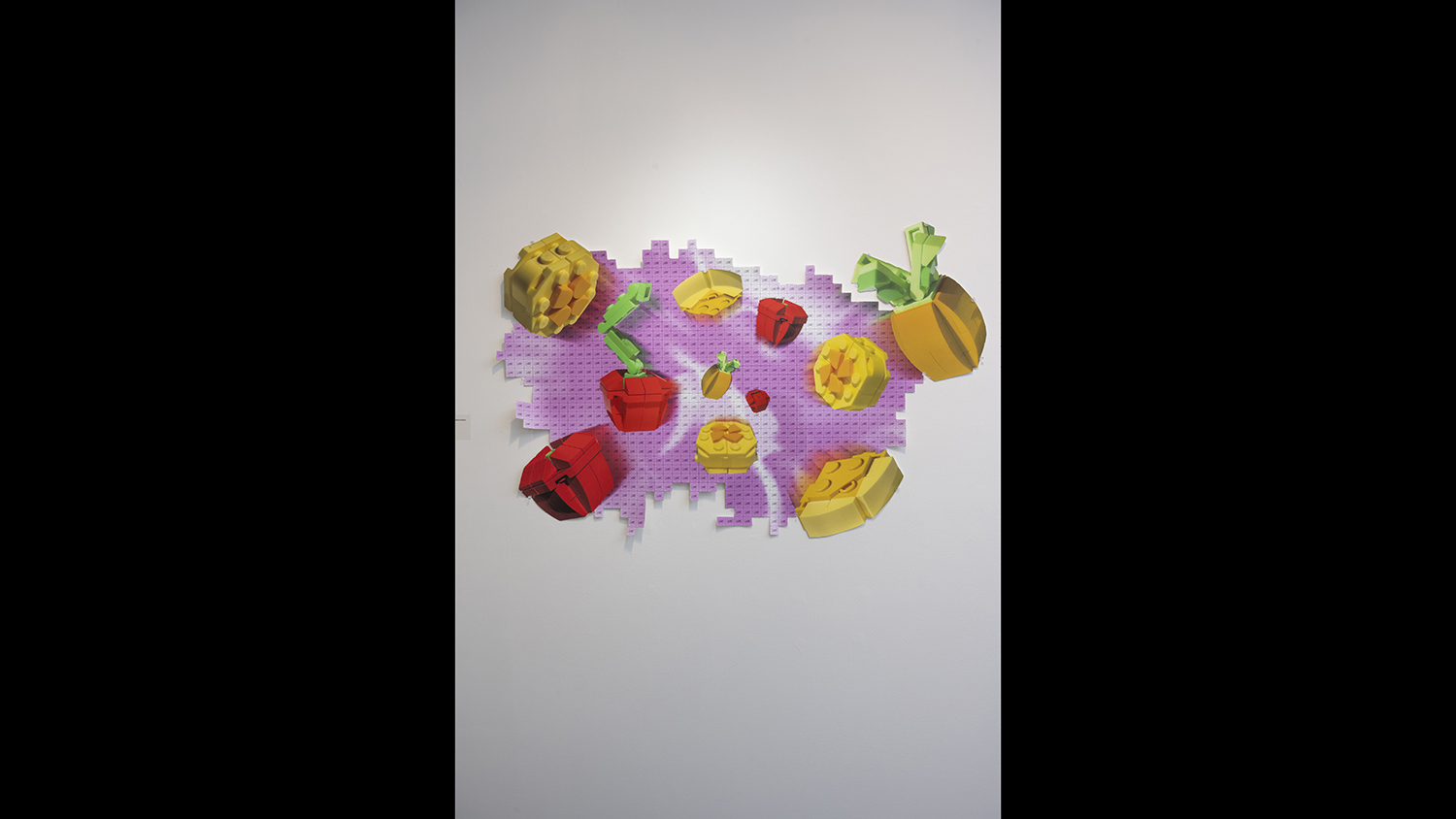
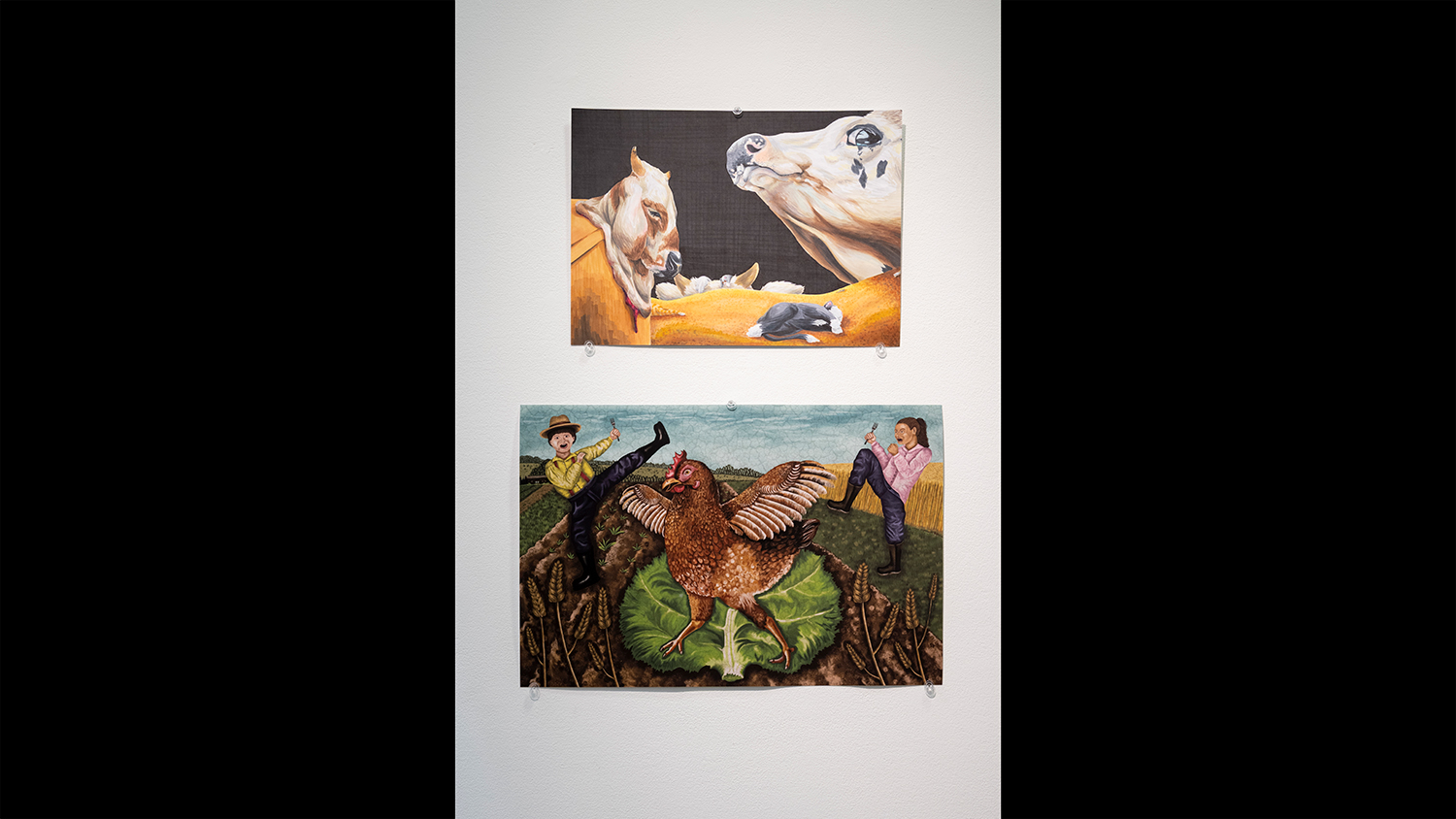
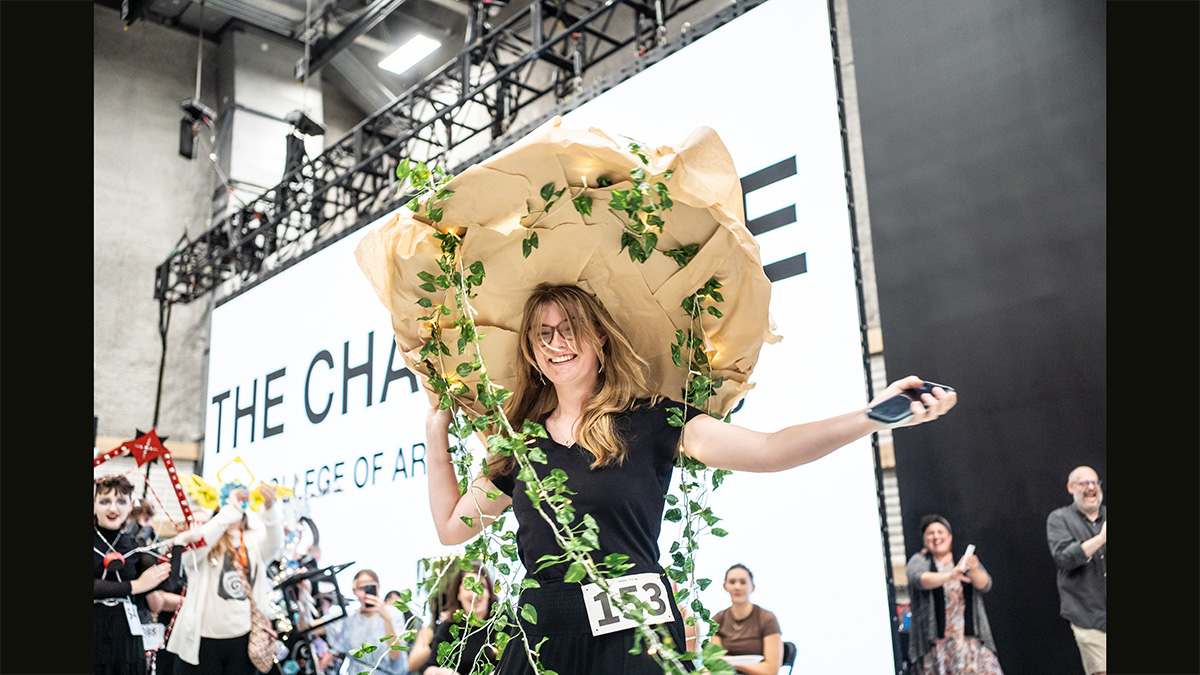
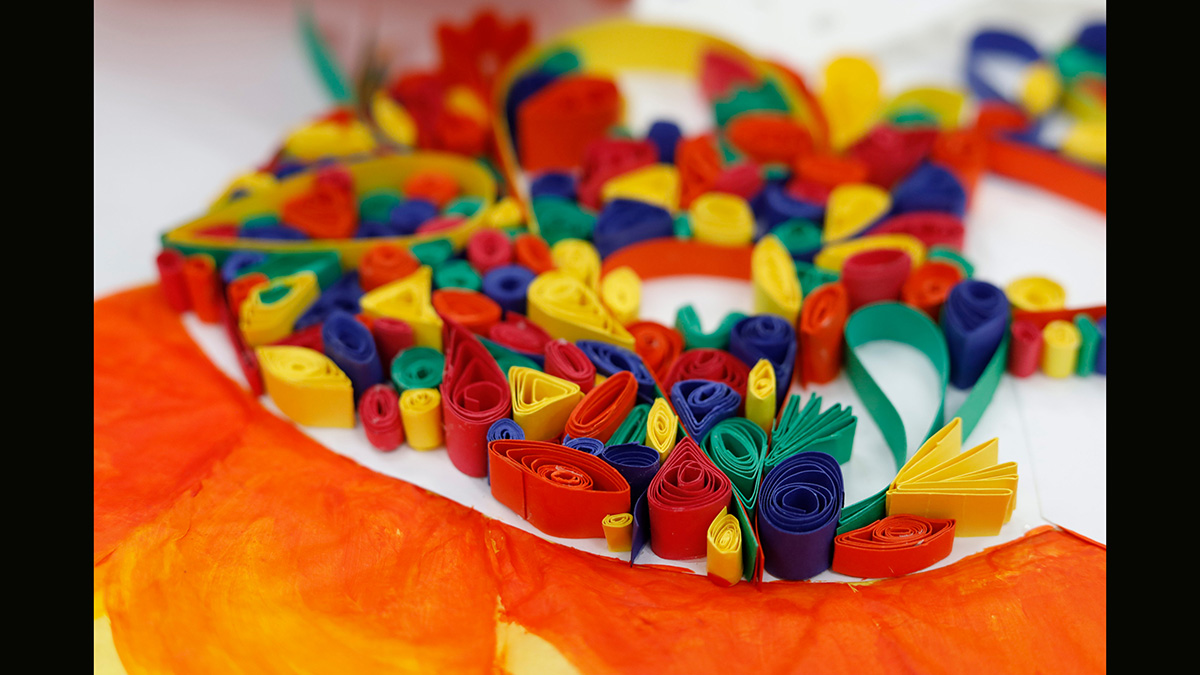
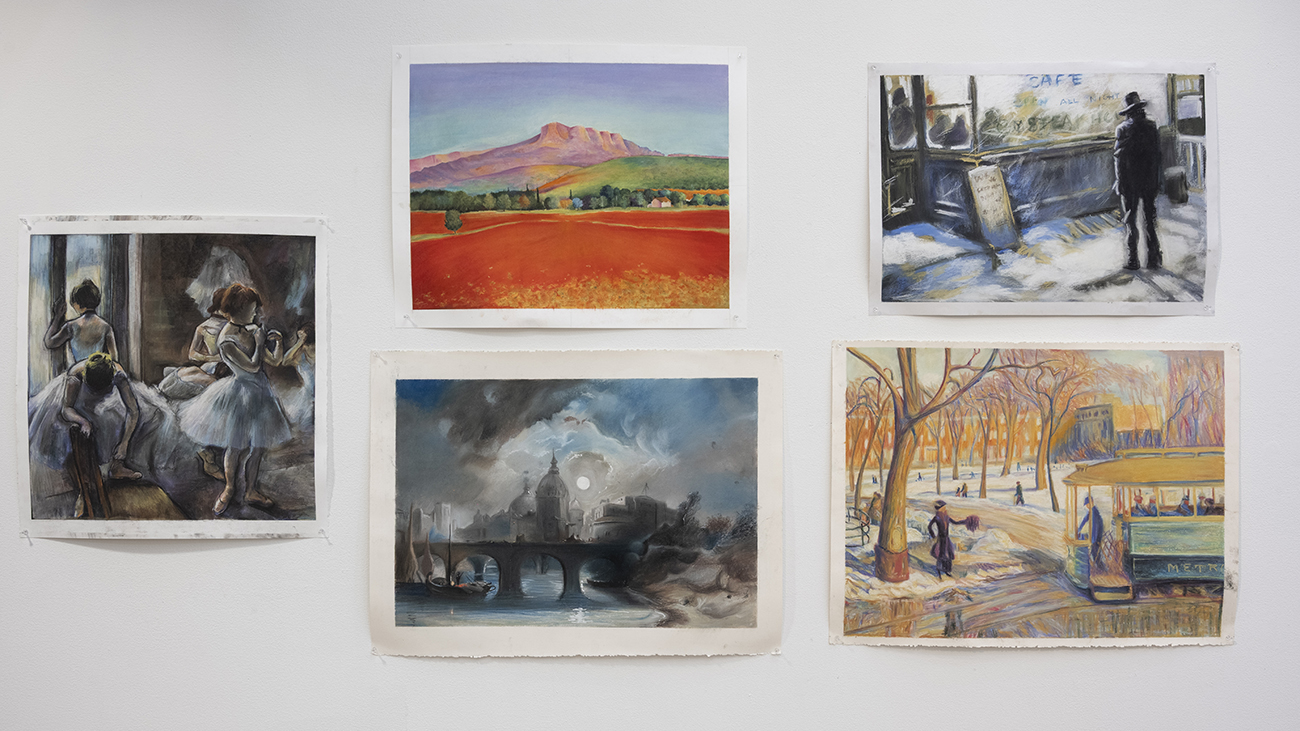
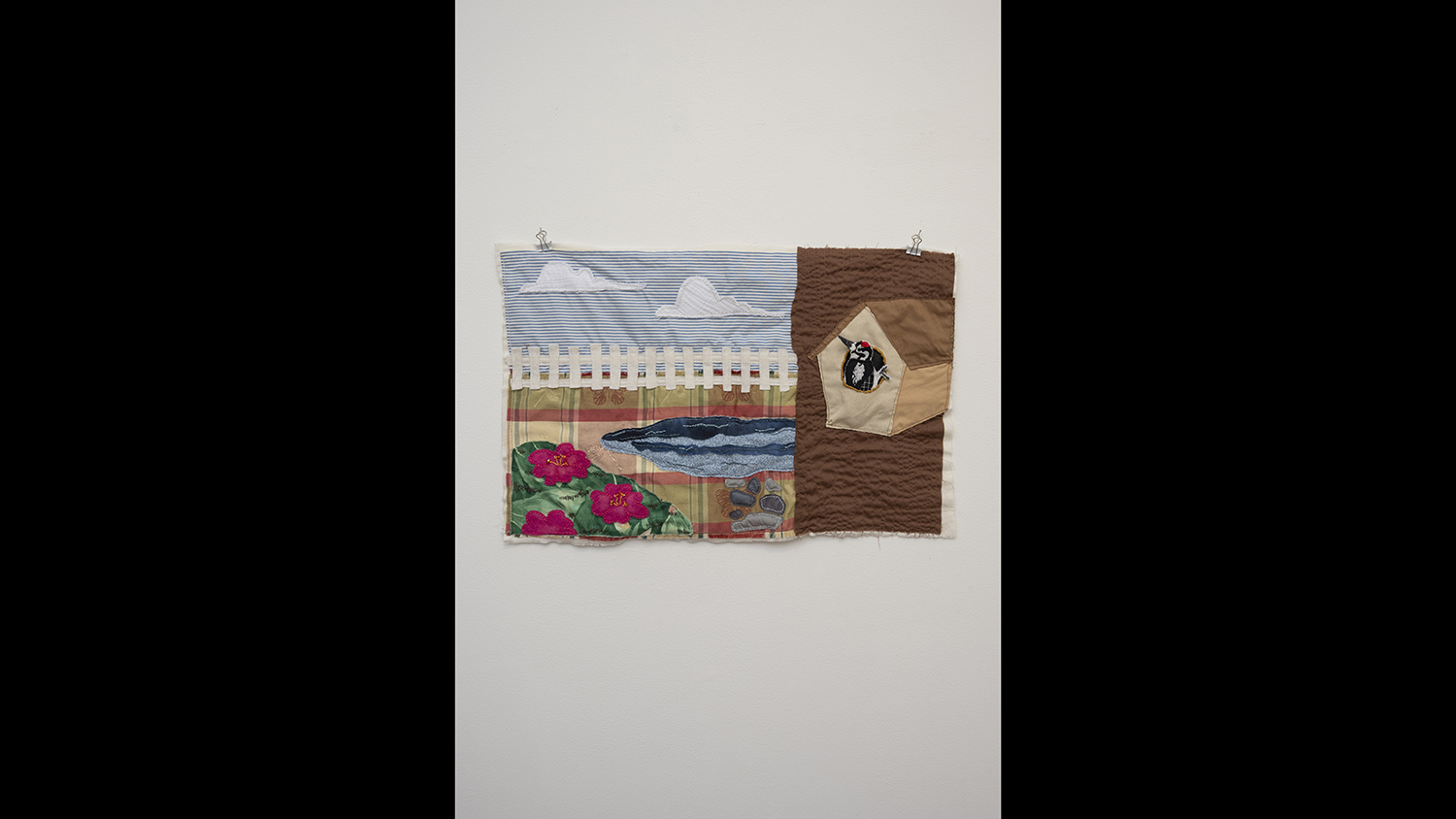
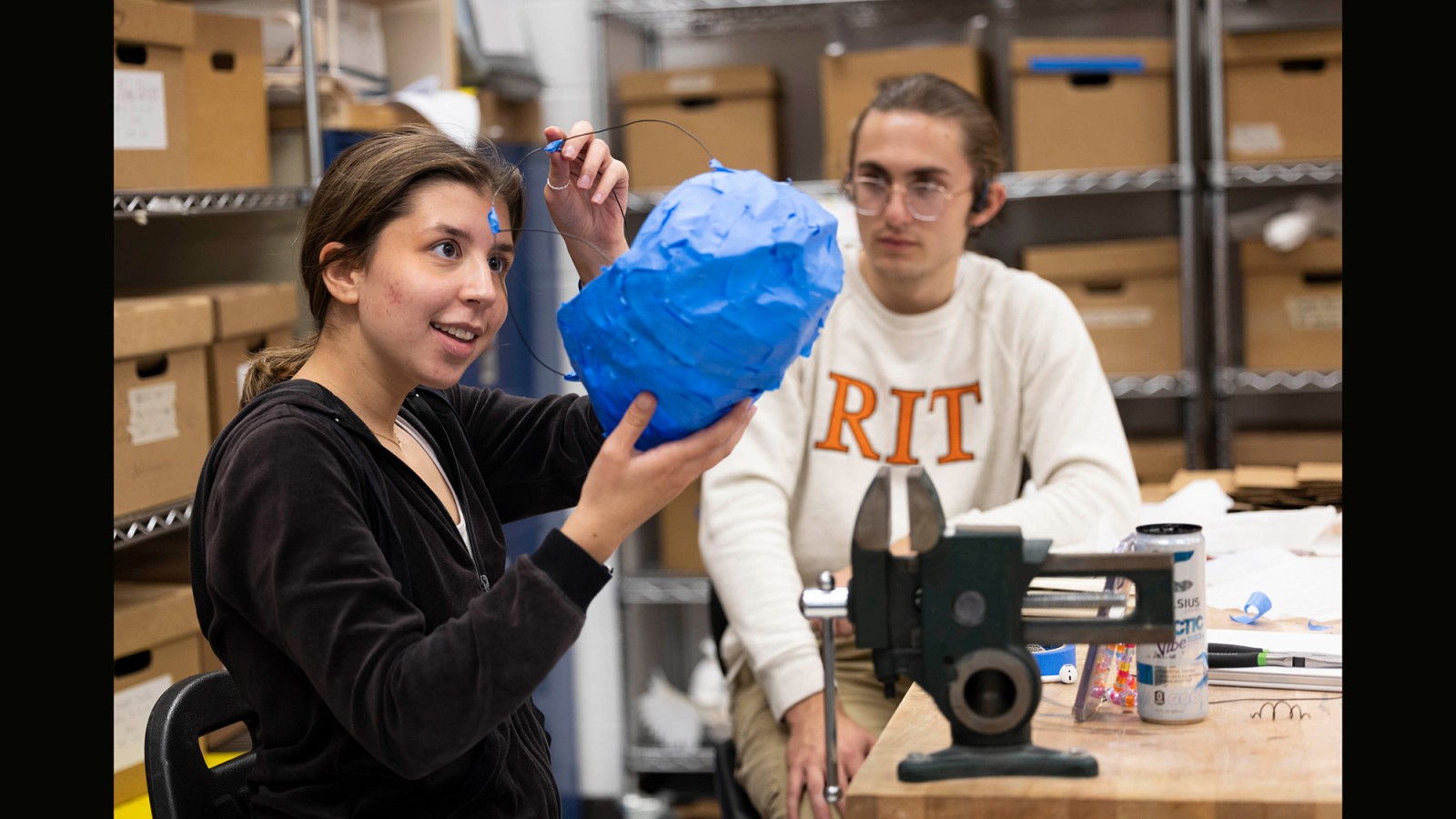
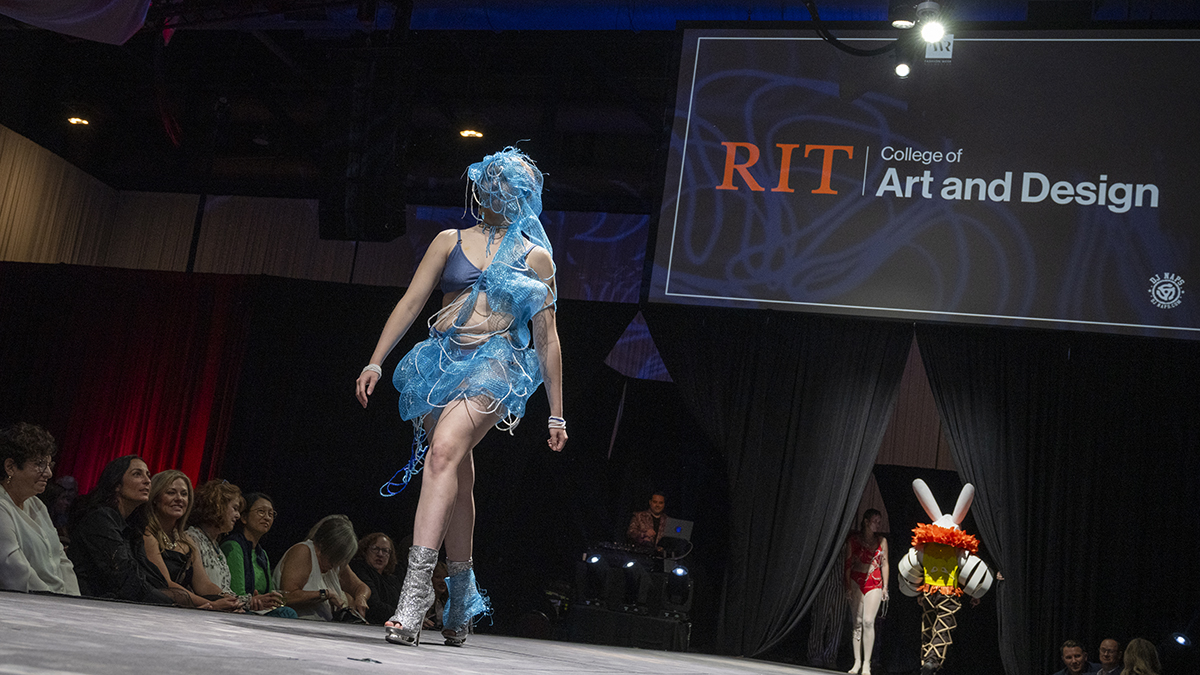
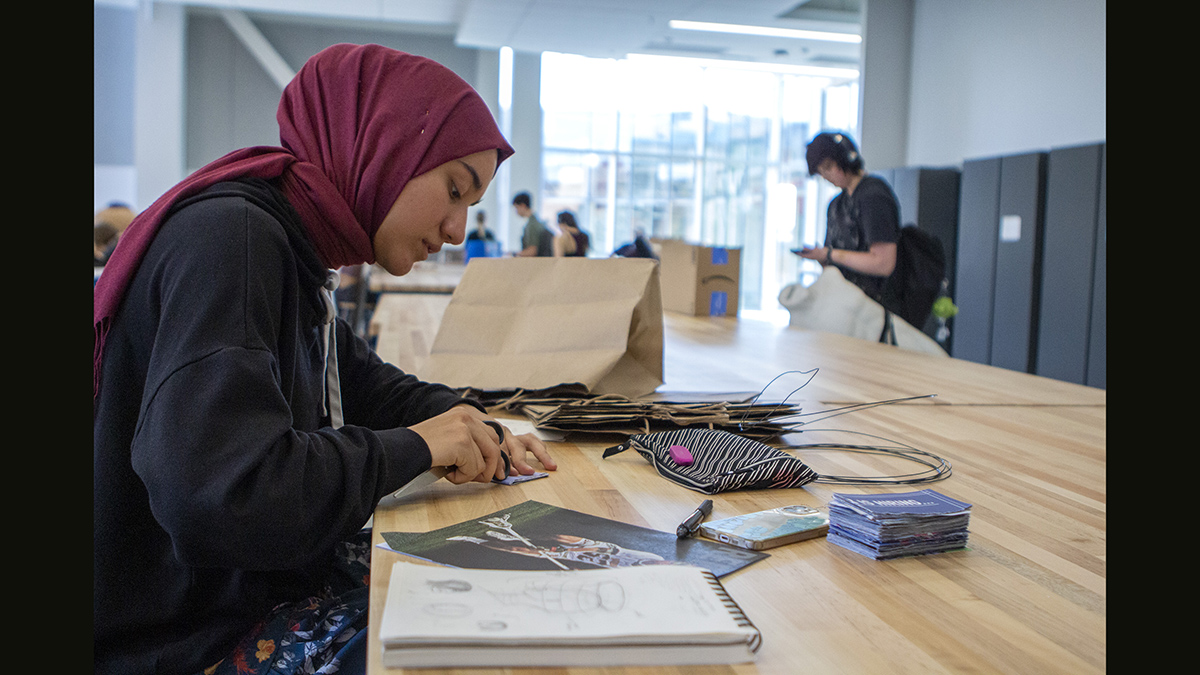
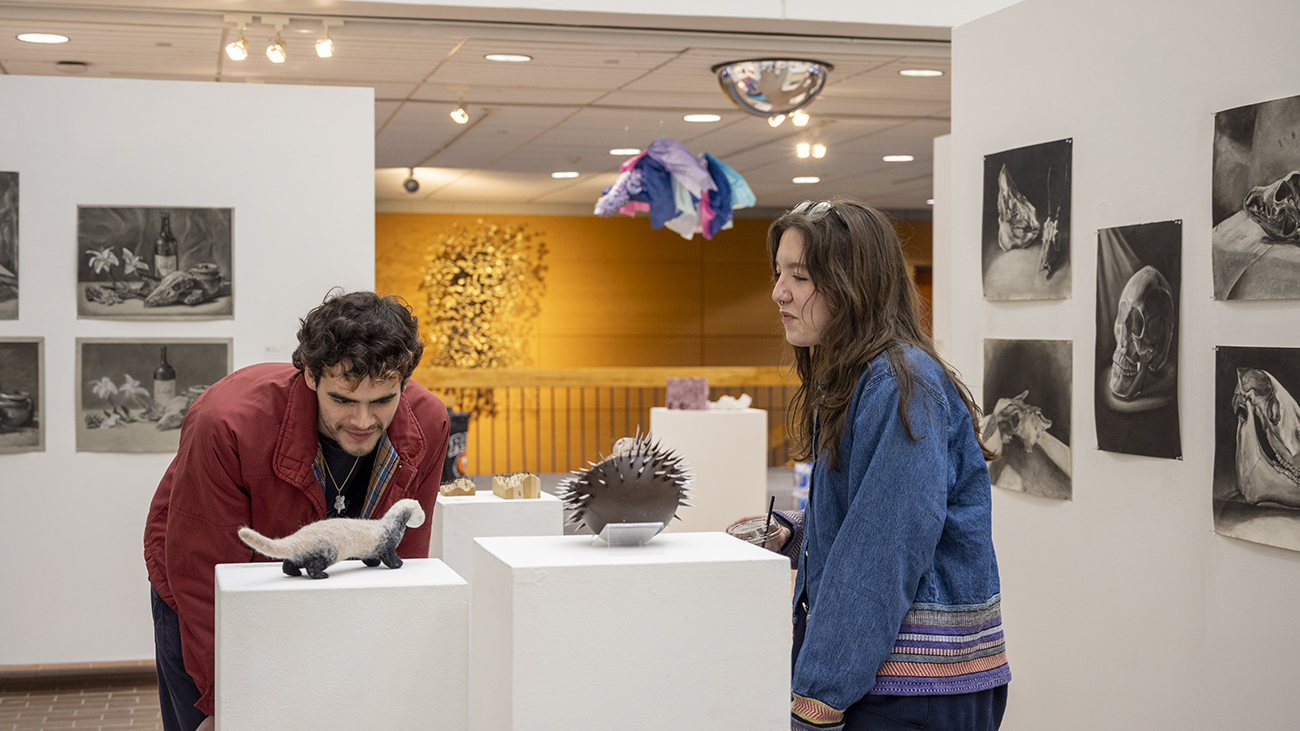
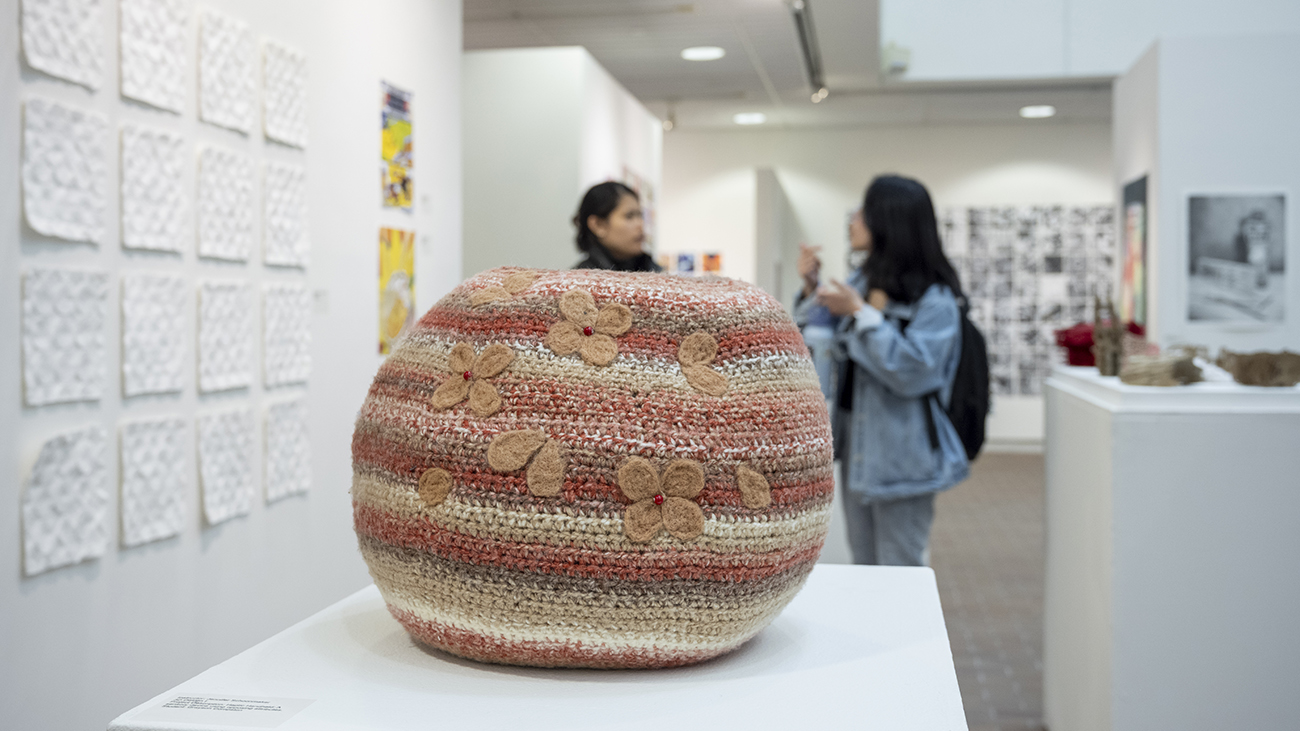
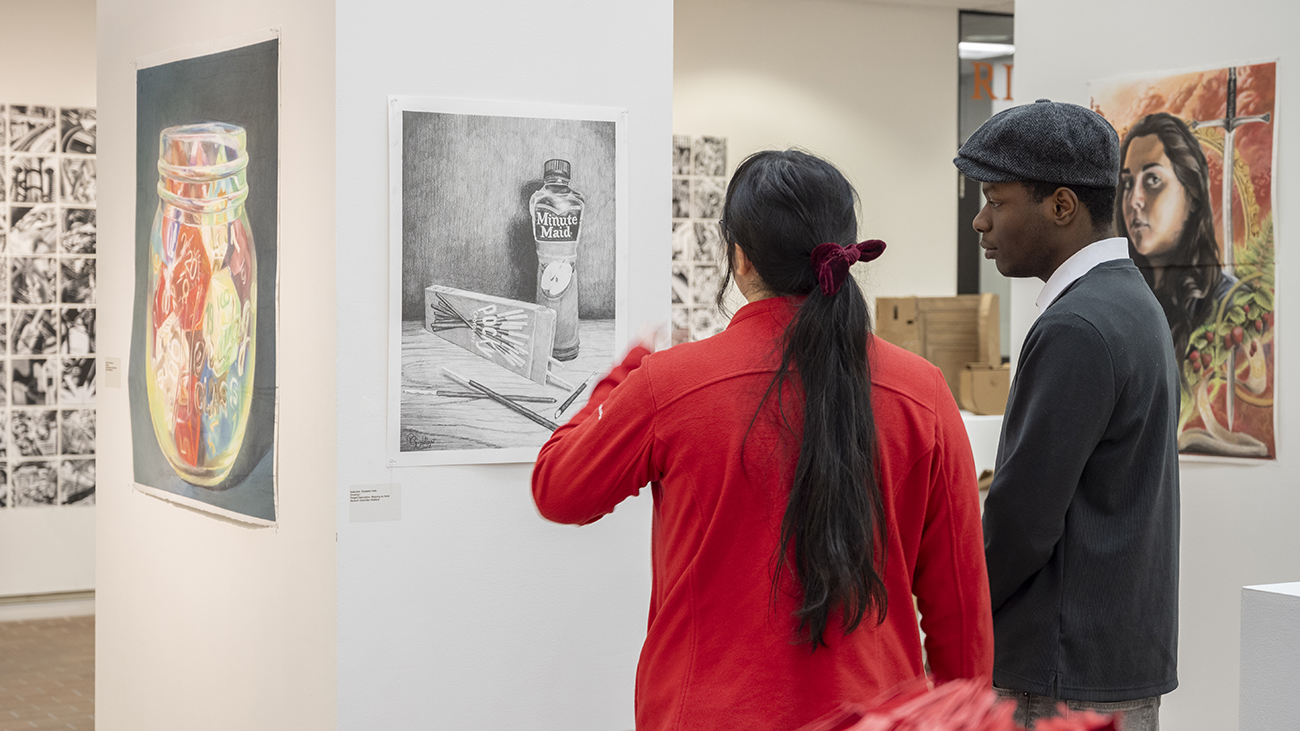
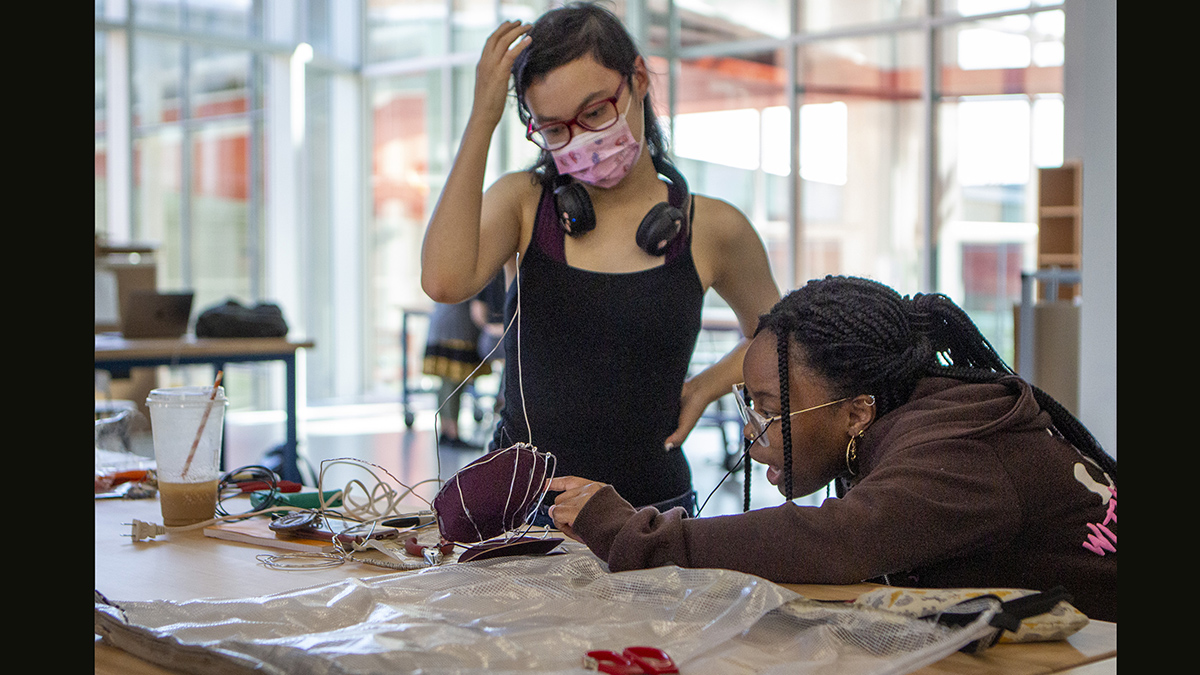
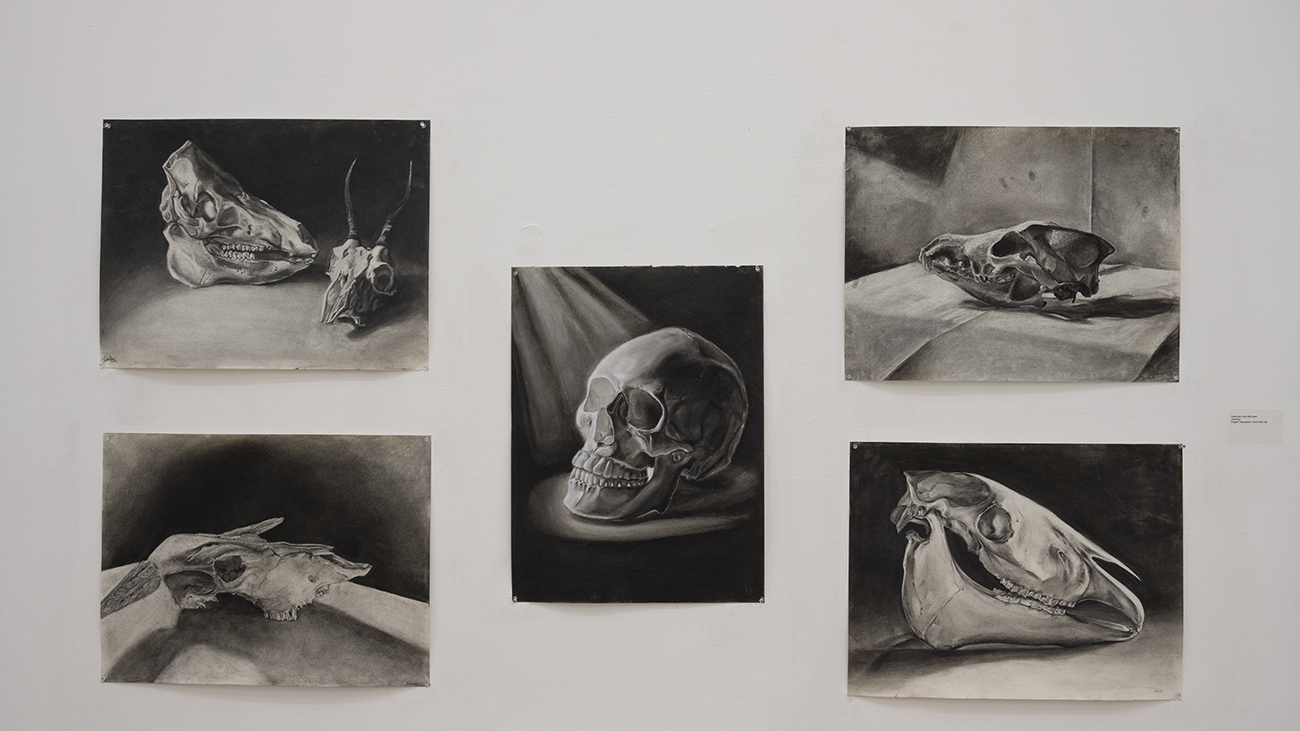
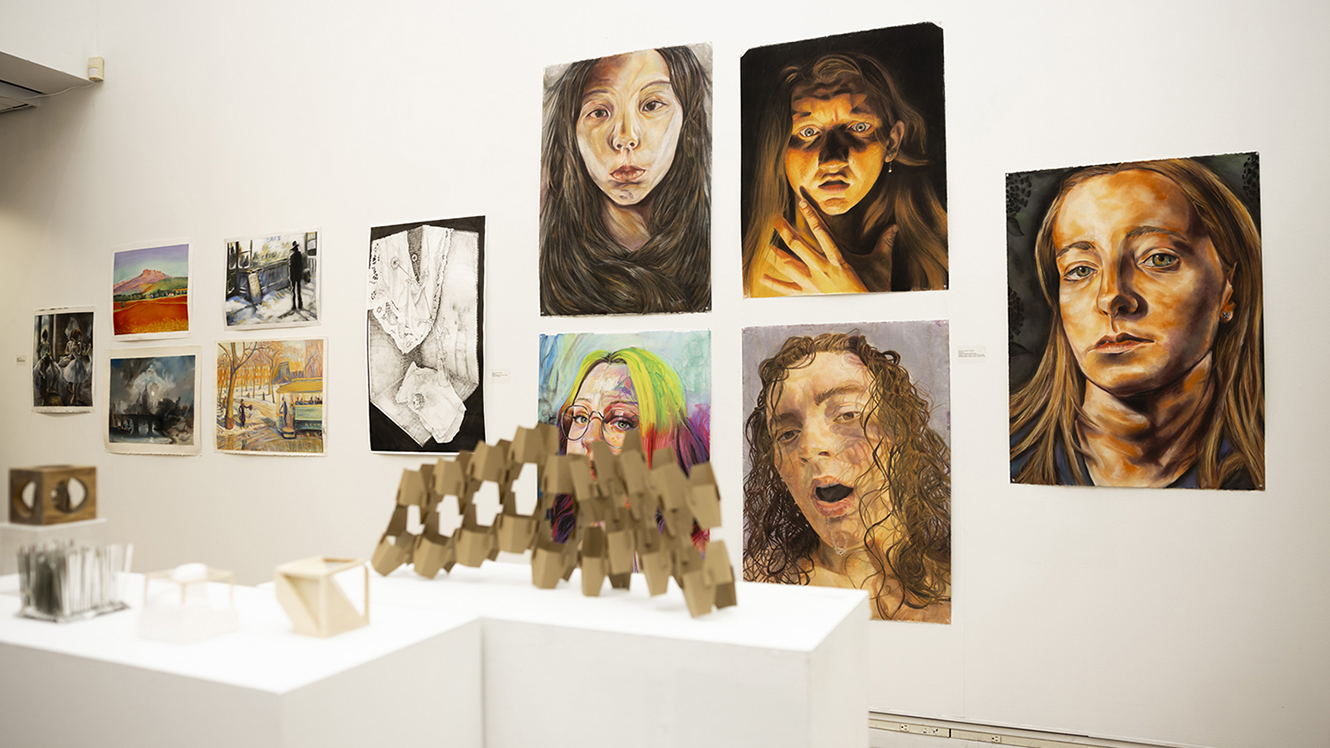
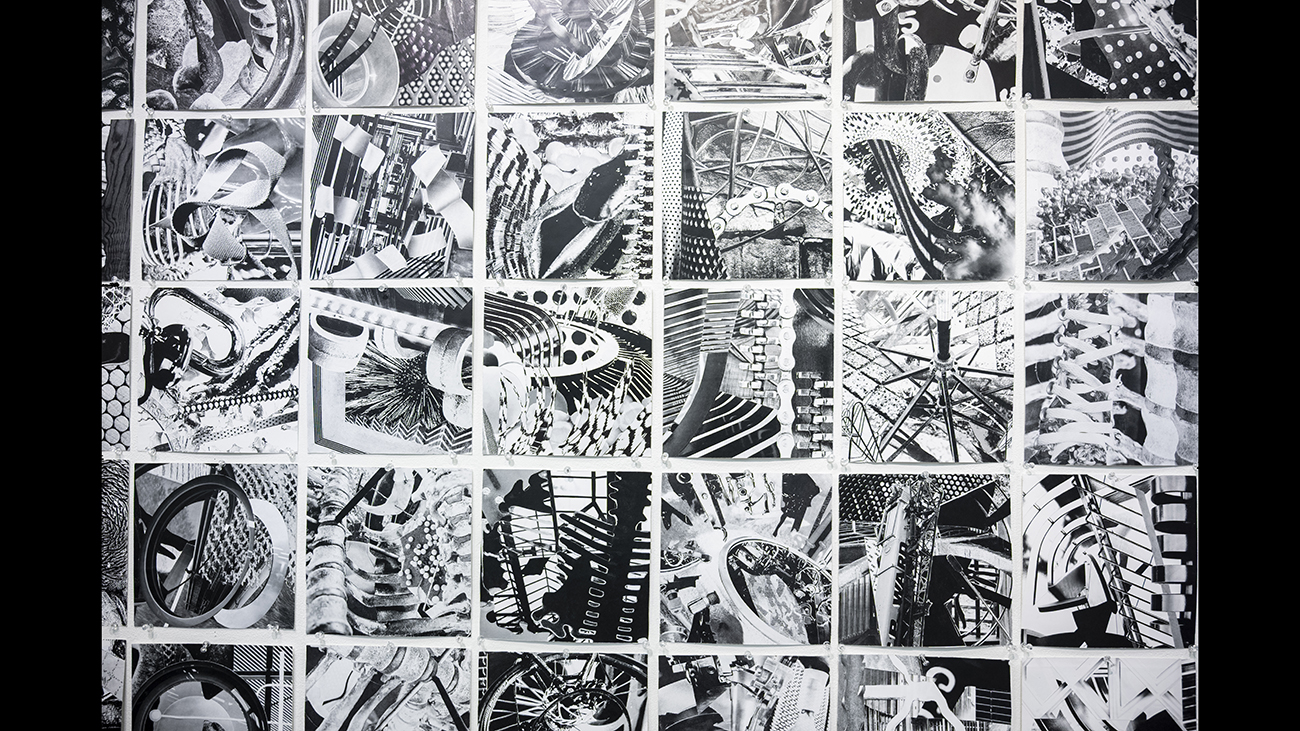
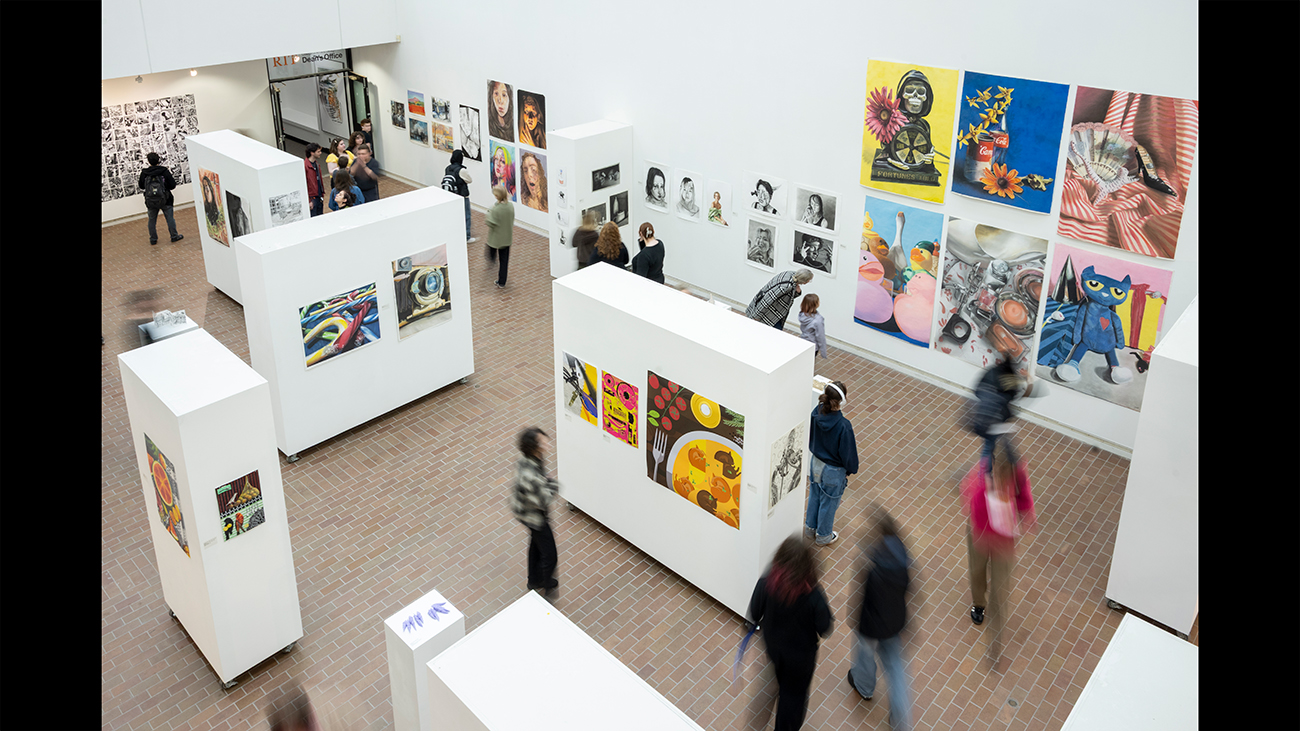
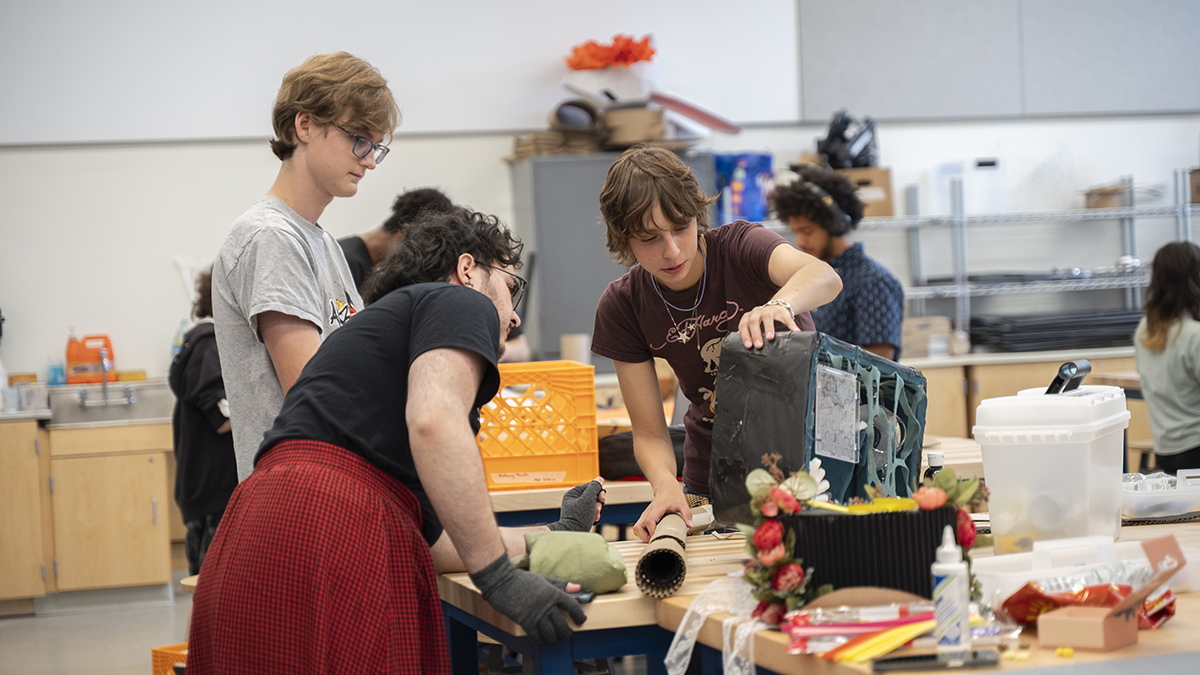
Foundations events, field trips and exhibitions bring students together to celebrate and exhibit the amazing work they create!
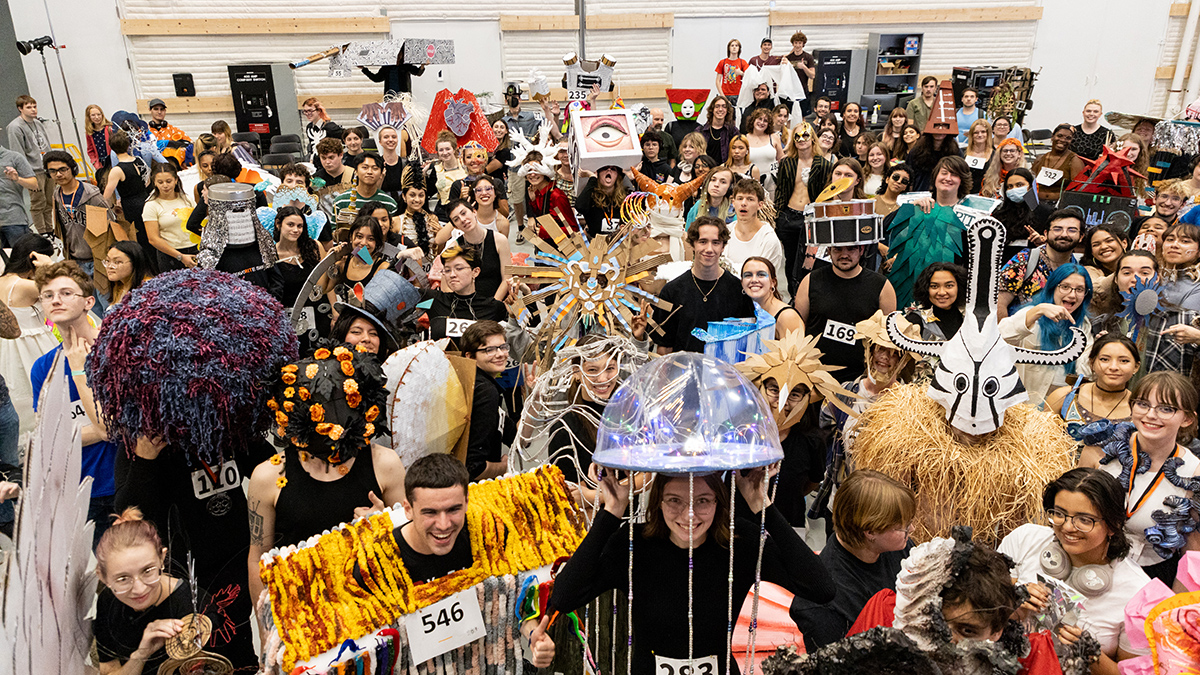
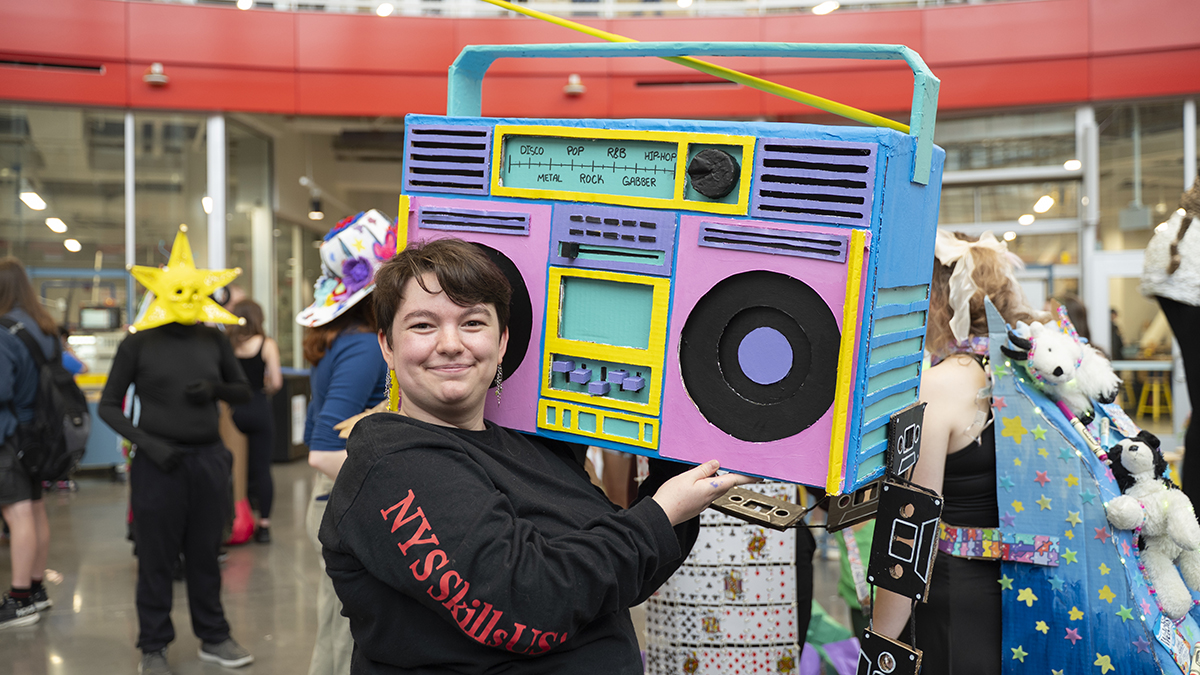
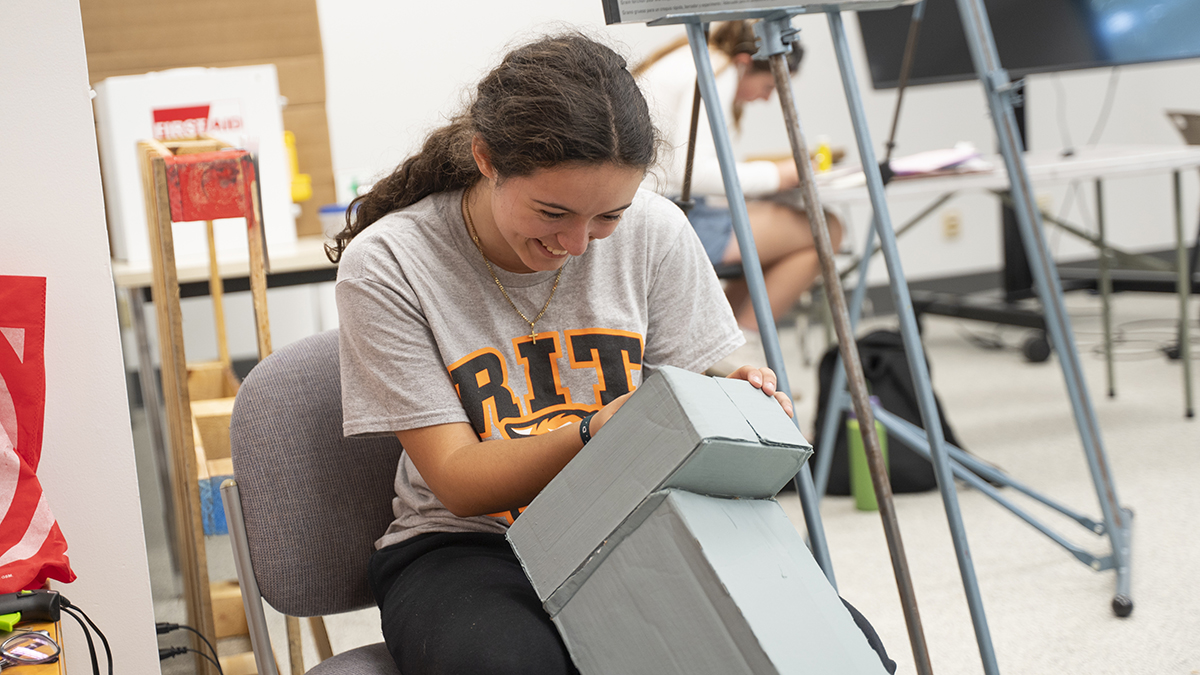
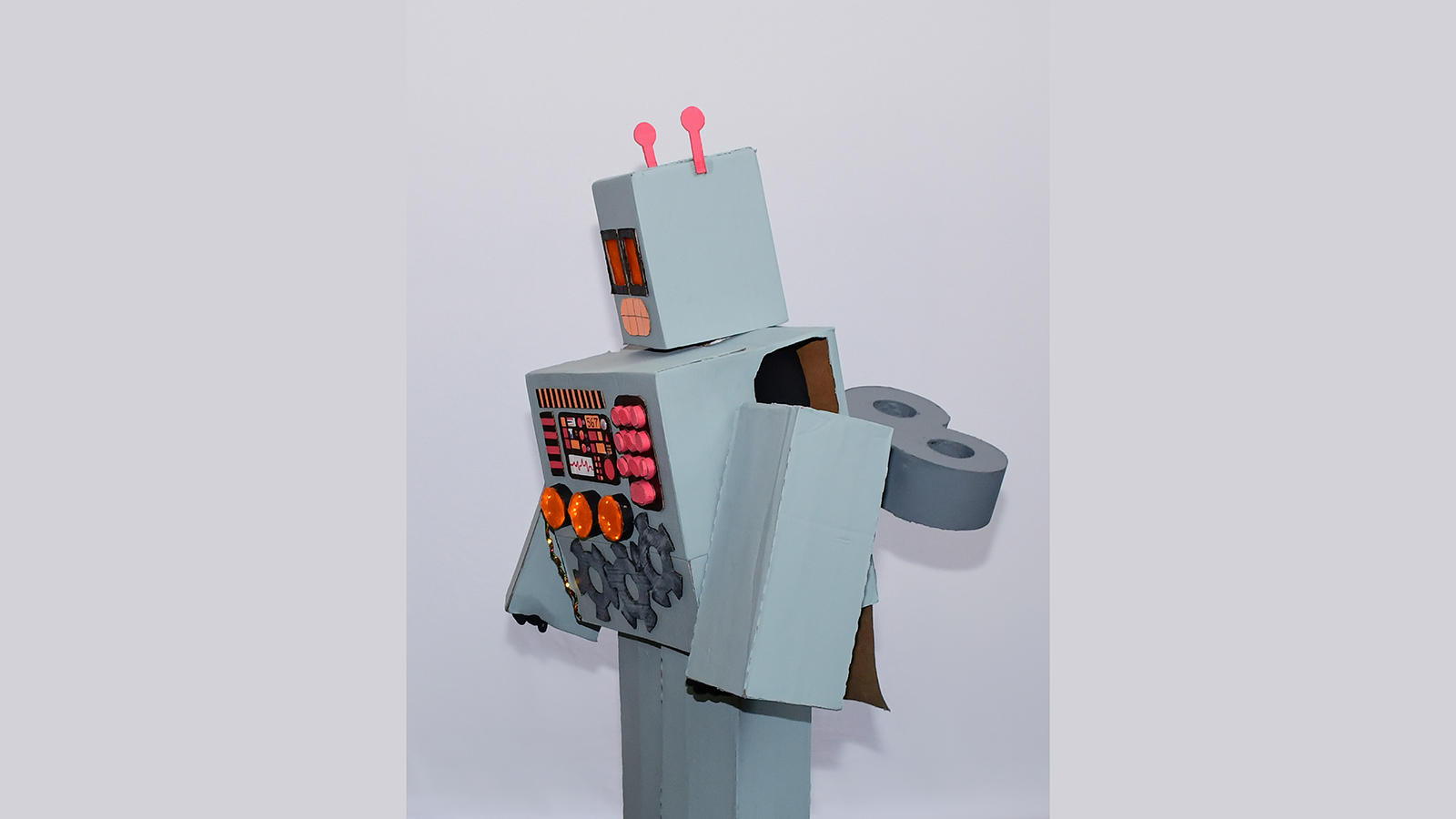
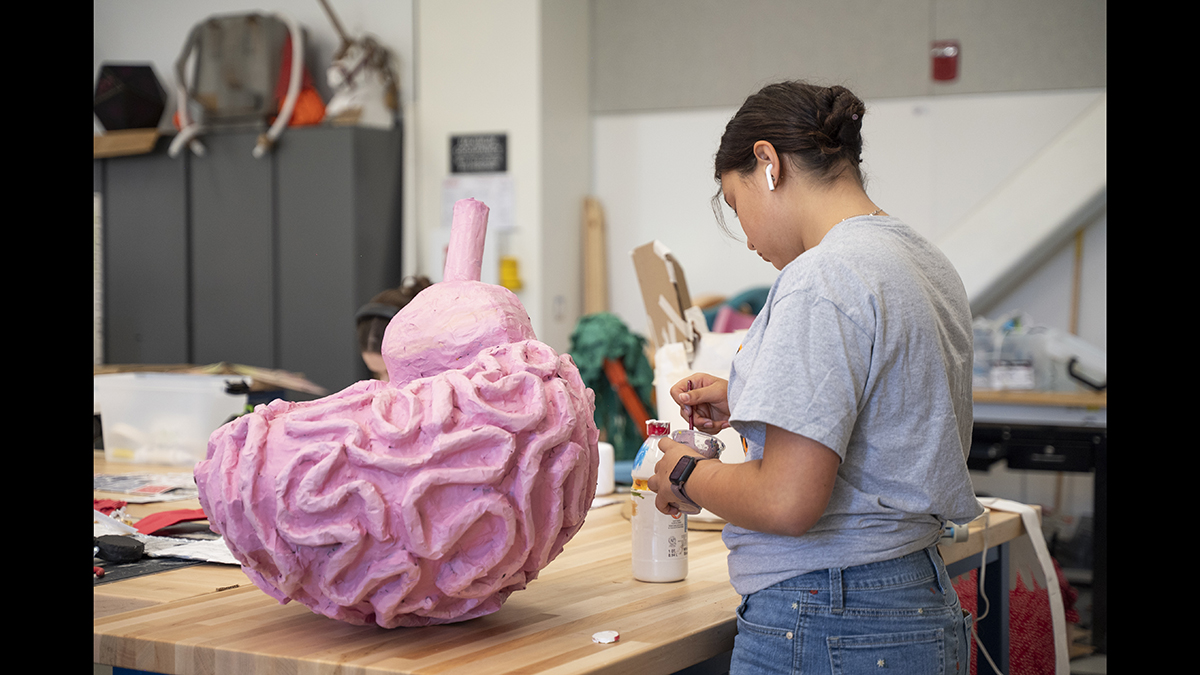
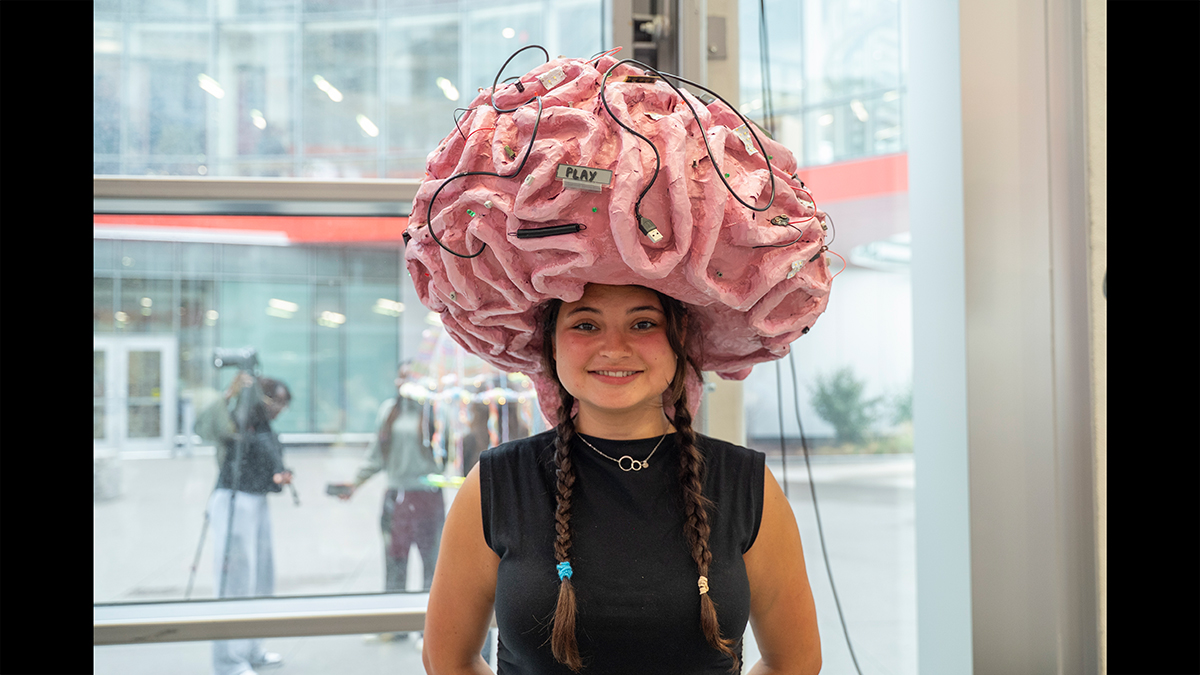
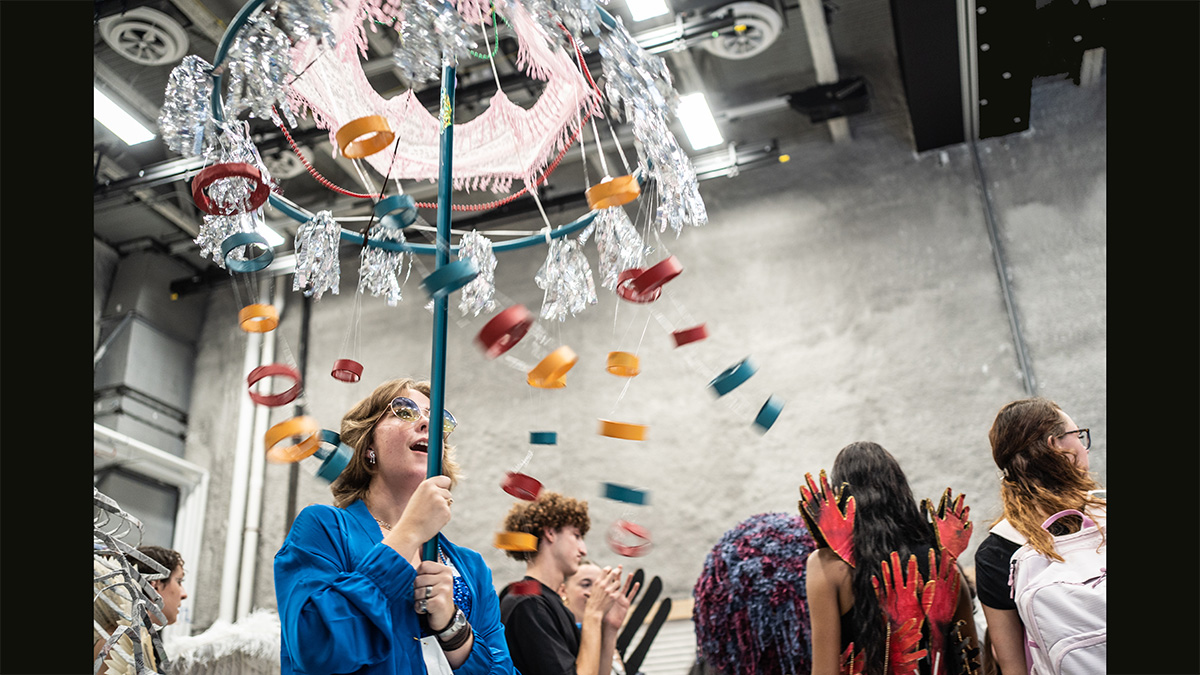
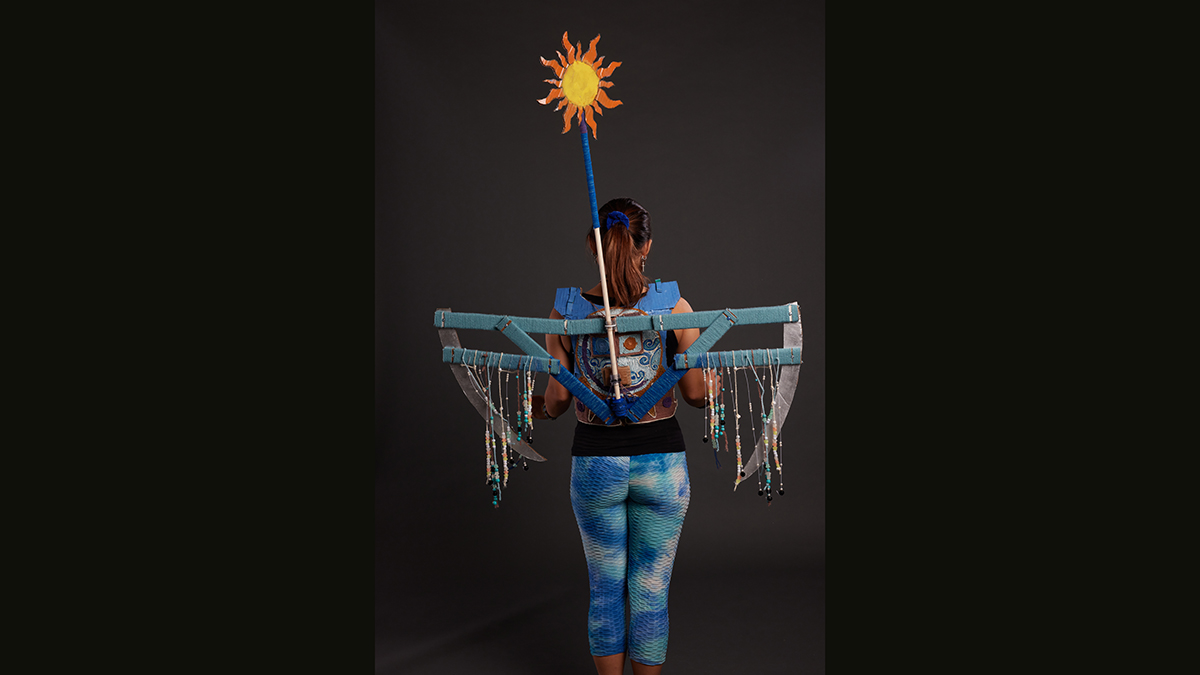
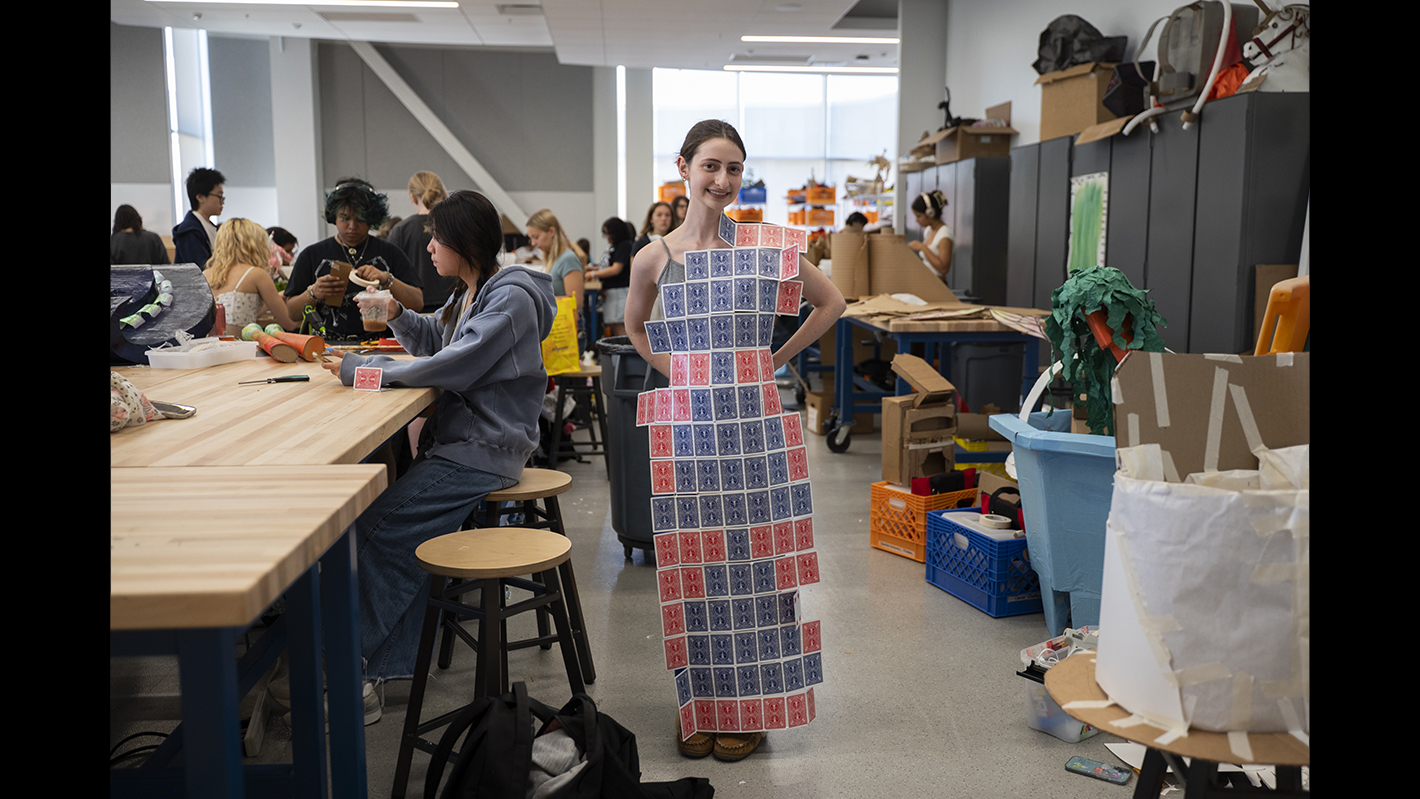
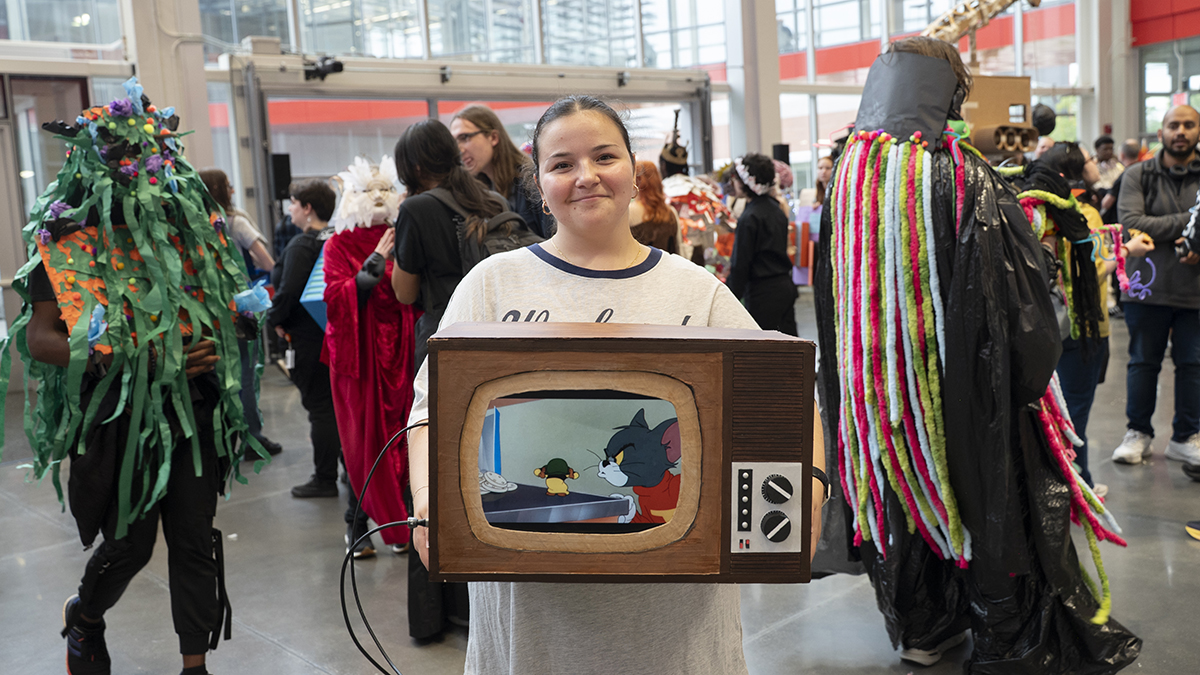
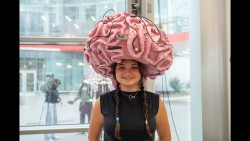
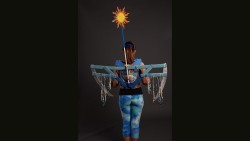
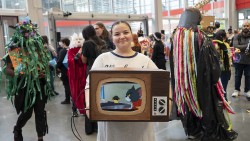
Below are examples from recent gallery exhibitions and The Charrette — a first-year student event occasionally held that challenges students to experiment with materiality by making themed wearable sculpture.
*Hover over images for photo credits































Foundations Facilities
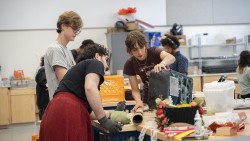
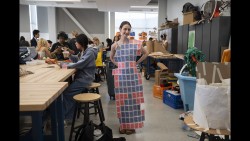
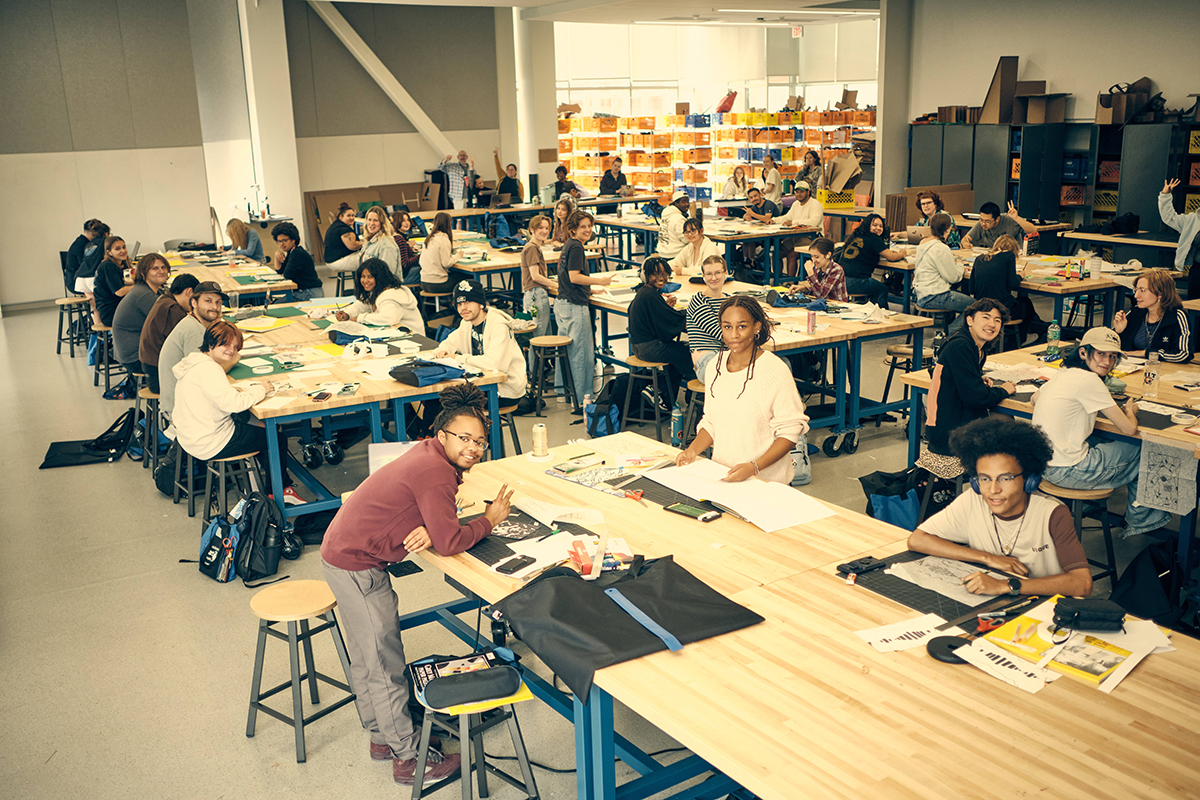
Our foundations classes are housed in well-equipped studio spaces in Booth Hall, as well as a state-of-the-art, sprawling classroom in the newly built Student Hall for Exploration and Development (SHED).

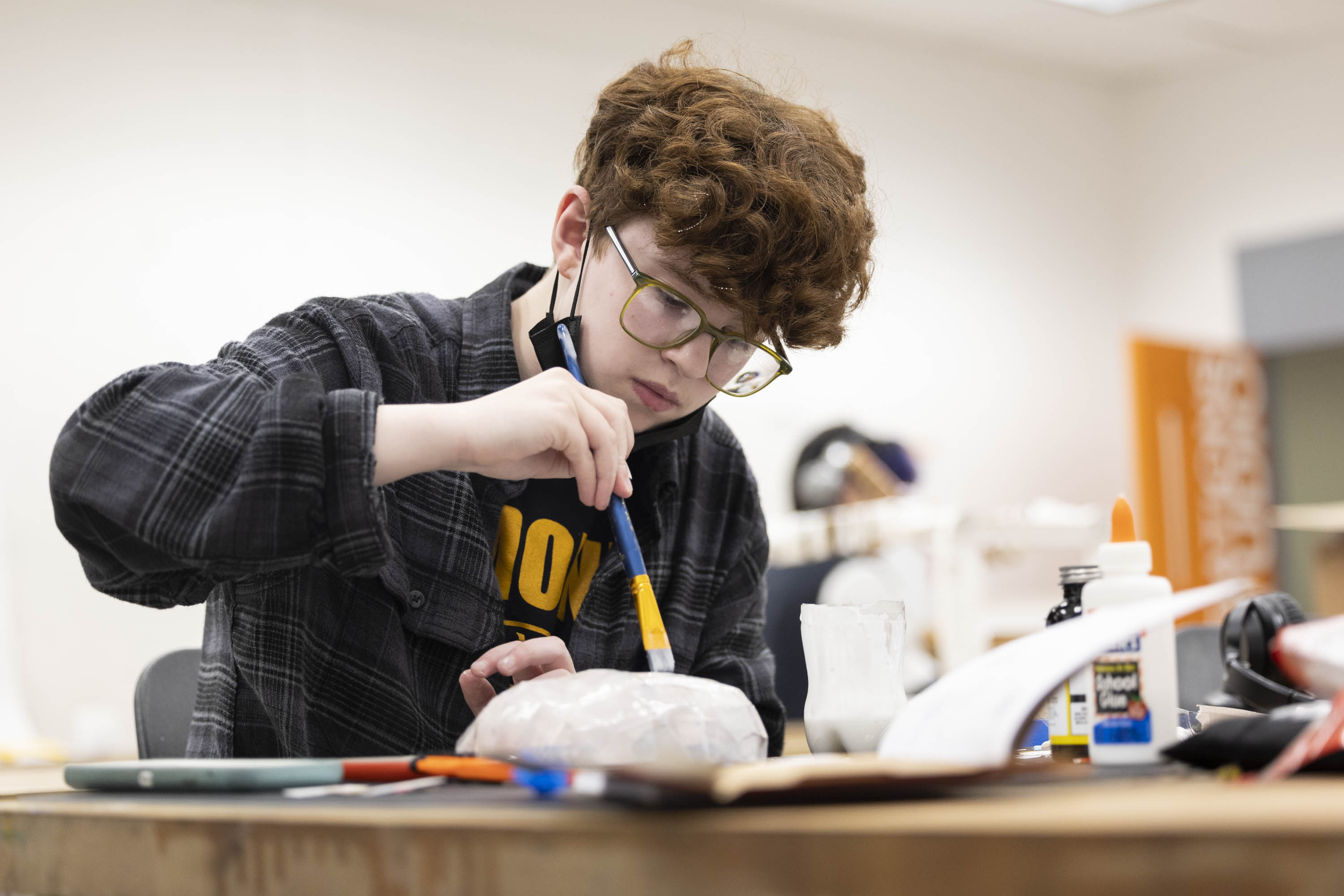
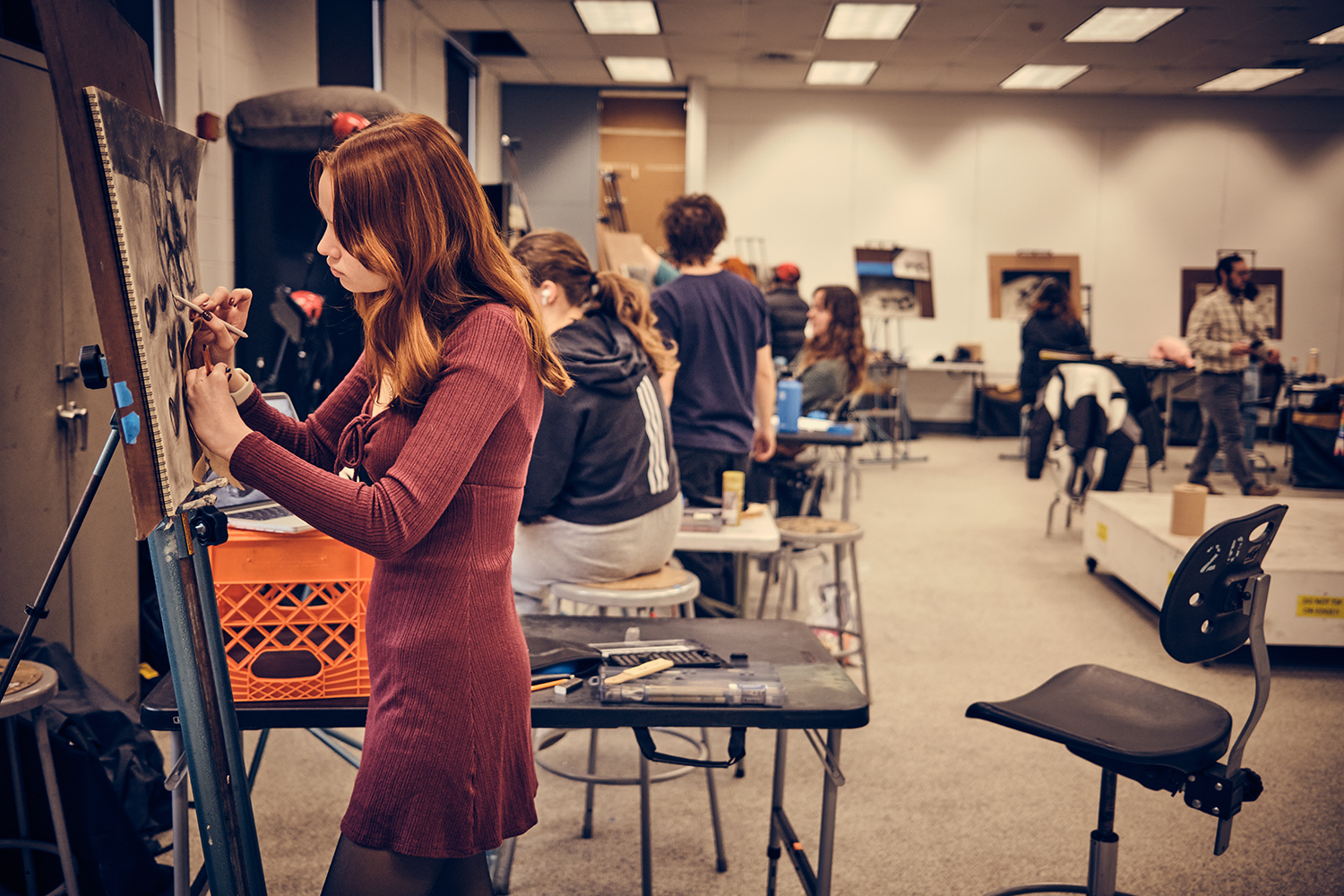
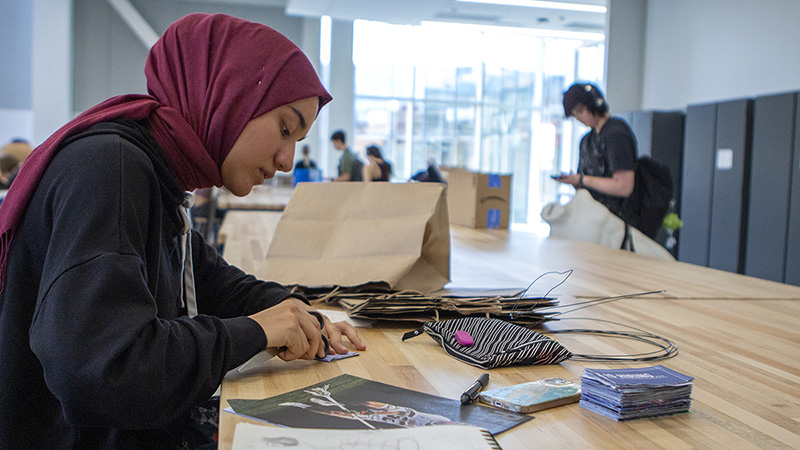
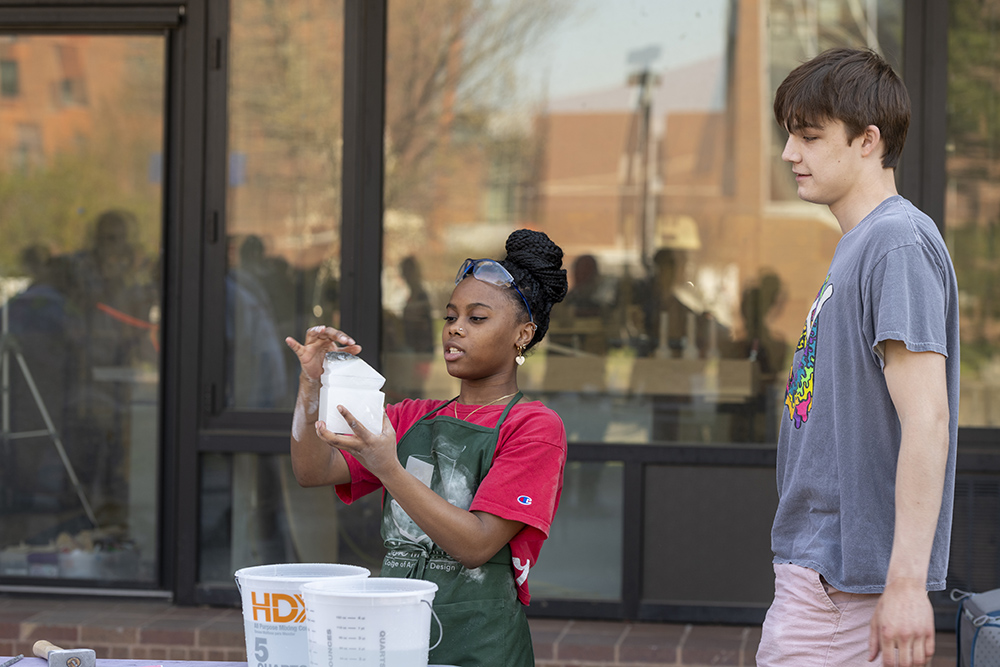

Drawing
Courses in Drawing: FDTN 111, FDTN 112, FDTN 212
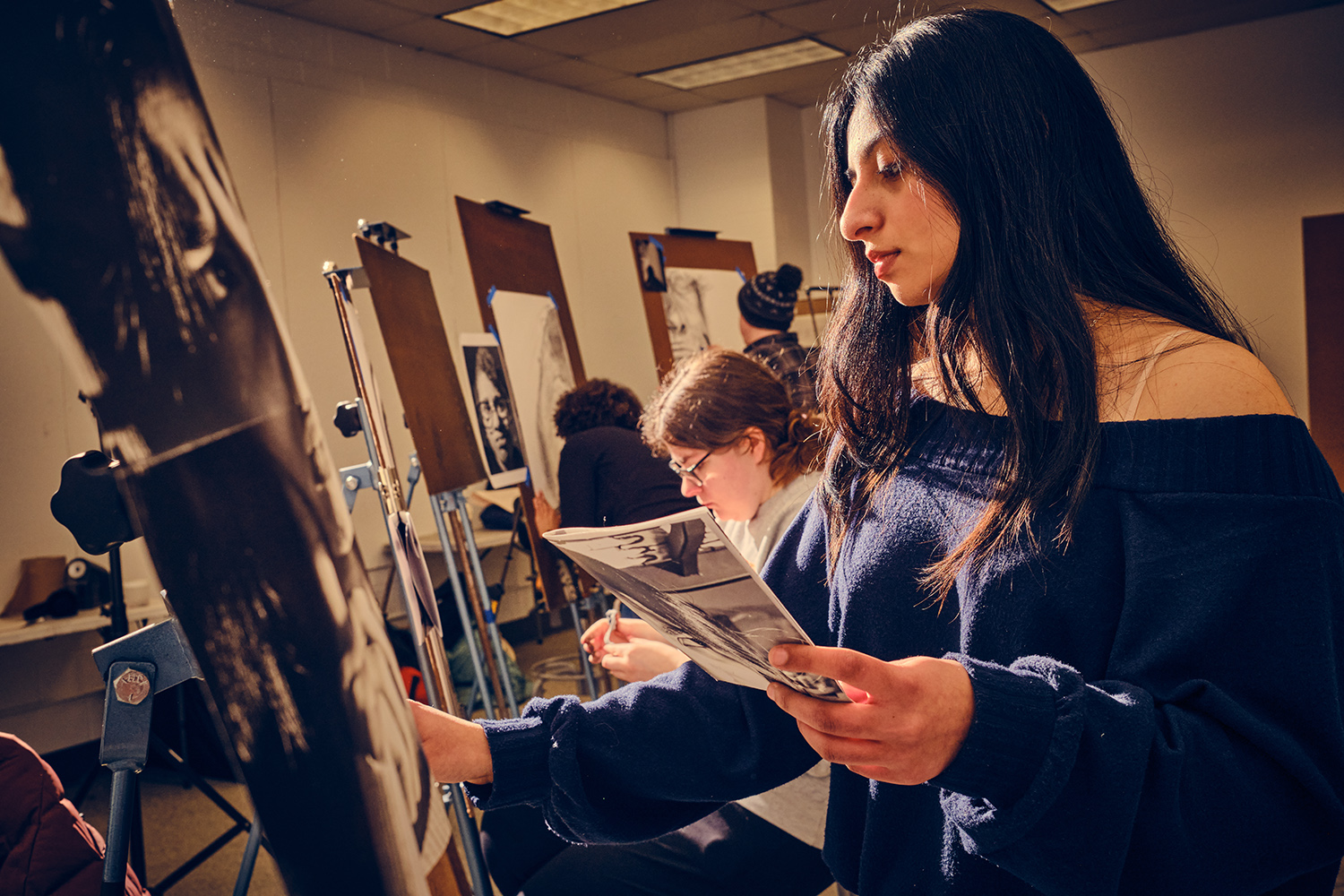
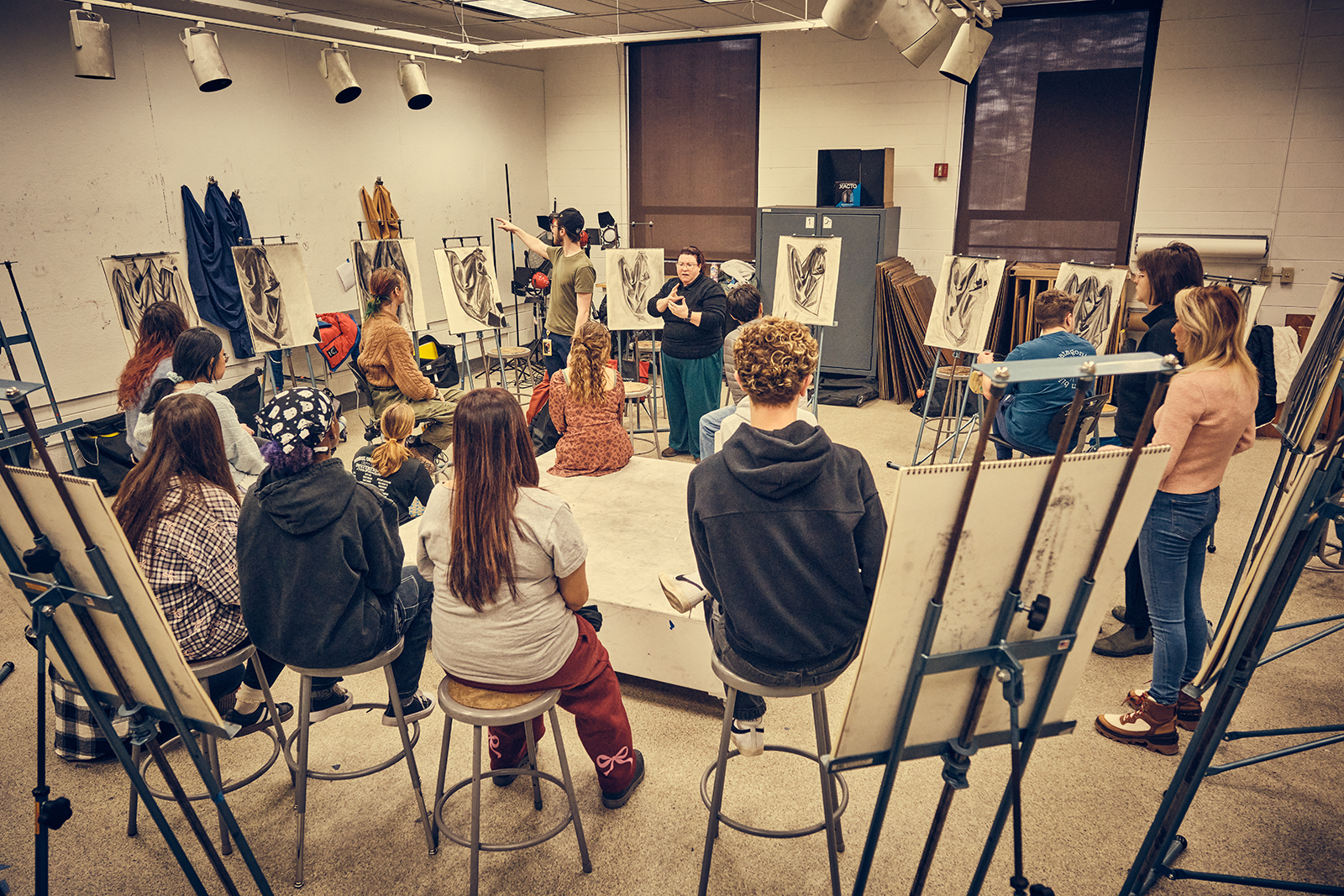
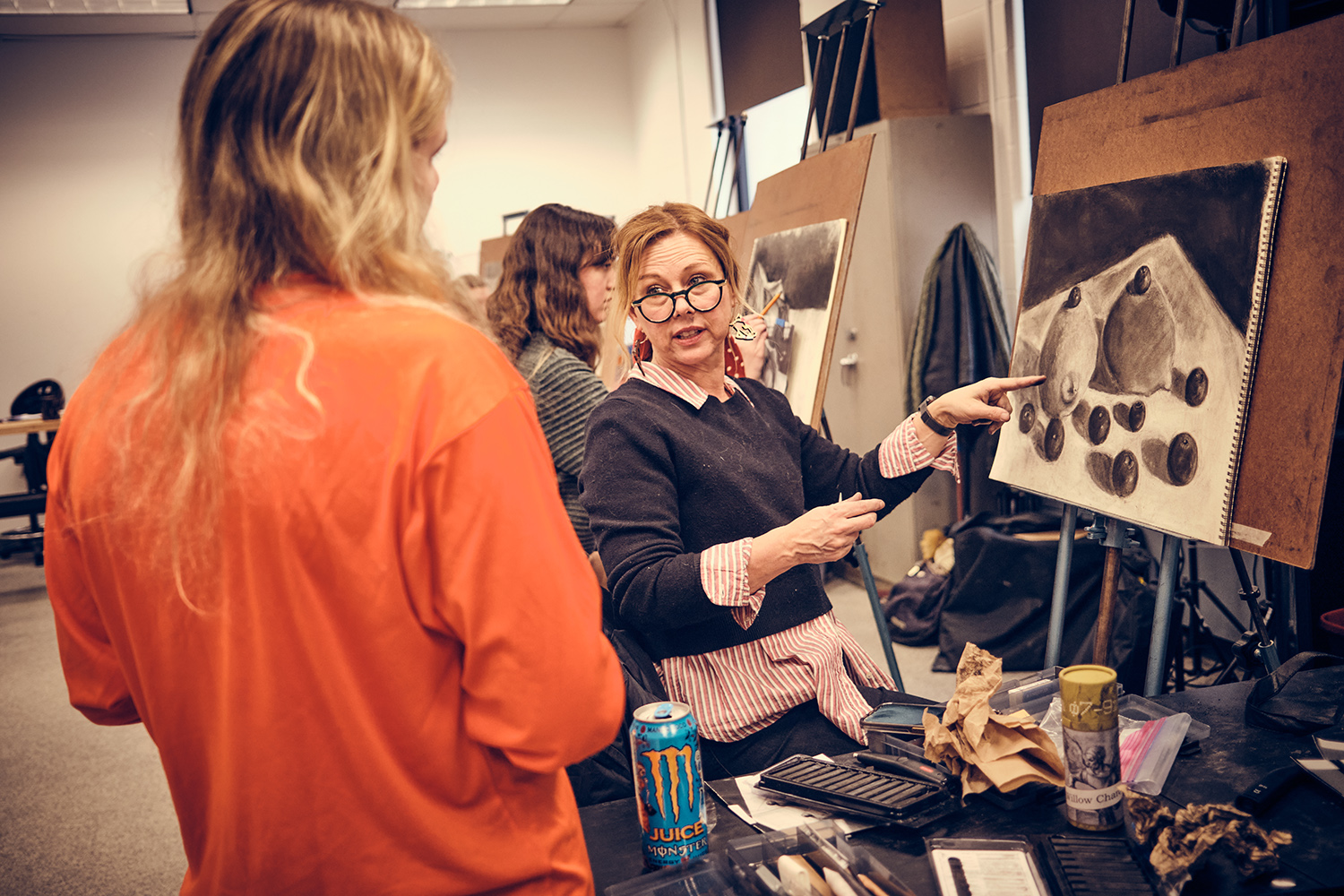
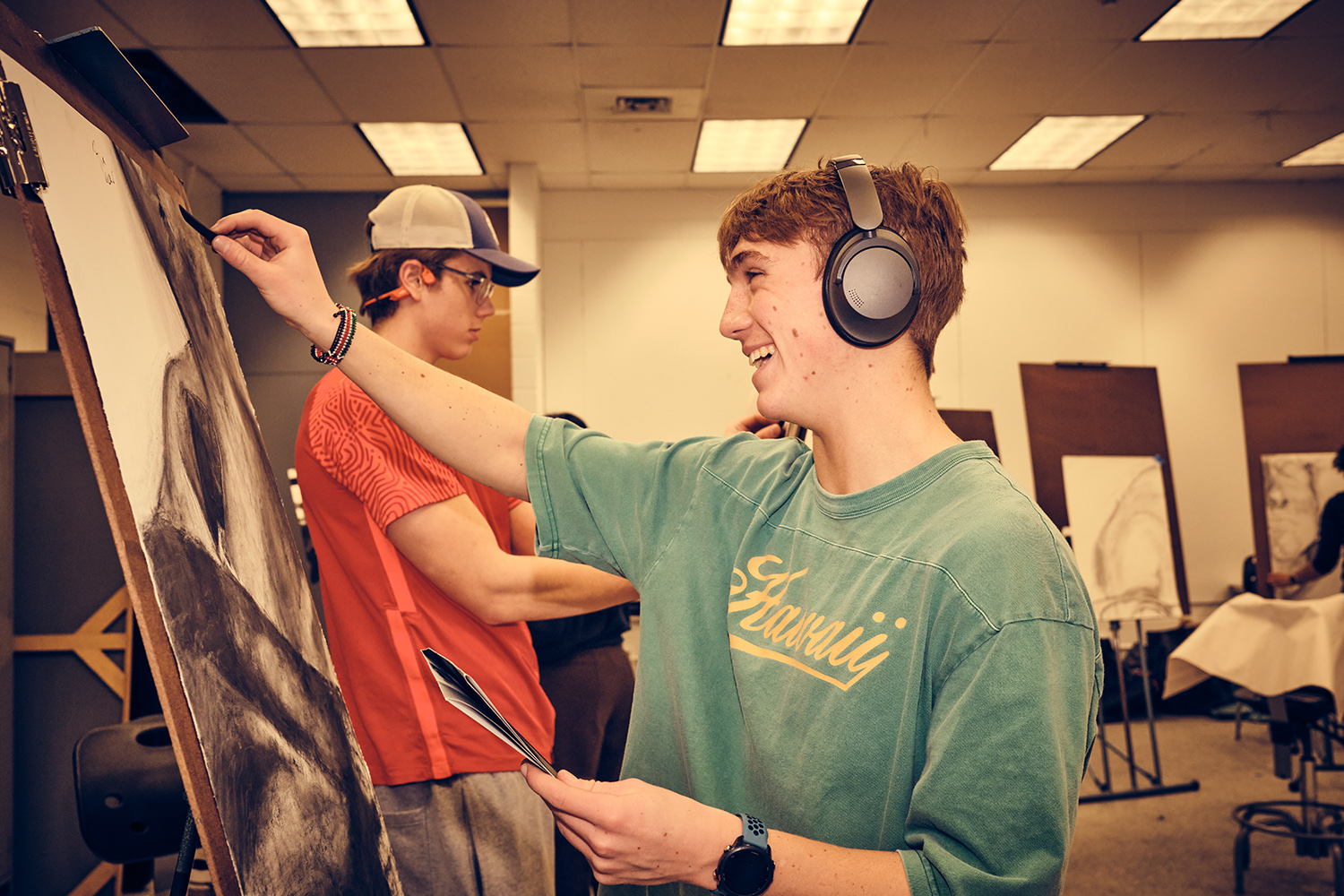
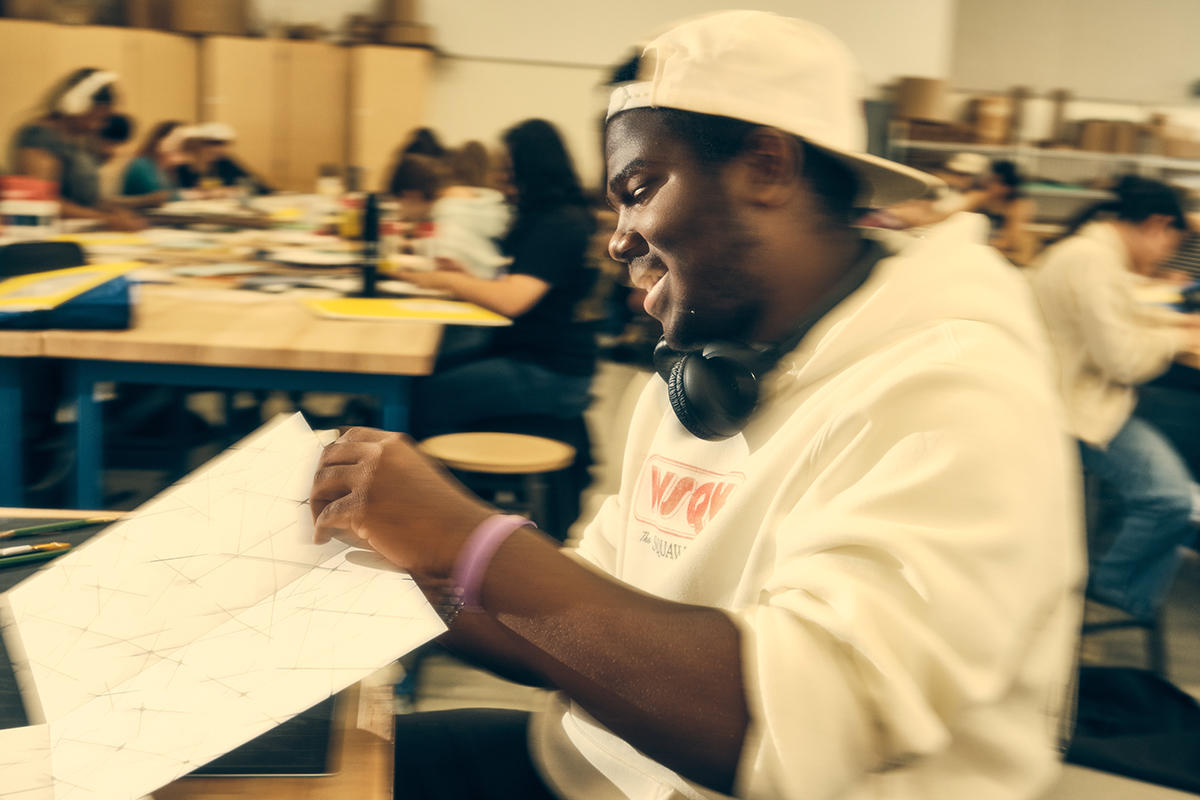
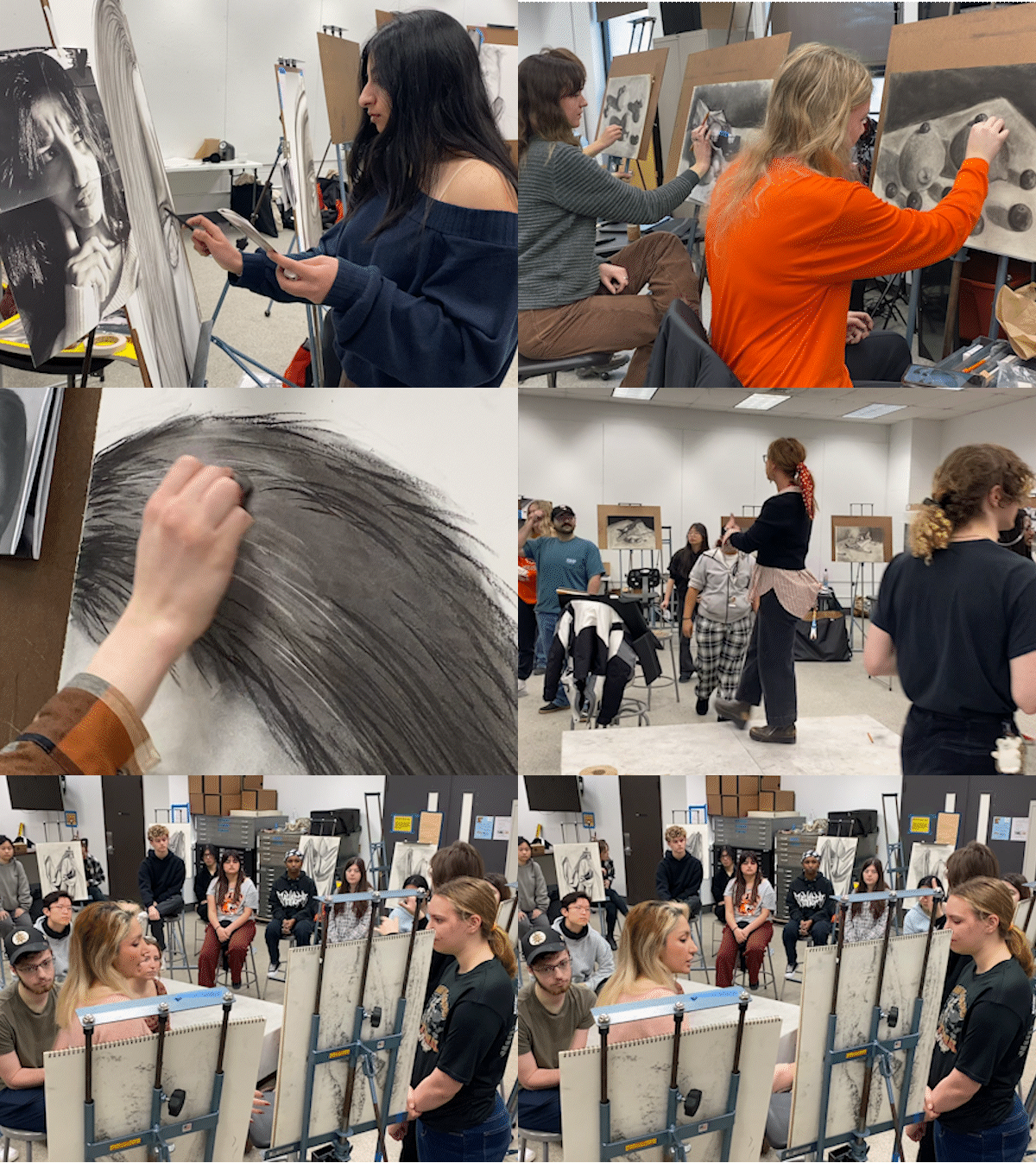
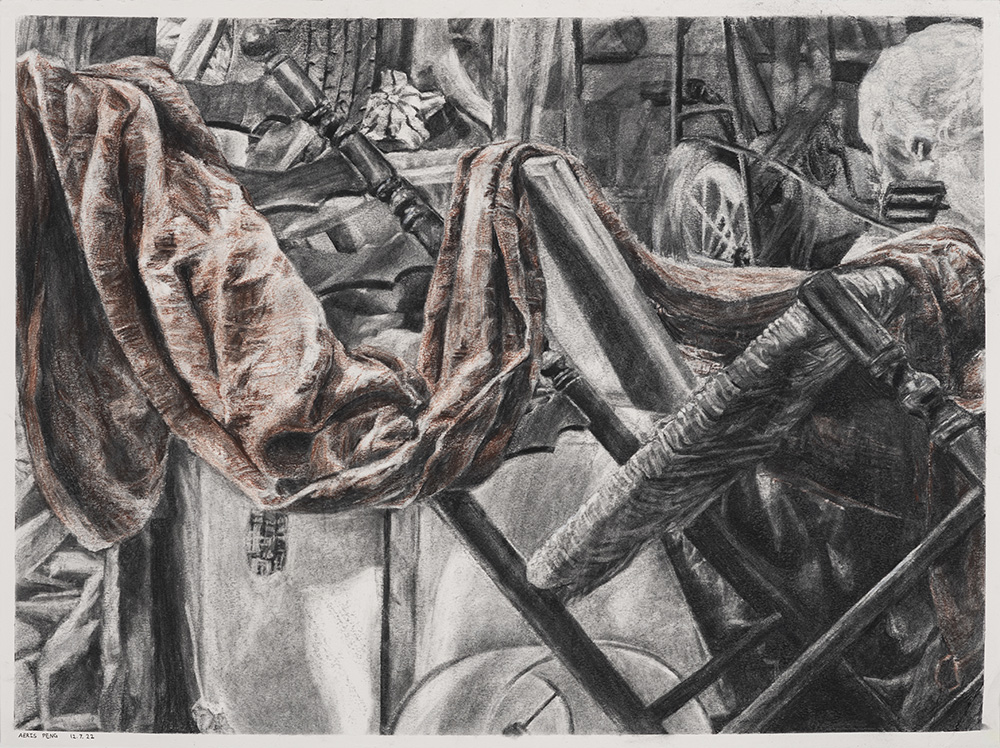
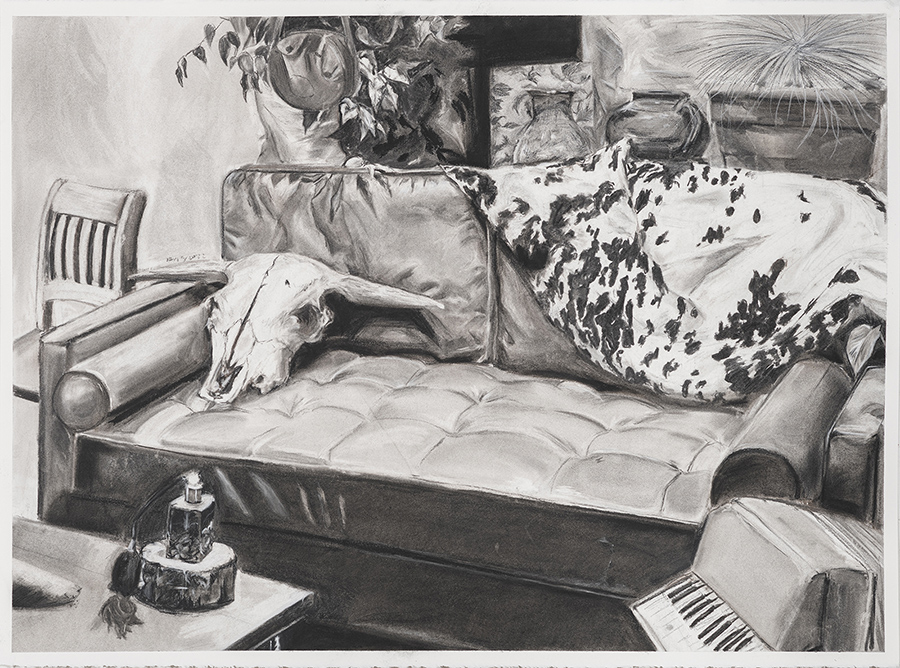
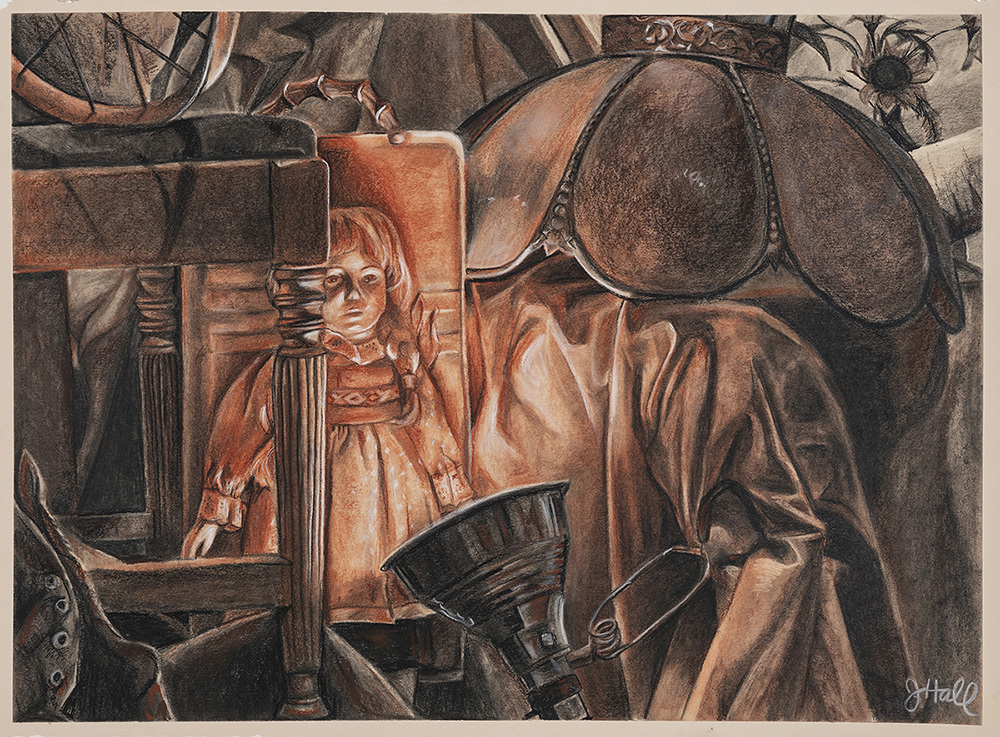
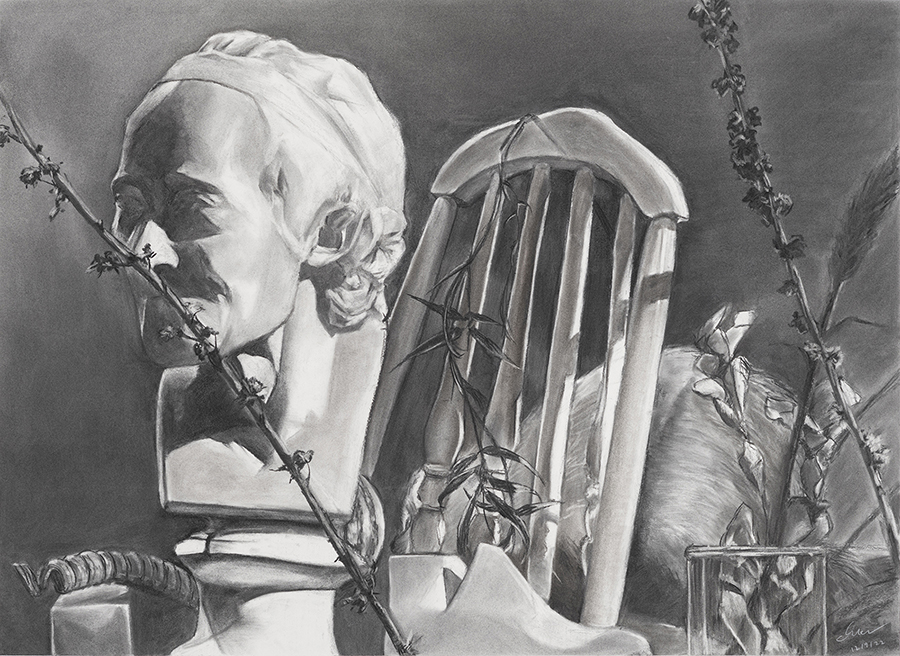
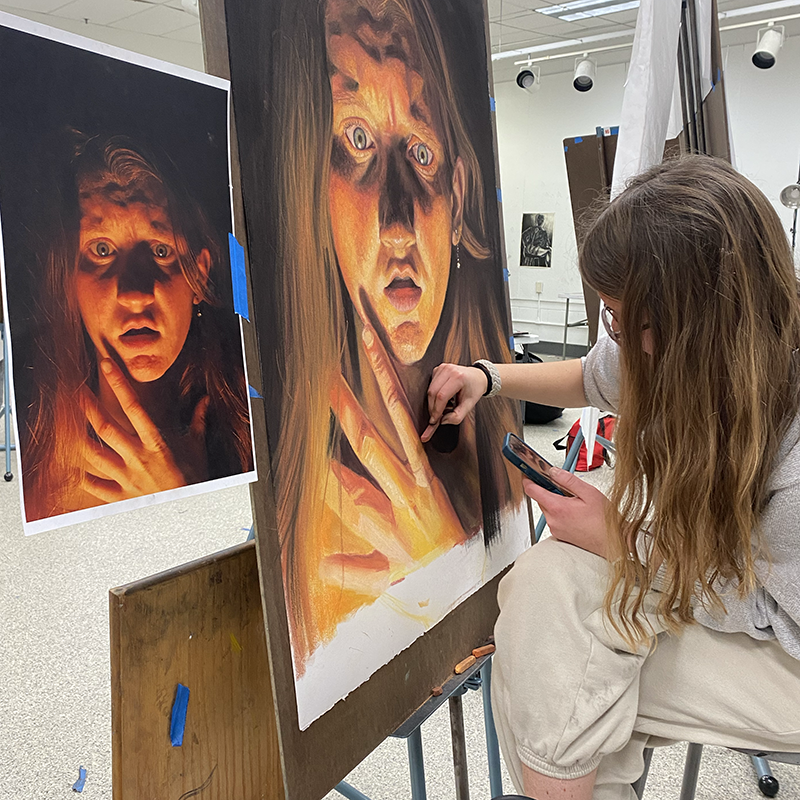
Drawing is an introduction to the visualization of form, thought, and expression through the drawing process. At RIT, there are two sequential courses that are the foundation of the drawing curriculum. Concepts are introduced by lectures, discussions, and demonstrations, which are designed to provide a broad introductory experience. Students experiment with a wide variety of media, tools, techniques, and subjects to develop drawing and problem-solving skills related to form and composition. They explore a range of ways in which drawing is used as a tool for both self-expression and communication.


Drawing Faculty


2D Design
Foundations area | Courses in 2D Design: FDTN 121, FDTN 112, FDTN 212
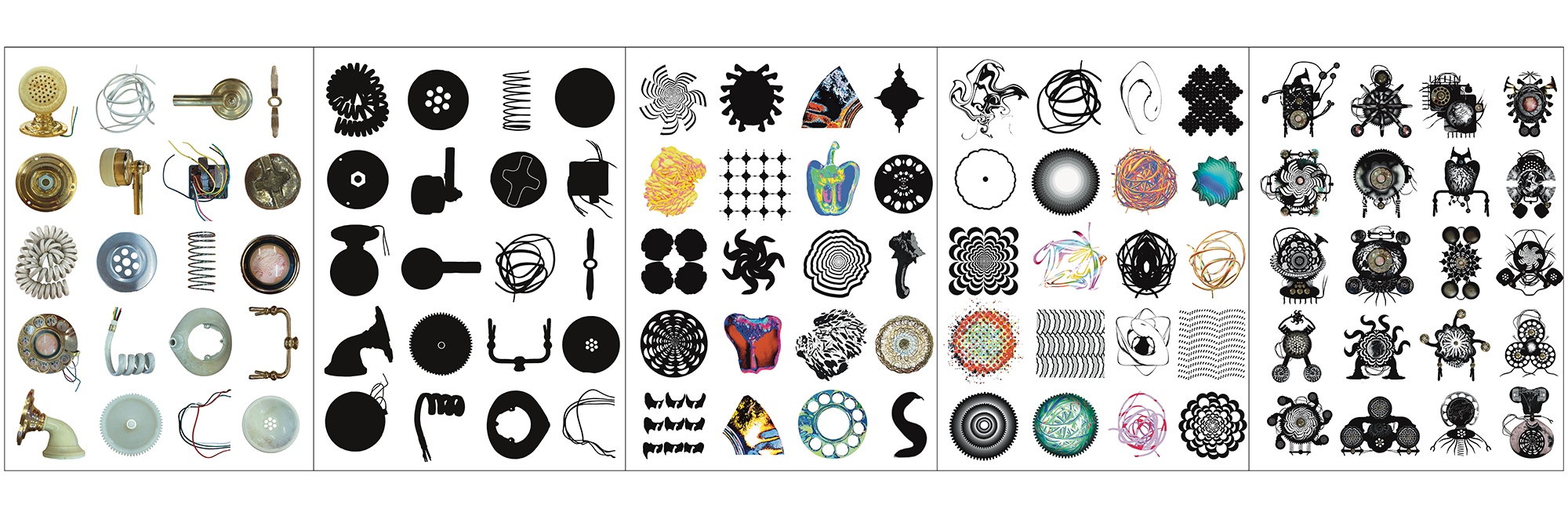
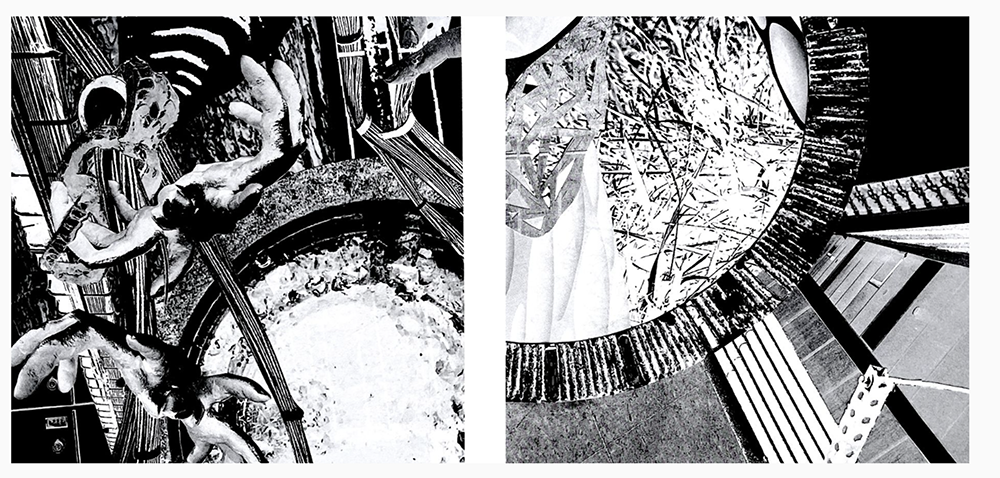
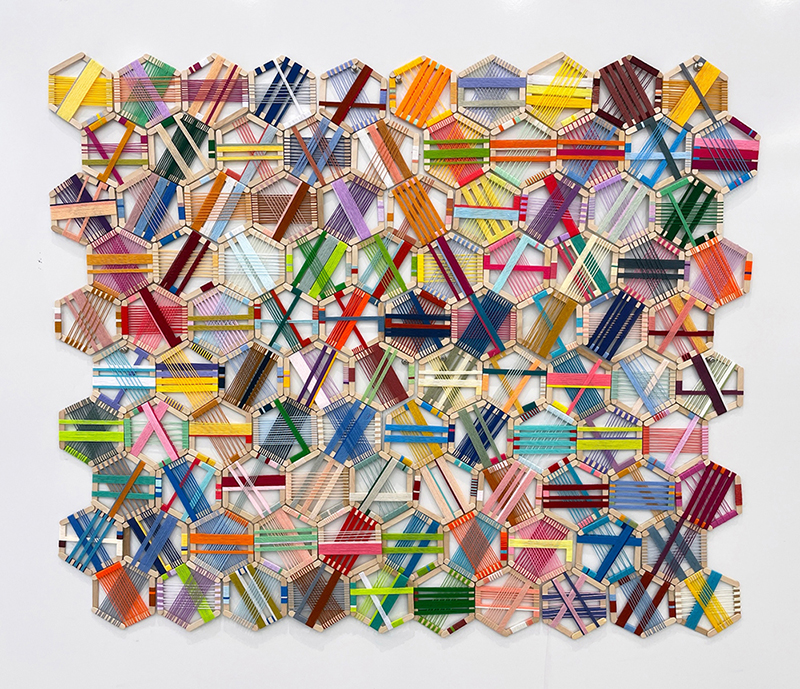
2D coursework at RIT fosters the development of visual and verbal vocabularies as a means of exploring and understanding two-dimensional design. Students engage with a wide variety of media, tools, and techniques to develop skills while delving into the theoretical and experimental processes of contemporary art and design. The study of historical and cultural themes and concepts intertwined with aspects of personal interpretation and experience are explored in creative ways.
2D Design Faculty


3D Design
Foundations area | Courses in 3D Design: FDTN 131, FDTN 132, FDTN 232
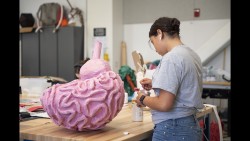
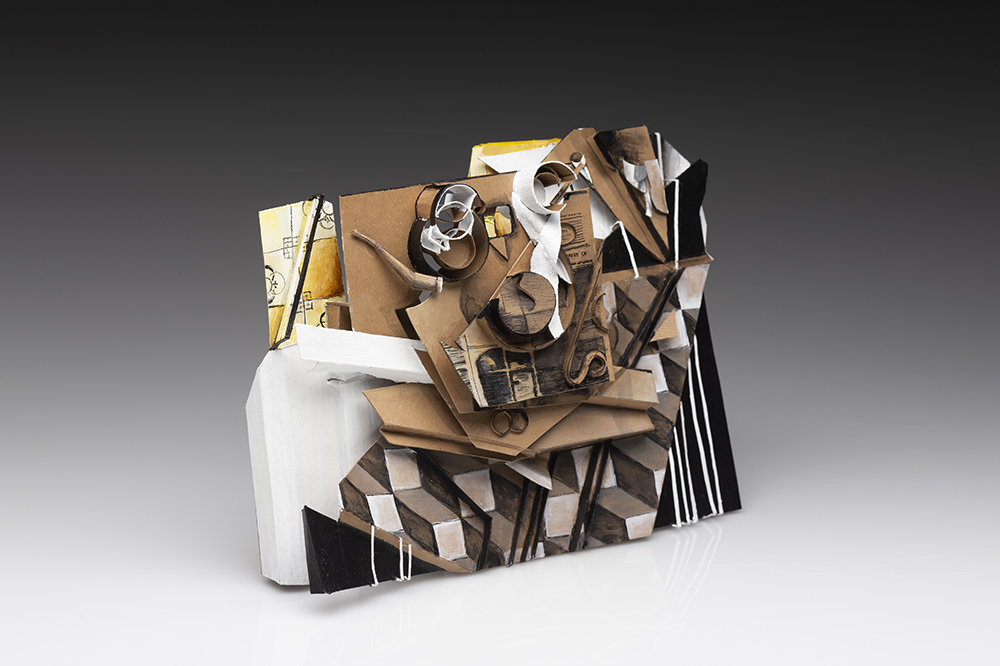
3D Design presents a progressive study in terminology, visual principles, exploration, concept generation, process, and techniques of three-dimensional design. Using hands-on problem solving, student develop an informed understanding of the three-dimensional form and space with an emphasis on the elements and principles of visual design and their function as the building blocks and guidelines for ordering a three-dimensional composition. A heightened awareness of form and space is developed through lecture, assigned projects, and critiques. Students also develop a personal awareness of problem seeking and solving, experimentation, and critical analysis.
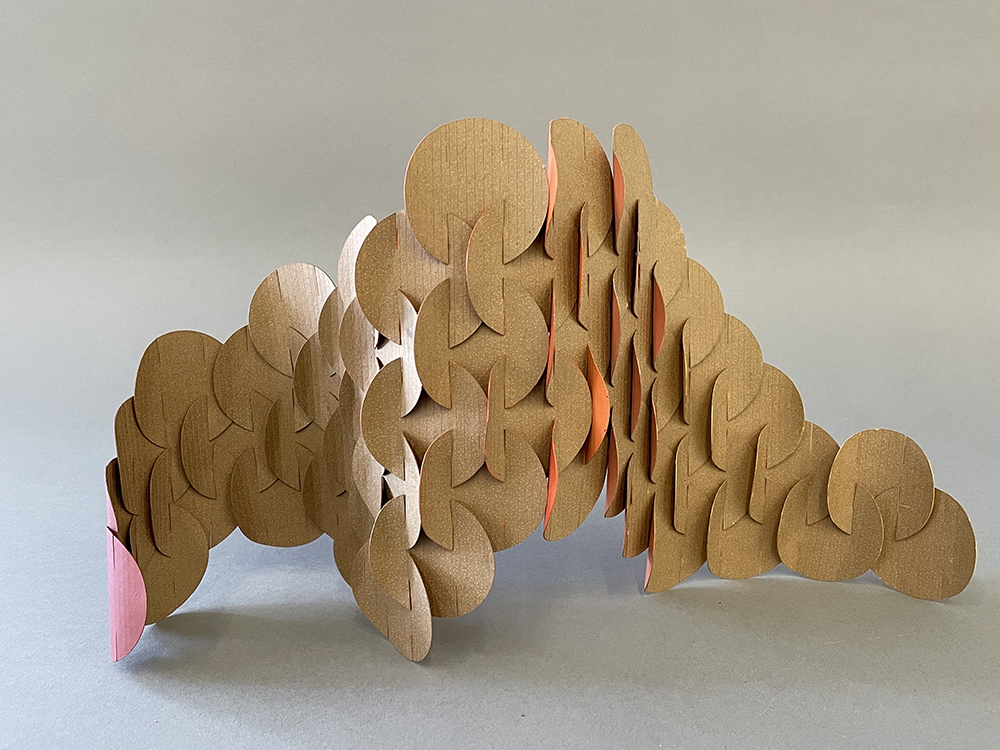

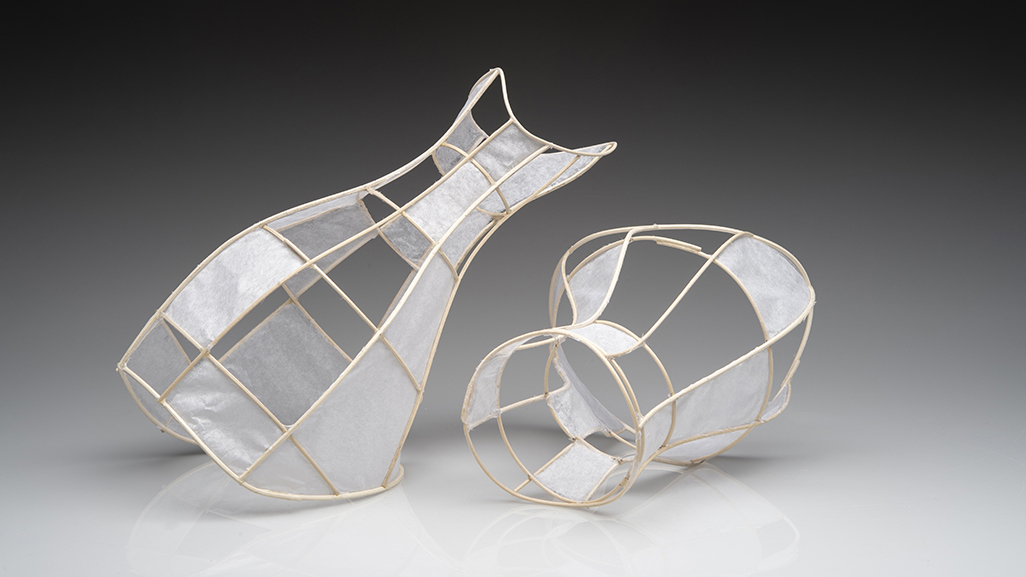
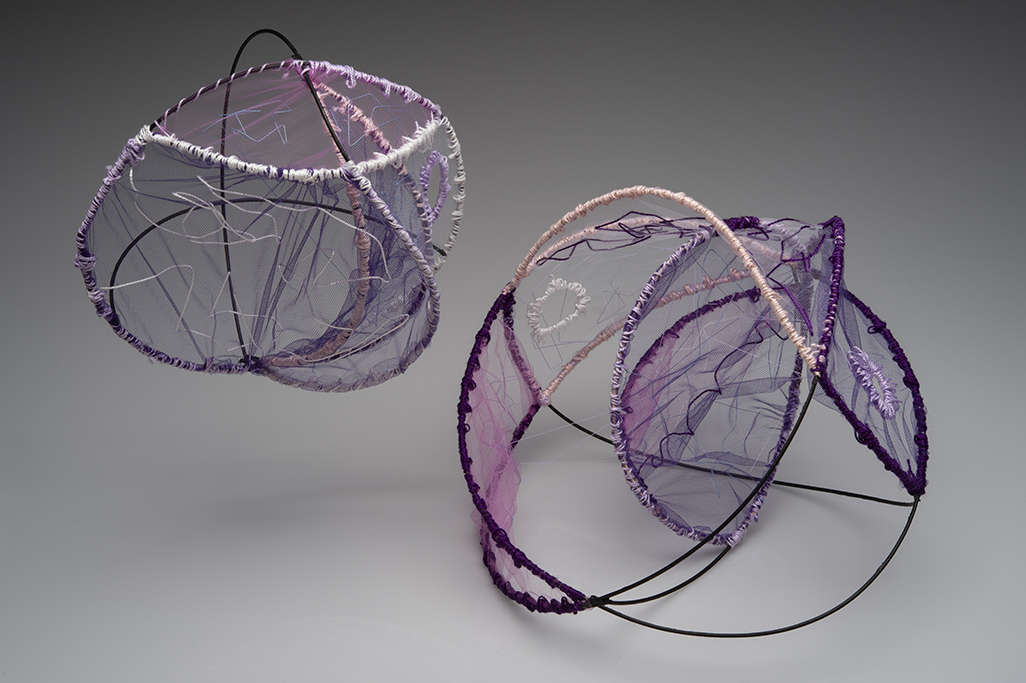
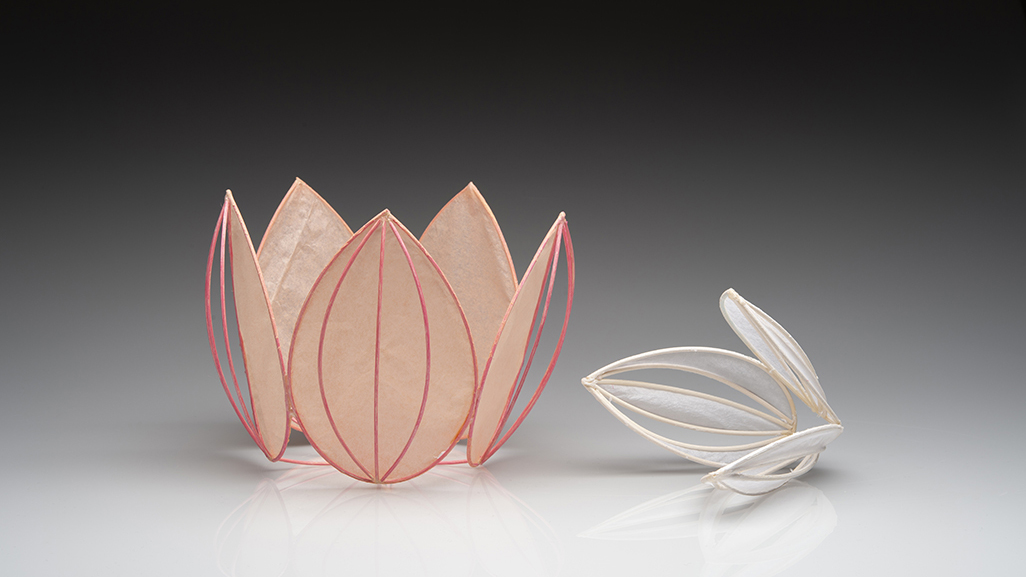
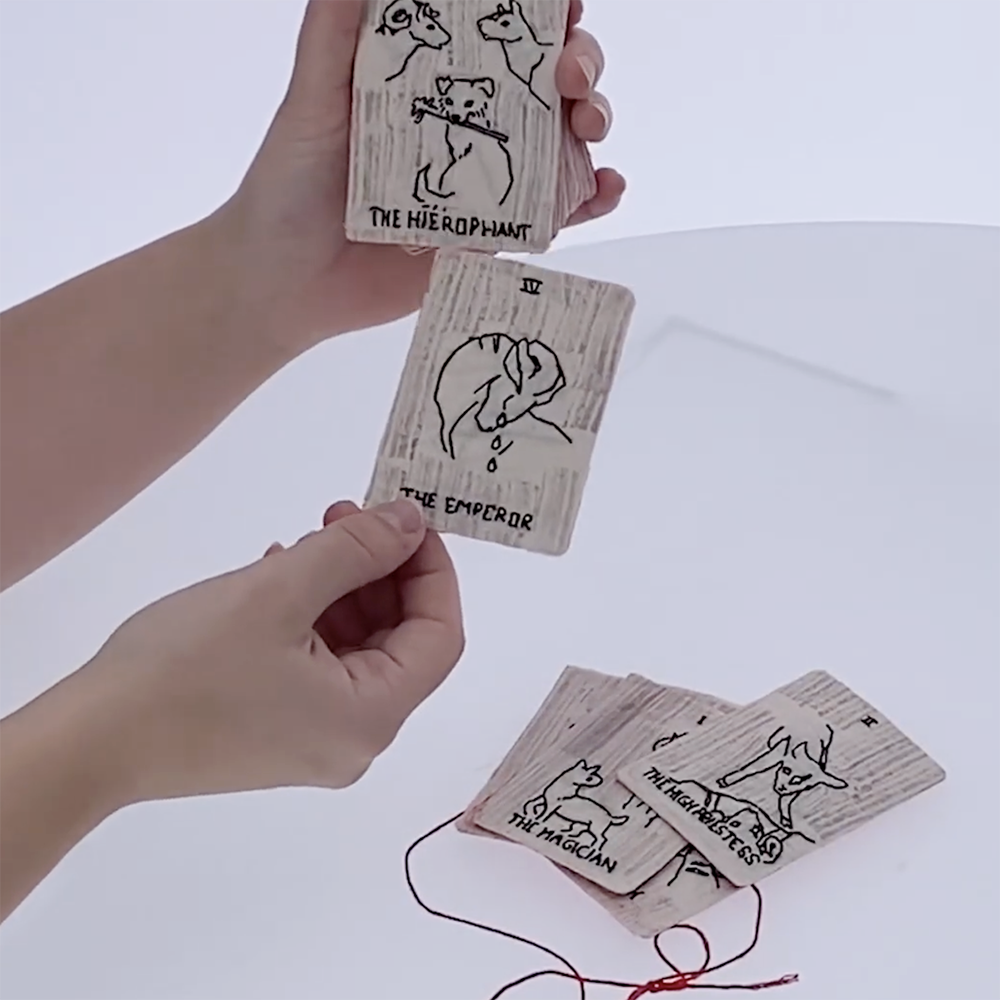
Handheld Sensory Objects
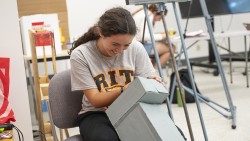
For this assignment, students selected a pair of contrasting ideas to guide their handheld sculpture design, such as rigid and flexible or intimacy and distance.
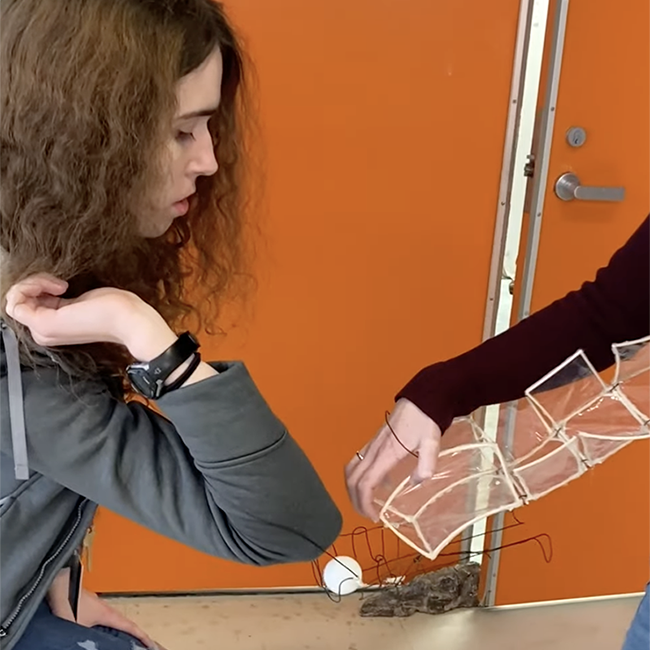
Creative Table Tennis
One of our 3D Design II classes test out their wearable ping-pong ball passers, showing the sport is played a little differently in the College of Art and Design.
3D Design Faculty


4D Design
Foundations area | FDTN 141
4D Design introduces students to the basic concepts of art and design in time and space. The course explores elements of moving images such as continuity, still and moving-image editing, transitions and syntax, sound and image relations, and principles of movement. Computers, video, photo, sound and lighting equipment are used to create short-form, time-based work relevant to students in all majors and programs required to take this course. The course addresses historical conventions of time in art and recent technological advances, which are redefining the fields of fine art and design. In focusing on the relations between students' spacing and timing skills, 4D Design extends and supplements the other foundations courses, and prepares students for further work with time-based media.

By Emma Canfield

By Stephanie Chan
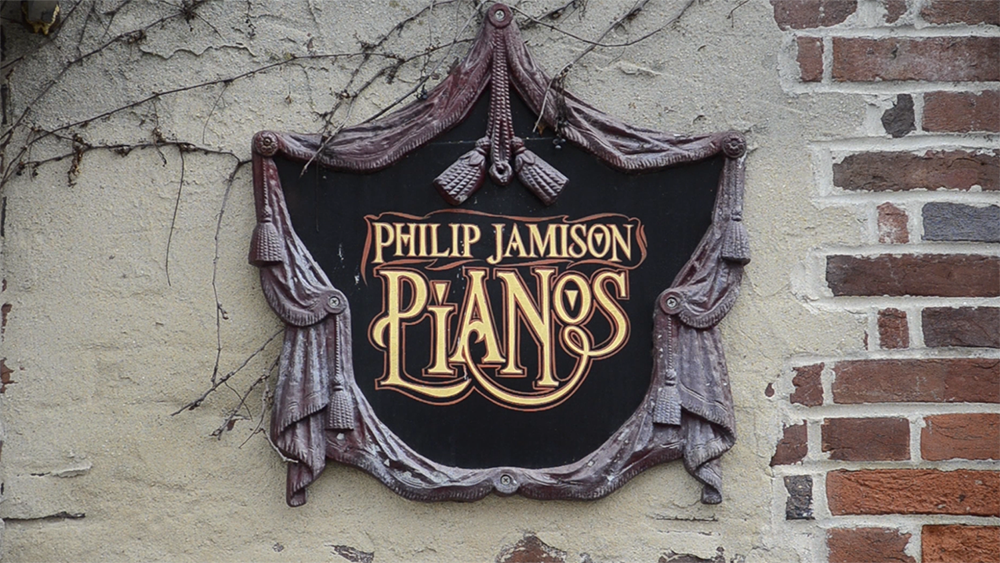
By Elkin Jaramillo
4D Design Faculty