Department of Biomedical Engineering

Overview
Biocompatibility testing, engineering artificial organs and tissues, and enhancing medical imaging techniques are just a few examples of the work performed by a biomedical engineer to improve the health and well-being of others. Biomedical engineers combine their knowledge of engineering with biology, anatomy, and physiology to create devices and systems for a variety of healthcare issues. The multidisciplinary nature of biomedical engineering requires professionals to develop an expertise in both engineering and biological sciences.
Biomedical engineering is a rapidly growing field with a variety of career opportunities for students with an interest in combining engineering with medicine. Positions are available in academia, hospital laboratories, manufacturing settings as well as commercial offices. Biomedical engineers are employed to:
- Design systems and products, such as artificial internal organs, artificial devices that replace body parts, and machines for diagnosing medical problems
- Work with life scientists, chemists, and medical scientists to research the engineering aspects of biological systems of humans and animals
- Work with pharmaceutical companies to develop new drug therapies
- Evaluate the safety, efficiency, and effectiveness of biomedical equipment
Accreditation
The BS degree in biomedical engineering is accredited by the Engineering Accreditation Commission of ABET. For enrollment and graduation data, program educational objectives, and student outcomes, please visit the college’s accreditation page.
Industrial Advisory Board
To help ensure that industry needs are satisfied through the proper training and education of biomedical engineering students, an annual meeting is held with the members of the industrial advisory board. The board is comprised of professionals from all areas of biomedical engineering, and also includes some RIT alumni as well.
52/48
Ratio of Men to Women
96%
Outcomes Rate
290
companies have hired biomedical engineering co-op students
Research
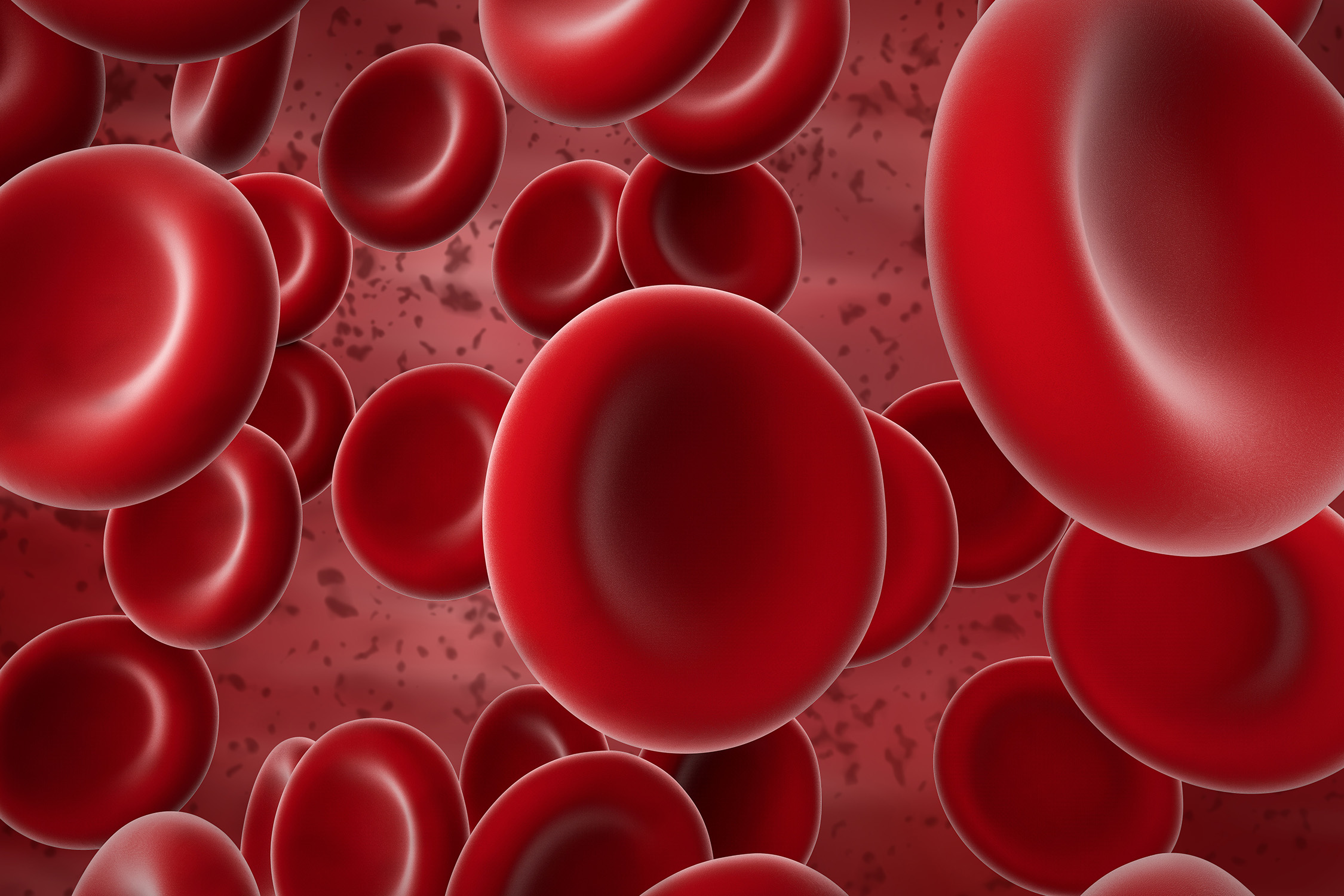
We analyze and design blood contacting medical devices and study the science and engineering methods used to minimize cell damage.
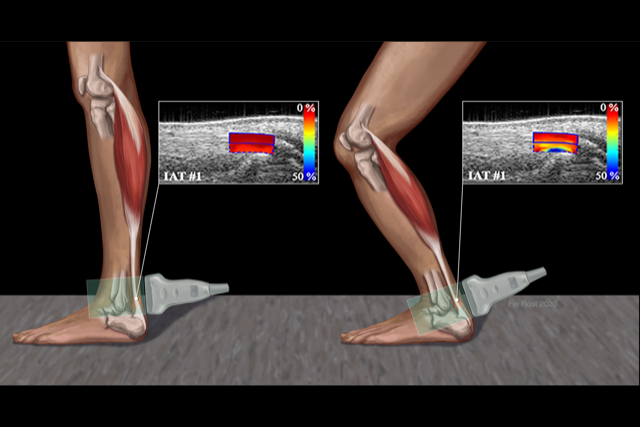
We develop medical imaging techniques to study the mechanical nature of a variety of human pathologies.

Intelligent Interaction Research (I2R)
We develop interactive technologies to help people with cognitive disabilities and mental disorders.

We use microengineering techniques to design 3D extracellular matrix (ECM) environments to study cell and tissue-scale phenomena.
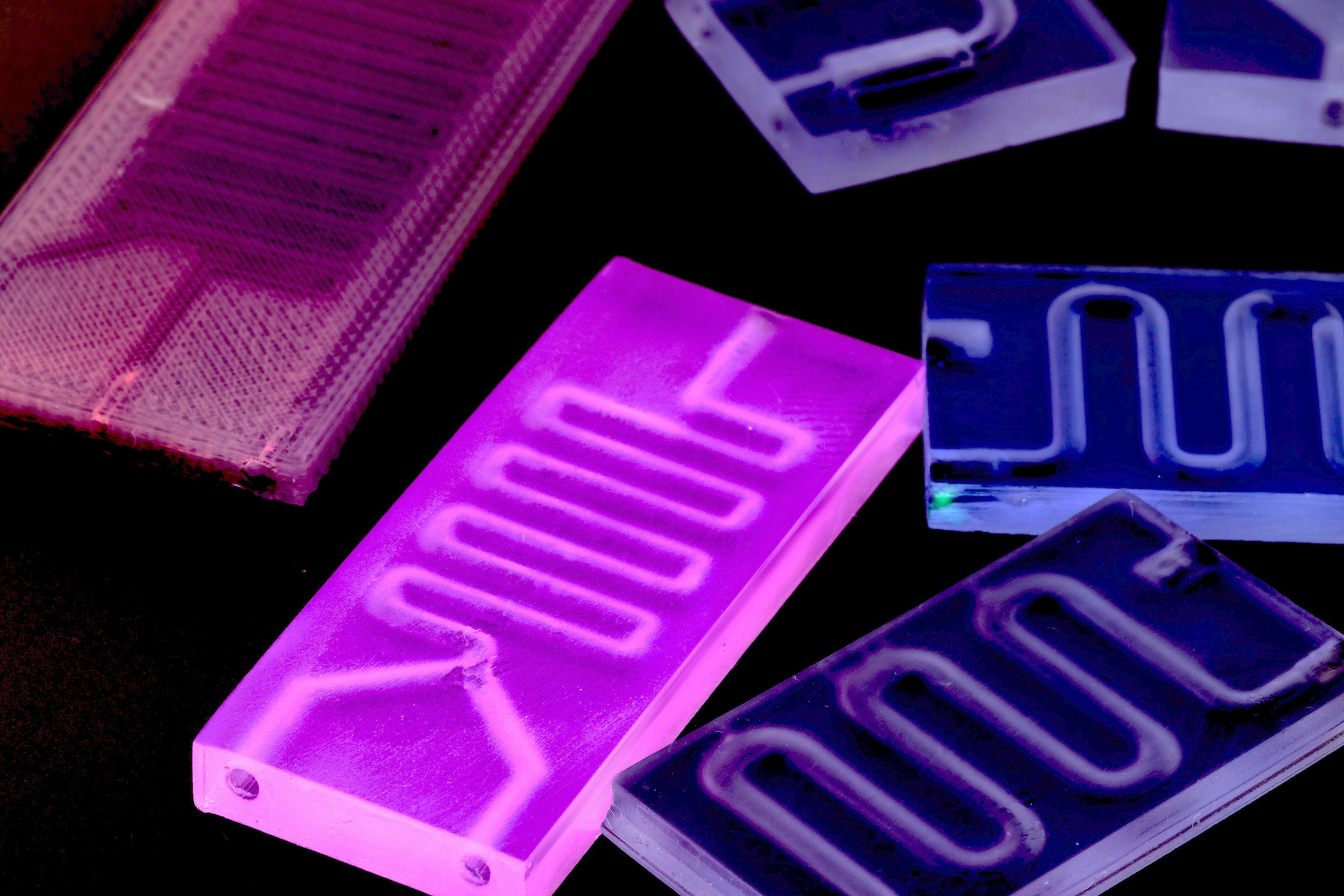
We develop rapid microfluidic-based techniques to offer an alternative to traditional bench scale separation & purification processes.
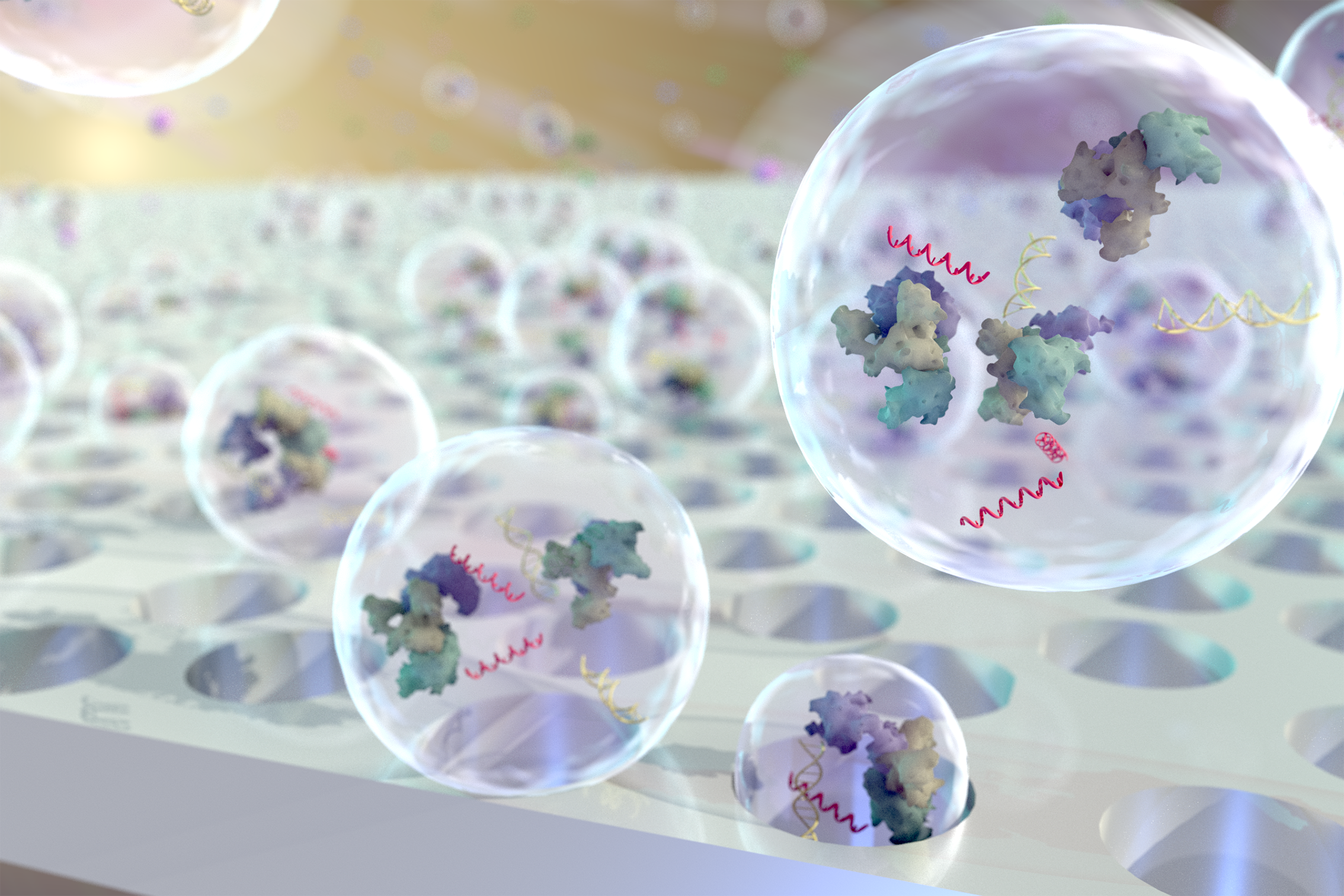
We design and use nanomaterials to solve biomedical problems at the cellular and molecular level.
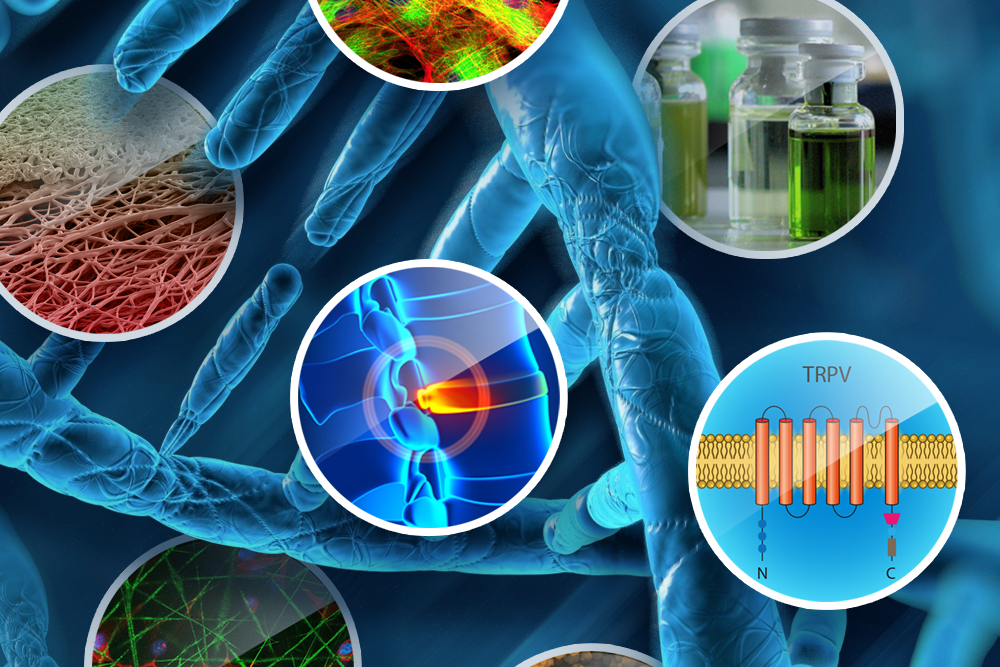
Tissue Regeneration & Mechanobiology
We use cells, biomaterials, genome engineering, biologics and mechanical cues to promote tissue regeneration.
Latest News
-
April 29, 2026

Stem cell therapy for degenerative disc disease - RIT Research Minute
Harvey J. Palmer Professor Karin Wuertz-Kozak is researching how CRISPR gene editing and stem cells could transform the future of regenerative medicine therapy for degenerative disc disease, a major cause of chronic back pain.
-
April 14, 2026

Antibiotics can trigger bacteria to release bubbles of inflammation tinder, making it harder to treat infection
The Conversation features research from Panteha Torabian, biomedical and chemical engineering Ph.D. student, examining how certain antibiotics can trigger bacteria to release particles that may increase inflammation, with implications for treating severe infections.
-
April 7, 2026

RIT’s graduate programs ranked among the best by ‘U.S. News & World Report’
Seventeen graduate degree programs at Rochester Institute of Technology and the graduate schools in business and engineering are among the best in the nation, according to U.S. News & World Report’s annual rankings.
Featured Work and Profiles
-
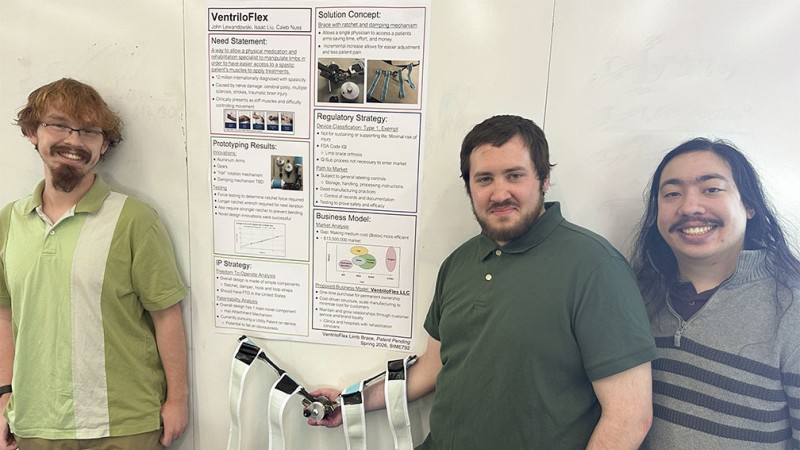
Biomedical Engineering Master's Capstone: VentriloFlex
John Lewandowski, Isaac Liu, and Caleb Nuss Spasticity is a debilitating condition involving involuntary muscle flexion affecting over 12 million people worldwide. The most common and effective treatment for this condition currently requires...
Read More about Biomedical Engineering Master's Capstone: VentriloFlex -
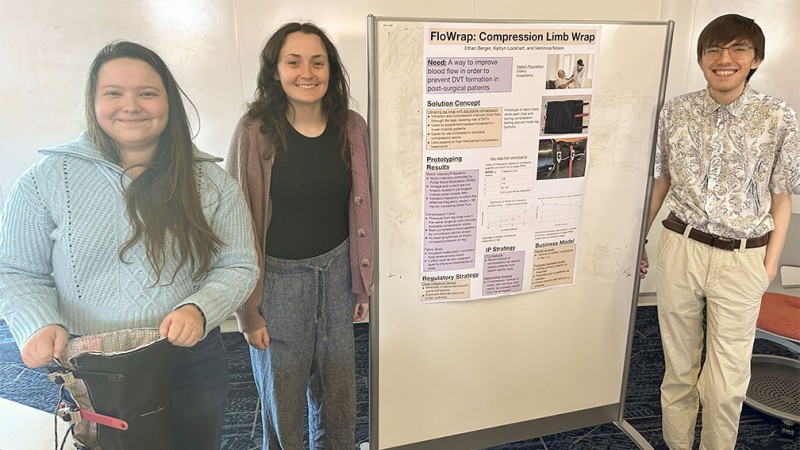
Biomedical Engineering Master's Capstone: FloWrap
Ethan Berger, Kaitlyn Lockhart, Veronica Nosov RIT Master's students designed the FloWrap device, a wearable compressive leg wrap designed to help reduce the risk of deep vein thrombosis (DVT) in post-surgical patients with limited mobility.
Read More about Biomedical Engineering Master's Capstone: FloWrap -

Biomedical Engineering Master's Capstone: DexFlex
Hannah Henczel, Kelly Andersen, Gabby Wagner, Madison Dziulko Patient compliance for stroke patients is a concern to health professionals and safety at-home recovery. RIT Master's students addressed the concern via the DexFlex System.
Read More about Biomedical Engineering Master's Capstone: DexFlex -

Biomedical Engineering Master's Capstone: AquaSpore
Haley Johnson, Cassidy Potter, Janessa Terry, and Will Wax Coral bleaching is a major environmental issue caused by stressors that lead symbiotic zooxanthellae algae to leave coral tissue, resulting in loss of pigmentation, reduced coral strength, higher...
Read More about Biomedical Engineering Master's Capstone: AquaSpore -
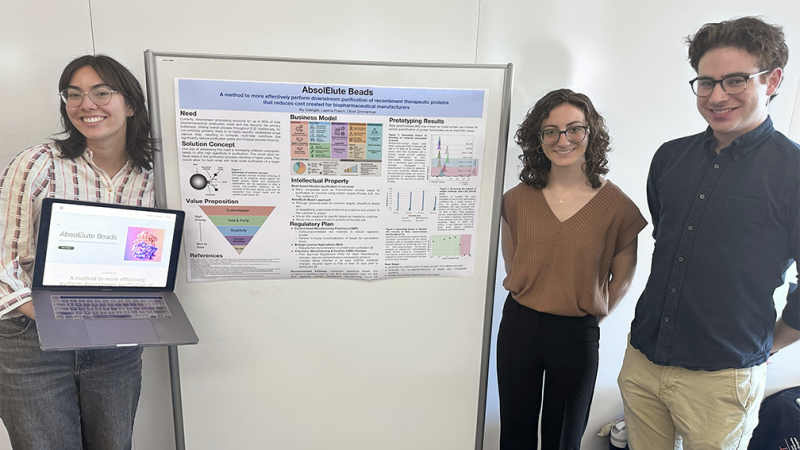
Biomedical Engineering Master's Capstone: AbsolElute Beads
Aly Castiglie, Leanna Frasch, and Oliver Zimmerman Downstream purification of recombinant therapeutic proteins currently accounts for nearly 80% of total biopharmaceutical production costs, contributing to the high cost and limited accessibility to...
Read More about Biomedical Engineering Master's Capstone: AbsolElute Beads -
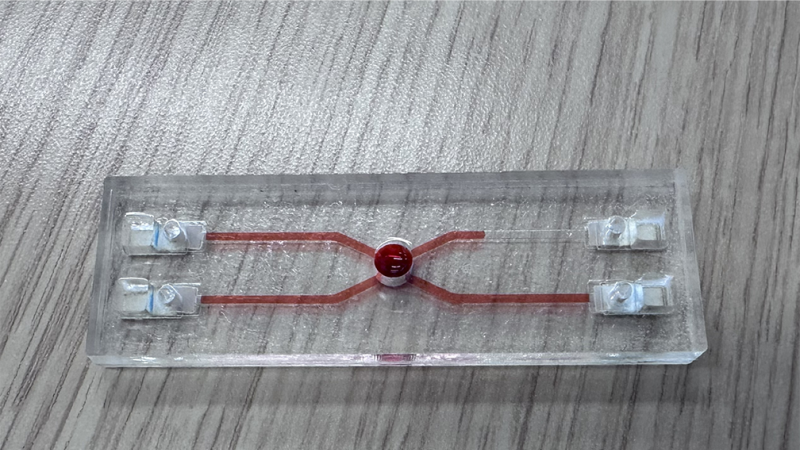
Biomedical Engineering Master's Capstone: ABO
Amber Flynn, Gabrielle Mitchell, Praneeta Sambaraju There is a clear need for a fast, reliable, and easy-to-use method to determine a patient’s blood type when severe blood loss occurs. A device that enables first responders to identify blood type...
Read More about Biomedical Engineering Master's Capstone: ABO


Student Resources
The Biomedical Engineering Department offers a variety of resources for our students that vary from academic support to handbooks and more. Visit our Student Resources page for more information.