Fred Cuny Center for Peace & Conflict Studies

Study. Explore. Lead Change.
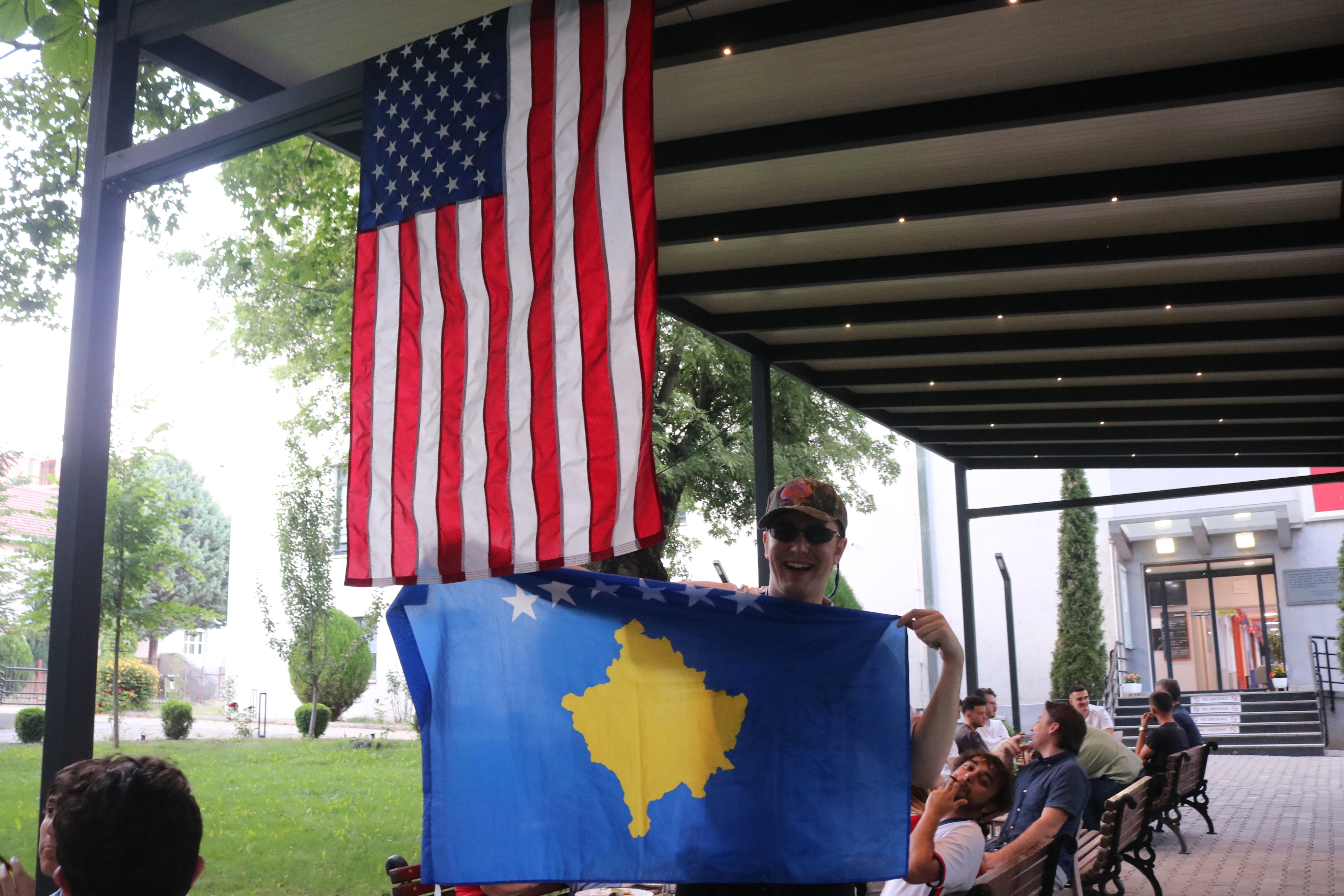
The Fred Cuny Peace & Conflict Summer Program at RIT Kosovo
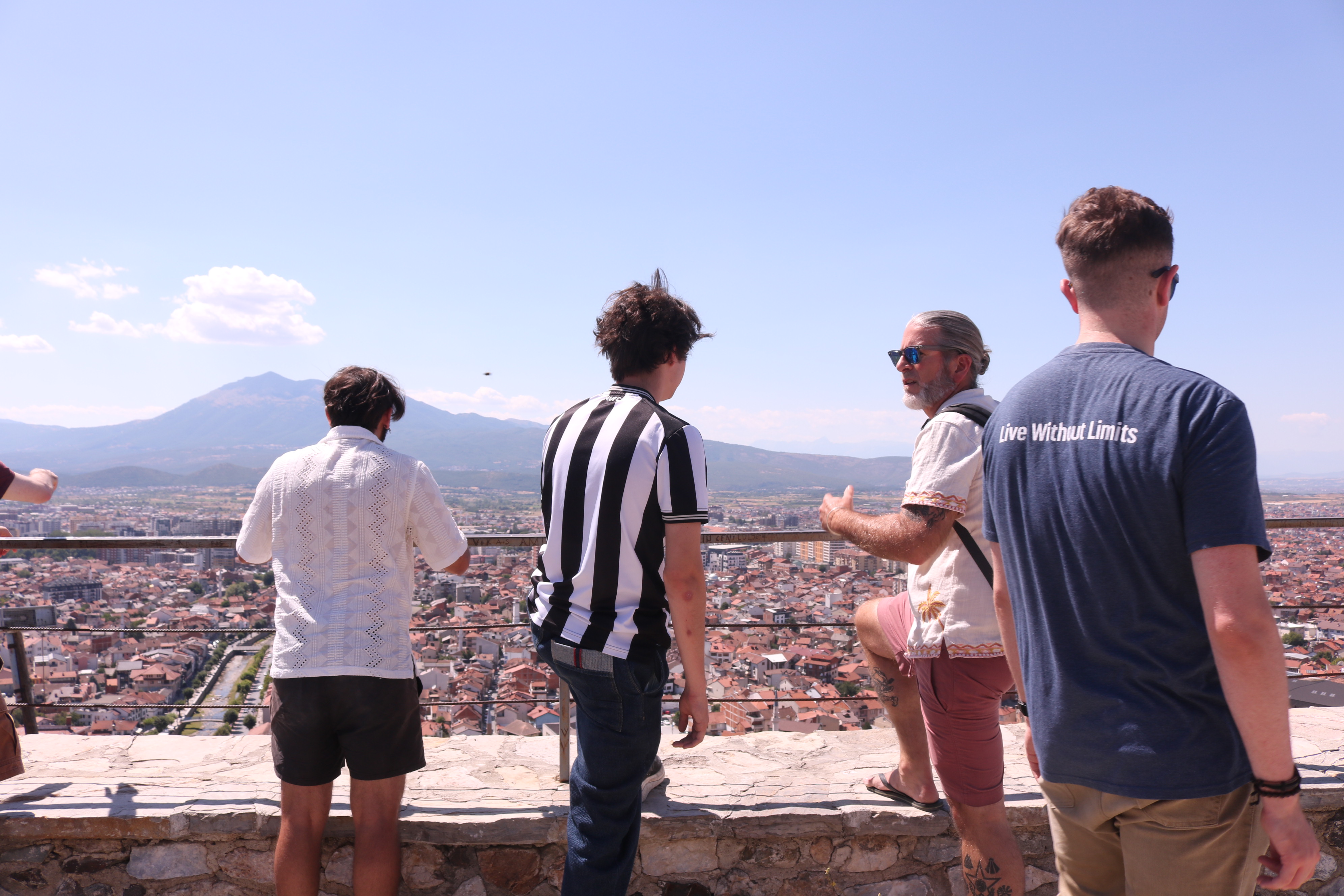
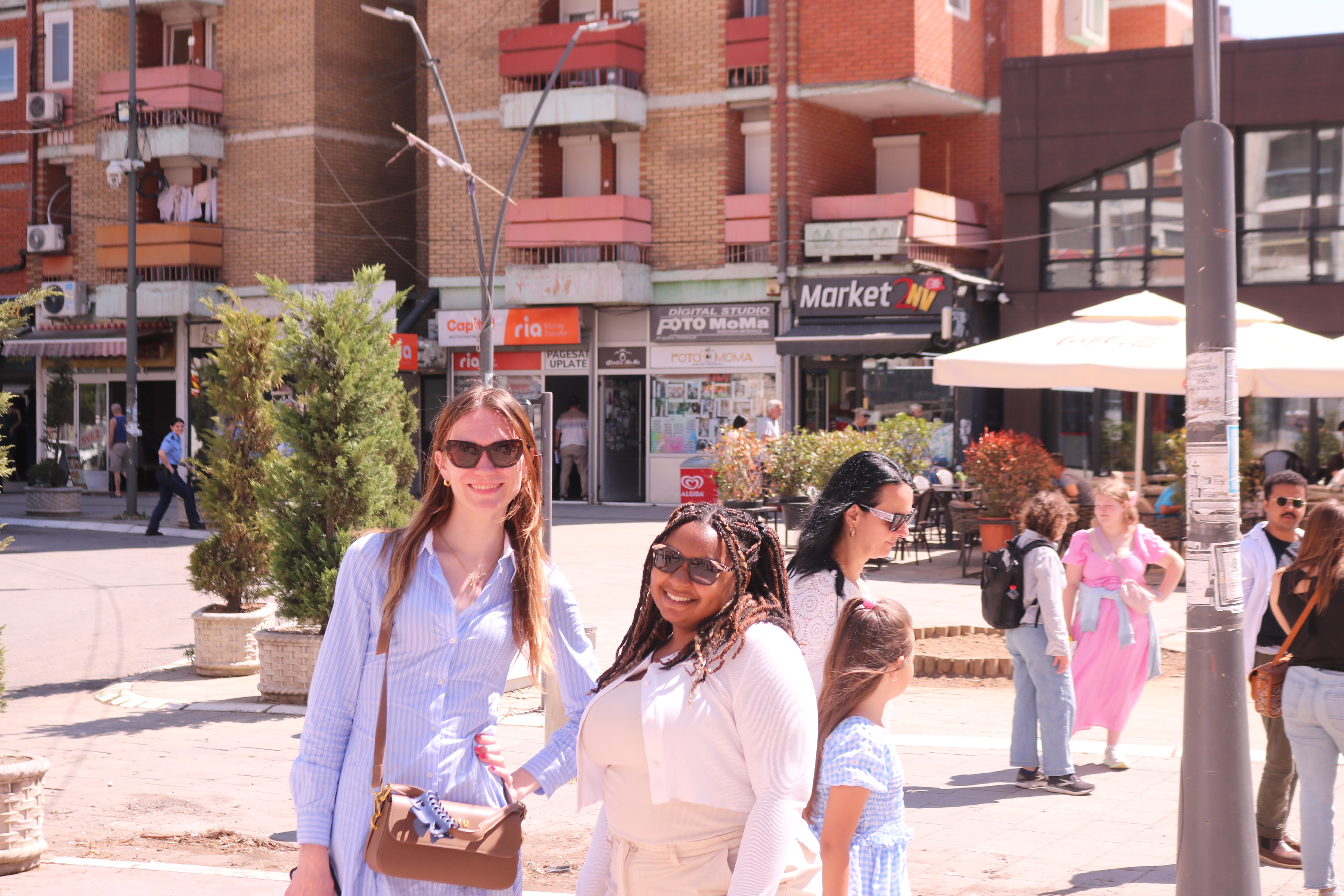
Live and learn in Prishtina, Kosovo a vibrant, young European capital shaped by resilience, innovation, and diversity.
Program Dates:
June 21 - June 27 (subject to change) - Trip
June 29 - July 24 - Classes
July 27 - August 21 - Internships
Earn U.S. credits through a combination of coursework, field learning, and an optional internship with a local or international NGO.
About the Program
The Peace and Conflict Summer Program at RIT Kosovo is a unique, intensive six-week experience that combines classroom learning, regional travel, and professional engagement.
You’ll study the dynamics of conflict and peace in a region that has lived through — and learned from — post-war transformation. Courses are taught by international faculty and practitioners, and include field visits to historical sites, NGOs, and international organizations.
What makes this program different:
- Learn in small, interactive classes taught by experts from RIT and international institutions.
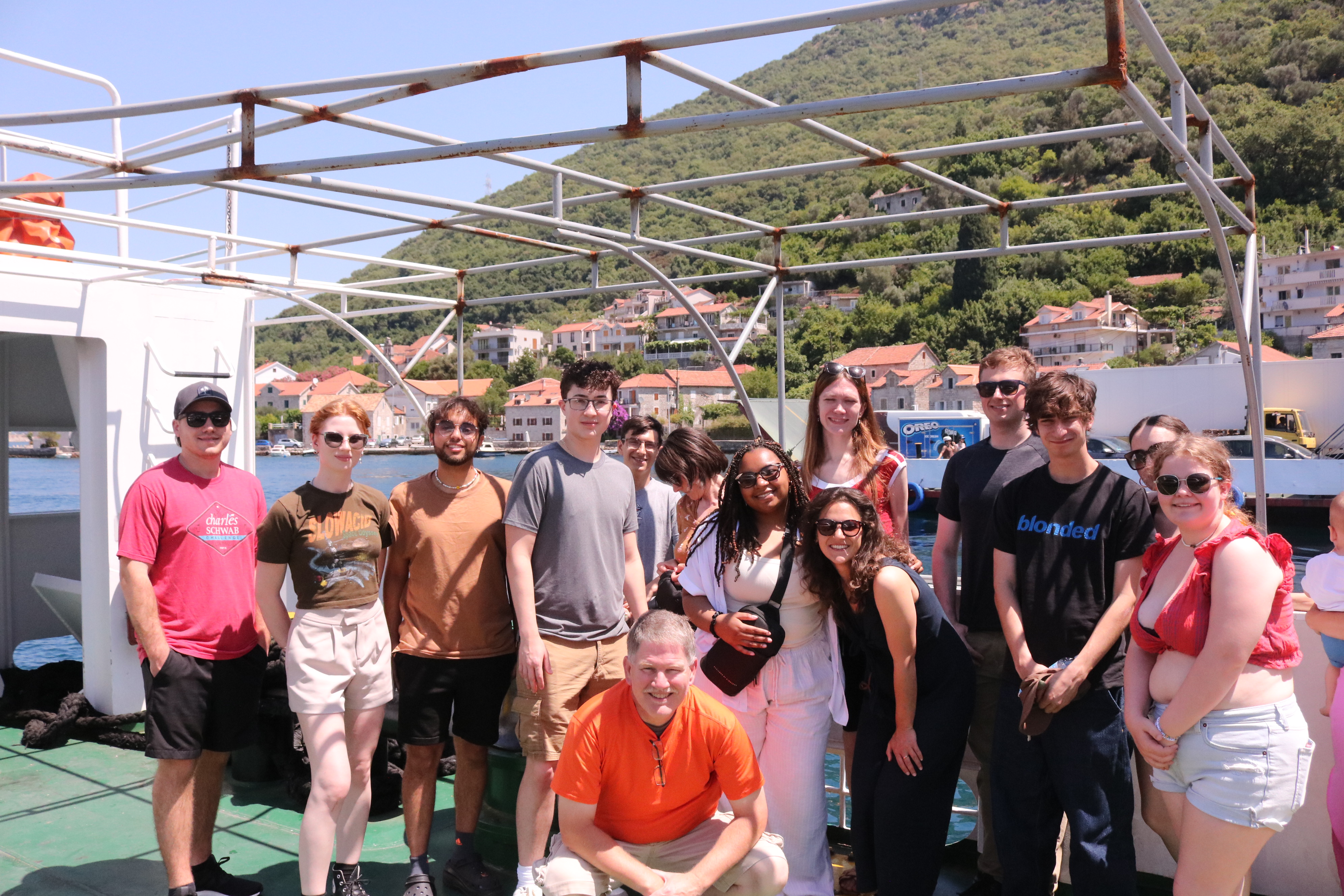
- Participate in regional study tours across Kosovo, Albania, Montenegro, Croatia, and Bosnia and Herzegovina.
- Engage in hands-on projects and optional internships with NGOs and think tanks.
- Join a global network of young peacebuilders and policy professionals.
Students can earn up to 9 RIT credits (undergraduate or graduate).
Graduate Certificate
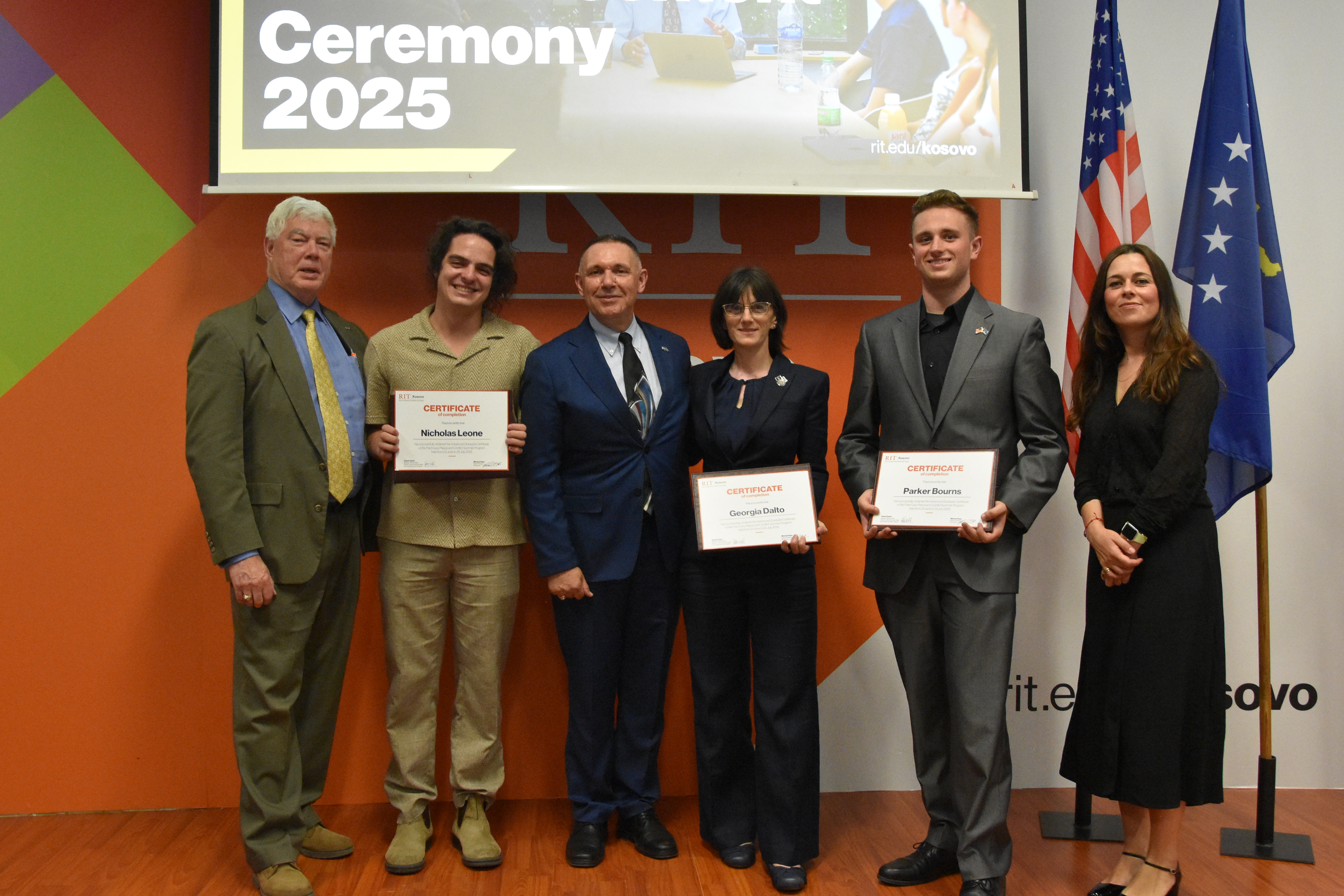
This U.S.-accredited summer-intensive certificate allows graduate students (or advanced undergraduates) to earn 9 U.S. graduate-level credits (3 courses), which are fully transferable toward a master’s degree. The certificate is offered by a regionally-accredited institution (RIT, State of New York) and is taught on the Kosovo campus.
Advanced Graduate Certificate in Peace and Conflict Studies (3 courses/9 credits)
Completion of the three following courses is required:
- POLS-641 Peacekeeping and Conflict Transformation
- POLS-642 War, Diplomacy, and State-Building
- POLS 616 Political Science Practicum/Experiential Learning
- This class is not eligible for undergraduates
Undergraduate students can enroll in the following courses:
- ANTH-345 Genocide Studies and Transitional Justice
- POLS-445 Terrorism & Political Violence
- POLS-370 Cyber War, Robots, and Conflicts
- POLS-541 Peacekeeping and Conflict Transformation
- POLS-542 War, Diplomacy, and State-Building
Undergraduates can take up to three courses.
The Fred Cuny Peace and Conflict Summer Program 2026 begins with an unforgettable Study Tour across the Balkans — a week-long journey through Albania, Montenegro, Croatia, and Bosnia and Herzegovina, before returning to Prishtina, Kosovo.
This immersive tour introduces students to the political, historical, and cultural fabric of Southeast Europe — a region shaped by the legacy of Yugoslavia, the transitions from communism to democracy, and the ongoing pursuit of peace and reconciliation.
Guided by an expert program chaperone, the tour blends education and exploration through:
-
Visits to the U.S. Embassy, UN offices, and local NGOs
-
Guided tours of cultural and historical landmarks
-
Meetings with journalists, policymakers, and peacebuilders
-
Reflection sessions connecting site visits with classroom learning
Each stop on the journey deepens students’ understanding of how history and identity continue to shape politics, peace, and cooperation in the Balkans today.
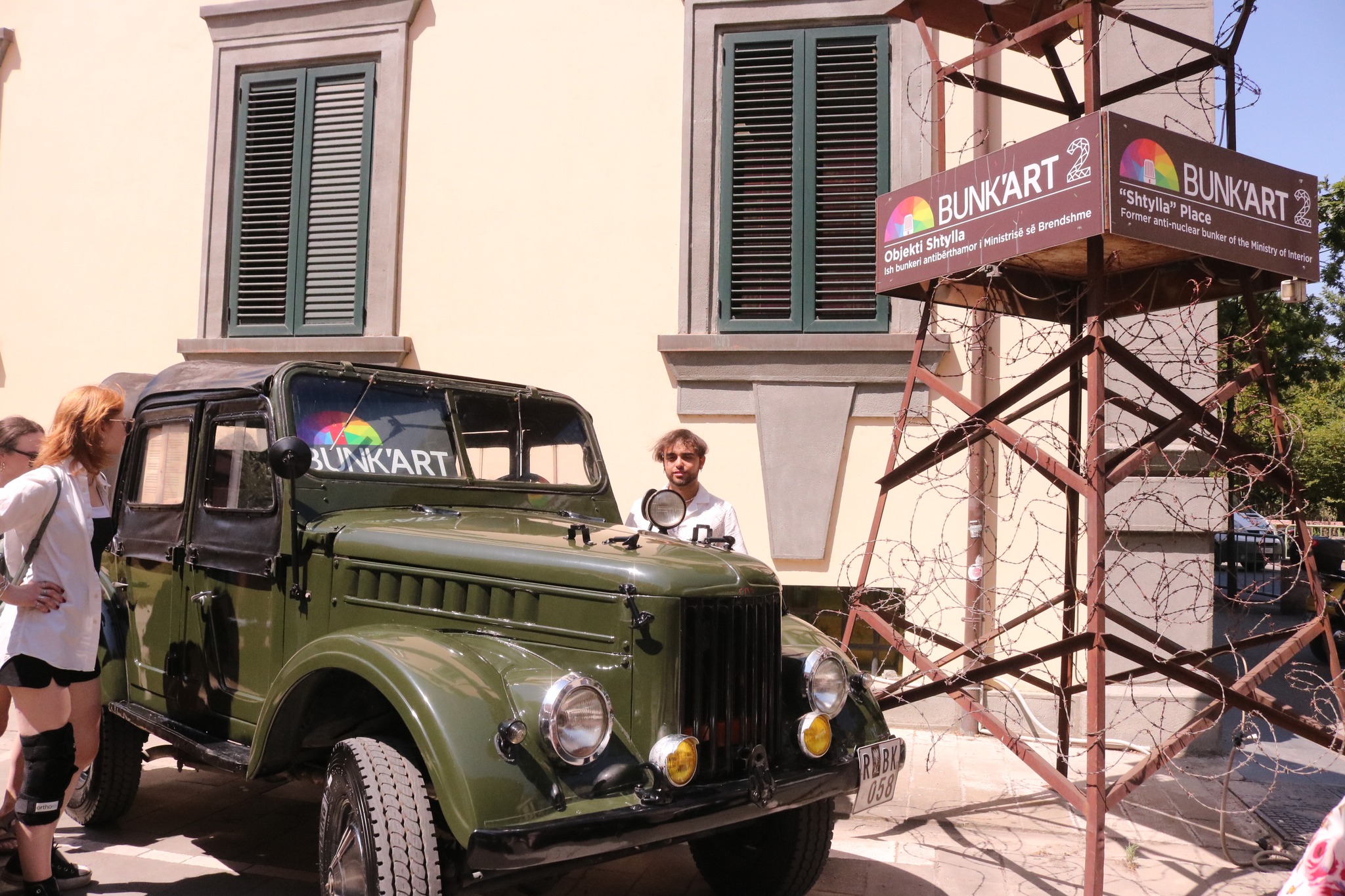
Albania: Tirana — From Isolation to Transformation
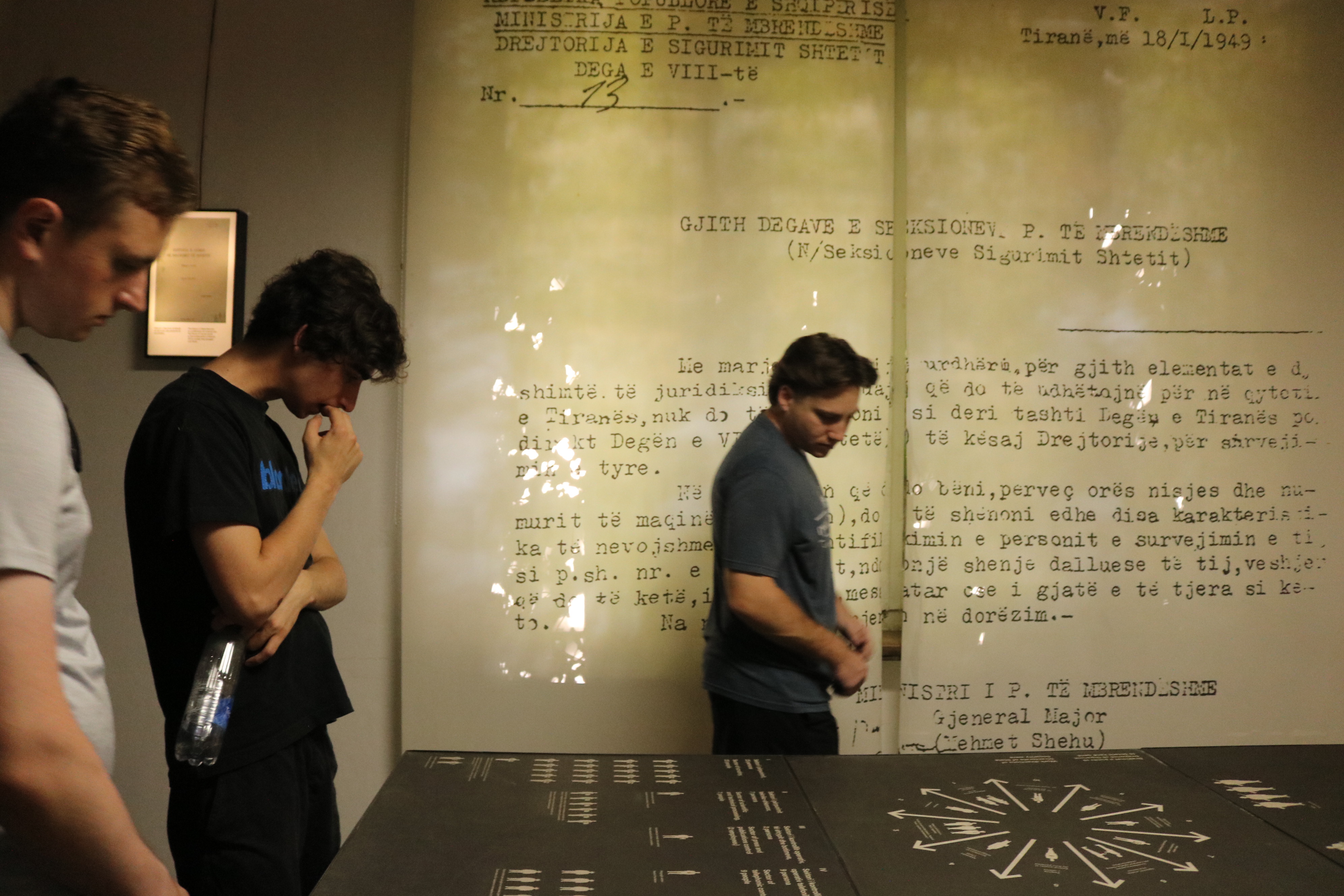
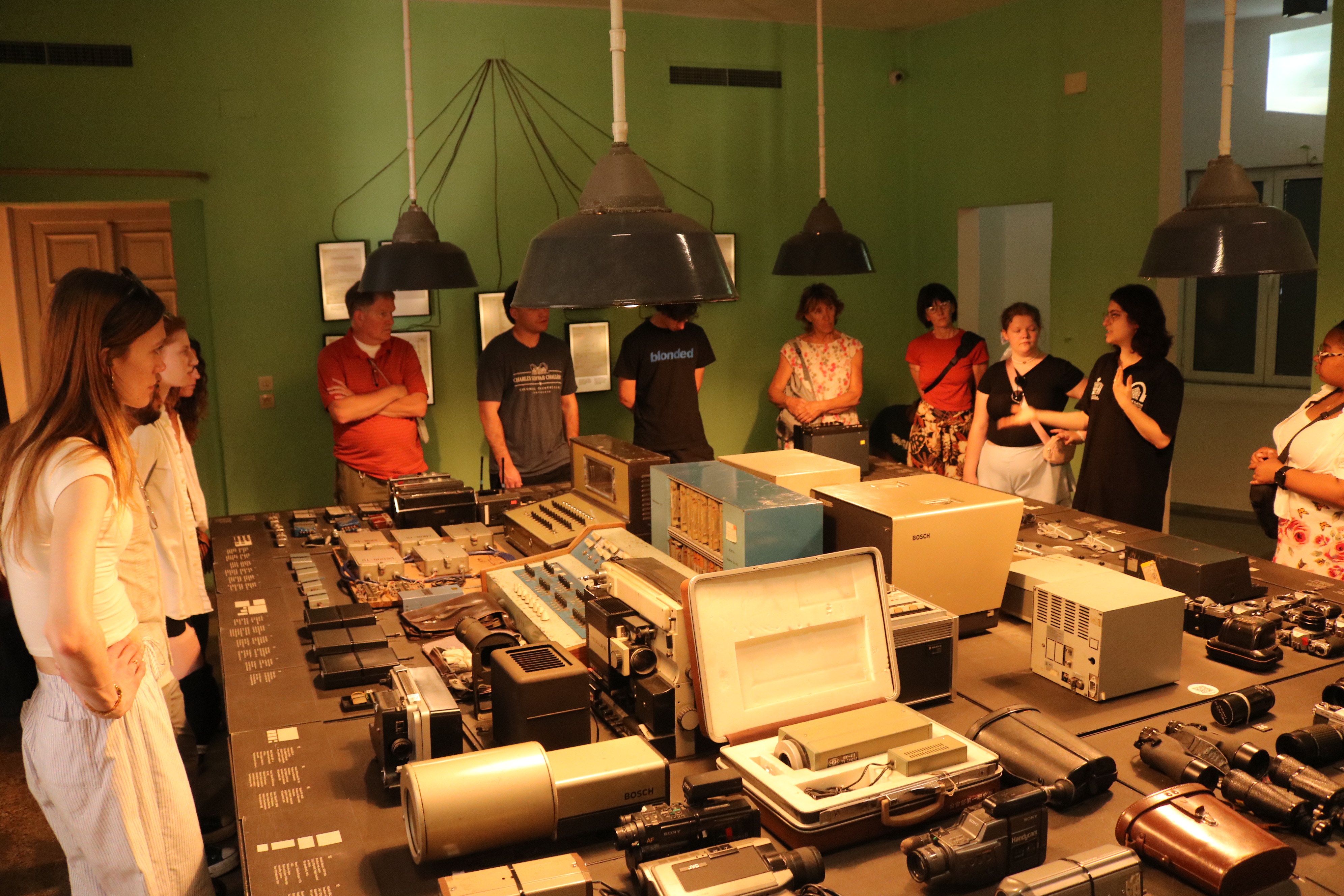
The journey begins in Tirana, Albania’s vibrant and ever-changing capital. Once isolated under one of the most rigid communist regimes in the world, Tirana has transformed into a dynamic hub of culture, art, and civic life. Its colorful architecture and youthful energy symbolize Albania’s break from its communist past and its bold steps toward democracy and modernization. In Tirana, students gain insight into how a nation emerging from decades of political isolation is shaping its future while preserving its deep cultural heritage and regional influence.
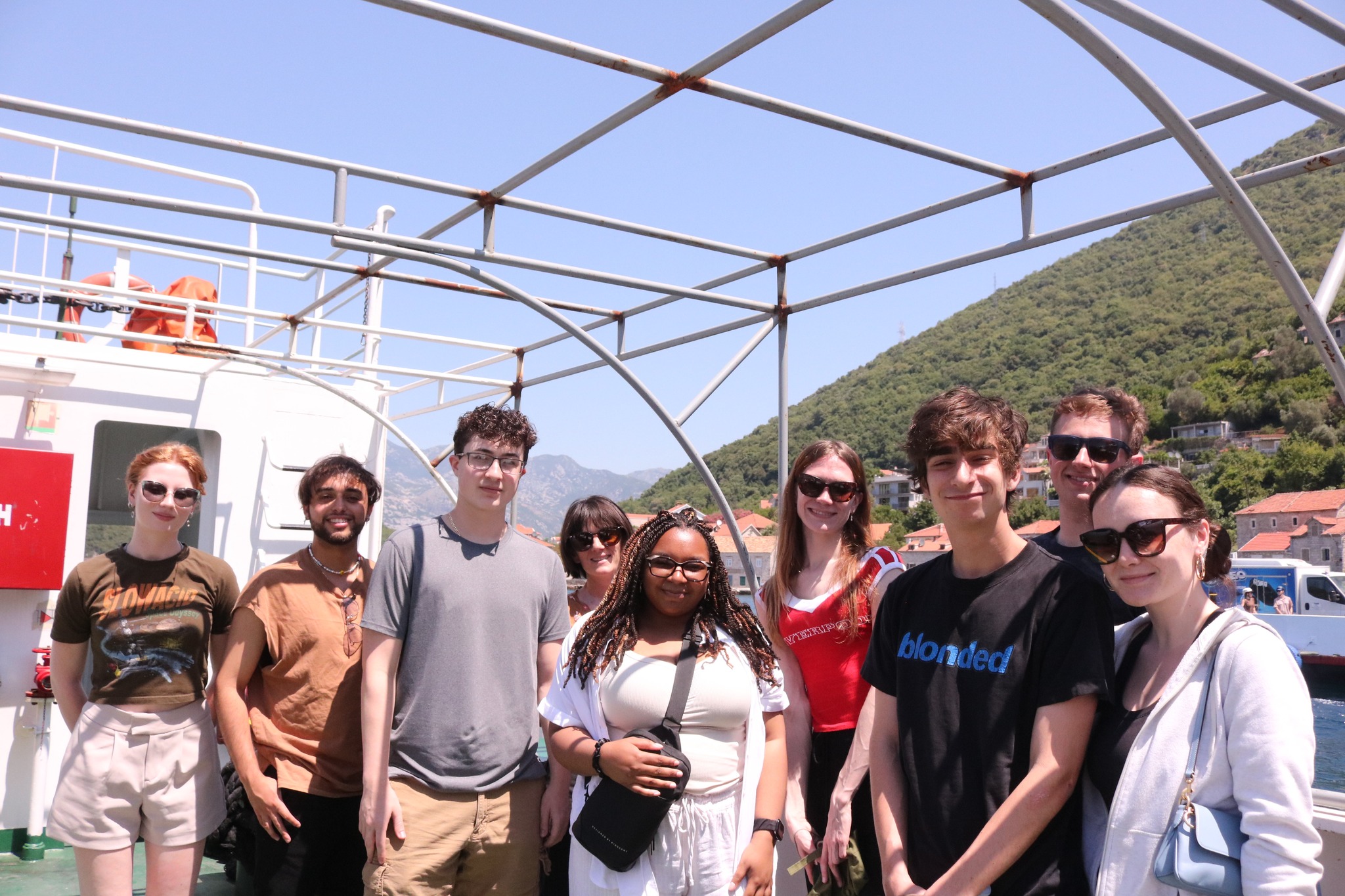
Montenegro: Ulqin and Budva — Where Cultures Meet the Coast
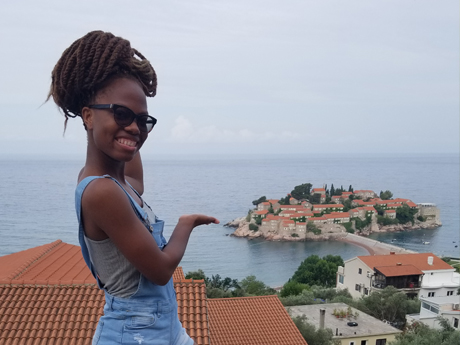
Crossing into Montenegro, the tour stops in Ulqin (Ulcinj) and Budva, two coastal towns that capture the essence of Montenegro’s multi-ethnic identity and Adriatic beauty. Ulqin, with its Albanian-majority population and Ottoman-era old town, reflects the country’s rich blend of cultures and religions. Budva, one of the Adriatic’s oldest settlements, offers a glimpse into Montenegro’s historic resilience and Mediterranean charm. Together, they illustrate how this small nation, once part of Yugoslavia, has navigated its independence, balancing tradition, tourism, and a growing European future.
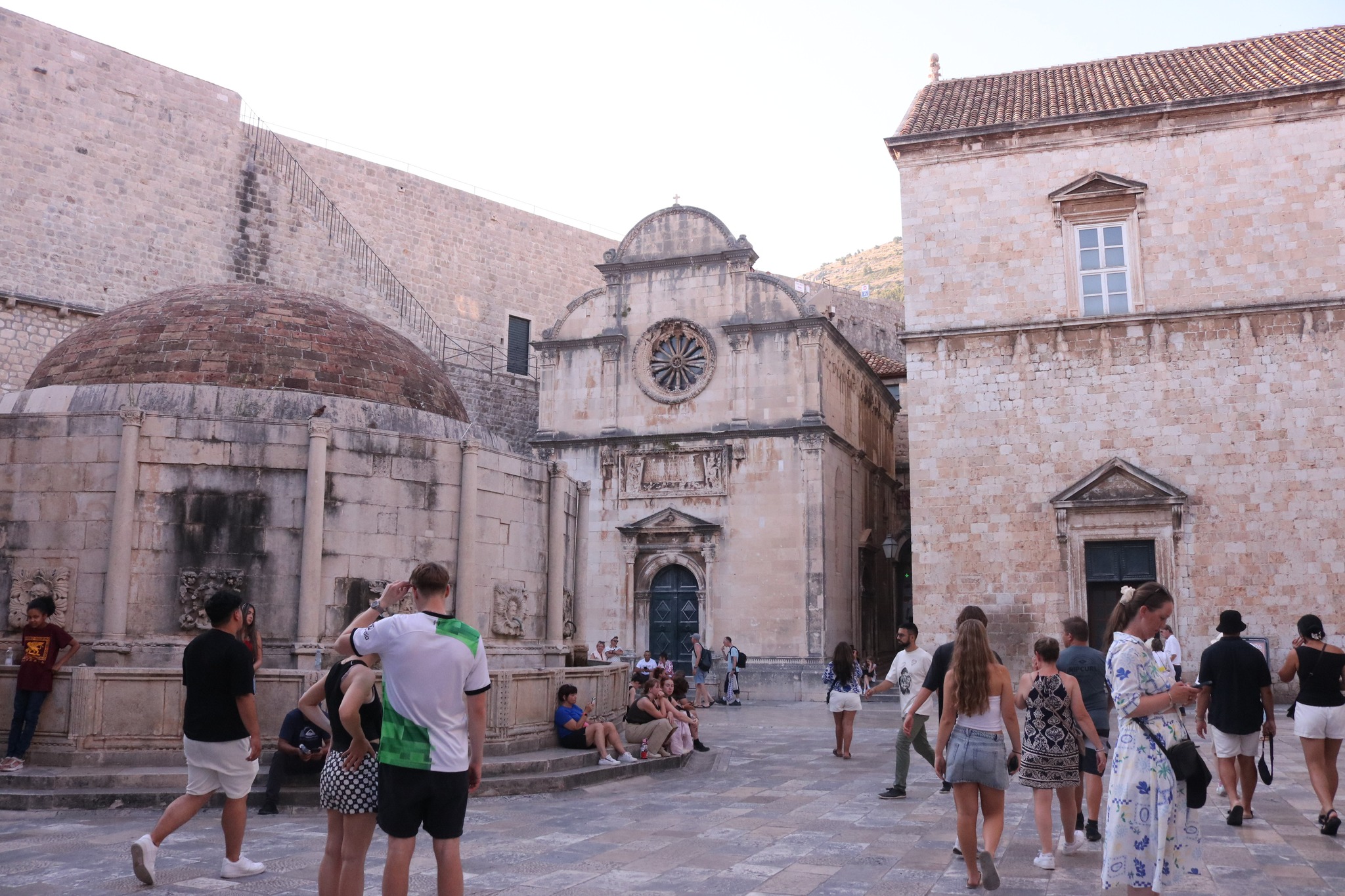
Croatia: Dubrovnik — The Pearl of the Adriatic
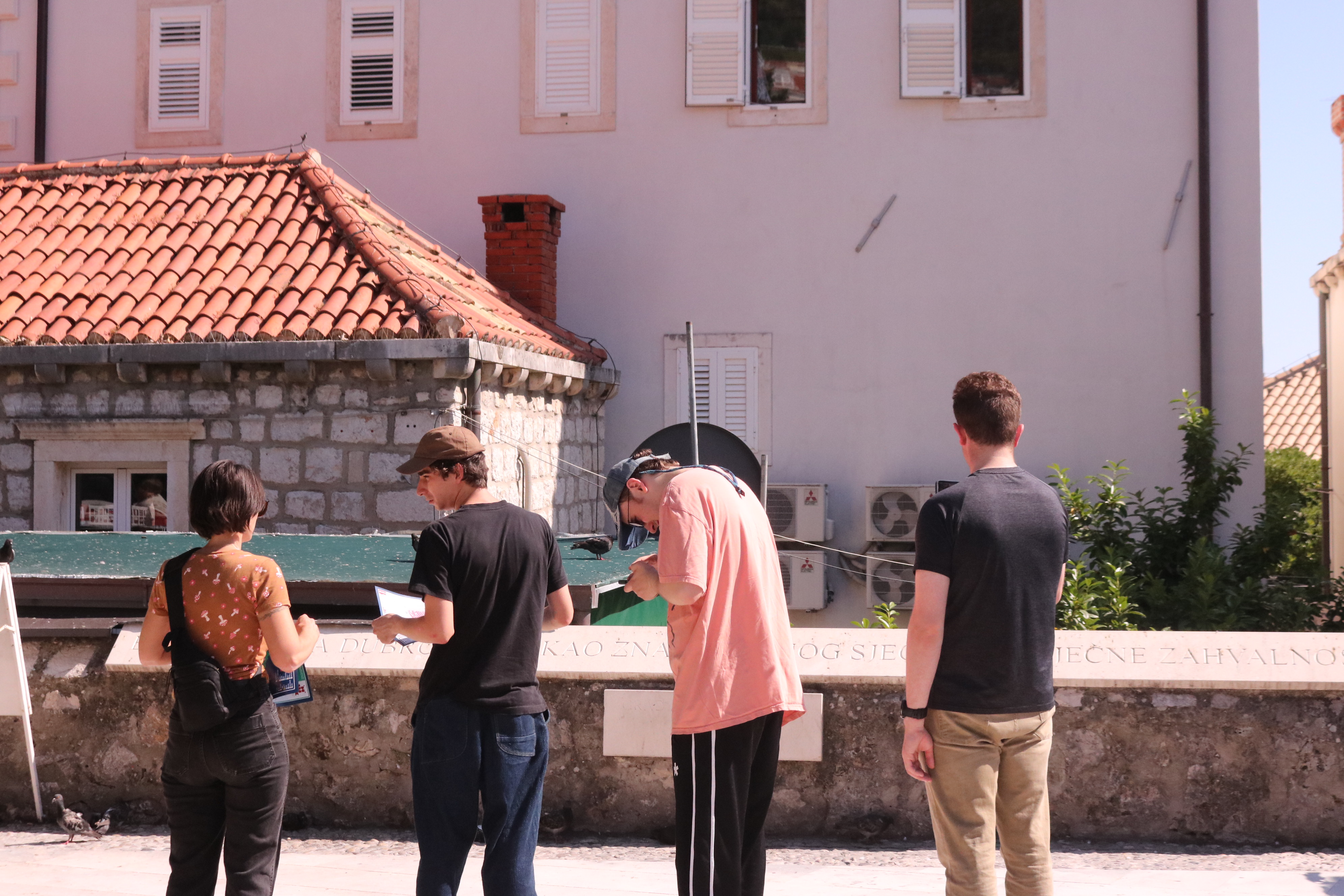
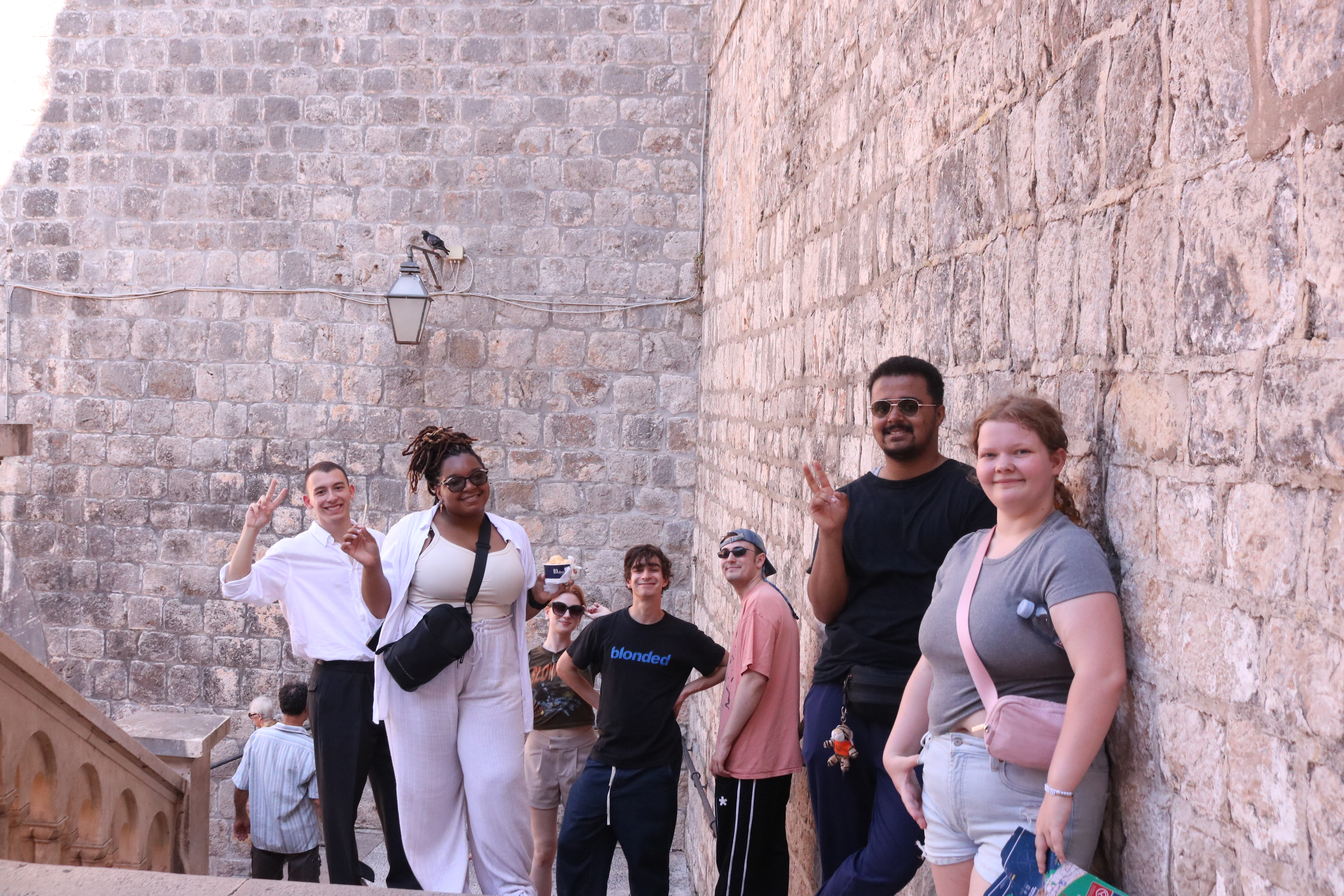
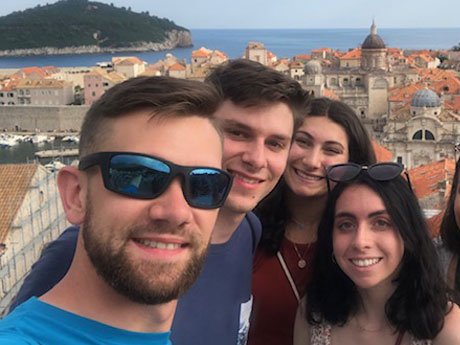
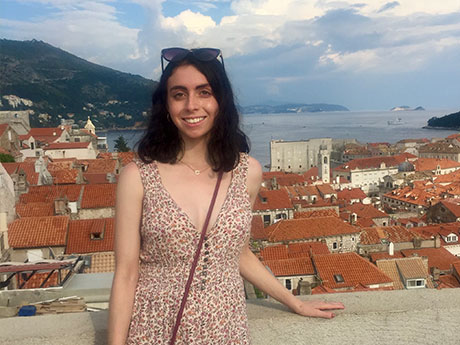
Next, students arrive in Dubrovnik, a city whose walls tell stories of both grandeur and survival. Once part of the former Yugoslavia, Dubrovnik endured siege and shelling during the Croatian War of Independence (1991–1995) but has since become a symbol of recovery and renewal. Today, this UNESCO World Heritage site blends breathtaking medieval beauty with lessons in cultural preservation, resilience, and peacebuilding. In Dubrovnik, students explore how Croatia transitioned from conflict to become an EU and NATO member, shaping its role as a bridge between the Balkans and Europe.
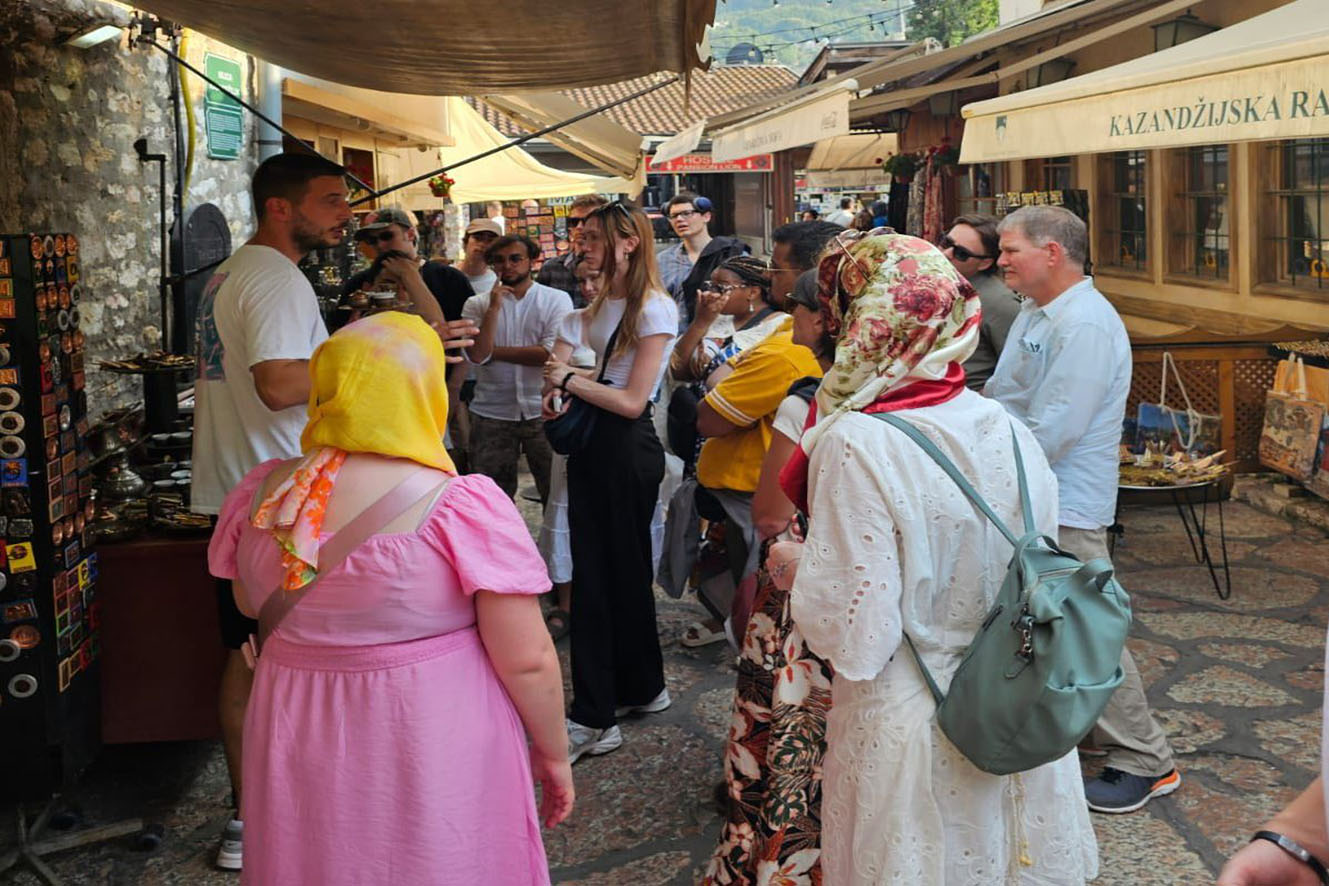
Bosnia and Herzegovina: Mostar, Sarajevo, and Srebrenica - Stories of Memory and Reconciliation
The final leg of the journey takes students to Bosnia and Herzegovina, one of Europe’s most complex and moving post-conflict societies.
In Mostar, the iconic Old Bridge (Stari Most) stands as a powerful symbol of unity and reconstruction after the devastating war of the 1990s. In Sarajevo, often called the “Jerusalem of Europe,” students walk through a city where mosques, churches, and synagogues share the same skyline, reflecting Bosnia’s multicultural legacy, and its struggles during the Siege of Sarajevo, one of the longest in modern history. Finally, a visit to Srebrenica offers an essential space for reflection. At the Srebrenica Memorial Center, students confront the tragic consequences of ethnic conflict and engage with the ongoing process of justice, remembrance, and reconciliation.
Through these experiences, Bosnia and Herzegovina becomes more than a case study, it becomes a deeply human story of resilience, coexistence, and healing.
By the time students return to Prishtina, they bring with them not just photographs and memories, but a profound understanding of the region’s intertwined histories, complexities, and hopes for peace. The Study Tour is often described as the most transformative week of the program — a journey that shapes both minds and perspectives.
Local Trips
In addition to the regional Study Tour, the Fred Cuny Peace and Conflict Summer Program offers two local field trips within Kosovo, held on Saturdays during July. These excursions allow students to experience the country’s cultural diversity, post-conflict transformation, and historical heritage - connecting classroom discussions to the realities on the ground.
Through guided visits, discussions, and reflection sessions, students engage directly with the people, places, and narratives that continue to shape Kosovo’s path toward peace, development, and coexistence.
Trip 1: North Mitrovica, Skenderaj, and Prekaz
The first local trip takes students to some of the most historically and politically significant areas in Kosovo.
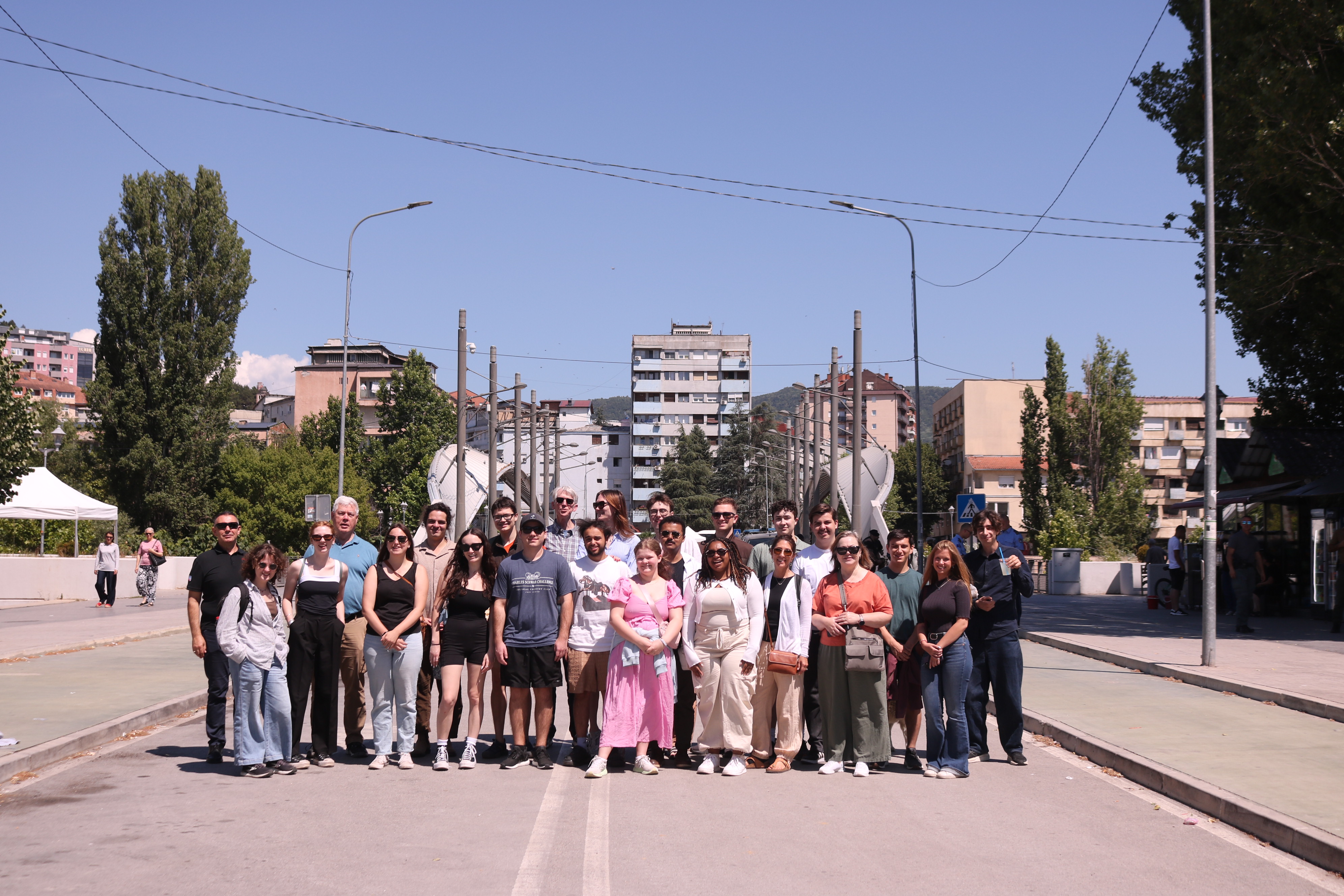
North Mitrovica
A city divided by the Ibar River, Mitrovica remains one of the most emblematic places in Kosovo’s post-conflict landscape. It illustrates both the challenges and progress of coexistence between ethnic Albanian and Serb communities, as well as the ongoing international and local efforts to promote dialogue, reconciliation, and cooperation.
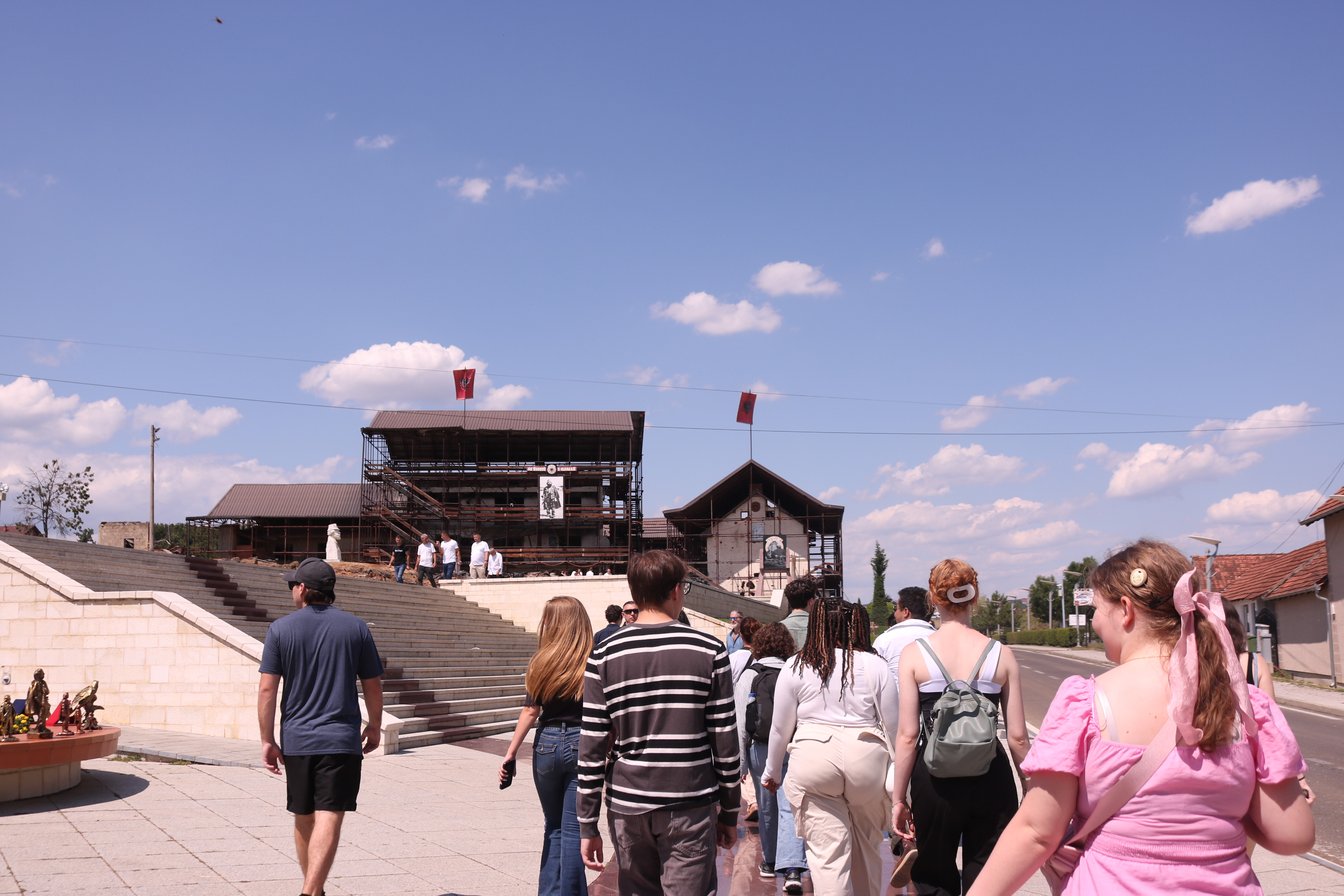
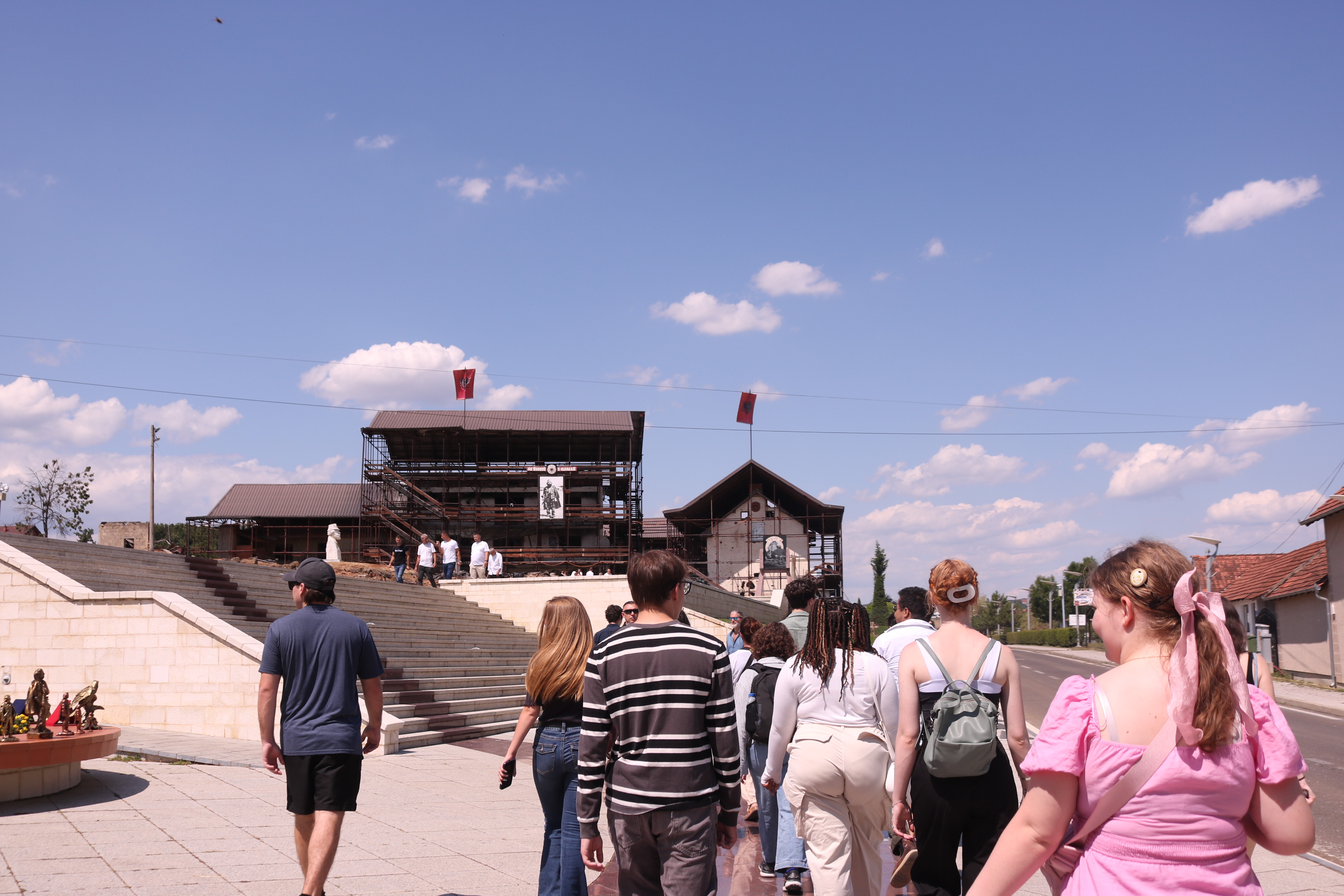
Prekaz
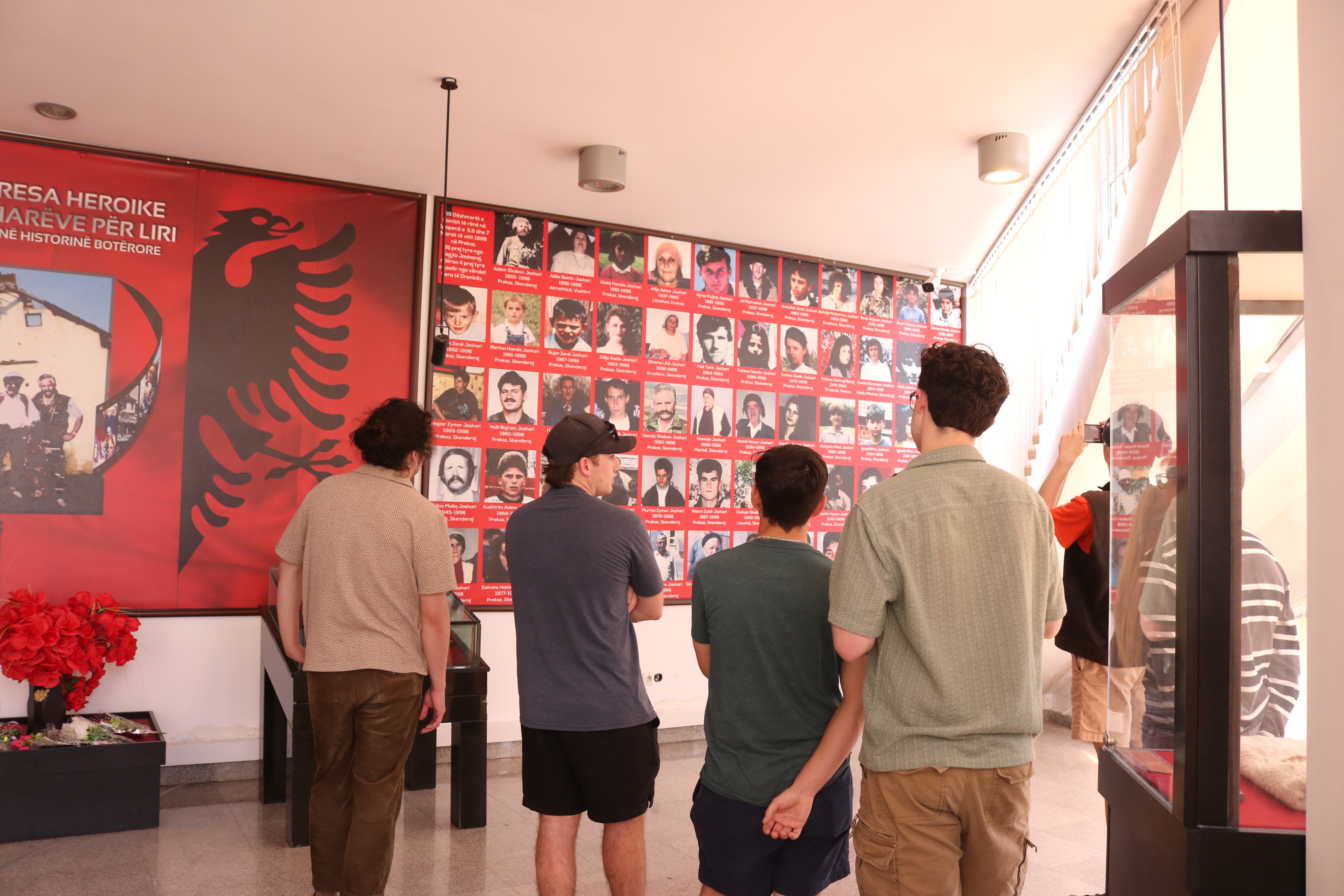
Home to the Adem Jashari Memorial Complex, Prekaz serves as an important historical and commemorative site in Kosovo. It allows students to reflect on how narratives of memory, loss, and identity are expressed through monuments and public remembrance, and how these elements contribute to the ongoing process of nation-building and reconciliation.
This trip encourages critical reflection on conflict memory, identity, and post-war reconstruction, providing students with a multifaceted understanding of Kosovo’s recent history.
Trip 2: Gracanica and Prizren
The second trip focuses on Kosovo’s rich cultural diversity and historical coexistence.
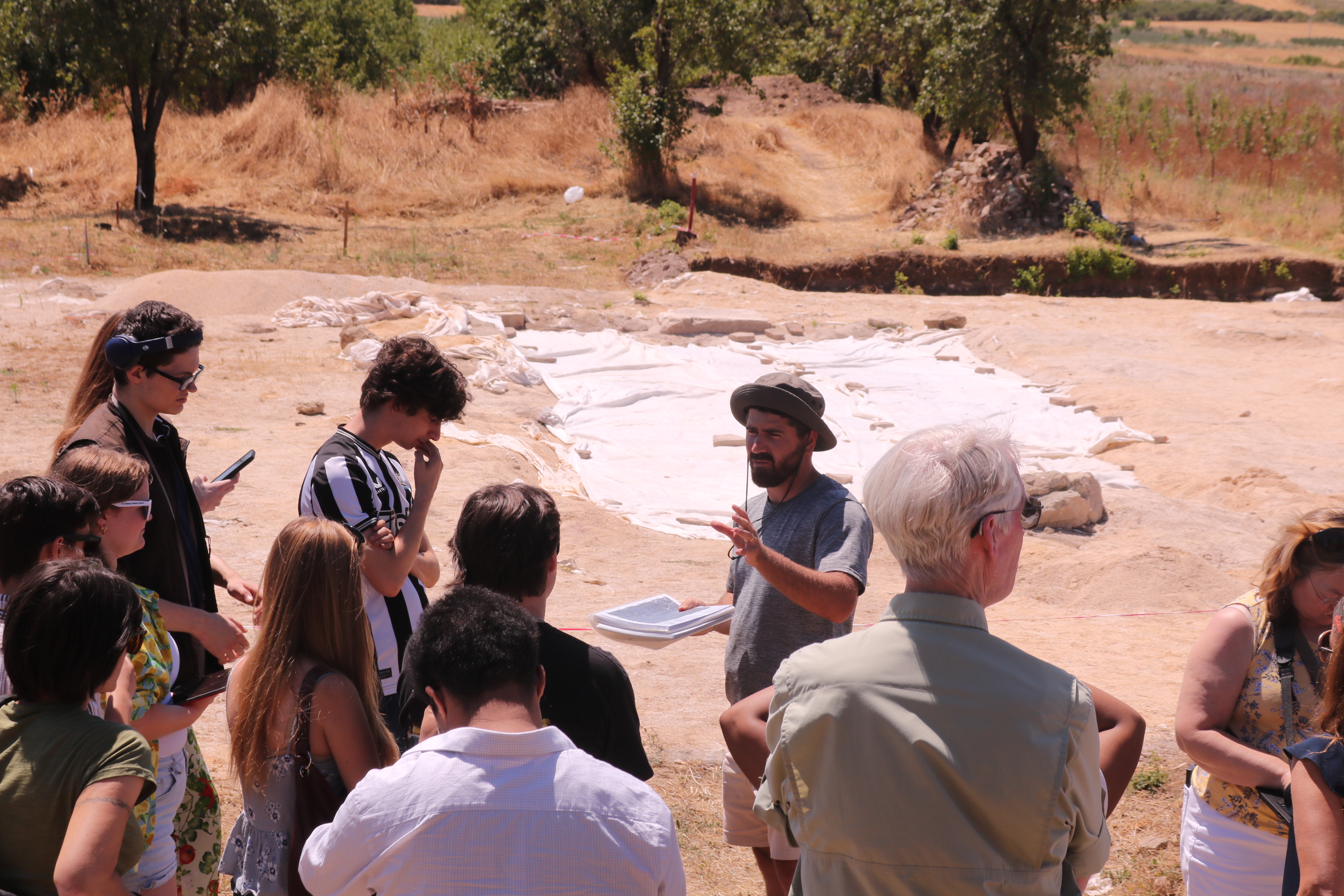
Gracanica
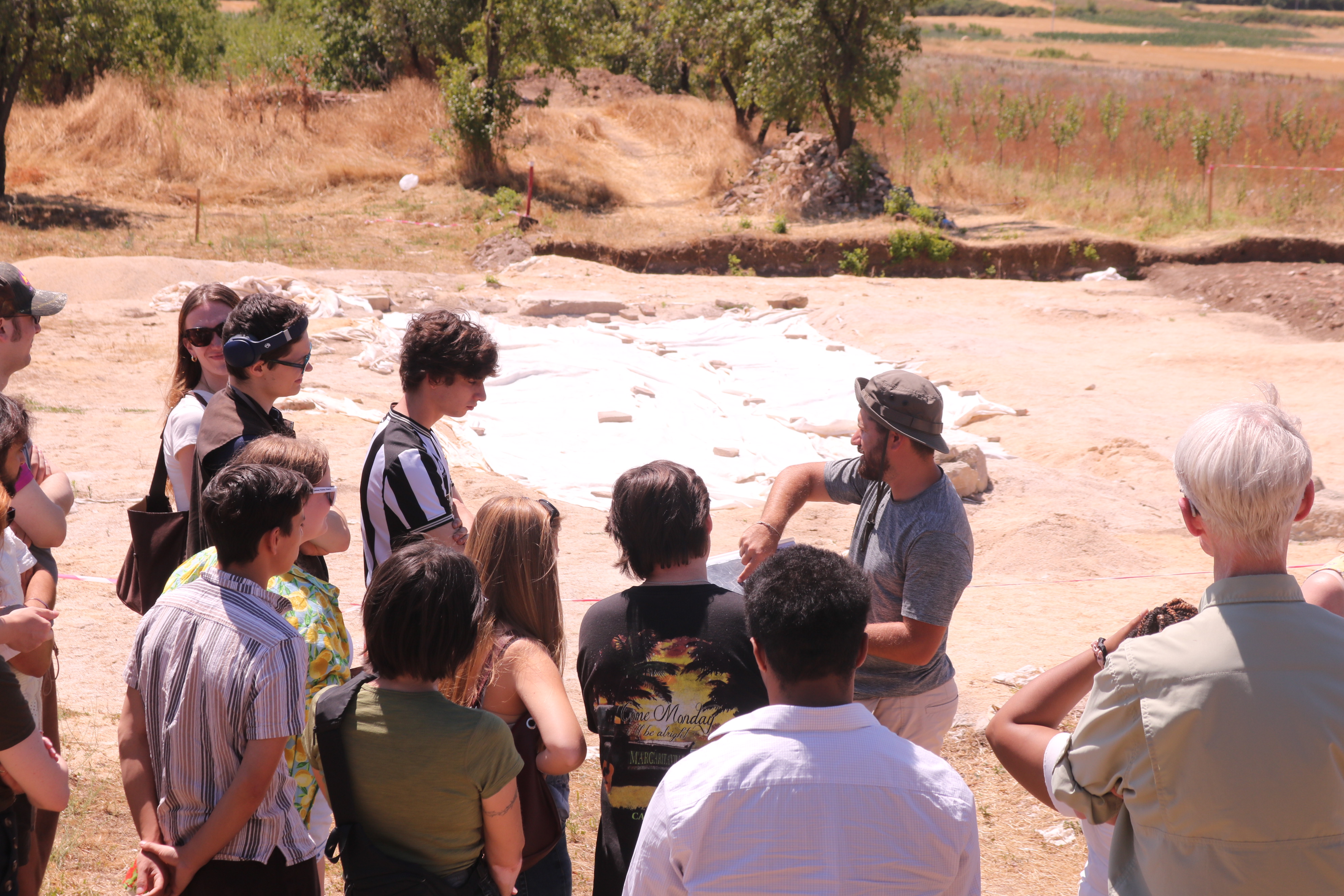
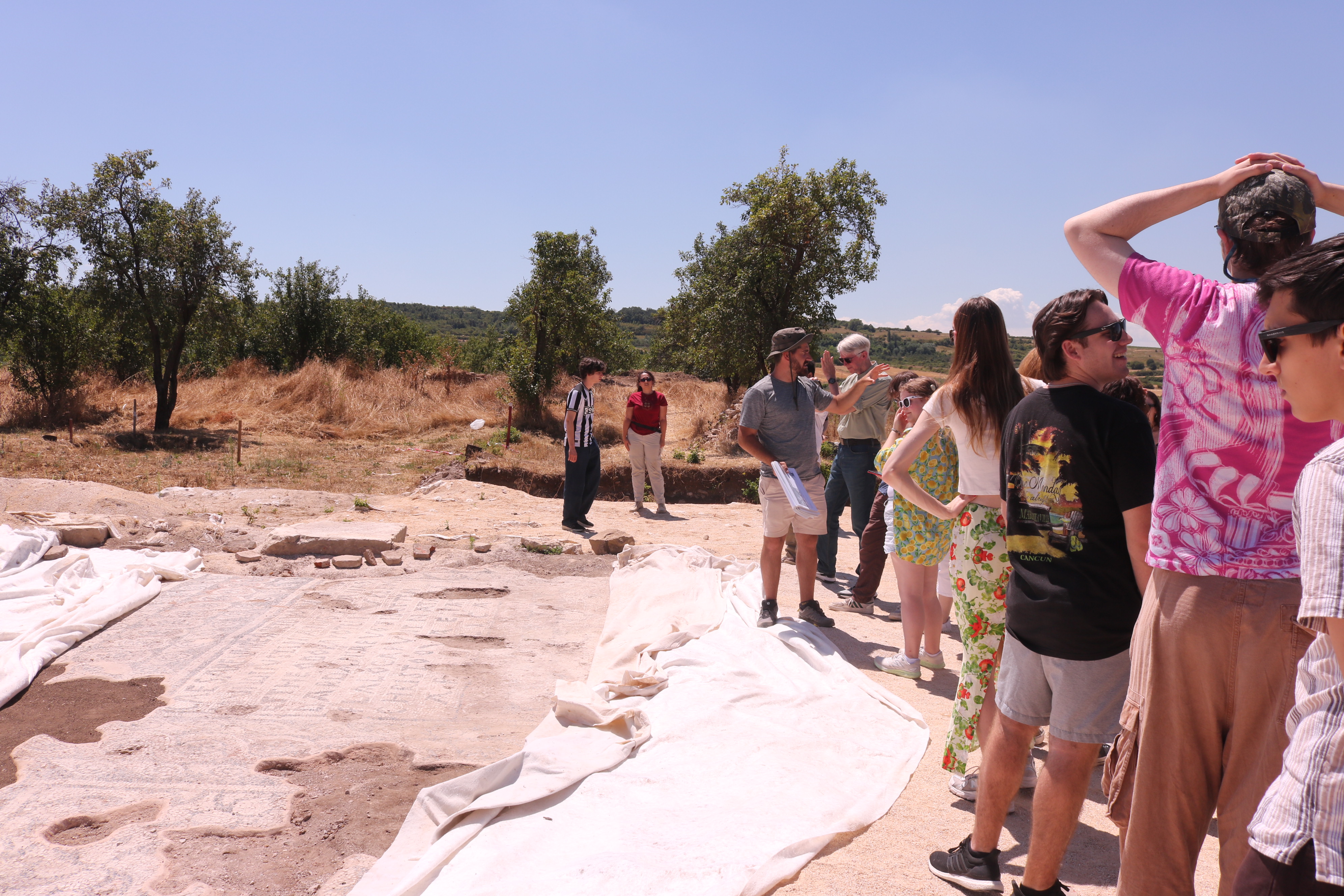
Students visit the Gracanica Monastery, a 14th-century UNESCO World Heritage site and a central religious and cultural center for Kosovo’s Serbian Orthodox community. Nearby, the Ulpiana archaeological complex offers a glimpse into ancient Roman and Byzantine history, providing context for the region’s long-standing cultural and historical significance. Together, these sites illustrate how heritage, religion, and history continue to shape local identity.
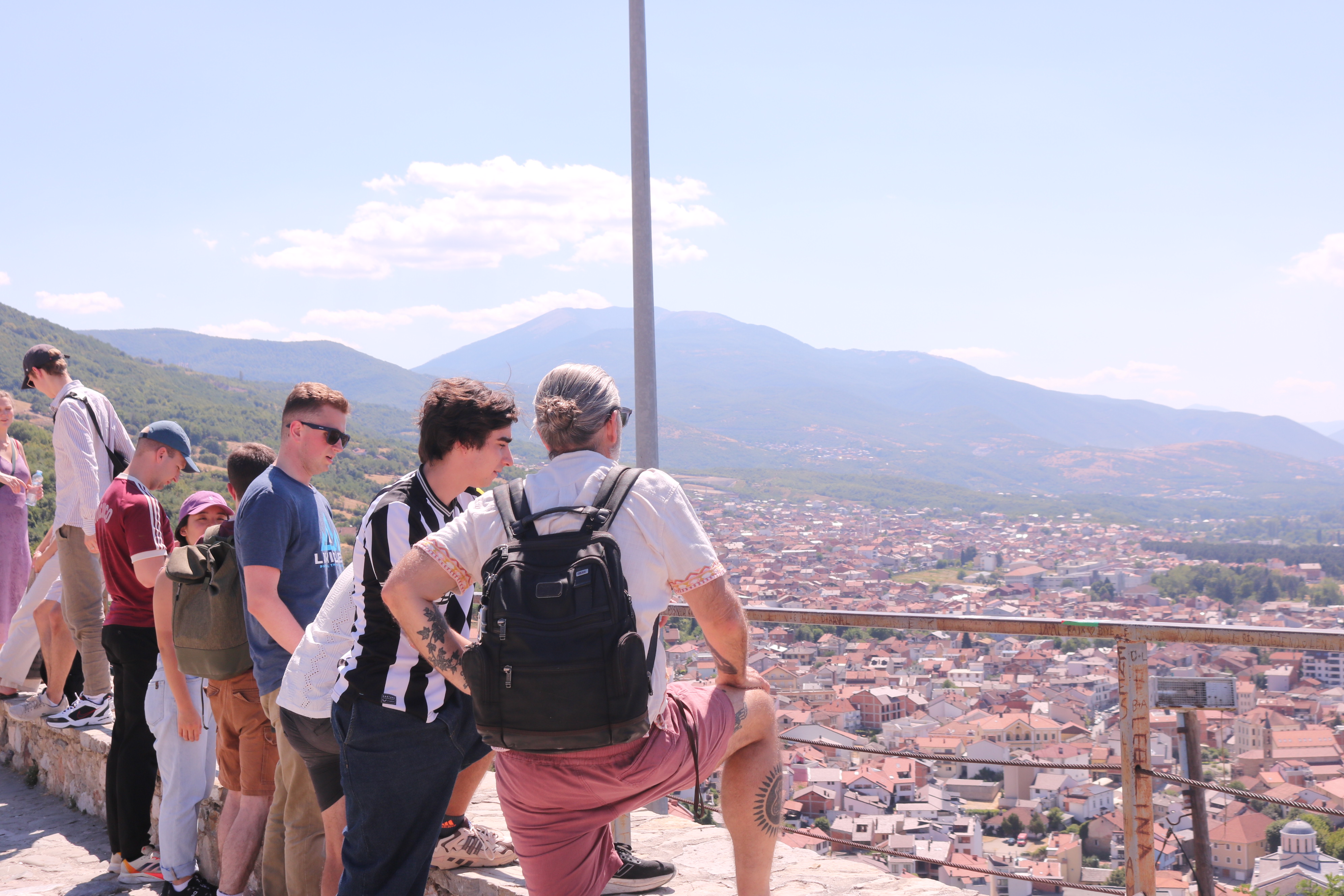
Prizren
Often called the cultural capital of Kosovo, Prizren captivates visitors with its Ottoman-era architecture, cobblestone streets, and vibrant mix of Albanian, Turkish, Bosniak, and Serbian influences. It stands as a living example of multiethnic coexistence and historical continuity. Students enjoy guided tours through its old town, mosques, and churches, learning how history and tradition continue to shape Prizren’s modern character.
Learn from Experts Who’ve Worked Where Change Happens
Our faculty combine academic excellence with real-world experience in international development, peacebuilding, and humanitarian action.
Each brings unique perspectives from careers at the United Nations, OSCE, USAID, NGOs, U.S. military, the State Department, Kosovo Security Forces and international research institutions making your classroom a direct link to the global field.

Michael Hess is the President of RIT Kosovo and has over 30 years of experience in the U.S. military and international development. He served as Assistant Administrator in the Bureau for Democracy, Conflict, and Humanitarian Assistance at USAID, overseeing humanitarian operations in regions such as Turkey, Iraq, Bosnia, and Kosovo. Michael holds an MBA from NYU, an MA in European History from Columbia University, and a BSc in Engineering from the U.S. Military Academy at West Point.
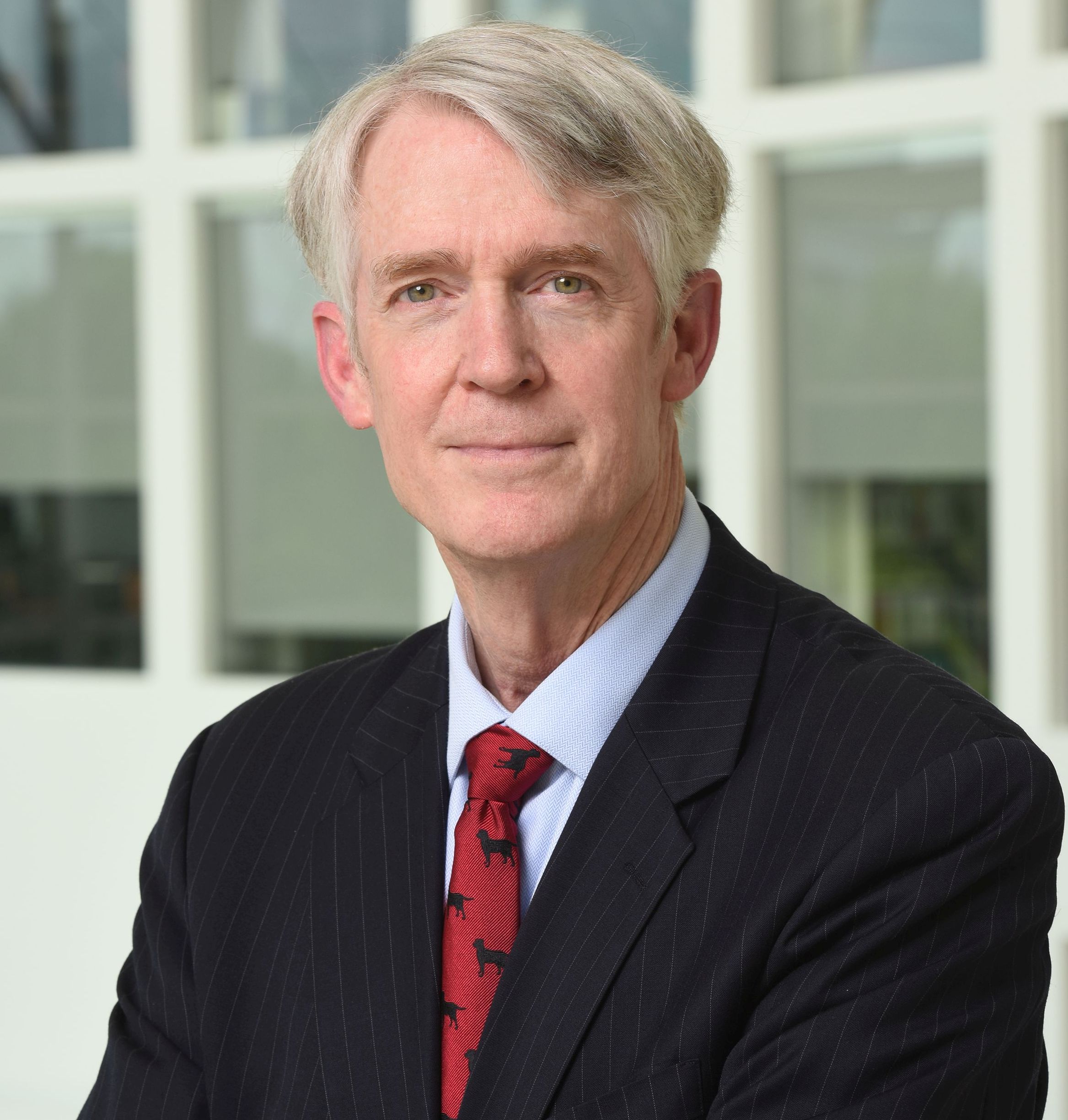
Paul Hughes served in the U.S. Army from 1975 to 2005, including both Iraq wars, retiring as a colonel. He later joined the U.S. Institute of Peace (USIP), where he held senior roles such as Vice President for Middle East and Africa Programs and Executive Director of several Congressionally mandated defense commissions. He also taught at George Washington University and currently lectures at the University of Maryland. Hughes holds two master’s degrees in Military Arts and Sciences from the U.S. Army Command & General Staff College, a B.A. in Sociology from Colorado State University, and is a graduate of the U.S. Army War College.

Xhavit Gashi is a retired Brigadier General and former Kosovo Security Force/Defense Attaché to the United States. He has extensive experience in military diplomacy, having coordinated activities with various U.S. government agencies, including the Pentagon, Department of State, and FBI. Xhavit holds a Bachelor's degree in English Language and Literature from the University of Prishtina and a Master's in Strategic Studies from the U.S. Army War College. He currently serves as the Chief Development Officer at RIT Kosovo and directs the Fred Cuny Peace and Conflict Summer Program.
Head of Strategic Partnerships, MiracleFeet
Susan brings over 25 years of experience working with a variety of international relief and development organizations. At Mercy Corps, she led teams and initiatives to respond to emergencies around the globe and increase resilience building with local partners and communities affected by disasters. As a Team Leader on the Global Emergency Operations (GEO) Unit, Susan responded to humanitarian crises in Zimbabwe, Liberia, Sri Lanka, Sudan, Iran, Iraq, Pakistan, and Haiti. From 2011 to 2014, Susan served as the Head of Programs for Catholic Relief Services (CRS) in South America, where she was responsible for programs supporting refugees, survivors of forced labor and trafficking, and underserved communities in Bolivia, Peru, Brazil, Colombia and Ecuador. Susan has also worked with the United Nations Development Program, the World Food Program, the International Rescue Committee and the Trickle Up Program throughout Africa and Latin America. She has an M.A. in International Relations and a B.S. in Journalism and Communications.
Journalist
Garentina Kraja is a journalist, independent researcher and policy adviser specializing in transitional justice, violent extremism, and malign influence. She covered the Kosovo war as a reporter and was the correspondent for the Associated Press from 2000 to 2007, reporting on the aftermath of the conflict and the international negotiations that led to Kosovo's declaration of independence. Most recently, she worked at Voice of America in Washington, DC. She served as a senior political adviser to Kosovo's President Atifete Jahjaga (2011-2016), focusing on foreign policy and security issues. Garentina holds a BA and MA in Political Science from Yale University, where her thesis on guerrilla recruitment strategies won the university's prize for best comparative essay in 2011. She has also lectured at RIT Kosovo on topics including religion and globalization, international relations, and comparative politics.

Dr. Bernard Nikaj is the former Ambassador of Kosovo to Belgium and Luxembourg and Head of Mission to the EU and NATO. He previously served as Kosovo’s Minister of Trade and Industry, leading trade negotiations for the Stabilization and Association Agreement with the EU. With over a decade of experience in development projects across the Balkans and Central Asia, his work focuses on governance, economic development, and institutional reform. Dr. Nikaj holds a PhD from the University of Maastricht and an MSc from the London School of Economics. He is a Chevening, Netherlands Fellowship (NFP), and Fulbright alumnus.

Dr. Erik Benson serves as an adjunct faculty member at RIT Kosovo. He taught at multiple universities in the U.S. for 20 years before becoming the academic director for an international organization. Dr. Benson earned his Ph.D. in History from the University of Georgia and has published scholarly articles and reviews. His fields of study include modern American history and 20th-century Europe.

Madison Poe is the FCPCS Coordinator at RIT Kosovo, focusing on program management, crisis preparedness, and risk management. She has over five years of experience in these areas, with a focus on U.S. government foreign aid programs. Madison has been involved in various initiatives aimed at enhancing program effectiveness and resilience in conflict-affected regions.

National Security Sector Development to the President of the Republic of Kosovo
Drita Perezic holds an MA in International Relations from the City College of New York and a BS in International Trade and Marketing from SUNY. With over 25 years of experience in international security across the Balkans, Europe, and the U.S., she has held senior roles with the U.S. Department of Justice (ICITAP), Kosovo’s Ministry of Internal Affairs, and NATO’s KFOR.
She has also lectured and consulted for the U.S. Naval Postgraduate School and Joint Training Centers in Europe and the U.S. Her distinguished service has earned her multiple honors, including the Legion of Merit Medal (Kosovo) and U.S. Army Commander’s Awards for Public and Superior Civilian Service. Ms. Perezic currently serves as an External Advisor on National Security Sector Development to the President of Kosovo via BPRG.

Dr. Krenar Kepuska is MS Program Head and Assistant Professor at Rochester Institute of Technology – Kosovo. He holds a Ph.D. in Cyber Security (Computer Science), with research conducted at the University of Colorado in Colorado Springs (UCCS) and the Rochester Institute of Technology (RIT), USA. His academic foundation also includes a Master of Science in Engineering of Mathematics and Computer Science and a Bachelor of Science in Engineering of Electronics.
Dr. Kepuska has been awarded prestigious fellowships, including the U.S. Department of State Cyber Security Fellowship at Purdue University and the Military Program on Cyber Security Studies at the George C. Marshall European Center for Security Studies. He is a certified GIAC Incident Handler (GCIH) by the SANS Institute and holds the CompTIA Security+ certification. He has completed specialized academic and cybersecurity training at Radboud University in the Netherlands and Algebra University in Croatia, further enhancing his expertise in both education and applied cyber defense.
Professionally, Dr. Kepuska has served as a Senior Cyber Security Analyst at the National Cybersecurity Agency of Kosovo (KOS-CERT), a cybersecurity mentor and supervisor at the ITU Academy in Switzerland and has been actively involved in national education development as an expert evaluator for the National Qualification Authority and a member of the National Council for Recognition (NARIC) in Kosovo.
With over a decade of experience in cybersecurity strategy, policy development, risk assessment, and incident response, Dr. Kepuska is recognized as an Erasmus+, Fulbright, and George C. Marshall alumnus. He is committed to bridging the gap between academic research and practical cybersecurity solutions, contributing to both national and global cyber resilience through education, mentorship, and collaborative engagement.

Dr. Robert Muharremi is Assistant Professor at RIT Kosovo and Dean of Faculty at RIT Tirana (Albania). He lectures international law & organizations, international relations, human rights and law & politics. Dr. Muharremi has served as advisor for various international organizations and government institutions in Kosovo and has extensive experience as legal counsel in the private corporate and public-private partnership sector. He has served in the Office of the Prime Minister, the Ministry of Foreign Affairs, the Ministry of Justice, and in other government agencies as adviser on legal and policy issues, and he has actively participated in numerous policy and legislative activities. Dr. Muharremi is a member of the Albanian Branch of the International Law Association. He has published extensively on topics related to international law, international justice, and public policy. He holds a doctorate in law from the University of Saarland (Germany) and a Master of Science degree in public policy and management from SOAS/University of London (UK).
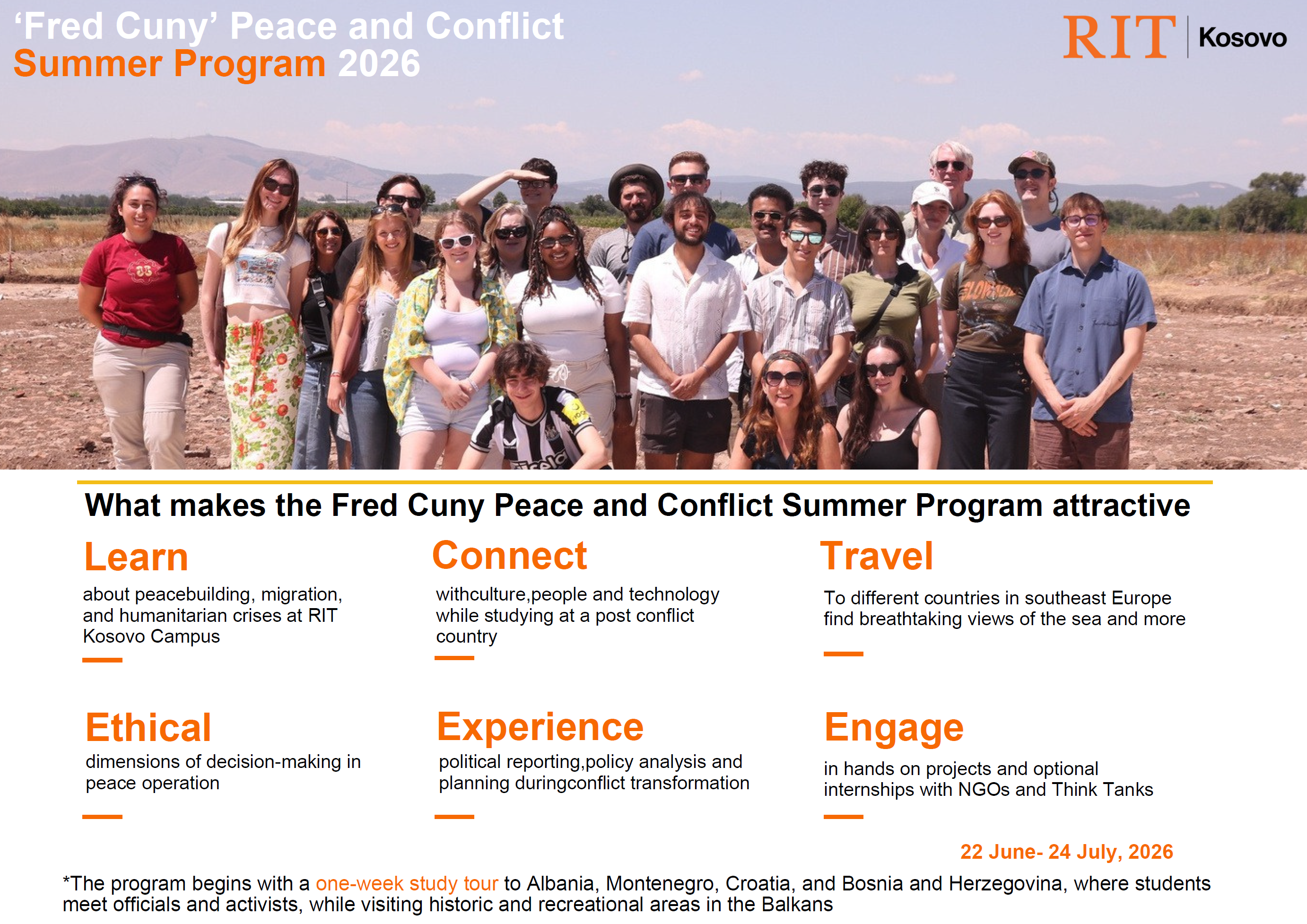
The Fred Cuny Peace and Conflict Summer Program 2026 offers undergrad students the chance to go beyond the classroom and gain real-world experience through our exclusive internship program. Each year, seven outstanding students are selected for merit-based internships, awarded according to academic performance (GPA) and professional experience.
These internships connect participants with leading institutions in Kosovo and beyond, allowing them to work alongside professionals in policy, peacebuilding, human rights, and development.
Students are offered the possibility of interning with the following organizations:
-
Balkan Policy Research Group (BPRG) – A respected think tank shaping democratic governance and regional cooperation through research and policy innovation.
-
Jahjaga Foundation – Founded by Kosovo’s former President Atifete Jahjaga, this organization champions women’s leadership, youth empowerment, and social inclusion.
-
Kosovar Institute for Policy Research and Development (KIPRED) – A leading voice in governance and policy reform, known for impactful research and advocacy.
-
Fred Cuny Center at RIT Kosovo – A hub for applied research and field projects in humanitarian action, peacebuilding, and post-conflict recovery.
-
Open Data Kosovo (ODK) – A pioneer in civic technology, promoting transparency and accountability through open data initiatives and digital solutions.
-
Kosovo Women’s Network (KWN) – A nationwide network advocating for women’s rights and gender equality across all sectors of society.
-
IPKO Foundation – Empowering young innovators and entrepreneurs to drive Kosovo’s digital and creative industries.
-
European Institute of Peace (EIP) – An international organization supporting peace processes and mediation efforts around the world.
-
Youth Initiative for Human Rights (YIHR)- is a non-governmental organization that empowers young people to promote human rights, reconciliation, and regional cooperation across the Western Balkans.
-
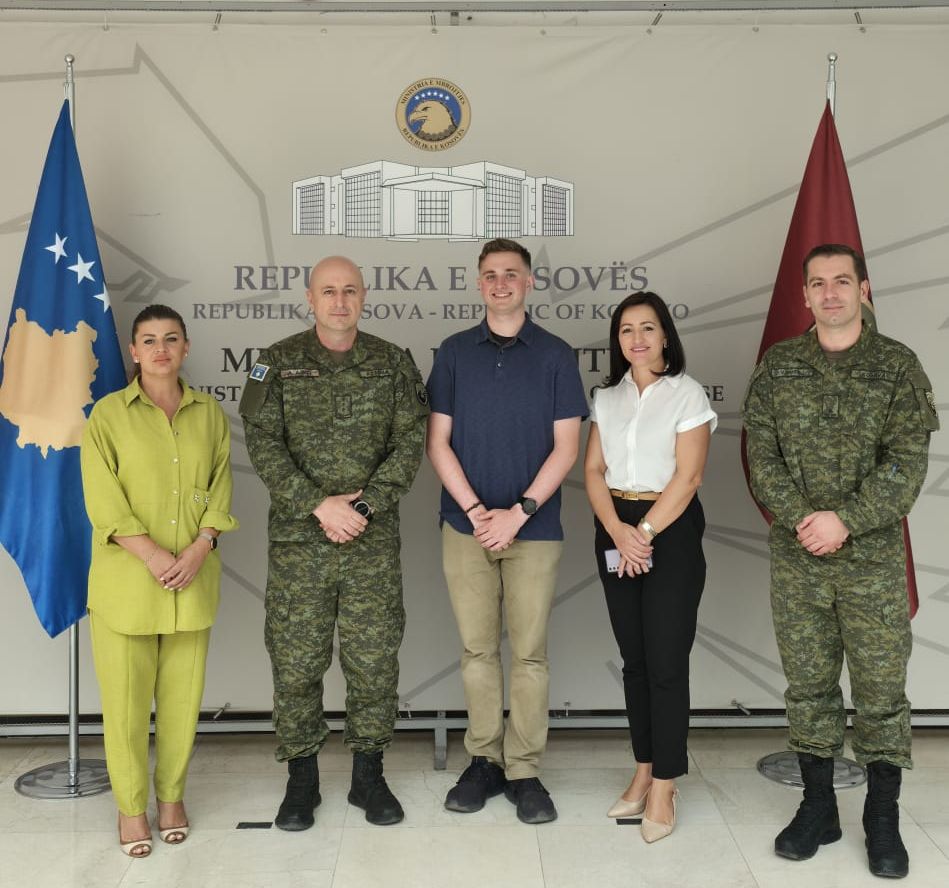
Ministry of Defense, Republic of Kosovo- The Ministry of Defense of the Republic of Kosovo is responsible for the country’s national defense and security policy, overseeing the Kosovo Security Force and coordinating defense planning, civil-military relations, and international defense cooperation. It works to ensure Kosovo’s safety, sovereignty, and contribution to regional and global security initiatives.
Through these placements, students develop professional skills, expand global networks, and contribute to meaningful change in the field of peace and conflict transformation.
Students interested in the internship program should send an email expressing their interest at summerinfo@auk.org
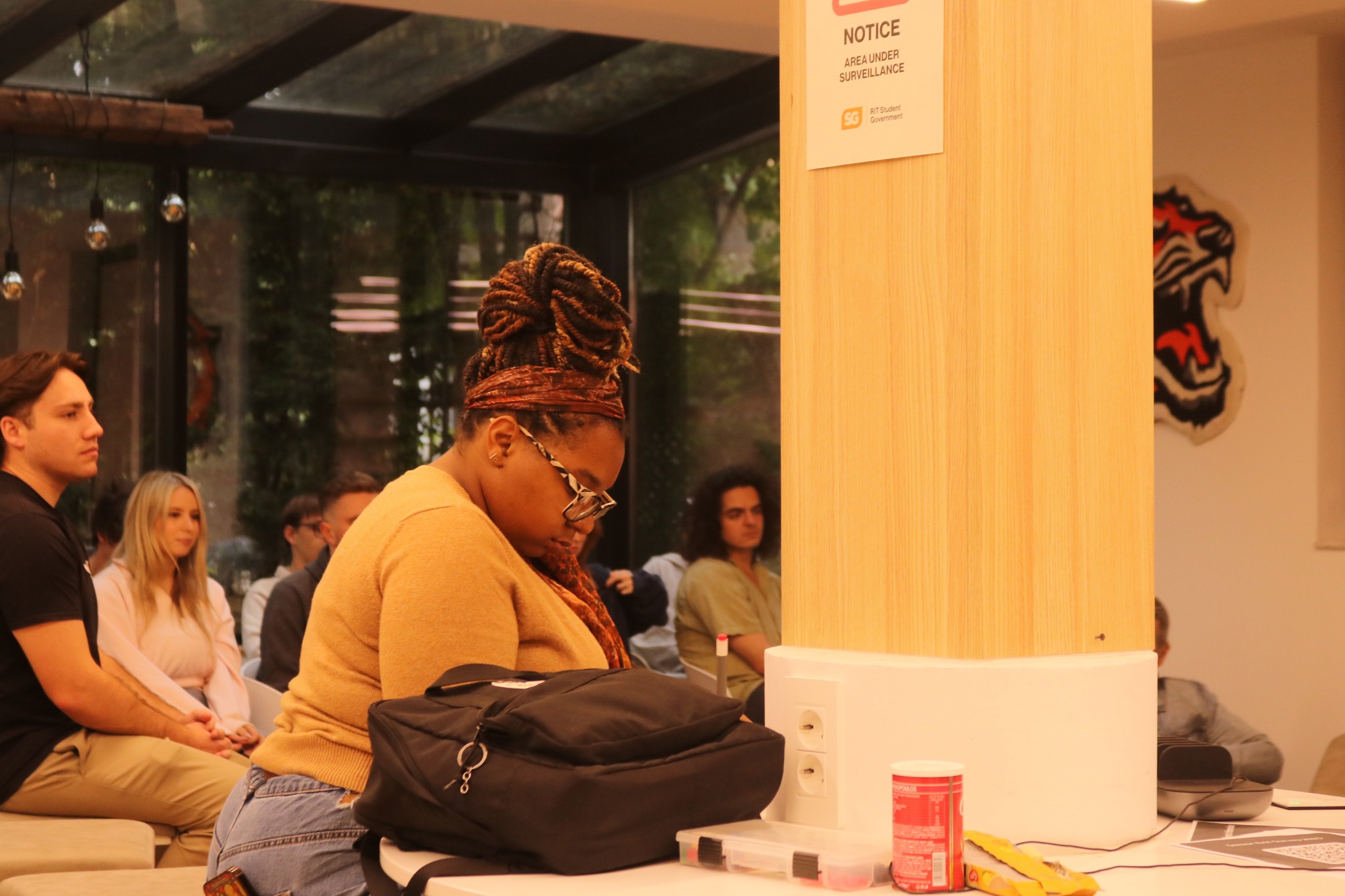
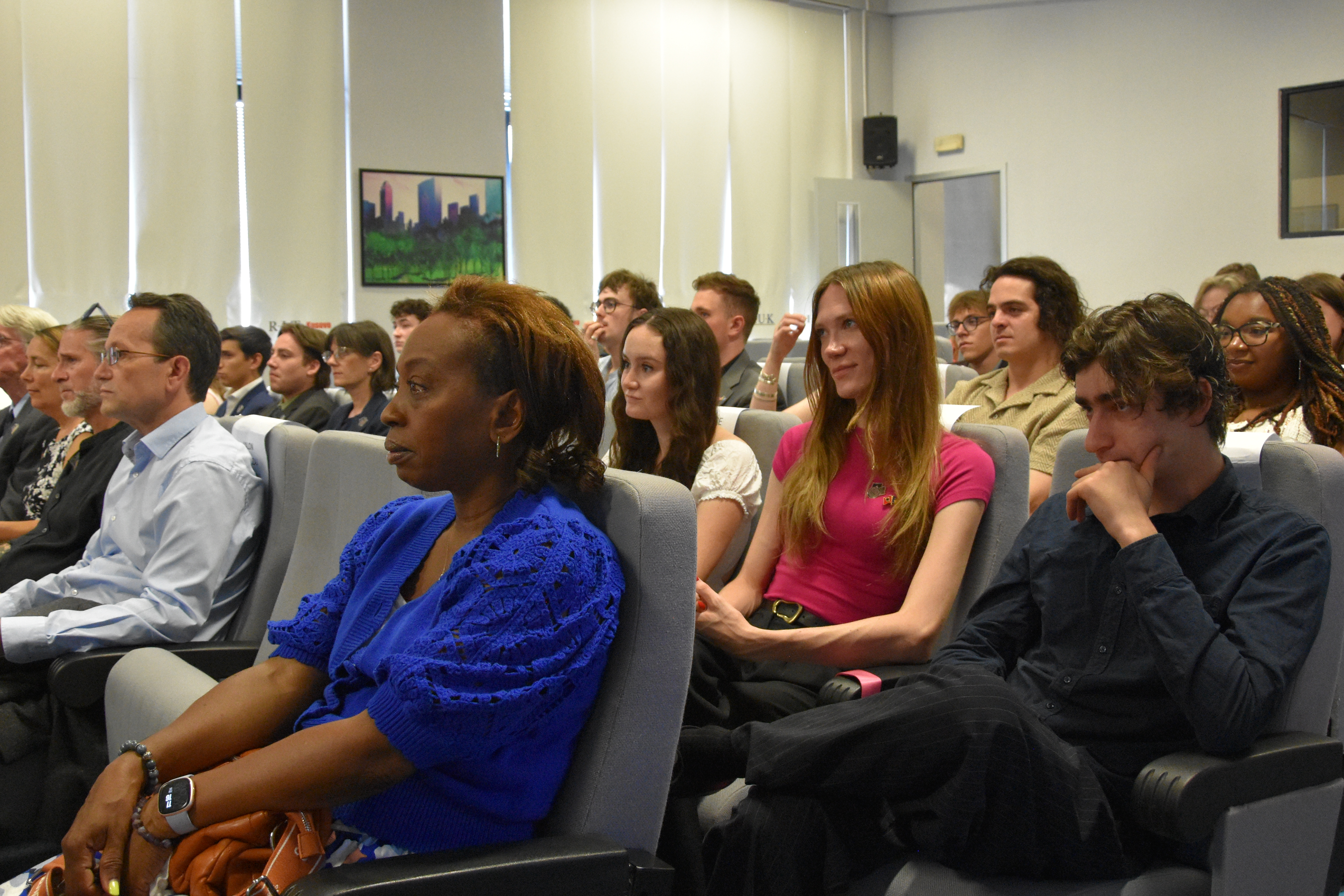
Our seminar series brings students face-to-face with leading experts, practitioners, and policymakers in peace, conflict, and security, as well as in humanitarian and transitional justice fields from Kosovo and the region. Through interactive sessions, participants explore topics such as negotiation and diplomacy, post-conflict reconstruction, transitional governance, regional policy, security sector development, and the human impact of conflict, including missing persons, wartime violence against women, and reconciliation processes in the Balkans.
By engaging directly with distinguished leaders, including former heads of state, senior government officials, military experts, and directors of organizations addressing humanitarian challenges, students gain first-hand insights into real-world issues and solutions in both peacebuilding and post-conflict recovery. These seminars are designed to foster critical thinking, encourage dialogue, and inspire the next generation of global peacebuilders. Students will have the chance to be part of the seminars two times per week during the program.
Program Price
For information on group discounts from a university and on Faculty-led programs at summerinfo@auk.org.
Our program is guided by a dedicated team of professionals committed to delivering transformative experiences in peace and conflict studies. Each member brings a wealth of expertise and a shared vision of fostering understanding and reconciliation in the Balkans and beyond.


Application Deadline
Application Deadline: May 15, 2026
Early Application Encouraged spaces are limited.
How to Apply
To apply, please complete the online application form.
Within the application form, you will be asked to upload the following documents:
- Transcript form your current university
- Short personal statement (maximum 500 words)
- One reference (academic or professional)