Microelectronic Engineering Master of Science Degree

RIT's world-renowned microelectronic engineering MS equips students with the skills to design and optimize semiconductor and photonic devices for various industries.
Overview for Microelectronic Engineering MS
Why Pursue a Microelectronic Engineering MS at RIT?
STEM-OPT Visa Eligible: The STEM Optional Practical Training (OPT) program allows full-time, on-campus international students on an F-1 student visa to stay and work in the U.S. for up to three years after graduation.
A Reputation for Excellence: RIT is a world leader in the education of semiconductor process and device engineers. Learn more about semiconductor chips at RIT.
Strong Career Paths: Students are hired at industry-leading companies such as Advanced Micro Devices; Annapolis Micro Systems; Intel; Micron; MIT Lincoln Laboratory; Northrop Grumman; Raytheon; SONY Electronics; Texas Instruments.
World-Renowned Cooperative Education Program: Gain valuable employment experience in your field by participating in a co-op.
Future-Focused Curriculum: Provides a dynamic program designed by academic and industry leaders to integrate formal education with state-of-the-art research and best practices from industry.
Integrated microelectronic or nanoelectronic circuits and sensors drive our global economy, increase our productivity, and help improve our quality of life. Semiconductor and photonic devices impact virtually every aspect of human life, from communication, entertainment, and transportation to health, solid state lighting, and solar cells.
The program is offered both on campus and online.
RIT: A World Leader in the Education of Semiconductor Process Engineers
Microelectronic engineering focuses on the study, design, and fabrication of very small electronic devices and components (micrometer scale or below). These are semiconductor and photonic devices that impact virtually every aspect of human life, from communication, entertainment, and transportation, to health, solid-state lighting, and solar cells. There is an ever-increasing need for talented engineers that not only understand the design of these devices but can direct and optimize their fabrication. Integrated nanoelectronic and microelectronic circuits and sensors drive our global economy, increase our productivity, and help improve our quality of life.
RIT’s microelectronic students are powering the future. The university’s connection to the semiconductor industry was established 40 years ago when it launched the first microelectronic engineering degree program in the country. Since then, RIT has graduated more than 1,500 microelectronic engineers trained to make semiconductor devices.
RIT’s Microelectronic Engineering MS
The microelectronic engineering master's provides a unique combination of physics, chemistry, and engineering in a state-of-the-art facility to prepare you for the real world. With internationally renowned professors with years of experience, courses are grounded in reality, with practical skill and advanced theory combined to produce comprehensive learning. In our microelectronic engineering master's, you'll:
- Understand the fundamental scientific principles governing solid-state devices and their incorporation into modern integrated circuits.
- Understand the relevance of a process or device, either proposed or existing, to current manufacturing practices.
- Develop in-depth knowledge in existing or emerging areas of the field of microelectronics such as device engineering, circuit design, lithography, materials and processes, yield, and manufacturing.
- Apply microelectronic processing techniques to the creation/investigation of new process/device structures.
- Communicate technical material effectively through oral presentations, written reports, and publications.
This semiconductors engineering degree provides an opportunity for you to perform graduate-level research as you prepare for entry into either the semiconductor industry or a doctoral program. The on-campus program consists of core courses, graduate electives, a graduate seminar, and a research project or thesis. Students in the online version of the program complete all of the same requirements, with the exception of the graduate seminar. The microelectronic engineering MS requires strong preparation in the area of microelectronics and requires a research project or a thesis, which is undertaken once you have completed approximately 20 semester credit hours of study. Planning for both, however, should begin as early as possible. Generally, full-time students should complete their degree requirements, including thesis defense, within two years (four academic semesters and one summer term).
-

Don't Delay Your Ambitions Until the Fall
This program offers a spring start, which means you can jumpstart your graduate journey and begin your studies this January.
-

Affordable Now. Valuable for Life.
Earn your master’s degree without the full price tag. With Master Up you can receive a 30% tuition scholarship for an RIT master’s degree.
-

Discover how graduate study at RIT can help further your career objectives.
Virtual Admissions Webinars | Recordings available
Virtual Academic Sessions | October 20 - October 29
On-Campus Open House | November 20
Careers and Experiential Learning
Typical Job Titles
| Development Engineer | Device Engineer | Equipment Engineer |
| Manufacturing Yield Engineer | Photolithography Engineer | Process Engineer |
| Process Integration Engineer | Product Engineer | Research Engineer |
Cooperative Education and Internships
What makes an RIT education exceptional? It’s the opportunity to complete relevant, hands-on engineering co-ops and internships with top companies in every single industry. At the graduate level, and paired with an advanced degree, cooperative education and internships give you the unparalleled credentials that truly set you apart. Learn more about graduate co-op and how it provides you with the career experience employers look for in their next top hires.
Cooperative education is strongly encouraged for graduate students in the MS in microelectronic engineering.
Featured Work and Profiles
-

Engineering Alumnus Influences National Semiconductor Research Initiatives
Scott Bukofsky '92 brings extensive experience to the U.S. Department of Commerce’s National Semiconductor Technology Center.
Read More about Engineering Alumnus Influences National Semiconductor Research Initiatives -
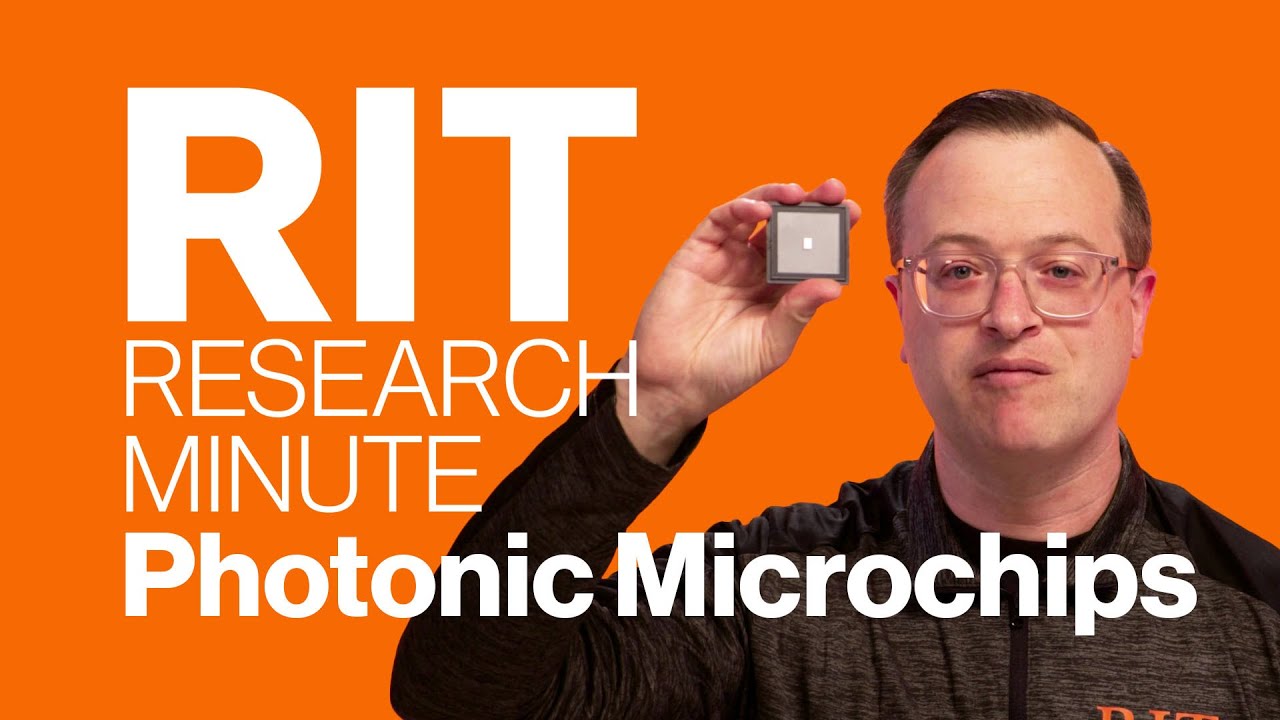
RIT Research Minute: Photonic Microchips
Stefan Preble Professor Stefan Preble and his research team are developing the next generation of photonic chips to improve fields like quantum computing and health care.
Read More about RIT Research Minute: Photonic Microchips -

Professor Receives National Award and Grant for Advancing Next-Gen Computer Memory
Awarded a new National Science Foundation grant, Professor Kai Ni aims to revolutionize computing by developing advanced memory systems that promise faster performance and lower energy use.
Read More about Professor Receives National Award and Grant for Advancing Next-Gen Computer Memory
Curriculum for 2026-2027 for Microelectronic Engineering MS
Current Students: See Curriculum Requirements
Note for online students
The frequency of required and elective course offerings in the online program will vary, semester by semester, and will not always match the information presented here. Online students are advised to seek guidance from the listed program contact when developing their individual program course schedule.
Admissions and Financial Aid
This program is available on-campus or online.
On Campus
| Offered | Admit Term(s) | Application Deadline | STEM-OPT Visa Eligible |
|---|---|---|---|
| Full-time | Fall | Rolling | Yes |
| Part-time | Fall | Rolling | No |
Online
| Offered | Admit Term(s) | Application Deadline | STEM-OPT Visa Eligible |
|---|---|---|---|
| Part-time | Fall or Spring | Rolling | No |
Full-time study is 9+ semester credit hours. Part-time study is 1‑8 semester credit hours. International students requiring a visa to study at the RIT Rochester campus must study full‑time.
Application Details
To be considered for admission to the Microelectronic Engineering MS program, candidates must fulfill the following requirements:
- Complete an online graduate application.
- Submit copies of official transcript(s) (in English) of all previously completed undergraduate and graduate course work, including any transfer credit earned.
- Hold a baccalaureate degree (or US equivalent) from an accredited university or college in engineering or a related field. A minimum cumulative GPA of 3.0 (or equivalent) is recommended.
- Satisfy prerequisite requirements and/or complete bridge courses prior to starting program coursework.
- Submit a current resume or curriculum vitae.
- Submit a personal statement of educational objectives.
- Submit two letters of recommendation.
- Entrance exam requirements: GRE required
- Submit English language test scores (TOEFL, IELTS, PTE Academic, etc.), if required. Details are below.
English Language Test Scores
International applicants whose native language is not English must submit one of the following official English language test scores. Some international applicants may be considered for an English test requirement waiver.
Duolingo (DET): 120
IELTS: 6.5
LanguageCert Academic: 70
PTE Academic: 56
TOEFL: 79/4.5
International students below the minimum requirement may be considered for conditional admission. Deaf and hard-of-hearing test takers with significant hearing loss do not need to take the listening and speaking sections for the TOEFL and IELTS. Each program requires balanced sub-scores when determining an applicant’s need for additional English language courses.
How to Apply Start or Manage Your Application
Cost and Financial Aid
An RIT graduate degree is an investment with lifelong returns. Graduate tuition varies by degree, the number of credits taken per semester, and delivery method. View the general cost of attendance or estimate the cost of your graduate degree.
A combination of sources can help fund your graduate degree. Learn how to fund your degree
Additional Information
Bridge Courses
Applicants applying with a bachelor’s degree in fields outside of electrical and microelectronic engineering may be considered for admission; however, bridge courses may be required to ensure the student is adequately prepared for graduate study.
Online Degree Information
The Microelectronic Engineering MS program is designed to be completed part-time (1 or 2 courses per term). Time to completion depends on the plan of study, when courses are offered, selected electives, and if the student takes a summer course. Courses may be synchronous or asynchronous. Academic advisors work with students on a study plan after admission to ensure classes fit student availability. Typically students finish this degree in 24-36 months. For specific details about the delivery format and learning experience, contact the Program Contact listed on this page. RIT does not offer student visas for online study.
Online Tuition
The online Microelectronic Engineering MS is a designated online degree program that is billed at a per-credit rate. View the current online tuition rate.
Online Study Restrictions for Some International Students
Certain countries are subject to comprehensive embargoes under US Export Controls, which prohibit virtually ALL exports, imports, and other transactions without a license or other US Government authorization. Learners from the Crimea region of the Ukraine, Cuba, Iran, North Korea, and Syria may not register for RIT online courses. Nor may individuals on the United States Treasury Department’s list of Specially Designated Nationals or the United States Commerce Department’s table of Deny Orders. By registering for RIT online courses, you represent and warrant that you are not located in, under the control of, or a national or resident of any such country or on any such list.


Research
Please visit the research profiles on the electrical and microelectronic engineering department for an overview of research opportunities. Visit individual faculty profiles for a more complete list of research advisors in the program.

Related News
-
June 2, 2025

Robert Pearson retires from microelectronic engineering program
Robert Pearson helped make history when RIT began its microelectronic engineering program in the early 1980s. An RIT alumnus of the electrical engineering program and MicroE’s first faculty hire, Pearson reflected on some of that history—and his place in it—before retiring this summer after more than 40 years.
-
May 1, 2025

RIT's microchips program flourishing amid high domestic demand for engineers
WHAM-TV speaks to Karl Hirschman, professor in the Department of Electrical and Microelectronic Engineering, and microsystems engineering Ph.D. student Sami Znati about the opportunities available in the semiconductor field.
-
April 21, 2025

Despite tariffs, CHIPS Act uncertainty, top microchip school optimistic on industry growth in U.S.
The Associated Press speaks to Karl Hirschman, professor in the Department of Electrical and Microelectronic Engineering, microsystems engineering Ph.D. student Eli Powell, and microelectronic engineering student Matt Lynch about the opportunities and jobs associated with the semiconductor industry.
Contact


Department of Electrical and Microelectronic Engineering