Game Design and Development Master of Science Degree
RIT’s game design MS degree is ranked 4th among top universities in the world for students who want to study and create games, according to the 2026 international rankings from The Princeton Review.
$81.6K
Median First-Year Salary of RIT Graduates from this Game Design and Development MS degree
#4
Top 25 Game Design Master’s Degrees
#4
Top 25 Game Design Programs: Graduate Category
Overview for Game Design and Development MS
STEM-OPT Visa Eligible: The STEM Optional Practical Training (OPT) program allows full-time, on-campus international students on an F-1 student visa to stay and work in the U.S. for up to three years after graduation.
Develop your gaming projects with RIT’s MAGIC Spell Studios, which focuses on nurturing and growing new companies and publishing and distributing their projects.
Engage with the Digital Games Hub, which provides resources and mentoring for students and indie developers to enter the games industry, develop new games, and launch start-up companies.
RIT was the 1st university to publish to the Xbox One platform.
Explore the simulation, edutainment, or visualization landscape as you enhance your game design and development skills to create truly innovative games.
In the game design master’s degree, you will explore the entertainment technology landscape as well as other related areas. The program simultaneously covers the breadth of the game design and development landscape through study in topics such as computer graphics, game engines, interactive narrative, and game world design. The program is characterized by a clear focus on development, but also educates developers in the design process. The degree is intended specifically for students who aspire to hold careers within the professional games industry or a related field such as simulation, edutainment, or visualization.
RIT’s Game Design Master’s
The curriculum in the game design master’s program consists of required courses, a choice of five advanced electives, and a capstone experience. This is a two-year, on-campus, cohort-based program in which students are admitted through a portfolio review process. During the second year, students form development teams that construct a working game engine and software title as the program capstone experience. This requirement includes both individual and group expectations. The capstone culminates in a defense, public presentation, and demonstration before program faculty. Combined, these requirements provide a unique and comprehensive educational experience for individuals who aspire to a career in the game development industry.
Launch your Digital Endeavors with MAGIC
The MAGIC Center is a digital sandbox for students and faculty pushing the boundaries of technology, art and design. It includes five state-of-the-art classrooms built around delivering hands-on curriculum in game design, 2D and 3D animation, and digital design. Students learn on the same hardware and software platforms used in industry while honing their technical and creative skills. A fully outfitted sound stage and post-production studios further enhance experiential education opportunities and permit faculty to introduce real-world film, animation, and digital media workflows to the classroom.
-
Affordable Now. Valuable for Life.
Earn your master’s degree without the full price tag. With Master Up you can receive a 30% tuition scholarship for an RIT master’s degree.
-

Discover how graduate study at RIT can help further your career objectives.
Virtual Admissions Webinars | Recordings available
Virtual Academic Sessions | October 20 - October 29
On-Campus Open House | November 20
Careers and Experiential Learning
Typical Job Titles
| Game Developer | Junior C++ Developer | Systems Design Engineer |
| Unity Developer | Associate Engine/Graphics Automation Engineer | Full Stack UI Developer |
| Software Developer | Software Engineer | Game Designer |
| Developer |
Cooperative Education
What makes an RIT education exceptional? It’s the ability to complete relevant, hands-on career experience. At the graduate level, and paired with an advanced degree, cooperative education and internships give you the unparalleled credentials that truly set you apart. Learn more about graduate co-op and how it provides you with the career experience employers look for in their next top hires.
Cooperative education is optional but strongly encouraged for graduate students in the game design and development program.
Creative Industry Day
RIT’s Office of Career Services and Cooperative Education hosts Creative Industry Day, which connects students majoring in art, design, film and animation, photography, and select computing majors with companies, organizations, creative agencies, design firms, and more. You’ll be able to network with company representatives and interview directly for open co-op and permanent employment positions.
Featured Work and Profiles
-

RIT students launch studio to bring bad game ideas to life
The Salesman, the first game produced by the studio, has already sold 8,000 times—at $5 for the game.
Read More about RIT students launch studio to bring bad game ideas to life -

RIT-created virtual reality game Changeling VR arrives on Steam
Elouise Oyzon More than 300 RIT students have published Changeling VR, a new narrative mystery game on Steam.
Read More about RIT-created virtual reality game Changeling VR arrives on Steam -

Video: RIT Computing Graduate Students Thrive in Academia and Industry
Learn more about our leading research opportunities and state-of-the-art facilities in this new video.
Read More about Video: RIT Computing Graduate Students Thrive in Academia and Industry -

Rope Tool
Xander Goodwin, Ryan Cooper, Jaden Pickering, Jorge Valesquez, Miles Michell, Annie Yhang, Kaelyn ""Gil"" Beeman, Pranav Rajnish, Sam Burgoyne ’24 The forces you're up against are stronger than you, more advanced than you, richer than you.
Read More about Rope Tool -
Eternal Machination
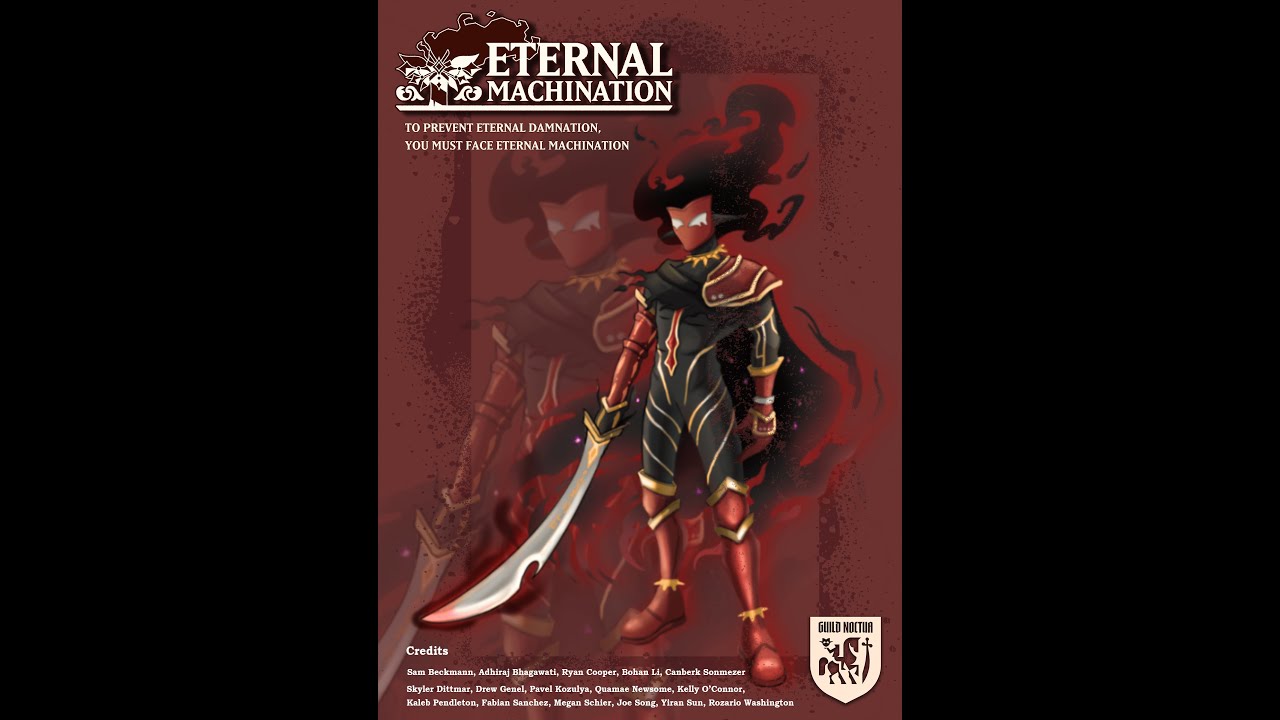
Sam Beckmann, Adhiraj Bhagawati, Ryan Cooper, Bohan Li, Canberk (Jan) Sonmezer To prevent eternal damnation, you must face eternal machination
Read More about Eternal Machination -
ChangelingVR
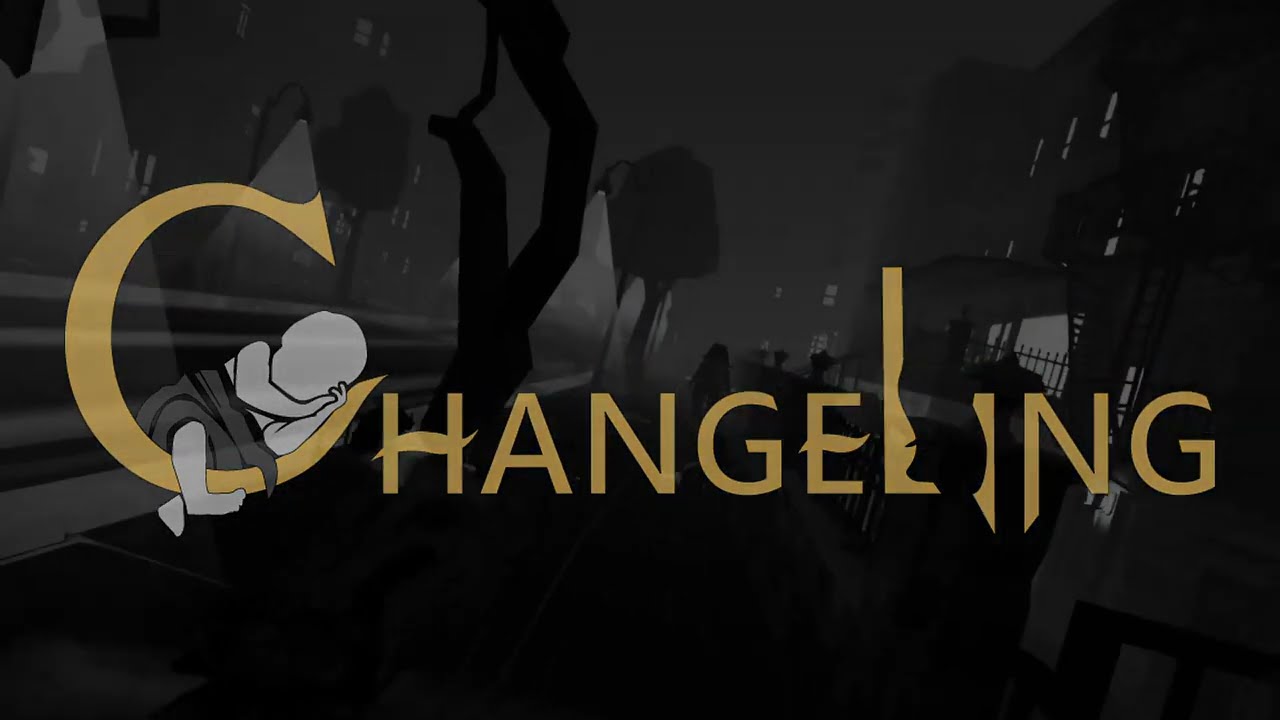
Jack Walsh, Gale Ellis, Josh Clark, Freddie Douglas, Kendyl Greer ’24 ChangelingVR is a virtual reality first-person interactive mystery founded upon the ideas of magical realism and a sense of unease and wonder.
Read More about ChangelingVR
Curriculum for 2026-2027 for Game Design and Development MS
Current Students: See Curriculum Requirements
Students are also interested in
Admissions and Financial Aid
This program is available on-campus only.
| Offered | Admit Term(s) | Application Deadline | STEM-OPT Visa Eligible |
|---|---|---|---|
| Full‑time | Fall | February 1 priority deadline, rolling thereafter | Yes |
Full-time study is 9+ semester credit hours. International students requiring a visa to study at the RIT Rochester campus must study full‑time.
Application Details
To be considered for admission to the Game Design and Development MS program, candidates must fulfill the following requirements:
- Complete an online graduate application.
- Submit copies of official transcript(s) (in English) of all previously completed undergraduate and graduate course work, including any transfer credit earned.
- Hold a baccalaureate degree (or US equivalent) from an accredited university or college in a relevant field such as game design, game development, information technology, computer science, software engineering, or computer graphics. Others with a strong background in a games-related field and some background in computing sciences may be considered. A minimum cumulative GPA of 3.25 (or equivalent) is recommended.
- Satisfy prerequisite requirements and/or complete bridge courses prior to starting program coursework.
- Submit a current resume or curriculum vitae.
- Submit a personal statement of educational objectives.
- Submit two letters of recommendation.
- Entrance exam requirements: None
- Submit a portfolio. View portfolio requirements.
- Submit English language test scores (TOEFL, IELTS, PTE Academic, etc.), if required. Details are below.
English Language Test Scores
International applicants whose native language is not English must submit one of the following official English language test scores. Some international applicants may be considered for an English test requirement waiver.
Duolingo (DET): 130
IELTS: 6.5
LanguageCert Academic: 74
PTE Academic: 60
TOEFL: 88/4.5
International students below the minimum requirement may be considered for conditional admission. Deaf and hard-of-hearing test takers with significant hearing loss do not need to take the listening and speaking sections for the TOEFL and IELTS. Each program requires balanced sub-scores when determining an applicant’s need for additional English language courses.
How to Apply Start or Manage Your Application
Cost and Financial Aid
An RIT graduate degree is an investment with lifelong returns. Graduate tuition varies by degree, the number of credits taken per semester, and delivery method. View the general cost of attendance or estimate the cost of your graduate degree.
A combination of sources can help fund your graduate degree. Learn how to fund your degree
Additional Information
Prerequisites
Applicants are expected to have at least one year of programming experience in a widely-used object-oriented language (C++, C#, or Java preferred) and some experience with web development.
Bridge Courses
Applicants without significant programming experience in a current object-oriented language (C++, C#, or Java preferred) and a solid working knowledge of website development and interactive multimedia concepts will need to complete IGME 206 to bridge any educational gaps. The bridge course will not count toward degree completion.


Related News
-
October 14, 2026

Korn having a blast with Space Raccoons card game
The Mercer Island Reporter interviews 2025 RIT game design and development graduate Brandon Korn about Space Raccoons: Raccoons in Space, a game he and fellow RIT students developed while at RIT.
-
September 24, 2026

RIT faculty, staff, and students come together to turn a Rochester teen’s Make-A-Wish dream into a playable game
19-year-old Caleb Pixley worked with RIT community members and Rochester-based ROC Game Dev over six months to bring his vision for "The MAW" to life.
-
September 24, 2026
RIT students across disciplines create peacebuilding video game
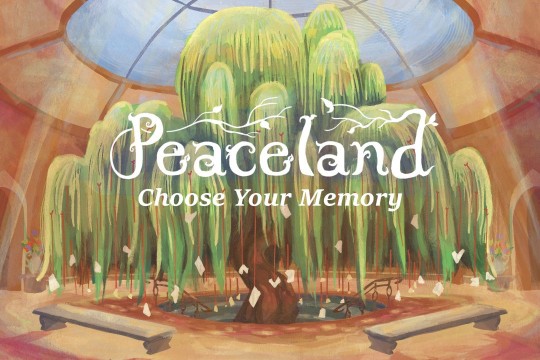
Small choices can have big consequences. That’s the idea at the heart of Peaceland: Choose Your Memory, a new video game being developed by students and faculty at RIT.

