Fine Arts Studio Master of Fine Arts Degree

This master’s in fine arts explores the role of contemporary art through illustration, painting, printmaking, or sculpture and expanded forms
Overview for Fine Arts Studio MFA
The MFA in fine arts studio is committed to collaboration and interdisciplinary approaches both within the four major fine arts areas of study (painting, printmaking, sculpture, or expanded forms) and the entire College of Art and Design.
What is Fine Arts?
Fine arts refers to creating artwork through painting, sculpture, printmaking, illustration, expanded forms, and other visual arts. Graduates with an MFA in fine arts work as artists, art educators, art instructors, curators, gallery directors, archivists, or administrators of arts and cultural institutions.
RIT’s Master’s in Fine Arts
The MFA in fine arts studio is a rigorous two-year program comprised of major studio courses; studio electives such as glass, ceramics, film, and photography; theory and research seminars; as well as thesis credits. The program’s structure allows for personal growth, experimentation, collaboration, and unique, non-discipline-specific results to occur in the thesis, which is a public exhibition of the student's work. Courses are meant to concentrate on creative visual work while also thinking about making and sustaining a dialogue.
Fine Arts MFA Tracks:
Students in the MFA in fine arts studio have the choice to focus on one of the following tracks: illustration, painting, printmaking, or sculpture and expanded forms. These four studio tracks explore both traditional and emerging technologies in the production of art and are supported by courses in art research, theory, and business. Through thesis credits, students work with a committee to produce and exhibit a body of work, a written thesis, and an oral defense as part of the master’s in fine arts.
Illustration: The MFA track in illustration offers perspective from expert faculty active in today’s industry, extensive technical resources, and advanced coursework. It is designed to build on BFA degrees, strengthen current career paths, and/or help pivot careers in a new direction and give an individual’s illustration practice a fresh and distinct visual voice.
Painting: The painting track allows students to explore their conceptual voice while continuing to build technical skills. Traditional focus on materials, the figure, and techniques is paired with a contemporary approach to materials and practice.
Printmaking: The printmaking track offers a wide range of non-toxic processes for students to combine their creativity and critical thinking. Students engage in research into safer traditional processes as well as emerging print technologies.
Sculpture and Expanded Forms: The sculpture and expanded forms track offers studio approaches that span from iron casting to performance, with studio support for welding, stone-carving, woodworking, foundry, digital printing, our Fab Lab, and multiple computer labs. Students' artistic practices consist of exhibitions, installations, performances, and community engagement.
-

Affordable Now. Valuable for Life.
Earn your master’s degree without the full price tag. With Master Up you can receive a 30% tuition scholarship for an RIT master’s degree.
-

Discover how graduate study at RIT can help further your career objectives.
Virtual Admissions Webinars | Recordings available
Virtual Academic Sessions | October 20 - October 29
On-Campus Open House | November 20
Careers and Experiential Learning
Typical Job Titles
| Art Teacher | Fine Artist | Assistant Archivist |
| Gallery Director | Mural Artist | Studio Artist |
Cooperative Education and Internships
What makes an RIT education exceptional? It’s the ability to complete relevant, hands-on career experience. At the graduate level, and paired with an advanced degree, cooperative education and internships give you the unparalleled credentials that truly set you apart. Learn more about graduate co-op and how it provides you with the career experience employers look for in their next top hires.
Co-ops and internships take your knowledge and turn it into know-how. Your art and design co-ops will provide hands-on experience that enables you to apply your artistic capabilities in dynamic professional settings while you make valuable connections between classwork and real-world applications.
Cooperative education, internships, and other experiential learning opportunities are strongly encouraged for graduate students in the MFA in fine arts studio.
Creative Industry Days
Connect with Design Industry Leaders
RIT’s Office of Career Services and Cooperative Education hosts Creative Industry Days, which connects students majoring in art, design, film and animation, photography, and select computing majors with companies, organizations, creative agencies, design firms, and more. Creative Industry Days are a series of events that allow you to network with company representatives and interview directly for open co-op and full-time employment positions.
Featured Work and Profiles
-

RIT Faculty Profile: Amy McLaren Brings Community to the Classroom
Amy McLaren Rochester Institute of Technology faculty Amy McLaren brings a wealth of positive energy and creative passion to her drawing and painting classes in the College of Art and Design. In her personal work...
Read More about RIT Faculty Profile: Amy McLaren Brings Community to the Classroom -
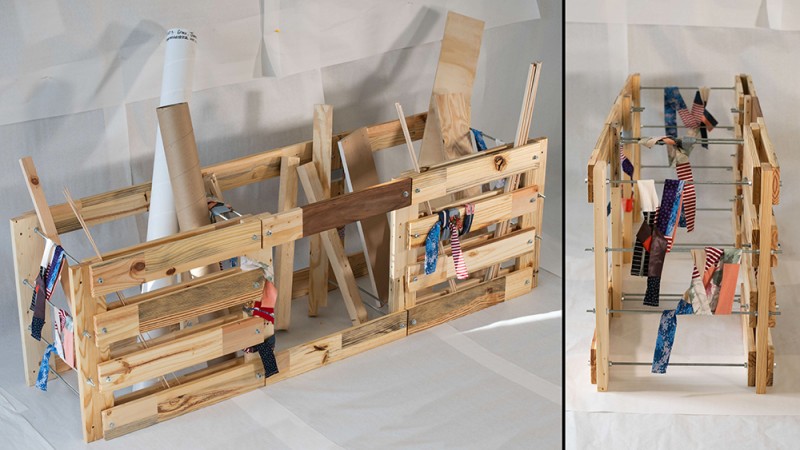
Visual Exhibition - Juried Showcase of MFA Work
The College of Art and Design's annual Visual Exhibition represents exemplary work by students from all our MFA programs.
Read More about Visual Exhibition - Juried Showcase of MFA Work -
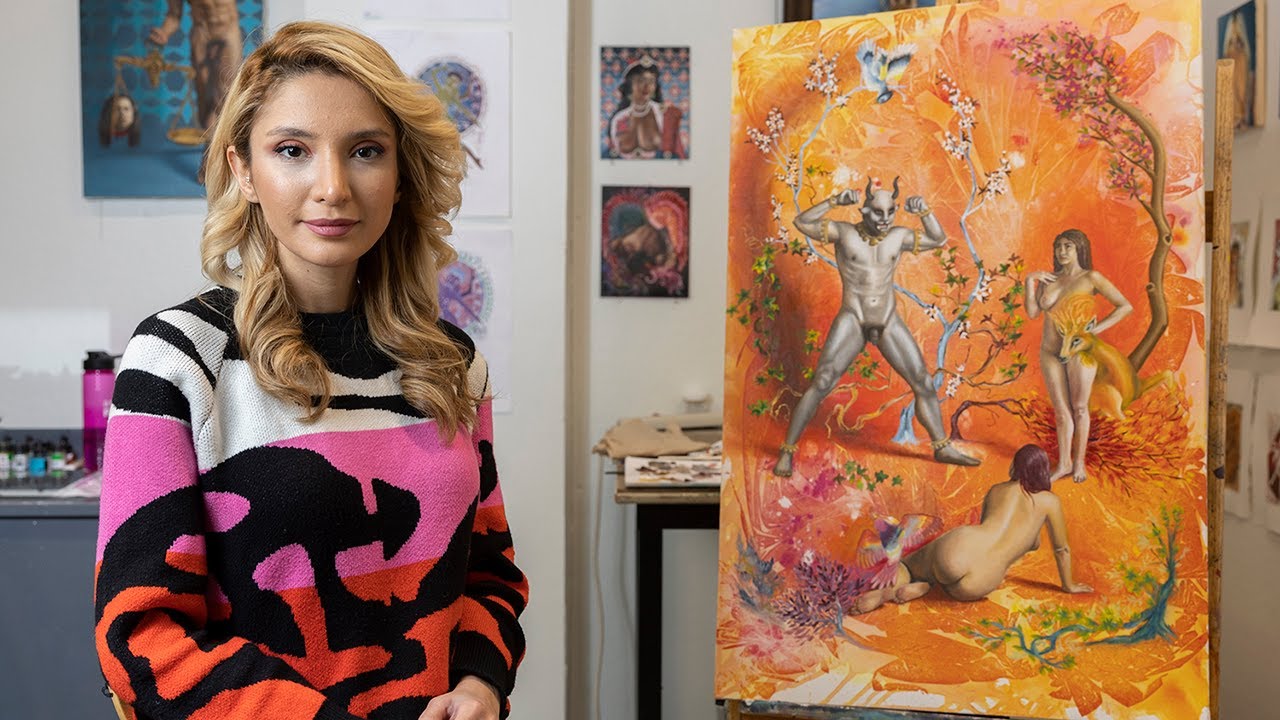
Art as Activism
Nava Barenji ’23 MFA uses her canvas as a form of activism. Each painting is imbued with meaning, aiming to raise awareness about women’s rights and social issues around the world.
Read More about Art as Activism -
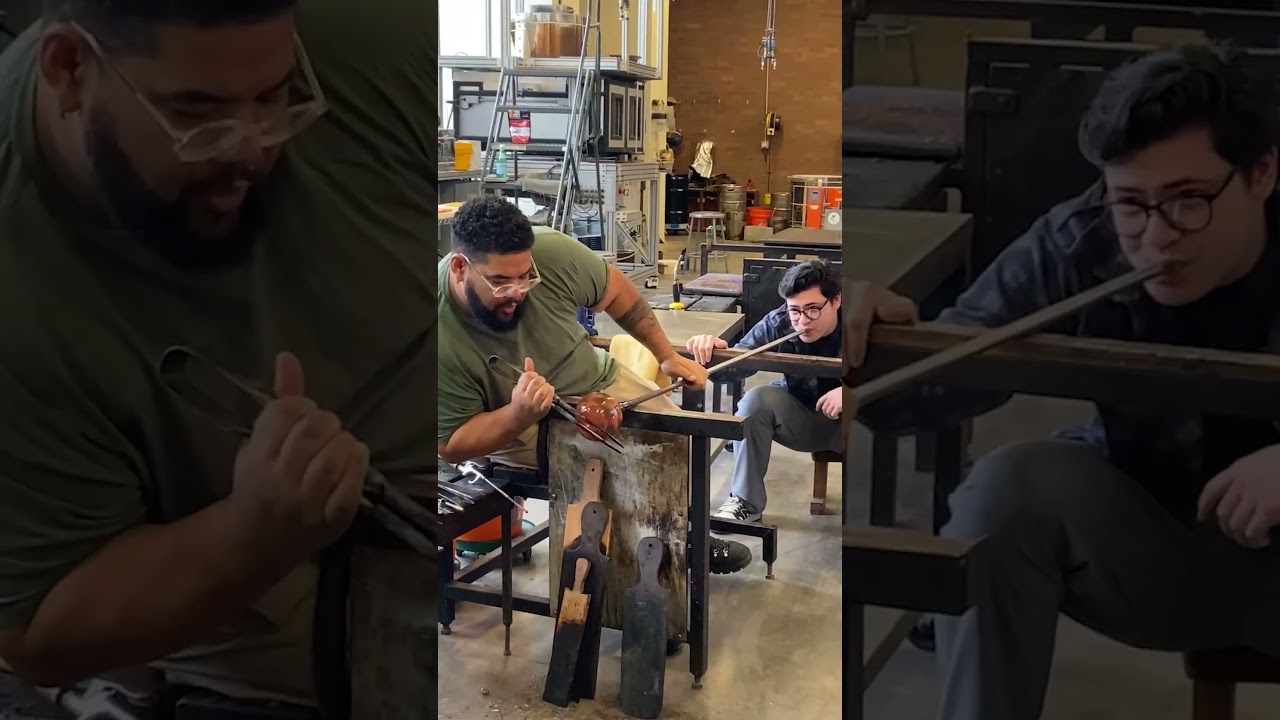
Visiting Artist: Corey Pemberton
Corey Pemberton spent three days embedded in the RIT College of Art and Design's creative community in February 2025, leading an artist talk, studio visits with MFA candidates, glassblowing demos, and...
Read More about Visiting Artist: Corey Pemberton -
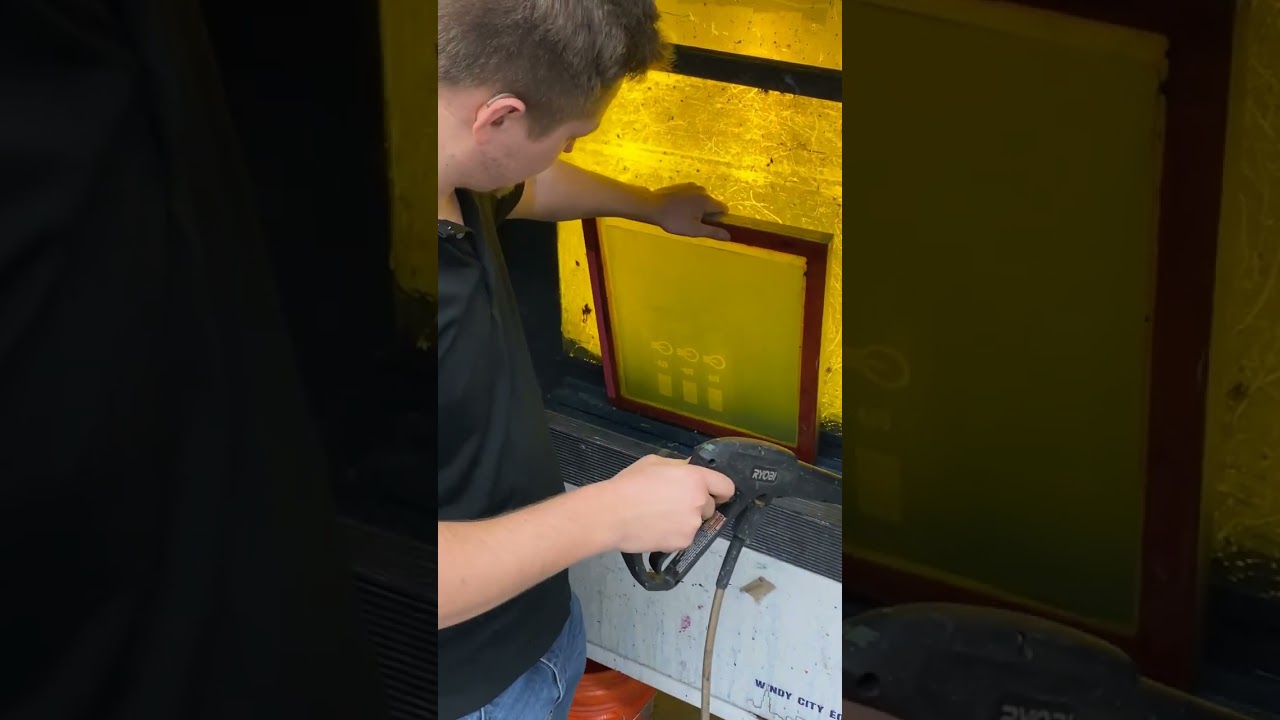
Student Merges Art and Engineering to Revolutionize Glucose Monitoring
Dylan Bennish ’24 BS, MS (electrical engineering) blends art with engineering to screen print textile antennas capable of tracking glucose levels with more cost-effective and less invasive methods.
Read More about Student Merges Art and Engineering to Revolutionize Glucose Monitoring -
Artists Print! Workshop
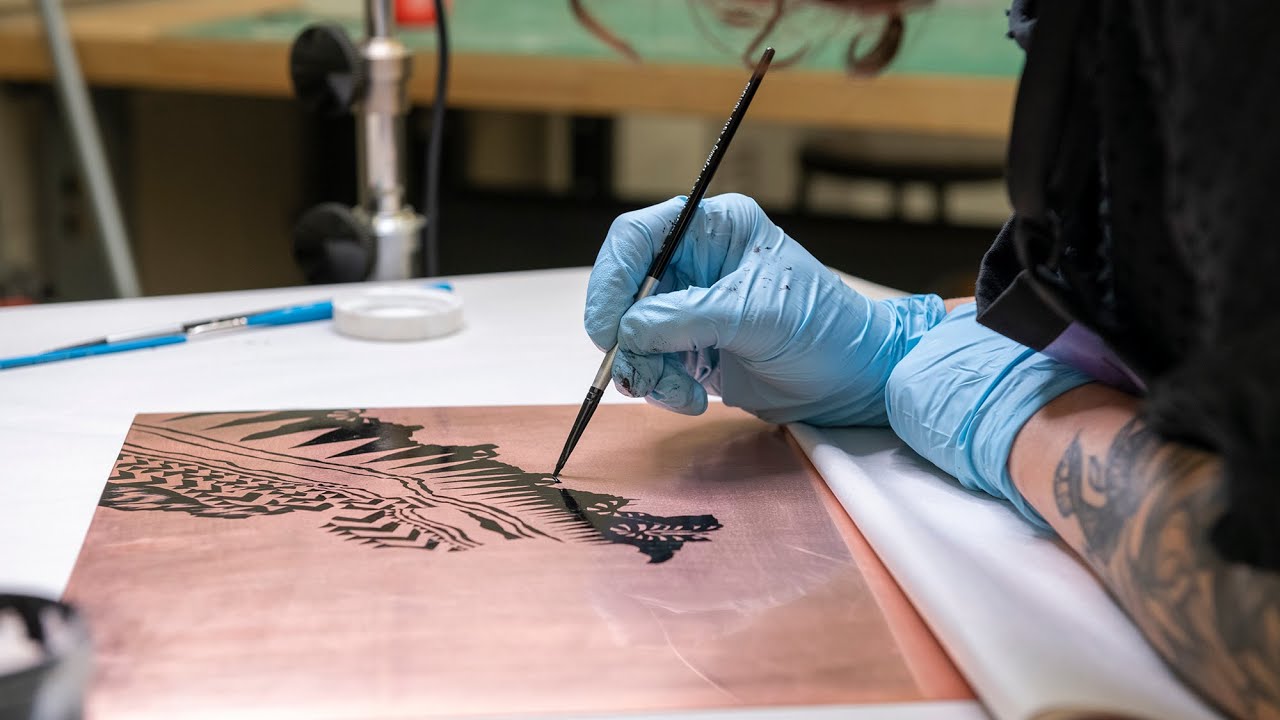
RIT’s Artists Print! event had the printmaking studio buzzing with activity. The weeklong residency program invited 12 renowned artists to campus for a lively week of creating and exploration. With...
Read More about Artists Print! Workshop
Curriculum for 2026-2027 for Fine Arts Studio MFA
Current Students: See Curriculum Requirements
Admissions and Financial Aid
This program is available on-campus only.
| Offered | Admit Term(s) | Application Deadline | STEM-OPT Visa Eligible |
|---|---|---|---|
| Full‑time | Fall | February 1 priority deadline, rolling thereafter | No |
Full-time study is 9+ semester credit hours. International students requiring a visa to study at the RIT Rochester campus must study full‑time.
Application Details
To be considered for admission to the Fine Arts Studio MFA program, candidates must fulfill the following requirements:
- Complete an online graduate application.
- Submit copies of official transcript(s) (in English) of all previously completed undergraduate and graduate course work, including any transfer credit earned.
- Hold a baccalaureate degree (or US equivalent) from an accredited university or college. A minimum cumulative GPA of 3.0 (or equivalent) is recommended.
- Submit a current resume or curriculum vitae.
- Submit a personal statement of educational objectives.
- Submit two letters of recommendation.
- Entrance exam requirements: None
- Submit a portfolio. View portfolio requirements.
- Submit English language test scores (TOEFL, IELTS, PTE Academic, etc.), if required. Details are below.
English Language Test Scores
International applicants whose native language is not English must submit one of the following official English language test scores. Some international applicants may be considered for an English test requirement waiver.
Duolingo (DET): 120
IELTS: 6.5
LanguageCert Academic: 70
PTE Academic: 56
TOEFL: 79/4.5
International students below the minimum requirement may be considered for conditional admission. Deaf and hard-of-hearing test takers with significant hearing loss do not need to take the listening and speaking sections for the TOEFL and IELTS. Each program requires balanced sub-scores when determining an applicant’s need for additional English language courses.
How to Apply Start or Manage Your Application
Cost and Financial Aid
An RIT graduate degree is an investment with lifelong returns. Graduate tuition varies by degree, the number of credits taken per semester, and delivery method. View the general cost of attendance or estimate the cost of your graduate degree.
A combination of sources can help fund your graduate degree. Learn how to fund your degree


Related News
-
April 7, 2026

RIT’s graduate programs ranked among the best by ‘U.S. News & World Report’
Seventeen graduate degree programs at Rochester Institute of Technology and the graduate schools in business and engineering are among the best in the nation, according to U.S. News & World Report’s annual rankings.
-
February 16, 2026
Exhibition, talk features influential artist Charles Gaines '67
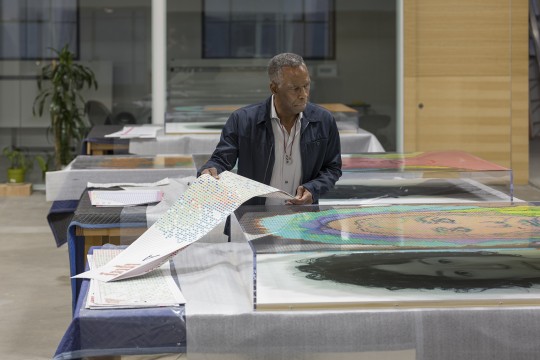
Charles Gaines '67 MFA (art and design), a pivotal figure in the field of conceptual art, has an upcoming exhibition in RIT’s University Gallery that traces a loose arc of his career and illustrates his sustained interest in the lyrical potential of logical systems. He will also give a companion artist talk Thursday, March 26.
-
September 24, 2025

New School of Film and Animation director, faculty roles for 2025-26
Ricky Figueora taking over as the new director of RIT's School of Film and Animation headlines exciting promotions and additions to the College of Art and Design faculty.

