About NTID

The National Technical Institute for the Deaf is one of the nine colleges of Rochester Institute of Technology, and is home to the world’s first and largest technological college for deaf and hard-of-hearing students.
Better opportunities. Bigger impact.
RIT/NTID is:
Unique. RIT/NTID serves more than 1,100 deaf and hard-of-hearing students from around the world, many of whom live, study, and work alongside hearing students on the mainstream RIT campus.
A place that levels the playing field. RIT/NTID is the most accessible college in the world for deaf and hard-of-hearing students. RIT is one of only six universities in the nation that has been named a Microsoft Accessible University.
A community of people who mentor and inspire. RIT/NTID faculty and staff specialize in educating deaf and hard-of-hearing students.
An inclusive environment where you will find your fit. A community where you will feel comfortable and make meaningful connections with classmates, faculty, and staff and find a sense of belonging from the minute you step on campus.
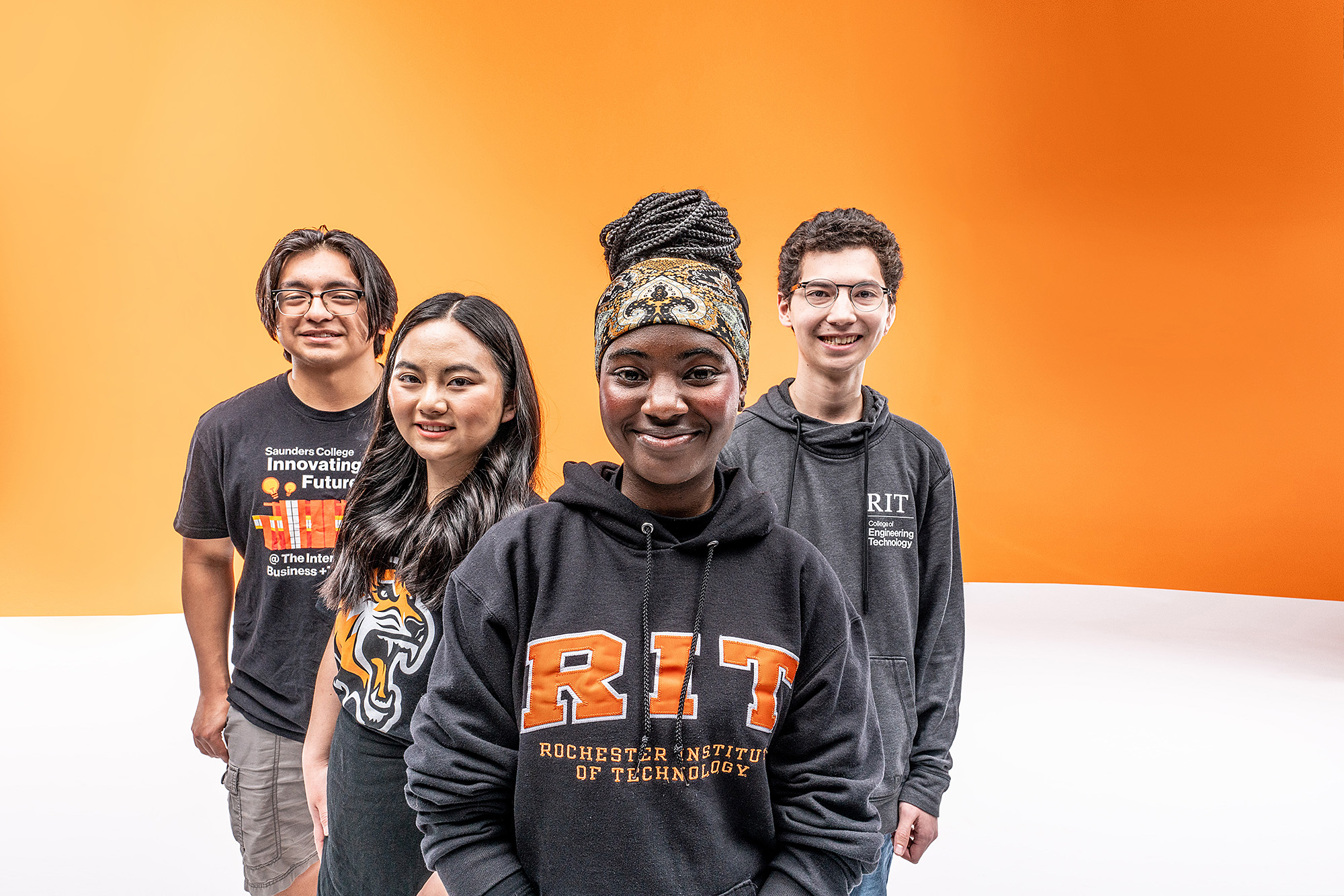
The Right Fit
Our students come from all over the United States and the world, bringing with them a variety of backgrounds and life experiences. Many students attended mainstream schools. Others attended schools for the deaf. Some grew up in families where they were the only deaf or hard-of-hearing person. Others come from culturally Deaf families. Some prefer to communicate using spoken English. Others prefer sign language or a combination of speaking and signing. The bottom line is that here you’ll find other students like you.
Who Are Our Students?

%
At RIT, you'll find other students like you.
At RIT, you'll find other students like you. And you'll discover more about yourself than you ever knew.

%
Students' Home Region
46% Northeast
23% South
16% West
12% Midwest
3% International

%
Type of High School Attended
68% Mainstream
32% School for the Deaf

%
Degrees Our Students Are Pursuing
53% Bachelor's
16% Associate
16% Associate + Bachelor's
14% Graduate
1% Career Exploration Studies
%
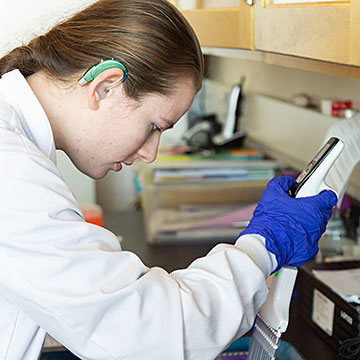
Assistive Technology Use
41% Hearing Aids
18% Cochlear Implant
26% None
15% Both Hearing Aids and Cochlear Implant
%
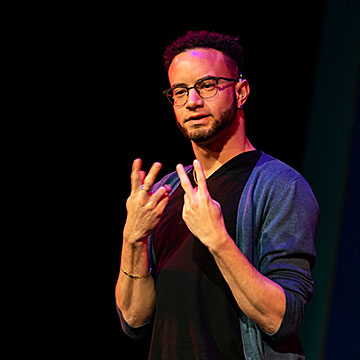
Communication Mode
34% Spoken Language
38% American Sign Language
34% Spoken Language and Sign Language
5% Other