Photographic Sciences Bachelor of Science Degree

RIT's photographic sciences BS is a specialized photography degree focused on scientific imaging, camera systems, optics, and imaging technology.
Overview for Photographic Sciences BS
Why Study Photographic Sciences at RIT
Combining interests in both science and the arts: photographic sciences features unique coursework found at no other U.S. institution. Upper-division classes focus on high-speed photography, micrography, ophthalmic imaging, and image analysis/quality, among other topics.
Industry Work Experience: Four required blocks of cooperative education and internship means nearly a year of hands-on, full-time paid work experience at organizations like the FBI, the Mayo Clinic, and Smithsonian Institution.
Strong Career Paths: Carl Zeiss Microscopy and NASA are two of the biggest employers of our graduates. Other employers include Canon, Fujifilm, Leica Microsystems, and the National Retina Institute.
Industry Exposure: Alumni, students, and faculty are regularly recognized by industry competitions like Nikon’s Small World and the BioCommunications Association’s BioImages competition.
Accelerated Bachelor’s/Master’s Available: Earn both your bachelor’s and your master’s in less time and with a cost savings, giving you a competitive advantage in your field.
STEM-OPT Visa Eligible: The STEM Optional Practical Training (OPT) program allows full-time, on-campus international students on an F-1 student visa to stay and work in the U.S. for up to three years after graduation.
What Is Photographic Sciences?
Photographic sciences is a dynamic field that combines photography with imaging science, information technology, computing, physics, and optics. Part scientist, part artist. A scientific photographer uses imaging to capture scientific data that supports science, technology, medicine, the automotive industry, and other related fields. These images and data help scientists and industry professionals improve medical treatments, investigate forensic evidence, evaluate products, conduct research, and advance new technologies.
RIT’s Photography Degree Focused on Scientific Imaging
In RIT’s photographic sciences major, photography is used to advance science, and imaging is used to collect scientific data. It is a one-of-a-kind photography degree that blends science and photography to provide you with the broad-based skills required of professional imaging experts, combined with a foundation in the sciences. You’ll explore photography and technology through the lens of math and science to gain the skills and knowledge required for scientific imaging.
What you will study in Photographic Sciences
The photographic sciences degree builds a strong foundation in photographic and scientific principles. You’ll learn the essential elements of composition, retouching and image enhancement, lighting, and other studio practices. But as the bachelor of science in photography progresses, you will delve into vision and optics, camera technology, imaging science, color science, biology, and physics. This blend of science and photography enables you to study specialized disciplines, including ophthalmic (eye care) imaging, forensic photography, high-speed image capture, microscopy, and even surgical photography.
With a curriculum balancing image making and taking with math, physics, optics, color theory, and image quality, you will learn to apply technical approaches to image-oriented problems and create the camera systems and imaging sensors used in everyday life. The outcome? Photographers with the technical experience to make the cameras and imaging technology used in cars, phones, healthcare, and even by NASA and Apple.
Careers in Scientific Imaging and Photography
This culmination of specialized study isn’t found anywhere else at the undergraduate level. Capable of understanding desired outcomes for images and equipped with the technical acumen to problem solve, alumni of the photographic sciences degree have a unique and highly-marketable skill set. Graduates pursue incredible careers with imaging and camera companies, universities and research centers, forensic laboratories, and government agencies. Regular employers of our alumni include Apple, Canon, Carl Zeiss Microscopy, Harvard University, Mayo Clinic, NASA, the National Geospatial Intelligence Agency, NVIDIA, and Wills Eye Hospital. A required co-op also allows our students to gain real-world experience at those renowned companies, in addition to others, before graduation.
Furthering Your Education in Photography
+1 MBA Option
Photographic sciences majors have the opportunity to add an MBA to their studies after their first year of study. Learn how the +1 MBA can accelerate your learning and position you for success.

-

Apply for Fall 2027
Early Decision I and Early Action deadlines are November 1.
-

Meet Us on Campus
Learn about academics, co-op and internships, financial aid, and more at one of our on-campus open houses.
October 12 | October 24 | November 14
Careers and Experiential Learning
Typical Job Titles
| Clinical Research Scientist | Field Support Engineer | Forensic Photographer |
| Forensic Specialist | Imaging Quality Engineer | Imaging Quality Assessor |
| Medical Photographer | Photomicrographer | Software Quality Assurance (SQA) Engineer |
| Image Quality Technician | Medical Image Technician | Ophthalmic Photographer |
| Surgical Photographer |
Industries
Cooperative Education and Internships
Hands-On Experience to Gain Real-World Skills
What’s different about an RIT education? It’s the career experience you gain by completing cooperative education and internships with top companies in every single industry. You’ll earn more than a degree. You’ll gain real-world career experience that sets you apart. It’s exposure–early and often–to a variety of professional work environments, career paths, and industries.
Co-ops and internships take your knowledge and turn it into know-how. Co-op in the College of Art and Design provides hands-on experience that enables you to apply your artistic capabilities in dynamic professional settings while you make valuable connections between classwork and real-world applications.
Students in the photographic sciences program are required to complete one co-op experience. These experiences are generally completed between the second and third academic years. Some recent co-op placements, as well as permanent job placements, include Harvard University, the Mayo Clinic, Smithsonian, Georgetown University, Case Western Reserve University, NASA, Imatest, Carl Zeiss Microscopy, FBI, Nikon Scientific Instruments, Apple Inc., and NVIDIA.
Scientific Photography Careers
With a 95% outcomes rate, you’ll be well-prepared to launch an exciting career in scientific photography. Our graduates are employed as ophthalmic photographers, forensic photographers, surgical photographers, photomicrographers, medical photographers, latent finger print examiners, core imaging facility managers, technical support engineers, imaging specialists, imaging engineers, public relations photographers, research associates, dermatology photographers, research photographers, and image quality engineers.
Recent employers include imaging companies, universities and research centers, camera companies, forensic laboratories, and government agencies. NASA, Apple, The Mayo Clinic, Carl Zeiss Microscopy, Harvard University, the National Geospatial Intelligence Agency, and Canon have all hired graduates of the program.
Creative Industry Days
Connect with Design Industry Leaders
RIT’s Office of Career Services and Cooperative Education hosts Creative Industry Days, which connects students majoring in art, design, film and animation, photography, and select computing majors with companies, organizations, creative agencies, design firms, and more. Creative Industry Days are a series of events that allow you to network with company representatives and interview directly for open co-op and full-time employment positions.
Featured Work and Profiles
-
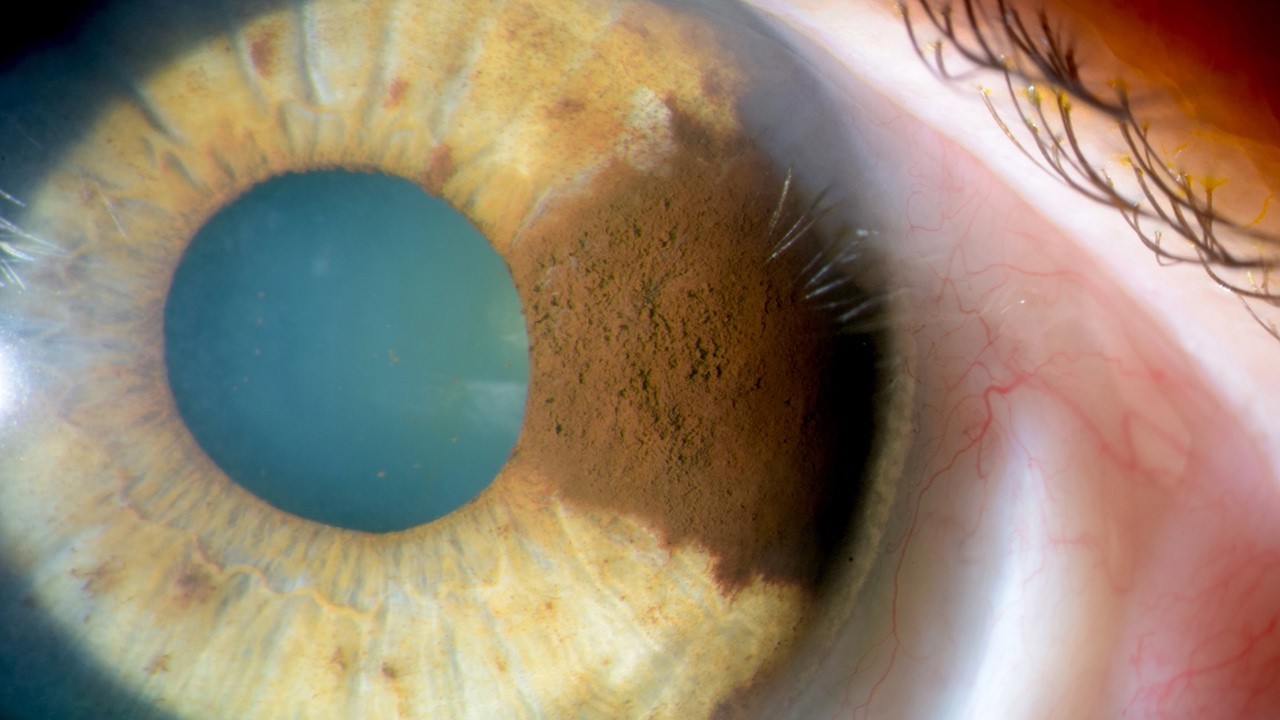
Supporting Eye Health With Innovative Imaging
Since graduating from Rochester Institute of Technology’s photographic sciences program, Leah Kazakevich ‘19 has had a successful career as a medical photographer. She began as an ophthalmic...
Read More about Supporting Eye Health With Innovative Imaging -
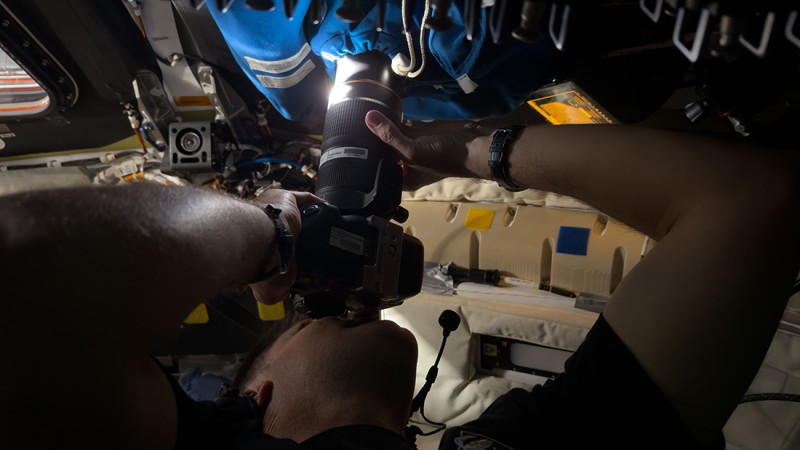
Alumni play critical role in documenting Artemis mission
The astronauts on NASA’s Artemis II mission were well equipped to photograph their journey around the moon thanks to training from Katrina Willoughby ’04 and Paul Reichert ’01.
Read More about Alumni play critical role in documenting Artemis mission -

Ophthalmic photography career takes shape at RIT
Melanie Ng '26 turned her experience in RIT's photographic sciences program and a co-op in New York City into a full-time job at Massachusetts Eye and Ear after graduation.
Read More about Ophthalmic photography career takes shape at RIT -
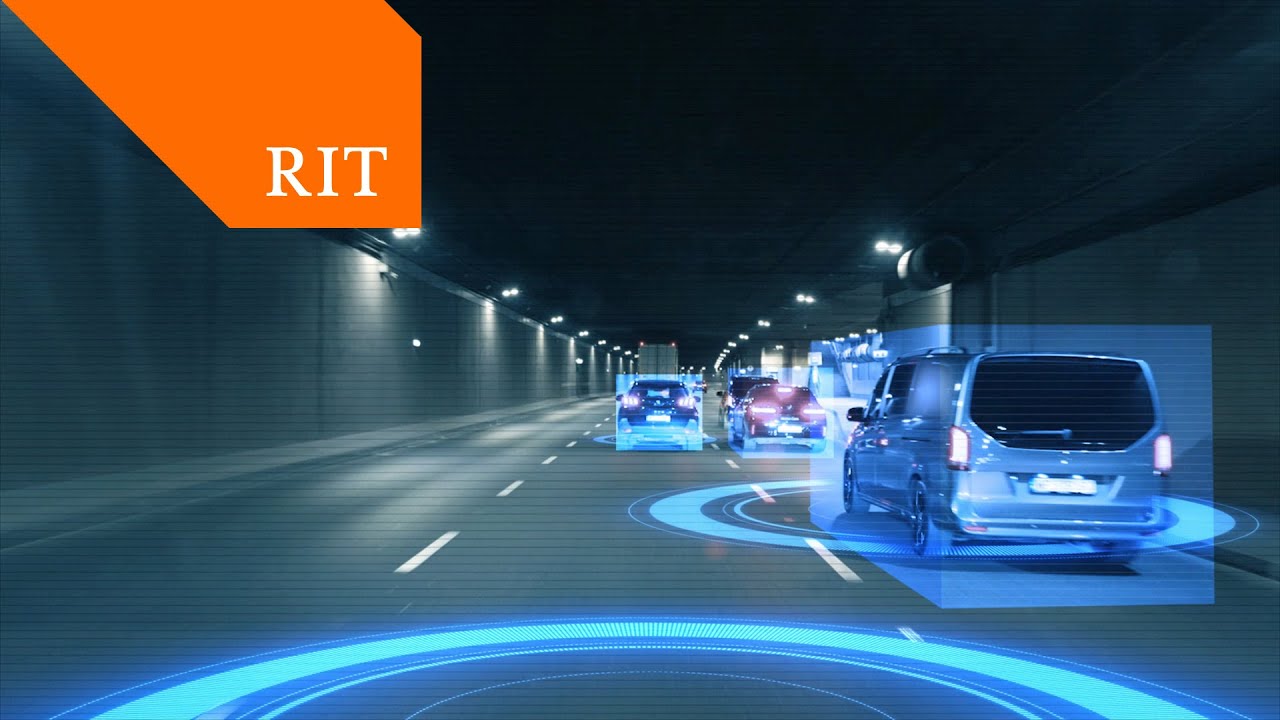
Designing Camera Systems of the Future
Bobby Gold '16 (photographic sciences), as a senior image quality engineer at NVIDIA, designs and tests camera systems for autonomous vehicles and robotics platforms. As a student at RIT, he completed...
Read More about Designing Camera Systems of the Future -
From RIT to Apple
Liz Stublen '22 After graduating from RIT's photographic sciences program, Liz Stublen '22 went on to use specialized scientific imaging systems to collect data for hardware tests at Tesla before transitioning to a...
Read More about From RIT to Apple -
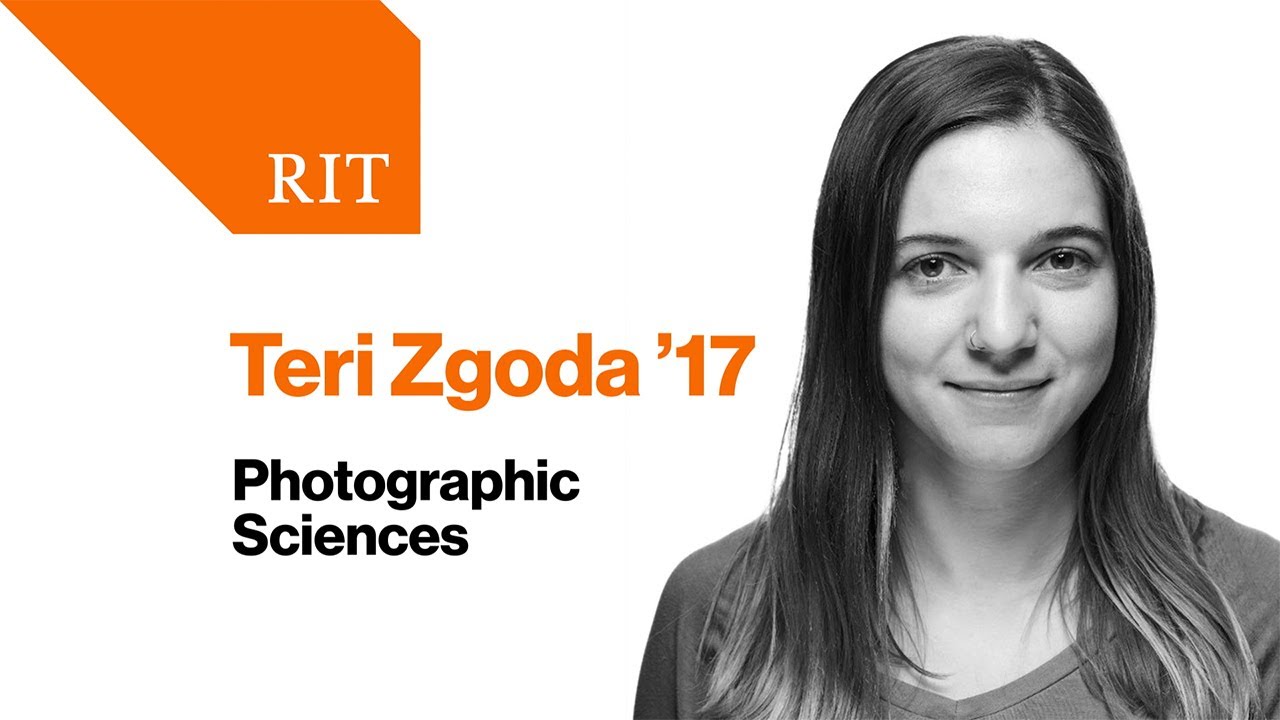
Behind the lens of a scientific photographer
Teri Zgoda '17 (photographic sciences) is an award-winning scientific photographer whose images have been honored by Nikon and prestigious national magazines.
Read More about Behind the lens of a scientific photographer
Curriculum for 2026-2027 for Photographic Sciences BS
Current Students: See Curriculum Requirements
Admissions and Financial Aid
This program is STEM-OPT Visa Eligible when studying on campus and full time.
First-Year Admission
First-year applicants are expected to demonstrate a strong academic background that includes:
- 4 years of English
- 3 years of social studies and/or history
- 4 years of mathematics is required and must include algebra, geometry, algebra 2/trigonometry, and pre-calculus. Calculus is preferred.
- 2-3 years of science is required and must include chemistry or physics; both are recommended.
Transfer Admission
Transfer applicants should meet these minimum degree-specific requirements:
- Pre-calculus is required. Calculus is preferred.
- Chemistry or physics is required and both are recommended.
Financial Aid and Scholarships
100% of all incoming first-year and transfer students receive aid.
RIT’s personalized and comprehensive financial aid program includes scholarships, grants, loans, and campus employment programs. When all these are put to work, your actual cost may be much lower than the published estimated cost of attendance.
Learn more about financial aid and scholarships





Related News
-
July 9, 2026
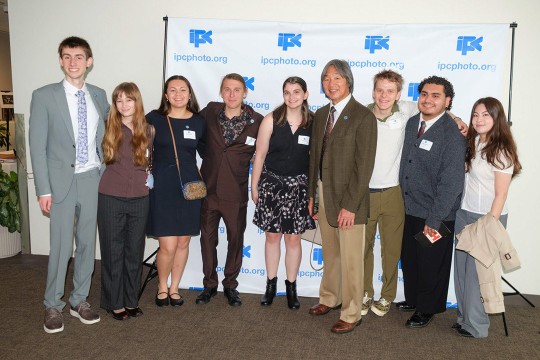
RIT photography alumnus gives back by opening doors for current students
Alumnus Bing Liem is invested in supporting the next generation of photography experts, and he’s leveraging his industry connections to make a tangible impact.
-
May 7, 2026
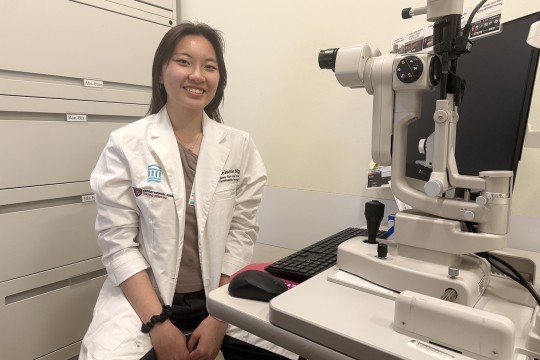
Laser-focused ambition leads to ophthalmic imaging career
A rewarding co-op experience, coupled with a laser-focused ambition while studying in RIT's one-of-a-kind photographic sciences program, led to a full-time position after graduation for Melanie Ng '26.
-
May 1, 2026

RIT grad captures dramatic photos of RFK Jr., Secret Service, during Trump assassination attempt
WHEC-TV highlights Tom Brenner '16 (photojournalism), who captured widely circulated photos of Robert F. Kennedy Jr. and Secret Service agents, and includes comments from William Snyder, professor of photographic arts and sciences.
Contact
School of Photographic Arts and Sciences